How to Use the NeuroLaw Resource Library
The CLBB NeuroLaw Resource Library is a curated, searchable collection of scientific and legal materials designed to help attorneys, judges, clinicians, scholars, and students access authoritative neuroscience and behavioral science research relevant to the legal system. The Resource Library is organized by topic and includes filters to help you quickly locate relevant materials.
Step 1: Select a Topic
Resources are organized into two primary topics:
Addiction and the Law: This topic includes resources related to the neuroscience of addiction, substance use disorder, recovery, relapse, treatment, and legal issues involving substance use. These materials may be relevant to cases involving criminal responsibility, sentencing, family law, treatment decisions, and probation or supervision.
Juvenile and Emerging Adult Justice: This topic includes resources related to adolescent and emerging adult brain development and its influence on decision-making, impulse control, and developmental maturity. These materials may be relevant to cases involving juvenile and emerging adult justice, sentencing, competency, and mitigation.

Step 2: Use Filters to Refine Results
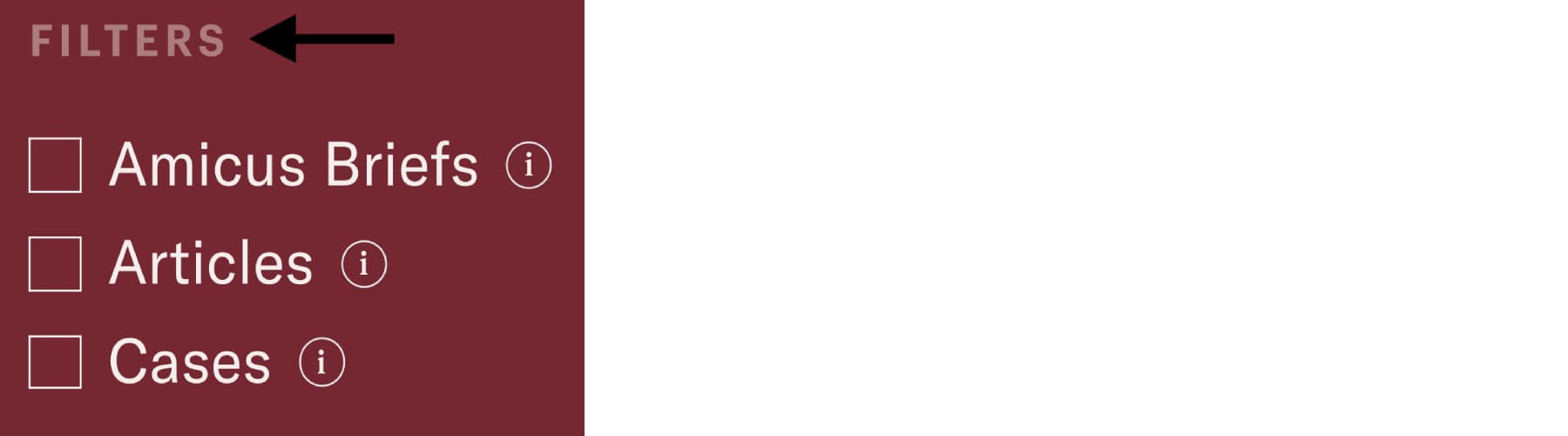
Narrow your search using the Filters section. The Resource Library currently includes three types of resources:
Amicus Briefs: Documents submitted by experts or organizations to assist courts in understanding scientific, medical, or policy issues relevant to a case.
Articles: Scholarly research papers written by experts and peer-reviewed by other experts in the field. These articles provide scientific evidence and expert analysis.
Cases: Judicial decisions addressing legal issues related to neuroscience, psychology, addiction, trauma, or brain development. These cases may reference or rely on scientific evidence.
When viewing amicus briefs or cases, you may select additional filters to identify cases in particular jurisdictions or within certain timeframes.
Step 3: Use the Search Feature
Enter search terms to identify relevant resources. Refer to resource titles and keywords to quickly determine whether a resource is relevant to your specific legal, clinical, or research question.

How the Resource Library Can Support Your Work
The Resource Library may be useful for:
Attorneys
Supporting legal arguments with scientific research
Identifying relevant case law
Preparing briefs, motions, and mitigation materials
Judges
Understanding scientific concepts relevant to legal decision-making
Evaluating expert testimony and scientific evidence
Experts and Clinicians
Supporting forensic evaluations and expert reports
Locating peer-reviewed research relevant to legal questions
Students and Scholars
Accessing interdisciplinary research at the intersection of neuroscience and law
Additional Tips for Using the Resource Library
Adjust the comprehension slider to increase or decrease the complexity of the language used in any resource
Access APA and/or Bluebook Citations by selecting "Cite" on any resource
Open original sources to review the full text when needed