Trauma is a Public Health Issue
Kathryn M. Magruder
Katie A. McLaughlin
Diane L. Elmore Borbon
SimpleOriginal

Summary

Trauma is widespread and costly worldwide. This article shows how individual, social, and policy factors shape trauma and outlines prevention strategies and the role of public health action.

2017

Trauma is a Public Health Issue

Keywords trauma; public health; prevention; policy; mental health; early intervention; traumatic stress; disaster

Abstract

Exposure to trauma is pervasive in societies worldwide and is associated with substantial costs to the individual and society, making it a significant global public health concern. We present evidence for trauma as a public health issue by highlighting the role of characteristics operating at multiple levels of influence – individual, relationship, community, and society – as explanatory factors in both the occurrence of trauma and its sequelae. Within the context of this multi-level framework, we highlight targets for prevention of trauma and its downstream consequences and provide examples of where public health approaches to prevention have met with success. Finally, we describe the essential role of public health policies in addressing trauma as a global public health issue, including key challenges for global mental health and next steps for developing and implementing a trauma-informed public health policy agenda. A public health framework is critical for understanding risk and protective factors for trauma and its aftermath operating at multiple levels of influence and generating opportunities for prevention.

HIGHLIGHTS:

  • Exposure to trauma is pervasive in societies worldwide and is associated with substantial costs to the individual and society, making it a significant global public health concern.

  • We present factors at individual, relationship, community, and society levels—as explanatory factors in both the occurrence of trauma and its sequelae.

  • We highlight targets for prevention of trauma and early intervention at all of these levels.

  • We describe the essential role of public health policies in addressing trauma as a global public health issue.

1. Public health impact of trauma

Exposure to trauma is pervasive in societies worldwide. Population-based data from various countries indicate that a majority of adults will experience a traumatic event at some point in their lives, despite cross-national variation in the prevalence of specific types of traumatic events (Benjet et al., 2016; Burri & Maercker, 2014). Trauma exposure is also common in children and adolescents around the world. A substantial proportion of children globally are exposed to trauma as a result of armed conflict, natural disasters, and other humanitarian emergencies (World Health Organization, 2013b). An estimated 230 million children currently live in countries impacted by armed conflicts (UNICEF, 2014), which increases risk of experiencing displacement, witnessing violence and death, and being orphaned, kidnapped, raped, or recruited as child soldiers (UNICEF, 2009).

Traumatic events do not only occur at random, but can be influenced by individual characteristics, peer group relationships, community characteristics, and socio-political factors. At the individual level, for example, the likelihood of experiencing particular types of trauma varies by sex, age, race/ethnicity, and sexual orientation (Garcia-Moreno, Jansen, Ellsberg, Heise, & Watts, 2006; Kessler, Sonnega, Bromet, Hughes, & Nelson, 1995; McLaughlin et al., 2013; Rees et al., 2011). Community and socio-political factors also influence the likelihood of trauma occurrence across geographic locations. Certain types of traumas (e.g. violence) are more likely to occur in certain locations (e.g. metropolitan areas and conflict zones) (McLaughlin et al., 2013; Perkonigg, Kessler, Storz, & Wittchen, 2000). Moreover, different communities will have diverse trauma recovery trajectories based on their pre-trauma community characteristics (Nakagawa & Shaw, 2004). Thus, it is important not to overlook these characteristics in considering both trauma exposure and outcome.

The public health impact of trauma exposure is staggering for both communities and individuals. Catastrophic events such as natural and man-made disasters and terrorist attacks can have devastating effects on the social fabric of society and communities, not only involving injuries and loss of life, but also related to property destruction and infrastructure damage. This aftermath, coupled with high levels of resulting migration, can create prolonged disruption in the delivery of social services and the dissolution of social support networks. These community-level consequences can persist for lengthy periods, often fundamentally changing the physical and social landscape of a community (Galea et al., 2002; Hollifield et al., 2008; Rosenbaum, 2006). Low and middle income countries (LMICs) are disproportionately affected. Collective violence (e.g. war, genocide) is 10 times more common in LMICs versus high income countries (HICs) (World Health Organization, 2002), and LMICs carry the brunt of migration problems caused by disasters and violence. In 2015, 65.3 million people were forcibly displaced, the vast majority from LMICs. According to the United Nations High Commission for Refugees (UNHCR), the top hosting countries are Turkey (2.5 million), Pakistan (1.6 million), Lebanon (1.1 million), and Iran (1.0 million).

Exposure to trauma is particularly detrimental when it occurs in childhood or adolescence, disrupting numerous aspects of development in cognitive, emotional, and social domains, leading to adverse mental health and educational outcomes (Cicchetti & Toth, 1995; Koenen, Moffit, Caspi, Taylor, & Purcell, 2003) with long-term consequences for learning and memory (Teicher, Anderson, & Polcari, 2012), emotional functioning (De Bellis et al., 1994; McCrory et al., 2011; McLaughlin & Hatzenbuehler, 2009; Pollak & Sinha, 2002; Pollak, Vardi, Putzer Bechner, & Curtin, 2005), social relationships, elevated risk of re-victimization (Cole & Putnam, 1992; DiLillo, 2001; Follette, Polusney, Bechtle, & Naugle, 1996), and mental disorders (Kilpatrick et al., 2003; McLaughlin et al., 2012, 2013).

Post-traumatic stress disorder (PTSD), which is inextricably linked with trauma, is in itself a profound public health burden. Individuals who develop PTSD following trauma experience impaired role functioning and reduced life course opportunities (Kessler, 2000). PTSD was associated with high levels of disability, and in developing countries disability associated with PTSD was higher than most common medical conditions except for headaches and chronic pain (Ormel et al., 2008). The economic costs of PTSD are staggering, with work impairment associated with the disorder estimated at 3.6 days per month per person with PTSD. The annual lost productivity due to PTSD is estimated at over $3 billion dollars in the U.S. alone (Kessler, 2000).

Because the development of PTSD is conditional on trauma exposure, PTSD may be the most preventable of mental disorders. We have the unique opportunity to reduce the population burden of PTSD both by preventing trauma exposure and by delivering timely interventions in the wake of trauma to those most at risk. The following sections explore these opportunities based on a public health approach, extending previous work (Magruder, Kassam-Adams, Thoresen, & Olff, 2016) by expanding examples and policy implications.

2. Public health model of traumatic stress

Current approaches to public health are explicitly multi-level and concerned with identifying causes of health states (Krieger, 1994; Susser, 1998) with the ultimate goal of preventing disease onset. With problems that have a behavioural component, a public health model encompasses factors operating at multiple levels of influence, such as family, school, and cultural levels (see Figure 1) (Bronfenbrenner, 1979) (Dahlberg & Krug, 2002).
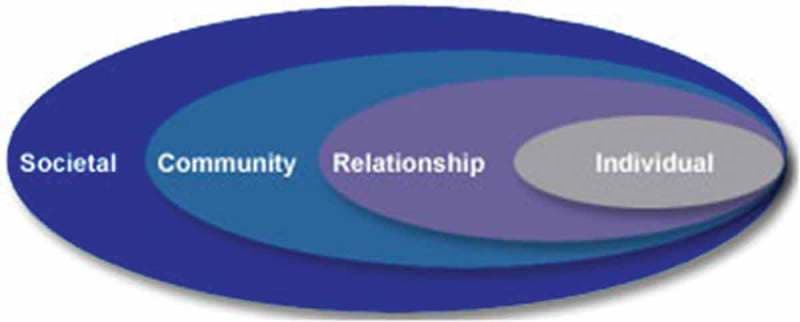
Figure 1

In the case of trauma-related problems, the important components are the trauma itself, those who are exposed to trauma, their relationships, the variety of environmental factors playing a role in shaping the likelihood of both trauma exposure and outcome, and societal factors, attitudes, and characteristics that influence trauma likelihood and intervention. Such a multi-level approach provides a public health framework for developing an array of strategies aimed at preventing the occurrence and sequelae of trauma. Furthermore, these levels can be considered as points of intervention and opportunities for prevention. The classic prevention framework includes three levels: primary; secondary; and tertiary (Commission on Chronic Illness, 1957). The aim of primary prevention is to prevent the actual occurrence of the disease or illness. The purpose of secondary prevention is to intervene early in the disease process for cure or optimal outcomes. Tertiary prevention is aimed at preventing the disability that accompanies an illness or disease. Each of these levels of prevention can be implemented at different system levels, including society at large, the community, the family, and the individual. Subsequently, risk and protective factors can be translated into multi-sectoral, multi-modal, and multi-level preventive interventions (De Jong, 2010; Wiist et al., 2014). Table 1 provides a few examples of prevention strategies at each level.

Table 1.

Prevention examples within a public health framework.

Prevention level

Social-ecological level

Primary

Secondary

Tertiary

Individual

Alcohol education programmes for young adults to prevent high risk drinking, thus reducing risk for physical and sexual assaults

Minimization of ongoing stressors for trauma-exposed individuals to prevent onset of full PTSD

Effective and timely treatment of PTSD to prevent development of comorbidities

Relationship

Programmes to prevent bullying in schools

Early intervention for trauma-exposed children

Training for foster parents of children with psychological problems related to trauma

Community

Lighting parking lots, streets, and campuses to prevent crime

Development and promotion of proactive community preparedness measures to anticipate response to disasters

Education programmes to promote understanding of psychological sequelae of trauma exposure and to reduce stigma

Societal

Policies to limit firearm possession

Policies to promote and facilitate early intervention for trauma victims

Peace agreements to prevent political violence

From a public health perspective, preventing exposure to trauma is an obvious strategy, and such efforts can be targeted to all levels of the social-ecological model. A number of strategies are aimed at reducing the likelihood of trauma exposure in individuals. Alcohol education programmes for young adults, such as those implemented on U.S. college campuses, can reduce high-risk drinking which in turn may reduce exposure to traumatic events like physical and sexual assaults, accidents, or motor vehicle accidents (Katz & Moore, 2013). At the relationship level, there are programmes to strengthen the abilities and sensitivity of family caregivers as well as programmes to prevent bullying in schools. At the community level, examples include lighting parking lots, streets, and campuses to prevent crime. Even design of highways to reduce traffic accidents can be seen as an environmental response to reduce motor vehicle accidents and thus reduce trauma occurrence. Other examples include neighbourhood watch programmes to prevent crime and community members preventing sexual assaults in refugee camps. At the societal level, some traumas can be prevented by promoting appropriate social norms. For example, policy changes in Australia have been successful at reducing firearms deaths and injuries (Chapman, Alpers, Agho, & Jones, 2006). Because alcohol consumption is price sensitive, especially for those under 21 years old in the U.S., changes in pricing of alcohol have been proposed as a means of reducing hazardous drinking, and thereby reducing alcohol-related traumatic events, such as family violence and crimes (Chaloupka, 1993; Chaloupka, Grossman, & Saffer, 1998; Presley, Meilman, & Leichliter, 2002). Many targets are not thought of as trauma prevention even though they serve as such, for example, increased screening at airports and at major events (e.g. World Cup). Even seemingly unrelated approaches such as improving education levels, eradicating poverty, and decreasing social inequality may have positive primary prevention outcomes because these factors are important predictors of health, mental health, and human rights (Daar et al., 2007).

From some of these examples, it is clear that efforts aimed at preventing trauma may have multiple beneficial outcomes. In the case of reducing the number of motor vehicle accidents, physical trauma and death are the primary targets, and psychological sequelae are the secondary. The same is true of the United Nations’ (UN) efforts to decrease political violence, to install war tribunals and prosecute perpetrators, and to stimulate efforts to have international laws which condemn human rights violations or ban landmines, or similarly when governments attempt to prevent mass terrorist attacks or the re-emergence of violence. Disaster preparedness training can also have a preventive effect, such as setting quality standards for buildings in earthquake- or landslide-prone areas or river beds, setting higher quality standards for the construction of nuclear power stations, providing better access to land in areas with landslides, creating better alarm systems for floods, cyclones, or hurricanes, and providing sheltered areas and evacuation plans in regions that are hit by volcano eruptions or typhoons (De Jong, 2011).

Secondary prevention can also be directed at various levels. Early intervention with those who have been trauma exposed and are symptomatic focuses on individuals within various settings and environments (rather than focusing on environments per se). There is evidence that for those exposed to trauma and disasters, ongoing non-traumatic stressors are also predictive of PTSD onset and course (as well as for other problems, such as alcohol use disorders) (Cerdá et al., 2013, 2014). Thus, minimization of these ongoing stressors may prevent the onset of PTSD and other psychiatric disorders. In fact, humanitarian relief operations aimed at large populations often focus on shelter, food, water, sanitation, and physical disease control. Evidence suggests that individual-level secondary prevention interventions aimed at bolstering resilience and reducing the likelihood of adverse effects following trauma are effective. For example, the military in several countries have developed pre-deployment programmes to prevent PTSD (Hourani, Council, Hubal, & Strange, 2011), and a recent meta-analysis suggests that intervention within one month can be effective in children and adolescents following a single trauma exposure (Kramer & Landolt, 2011). At the relationship level, examples include shelters for survivors of domestic violence, interventions aimed at couples where domestic violence has already occurred, and foster care for children who are abused or neglected and unable to live with their parents or another relative. Some secondary prevention approaches focus on communities. For example, community support, as in the case of vigils for survivors and their families following disasters or mass violence, is often seen as helpful. Safety considerations, such as providing food and shelter and reuniting families post-disaster, may go a long way to reassure disaster survivors and prevent the development of mental health symptoms. Such support and intervention does not occur successfully in poorly organized or disenfranchised communities; thus, efforts to develop and promote strong proactive communities and build capacity to respond to disasters can also be seen as secondary prevention (Laborde, Magruder, Caye, & Parrish, 2013). From the societal point of view, policies that promote early intervention are also helpful as secondary prevention measures.

With the aim of preventing the progression of disease and disability, most tertiary prevention programmes are squarely in the clinical arena and are seen as part of standard treatment for PTSD or other trauma-related mental health problems; however, there are some examples of societal level tertiary prevention. For example, in the international arena tertiary prevention may aim at peace-keeping and peace-enforcing troops, as well as peace agreements to prevent the reemergence of political violence. Lower rates of PTSD have been found in states that have legislated legal protections for lesbian, gay, bisexual, and transgendered individuals as compared to states that do not have protective legislation (Hatzenbuehler, McLaughlin, Keyes, & Hasin, 2010). Similarly, promotion of reconciliation and mediation skills between groups on the community level may be seen as tertiary prevention (De Jong, 2011). On the family and personal level, most tertiary prevention programmes aim at preventing the progression of disease and disability, and are seen as part of standard treatment for PTSD or other trauma-related mental health problems.

Recasting traumatic stress treatment as an approach to prevent the development of comorbidities (e.g. depression and substance use disorders) and to improve functioning (even if not eliminating symptoms entirely) may open the door for novel clinical approaches. For example, the use of support dogs may improve functioning and reduce disability by enabling someone with traumatic stress to enjoy greater societal participation – even if symptoms are not completely alleviated (Krause-Parello, Sami, & Padden, 2016). At the relationship level, there is evidence that training foster parents of children with significant psychological problems resulting from trauma exposure may help to prevent the development of additional problems (Leve et al., 2012). As with secondary prevention, both community and societal support can also be helpful. They can help to establish service availability and to promote use of services by reducing stigma.

3. The essential role of public health policies

Effective public policies can help to shape societal norms concerning public health issues and are ideally informed by an evidence base. Such policies have been critical in securing the 10 great public health achievements of the twenty-first century, including tobacco control, motor vehicle safety, and prevention and control of infectious diseases (Centers for Disease Control and Prevention, 2011). Policies must focus on preventing traumatic events, when possible, providing early intervention services for survivor communities at risk of poor post-trauma outcomes, and reducing stigma. There are currently several overarching mental health policy challenges facing communities and countries plagued by violence and trauma. Because trauma and mental health issues are inextricably linked, they also share many challenges.

Mental health issues (and thus trauma-related issues) have largely been ignored as a priority in the global public health agenda (Saracena et al., 2007; Saxena & Skeen, 2012). For example, the UN Millennium Development Goals (MDGs), a set of development targets agreed to by the international community, failed to include any specific focus on mental health or trauma (Saxena & Skeen, 2012). The main focus of the recent World Health Organization (WHO) Global Action Plan for the Prevention and Control of NCDs is on four specific types – cardiovascular diseases, cancer, chronic respiratory diseases, and diabetes – and on four shared behavioural risk factors – tobacco use, unhealthy diet, physical inactivity, and harmful use of alcohol. Among the other conditions of public health importance that are explicitly mentioned in the plan are mental disorders, violence, and injuries (World Health Organization, 2013a). This indicates that mental health is beginning to gain impetus alongside other leading public health policy priorities; however, until full parity exists for mental health concerns, the issue of preventing trauma and intervening early in its aftermath will fail to receive sufficient global attention as a policy priority.

Much work remains ahead to understand the nature and treatment of mental disorders in global context. Greater investment is needed in global mental health research in high, middle, and low income countries. Cross-national population-based initiatives, such as the World Mental Health Surveys, can play an important role in understanding the prevalence, impact, and health systems’ response to mental disorders (Patel, 2012). More research is needed to comprehend the broad physical health, mental health, and developmental impacts of childhood polyvictimization (Felitti et al., 1998; Finkelhor, Ormrod, & Turner, 2007). Additional priorities for improving global mental health research include a focus on adequately training researchers around the world, ensuring a bi-directional flow of information and partnerships in the global mental health research community (Patel & Prince, 2010). Recommendations for building global trauma research capacity include: providing quality training and distance learning opportunities, supporting international fellowships, promoting memberships in collaborative research teams, improving accessibility of the scientific literature, and encouraging researchers to share their knowledge with policymakers and key stakeholders (Fodor et al., 2014). Unlike other service sectors that rely heavily on equipment or supplies, mental health services are primarily dependent on human resources (World Health Organization, 2011). Many have identified shortcomings of the current global mental health workforce, including limitations on the number and types of workers trained in mental health care, perhaps due to poor working conditions and low status associated with the mental health professions (Saracena et al., 2007).

According to WHO, an immediate and sizeable investment is needed to scale up a well-trained global mental health workforce. One method suggested for expanding the workforce is task shifting, or redistribution of tasks from highly qualified health workers to health workers with shorter training and fewer qualifications (World Health Organization, 2008). An example of a task shifting approach is WHO’s Problem Management Plus, a low-intensity intervention for adults with symptoms of common mental health problems. This intervention uses lay helpers supervised by skilled mental health professionals in communities exposed to adversity (Dawson et al., 2015). In addition to more general mental health workforce strategies, several important efforts are underway by leaders in the trauma field to develop trauma-focused competencies to help mental health professionals build foundational trauma knowledge and skills (Bisson et al., 2010; Cook, Newman, & The New Haven Trauma Competency Group, 2014; Layne et al., 2014).

In many countries, a wide gap exists between the need for mental health services and the availability of treatment (World Health Organization, 2011). This is particularly challenging for LMIC, which are home to over 80% of the global population, but utilize less than 20% of the mental health resources (Saxena, Thornicroft, Knapp, & Whiteford, 2007). Worldwide there exists a troubling cycle of disadvantage, social exclusion, and mental disorders. The consequent treatment gap is a contravention of basic human rights, as more than 75% of those identified with serious anxiety, mood, impulse control, or substance use disorders in the World Mental Health surveys in LMIC received no care at all, despite substantial role disability. Further, mental health resources are often inequitably distributed among countries, regions, and within communities. Such inequities can occur in access to care, use and outcomes of care, and by geographic region, race/ethnicity, gender, sexual orientation, and socioeconomic status (Ngui, Khasakhala, Ndetei, & Roberts, 2010). Governments must invest more of their health budgets toward these inequities in order to adequately address mental health and trauma-focused prevention and early intervention.

Much attention around the world has focused on the benefits of integrating mental health care into primary care and other settings where people receive services (Ngui et al., 2010; Patel & Prince, 2010; World Health Organization, 2001). Such integration of physical and mental health care is especially important for trauma-exposed populations, as they often seek help in primary care rather than mental health settings (U.S. Department of Veterans Affairs, 2002). While much of the global population is only seen in primary care, mental health issues (such as PTSD) often go undiagnosed in this setting (Üstün & Sartorius, 1995). Further, physical disease is often accompanied by psychological morbidity that is not always recognized by primary care providers (World Health Organization, 2001). The fact that medical comorbidities often develop with PTSD (and other psychiatric disorders) is yet another reason that primary care clinicians need training on the recognition and treatment of mental health conditions.

Many efforts are underway to integrate physical and mental health and provide trauma-informed training to health care providers, including in the Department of Veterans Affairs in the U.S. and a variety of European countries. This includes a policy of routine screening by health care providers for trauma exposure and resources to assist providers in addressing trauma and PTSD in primary care (U.S. Department of Veterans Affairs, 2002). Similar practices and policies are underway in other systems around the world; however, integration of mental health and trauma-informed services remains the exception and not the rule in many communities. Many suggest that a true public health approach requires mental health integration beyond primary care to include sectors such as education, justice, welfare, and labour through partnerships with government, non-governmental organizations, and the faith-based community (Collins, Insel, Chockalingam, Daar, & Maddox, 2013; Ko et al., 2008),

Stigma associated with mental health issues, such as traumatic stress, can serve as a barrier to mental health treatment and positive outcomes. According to the WHO (World Health Organization, 2010), those with mental health conditions are the most marginalized and vulnerable groups in society and may face restrictions in exercising their political and civil rights. In addition, they can have difficulty accessing health care, social services, and educational and employment opportunities. Efforts to address stigma and discrimination related to mental health issues are underway. Among the strategies used include social activism, public education, and contact with persons with mental illness. A recent meta-analysis of outcome studies revealed that both education and contact had positive effects on reducing stigma for adults and adolescents with a mental illness (Corrigan, Morris, Michaels, Rafacz, & Rusch, 2012).

4. Summary

A public health framework is critical for understanding risk and protective factors for trauma and its aftermath operating at multiple levels of influence and generating opportunities for prevention at each of these levels. Primary prevention efforts should be aimed at preventing exposure to trauma itself. Secondary prevention should be directed at the prevention of trauma-related sequelae, in particular post-traumatic stress disorder. Tertiary prevention should slow the progression of trauma-related illness and disability. Advantages to adopting a public health approach to trauma include involvement of families, communities, and policymakers – making them more informed, activated, and supportive of prevention and early intervention efforts. The task is not easy, as trauma is a general term that encompasses a variety of experiences that range from rape to earthquakes. Preventive efforts will be vastly different for different traumas; thus, public health trauma advocates may need to form strategic alliances with unlikely partners, for example, highway safety officials concerned with traffic accidents, university officials concerned with sexual assaults, or government officials in areas at high risk for natural disasters. Furthermore, given the global nature of trauma, approaches may need to adapted for different cultures. Despite these challenges, there have been some modest successes in implementing mental health and trauma policies around the world. Building on these successes will help to establish a public health approach to trauma.

Open Article as PDF

Abstract

Exposure to trauma is pervasive in societies worldwide and is associated with substantial costs to the individual and society, making it a significant global public health concern. We present evidence for trauma as a public health issue by highlighting the role of characteristics operating at multiple levels of influence – individual, relationship, community, and society – as explanatory factors in both the occurrence of trauma and its sequelae. Within the context of this multi-level framework, we highlight targets for prevention of trauma and its downstream consequences and provide examples of where public health approaches to prevention have met with success. Finally, we describe the essential role of public health policies in addressing trauma as a global public health issue, including key challenges for global mental health and next steps for developing and implementing a trauma-informed public health policy agenda. A public health framework is critical for understanding risk and protective factors for trauma and its aftermath operating at multiple levels of influence and generating opportunities for prevention.

Highlights

  • Trauma exposure is a widespread global issue with significant individual and societal costs, making it a major public health concern.

  • Factors at individual, relationship, community, and societal levels contribute to both the occurrence of trauma and its consequences.

  • There are opportunities for trauma prevention and early intervention at all these levels.

  • Public health policies play a crucial role in addressing trauma as a global public health issue.

Public Health Impact of Trauma

Exposure to trauma is common worldwide. Data from various countries show that most adults will experience a traumatic event during their lives, though the frequency of specific types of trauma differs across nations. Trauma exposure is also common in children and adolescents globally. Many children are exposed to trauma from armed conflicts, natural disasters, and other humanitarian crises. Millions of children live in conflict-affected countries, which increases their risk of displacement, witnessing violence and death, and becoming orphans, victims of kidnapping or sexual violence, or child soldiers.

Traumatic events are not random; individual traits, peer relationships, community characteristics, and social and political factors can influence them. For example, the likelihood of experiencing certain traumas varies by sex, age, race, ethnicity, and sexual orientation. Community and socio-political factors also affect trauma rates in different areas. Some traumas, such as violence, are more likely in specific locations, like urban areas or conflict zones. Additionally, communities have different paths to recovery from trauma based on their characteristics before the event. Thus, it is important to consider these factors when examining both trauma exposure and its outcomes.

The public health impact of trauma on communities and individuals is immense. Catastrophic events, like natural disasters and terrorist attacks, can severely disrupt society and communities. These events cause injuries and deaths, as well as property destruction and infrastructure damage. The aftermath, combined with high levels of migration, can lead to long-term disruptions in social services and the breakdown of support networks. These community-level consequences can last for extended periods, fundamentally changing a community's physical and social environment. Low and middle-income countries (LMICs) are disproportionately affected. Collective violence, such as war or genocide, is ten times more common in LMICs than in high-income countries (HICs). LMICs also bear the brunt of migration issues caused by disasters and violence. In 2015, millions of people were forcibly displaced, mostly from LMICs, with top host countries including Turkey, Pakistan, Lebanon, and Iran.

Trauma exposure is particularly harmful when it occurs in childhood or adolescence. It can disrupt various aspects of development, affecting cognitive, emotional, and social abilities. This disruption leads to negative mental health and educational outcomes. Long-term consequences include problems with learning and memory, emotional functioning, social relationships, an increased risk of repeat victimization, and mental disorders.

Post-traumatic stress disorder (PTSD), closely linked to trauma, is a major public health burden. Individuals with PTSD often experience impaired daily functioning and fewer life opportunities. PTSD is associated with high levels of disability. In developing countries, disability from PTSD can be greater than that from most common medical conditions, excluding headaches and chronic pain. The economic costs of PTSD are substantial, with work impairment estimated at over three days per month per person with PTSD. In the U.S. alone, the annual lost productivity due to PTSD is estimated at billions of dollars.

Since PTSD development depends on trauma exposure, it may be the most preventable mental disorder. There is a unique opportunity to reduce the burden of PTSD by preventing trauma exposure and by providing timely interventions to those most at risk after trauma. The following sections explore these opportunities using a public health approach, expanding on previous work by including more examples and policy implications.

Public Health Model of Traumatic Stress

Current public health approaches are multi-level and focus on identifying the causes of health conditions, with the ultimate goal of preventing disease. For problems involving behavior, a public health model includes factors at various levels of influence, such as family, school, and cultural levels.

For trauma-related problems, important components include the trauma itself, those exposed to it, their relationships, environmental factors influencing both trauma exposure and outcomes, and societal factors, attitudes, and characteristics that affect trauma likelihood and intervention. This multi-level approach provides a framework for developing strategies to prevent trauma and its consequences. Furthermore, these levels offer points for intervention and prevention. The classic prevention framework has three levels: primary, secondary, and tertiary. Primary prevention aims to stop disease or illness from occurring. Secondary prevention focuses on early intervention for cure or optimal outcomes. Tertiary prevention aims to prevent the disability associated with an illness. Each of these prevention levels can be applied at different system levels, including society, community, family, and individual. Risk and protective factors can then be translated into multi-sectoral, multi-modal, and multi-level preventive interventions. Table 1 provides examples of prevention strategies at each level.

From a public health standpoint, preventing trauma exposure is a clear strategy, and these efforts can target all levels of the social-ecological model. Many strategies aim to reduce an individual's likelihood of trauma exposure. For example, alcohol education programs for young adults, like those on U.S. college campuses, can reduce high-risk drinking, which may in turn lower exposure to traumatic events such as physical and sexual assaults, accidents, or motor vehicle incidents. At the relationship level, programs exist to improve the abilities and sensitivity of family caregivers and to prevent bullying in schools. At the community level, examples include better lighting in parking lots, streets, and campuses to prevent crime. Even highway design to reduce traffic accidents can be seen as an environmental response to lower motor vehicle accidents and thus reduce trauma. Other examples include neighborhood watch programs to prevent crime and community members preventing sexual assaults in refugee camps. At the societal level, promoting appropriate social norms can prevent some traumas. For instance, policy changes in Australia have successfully reduced firearm deaths and injuries. Since alcohol consumption is sensitive to price, especially for individuals under 21 in the U.S., changes in alcohol pricing have been proposed to reduce hazardous drinking, thereby decreasing alcohol-related traumatic events like family violence and crimes. Many targets are not typically viewed as trauma prevention but serve that purpose, such as increased screening at airports and major events. Even seemingly unrelated approaches, like improving education, eradicating poverty, and reducing social inequality, may have positive primary prevention outcomes because these factors are important predictors of health, mental health, and human rights.

Some of these examples demonstrate that efforts to prevent trauma can have multiple benefits. In reducing motor vehicle accidents, physical trauma and death are the primary targets, while psychological consequences are secondary. The same applies to United Nations efforts to decrease political violence, establish war tribunals, prosecute perpetrators, and promote international laws condemning human rights violations or banning landmines. Similarly, governments try to prevent mass terrorist attacks or the re-emergence of violence. Disaster preparedness training can also have a preventive effect. This includes setting quality standards for buildings in earthquake- or landslide-prone areas or riverbeds, improving construction standards for nuclear power stations, providing better access to land in landslide areas, creating better alarm systems for floods, cyclones, or hurricanes, and establishing sheltered areas and evacuation plans in regions prone to volcanic eruptions or typhoons.

Secondary prevention can also be applied at various levels. Early intervention for trauma-exposed individuals who are symptomatic focuses on individuals within different settings and environments. Evidence suggests that for those exposed to trauma and disasters, ongoing non-traumatic stressors also predict PTSD onset and course, as well as other problems like alcohol use disorders. Therefore, minimizing these ongoing stressors may prevent the onset of PTSD and other psychiatric disorders. In fact, humanitarian relief operations for large populations often prioritize shelter, food, water, sanitation, and physical disease control. Evidence indicates that individual-level secondary prevention interventions aimed at building resilience and reducing adverse effects after trauma are effective. For example, the military in several countries has developed pre-deployment programs to prevent PTSD. A recent meta-analysis suggests that intervention within one month can be effective in children and adolescents following a single trauma exposure. At the relationship level, examples include shelters for survivors of domestic violence, interventions for couples where domestic violence has occurred, and foster care for abused or neglected children who cannot live with parents or other relatives. Some secondary prevention approaches focus on communities. For instance, community support, such as vigils for survivors and their families after disasters or mass violence, is often considered helpful. Safety measures, like providing food and shelter and reuniting families post-disaster, can greatly reassure disaster survivors and prevent the development of mental health symptoms. Such support and intervention do not succeed in poorly organized or disempowered communities. Thus, efforts to develop and promote strong, proactive communities and build their capacity to respond to disasters can also be seen as secondary prevention. From a societal perspective, policies promoting early intervention are also beneficial as secondary prevention measures.

Most tertiary prevention programs, aimed at preventing disease progression and disability, are clinical and considered standard treatment for PTSD or other trauma-related mental health issues. However, there are some examples of tertiary prevention at the societal level. For instance, in the international arena, tertiary prevention may involve peacekeeping and peace-enforcing troops, as well as peace agreements to prevent the re-emergence of political violence. Lower rates of PTSD have been found in states with legal protections for lesbian, gay, bisexual, and transgender individuals compared to states without such legislation. Similarly, promoting reconciliation and mediation skills between community groups may be considered tertiary prevention. At the family and personal level, most tertiary prevention programs aim to prevent disease progression and disability and are part of standard treatment for PTSD or other trauma-related mental health problems.

Reframing traumatic stress treatment as an approach to prevent co-occurring conditions, such as depression and substance use disorders, and to improve functioning, even if symptoms are not entirely eliminated, may lead to new clinical approaches. For example, the use of support dogs may improve functioning and reduce disability by enabling individuals with traumatic stress to participate more in society, even if symptoms persist. At the relationship level, there is evidence that training foster parents of children with significant psychological problems due to trauma exposure may help prevent the development of additional issues. As with secondary prevention, both community and societal support can be beneficial. They can help establish service availability and encourage service use by reducing stigma.

The Essential Role of Public Health Policies

Effective public policies can shape societal norms regarding public health issues and are ideally based on evidence. Such policies have been crucial in achieving major public health successes, including tobacco control, motor vehicle safety, and the prevention and control of infectious diseases. Policies must focus on preventing traumatic events when possible, providing early intervention services for survivor communities at risk of poor post-trauma outcomes, and reducing stigma. Communities and countries affected by violence and trauma currently face several overarching mental health policy challenges. Since trauma and mental health issues are closely linked, they share many of these challenges.

Mental health issues, and thus trauma-related issues, have largely been overlooked as a priority in the global public health agenda. For example, the UN Millennium Development Goals, a set of internationally agreed development targets, did not specifically focus on mental health or trauma. The recent World Health Organization (WHO) Global Action Plan for the Prevention and Control of Non-Communicable Diseases (NCDs) primarily targets four specific types of NCDs: cardiovascular diseases, cancer, chronic respiratory diseases, and diabetes, along with four shared behavioral risk factors: tobacco use, unhealthy diet, physical inactivity, and harmful alcohol use. Among other public health conditions explicitly mentioned in the plan are mental disorders, violence, and injuries. This indicates that mental health is beginning to gain momentum alongside other leading public health policy priorities. However, until mental health concerns achieve full equality, the issue of preventing trauma and intervening early after it will not receive sufficient global attention as a policy priority.

Much work remains to understand the nature and treatment of mental disorders in a global context. Greater investment is needed in global mental health research across high, middle, and low-income countries. Cross-national population-based initiatives, such as the World Mental Health Surveys, can play an important role in understanding the prevalence, impact, and healthcare system response to mental disorders. More research is necessary to comprehend the broad physical health, mental health, and developmental impacts of childhood poly-victimization. Additional priorities for improving global mental health research include adequately training researchers worldwide, ensuring a two-way flow of information and partnerships within the global mental health research community. Recommendations for building global trauma research capacity include: providing quality training and distance learning opportunities, supporting international fellowships, promoting participation in collaborative research teams, improving access to scientific literature, and encouraging researchers to share their knowledge with policymakers and key stakeholders. Unlike other service sectors that rely heavily on equipment or supplies, mental health services primarily depend on human resources. Many have identified shortcomings in the current global mental health workforce, including limitations in the number and types of workers trained in mental health care, possibly due to poor working conditions and low status associated with mental health professions.

According to the WHO, an immediate and substantial investment is required to expand a well-trained global mental health workforce. One suggested method for expanding the workforce is task shifting, which involves redistributing tasks from highly qualified health workers to those with shorter training and fewer qualifications. An example of a task-shifting approach is WHO's Problem Management Plus, a low-intensity intervention for adults with common mental health problem symptoms. This intervention uses lay helpers supervised by skilled mental health professionals in communities exposed to adversity. In addition to general mental health workforce strategies, leaders in the trauma field are making important efforts to develop trauma-focused competencies. These efforts aim to help mental health professionals build foundational trauma knowledge and skills.

In many countries, a wide gap exists between the need for mental health services and their availability. This is particularly challenging for low and middle-income countries (LMICs), which are home to over 80% of the global population but utilize less than 20% of mental health resources. Globally, there is a troubling cycle of disadvantage, social exclusion, and mental disorders. The resulting treatment gap violates basic human rights, as more than 75% of those identified with serious anxiety, mood, impulse control, or substance use disorders in LMICs, according to World Mental Health surveys, received no care at all, despite significant functional impairment. Furthermore, mental health resources are often unfairly distributed among countries, regions, and within communities. Such inequities can occur in access to care, use and outcomes of care, and by geographic region, race/ethnicity, gender, sexual orientation, and socioeconomic status. Governments must invest more of their health budgets to address these inequities and adequately support mental health and trauma-focused prevention and early intervention.

Much attention worldwide has focused on the benefits of integrating mental health care into primary care and other settings where people receive services. Such integration of physical and mental health care is especially important for trauma-exposed populations, as they often seek help in primary care rather than mental health settings. While many in the global population only see primary care providers, mental health issues such as PTSD often go undiagnosed in this setting. Furthermore, physical disease is often accompanied by psychological problems that primary care providers do not always recognize. The fact that medical comorbidities often develop with PTSD and other psychiatric disorders is another reason primary care clinicians need training in recognizing and treating mental health conditions.

Many efforts are underway to integrate physical and mental health and provide trauma-informed training to healthcare providers, including in the U.S. Department of Veterans Affairs and various European countries. This includes a policy of routine screening by healthcare providers for trauma exposure and resources to assist providers in addressing trauma and PTSD in primary care. Similar practices and policies are being developed in other systems worldwide. However, the integration of mental health and trauma-informed services remains the exception rather than the rule in many communities. Many suggest that a true public health approach requires mental health integration beyond primary care to include sectors such as education, justice, welfare, and labor, through partnerships with government, non-governmental organizations, and faith-based communities.

The stigma associated with mental health issues, such as traumatic stress, can act as a barrier to mental health treatment and positive outcomes. According to the WHO, individuals with mental health conditions are among the most marginalized and vulnerable groups in society. They may face restrictions in exercising their political and civil rights and encounter difficulties accessing healthcare, social services, and educational and employment opportunities. Efforts to address stigma and discrimination related to mental health issues are ongoing. Strategies include social activism, public education, and contact with individuals experiencing mental illness. A recent meta-analysis of outcome studies revealed that both education and contact had positive effects on reducing stigma for adults and adolescents with a mental illness.

Summary

A public health framework is crucial for understanding the risk and protective factors for trauma and its aftermath across multiple levels of influence. This framework also creates opportunities for prevention at each of these levels. Primary prevention efforts should aim to prevent exposure to trauma itself. Secondary prevention should focus on preventing trauma-related consequences, particularly post-traumatic stress disorder. Tertiary prevention should slow the progression of trauma-related illness and disability. Adopting a public health approach to trauma offers advantages, including the involvement of families, communities, and policymakers, making them more informed, engaged, and supportive of prevention and early intervention efforts. This task is challenging, as trauma is a broad term encompassing various experiences, from sexual assault to earthquakes. Preventive efforts will differ significantly for different traumas. Thus, public health trauma advocates may need to form strategic alliances with unexpected partners, such as highway safety officials concerned with traffic accidents, university officials addressing sexual assaults, or government officials in areas at high risk for natural disasters. Furthermore, given the global nature of trauma, approaches may need to be adapted for different cultures. Despite these challenges, there have been some modest successes in implementing mental health and trauma policies worldwide. Building on these successes will help establish a public health approach to trauma.

Open Article as PDF

Abstract

Exposure to trauma is pervasive in societies worldwide and is associated with substantial costs to the individual and society, making it a significant global public health concern. We present evidence for trauma as a public health issue by highlighting the role of characteristics operating at multiple levels of influence – individual, relationship, community, and society – as explanatory factors in both the occurrence of trauma and its sequelae. Within the context of this multi-level framework, we highlight targets for prevention of trauma and its downstream consequences and provide examples of where public health approaches to prevention have met with success. Finally, we describe the essential role of public health policies in addressing trauma as a global public health issue, including key challenges for global mental health and next steps for developing and implementing a trauma-informed public health policy agenda. A public health framework is critical for understanding risk and protective factors for trauma and its aftermath operating at multiple levels of influence and generating opportunities for prevention.

Highlights

Trauma exposure is widespread globally and carries significant individual and societal costs, making it a major public health concern.

Factors at individual, relationship, community, and societal levels help explain both the occurrence of trauma and its effects.

Prevention and early intervention targets exist at all these levels to address trauma.

Public health policies play a vital role in tackling trauma as a global public health issue.

Public Health Impact of Trauma

Trauma exposure is a widespread global issue. Most adults worldwide experience a traumatic event at some point, with varying types of events across countries. Children and adolescents globally also commonly face trauma from armed conflicts, natural disasters, and other emergencies. For example, millions of children live in conflict zones, increasing their risk of displacement, witnessing violence, and other severe experiences.

Traumatic events are not random; individual traits, peer relationships, community characteristics, and socio-political factors can influence them. For instance, the likelihood of certain traumas differs by age, gender, race, and sexual orientation. Community and societal factors also affect trauma rates in different areas. Some traumas, like violence, are more common in specific locations such as cities or conflict zones. A community's ability to recover from trauma also depends on its characteristics before the event. Thus, these factors are important when considering both trauma exposure and its outcomes.

The impact of trauma on public health is immense for both individuals and communities. Catastrophic events such as natural disasters, man-made disasters, and terrorist attacks can severely damage societies. Beyond injuries and deaths, these events cause property destruction and infrastructure damage. The aftermath, often involving large-scale migration, can lead to long-term disruptions in social services and the breakdown of support networks. These community-level effects can last for extended periods, fundamentally altering a community's physical and social landscape. Low and middle-income countries (LMICs) are disproportionately affected. Collective violence is ten times more common in LMICs than in high-income countries (HICs), and LMICs bear the brunt of migration issues caused by disasters and violence. In 2015, most of the 65.3 million forcibly displaced people were from LMICs, with top hosting countries including Turkey, Pakistan, Lebanon, and Iran.

Trauma exposure is especially harmful during childhood or adolescence, as it disrupts cognitive, emotional, and social development. This can lead to negative mental health and educational outcomes, with lasting effects on learning, memory, emotional functioning, and social relationships. It also increases the risk of being re-victimized and developing mental disorders.

Post-traumatic stress disorder (PTSD), which is closely linked to trauma, is a significant public health burden. Individuals who develop PTSD often experience impaired daily functioning and fewer life opportunities. In developing countries, PTSD-related disability can be more severe than most common medical conditions, except for headaches and chronic pain. The economic costs of PTSD are substantial, with work impairment estimated at 3.6 days per month per person with PTSD. The annual lost productivity due to PTSD in the U.S. alone exceeds $3 billion.

Given that PTSD develops after trauma exposure, it may be one of the most preventable mental disorders. There is a unique opportunity to reduce the burden of PTSD by both preventing trauma exposure and providing early interventions to those at high risk after trauma. The following sections explore these opportunities through a public health lens, expanding on previous work by including more examples and policy implications.

Public Health Model of Traumatic Stress

Modern public health approaches are multi-level and aim to identify the causes of health conditions with the goal of preventing disease. For problems involving behavior, a public health model considers factors at various levels of influence, such as family, school, and cultural environments.

Regarding trauma-related issues, important factors include the trauma itself, those exposed to it, their relationships, environmental factors influencing both trauma exposure and outcomes, and societal factors, attitudes, and characteristics affecting trauma likelihood and intervention. This multi-level approach provides a public health framework for developing various strategies to prevent trauma and its effects. These levels also represent points for intervention and prevention. The classic prevention framework has three levels: primary, secondary, and tertiary. Primary prevention aims to prevent the actual occurrence of disease. Secondary prevention focuses on early intervention to cure or achieve optimal outcomes. Tertiary prevention aims to prevent disability caused by illness. Each of these prevention levels can be applied at different system levels, including society, community, family, and individuals. Risk and protective factors can then be translated into multi-sectoral, multi-modal, and multi-level preventive interventions.

From a public health standpoint, preventing trauma exposure is a clear strategy, and these efforts can target all levels of the social-ecological model. Many strategies aim to reduce an individual's likelihood of trauma exposure. For example, alcohol education programs for young adults, such as those on U.S. college campuses, can decrease high-risk drinking, which may reduce exposure to traumatic events like assaults, accidents, or motor vehicle crashes. At the relationship level, there are programs to enhance the skills of family caregivers and prevent bullying in schools. At the community level, examples include improving lighting in parking lots, streets, and campuses to deter crime. Even designing highways to reduce traffic accidents can be seen as an environmental measure to lower motor vehicle accidents and thus reduce trauma. Other examples include neighborhood watch programs to prevent crime and community members preventing sexual assaults in refugee camps. At the societal level, some traumas can be prevented by promoting appropriate social norms. For instance, policy changes in Australia have successfully reduced firearm deaths and injuries. Since alcohol consumption is sensitive to price, especially for individuals under 21 in the U.S., changes in alcohol pricing have been proposed to reduce hazardous drinking and, consequently, alcohol-related traumatic events like family violence and crimes. Many targets are not typically considered trauma prevention, yet they serve this purpose, such as increased screening at airports and major events like the World Cup. Even seemingly unrelated approaches, like improving education levels, eradicating poverty, and decreasing social inequality, can have positive primary prevention outcomes because these factors predict health, mental health, and human rights.

From these examples, it is evident that efforts to prevent trauma can have multiple beneficial outcomes. For instance, reducing motor vehicle accidents primarily targets physical trauma and death, with psychological consequences being a secondary concern. Similarly, United Nations efforts to decrease political violence, establish war tribunals, prosecute perpetrators, and promote international laws condemning human rights violations or banning landmines, or government efforts to prevent mass terrorist attacks or the re-emergence of violence, aim to prevent physical harm and death, with psychological sequelae being a secondary concern. Disaster preparedness training can also have a preventive effect, such as setting quality standards for buildings in earthquake or landslide-prone areas or riverbeds, improving construction standards for nuclear power stations, providing better land access in landslide areas, creating improved alarm systems for floods, cyclones, or hurricanes, and establishing sheltered areas and evacuation plans in regions prone to volcanic eruptions or typhoons.

Secondary prevention can also be applied at various levels. Early intervention for trauma-exposed individuals who are symptomatic focuses on individuals within different settings and environments. Evidence suggests that for those exposed to trauma and disasters, ongoing non-traumatic stressors also predict the onset and course of PTSD and other problems, such as alcohol use disorders. Therefore, minimizing these ongoing stressors can prevent the onset of PTSD and other psychiatric disorders. Humanitarian relief operations for large populations often prioritize shelter, food, water, sanitation, and physical disease control. Evidence indicates that individual-level secondary prevention interventions aimed at building resilience and reducing negative effects after trauma are effective. For example, military forces in several countries have developed pre-deployment programs to prevent PTSD, and a recent meta-analysis suggests that interventions within one month can be effective for children and adolescents after a single trauma exposure. At the relationship level, examples include shelters for domestic violence survivors, interventions for couples where domestic violence has occurred, and foster care for abused or neglected children who cannot live with their parents or other relatives. Some secondary prevention approaches focus on communities. For instance, community support, such as vigils for survivors and their families after disasters or mass violence, is often considered helpful. Safety measures, like providing food, shelter, and reuniting families post-disaster, can greatly reassure disaster survivors and prevent the development of mental health symptoms. Such support and intervention are less successful in poorly organized or marginalized communities; thus, efforts to develop and promote strong, proactive communities and build their capacity to respond to disasters can also be viewed as secondary prevention. From a societal perspective, policies that promote early intervention are also beneficial as secondary prevention measures.

Most tertiary prevention programs, aimed at preventing disease progression and disability, fall squarely within the clinical realm and are considered standard treatment for PTSD or other trauma-related mental health issues. However, there are some examples of tertiary prevention at the societal level. In the international arena, tertiary prevention may involve peacekeeping and peace-enforcing troops, as well as peace agreements to prevent the re-emergence of political violence. Lower rates of PTSD have been observed in states with legal protections for lesbian, gay, bisexual, and transgender individuals compared to those without such protective legislation. Similarly, promoting reconciliation and mediation skills among groups at the community level can be seen as tertiary prevention. At the family and personal level, most tertiary prevention programs aim to prevent the progression of disease and disability and are part of standard treatment for PTSD or other trauma-related mental health problems.

Reframing traumatic stress treatment to prevent related conditions, such as depression and substance use disorders, and to improve functioning, even if symptoms are not entirely eliminated, could lead to new clinical approaches. For instance, the use of support dogs may improve functioning and reduce disability by enabling someone with traumatic stress to participate more in society, even if symptoms persist. At the relationship level, training foster parents of children with significant psychological problems due to trauma exposure may help prevent the development of additional issues. As with secondary prevention, community and societal support can also be beneficial by ensuring service availability and encouraging service use by reducing stigma.

The Essential Role of Public Health Policies

Effective public policies can shape societal norms regarding public health issues and should ideally be based on evidence. Such policies have been crucial in achieving significant public health successes, including tobacco control, motor vehicle safety, and the prevention and control of infectious diseases. Policies must focus on preventing traumatic events when possible, offering early intervention services for survivor communities at risk of poor post-trauma outcomes, and reducing stigma. Currently, several major mental health policy challenges confront communities and countries affected by violence and trauma. Since trauma and mental health issues are closely linked, they share many of these challenges.

Mental health issues, and by extension trauma-related concerns, have largely been overlooked as a priority on the global public health agenda. For example, the UN Millennium Development Goals (MDGs), which were international development targets, did not specifically include mental health or trauma. The recent World Health Organization (WHO) Global Action Plan for the Prevention and Control of Noncommunicable Diseases primarily focuses on cardiovascular diseases, cancer, chronic respiratory diseases, and diabetes, along with four shared behavioral risk factors: tobacco use, unhealthy diet, physical inactivity, and harmful alcohol use. However, mental disorders, violence, and injuries are also explicitly mentioned in the plan, indicating that mental health is starting to gain traction alongside other leading public health policy priorities. Nevertheless, until mental health concerns achieve full equality, preventing trauma and intervening early in its aftermath will not receive sufficient global attention as a policy priority.

Significant work is still needed to understand the nature and treatment of mental disorders globally. Greater investment in global mental health research is required across high, middle, and low-income countries. International population-based initiatives, like the World Mental Health Surveys, are crucial for understanding the prevalence, impact, and healthcare system responses to mental disorders. More research is also needed to comprehend the broad physical, mental, and developmental impacts of childhood polyvictimization. Additional priorities for improving global mental health research include properly training researchers worldwide, ensuring a two-way flow of information and partnerships within the global mental health research community. Recommendations for building global trauma research capacity include providing quality training and distance learning, supporting international fellowships, promoting participation in collaborative research teams, improving access to scientific literature, and encouraging researchers to share knowledge with policymakers and stakeholders. Unlike other service sectors that rely heavily on equipment or supplies, mental health services primarily depend on human resources. Many have identified shortcomings in the current global mental health workforce, including limitations in the number and types of trained mental health workers, possibly due to poor working conditions and low status associated with mental health professions.

According to the WHO, an immediate and substantial investment is required to expand a well-trained global mental health workforce. One suggested method for expanding the workforce is task shifting, which involves redistributing tasks from highly qualified health workers to those with shorter training and fewer qualifications. An example of a task-shifting approach is WHO's Problem Management Plus, a low-intensity intervention for adults with common mental health problems. This intervention uses lay helpers supervised by skilled mental health professionals in communities facing adversity. In addition to general mental health workforce strategies, leaders in the trauma field are making important efforts to develop trauma-focused competencies to help mental health professionals build foundational trauma knowledge and skills.

In many countries, a large gap exists between the need for mental health services and the availability of treatment. This challenge is particularly acute for low and middle-income countries (LMICs), which are home to over 80% of the global population but utilize less than 20% of mental health resources. Worldwide, there is a troubling cycle of disadvantage, social exclusion, and mental disorders. The resulting treatment gap violates basic human rights, as more than 75% of individuals identified with serious anxiety, mood, impulse control, or substance use disorders in LMICs, according to World Mental Health surveys, received no care at all, despite significant functional impairment. Furthermore, mental health resources are often unfairly distributed among countries, regions, and within communities. Such inequities can occur in access to care, use and outcomes of care, and by geographic region, race/ethnicity, gender, sexual orientation, and socioeconomic status. Governments must invest more of their health budgets to address these inequities and adequately fund mental health and trauma-focused prevention and early intervention.

Around the world, much attention has focused on the benefits of integrating mental health care into primary care and other settings where people receive services. Such integration of physical and mental health care is especially important for populations exposed to trauma, as they often seek help in primary care rather than specialized mental health settings. While many people globally are only seen in primary care, mental health issues like PTSD often go undiagnosed in this setting. Additionally, physical diseases are often accompanied by psychological problems that primary care providers do not always recognize. The fact that medical comorbidities often develop alongside PTSD and other psychiatric disorders is another reason why primary care clinicians need training in recognizing and treating mental health conditions.

Many efforts are underway to integrate physical and mental health care and provide trauma-informed training to healthcare providers, including in the U.S. Department of Veterans Affairs and various European countries. This includes a policy of routine screening for trauma exposure by healthcare providers and resources to help providers address trauma and PTSD in primary care. Similar practices and policies are being implemented in other systems worldwide; however, the integration of mental health and trauma-informed services remains the exception rather than the rule in many communities. Many suggest that a true public health approach requires mental health integration beyond primary care to include sectors such as education, justice, welfare, and labor, through partnerships with government, non-governmental organizations, and faith-based communities.

The stigma associated with mental health issues, such as traumatic stress, can hinder access to mental health treatment and positive outcomes. According to the WHO, individuals with mental health conditions are among the most marginalized and vulnerable groups in society and may face restrictions in exercising their political and civil rights. They can also experience difficulty accessing healthcare, social services, and educational and employment opportunities. Efforts to address stigma and discrimination related to mental health issues are currently underway. Strategies include social activism, public education, and direct contact with individuals with mental illness. A recent review of outcome studies found that both education and contact had positive effects on reducing stigma for adults and adolescents with a mental illness.

Summary

A public health framework is essential for understanding the risk and protective factors for trauma and its aftermath across multiple levels of influence, and for identifying prevention opportunities at each level. Primary prevention efforts should aim to prevent exposure to trauma itself. Secondary prevention should focus on preventing trauma-related consequences, particularly post-traumatic stress disorder. Tertiary prevention should slow the progression of trauma-related illness and disability. Adopting a public health approach to trauma offers advantages, including engaging families, communities, and policymakers, making them more informed, active, and supportive of prevention and early intervention efforts. This task is complex, as trauma is a broad term encompassing a range of experiences from rape to earthquakes. Preventive efforts will differ significantly for various traumas; thus, public health trauma advocates may need to form strategic partnerships with diverse groups, such as highway safety officials concerned with traffic accidents, university officials addressing sexual assaults, or government officials in areas prone to natural disasters. Furthermore, given the global nature of trauma, approaches may need to be adapted for different cultures. Despite these challenges, there have been some modest successes in implementing mental health and trauma policies worldwide. Building on these successes will help establish a public health approach to trauma.

Open Article as PDF

Abstract

Exposure to trauma is pervasive in societies worldwide and is associated with substantial costs to the individual and society, making it a significant global public health concern. We present evidence for trauma as a public health issue by highlighting the role of characteristics operating at multiple levels of influence – individual, relationship, community, and society – as explanatory factors in both the occurrence of trauma and its sequelae. Within the context of this multi-level framework, we highlight targets for prevention of trauma and its downstream consequences and provide examples of where public health approaches to prevention have met with success. Finally, we describe the essential role of public health policies in addressing trauma as a global public health issue, including key challenges for global mental health and next steps for developing and implementing a trauma-informed public health policy agenda. A public health framework is critical for understanding risk and protective factors for trauma and its aftermath operating at multiple levels of influence and generating opportunities for prevention.

HIGHLIGHTS

  • Exposure to trauma happens everywhere and costs individuals and society a great deal. This makes it a major global public health concern.

  • Factors at individual, relationship, community, and societal levels explain why trauma occurs and what happens afterward.

  • These factors also provide targets for preventing trauma and intervening early.

  • Public health policies play a vital role in addressing trauma as a worldwide health issue.

Public Health Impact of Trauma

Trauma exposure is common throughout the world. Data from many countries show that most adults will experience a traumatic event in their lifetime, although the types of trauma may differ from one country to another. Children and teenagers worldwide also commonly experience trauma. Many children globally are exposed to trauma from armed conflicts, natural disasters, and other emergencies. Around 230 million children currently live in countries affected by armed conflicts. This increases their risk of being displaced, seeing violence and death, becoming orphans, being kidnapped, raped, or forced to become child soldiers.

Traumatic events do not happen randomly; individual traits, peer relationships, community features, and socio-political factors can all play a part. For example, a person's sex, age, race/ethnicity, and sexual orientation can affect their chances of experiencing certain types of trauma. Community and socio-political factors also influence how likely trauma is to occur in different places. Some traumas, like violence, are more likely to happen in specific areas, such as cities or conflict zones. Additionally, different communities recover from trauma in various ways depending on their characteristics before the trauma happened. Therefore, it is important to consider these factors when looking at both trauma exposure and its outcomes.

The effects of trauma exposure on public health are enormous for both communities and individuals. Major events like natural and human-made disasters and terrorist attacks can severely damage the social structure of society and communities. These events cause not only injuries and deaths but also destroy property and infrastructure. This damage, combined with high levels of migration that follow, can lead to long-lasting problems in social services and the breakdown of support networks. Such community-level consequences can last for a long time, often fundamentally changing the physical and social landscape of a community. Lower and middle-income countries are affected more severely. Group violence, such as war or genocide, is 10 times more common in lower and middle-income countries than in high-income countries. These countries also bear the brunt of migration issues caused by disasters and violence. In 2015, 65.3 million people were forced to leave their homes, most of them from lower and middle-income countries. The top host countries include Turkey (2.5 million), Pakistan (1.6 million), Lebanon (1.1 million), and Iran (1.0 million).

Trauma exposure is especially harmful when it happens in childhood or adolescence. It can disrupt many aspects of development in thinking, emotions, and social skills, leading to negative mental health and educational results. This has long-term effects on learning and memory, emotional functioning, social relationships, an increased risk of being victimized again, and mental health disorders.

Post-traumatic stress disorder (PTSD), which is closely linked to trauma, creates a significant public health burden on its own. People who develop PTSD after trauma experience problems with daily functioning and have fewer life opportunities. PTSD is associated with high levels of disability. In developing countries, disability from PTSD was higher than most common medical conditions, except for headaches and chronic pain. The economic costs of PTSD are huge, with work problems linked to the disorder estimated at 3.6 days per month per person with PTSD. The annual loss of productivity due to PTSD is estimated at over $3 billion in the U.S. alone.

Since PTSD develops only after trauma exposure, it might be the most preventable mental disorder. There is a unique chance to lessen the burden of PTSD on the population by both preventing trauma exposure and by giving timely help to those most at risk after trauma occurs. The following sections explore these opportunities using a public health approach, building on previous work by adding more examples and policy considerations.

Public Health Model of Traumatic Stress

Modern public health approaches are clearly multi-level and aim to identify the causes of health conditions with the goal of preventing disease. For problems involving behavior, a public health model includes factors at many levels, such as family, school, and cultural influences.

When considering trauma-related problems, key elements include the trauma itself, those exposed to it, their relationships, various environmental factors influencing both trauma exposure and outcomes, and societal factors, attitudes, and characteristics that affect the likelihood of trauma and how interventions work. This multi-level approach offers a public health framework for creating a range of strategies to prevent trauma and its consequences. Furthermore, these levels can be viewed as points for intervention and opportunities for prevention. The traditional prevention framework has three levels: primary, secondary, and tertiary. Primary prevention aims to stop a disease or illness from happening in the first place. Secondary prevention focuses on early intervention in the disease process to cure it or achieve the best possible results. Tertiary prevention seeks to prevent the disability that comes with an illness or disease. Each of these prevention levels can be applied at different system levels, including society at large, the community, the family, and the individual. Therefore, risk and protective factors can be turned into multi-sectoral, multi-modal, and multi-level preventive actions.

From a public health standpoint, preventing exposure to trauma is a clear strategy, and such efforts can be directed at all levels of the social-ecological model. Many strategies aim to reduce an individual's likelihood of experiencing trauma. For example, alcohol education programs for young adults, like those on U.S. college campuses, can reduce high-risk drinking. This, in turn, may reduce exposure to traumatic events such as physical and sexual assaults, accidents, or car crashes. At the relationship level, there are programs to strengthen the skills and awareness of family caregivers and programs to prevent bullying in schools. At the community level, examples include lighting parking lots, streets, and campuses to prevent crime. Even highway design to reduce traffic accidents can be seen as an environmental response to lessen car accidents and thus reduce trauma. Other examples include neighborhood watch programs to prevent crime and community members stopping sexual assaults in refugee camps. At the societal level, some traumas can be prevented by promoting appropriate social norms. For instance, policy changes in Australia have successfully reduced firearm deaths and injuries. Since alcohol consumption is sensitive to price, especially for those under 21 in the U.S., changes in alcohol pricing have been proposed to reduce risky drinking and, by extension, alcohol-related traumatic events like family violence and crimes. Many targets are not usually thought of as trauma prevention, even though they serve that purpose, such as increased screening at airports and major events. Even seemingly unrelated approaches like improving education levels, eradicating poverty, and reducing social inequality may have positive primary prevention outcomes because these factors are important predictors of health, mental health, and human rights.

Some of these examples clearly show that efforts to prevent trauma can have many positive results. When aiming to reduce car accidents, physical trauma and death are the main targets, and psychological effects are secondary. The same is true for the United Nations' efforts to decrease political violence, establish war tribunals, prosecute offenders, and encourage international laws condemning human rights violations or banning landmines. Similarly, this applies when governments try to prevent large-scale terrorist attacks or the return of violence. Disaster preparedness training can also have a preventive effect. This includes setting quality standards for buildings in areas prone to earthquakes or landslides, or in riverbeds; setting higher quality standards for nuclear power stations; providing better access to land in landslide areas; creating better alarm systems for floods, cyclones, or hurricanes; and offering sheltered areas and evacuation plans in regions affected by volcanic eruptions or typhoons.

Secondary prevention can also be directed at various levels. Early intervention with those who have experienced trauma and show symptoms focuses on individuals within different settings and environments. Evidence suggests that for people exposed to trauma and disasters, ongoing non-traumatic stressors also predict the start and course of PTSD, as well as other problems like alcohol use disorders. Therefore, reducing these ongoing stressors may prevent the onset of PTSD and other mental health conditions. In fact, humanitarian relief efforts for large populations often focus on providing shelter, food, water, sanitation, and controlling physical diseases. Evidence shows that individual-level secondary prevention interventions aimed at building resilience and reducing the likelihood of negative effects after trauma are effective. For example, militaries in several countries have developed pre-deployment programs to prevent PTSD. A recent review suggests that intervention within one month can be effective for children and adolescents after a single trauma exposure. At the relationship level, examples include shelters for survivors of domestic violence, interventions for couples where domestic violence has already occurred, and foster care for abused or neglected children who cannot live with their parents or other relatives. Some secondary prevention approaches focus on communities. For instance, community support, such as vigils for survivors and their families after disasters or mass violence, is often seen as helpful. Safety measures like providing food and shelter and reuniting families after a disaster can greatly reassure survivors and prevent mental health symptoms from developing. Such support and intervention do not happen successfully in poorly organized or powerless communities. Therefore, efforts to develop and promote strong, proactive communities and build their ability to respond to disasters can also be considered secondary prevention. From a societal viewpoint, policies that promote early intervention are also helpful as secondary prevention measures.

With the goal of stopping the progression of disease and disability, most tertiary prevention programs are clinical and considered part of standard treatment for PTSD or other trauma-related mental health issues. However, there are some examples of tertiary prevention at the societal level. For instance, internationally, tertiary prevention might involve peacekeeping troops, as well as peace agreements to prevent political violence from returning. Lower rates of PTSD have been found in states with laws protecting lesbian, gay, bisexual, and transgender individuals compared to states without such protective laws. Similarly, promoting reconciliation and mediation skills between groups at the community level can be seen as tertiary prevention. At the family and personal level, most tertiary prevention programs aim to stop the progression of disease and disability and are considered part of standard treatment for PTSD or other trauma-related mental health problems.

Rethinking trauma treatment as a way to prevent other health problems, such as depression and substance use disorders, and to improve daily functioning—even if symptoms are not entirely removed—could lead to new clinical approaches. For example, support dogs may improve a person's functioning and reduce disability by helping someone with traumatic stress participate more in society, even if all symptoms are not relieved. At the relationship level, training foster parents of children with significant psychological problems from trauma exposure may help prevent additional issues from developing. As with secondary prevention, community and societal support can also be beneficial. They can help ensure services are available and encourage their use by reducing stigma.

The Essential Role of Public Health Policies

Effective public policies can help shape societal norms about public health issues and should ideally be based on evidence. Such policies have been crucial in achieving 10 major public health successes of the twenty-first century, including tobacco control, motor vehicle safety, and the prevention and control of infectious diseases. Policies must focus on preventing traumatic events when possible, providing early intervention services for survivor communities at risk of poor post-trauma outcomes, and reducing stigma. Currently, several major mental health policy challenges face communities and countries affected by violence and trauma. Because trauma and mental health issues are closely linked, they share many of these challenges.

Mental health issues, including those related to trauma, have largely not been made a priority on the global public health agenda. For example, the UN Millennium Development Goals, which were international development targets, did not specifically focus on mental health or trauma. The main focus of the recent World Health Organization (WHO) Global Action Plan for preventing and controlling Non-Communicable Diseases (NCDs) is on four specific types—heart disease, cancer, chronic respiratory diseases, and diabetes—and on four shared behavioral risk factors—tobacco use, unhealthy diet, physical inactivity, and harmful alcohol use. Among other important public health conditions explicitly mentioned in the plan are mental disorders, violence, and injuries. This shows that mental health is starting to gain importance alongside other leading public health policy priorities. However, until mental health concerns receive equal importance, the issue of preventing trauma and intervening early after it will not receive enough global attention as a policy priority.

Much work remains to understand the nature and treatment of mental disorders globally. More investment is needed in mental health research across high, middle, and low-income countries. International population-based studies, such as the World Mental Health Surveys, are important for understanding how common mental disorders are, their impact, and how health systems respond to them. More research is also needed to understand the wide-ranging physical health, mental health, and developmental effects of experiencing multiple traumas in childhood. Other priorities for improving global mental health research include properly training researchers worldwide, ensuring a two-way flow of information, and fostering partnerships in the global mental health research community. Recommendations for building global trauma research capacity include providing quality training and online learning opportunities, supporting international fellowships, promoting membership in collaborative research teams, making scientific literature more accessible, and encouraging researchers to share their knowledge with policymakers and key stakeholders. Unlike other service sectors that rely heavily on equipment or supplies, mental health services primarily depend on human resources. Many have pointed out weaknesses in the current global mental health workforce, including limitations in the number and types of workers trained in mental health care, possibly due to poor working conditions and the low status associated with mental health professions.

According to the WHO, a significant and immediate investment is needed to expand a well-trained global mental health workforce. One suggested method for increasing the workforce is "task shifting," which means redistributing tasks from highly qualified health workers to those with less training and fewer qualifications. An example of this approach is WHO's Problem Management Plus, a simple intervention for adults with common mental health problems. This intervention uses community helpers supervised by skilled mental health professionals in communities facing hardship. In addition to general mental health workforce strategies, leaders in the trauma field are making important efforts to develop trauma-focused skills. These aim to help mental health professionals build fundamental knowledge and abilities related to trauma.

In many countries, there is a large gap between the need for mental health services and the availability of treatment. This is especially challenging for lower and middle-income countries, which are home to over 80% of the world's population but use less than 20% of mental health resources. Worldwide, there is a troubling cycle of disadvantage, social exclusion, and mental disorders. The resulting treatment gap violates basic human rights, as more than 75% of those identified with serious anxiety, mood, impulse control, or substance use disorders in World Mental Health surveys in lower and middle-income countries received no care at all, despite significant problems in their daily lives. Furthermore, mental health resources are often unfairly distributed among countries, regions, and within communities. Such unfairness can occur in access to care, the use and outcomes of care, and based on geographic region, race/ethnicity, gender, sexual orientation, and socioeconomic status. Governments must invest more of their health budgets to address these inequalities in order to adequately tackle mental health and trauma-focused prevention and early intervention.

Much attention globally has focused on the benefits of integrating mental health care into primary care and other settings where people receive services. This integration of physical and mental health care is especially important for people exposed to trauma, as they often seek help in primary care rather than mental health settings. While many people around the world only see primary care doctors, mental health issues (like PTSD) often go undiagnosed in this setting. Furthermore, physical illnesses are often accompanied by psychological distress that primary care providers do not always recognize. The fact that medical problems often develop alongside PTSD (and other mental health disorders) is another reason primary care clinicians need training in recognizing and treating mental health conditions.

Many efforts are underway to integrate physical and mental health care and provide trauma-informed training to healthcare providers, including in the U.S. Department of Veterans Affairs and various European countries. This includes a policy of routine screening by healthcare providers for trauma exposure and resources to help providers address trauma and PTSD in primary care. Similar practices and policies are being implemented in other systems worldwide. However, the integration of mental health and trauma-informed services remains the exception, not the rule, in many communities. Many suggest that a true public health approach requires mental health integration beyond primary care to include sectors such as education, justice, welfare, and labor, through partnerships with government, non-governmental organizations, and faith-based communities.

The stigma associated with mental health issues, such as traumatic stress, can hinder mental health treatment and positive outcomes. According to the WHO, people with mental health conditions are among the most marginalized and vulnerable groups in society. They may face restrictions in exercising their political and civil rights and can have difficulty accessing healthcare, social services, and educational and employment opportunities. Efforts to address stigma and discrimination related to mental health issues are ongoing. Strategies used include social activism, public education, and direct contact with people who have mental illness. A recent review of studies showed that both education and contact had positive effects on reducing stigma for adults and adolescents with a mental illness.

Summary

A public health framework is crucial for understanding the risk and protective factors for trauma and its aftermath that operate at many levels. It also helps create opportunities for prevention at each of these levels. Primary prevention efforts should aim to stop trauma exposure itself. Secondary prevention should focus on preventing trauma-related effects, especially post-traumatic stress disorder. Tertiary prevention should slow the progression of trauma-related illness and disability. Advantages of adopting a public health approach to trauma include involving families, communities, and policymakers, making them better informed, more active, and more supportive of prevention and early intervention efforts. This is not an easy task, as trauma is a broad term covering many experiences, from rape to earthquakes. Prevention efforts will vary greatly for different types of trauma. Therefore, public health advocates for trauma may need to form strategic alliances with unexpected partners, such as highway safety officials concerned with traffic accidents, university officials concerned with sexual assaults, or government officials in areas at high risk for natural disasters. Furthermore, given the global nature of trauma, approaches may need to be adapted for different cultures. Despite these challenges, there have been some modest successes in implementing mental health and trauma policies around the world. Building on these successes will help establish a public health approach to trauma.

Open Article as PDF

Abstract

Exposure to trauma is pervasive in societies worldwide and is associated with substantial costs to the individual and society, making it a significant global public health concern. We present evidence for trauma as a public health issue by highlighting the role of characteristics operating at multiple levels of influence – individual, relationship, community, and society – as explanatory factors in both the occurrence of trauma and its sequelae. Within the context of this multi-level framework, we highlight targets for prevention of trauma and its downstream consequences and provide examples of where public health approaches to prevention have met with success. Finally, we describe the essential role of public health policies in addressing trauma as a global public health issue, including key challenges for global mental health and next steps for developing and implementing a trauma-informed public health policy agenda. A public health framework is critical for understanding risk and protective factors for trauma and its aftermath operating at multiple levels of influence and generating opportunities for prevention.

Summary

Trauma is common around the world. It hurts individuals and communities. This makes it a big problem for everyone's health. This paper looks at what causes trauma and its effects. These causes can be found in a person's life, their relationships, their community, and society. The paper also points out ways to stop trauma from happening and how to help people early on. Public health rules are very important for dealing with trauma around the world.

The Problem Trauma Causes for Public Health

Many people around the world experience trauma. Most adults will go through a traumatic event at some point. Children and teens also face trauma from wars, natural disasters, and other emergencies. Millions of children live in places with war. This puts them at risk of seeing violence, losing family, or being hurt.

Traumatic events don't just happen by chance. A person's qualities, friends, community, and society can play a part. For example, the chance of certain traumas depends on a person's age, gender, race, and sexual orientation. Some types of trauma, like violence, happen more in certain places, like cities or war zones. How a community deals with trauma can also depend on what the community was like before the trauma. It is important to think about these things when looking at trauma and its effects.

Trauma hurts communities and individuals greatly. Big events like disasters or attacks can damage society. They cause injuries, deaths, property loss, and broken systems. This can make it hard to get help and break up social groups. These problems can last a long time and change a community forever. Poorer countries are hurt more. They have more wars and more people forced to leave their homes because of disasters and violence.

Trauma is especially bad for children and teens. It can stop their growth in thinking, feeling, and social skills. This can lead to mental health and school problems. It can also cause lasting issues with learning, memory, feelings, and relationships. They may also be at higher risk of being hurt again and developing mental health problems.

Post-traumatic stress disorder, or PTSD, is a huge problem because it is linked to trauma. People with PTSD have trouble with daily life and miss out on chances. PTSD causes a lot of problems, sometimes more than other common health issues. It also costs a lot of money because people cannot work.

Because PTSD only happens after trauma, it is one of the mental health problems we can prevent the most. We can lessen PTSD by stopping trauma from happening. We can also help people early on after trauma if they are at high risk. This paper will look at these ways to help, building on past work.

Public Health Plan for Trauma

Public health today looks at many different things that cause health problems. The goal is to stop sickness from starting. For problems that involve how people act, a public health plan looks at many levels, such as family, school, and culture.

For problems related to trauma, important things to look at are the trauma itself, the people who experience it, their relationships, things in their environment that make trauma more or less likely, and how society's ideas and traits affect trauma and getting help. This broad approach helps create many ways to stop trauma and its effects. These levels also offer chances to help and prevent problems. There are three main ways to prevent problems: primary, secondary, and tertiary. Primary prevention stops the problem from happening in the first place. Secondary prevention steps in early to fix the problem or get the best outcome. Tertiary prevention stops the problem from getting worse and causing disability. Each of these can be done at different levels, like for society, the community, families, or individuals.

From a public health view, stopping trauma from happening is a clear goal. This can be done at all levels of society. Many plans aim to reduce a person's chance of experiencing trauma. For example, teaching young adults about alcohol can lower risky drinking, which can prevent events like assaults or accidents. For relationships, there are programs to help families and to stop bullying in schools. At the community level, lighting up streets and parking lots can prevent crime. Even how roads are built to reduce accidents can be a way to stop trauma. Other examples include neighborhood watch groups and helping people in refugee camps stay safe from sexual assault. At the societal level, promoting good social norms can prevent trauma. For instance, new rules about guns in Australia have lowered gun deaths and injuries. Changing alcohol prices can also reduce drinking problems and related traumas like family violence. Many efforts, like better airport security or improving education and reducing poverty, can also prevent trauma even if they are not directly about trauma.

Some of these examples show that stopping trauma can have many good results. Reducing car accidents mainly prevents physical harm and death, and then also stops mental health problems. The United Nations tries to stop war, punish those who hurt others, and make international laws against human rights abuses. Governments also try to prevent big attacks or violence from starting again. Training for disasters can also prevent problems. This includes making buildings safer in places with earthquakes or floods, or having good warning systems.

Secondary prevention also works at different levels. Helping people early who have experienced trauma and show symptoms focuses on individuals in different places. Research shows that stress after trauma can lead to PTSD. So, reducing this stress can stop PTSD and other problems like alcohol misuse. When helping large groups of people, relief efforts often focus on food, shelter, water, and stopping sickness. There is proof that helping individuals early can make them stronger and reduce bad effects after trauma. For example, military groups have programs before going to war to prevent PTSD. Also, helping children and teens within a month after a single trauma can work. For relationships, there are safe places for people who have faced domestic violence, help for couples where violence has happened, and foster care for abused children. Some secondary prevention focuses on communities. For instance, community support after disasters or violence is often seen as helpful. Providing food, shelter, and reuniting families after a disaster can help people feel safe and prevent mental health problems. This kind of help works best in strong, organized communities. So, building strong communities that can respond to disasters also helps. For society, rules that encourage early help are also good for secondary prevention.

Tertiary prevention aims to stop sickness and disability from getting worse. Most of these programs are part of regular treatment for PTSD or other trauma-related mental health problems. However, there are some examples of tertiary prevention at the societal level. For instance, international efforts like peacekeeping troops and agreements can stop violence from starting again. Studies have found lower rates of PTSD in places with laws that protect lesbian, gay, bisexual, and transgender people. Also, teaching groups in a community how to get along and solve problems can be a form of tertiary prevention. At the family and personal level, most tertiary prevention aims to stop sickness and disability from getting worse. This is usually part of regular treatment for PTSD or other mental health issues related to trauma.

Thinking about trauma treatment as a way to stop other problems (like sadness or drug use) and improve how people function (even if symptoms don't fully go away) can lead to new ways of helping. For example, support dogs can help people with trauma take part more in society, even if their symptoms aren't completely gone. For relationships, training foster parents for children with serious trauma-related problems can help prevent new issues. Like secondary prevention, support from the community and society can also help. They can make sure services are available and encourage people to use them by reducing shame.

The Important Part of Public Health Policies

Good public policies can help shape what society thinks about health issues. These policies should be based on facts. Such policies have been key to many big public health wins, like controlling tobacco, making cars safer, and stopping infectious diseases. Policies need to focus on stopping traumatic events, helping survivors early who are at risk, and reducing the shame around mental health. There are many big challenges for mental health policies in communities and countries with violence and trauma. Since trauma and mental health are connected, they share many of these challenges.

Mental health problems (and thus trauma problems) have mostly been overlooked in global public health plans. For example, the United Nations' goals did not focus specifically on mental health or trauma. The World Health Organization's new plan for preventing and controlling certain diseases mentions mental problems, violence, and injuries. This shows that mental health is starting to get more attention. However, until mental health is seen as just as important, stopping trauma and helping early will not get enough attention as a global priority.

A lot more work is needed to understand and treat mental problems around the world. More money should be put into research on global mental health. Studies that look at many countries can help us understand how common mental problems are, how they affect people, and how health systems respond. More research is also needed to understand the wide effects of children experiencing many traumas. Other important goals for global mental health research include training researchers around the world, making sure information and partnerships flow both ways, and helping researchers share their knowledge with leaders. Unlike other services that need a lot of equipment, mental health services mainly depend on people. Many have pointed out problems with the current mental health workers around the world, such as not enough trained people.

The World Health Organization says that a big investment is needed right away to train more mental health workers globally. One idea to increase workers is "task shifting." This means giving tasks from highly trained health workers to those with less training. An example is the WHO's Problem Management Plus, which is a simple program for adults with common mental health problems. It uses helpers from the community, guided by skilled mental health experts, in places that have faced hardship. Besides general plans for mental health workers, leaders in the trauma field are working to teach mental health professionals basic knowledge and skills for dealing with trauma.

In many countries, there is a big gap between the need for mental health services and what is available. This is especially true for poorer countries. These countries have most of the world's people but use less than a fifth of the mental health resources. Around the world, there is a sad cycle of hardship, being left out, and mental problems. This lack of treatment goes against basic human rights. More than three-fourths of people with serious anxiety, mood, control, or substance use problems in poorer countries received no care at all, even though they had big problems with daily life. Also, mental health resources are often not spread fairly among countries, regions, and communities. This unfairness can be seen in who gets care, how well it works, and by location, race, gender, sexual orientation, and wealth. Governments must put more money into their health budgets to fix these unfairness and help prevent trauma and provide early help.

Many people around the world have focused on the good things about putting mental health care into regular doctor's visits and other places where people get services. This combining of physical and mental health care is very important for people who have experienced trauma. They often go to their regular doctor instead of a mental health clinic. While many people only see their regular doctor, mental health problems like PTSD often are not found in this setting. Also, physical sickness often comes with mental health problems that doctors may not notice. The fact that other medical problems often happen with PTSD (and other mental problems) is another reason why regular doctors need training to spot and treat mental health conditions.

Many efforts are underway to combine physical and mental health and to train health care providers to understand trauma. This includes a rule to regularly check for trauma and give doctors tools to help with trauma and PTSD in regular care. Similar practices are happening in other systems globally. However, combining mental health and trauma-informed services is still not common in many communities. Many believe that a true public health approach needs mental health to be part of more than just regular doctors' offices. It should include areas like education, justice, welfare, and work, through partnerships with governments, charities, and religious groups.

The shame linked to mental health problems, like trauma stress, can stop people from getting help and getting better. The WHO says that people with mental health problems are often the most left out and vulnerable. They may have trouble with their rights and getting health care, social services, education, and jobs. Efforts to fight shame and unfairness related to mental health problems are happening. These include social action, teaching the public, and contact with people who have mental illness. Research shows that both teaching and contact helped reduce shame for adults and teens with mental illness.

Summary

A public health plan is key to understanding what causes and prevents trauma and its effects at many levels. It also creates chances to prevent problems at each level. Primary prevention should aim to stop trauma from happening. Secondary prevention should stop problems related to trauma, especially PTSD. Tertiary prevention should slow down trauma-related sickness and disability. The good things about using a public health approach to trauma include getting families, communities, and leaders involved. This makes them more informed, active, and supportive of prevention and early help. This work is not easy, as trauma is a general word for many different experiences, from harm to natural disasters. Preventing different traumas will need very different efforts. So, public health advocates for trauma may need to work with unexpected partners, like road safety officials or leaders in places with many natural disasters. Also, since trauma is a global problem, approaches may need to be changed for different cultures. Even with these challenges, there have been some small successes in putting mental health and trauma plans into action around the world. Building on these successes will help create a public health approach to trauma.

Open Article as PDF

Footnotes and Citation

Cite

Magruder, K. M., McLaughlin, K. A., & Elmore Borbon, D. L. (2017). Trauma is a public health issue. European Journal of Psychotraumatology, 8(1), 1375338. https://doi.org/10.1080/20008198.2017.1375338

    Highlights