Trauma-Affected Refugees and Their Non-Exposed Children: A Review of Risk and Protective Factors for Trauma Transmission
Laura Kelstrup
Jessica Carlsson
SimpleOriginal

Summary

Systematic review finds strong links between parental PTSD in refugees and poorer mental health in non-exposed children; parenting and family functioning act as key risk/protective factors.

2022

Trauma-Affected Refugees and Their Non-Exposed Children: A Review of Risk and Protective Factors for Trauma Transmission

Keywords refugees; parental PTSD; intergenerational trauma; child mental health; parenting; stress disorders; post-traumatic stress disorder; psychopathology; problem behavior; torture

Abstract

The rates of posttraumatic stress syndrome (PTSD) are high among refugee populations. At the same time, evidence is emerging of intergenerational transmission of psychopathology. The objective of this study was to examine the current knowledge on risk and protective factors for adverse mental health outcomes in the non-exposed offspring of trauma-affected refugees. A systematic search was undertaken from 1 January 1981 to 5 February 2021 (PubMed, Embase, PSYCInfo). Studies were included if they reported on families of trauma-exposed refugee parents and mental health outcomes in their non-exposed children. The search yielded 1415 results and twelve articles met inclusion criteria. The majority of studies emphasized the negative effects of parental mental health symptoms. There was substantial evidence of an association between parental PTSD and increased risk of psychological problems in offspring. Parenting style was identified as both a potential risk and protective factor. Risk/protective factors at the individual and family level were identified, but findings were inconclusive due to sample sizes and study designs. There is a need for evidence-based interventions aimed at improving child outcomes, especially by improving parental mental health and reinforcing parenting skills. Future research should aim to incorporate broader aspects of child development.

1. Introduction

According to UNHCR, there are more than 79.5 million displaced people worldwide, of which 26 million are refugees (United Nations High Commissioner for Refugees, 2020). In addition to this, many former refugees have resettled in new countries. The rates of posttraumatic stress disorder (PTSD) and other mental illnesses among refugee populations are high and persistent (Blackmore et al., 2020). A recent meta-analysis found that 1 out of 3 adult refugees resettled in Western countries has diagnosable PTSD and/or depression, while self-reported rates are even higher (Henkelmann et al., 2020). Earlier findings from systematic reviews have ranged from a prevalence of 9% for diagnosed PTSD and 5% for major depression (Fazel et al., 2005) to 30% for PTSD and 31% for depression (Steel et al., 2009). While early research on mental health among refugees primarily focused on the effects of exposure to war-related trauma, in recent years, focus has shifted to including the ongoing stressors associated with resettlement (Miller and Rasmussen, 2017).

At the same time, there is emerging evidence of adverse psychological and biological outcomes in children of trauma-affected parents (Leen-Feldner et al., 2013). The concept of intergenerational trauma transmission developed primarily in Holocaust studies and refers to the way trauma exposure affects the subsequent generations (Dekel and Goldblatt, 2008). Studies of the adult offspring of Holocaust survivors have identified an association between parental PTSD and offspring PTSD (Yehuda et al., 2001). The offspring sequelae related to parental PTSD symptoms are numerous and include depression, behavioral problems, biological alterations, and even elevated posttraumatic stress symptoms when children were not exposed themselves (Leen-Feldner et al., 2013). Maternal PTSD has been identified as a stronger predictor of negative child outcomes than paternal PTSD and furthermore, there seems to be a “dose-response effect” meaning an association between PTSD symptom levels and child outcomes (Leen-Feldner et al., 2013). Among war veterans, the severity of combat exposure and severity of PTSD symptoms, especially the emotional detachment component, was associated with greater child distress (Dekel and Goldblatt, 2008). In addition to negative child outcomes, parental exposure to traumatic events is linked to compromised relational patterns between parents and their children (van Ee et al., 2016a).

Generally, four mechanisms have been proposed to impact the intergenerational transmission of psychopathology: (epi)genetics, prenatal exposure, environmental stressors and parenting (Goodman et al., 2020). While the psychosocial mechanisms of trauma transmission have been established in numerous studies, the biological aspects remain largely unexplored apart from findings indicating offspring altered hypothalamic-pituitary-adrenal axis function (Leen-Feldner et al., 2013; Yehuda and Lehrner, 2018). Meanwhile, there is substantial evidence that parenting functions as a mediator between parental depression and child functioning – in both positive and negative directions (Goodman et al., 2020). Child development takes place in a dynamic and changing social environment which includes socioeconomic status, stressful life events, and social relationships (Gilman and Marden, 2013). The development of psychopathology in children is equally complex, and broader social-ecological factors influence the development of mental health issues (Bronfenbrenner, 1977; Williams, 2010). In order to understand and promote resilience, it is therefore important to identify not only risk factors, but also protective factors present in the family, social, or school environment (Daud et al., 2008).

Two previous reviews have sought to investigate trauma transmission between refugee parents and their non-exposed children, both focusing on the mechanisms of intergenerational transmission. Sangalang et al. (2017) included 20 articles and described a heterogeneous body of literature with many studies relying on the accounts of adult offspring, and concluded that family interactions and parenting play a significant role in the way trauma is processed in refugee families. Flanagan et al. (2020)included 8 studies and found that the parental trauma exposure and sequalae affect the children negatively, possibly via mechanisms of insecure attachment and family dysfunction. They argued that there is a need for a more thorough examination of the effects of contextual factors on trauma transmission which is what this review sets out to do (Flanagan et al., 2020).

In refugee populations, recent research has highlighted why a focus on children of refugees is warranted. Children of trauma-affected refugees are at increased risk of adverse psychological effects, highlighted by solid evidence of higher rates of mental illness among children of parents with PTSD (Back Nielsen et al., 2019). Additionally, a recent cohort study found that refugee parents’ trauma exposure and postmigration stressors are associated with elevated PTSD symptoms, and in turn, more psychological and behavioral problems in children (Bryant et al., 2018).

For these reasons, it is imperative to focus on aspects related to the development of psychopathology in this group of children. Thus, the aim of this review is to identify risk and protective factors for adverse mental health outcomes in children of trauma-affected refugees. The current review seeks to broaden the scope of previous reviews (Flanagan et al., 2020; Sangalang and Vang, 2017) focusing mainly on interpersonal mechanisms of trauma transmission by searching to identify both risk and protective factors, including interpersonal as well as contextual factors for the development of mental health problems.

2. Methods

A review of the literature was conducted using the databases of PubMed, Embase and PSYCInfo on February 5th 2021 to identify original research publications from the past 40 years (1981 to present). The search included the following terms: [PTSD, PTSS, posttraumatic stress, intergenerational trauma, trauma transmission, historical trauma], [child, adolescent, teenager, intergenerational, transgenerational, second-generation], [refugee*, displaced person, asylumseeker*, asylum seeker*] and relevant controlled search terms (MesH, Emtree, and APA Thesaurus terms) were added in each database. This yielded a total of 1423 articles after the removal of duplicates. All were screened for by title, and of these articles, 462 abstracts were screened against the inclusion criteria. Additional 8 articles were identified through other sources (reference lists). Finally, 56 articles were selected for full-text screening. Prisma guidelines were adhered to (Liberati et al., 2009) (see Fig. 1).
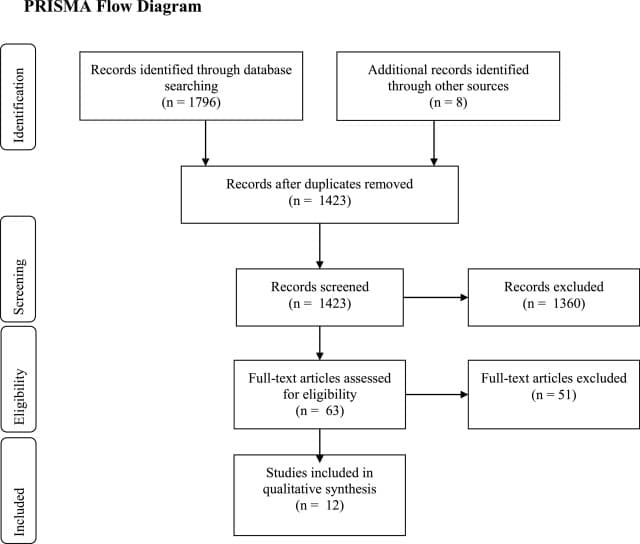
Fig. 1. Prisma flow diagram (summary of search strategy). The selection of studies was based on the principles of the PRISMA statement

Prespecified inclusion criteria were families consisting of two generations (parent-child), children aged 0–18 years. Second, at least one parent had to have status as refugee or asylum seeker and to have experienced trauma. Individuals respond differently to trauma and not everyone develops PTSD symptoms after trauma exposure why PTSD was not chosen as an inclusion criterion. Third, a significant part of children in the sample had to be born in host country or arrived at age < 2 in order to assess effects of parental trauma and not the effects of direct trauma exposure. Finally, studies had to report on variables associated with adverse psychological outcomes in children.

Publications which did not include a measure of parental trauma (defined as either trauma events or posttraumatic stress symptoms) or an explicit statement that parents had been exposed to trauma, and measurement of at least one mental health child outcome (including behavioral problems) were excluded. All original research studies were included, except reviews. Studies in English, Scandinavian, German, French, and Spanish were assessed for eligibility based on abstracts, and in the end, no studies were excluded based on language restrictions.

3. Results

A total of 12 articles met all inclusion criteria (See Table 1): Four longitudinal studies (Back Nielsen et al., 2019; Bager et al., 2020; Sangalang et al., 2017; Vaage et al., 2011), three comparative cross-sectional (Daud et al., 2008, 2005; Field et al., 2013), and five cross-sectional (Dalgaard et al., 2020, 2016; East et al., 2018; van Ee et al., 2016b, 2012). Of these, two articles (Daud et al., 2008, 2005) reported on the (partially) same sample. All studies were conducted in Western countries, three in the U.S. and the rest in Northern Europe. Samples ranged from 21 to 327 children in clinical studies, and two register studies of 19,000 and 35,000 children.

Table 1. Overview of included articles.

Authors

Country of study

Study population

Sample (size, age)

Purpose of study

Study design

Statistical analysis

Assessment of parent trauma and child outcome

Category of risk/protective factors investigated

Main findings

Back Nielsen et al., 2019.

Denmark

Children born to all refugees who obtained permission to reside in Denmark between 1995 and 2012

n = 51,793.

Age: 0–18 years

Descendants born in Denmark:

n = 35,329

To determine whether parental PTSD is associated with childhood psychiatric morbidity among children of refugees

Nationwide register cohort study 1995–2015

Cox proportional regression model, adjusted for sex, age, disposable household income, and geographical origin

Parent trauma: PTSD diagnosis (ICD-10) in population-based register

Child outcome: any psychiatric contact

Parental mental health

Parental diagnosis of PTSD significantly increased the risk of psychiatric morbidity in children of refugees born after arrival (descendants): HR 1.41 (CI 95% 1.22–1.78), lowest for affected father and highest for both parents.

Bager et al., 2020.

Denmark

Clinical sample of refugee parents treated for torture trauma and war trauma compared to population-level data

n = 19,294 (offspring to traumatized refugees)

Age: 0–18

61.2% born in Denmark

To estimate the risk of psychiatric diagnoses in children of severely traumatized refugees

Nationwide register study 1986–2016

Cox proportional hazards regression, adjusted for sex, calendar time, child age at immigration, parental somatic and psychiatric morbidity

Parent trauma: treatment at trauma center

Child outcome: any psychiatric diagnosis during hospital contact

Parental torture exposure

Children of traumatized foreign-born parents had a lower risk of psychiatric diagnosis in childhood compared to non-exposed children of native Danes (HR ranging from 0.49 (95% CI 0.42–0.59) to 0.75 (95% CI 0.65–0.87) depending on country of origin).

Dalgaard et al., 2016.

Denmark

30 Middle Eastern refugee families (Iraq, Iran, Lebanon, Palestine, Syria and Afghanistan) referred for treatment of PTSD symptoms

n = 30

Age 4–9 years (mean: 6.78)

14 girls and 16 boys

Majority of sample born in host Denmark; 7 children arrived

age ≤ 3

To explore potential risk and protective factors by examining the association between intra-family communication style regarding the parents’ traumatic experiences from the past, children's psychosocial adjustment and attachment security

Cross-sectional (Mixed methods)

t-test

correlations and point-biserial correlations

Fisher's exact test

Parent trauma: Clinical PTSD symptoms, HTQ (PTSD mean score 2.84)

Other measures: HSCL-25, qualitative interview (communication)

Child outcome: SDQ (parent version)

ATST

Parental mental health

Correlations between parental symptoms (PTSD, anxiety and depression) and the child's psychosocial adjustment and attachment security were n.s. but in the expected direction.

Parenting

Significant association between intra-family communication style and children's attachment security (Fischer's Exact Test for contingency table*).

"Unfiltered Speech” significantly related to insecure attachment.

Dalgaard et al., 2020.

Denmark

21 mother-child dyads affected by family violence

Countries of origin: Syria, Iran, Lebanon, Iraq, Eritrea, Yemen, and Afghanistan

n = 21

Mean age: 10.29

Born in Denmark

To explore mother/child dyadic functioning, and symptom levels in mothers and children's psychosocial adjustment

Comparative cross-sectional

Correlation table, adjusted for child age

Parent trauma: Clinical PTSD diagnosis (>1 parent), HTQ (90.5% above clinical cut-off)

Other measures: HSCL-25, MIM

Child outcome: SDQ (parent report age <8, self-report age ≥8), KIDSCREEN-10S index (self-report)

Parental mental health

Significant association between maternal symptoms and child psychosocial adjustment (SDQ difficulties): Anxiety and depression (HSCL-25): r = 0.62⁎⁎, PTSD (HTQ): =0.57*

Parenting

Significant association between dyadic functioning and child HRQoL (KIDSCREEN-10): domains Challenge: r = 0.51*, Nurture: r = 0.58*.

Daud et al., 2005.

Sweden

Test group: 15 families where the parents had been tortured in Iraq & Lebanon. Comparison group: 15 families from similar ethnic background

n = 76

Age 6–17 years

Test group: n = 45

29 boys, mean age: 12 years, 16 girls: 11.3 years)

Comparison group: n = 31

All or most children born in Sweden

To test whether children of traumatized parents display more symptoms of psychopathological disorder than children of non-traumatized parents and to test associations between children's and parents’ symptoms in families where the parents were subjected to torture

Comparative cross-sectional

t-test

Pearson Chi-Square

Parent trauma: Clinical interview and H/UTQ (29 out of 30 parents in test group fulfilled DSM-IV criteria for PTSD)

Child outcome: DICA-R

Parental mental health

Children's symptoms associated to their parents’ symptoms (data not presented).

Parental torture exposure

Children of traumatized parents had more symptoms of anxiety, depression, posttraumatic stress, attention deficits and behavioral disorders compared to comparison group of children of non-traumatized parents (⁎⁎⁎).

Daud et al., 2008.

Sweden

Same sample as above

n = 80

Age 7–16 years

Test group: n = 40 (mean age: 12.1) Comparison group: n = 40, (mean age: 12.5)

All children born in Sweden (partially same sample as above)

To explore resilience among children whose parents had been traumatized and were suffering from Post-Traumatic Stress Disorder (PTSD)

Comparative cross-sectional

Student's t-test

Not adjusted

One-way ANOVA F-test

Not adjusted

Pearson correlation coefficients

Parent trauma: same as above

Child outcome: DICA-R, PTSS checklist (self-rating), SDQ (teacher rating)

Other measures: WISC-III (IQ), ITIA (self-esteem)

Parental torture exposure

Children of traumatized parents had significantly lower IQ scores compared to children of non-traumatized parents.

Individual child characteristics

Association between self-esteem and PTSD-related symptoms in test group: psychological wellbeing (*), total score (*), and relation to family (p < 0.06).

Social factors

Association between children's PTSD symptoms and peer relations (SDQ peer problems⁎⁎⁎), and family relations (ITIA relation to family: mean score 16.8 (SD = 7.1) for children with symptoms, mean 20 (SD = 7.4) for children without symptoms).

East et al., 2018.

U.S.

198 Somali mothers and their children

n = 198

Age 7–14 years (mean age: 10.4)

56% male

76% of children born in U.S.

To identify how Somali refugee mothers’ past trauma and current mental health impact their children's psychosocial adjustment

Cross-sectional

Chi square

Parent trauma: HTQ (average 42 traumatic events and 1 torture event)

Other measures: HSCL

Child outcome: Children's Depression Inventory-2 (CDI-2) (self-rating), Perceived Racism Scale‐Children (PRS‐C) (self-report), Peer Victimization Scale (self-report), HUTQ-C (self-report)

Parental mental health

Mothers’ depressive symptoms significantly associated to child functioning (depressive symptoms: r = 0.40*, perceived racism: r = 0.65⁎⁎, and bullying victimization

r = 0.76⁎⁎⁎).

Parental torture exposure

Association between past trauma events and children's functioning n.s. Maternal PTSD and depressive symptoms mediated the effect of torture exposure on children's functioning (perceived racism and bullying victimization).

Social factors

Maternal lower education related to bullying victimization (r = −0.18*).

Field et al., 2013.

U.S.

Cambodian-American refugees: 15 mental health treatment-seeking mothers and their children. 17 non-treatment-seeking mother–child pairs.

n = 32

Clinical sample:

n = 15, mean age: 16.07

Non-clinical sample: n = 17, mean age 16.24

10 boys, 22 girls

All children born in U.S.

The impact of parental styles in intergenerational transmission of trauma among mothers who survived the Khmer Rouge regime in Cambodia, in power from 1975 to 1979, and their teenaged children

Comparative cross-sectional

Correlation analysis

Parent trauma: HTQ (clinical group: mean = 11.67 traumatic events, non-clinical group: mean = 10.53 traumatic events), PTSD checklist

Other measures: Social support

Child outcome: HSCL-25

Other measures: Parental Bonding Instrument (PBI), Relationship with Parents Scale (RPS)

Parental mental health

Significant association between maternal PTSD and the child's anxiety (pr = 0.70⁎⁎⁎) and depression (pr = 0.45⁎⁎). Effect partially mediated by role-reversing parenting.

Parenting

Associations between parenting styles and child outcomes: Role-reversing parenting and anxiety (pr = 0.55⁎⁎) and depression (pr = 0.47⁎⁎). Rejecting parenting and anxiety (pr = 0.40*).

Sangalang et al., 2017.

U.S.

Southeast Asian (Cambodian and Vietnamese) refugee mothers and their children

n = 327

Mean age: 12 years

51% girls

62% of sample born in U.S. (of foreign-born, 53.6% <5 years at migration)

To: (1) examine the effects of maternal traumatic distress on family functioning and child mental health, and (2) explore differences in these associations by ethnicity and child nativity.

Longitudinal (2 years)

Chi square, adjusted for child age and family structure

Parent trauma: HTQ (mean PTSD symptoms 1.56)

Other measures: “Family functioning” measure

Child outcome: A measure of Depressive symptoms, Antisocial behavior, Delinquent behavior, and School problems (self-report)

Parental mental health

U.S. born: Association between maternal PTSD symptoms and child outcomes n.s.

Weaker family functioning was significantly associated with more depressive symptoms (b = 0.16*), antisocial behavior (b = 0.24⁎⁎), and delinquent behavior (b = 0.27⁎⁎) in children.

Parenting

Vaage et al., 2011.

Norway

Vietnamese refugee families

n = 127

Age 4–23 years (mean age: 12.8 years, 94 children aged 4–18)

49 girls and 57 boys

All children born in Norway

1. To study the association between the psychological distress of Vietnamese refugee parents and their children after 23 years resettlement.

2. To analyze paternal predictors for their children's mental health.

Longitudinal prospective cohort study (1982–2006)

Simple and multiple linear regression, adjusted for siblings

Parent trauma: Symptom Check List-90-R (SCL-90-R) (28.3% full or “partial” PTSD during study period)

Child outcome (age 4–18): SDQ (self report)

Parental mental health

Association between parental psychological distress and child outcome n.s. (only for older children >18).

Social factors (network)

A significant positive predictor for fewer problems (SDQ) was the father's participation in a Norwegian network (>10 friends): estimate −6.19 (SD = −8.63, −3.76⁎⁎).

van Ee et al., 2012.

Netherlands

Asylum-seeker and refugee mothers and their children from Eastern Europe, Russia, Asia, Middle East, Africa

n = 49

Age 18–46 months (mean: 26.6)

28 boys, 21 girls

All children born in the Netherlands

To examine the association between maternal posttraumatic stress symptoms, parent–child interaction and infants’ psychosocial functioning and development

Cross-sectional

Preliminary analyses: Chi-square test, Fisher's Exact test, Kendall's τ, one-way analysis of variance, or Mann–Whitney U test

Parent trauma: HTQ (mean PTSD 2.56)

Other measures: HSCL-25, “Current stressors”,

Parent-child interaction: Emotional Availability Scales

Child outcome: Child Behavior Check List (CBCL) (parent report), Bayley Scales of Infant Development

Parental mental health

Significant association between maternal posttraumatic stress symptoms and infant psychosocial functioning (CBLC): internalizing behavior, r = 0.40⁎⁎, total problems,

r = 0.40⁎⁎.

Maternal posttraumatic stress symptoms associated with lower scores of parent-child interactions: parent sensitivity, r = −.49⁎⁎, structuring, r = −.43⁎⁎, and nonhostility,

r = 0.35*, infant responsiveness: r = −.45⁎⁎; and infant involvement: r = −.37*.

Parenting (observed emotional availability in parent-child interaction)

Significant association between nonhostility and internalizing behavior, r = −.30*, and total problems, r = −.30*.

Van Ee et al., 2016b.

Netherlands

68 asylum seekers and refugee parents in the Netherlands with traumatic experiences and their children from

Eastern Europe, Asia, Middle East, Africa, and South America

n = 50

Age: 18–42 months (mean: 29.7 months)

31 boys and 19 girls

All children born in the Netherlands

To examine the relation between parental PTSD and child attachment, and the unique contribution of disconnected and extremely insensitive parenting behavior to these associations

Cross-sectional

Multilevel structural equation modeling

Parent trauma: HTQ (59.4% had clinical level of PTSD symptoms, mean 2.71)

Other measures: Parenting behavior: Disconnected and extremely Insensitive measure Parenting (DIP)

Child outcome: SSP (The Strange Situation Procedure)

Parental mental health

Parental symptoms of PTSD associated with child attachment (attachment security: β=1.92, SE=0.89*), attachment organization: β=1.49, SE=0.91*).

Parenting (observed adverse behavior)

Adverse parenting behavior partially linked to attachment (disconnected parenting and disorganized attachment: β=0.57, SE.26*).

Social factors

Since the articles as a whole were heterogeneous in terms of study design, samples/populations and outcomes, a meta-analysis was not performed (Harris et al., 2014) and instead, the results are presented in a qualitative analysis. The categorization of findings is inspired by Bronfenbrenner's bioecological model of child development which places the child in the center of environmental influences ranging from micro (parents) to macro (society) level (Bronfenbrenner and Morris, 2006). This model also takes into account the personal characteristics and resources of a person. Inspired by this theoretical framework, this review sought to identify categories of risk and protective factors on different levels of child development (Bronfenbrenner and Morris, 2006). Based on findings from the included studies, five different categories of risk/protective factors were identified: factors related to parental mental health symptoms, parenting, parental torture exposure, individual child characteristics, and social factors. In the following, the findings are presented with respect to each identified factor. Each article is briefly presented with respect to study aim, sample characteristics and main relevant findings the first time it is mentioned.

3.1. Parental mental health symptoms

The majority of included studies investigated the associations between parental mental health and child mental health, nine articles in terms of parental symptoms of PTSD, depression, or anxiety and one study regarding the effect of parental PTSD diagnosis (See Table 1). Seven out of 10 articles identified associations between parental mental health and child mental health outcomes (Back Nielsen et al., 2019; Dalgaard et al., 2020; Daud et al., 2005; East et al., 2018; Field et al., 2013; van Ee et al., 2016b, 2012) as described in the following.

Based on register data of more than 35,000 children born in Denmark to refugees over a 20 year-period, Back-Nielsen et al. (Back Nielsen et al., 2019) compared the psychiatric morbidity of children of refugee parents with PTSD to the psychiatric morbidity of children of refugees without PTSD and found that a parental diagnosis of PTSD significantly increased risk of psychiatric morbidity in children.

Likewise, two comparative cross-sectional studies identified associations between parental symptoms of PTSD and child mental health outcomes. In a test group of children of tortured refugee parents, Daud et al. (2005) reported that the children's symptoms were associated to their parents’ symptoms, however, these results were not presented in the article. In a sample of Cambodian-American refugee mothers and their teenage children, Field et al. (2013) found a significant association between maternal PTSD symptoms and the child's anxiety and depression, while there was no significant difference in parental trauma exposure between a clinical, treatment-seeking group and a non-clinical group; both groups had lived through the Khmer rouge regime and had high trauma exposure.

In a small sample of mother-child dyads affected by family violence, Dalgaard et al. (2020) found that maternal symptoms of anxiety, depression and PTSD were related to psychosocial problems in children. The sample was a convenience sample recruited when referred for family treatment on the basis of past or ongoing trauma-related family violence (physical child abuse or intimate partner violence) at a refugee rehabilitation center. One child (“target child”) from each family was chosen by a clinician for assessment. In a larger sample of Somali women and their children, East et al. (2018) found that mothers’ depressive symptoms were significantly associated to the children's depressive symptoms, perceived racism, and bullying.

The effect of parental symptoms on younger children was investigated in two studies: in a diverse sample of asylum-seeker and refugee mothers and their toddlers, Van Ee et al. (2012) found a significant association between maternal PTSD symptoms and child psychosocial problems (parent-reported). In a different study, Van Ee et al. found a negative association between parental PTSD and child attachment security as observed in a clinical experiment (the Strange Situation Procedure) (van Ee et al., 2016b).

Finally, three articles did not identify significant associations: In a small sample of families referred for PTSD treatment, correlations between parental symptoms of PTSD, anxiety and depression and the child's psychosocial adjustment and attachment security were non-significant (Dalgaard et al., 2016). In a two-year longitudinal study of Cambodian and Vietnamese refugee mothers and their children by Sangalang et al. (2017), maternal PTSD symptoms were not associated with child mental health outcomes two years later. In a longitudinal study by Vaage et al. (2011), there was no association between paternal PTSD at arrival in Norway and mental health in children <18 at follow-up 23 years later.

3.2. Parenting

The category of “parenting” includes all concepts of parenting styles, communication styles, and intra-family interactions. These concepts were investigated in six studies employing different measures.

Three of these studies assessed aspects of parenting by parent or child reports. The findings of Sangalang et al. (2017) indicated that weaker family functioning, as reported by the mother, was associated with more mental health problems in children. Dalgaard et al. (2016) found that intra-family communication styles regarding past traumas, assessed by parental interviews, was associated with child attachment security. Specifically, “unfiltered” communication where the parent reported not disclosing past trauma, but openly described traumas in the presence of the child, was associated with insecure attachment. Using teenage children's retrospective assessment of their relationship with their mothers, Field et al. (2013) found that role-reversing and rejecting parenting, but not overprotecting parenting, were associated to current child symptoms of anxiety and depression. Here, role-reversal was defined by parents’ helplessness, imposing guilt, demands for attention, and seeking direction from the child.

Three studies evaluated family dyadic interactions based on observations. Dalgaard et al. (2020) measured dyadic functioning based on observations of mother and child behavior in a play-based test setting and found that some domains of positive dyadic functioning (challenging and nurturing the child) were significantly associated with greater health related quality of life in the child. Additionally, the authors observed that patterns of role-reversal in some cases were affected by the fact that children spoke the host country language fluently and thus ended up reading instructions and structuring the session (Dalgaard et al., 2020). Van Ee et al. (2012) studied emotional availability in play-based interactions between mothers and young children. Mothers’ non-hostility was correlated to less child psychosocial problems and less child internalizing behavior. Child behavior was assessed by parent report, causing a possible bias (see Discussion). In another study, Van Ee et al. (2016b) studied parenting behavior during an unstructured play session and found that ‘disconnected’ parenting was linked to decreased attachment organization in young children. Disconnected parenting was characterized by e.g., unpredictable changes in the parent's otherwise normal behavior, or the parent's disorganized or frightening behavior, and was hypothesized to stem from disconnectedness from the environment (traumatic dissociation).

3.3. Parental torture exposure

Three studies investigated the effect of parental torture exposure as a risk factor. Bager et al. (2020) found a lower risk of psychiatric disorder in children of foreign-born parents who had been referred to treatment for torture or war trauma at specialized centers compared to children of non-traumatized native Danes (See Discussion).

Daud et al. (2005) found that children of tortured refugee parents, recruited from trauma treatment centers, had more symptoms of anxiety, depression, posttraumatic stress, attention deficits, and behavioral disorders compared to a control group of similar ethnicities. They also investigated personality features, hypothesizing that torture would lead to a post traumatic personality, and found that the parents exposed to torture differed from parents in the comparison group with respect to detachment, muscular tension, and guilt. East et al. (2018) investigated the effects of past trauma and torture events separately. The direct associations between torture events and child outcomes were not significant, but maternal depressive symptoms mediated the effect of torture events on child functioning (perceived racism and bullying).

3.4. Individual child characteristics

In one study, the effects of children's individual characteristics were investigated. Daud et al. (2008) compared psychological symptoms, IQ and self-esteem in children whose parents had been tortured. The results did not support their hypothesis that IQ was a factor involved in understanding resilience (protective factor): there was no significant difference in IQ between the children with symptoms PTSD-related symptoms and children without symptoms. The children without symptoms had higher self-esteem (as measured by a self-report questionnaire designed specifically for assessing self-esteem) than the children with symptoms, suggesting self-esteem as a protective factor.

3.5. Social factors

Four studies included analyses on variables we have chosen to call “social” factors, representing factors related to the social environment surrounding the children, sociodemographic, and family level factors. These factors are not identical but are presented here together, as they were not the main focus of any of the included studies.

Daud et al. (2008) highlighted the variables peer relations and family relations as possible environmental protective factors. Children without PTSD-related symptoms tended to have better relation to family and fewer peer problems. According to the authors, the results indicate that adequate family relations are a plausible protective factor, even if the parents are not well themselves, and indicate that good peer relations are a possible environmental protective factor. The findings of Vaage et al. (2011) hinted to the importance of parents’ social networks: fathers’ number of native friends predicted better child mental health.

East et al. (2018) found that mother's lower education was related to more bullying victimization and perceived racism reported by the child. Van Ee et al. (2016b) tested whether the following predictors at the family level could explain differences in child attachment: family composition (single parents versus traditional family composition), child sex, residence permit (asylum seekers versus refugees), and number of parents with a clinical level of PTSD symptoms within the family. Neither of these predictors were significant.

4. Discussion

This review aimed to identify risk and protective factors related to adverse mental health outcomes in children of trauma-affected refugees including both interpersonal and contextual factors. The main identified categories of risk/protective factors were parental mental health symptoms and parenting, the implications of which will be discussed in detail below. Other identified categories of risk/protective factors were parental torture exposure, individual characteristics, and social factors e.g., peer relations, social network, and education. Findings regarding these categories were inconclusive and methodologically differing and will only be discussed in a general manner concerning the generalizability of findings. Generally, studies focused on identifying risk factors, while only four studies explicitly sought to identify protective factors (Dalgaard et al., 2020, 2016; Daud et al., 2008; van Ee et al., 2012). In studies which explored the negative effects of parental mental health symptoms, protective factors were indirectly explored in the sense that fewer parental symptoms were identified as a protective factor.

Compared to a previous review by Flanagan et al. (2020) which aimed to identify potential mechanisms of intergenerational trauma transmission in refugee families, the current study set out to identify a broader scope of risk and protective factors and included two more recent years. Seven of the 12 studies included in this review were included in the former study which comprised a total of eight studies. Notably, the present review included more recent populations of refugees and their children, and two large samples of 35,000 (Back Nielsen et al., 2019) and 19,000 children (Bager et al., 2020).

Results from the included studies emphasized the effect on children of symptoms of PTSD, anxiety, and/or depression among trauma-affected parents. The prevalence of PTSD in the included samples was generally high, and children's symptom levels were largely associated with parents’ symptom levels. This is in line with research in the general population which has linked parental PTSD to an array of adverse child outcomes (Leen-Feldner et al., 2013). Offspring sequelae in general populations include psychological outcomes (internalizing problems, behavioral problems) and biological outcomes (altered HPA axis functioning) (Leen-Feldner et al., 2013). While this review focused on child mental health outcomes, parental trauma in refugee populations affect other areas of child functioning. A recent Swedish register study found that children's school performance was negatively affected by parental PTSD in refugee families (Berg et al., 2019) and a recent US study suggested increased risk of criminal behavior. Trauma, PTSD, and depression are also linked to increased risk of family violence (Timshel et al., 2017).

Results of the included studies concerning torture exposure were inconclusive, partially due to sample sizes and recruitment. One register study by Bager et al. (2020) found a negative association between parental torture exposure and child psychopathology, in contrast to the existing body of research. Notably, there was a lower risk of psychiatric disorder diagnoses among all children of foreign born-parents, regardless of whether the parents had been exposed to trauma or not, compared to children of native parents; a pattern indicating general underutilization of mental health services by minority populations (Bager et al., 2020). An overall lower use of mental health services in spite of higher susceptibility to mental health problems is a well-known phenomenon among immigrants compared to natives (Sarria-Santamera et al., 2016).

Furthermore, the findings of this review indicate that parenting and family functioning constitute important risk/protective factors for child mental health. Identified risk factors linked to parenting behavior included parent-child role reversal (Dalgaard et al., 2020; Field et al., 2013), disconnected (van Ee et al., 2016b) and hostile (van Ee et al., 2012) parenting, and unfiltered trauma communication (Dalgaard et al., 2016). Protective factors were positive dyadic functioning (Dalgaard et al., 2020) and emotional availability (van Ee et al., 2012). In line with these findings, a recent cohort study on prolonged grief among refugees found that harsh parenting was associated with children's emotional problems, hyperactivity, and behavioral problems, and on the other hand, warm parenting was associated with less hyperactivity (Bryant et al., 2020).

In one included study, patterns of role-reversal were linked to intergenerational language barriers, because the child, fluent in host country language, was the one to translate messages and initiate assignments in a test setting; a pattern likely to occur often in day-to-day life (Dalgaard et al., 2020). An inherent part of family relations, language can influence trauma transmission in different ways, and language as well as cultural barriers between parents and children are a potential challenge to family functioning. Among Southeast Asian refugees, the rapid acquisition of language in children, in combination with intergenerational differences in culture, has been found to turn traditional family hierarchies upside down and create family conflict (Ying and Han, 2007). It is likely that such alterations in family dynamics can exacerbate trauma symptoms. Generally, the refugee parenting experience is characterized by disruptions which can affect established roles (gender, parent-child roles), family structure and hierarchies (Fazel and Betancourt, 2018; Williams, 2010).

As pointed out by Daud et al. (2008), parenting is not the sole aspect to consider, and evaluations of parenting in trauma-affected samples should not be reduced to judgements of whether the parent is a “good enough” parent. Being a parent who has been through life-threatening events is in itself threatening to the notion of family as a secure base (Daud et al., 2008), and dealing with one's own traumatic experiences and handling parenting responsibilities at the same time should be recognized as an extraordinary task (Fazel and Betancourt, 2018). In addition to past trauma, worries over family members in insecure conditions are a continuous stressor among Somali refugees (Betancourt et al., 2015). Focusing research solely on aspects of parenting comes with the potential risk of not identifying other relevant arenas, e.g., socioeconomical factors.

As highlighted by attachment theory (Ainsworth, 1978), parenting qualities are essential to healthy child development and negative – or inconsistent – parenting a potential stressor. Another weighty reason why a clinical focus on parenting makes good sense, as argued by Goodman et al. (Goodman et al., 2020), is that parenting is not a static, rather, research on maternal depression and parenting suggests it is a modifiable variable. Parenting abilities in refugee populations are influenced by a multitude of extraneous factors such as socioeconomic and legal status which should be taken into account in a clinical setting. This highlights the importance of studying both parenting and external factors impeding or promoting good parenting despite trauma.

A recent review aimed at interventions for refugee children and unaccompanied minors (Frounfelker et al., 2020) highlighted that while there is ample research concerning the prevalence of mental disorders among refugees, knowledge on evidence-based interventions for refugee youth is scarce. Interventions can generally be divided into the unimodal and multimodal kind (Fazel, 2018). While unimodal interventions, aimed at treating a specific psychological disorder, have been researched to some extent, there have been very few multimodal psychosocial interventions aimed at family, school, or the wider community (Fazel, 2018). School-based interventions can consist of broad mental health promotion offered to all students and to those identified as high-risk students. Two recent studies have explored relevant family interventions. A smaller parenting intervention for Burmese refugees in the U.S. was thoroughly adapted to fit the culture and current parenting practices of the sample (Ballard et al., 2018). Their recommendations for future parenting interventions among trauma-exposed communities included the integration of traumatic stress psychoeducation/awareness and emotional regulation (Ballard et al., 2018). A community-based, home-visiting intervention for Somali refugee families aimed at improving communication, navigating the US school system, and learning positive parenting practices (Betancourt et al., 2020). They adapted an evidence-based intervention to fit refugee communities and findings suggested that it improved child functioning and improved family relationships (Betancourt et al., 2020).

Many of the studies included are cross-sectional and some of the factors identified are therefore probably not causally related as this would require studies with a longitudinal design. Since a risk factor can be defined as a correlate which precedes the outcome/symptoms (Kraemer et al., 2001), the identified correlates in cross-sectional studies are not necessarily true risk factors. Within several of the studies, there is the additional possibility of reciprocal causality between variables. Depressive symptoms in mothers may affect children's depressive symptoms, but in turn, children's symptoms may also affect the mothers or increase existing symptoms (East et al., 2018). Additionally, three included studies used parent-reported child psychological outcomes (Dalgaard et al., 2020, 2016; van Ee et al., 2012). Self-report or report by a third party (e.g., teacher) is methodologically sounder because parents with PTSD symptoms tend to have more negative perceptions of their children (Leen-Feldner et al., 2013; van Ee et al., 2016a). In one study (Dalgaard et al., 2020), one “target” child from each family was chosen by a clinician for assessment based on which child appeared most affected by family problems. This is another possible cause of bias since the selection was not random, and the “target” children possibly had more negative symptoms than their siblings. Most studies used clinical interviews to assess parental PTSD symptoms which is the “gold standard” (Leen-Feldner et al., 2013). The results regarding individual and social factors were inadequate for generalizations, signifying the need for broader assessments of risk/protective factors.

4.1. Limitations to this study

Refugees are not a homogenous population; on the contrary, depending on cultural and historical contexts, risk and protective factors may vary greatly among different groups of refugees. Findings from one population of trauma-affected refugees cannot automatically be generalized to all groups as their trauma experiences have specific social and political contexts (Sangalang et al., 2017). Likewise, intra-family communication, parenting, and language vary across cultures, all affecting the effects of parental trauma on children. In addition to the heterogeneity of refugee populations, as a group they are difficult to reach for research purposes and samples often small and non-random (Henkelmann et al., 2020). Due to the heterogeneity of the studies, a meta-analysis could not be performed. Though the possibility of publication bias favoring significant results and larger samples is always present, many of the included articles reported non-significant results.

The included studies all stem from Western host countries. Though internally displaced and refugees situated in refugee camps make up the majority of displaced personsworldwide (United Nations High Commissioner for Refugees, 2020), research unproportionally focuses on refugees resettled in Western countries. The challenges faced by refugee children vary greatly depending on whether they live in a high-income or low-income country (Fazel et al., 2012; Reed et al., 2012), and the same is probably the case for children of refugees born in these countries.

The strength of this review is that it provides a thorough overview of the most recent research on a specific group of children; children born in host countries to trauma-affected refugees, and thus encompasses the specific risk and protective factors related to this experience. It includes several studies of rigorous design, large samples/cohorts, child outcomes assessed by third parties. Limitations include studies with smaller samples, parent-reported child outcomes, non-clinically assessed PTSD, and a lack of research exploring epigenetic/biological alterations.

4.2. Summary and recommendations for interventions

As highlighted in this review, recent research has provided convincing evidence of the increased risk of psychological disorders in children of parents with PTSD and other mental health symptoms in refugee populations. It is thus not a question of whether children of trauma-affected parents should be considered at-risk, but rather how to promote resilience and improve outcomes through culturally relevant interventions. Generally, studies focus mainly on risk factors for negative outcomes, while there is a dearth of knowledge on protective factors as seen in this review. Protective factors and the promotion of resilience should be further explored.

Longitudinal research is needed to establish causal pathways in trauma transmission and clarify risk and protective factors. The mental health of children cannot be isolated to one or several individual factors, but are linked to basic conditions of e.g., political status, economic status, access to education which constitute general determinants of health (Fazel and Betancourt, 2018).

The findings of this review suggest that relevant interventions could be aimed at 1) improving parental mental health, i.e., individual and family therapy, and 2) reinforcing positive parenting practices and family functioning. A focus on parents is especially warranted as improvement of their mental health and stressors in the family could potentially improve outcomes for the children (Fazel and Betancourt, 2018). However, more knowledge on effective interventions is warranted. Future research should also explore the significance of social networks, local communities, and other potential psychosocial protective factors.

Open Article as PDF

Abstract

The rates of posttraumatic stress syndrome (PTSD) are high among refugee populations. At the same time, evidence is emerging of intergenerational transmission of psychopathology. The objective of this study was to examine the current knowledge on risk and protective factors for adverse mental health outcomes in the non-exposed offspring of trauma-affected refugees. A systematic search was undertaken from 1 January 1981 to 5 February 2021 (PubMed, Embase, PSYCInfo). Studies were included if they reported on families of trauma-exposed refugee parents and mental health outcomes in their non-exposed children. The search yielded 1415 results and twelve articles met inclusion criteria. The majority of studies emphasized the negative effects of parental mental health symptoms. There was substantial evidence of an association between parental PTSD and increased risk of psychological problems in offspring. Parenting style was identified as both a potential risk and protective factor. Risk/protective factors at the individual and family level were identified, but findings were inconclusive due to sample sizes and study designs. There is a need for evidence-based interventions aimed at improving child outcomes, especially by improving parental mental health and reinforcing parenting skills. Future research should aim to incorporate broader aspects of child development.

Summary

Many people worldwide are displaced, including refugees who have settled in new countries. These groups often experience high and lasting rates of mental health issues like post-traumatic stress disorder (PTSD) and depression. Recent studies show that about one-third of adult refugees in Western countries have PTSD or depression. While past research focused on war trauma, current efforts also look at the ongoing stresses of resettlement.

There is growing concern about the psychological and biological effects on children whose parents have experienced trauma. This is known as intergenerational trauma, a concept that first emerged from studies of Holocaust survivors. Research on children of Holocaust survivors shows a link between parental PTSD and PTSD in their children. Children of parents with PTSD can experience various issues, including depression, behavioral problems, biological changes, and even PTSD symptoms themselves, even if they were not directly exposed to trauma. Maternal PTSD appears to be a stronger predictor of negative child outcomes than paternal PTSD, with more severe parental PTSD symptoms leading to worse child outcomes. Parental trauma is also linked to difficulties in parent-child relationships.

Four main ways trauma can be passed down across generations include genetics, exposure before birth, environmental stresses, and parenting styles. While the social and psychological aspects of trauma transmission are well-studied, the biological aspects, such as changes in the body's stress response system, are less understood. Parenting, however, is clearly a major factor linking parental depression to how children function, both positively and negatively. A child's development is shaped by many factors, including their social environment, economic status, stressful life events, and relationships. Mental health issues in children are complex and influenced by broader social and ecological factors. To build resilience, it's important to identify both the risks and the protective factors in a child's family, social, and school environments.

Previous reviews have examined how trauma is passed from refugee parents to their children who were not directly exposed. These studies highlight the important role of family interactions and parenting. They also emphasize the need to study how surrounding factors influence trauma transmission. This review aims to broaden this scope by identifying both risk and protective factors, including personal and environmental aspects, for mental health problems in children of trauma-affected refugees.

Focusing on the children of refugees is important because they face a higher risk of psychological problems, especially if their parents have PTSD. Studies show that parental trauma and stress after migration are linked to increased PTSD symptoms in parents, which in turn leads to more psychological and behavioral problems in children. Therefore, it is crucial to understand the factors that contribute to mental health issues in this group of children. This review seeks to identify both risk and protective factors that influence the mental health outcomes of children whose refugee parents have experienced trauma.

Methods

A search for research articles published over the past 40 years (1981-2021) was performed using scientific databases like PubMed, Embase, and PSYCInfo. The search used terms related to trauma, children, and refugees. After removing duplicates, 1423 articles were identified. These were then screened by title, and 462 abstracts were reviewed based on specific criteria. Eight additional articles were found through other sources, such as reference lists. Finally, 56 articles were selected for a full-text review, following established guidelines for systematic reviews.

Studies were included if they involved two generations (parent-child) with children aged 0–18 years. At least one parent needed to be a refugee or asylum seeker and have experienced trauma, though a PTSD diagnosis was not a requirement since individuals respond to trauma differently. A significant portion of the children in the study samples had to be born in the host country or have arrived before age two to focus on the effects of parental trauma rather than the child's direct trauma exposure. Finally, studies had to report on factors linked to negative psychological outcomes in children.

Studies were excluded if they did not measure parental trauma (either traumatic events or PTSD symptoms) or clearly state that parents had experienced trauma. Studies also had to measure at least one mental health outcome for children, including behavioral problems. All original research studies were included, but reviews were excluded. Studies in English, Scandinavian languages, German, French, and Spanish were considered, and ultimately, no studies were excluded based on language.

Results

A total of 12 articles met all the inclusion criteria. These included four long-term studies, three comparative cross-sectional studies (comparing different groups at one point in time), and five cross-sectional studies (looking at a single point in time). Two of the articles reported on partially the same group of participants. All studies were conducted in Western countries, with three in the U.S. and the rest in Northern Europe. The number of children in the clinical studies ranged from 21 to 327, while two large registry studies included 19,000 and 35,000 children.

Because the articles varied greatly in their study designs, populations, and outcomes, a statistical meta-analysis was not conducted. Instead, the results are presented through a qualitative analysis, which means a descriptive summary of findings. The findings were grouped into categories based on a model of child development that considers influences from the immediate family to broader society, as well as the child's personal traits. Based on the studies, five categories of risk and protective factors were identified: parental mental health symptoms, parenting, parental torture exposure, individual child characteristics, and social factors. The findings for each of these categories are presented below, with a brief overview of each article's purpose, participant characteristics, and key findings when first mentioned.

Parental Mental Health Symptoms

Most of the included studies examined the link between parental mental health and child mental health. Nine articles looked at parental symptoms of PTSD, depression, or anxiety, and one study focused on the impact of a parental PTSD diagnosis. Seven of these ten articles found connections between parental mental health issues and children's mental health outcomes.

A study using data from over 35,000 children born to refugees in Denmark over 20 years found that children of refugee parents diagnosed with PTSD had a significantly higher risk of psychiatric disorders compared to children of refugees without PTSD. Similarly, two comparative cross-sectional studies identified links between parental PTSD symptoms and children's mental health. One study of children whose refugee parents had experienced torture reported an association between children's symptoms and their parents' symptoms, though the specific results were not detailed. Another study of Cambodian-American refugee mothers and their teenage children found a significant link between mothers' PTSD symptoms and their children's anxiety and depression. Both groups in this study had high levels of trauma exposure from the Khmer Rouge regime, with no significant difference in parental trauma between those seeking treatment and those not.

In a small group of mothers and children affected by family violence, maternal symptoms of anxiety, depression, and PTSD were linked to psychosocial problems in children. This group was recruited from a refugee rehabilitation center, with one child per family selected for assessment. A larger study of Somali women and their children found that mothers' depressive symptoms were significantly connected to their children's depressive symptoms, experiences of racism, and bullying.

Two studies explored the impact of parental symptoms on younger children. One study with asylum-seeker and refugee mothers and their toddlers found a significant link between maternal PTSD symptoms and children's psychosocial problems, as reported by the parents. Another study found a negative connection between parental PTSD and the security of a child's attachment to their parent, observed in a clinical experiment.

However, three articles did not find significant connections. In a small group of families referred for PTSD treatment, there were no significant correlations between parental PTSD, anxiety, or depression symptoms and children's psychosocial adjustment or attachment security. A two-year study of Cambodian and Vietnamese refugee mothers and their children found no association between mothers' PTSD symptoms and children's mental health outcomes two years later. Another long-term study found no link between fathers' PTSD upon arrival in Norway and children's mental health 23 years later.

Parenting

The "parenting" category includes various aspects of parenting styles, communication, and family interactions. Six studies investigated these concepts using different methods.

Three studies assessed parenting through reports from parents or children. One study indicated that weaker family functioning, as reported by mothers, was linked to more mental health problems in children. Another found that how families communicated about past traumas, based on parental interviews, was connected to children's attachment security. Specifically, "unfiltered" communication—where parents described traumas openly in front of children without explicit disclosure—was linked to insecure attachment. A study using teenagers' memories of their relationships with their mothers found that role-reversing and rejecting parenting, but not overprotective parenting, were linked to children's current anxiety and depression symptoms. Role-reversal involved parents showing helplessness, creating guilt, demanding attention, and seeking guidance from their children.

Three studies examined family interactions through observation. One study measured how mothers and children interacted in a play setting and found that positive interactions (such as challenging and nurturing the child) were significantly associated with better health-related quality of life for the child. The authors also noted that role-reversal patterns sometimes occurred because children, fluent in the host country's language, would translate instructions and guide the session. Another study looked at emotional availability during play interactions between mothers and young children. It found that mothers' non-hostility correlated with fewer psychosocial problems and less internalizing behavior in children. Child behavior was reported by parents, which could introduce bias. A different study observed parenting behavior during unstructured play and found that "disconnected" parenting was linked to less organized attachment in young children. Disconnected parenting, characterized by unpredictable changes in a parent's behavior or disorganized/frightening actions, was thought to result from emotional detachment due to trauma.

Parental Torture Exposure

Three studies examined parental torture exposure as a risk factor. One study found a lower risk of psychiatric disorder in children whose foreign-born parents had received specialized treatment for torture or war trauma, compared to children of non-traumatized native Danes. This finding contrasts with existing research.

Another study found that children of tortured refugee parents, recruited from trauma treatment centers, had more symptoms of anxiety, depression, PTSD, attention deficits, and behavioral disorders compared to a control group of similar ethnic backgrounds. This study also explored personality traits, suggesting that torture might lead to a post-traumatic personality, and found that torture-exposed parents differed from the comparison group in terms of detachment, muscle tension, and guilt. A third study investigated the separate effects of past trauma and torture events. Direct links between torture events and child outcomes were not significant, but mothers' depressive symptoms acted as a go-between, linking torture events to child functioning (experiences of racism and bullying).

Individual Child Characteristics

One study investigated the effects of individual child characteristics. It compared psychological symptoms, IQ, and self-esteem in children whose parents had been tortured. The results did not support the idea that IQ was a factor in resilience; there was no significant difference in IQ between children with and without PTSD-related symptoms. However, children without symptoms had higher self-esteem, suggesting self-esteem as a protective factor.

Social Factors

Four studies included analyses of variables referred to as "social" factors. These relate to the child's social environment, demographics, and family-level factors. While not identical, they are grouped here because they were not the primary focus of any single study.

One study highlighted peer relations and family relations as potential protective factors in the environment. Children without PTSD-related symptoms generally had better family relationships and fewer problems with peers. The authors suggested that adequate family relations could be a protective factor, even if parents themselves were struggling, and that good peer relations might also protect children. Another study indicated the importance of parents' social networks, finding that fathers' number of local friends predicted better mental health in their children.

One study found that mothers' lower education levels were linked to children reporting more bullying and perceived racism. Another study tested family-level predictors for differences in child attachment, including family structure (single parent vs. traditional), child's gender, residence permit status (asylum seekers vs. refugees), and the number of parents with clinical levels of PTSD symptoms. None of these predictors were found to be significant.

Discussion

This review aimed to identify risk and protective factors for negative mental health outcomes in children of trauma-affected refugees, considering both personal and environmental factors. The main categories of identified factors were parental mental health symptoms and parenting. Other identified categories included parental torture exposure, individual child characteristics, and social factors like peer relationships, social networks, and education. Findings for these other categories were inconsistent and varied in methodology, making broad generalizations difficult. Most studies focused on identifying risk factors, with only four explicitly looking for protective factors. In studies exploring the negative effects of parental mental health, fewer parental symptoms were indirectly identified as a protective factor.

This study builds on previous research that examined how trauma is passed down in refugee families, extending the scope to include a broader range of risk and protective factors and covering an additional two years of research. This review included more recent refugee populations and their children, notably incorporating two large studies with 35,000 and 19,000 children, respectively.

The results consistently show that symptoms of PTSD, anxiety, and depression in trauma-affected parents significantly impact their children. The prevalence of PTSD in the study samples was generally high, and children's symptom levels were often linked to their parents' symptoms. This aligns with findings in the general population, where parental PTSD is associated with various negative outcomes for children, including internalizing and behavioral problems, as well as biological changes. Beyond mental health, parental trauma in refugee families can affect other areas of a child's life, such as school performance and increased risk of criminal behavior. Trauma, PTSD, and depression are also linked to a higher risk of family violence.

The findings regarding parental torture exposure were mixed, partly due to sample sizes and recruitment methods. One large registry study found an unexpected negative association between parental torture exposure and child mental health problems, which goes against existing research. This study also noted a generally lower rate of psychiatric disorder diagnoses among all children of foreign-born parents compared to children of native parents, suggesting that minority groups may not use mental health services as much. This is a known issue where immigrants often use mental health services less despite having a higher risk of mental health problems.

Furthermore, this review indicates that parenting and family functioning are crucial risk and protective factors for children's mental health. Risk factors identified in parenting included parents and children reversing roles, parenting that was disconnected or hostile, and communication about trauma that was "unfiltered." Protective factors included positive interactions between parents and children and emotional availability. These findings align with other research showing that harsh parenting is linked to children's emotional and behavioral problems, while warm parenting is associated with fewer hyperactivity issues.

One study highlighted how role-reversal patterns were connected to language barriers between generations. Children, fluent in the host country's language, often ended up translating and initiating tasks in test settings, a situation likely common in daily life. Language and cultural differences between parents and children can significantly affect family functioning and trauma transmission. Among some refugee groups, children's quick language acquisition combined with cultural differences can disrupt traditional family hierarchies and create conflict, potentially worsening trauma symptoms. The refugee parenting experience often involves disruptions to established roles, family structures, and hierarchies.

It is important to remember that parenting in trauma-affected families should not be overly criticized. Parents who have survived life-threatening events face immense challenges, and managing their own trauma while raising children is an extraordinary task. Ongoing stress from worries about family members in insecure situations is also a factor for many refugees. Focusing solely on parenting risks overlooking other important factors, such as socioeconomic conditions.

Attachment theory emphasizes that parenting quality is vital for healthy child development, and inconsistent parenting can be a significant stressor. A key reason for focusing on parenting in clinical settings is that parenting is a changeable factor, as research on maternal depression and parenting suggests. Parenting abilities in refugee populations are influenced by many external factors, including socioeconomic and legal status, which must be considered in clinical practice. This highlights the importance of studying both parenting and external factors that either hinder or support good parenting despite trauma.

A recent review on interventions for refugee children found that while there is much research on mental health issues in refugees, there is less evidence on effective interventions for refugee youth. Interventions can be unimodal (targeting a specific disorder) or multimodal (involving family, school, or community). While unimodal interventions have some research, multimodal psychosocial interventions are rare. School-based programs can promote mental health for all students and those at high risk. Recent studies have explored family interventions, such as one for Burmese refugees in the U.S. that was culturally adapted to include trauma education and emotional regulation. Another community-based, home-visiting intervention for Somali refugee families focused on communication, navigating the school system, and positive parenting, showing improvements in child functioning and family relationships.

Many of the studies in this review were cross-sectional, meaning they looked at data at a single point in time. Therefore, some identified factors may not be causally related, as determining cause-and-effect requires long-term studies. Additionally, some studies used parent-reported child psychological outcomes, which can be biased because parents with PTSD symptoms tend to view their children more negatively. One study's selection of a "target" child per family, based on who seemed most affected, could also introduce bias. Most studies used clinical interviews for parental PTSD symptoms, which is considered the best practice. The findings regarding individual and social factors were insufficient for broad generalizations, indicating a need for more comprehensive assessments of these factors.

Limitations to This Study

Refugee populations are not uniform; risk and protective factors can vary greatly depending on cultural and historical contexts. Findings from one group of trauma-affected refugees cannot be automatically applied to all groups, as their experiences are shaped by specific social and political circumstances. Similarly, family communication, parenting styles, and language differ across cultures, all influencing how parental trauma affects children. Furthermore, refugees are often difficult to reach for research, leading to small and non-random study samples. Due to the diverse nature of the included studies, a statistical meta-analysis could not be performed. While publication bias (favoring studies with significant results or larger samples) is always a possibility, many of the included articles reported non-significant findings.

All included studies originated from Western host countries. Although internally displaced persons and refugees in camps constitute the majority of displaced people globally, research disproportionately focuses on refugees resettled in Western nations. The challenges faced by refugee children vary significantly between high-income and low-income countries, and this is likely true for children born to refugees in these countries as well.

The strength of this review lies in its comprehensive overview of recent research on a specific group: children born in host countries to trauma-affected refugees. It highlights the unique risk and protective factors associated with this experience. The review includes several rigorously designed studies, large samples, and child outcomes assessed by independent parties. Limitations include studies with smaller samples, child outcomes reported by parents, PTSD not assessed clinically, and a lack of research exploring genetic or biological changes.

Summary and Recommendations for Interventions

This review highlights compelling evidence that children of refugee parents with PTSD and other mental health conditions face an increased risk of psychological disorders. The focus should therefore shift from whether these children are at risk to how to foster resilience and improve outcomes through culturally relevant interventions. Generally, studies tend to concentrate on risk factors, with limited knowledge available on protective factors. Further exploration of protective factors and strategies to promote resilience is essential.

Longitudinal research is needed to establish causal links in trauma transmission and to clarify specific risk and protective factors. A child's mental health is not isolated to a few individual factors but is connected to fundamental conditions such as political status, economic status, and access to education, which are all determinants of health.

The findings of this review suggest that effective interventions could focus on two main areas: 1) improving parental mental health through individual and family therapy, and 2) strengthening positive parenting practices and family functioning. Focusing on parents is particularly important because improving their mental health and reducing family stressors could significantly benefit their children. However, more research is needed on effective interventions. Future studies should also investigate the importance of social networks, local communities, and other potential social and psychological protective factors.

Open Article as PDF

Abstract

The rates of posttraumatic stress syndrome (PTSD) are high among refugee populations. At the same time, evidence is emerging of intergenerational transmission of psychopathology. The objective of this study was to examine the current knowledge on risk and protective factors for adverse mental health outcomes in the non-exposed offspring of trauma-affected refugees. A systematic search was undertaken from 1 January 1981 to 5 February 2021 (PubMed, Embase, PSYCInfo). Studies were included if they reported on families of trauma-exposed refugee parents and mental health outcomes in their non-exposed children. The search yielded 1415 results and twelve articles met inclusion criteria. The majority of studies emphasized the negative effects of parental mental health symptoms. There was substantial evidence of an association between parental PTSD and increased risk of psychological problems in offspring. Parenting style was identified as both a potential risk and protective factor. Risk/protective factors at the individual and family level were identified, but findings were inconclusive due to sample sizes and study designs. There is a need for evidence-based interventions aimed at improving child outcomes, especially by improving parental mental health and reinforcing parenting skills. Future research should aim to incorporate broader aspects of child development.

Introduction

Many people around the world have been forced to leave their homes, including over 26 million refugees. Many former refugees have also settled in new countries. These populations often experience high and lasting rates of post-traumatic stress disorder (PTSD) and other mental health conditions. Studies show that about one-third of adult refugees resettled in Western countries are diagnosed with PTSD or depression, with self-reported rates even higher. Early research focused on trauma from war, but more recent studies also look at ongoing stressors related to resettlement.

There is growing evidence that children of parents affected by trauma can experience psychological and biological issues. This idea of trauma passing from one generation to the next comes mainly from studies of Holocaust survivors. These studies found a link between a parent's PTSD and PTSD in their adult children. Children of parents with PTSD may also experience depression, behavioral problems, physical changes, and even PTSD symptoms themselves, even if they were not directly exposed to trauma. Maternal PTSD is a stronger predictor of negative child outcomes than paternal PTSD, and the severity of a parent's PTSD symptoms appears to directly impact the child's issues. For war veterans, severe combat exposure and PTSD symptoms, especially emotional detachment, are linked to greater distress in their children. Additionally, parents who have experienced trauma may have strained relationships with their children.

Four main factors are thought to contribute to mental health issues being passed down through generations: genetics, exposure before birth, stressful environments, and parenting styles. While the social and psychological ways trauma is passed on are well-understood, the biological aspects are less explored, although some studies point to changes in a child's stress response system. However, there is strong evidence that parenting plays a key role in how a parent's depression affects a child's development, both positively and negatively. Child development occurs within a changing social environment that includes socioeconomic status, stressful life events, and social relationships. Mental health issues in children are also complex, influenced by broader social and environmental factors. To understand and support resilience, it is important to identify not only risk factors but also protective factors within the family, social, or school environments.

Two previous reviews have explored how trauma is passed from refugee parents to their children who were not directly exposed to trauma, focusing on the methods of transmission. One review of 20 articles found that family interactions and parenting are important in how trauma is processed in refugee families, but noted that the research was diverse and often relied on adult children's memories. Another review of 8 studies found that parental trauma exposure and its effects negatively impact children, possibly through insecure attachment and family problems. This review highlighted the need to examine how environmental factors affect trauma transmission, which is what the current review aims to do.

Recent research on refugee populations shows why focusing on children of refugees is important. Children of trauma-affected refugees face a higher risk of psychological issues, with strong evidence of increased rates of mental illness among children whose parents have PTSD. A recent study also found that refugee parents' trauma exposure and stress after migration are linked to higher PTSD symptoms, which in turn lead to more psychological and behavioral problems in children.

Because of these reasons, it is crucial to focus on factors related to the development of mental health issues in these children. This review aims to identify both risk and protective factors for negative mental health outcomes in children of trauma-affected refugees. It seeks to broaden the scope of previous reviews, which mainly focused on interpersonal aspects of trauma transmission, by looking for both risk and protective factors, including personal and environmental influences on mental health problems.

Methods

A literature review was conducted using PubMed, Embase, and PSYCInfo databases on February 5, 2021, to find original research published over the past 40 years (1981 to present). The search used terms related to PTSD, intergenerational trauma, children, and refugees, along with relevant controlled search terms for each database. This search resulted in 1423 articles after removing duplicates. All titles were screened, and 462 abstracts were then screened against specific inclusion criteria. Eight additional articles were found through other sources, such as reference lists. Finally, 56 articles were selected for full-text review, following Prisma guidelines.

The inclusion criteria specified that studies must involve two generations (parent-child) with children aged 0–18 years. At least one parent needed to be a refugee or asylum seeker who had experienced trauma, although a PTSD diagnosis was not strictly required as individuals react differently to trauma. A significant portion of the children in the study samples had to be born in the host country or have arrived before age 2 to ensure the focus was on parental trauma effects rather than the child's direct trauma exposure. Finally, studies had to report on factors linked to negative psychological outcomes in children.

Publications were excluded if they did not include a measure of parental trauma (either trauma events or PTSD symptoms) or explicitly state that parents had experienced trauma, or if they did not measure at least one child mental health outcome (including behavioral problems). All original research studies were included, but reviews were excluded. Studies in English, Scandinavian languages, German, French, and Spanish were considered based on their abstracts, and no studies were excluded due to language.

Results

Twelve articles met all inclusion criteria. These included four longitudinal studies, three comparative cross-sectional studies, and five cross-sectional studies. Two articles reported on some of the same participants. All studies were conducted in Western countries, with three in the U.S. and the rest in Northern Europe. The number of children in the clinical studies ranged from 21 to 327, and two register studies involved 19,000 and 35,000 children.

Because the articles varied greatly in study design, participant groups, and outcomes, a meta-analysis was not performed. Instead, the results are presented through a qualitative analysis. The categorization of findings was inspired by Bronfenbrenner's bioecological model, which places the child at the center of environmental influences, from immediate family to broader society, and also considers the individual's personal characteristics. Following this framework, five categories of risk and protective factors were identified from the included studies: parental mental health symptoms, parenting practices, parental torture exposure, individual child characteristics, and social factors. The findings for each factor are presented below, with a brief description of each article's aim, participants, and main findings when first mentioned.

Parental Mental Health Symptoms

Most of the included studies examined the connections between parental and child mental health, with nine articles focusing on parental PTSD, depression, or anxiety symptoms, and one on the effect of a parental PTSD diagnosis. Seven out of these ten articles found links between parental mental health and child mental health outcomes.

A study using data from over 35,000 children born to refugees in Denmark over 20 years found that a parent's PTSD diagnosis significantly increased a child's risk of psychiatric illness. Similarly, two comparative cross-sectional studies found links between parental PTSD symptoms and child mental health. One study on children of tortured refugee parents reported that children's symptoms were related to their parents' symptoms. Another study with Cambodian-American refugee mothers and their teenage children found a significant link between maternal PTSD symptoms and child anxiety and depression.

In a small study of mother-child pairs affected by family violence, maternal symptoms of anxiety, depression, and PTSD were linked to psychosocial problems in children. In a larger study of Somali women and their children, mothers' depressive symptoms were significantly connected to children's depressive symptoms, perceived racism, and bullying.

Two studies investigated the effect of parental symptoms on younger children. One found a significant link between maternal PTSD symptoms and parent-reported psychosocial problems in toddlers of asylum-seeker and refugee mothers. Another study found a negative connection between parental PTSD and a child's secure attachment, as observed in a clinical experiment.

However, three articles did not find significant connections. In a small study of families undergoing PTSD treatment, there were no significant correlations between parental symptoms of PTSD, anxiety, and depression and a child's psychosocial adjustment and attachment security. In a two-year study of Cambodian and Vietnamese refugee mothers and their children, maternal PTSD symptoms were not linked to child mental health outcomes two years later. Another study found no link between paternal PTSD upon arrival in Norway and mental health in children under 18 at a 23-year follow-up.

Parenting

The "parenting" category includes various aspects of parenting styles, communication, and family interactions, which were examined in six studies using different methods.

Three studies used parent or child reports to assess parenting. One study found that weaker family functioning, as reported by the mother, was linked to more mental health problems in children. Another found that family communication styles about past traumas, based on parental interviews, were linked to a child's attachment security. Specifically, "unfiltered" communication, where parents described traumas openly in front of the child but claimed not to disclose them, was linked to insecure attachment. Using teenagers' reflections on their relationships with their mothers, one study found that role-reversal and rejecting parenting, but not overprotective parenting, were linked to current child anxiety and depression symptoms. Role-reversal was defined by parents appearing helpless, causing guilt, demanding attention, and seeking guidance from their child.

Three studies evaluated family interactions through observation. One study measured how mothers and children interacted during a play session and found that positive interaction behaviors (challenging and nurturing the child) were significantly linked to a child's better health-related quality of life. The authors also noted that role-reversal patterns sometimes occurred when children, fluent in the host country's language, read instructions and structured the session. Another study examined emotional availability in play interactions between mothers and young children. Mothers who were less hostile were correlated with fewer child psychosocial problems and less internalizing behavior, although child behavior was parent-reported, which could introduce bias. A third study observed parenting behavior during unstructured play and found that 'disconnected' parenting was linked to decreased attachment organization in young children. Disconnected parenting, characterized by unpredictable changes in a parent's behavior or disorganized/frightening behavior, was thought to result from emotional detachment due to trauma.

Parental Torture Exposure

Three studies examined the impact of parental torture exposure as a risk factor. One study found a lower risk of psychiatric disorders in children of foreign-born parents who had received treatment for torture or war trauma at specialized centers compared to children of non-traumatized native Danes.

Another study found that children of tortured refugee parents, recruited from trauma treatment centers, had more symptoms of anxiety, depression, PTSD, attention deficits, and behavioral disorders compared to a control group of similar ethnic backgrounds. This study also found that tortured parents differed from the comparison group in terms of detachment, muscular tension, and guilt. A third study investigated the separate effects of past trauma and torture events. Direct links between torture events and child outcomes were not significant, but maternal depressive symptoms acted as a mediator, influencing the effect of torture events on child functioning (perceived racism and bullying).

Individual Child Characteristics

One study investigated the effects of children's individual characteristics. This study compared psychological symptoms, IQ, and self-esteem in children whose parents had been tortured. The results did not support the hypothesis that IQ was a factor in resilience; there was no significant difference in IQ between children with and without PTSD-related symptoms. However, children without symptoms had higher self-esteem (measured by a self-report questionnaire) than those with symptoms, suggesting self-esteem as a protective factor.

Social Factors

Four studies included analyses of variables referred to as "social" factors, which relate to the child's social environment, demographics, and family-level factors. These factors are presented together here because they were not the primary focus of any of the included studies.

One study identified peer and family relationships as possible environmental protective factors. Children without PTSD-related symptoms tended to have better family relationships and fewer peer problems. The authors suggested that adequate family relations could be a protective factor, even if parents themselves are struggling, and that good peer relations are also a possible protective factor. Another study indicated the importance of parents' social networks, finding that a father's number of native friends predicted better child mental health.

One study found that a mother's lower education was linked to more bullying victimization and perceived racism reported by the child. Another study tested whether family composition (single parents vs. traditional family), child sex, residence permit status (asylum seekers vs. refugees), and the number of parents with clinical PTSD symptoms within the family could predict differences in child attachment. None of these predictors were significant.

Discussion

This review aimed to identify risk and protective factors for negative mental health outcomes in children of trauma-affected refugees, including both interpersonal and environmental factors. The main categories of risk and protective factors identified were parental mental health symptoms and parenting, which are discussed in detail below. Other identified categories included parental torture exposure, individual child characteristics, and social factors like peer relationships, social networks, and education. Findings for these categories were inconclusive and varied methodologically, so they are discussed generally regarding the broad applicability of the findings. Most studies focused on identifying risk factors, with only four explicitly seeking to identify protective factors. In studies exploring the negative effects of parental mental health symptoms, fewer parental symptoms were indirectly considered a protective factor.

Compared to a previous review that aimed to identify potential ways trauma is passed down in refugee families, the current study sought to identify a broader range of risk and protective factors and included two more recent years of research. Seven of the 12 studies in this review were also in the previous review, which had a total of eight studies. Notably, the current review included more recent refugee populations and their children, as well as two large studies involving 35,000 and 19,000 children.

The results from the included studies highlighted the impact of PTSD, anxiety, and/or depression symptoms in trauma-affected parents on their children. PTSD was generally common in the study populations, and children's symptom levels were largely linked to their parents' symptom levels. This aligns with general population research linking parental PTSD to various negative child outcomes, including psychological issues (such as internalizing problems and behavioral issues) and biological changes (like altered stress response). While this review focused on child mental health, parental trauma in refugee populations can affect other areas of child functioning. Recent studies have linked parental PTSD in refugee families to poorer school performance in children and an increased risk of criminal behavior. Trauma, PTSD, and depression are also linked to an increased risk of family violence.

The results regarding torture exposure were inconclusive, partly due to sample sizes and recruitment methods. One study using registry data found a negative link between parental torture exposure and child mental health problems, which goes against existing research. It was noted that children of foreign-born parents, regardless of parental trauma exposure, had a lower risk of psychiatric diagnoses compared to children of native parents. This pattern suggests that minority populations generally underutilize mental health services, a known issue among immigrants.

Furthermore, the findings of this review suggest that parenting and family functioning are significant risk and protective factors for a child's mental health. Risk factors related to parenting behavior included parent-child role reversal, disconnected and hostile parenting, and unfiltered communication about trauma. Protective factors included positive parent-child interaction and emotional availability. These findings align with a recent study on prolonged grief among refugees, which found that harsh parenting was linked to children's emotional and behavioral problems, while warm parenting was linked to less hyperactivity.

In one study, role-reversal patterns were linked to language barriers between generations, where children fluent in the host country's language ended up translating messages and guiding tasks in test settings. This pattern likely occurs often in daily life. Language and cultural barriers within families can influence trauma transmission and challenge family functioning. Among Southeast Asian refugees, children's rapid language acquisition combined with cultural differences across generations has been found to disrupt traditional family hierarchies and cause family conflict. Such changes in family dynamics can worsen trauma symptoms. Generally, the refugee parenting experience involves disruptions that can affect established roles (gender, parent-child), family structure, and hierarchies.

As one study pointed out, parenting is not the only factor to consider, and evaluating parenting in trauma-affected families should not be reduced to judging whether a parent is "good enough." Being a parent who has experienced life-threatening events can itself challenge the idea of family as a secure base, and managing personal traumatic experiences while fulfilling parenting responsibilities is an extraordinary task. In addition to past trauma, worries about family members in unsafe conditions are a constant stressor for some refugee groups. Focusing research solely on parenting risks overlooking other important areas, such as socioeconomic factors.

Attachment theory emphasizes that parenting qualities are essential for healthy child development, and negative or inconsistent parenting can be a source of stress. Another important reason for a clinical focus on parenting is that parenting is not static; research on maternal depression and parenting suggests it is a changeable factor. Parenting abilities in refugee populations are influenced by many external factors, such as socioeconomic and legal status, which should be considered in clinical settings. This highlights the importance of studying both parenting and external factors that either hinder or promote effective parenting despite trauma.

A recent review on interventions for refugee children and unaccompanied minors noted that while there is extensive research on mental health issues among refugees, there is limited knowledge about effective, evidence-based interventions for refugee youth. Interventions can be unimodal, targeting a specific psychological disorder, or multimodal, involving family, school, or the wider community. While unimodal interventions have been somewhat researched, there have been very few multimodal psychosocial interventions. School-based interventions can include general mental health promotion for all students and targeted support for high-risk students. Two recent studies explored relevant family interventions. A small parenting intervention for Burmese refugees in the U.S. was carefully adapted to their culture and current parenting practices. Recommendations for future parenting interventions in trauma-exposed communities included integrating trauma education and emotional regulation. A community-based, home-visiting intervention for Somali refugee families aimed to improve communication, navigate the U.S. school system, and teach positive parenting practices. This intervention, adapted for refugee communities, showed improved child functioning and family relationships.

Many of the included studies are cross-sectional, meaning some identified factors may not be causal, as causal relationships typically require longitudinal studies where factors are observed over time. A risk factor is defined as a correlate that occurs before the outcome or symptoms, so correlates identified in cross-sectional studies are not necessarily true risk factors. Additionally, within several studies, there is the possibility of reciprocal causality, where variables influence each other. For example, a mother's depressive symptoms may affect her children's depressive symptoms, but in turn, children's symptoms may also affect the mother or worsen existing symptoms. Furthermore, three included studies relied on parent-reported child psychological outcomes. Self-reports or reports from a third party (e.g., a teacher) are methodologically more sound because parents with PTSD symptoms tend to have a more negative perception of their children. In one study, a "target" child from each family was chosen by a clinician for assessment based on which child seemed most affected by family problems. This could introduce bias since the selection was not random, and these "target" children might have had more negative symptoms than their siblings. Most studies used clinical interviews to assess parental PTSD symptoms, which is considered the "gold standard." The results regarding individual and social factors were insufficient for broad generalizations, indicating a need for more comprehensive assessments of risk and protective factors.

Limitations to This Study

Refugees are not a uniform group; risk and protective factors can vary significantly among different refugee populations depending on their cultural and historical backgrounds. Findings from one group of trauma-affected refugees cannot automatically be applied to all groups, as their trauma experiences are tied to specific social and political contexts. Additionally, family communication, parenting practices, and language vary across cultures, all influencing how parental trauma affects children. Beyond the diversity of refugee populations, they are often difficult to reach for research purposes, leading to small and non-random samples. Due to the diverse nature of the studies, a meta-analysis could not be performed. While publication bias favoring significant results and larger samples is always a possibility, many included articles reported non-significant findings.

All included studies originated from Western host countries. Although internally displaced persons and refugees living in refugee camps make up the majority of displaced people worldwide, research disproportionately focuses on refugees resettled in Western countries. The challenges faced by refugee children vary greatly depending on whether they live in a high-income or low-income country, and this is likely true for children of refugees born in these countries as well.

The strength of this review lies in its thorough overview of recent research on a specific group of children: those born in host countries to trauma-affected refugees. It covers specific risk and protective factors related to this experience. The review includes several studies with strong designs, large participant groups, and child outcomes assessed by independent parties. Limitations include studies with smaller participant groups, parent-reported child outcomes, non-clinically assessed PTSD, and a lack of research exploring genetic/biological changes.

Summary and Recommendations for Interventions

As highlighted in this review, recent research provides strong evidence of an increased risk of psychological disorders in children of refugee parents with PTSD and other mental health symptoms. Therefore, the question is not whether children of trauma-affected parents are at risk, but rather how to promote resilience and improve outcomes through culturally appropriate interventions. Generally, studies primarily focus on risk factors for negative outcomes, while there is a lack of knowledge regarding protective factors. Protective factors and strategies for promoting resilience require further exploration.

Longitudinal research is needed to establish causal pathways in trauma transmission and to clarify risk and protective factors. A child's mental health cannot be isolated to one or a few individual factors; it is linked to fundamental conditions such as political status, economic status, and access to education, which are general determinants of health.

The findings of this review suggest that effective interventions could aim to: 1) improve parental mental health through individual and family therapy, and 2) strengthen positive parenting practices and family functioning. A focus on parents is particularly important because improving their mental health and reducing family stressors could potentially improve outcomes for their children. However, more knowledge on effective interventions is needed. Future research should also investigate the importance of social networks, local communities, and other potential social and psychological protective factors.

Open Article as PDF

Abstract

The rates of posttraumatic stress syndrome (PTSD) are high among refugee populations. At the same time, evidence is emerging of intergenerational transmission of psychopathology. The objective of this study was to examine the current knowledge on risk and protective factors for adverse mental health outcomes in the non-exposed offspring of trauma-affected refugees. A systematic search was undertaken from 1 January 1981 to 5 February 2021 (PubMed, Embase, PSYCInfo). Studies were included if they reported on families of trauma-exposed refugee parents and mental health outcomes in their non-exposed children. The search yielded 1415 results and twelve articles met inclusion criteria. The majority of studies emphasized the negative effects of parental mental health symptoms. There was substantial evidence of an association between parental PTSD and increased risk of psychological problems in offspring. Parenting style was identified as both a potential risk and protective factor. Risk/protective factors at the individual and family level were identified, but findings were inconclusive due to sample sizes and study designs. There is a need for evidence-based interventions aimed at improving child outcomes, especially by improving parental mental health and reinforcing parenting skills. Future research should aim to incorporate broader aspects of child development.

Introduction

Over 79.5 million people worldwide are displaced, with 26 million identified as refugees. Many refugees have also relocated to new countries. These populations experience high rates of post-traumatic stress disorder (PTSD) and other mental health conditions. Research shows that about one-third of adult refugees in Western countries have diagnosable PTSD or depression, with self-reported rates being even higher. Early studies focused on the effects of war trauma, but more recent research also includes the ongoing stresses of resettlement.

Children of parents affected by trauma can also experience negative psychological and biological effects. This concept, known as intergenerational trauma, primarily originated from Holocaust studies and describes how trauma can impact future generations. Studies of adult children of Holocaust survivors have shown a link between a parent's PTSD and the child's PTSD. Parental PTSD can lead to various issues in children, including depression, behavioral problems, and even elevated stress symptoms, even if the children were not directly exposed to trauma themselves. Maternal PTSD appears to be a stronger predictor of negative child outcomes than paternal PTSD, with more severe PTSD symptoms in parents linked to worse child outcomes. Parental trauma exposure can also affect how parents interact with their children.

Four main factors are thought to contribute to how mental health issues are passed down through generations: genetics, prenatal exposure, environmental stress, and parenting styles. While the social and psychological ways trauma is passed on are well-understood, the biological aspects are less explored, though some findings point to changes in a child's stress response system. However, there is strong evidence that parenting plays a significant role in how parental depression affects a child's well-being, both positively and negatively. A child's development is influenced by their social environment, including their family, community, and school. Understanding and promoting resilience requires identifying both risk factors and protective factors in these areas.

Two previous reviews examined how trauma is passed from refugee parents to their children who were not directly exposed. These reviews mainly focused on the ways trauma is transmitted between people. One review included 20 articles and found that family interactions and parenting are important in how refugee families process trauma. Another review included 8 studies and concluded that parental trauma and its effects negatively impact children, possibly through insecure attachments and family problems. This review aims to further examine the role of environmental factors in trauma transmission.

Recent research emphasizes the need to focus on children of refugees, as they face a higher risk of psychological problems, particularly if a parent has PTSD. A study also found that refugee parents' trauma and post-migration stresses are linked to increased PTSD symptoms in parents, which in turn leads to more psychological and behavioral problems in their children.

It is crucial to focus on factors that contribute to mental health issues in these children. This review aims to identify both risk and protective factors for negative mental health outcomes in children of trauma-affected refugees. It seeks to expand on previous reviews by looking at a wider range of risk and protective factors, including those related to relationships and the surrounding environment, for the development of mental health problems.

Methods

A literature review was conducted using PubMed, Embase, and PSYCInfo databases on February 5, 2021, covering original research from the past 40 years (1981 to present). The search included terms related to trauma, children, and refugees, along with relevant controlled search terms for each database. After removing duplicates, 1423 articles were found. All titles were screened, and then 462 abstracts were screened against specific inclusion criteria. Eight additional articles were found through other sources, such as reference lists. Finally, 56 articles were selected for a full-text review. The process followed Prisma guidelines.

The inclusion criteria specified families with two generations (parent-child) and children aged 0–18 years. At least one parent had to be a refugee or asylum seeker who had experienced trauma. Since not everyone develops PTSD after trauma, a PTSD diagnosis was not a requirement for inclusion. A significant number of children in the study sample had to be born in the host country or arrived before age 2 to ensure the study focused on parental trauma effects rather than direct child trauma exposure. Finally, studies needed to report on factors linked to negative psychological outcomes in children.

Studies were excluded if they did not include a measure of parental trauma (either trauma events or PTSD symptoms) or a clear statement that parents had experienced trauma, and at least one measured child mental health outcome (including behavioral problems). All original research studies were included, except for reviews. Studies in English, Scandinavian languages, German, French, and Spanish were considered based on abstracts, and ultimately, no studies were excluded due to language.

Results

Twelve articles met all inclusion criteria. These included four longitudinal studies, three comparative cross-sectional studies, and five cross-sectional studies. Two articles reported on partially the same sample. All studies were conducted in Western countries, with three in the U.S. and the rest in Northern Europe. Sample sizes for clinical studies ranged from 21 to 327 children, while two registry studies included 19,000 and 35,000 children.

Because the articles varied significantly in study design, samples, and outcomes, a statistical meta-analysis was not performed. Instead, the results are presented through a qualitative analysis. The findings were organized using Bronfenbrenner's bioecological model of child development, which considers the child at the center of environmental influences from close (parents) to broader (society) levels, and also accounts for personal characteristics. Based on the included studies, five categories of risk and protective factors were identified: parental mental health symptoms, parenting styles, parental torture exposure, individual child characteristics, and social factors. The findings for each factor are presented below. Each article is briefly described with its study aim, sample details, and main relevant findings the first time it is mentioned.

Parental Mental Health Symptoms

Most of the included studies explored the links between parental mental health and child mental health. Nine articles looked at parental symptoms of PTSD, depression, or anxiety, and one study examined the effect of a parental PTSD diagnosis. Seven out of these ten articles found links between parental mental health and child mental health outcomes.

A study using Danish registry data for over 35,000 children born to refugees over two decades found that a parental PTSD diagnosis significantly increased a child's risk of psychiatric illness.

Similarly, two comparative cross-sectional studies found links between parental PTSD symptoms and child mental health. One study with children of tortured refugee parents reported an association between children's symptoms and their parents' symptoms, though the specific results were not detailed. Another study with Cambodian-American refugee mothers and their teenage children found a significant link between maternal PTSD symptoms and child anxiety and depression. Both clinical and non-clinical groups in this study had experienced high levels of trauma from the Khmer Rouge regime, with no significant difference in parental trauma exposure between them.

In a small study of mother-child pairs affected by family violence, maternal symptoms of anxiety, depression, and PTSD were linked to psychosocial problems in children. These families were referred for treatment due to past or ongoing trauma-related family violence. In a larger study of Somali women and their children, mothers' depressive symptoms were significantly linked to children's depressive symptoms, perceived racism, and bullying.

Two studies examined the effect of parental symptoms on younger children. One study with asylum-seeker and refugee mothers and their toddlers found a significant link between maternal PTSD symptoms and child psychosocial problems, as reported by parents. Another study found a negative link between parental PTSD and a child's attachment security, observed in a clinical experiment.

Finally, three articles did not find significant associations. In a small study of families referred for PTSD treatment, there were no significant correlations between parental PTSD, anxiety, or depression symptoms and a child's social adjustment or attachment security. A two-year longitudinal study of Cambodian and Vietnamese refugee mothers and their children found no link between maternal PTSD symptoms and child mental health outcomes two years later. Another longitudinal study found no link between paternal PTSD upon arrival in Norway and mental health in children under 18 at a 23-year follow-up.

Parenting

The "parenting" category includes various aspects of parenting styles, communication, and family interactions. Six studies investigated these concepts using different measures.

Three studies assessed parenting aspects through parent or child reports. One study found that weaker family functioning, as reported by the mother, was linked to more mental health problems in children. Another study found that family communication styles about past traumas, based on parental interviews, were linked to a child's attachment security. Specifically, "unfiltered" communication, where parents described traumas openly in front of the child but claimed not to disclose them, was associated with insecure attachment. Using teenagers' retrospective reports of their relationships with their mothers, one study found that role-reversing and rejecting parenting, but not overprotective parenting, were linked to children's current anxiety and depression symptoms. Role-reversal here meant parents acting helpless, making children feel guilty, demanding attention, and seeking guidance from their children.

Three studies evaluated family interactions through observations. One study measured how mothers and children interacted in a play setting and found that positive interaction behaviors (like challenging and nurturing the child) were significantly linked to better health-related quality of life in the child. The study also observed that role-reversal patterns sometimes occurred because children, fluent in the host country's language, would read instructions and organize the session. Another study examined emotional availability during play interactions between mothers and young children. Mothers' non-hostility was linked to fewer child psychosocial problems and less internalizing behavior. Child behavior was reported by parents, which could introduce bias. A different study found that 'disconnected' parenting during unstructured play was linked to decreased attachment organization in young children. Disconnected parenting involved unpredictable changes in parental behavior or disorganized/frightening behavior, potentially stemming from a disconnect due to trauma.

Parental Torture Exposure

Three studies examined parental torture exposure as a risk factor. One study found a lower risk of psychiatric disorders in children of foreign-born parents who had received treatment for torture or war trauma at specialized centers, compared to children of non-traumatized native Danes.

One study found that children of tortured refugee parents, recruited from trauma treatment centers, had more symptoms of anxiety, depression, PTSD, attention deficits, and behavioral disorders compared to a control group of similar ethnic backgrounds. The study also explored personality traits, hypothesizing that torture would lead to a post-traumatic personality, and found that torture-exposed parents differed from the comparison group in terms of detachment, muscle tension, and guilt. Another study looked at the effects of past trauma and torture separately. While direct links between torture and child outcomes were not significant, maternal depressive symptoms acted as a mediator, explaining the effect of torture on child functioning (perceived racism and bullying).

Individual Child Characteristics

One study explored the effects of a child's individual characteristics. This study compared psychological symptoms, IQ, and self-esteem in children whose parents had been tortured. The results did not support the idea that IQ was a factor in resilience; there was no significant difference in IQ between children with and without PTSD-related symptoms. However, children without symptoms had higher self-esteem than those with symptoms, suggesting self-esteem could be a protective factor.

Social Factors

Four studies included analyses of what are termed "social" factors, referring to aspects of the child's social environment, demographics, and family-level factors. These factors are grouped here as they were not the primary focus of any single study.

One study identified peer relations and family relations as potential environmental protective factors. Children without PTSD-related symptoms tended to have better family relationships and fewer peer problems. The authors suggested that healthy family relations could be a protective factor, even if parents are struggling, and good peer relations are also a possible protective environmental factor. Another study hinted at the importance of parents' social networks: fathers' number of native friends predicted better child mental health.

One study found that a mother's lower education level was linked to more bullying victimization and perceived racism reported by the child. Another study tested whether family-level predictors like family structure (single parent vs. traditional), child sex, residency status (asylum seekers vs. refugees), and the number of parents with clinical PTSD symptoms could explain differences in child attachment. None of these predictors were significant.

Discussion

This review aimed to identify risk and protective factors for negative mental health outcomes in children of trauma-affected refugees, including both personal and environmental factors. The main identified categories of risk/protective factors were parental mental health symptoms and parenting, which will be discussed in detail. Other categories included parental torture exposure, individual child characteristics, and social factors like peer relations, social networks, and education. Findings for these other categories were inconsistent and varied in methodology, so they will be discussed more generally regarding the general applicability of the findings. Most studies focused on identifying risk factors, with only four explicitly seeking protective factors. In studies exploring the negative effects of parental mental health symptoms, fewer parental symptoms were indirectly identified as a protective factor.

Compared to a previous review, this study aimed for a broader scope of risk and protective factors and included two more recent years of research. Seven of the twelve studies in this review were also in the previous review, which had a total of eight studies. Notably, this review included more recent refugee populations and their children, as well as two large samples of 35,000 and 19,000 children.

The results from the included studies emphasized the impact of PTSD, anxiety, and/or depression symptoms in trauma-affected parents on their children. PTSD prevalence was generally high in the samples, and children's symptom levels were largely linked to their parents' symptoms. This aligns with general population research showing links between parental PTSD and various negative child outcomes, including psychological problems (internalizing issues, behavioral problems) and biological changes (altered stress response). While this review focused on child mental health, parental trauma in refugee populations affects other areas of a child's life. Recent studies have found that parental PTSD in refugee families negatively affects children's school performance and may increase the risk of criminal behavior. Trauma, PTSD, and depression are also linked to a higher risk of family violence.

The findings on torture exposure were inconclusive, partly due to sample sizes and recruitment methods. One registry study found a negative link between parental torture exposure and child mental health problems, which contradicts existing research. Notably, all children of foreign-born parents, whether their parents had experienced trauma or not, had a lower risk of psychiatric diagnoses compared to children of native parents. This pattern suggests that minority populations generally underutilize mental health services, a known issue where immigrants often use fewer mental health services despite a higher likelihood of mental health problems.

Furthermore, this review indicates that parenting and family functioning are crucial risk and protective factors for a child's mental health. Identified risk factors in parenting behavior included parents and children reversing roles, disconnected and hostile parenting, and open but undescribed communication about trauma. Protective factors included positive parent-child interactions and emotional availability. These findings align with a recent study on prolonged grief among refugees, which found that harsh parenting was linked to children's emotional problems, hyperactivity, and behavioral problems, while warm parenting was linked to less hyperactivity.

One study found that role-reversal patterns were linked to language barriers between generations, where children, fluent in the host country's language, would translate and lead tasks. This is likely a common occurrence in daily life. Language and cultural barriers within families can affect trauma transmission and challenge family functioning. Among Southeast Asian refugees, children quickly learning the new language, combined with cultural differences between generations, has been shown to disrupt traditional family hierarchies and cause conflict. Such changes in family dynamics can worsen trauma symptoms. The refugee parenting experience often involves disruptions to established roles, family structure, and hierarchies.

As one study noted, parenting is not the only factor to consider. Evaluating parenting in trauma-affected families should not simply judge whether a parent is "good enough." Experiencing life-threatening events while also being a parent is difficult and challenges the idea of the family as a secure base. Dealing with personal trauma and parenting responsibilities simultaneously is an extraordinary challenge. In addition to past trauma, ongoing worries about family members in insecure situations are a constant stressor for some refugee groups. Focusing research solely on parenting risks overlooking other important factors, such as socioeconomic conditions.

Attachment theory emphasizes that parenting quality is essential for healthy child development, and negative or inconsistent parenting can be a stressor. Another important reason for focusing on parenting in a clinical context is that parenting is a changeable factor, not static, as suggested by research on maternal depression and parenting. Parenting abilities in refugee populations are influenced by many external factors, such as socioeconomic and legal status, which should be considered in clinical settings. This highlights the importance of studying both parenting and external factors that help or hinder good parenting despite trauma.

A recent review of interventions for refugee children and unaccompanied minors highlighted that while mental health disorders among refugees are well-researched, there is limited knowledge about effective, evidence-based interventions for refugee youth. Interventions can be either single-focus or multi-faceted. While single-focus interventions for specific psychological disorders have been researched to some extent, there have been very few multi-faceted interventions that involve the family, school, or wider community. School-based interventions can include broad mental health promotion for all students and targeted support for high-risk students. Two recent studies explored relevant family interventions. A smaller parenting intervention for Burmese refugees in the U.S. was carefully adapted to fit the culture and current parenting practices of the group. Recommendations for future parenting interventions in trauma-exposed communities included integrating trauma education and emotional regulation techniques. A community-based, home-visiting intervention for Somali refugee families aimed to improve communication, help navigate the U.S. school system, and teach positive parenting practices. This intervention, adapted for refugee communities, showed improvements in child functioning and family relationships.

Many of the included studies are cross-sectional, meaning that some identified factors may not have a direct cause-and-effect relationship, which would require longitudinal studies. A risk factor is defined as a correlate that occurs before the outcome or symptoms. Therefore, correlates found in cross-sectional studies are not necessarily true risk factors. Some studies also have the potential for reciprocal causality, where, for example, a mother's depressive symptoms can affect her children's depressive symptoms, and in turn, the children's symptoms could affect the mother or worsen her existing symptoms. Additionally, three included studies used parent-reported child psychological outcomes. Self-report or reports from a third party (like a teacher) are more reliable because parents with PTSD symptoms tend to have more negative perceptions of their children. In one study, a "target" child from each family was chosen by a clinician for assessment based on who appeared most affected by family problems. This could introduce bias, as the selected children might have had more negative symptoms than their siblings. Most studies used clinical interviews to assess parental PTSD symptoms, which is considered the "gold standard." The results regarding individual and social factors were insufficient for broad conclusions, indicating a need for wider assessments of risk and protective factors.

Limitations

Refugees are not a single, uniform population; risk and protective factors can vary significantly depending on cultural and historical contexts. Findings from one group of trauma-affected refugees cannot automatically be applied to all groups, as their trauma experiences are tied to specific social and political circumstances. Also, family communication, parenting, and language differ across cultures, all impacting how parental trauma affects children. In addition to the diverse nature of refugee populations, they are often difficult to reach for research purposes, leading to small and non-random samples. Due to the wide variety of studies, a meta-analysis could not be performed. Although there is always a possibility of publication bias favoring significant results and larger samples, many of the included articles reported non-significant findings.

All included studies were conducted in Western host countries. While internally displaced people and refugees in camps make up the majority of displaced persons globally, research disproportionately focuses on refugees resettled in Western countries. The challenges faced by refugee children vary greatly depending on whether they live in a high-income or low-income country, and this is likely also true for children of refugees born in these countries.

The strength of this review is that it provides a thorough overview of recent research on a specific group of children: those born in host countries to trauma-affected refugees. It covers the specific risk and protective factors related to this experience. The review includes several rigorously designed studies with large samples/cohorts and child outcomes assessed by third parties. Limitations include studies with smaller samples, parent-reported child outcomes, PTSD assessed without clinical interviews, and a lack of research exploring genetic or biological changes.

Summary and Recommendations for Interventions

This review highlights that recent research provides strong evidence of an increased risk of psychological disorders in children of refugees whose parents have PTSD and other mental health symptoms. The question is not whether children of trauma-affected parents are at risk, but rather how to build resilience and improve outcomes through culturally relevant interventions. Studies generally focus on risk factors for negative outcomes, with less knowledge available on protective factors. More research is needed to explore protective factors and how to promote resilience.

Longitudinal research is necessary to understand the causal pathways of trauma transmission and to clarify risk and protective factors. A child's mental health cannot be isolated to one or a few individual factors; it is linked to fundamental conditions such as political status, economic status, and access to education, which are general determinants of health.

The findings of this review suggest that relevant interventions could focus on two main areas: 1) improving parental mental health through individual and family therapy, and 2) strengthening positive parenting practices and family functioning. Focusing on parents is particularly important because improving their mental health and reducing family stressors could lead to better outcomes for their children. However, more knowledge on effective interventions is still needed. Future research should also explore the importance of social networks, local communities, and other potential social and psychological protective factors.

Open Article as PDF

Abstract

The rates of posttraumatic stress syndrome (PTSD) are high among refugee populations. At the same time, evidence is emerging of intergenerational transmission of psychopathology. The objective of this study was to examine the current knowledge on risk and protective factors for adverse mental health outcomes in the non-exposed offspring of trauma-affected refugees. A systematic search was undertaken from 1 January 1981 to 5 February 2021 (PubMed, Embase, PSYCInfo). Studies were included if they reported on families of trauma-exposed refugee parents and mental health outcomes in their non-exposed children. The search yielded 1415 results and twelve articles met inclusion criteria. The majority of studies emphasized the negative effects of parental mental health symptoms. There was substantial evidence of an association between parental PTSD and increased risk of psychological problems in offspring. Parenting style was identified as both a potential risk and protective factor. Risk/protective factors at the individual and family level were identified, but findings were inconclusive due to sample sizes and study designs. There is a need for evidence-based interventions aimed at improving child outcomes, especially by improving parental mental health and reinforcing parenting skills. Future research should aim to incorporate broader aspects of child development.

Summary

Many people around the world have had to leave their homes. Some of these people are refugees. Many refugees have gone through very hard times. Because of this, many refugees deal with mental health problems like PTSD (a type of stress disorder) and sadness.

Children of refugees can also have these problems. When parents have gone through trauma, it can affect their children, even if the children did not experience the trauma directly. This is called "trauma passing from one generation to the next."

This paper looks at what things might make children of refugees more likely to have mental health problems. It also looks at what things might help protect these children.

What Was Looked At

Scientists looked at many research papers about refugee families. They searched for papers from the past 40 years. They looked for studies that included refugee parents and their children (ages 0-18). The children had to be born in a new country or moved there when very young. This helped them study the effects of the parents' trauma, not the child's own trauma.

What Was Found

A total of 12 studies were included. They found some main things that affect the mental health of children of refugees:

Parental Mental Health Problems

Many studies showed that when refugee parents had more mental health problems like PTSD or sadness, their children also had more mental health problems. For example, children of refugee parents with PTSD were more likely to have their own mental health issues.

Parenting Styles

How parents raise their children also played a big role. Things that were not helpful included:

  • Parents and children switching roles, where the child acts more like a parent.

  • Parents being distant or harsh.

  • Parents talking about past traumas in a way that scared their children.

Things that were helpful included:

  • Parents and children having good, supportive interactions.

  • Parents being emotionally open with their children.

Parents Who Were Tortured

Some studies looked at parents who had been tortured. The results were not always clear. One study found that children of tortured parents had more problems like worry and sadness. Another study found no direct link, but said that parents' sadness (from torture) could affect how their children dealt with unfair treatment or bullying.

Child's Own Strengths

One study looked at things like a child's intelligence and self-esteem. It found that children with higher self-esteem had fewer problems. This suggests that self-esteem can help protect children.

Social Support

Some studies looked at social factors. These included how well children got along with friends and family. Good relationships with family and friends seemed to help children. A father having local friends also seemed to lead to better mental health for his child. Parents with less schooling sometimes had children who reported more bullying.

Important Points

  • It is clear that children of refugee parents with mental health problems are at higher risk for their own mental health issues.

  • How parents interact with their children is very important. Good parenting and strong family bonds can help children.

  • It is important to remember that being a refugee parent who has been through trauma is very hard. It is not just about being a "good enough" parent.

  • Some studies suggest that things like strong social connections and good relationships can act as protection.

  • It is hard to say for sure what causes what because many studies looked at things at only one point in time. More studies over many years are needed.

  • Many studies were done in Western countries. The experiences of refugees and their children can be different in other parts of the world.

What Can Be Done

This review shows that we need to help refugee families. This could mean:

  • Helping parents get treatment for their mental health problems.

  • Teaching parents helpful ways to raise their children and improve family relationships.

  • Finding ways to strengthen family bonds and social support networks.

More research is needed to find the best ways to help these children and families.

Open Article as PDF

Footnotes and Citation

Cite

Kelstrup, L., & Carlsson, J. (2022). Trauma-affected refugees and their non-exposed children: A review of risk and protective factors for trauma transmission. Psychiatry Research, 313, 114604. https://doi.org/10.1016/j.psychres.2022.114604

    Highlights