The Outcomes of Trauma-Informed Practice in Youth Justice: An Umbrella Review
Catia G Malvaso
Andrew Day
Carolyn M Boyd
SimpleOriginal

Summary

A review found trauma-informed youth justice programs can reduce PTSD symptoms, improve mental health and lower reoffending, but evidence for system-wide reforms remains limited and many studies are methodologically weak.

2024

The Outcomes of Trauma-Informed Practice in Youth Justice: An Umbrella Review

Keywords trauma-informed; trauma-focused; youth justice; outcomes; umbrella review; overview

Abstract

Findings of high rates of complex trauma among justice-involved young people have engendered interest in developing trauma-informed youth justice systems. Although there have been several reviews of trauma-informed practice in youth justice settings, uncertainty remains about whether this approach can produce the outcomes expected of youth justice services. In this study we summarize findings from recent systematic reviews and meta-analyses to provide an overview of evidence relevant to implementing trauma-informed youth justice. We conducted an umbrella review of systematic reviews published between 2017 and 2023 that included group-based primary studies of trauma-informed interventions for justice-involved young people. Reviews were located via searches of PsycINFO, PubMedCentral, Embase, Criminal Justice Abstracts with Full Text, and ProQuest. Data extracted from each review included the number and type of primary studies reviewed, and outcomes related to trauma symptomatology, mental health and wellbeing, and justice system involvement. Nine systematic reviews met our inclusion criteria. Improvements in trauma symptoms, mental health and wellbeing, and justice system involvement were documented in each review. The strongest evidence related to the impact of trauma-focused interventions on posttraumatic stress disorder symptoms, but less evidence was available to demonstrate outcomes of organizational level and systemic components of trauma-informed practice. Each review highlighted the need to strengthen the methodological quality of primary studies. Trauma-informed practice should be seriously considered as part of any effort to implement evidence-based youth justice. This should extend beyond treatment of trauma symptomatology to incorporate a broader approach to trauma-informed practice that is organizationally embedded.

Youth justice services around the western world have, in recent years, found themselves under increasing pressure to develop new and more effective ways of working. A series of reviews, inquiries, and investigations (e.g., the Carlile Inquiry, 2014; Clancey et al., 2020; Knox et al., 2013; RCPDCNT, 2017) have highlighted harmful and abusive practice, reigniting long-standing debates about the purpose of a youth justice system (e.g., Braithwaite & Mugford, 1994; Day, 2023) and identifying a need to develop practices that are evidence-informed and less punitive. It is in this context that the idea of ‘trauma-informed practice’ has emerged as a potentially promising way to develop new policies, programs, and interventions that can help to achieve better outcomes for children and young people while, at the same time, also ensuring the safety of the community. Indeed, a number of youth justice agencies around the world have now endorsed a trauma-informed approach (e.g., Jackson et al., 2023), even though it has been observed that terms such as ‘trauma-informed practice’ (TIP) and ‘trauma-informed care’ (TIC) often lack meaning. As a result, it is not always easy to determine if (or when) a trauma-informed approach is being implemented and, importantly, if it might be expected to lead to a reduction in clinically significant symptoms of trauma, to improvement in the wellbeing of justice-involved young people, and/or to a reduction in subsequent offending and other justice-related outcomes (Homes & Grandison, 2022). In this paper our aim is to provide an up-to-date summary of the current evidence relating to the outcomes of trauma-informed youth justice. This, we suggest, should be relevant information for policymakers when considering this approach, and serve to strengthen public confidence that trauma-informed models of service delivery will result in the desired outcomes of a justice agency.

Trauma-Informed Youth Justice

Youth justice agencies typically strive to achieve different, but overlapping, aims. In Australia, for example, the federal government requires that youth justice services aim to promote community safety, to rehabilitate, and to reintegrate young people who offend, as well as to contribute to a reduction in youth re-offending (Report on Government Services, 2022). Thus, while the management of risk of reoffending is clearly a priority for all criminal justice agencies, there is also an expectation that the welfare of the child or young person should be protected and promoted. It is in relation to this philosophical change in how the community views its responsibilities towards justice-involved children and young people that interest in trauma-informed policy and practice has grown rapidly, with countries such as England and Wales now prioritizing child welfare over justice considerations (Haines & Case, 2015).

A trauma-informed approach is a universal approach that, at its core, is designed to do no further harm to those who have experienced traumatic life events (Liddle et al., 2016). The assumptions that underpin trauma-informed youth justice are, as a result, somewhat different from those that provide the foundation for the delivery of more traditional criminal justice services. As Griffin et al. (2012) have argued, trauma-informed work does not distinguish between ‘victim’ and ‘perpetrator’ in the same way that many western legal systems do; rather, ‘risk’ is conceptualized in terms of vulnerabilities that arise in response to childhood maltreatment and social and structural inequalities. Hence, the primary goal of service delivery is to provide an environment in which the impacts of maltreatment and adversity are acknowledged, processed, and resolved. A primary concern is to minimize exposure to potentially retraumatizing events. Thus, trauma-informed youth justice is not simply concerned with the provision of mental health services that address symptoms of trauma (this is usually referred to as ‘trauma-focused’ intervention and relates primarily to the provision of mental health treatment), but also to mitigate the risk of young people behaving, or being treated, in ways that re-traumatize or cause harm to others or to themselves (Buckingham, 2016). One way that youth justice agencies have sought to reduce re-traumatization, for example, is to provide a structured and safe environment (e.g., regular meals, bedtimes, school times, expectations of behavior) such that basic psychological and health needs are met (Skuse & Matthew, 2015).

The rationale for implementing trauma-informed practice is derived, in part, from research showing that many justice-involved children and young people have experienced – and may continue to experience – maltreatment and adversity. It is now well-established that across all youth justice systems, most children and young people will have a history of (often extensive) child protection system contact (see Lamers-Winkelman et al., 2012; Spinhoven et al., 2010), with experiences of victimization in childhood associated with both clinically significant symptoms of trauma (Malvaso et al., 2022) and offending (Berg & Schreck, 2022). In a recent review, for example, Yoder and Tunstall (2022) reported that as trauma exposure accumulates over time, so too do high-risk behaviors and contacts with the youth justice system (see also Layne et al., 2014).

There has been considerable interest in understanding the developmental pathways that result in offending. As de Ruiter et al. (2022) observed in their discussion of how maltreatment and trauma can increase risk, one possible mechanism is that the emotional numbing and feeling of detachment that often results from trauma leads to increases in callousness and disregard for victims. Another hypothesis is that exposure to traumatic stressors compromises secure attachment with primary caregivers, resulting in self-regulatory deficits that facilitate offending (Ford et al., 2012a, b). Alternatively, the degree to which maltreatment represents a ‘betrayal’ of trust may influence the way in which abuse-related information is processed and remembered and trigger antisocial behavior. Another consideration is the way in which systemic interventions mitigate or exacerbate trauma systems, such as the placement of children who have experienced maltreatment into out-of-home care. Placement in residential care facilities is known to exacerbate trauma symptoms and associated behavioral problems which, in turn, may lead to an increased risk of contact with the justice system (Malvaso & Delfabbro, 2015; Ryan et al., 2008).

The broad conclusion that can be drawn here is not only that trauma reactions are often a catalyst for involvement in the criminal justice system, but that they can also act to increase the risk of offending and re-offending (see Becker & Kerig, 2011; Craig et al., 2017; Ford et al., 2010). Put simply, the key presentations of trauma (e.g., impulsivity, risk-taking, and low self-control) represent important criminogenic needs (or ‘dynamic risk factors’; see Klepfisz et al., 2016), and should thus form important intervention targets for any service that aims to reduce re-offending (see Ford et al., 2007). It follows perhaps that a logical service response is not to ‘punish’ justice-involved young people and implement measures that deter them and others from offending, but to offer a more therapeutically aligned approach that helps children to feel safe and to gain control over intense reactions, destructive thoughts, and impulsive behaviors. The key point here, however, is that the aim of trauma-informed youth justice is, inevitably, to achieve multiple outcomes – and these include reducing trauma symptoms, promoting good mental health and wellbeing and reducing externalizing and offending behaviors.

Given that a trauma-informed youth justice will aim to influence different, and potentially conflicting, outcomes, there is a need for clarity about the processes, activities, and interventions that will best achieve these goals. In response to concerns that trauma-informed approaches to youth justice lack coherence, Branson and colleagues (2017) published a systematic review that identified core elements of service delivery as well as offering comprehensive recommendations for implementation and evaluation. Three domains of recommended practices were identified: (1) clinical services for youth involved in the justice system (screening and assessment, trauma-focused treatment, cultural competence); (2) agency context (young person and family engagement, workforce development, providing a safe environment, agency policies, procedures, and leadership); and (3) systems level (systems policy and procedures, cross-agency collaboration, quality assurance and evaluation). Branson et al. (2017) also recommended further research to establish which, if any, of these practices are effective in relation to both wellbeing and justice-related outcomes for children and young people. Since then, a series of systematic reviews and meta-analyses have been published that share a common aim of synthesizing the available evidence on trauma-informed approaches to youth justice. Each of these has a slightly different focus and, given the multiple components of a trauma-informed approach, the current evidentiary standing of trauma-informed programs, service delivery, and policy frameworks across youth justice is not easy to ascertain. This creates challenges for policy makers and practitioners who are seeking new and different ways of working. Accordingly, the purpose of this study is to curate current evidence to arrive at an overall assessment of this relatively new approach to youth justice service delivery.

Method

An umbrella review methodology was used in this study to curate knowledge from systematic reviews and meta-analyses to determine the overall strength of evidence on a particular topic (Pollock et al., 2020). It is a structured approach that utilizes the Preferred Reporting Items for Systematic Reviews and Meta-analysis (PRISMA) statement (Page et al., 2021) and involves an assessment of the methodological quality of the reviews considered before summarizing the evidence. It also aids identification of differences in how reviews evaluate overlapping primary studies and interventions (Pollock et al., 2020). As all analyses reported in this study were based on previous published studies, no ethics approvals or participant consents were required.

Search Strategy and Inclusion Criteria

To locate eligible studies, searches were conducted of the following databases: PsycINFO; PubMedCentral; Embase; Criminal Justice Abstracts with Full Text (EBSCOhost); ProQuest (Social Science Premium Collection); and CINCH Australian Criminology Database. We also searched the Cochrane Database of Systematic Reviews, the Campbell Collaboration, and PROSPERO International prospective register of systematic reviews. Given varying definitions and conceptualizations of trauma-informed practice, our search terms were intentionally broad to identify a range of relevant reviews, including those that while not labelled as ‘trauma-informed’ nonetheless included studies of trauma-informed or trauma-focused practices and interventions. To illustrate, the following search terms were entered into the PsycINFO data base, and adapted for other databases as necessary: “juvenile justice or juvenile delinquency/ or ((youth or juvenile or young or adolescen* or minor) adj3 (justice* or justice-involved or justice involved or court* or detention* or delinquen* or incarcerated or incarceration or correction* or offend* or custody)) and trauma-informed care.sh or exp treatment/ or exp treatment outcomes/ or (trauma* adj (informed or focused or responsive or oriented or specific)) and (systematic review or meta analy* or meta-analy*)”. Searches were conducted between October 2022 and April 2023.

To be included, a review had to have included at least one quantitative evaluation of a trauma-informed, or trauma-focused, group-based intervention aimed at improving outcomes for a justice-involved youth population (i.e., young people who were currently involved with the justice system, aged between 10 and 24 years, with at least some participants under the age of 18). The review had to be in the English language, peer-reviewed, and published in a five-year period following Branson et al.’s (2017) systematic review, with purely theoretical or policy-focused articles excluded. Reviews that involved only qualitative studies, individual case studies, or evaluations of the impact of a therapeutic environment in non-youth justice settings were also excluded. Given the scarcity of randomized studies in this field, reviews of randomized and non-randomized studies were included.

Data Extraction and Management

Review selection was undertaken by two authors using the Covidence systematic review software (Covidence, 2022). After removing duplicate records, the same two authors independently screened abstracts and read the full-text articles. Where there was disagreement, discussion ensued until full agreement was reached. The PRISMA flow chart of study selection can be found in Fig. 1.
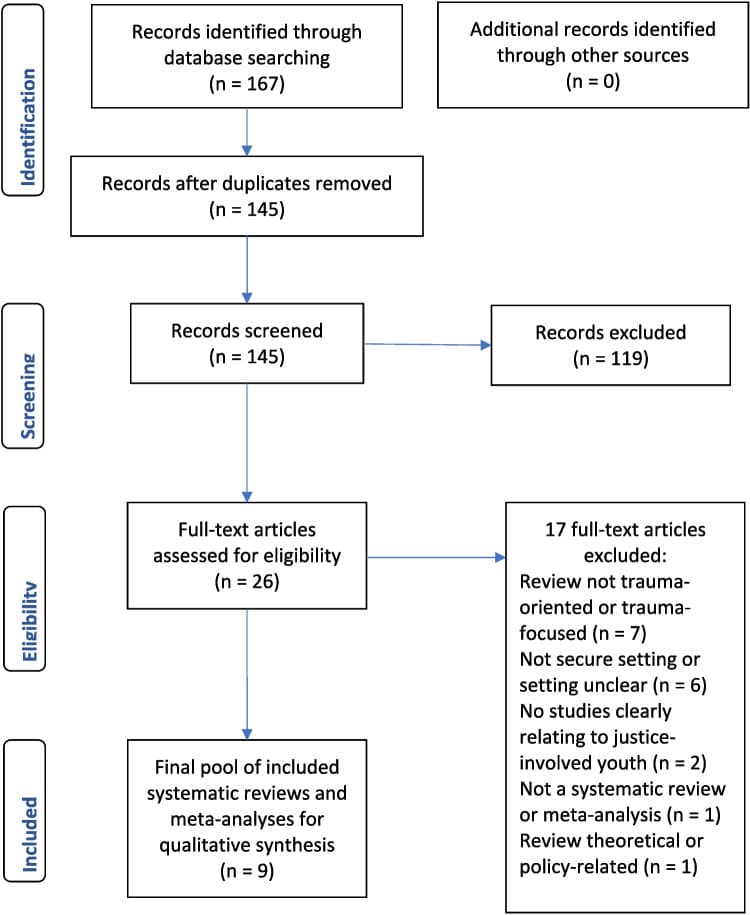
Fig 1. Flow chart of the study selection process.

Each review was independently coded, with reference to a template designed to describe key features and to report the main findings. The coding form examined several content areas: author and review descriptors (e.g., authors, year); sample descriptors (e.g., population, age range, intervention); design; conclusions; outcome (trauma symptoms, other mental health outcomes, and justice-related outcomes such as re-offending and institutional behavior); and a summary of key analyses/findings and review conclusions. PICO information (population, intervention, comparator, outcome) from the primary studies included in each review was also recorded, as recommended by Pollock et al., 2020. All authors consulted regularly during this process.

Two authors then assessed the reviews against the AMSTAR 2 quality indicators (Shea et al., 2017). Based on the original AMSTAR for quality assessment of systematic reviews of randomized studies (Shea et al., 2007), AMSTAR 2 incorporates additional items to address the greater susceptibility of non-randomized studies of interventions (NSRI) to bias, compared with randomized studies. Of the 16 items, three are specific to meta-analyses.

Data Synthesis

A brief narrative description of each review was then produced, synthesizing the main findings relating to three principal outcome domains of trauma-informed youth justice (trauma symptomatology, mental health and wellbeing, and justice-related outcomes).

Results

Description of Included Reviews

Nine systematic reviews – three meta-analyses and six narrative reviews – met our inclusion criteria. Justice-involved children and young people were the target population in five of these reviews, while studies involving both justice-involved and non-justice-involved children and young people populations (such as at-risk youth or youth in psychiatric settings) were included in the remainder. Only findings related to group-based evaluations of interventions provided in justice-involved youth populations are reported in this study. A summary of the main characteristics of each review is presented in Table 1.

Table 1. Key Characteristics of included reviews

The nine reviews encompassed a total of 47 group-based juvenile justice-related primary studies (1 to 14 per review), with 15 of the primary studies included in more than one review (see Table S1 in the supplementary material). Accounting for duplicates (n = 2245), there were 8615 participants (n = 30 to n = 5469 justice-involved young people per review). Most participants were male, and ages ranged from 11 to 24 years. All nine reviews included one or more controlled studies (i.e., randomized, or quasi-experimental designs with comparison group). Seven of the reviews also included group studies without a comparison group (e.g., single-group, pretest–posttest), and two included individual case studies. The sample size of primary studies included in each review ranged from n = 9 to n = 3068.

In total, 41 named interventions targeting outcomes relevant to justice-involved youth were evaluated. Among these were 29 group-based manualized programs, of which the majority were psychological treatments, either based on cognitive-behavioral therapy (CBT) or incorporating elements of it. Among the trauma-specific elements of treatment were psychoeducation about trauma and its effects on psychosocial development and emotion regulation; skill development in self-awareness, emotion regulation; mindfulness and meditation training; processing trauma-related memories (e.g., through trauma narratives); sensory processing; and dealing with future trauma. One intervention focused on organizational transformation. Most of the psychological interventions also included therapist training prior to delivering treatment. In only a few cases, however, was a specific staff training program named as a component of the intervention.

Methodological Quality

The results of the AMSTAR 2 assessment of methodological quality are reported in Table 2. Generally, studies wholly or partially met four of the criteria: specifying PICO characteristics in their inclusion criteria, using a comprehensive literature search strategy, reporting studies in sufficient detail, and reporting funding and/or conflicts of interest. However, no study fully met all criteria, as none provided a list of excluded studies with reasons for exclusion or reported funding information for all included primary studies. The reviews differed in terms of whether they had developed an a priori review protocol, provided an explanation for selection of study designs, performed study selection and data extraction in duplicate, or formally assessed sources of individual study bias. Several reviews attained only a ‘partial yes’ for adequate primary study description because design features, such as the number of groups or the type of control condition were unclear. Studies also varied in the completeness with which they reported relevant aspects of sample characteristics such as racial composition, and mental health diagnosis. All but one of the reviews had undertaken some form of quality assessment. Five (Gagnon et al., 2022; Givens et al., 2021; Hodgkinson et al., 2021; Kumm et al., 2019; Rhoden et al., 2019) evaluated primary studies against existing assessment tools, while two (Baetz et al., 2022; Rhoden et al., 2019) assessed sources of bias using the Cochrane Risk of Bias tool. One meta-analysis assessed the reliability and validity of included outcome measures (Eadeh et al., 2021), while another formally assessed the risk of publication bias (Olaghere et al., 2021).
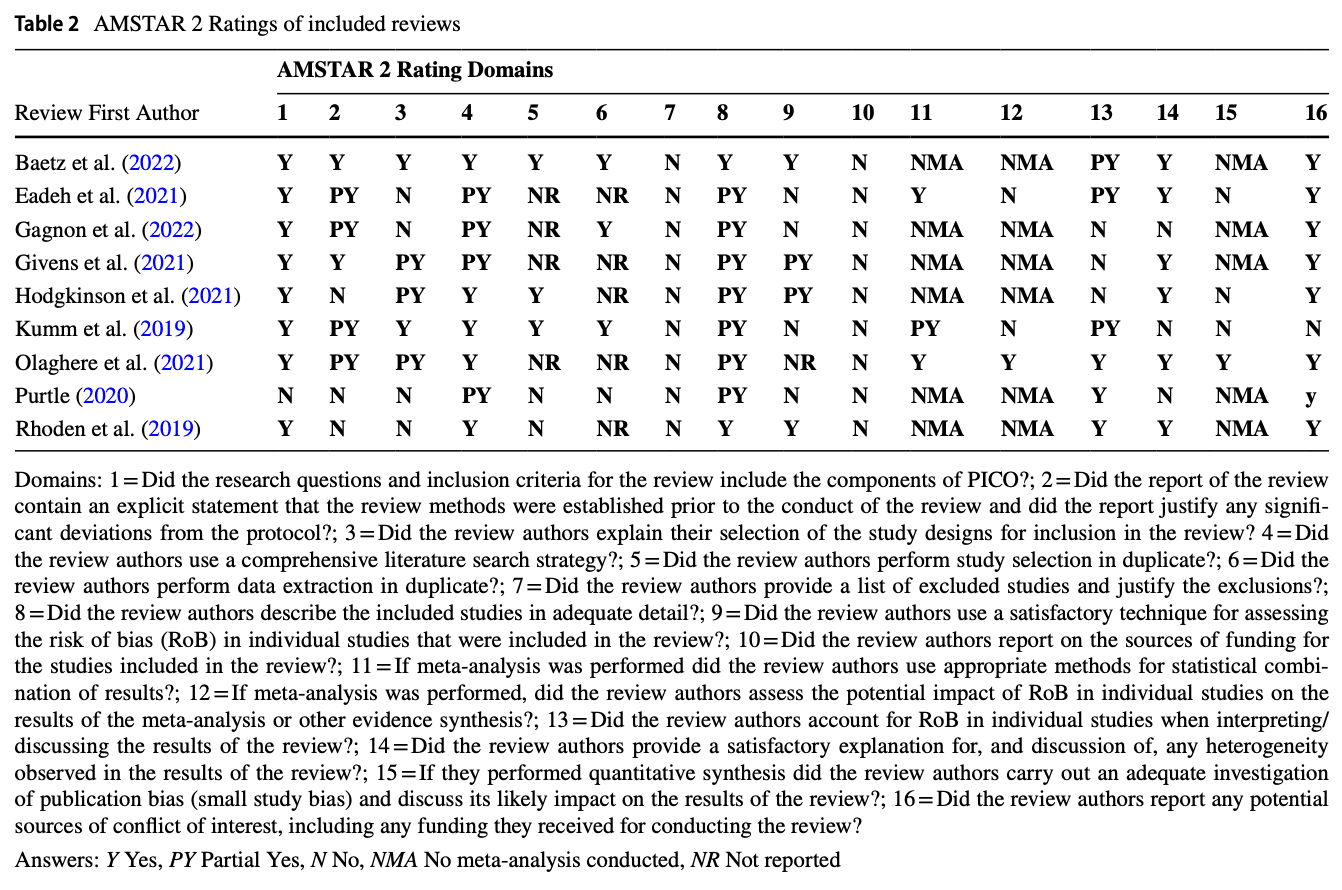
Table 2. AMSTAR 2 Ratings of included reviews

Narrative Description of Main Findings (in alphabetical order of review)

Baetz et al. (2022) systematically reviewed seven controlled studies published between 2002 and 2017 to examine the impact of manualized, trauma-specific treatments on the reduction of post-traumatic stress disorder (PTSD) symptoms, co-occurring mental health symptoms, and justice-related outcomes in justice-involved young people. Treatment effect sizes were calculated for PTSD. Four studies were reported as showing a significant decrease in PTSD symptoms following treatment when compared with a control group. Regarding improvement in mental health symptomatology, both cognitive processing (Ahrens & Rexford, 2002) and TARGET (Marrow et al., 2012) were associated with reductions in depressive symptoms, but in the case of Marrow et al. it was noted that the magnitude of the difference in outcome between the TARGET and control groups may have reflected an increase in depression in the control group. The two studies that examined recidivism produced conflicting results, with Multidimensional Treatment Foster Care plus Trauma (MTFC + T; Smith et al., 2012) showing reductions in delinquency and recidivism in adolescent girls, and TARGET (Ford & Hawke, 2012) showing no differences in rearrests between the treatment and control groups. Baetz et al. suggested that the differing results may have reflected differences in how recidivism was operationalized, as well as greater follow-up care in the Smith et al. study.

Overall, Baetz et al.’s (2022) review concluded that evidence for the effectiveness of trauma specific treatments with young people in justice settings was encouraging (p. 650) However, the review also noted a lack of methodologically sound studies, along with several challenging aspects of implementation. These included integrating new treatments into existing practices; engaging stakeholders; monitoring treatment fidelity; and ensuring that daily care staff in secure settings are adequately trained and involved in program delivery. Potential sources of study bias that were identified included a high risk of incomplete outcome reporting and/or selective reporting. The authors advised that the results of the respective studies should be interpreted with caution.

Eadeh et al. (2021) conducted a meta-analytic review of evidence from 41 studies of the effects of emotion regulation interventions in adolescents with a wide range of presenting disorders, including trauma. The underlying premise was that a lack of adaptive emotion regulation strategies and a reliance on maladaptive strategies are risk factors for the development of internalizing and externalizing disorders that are linked to poor adolescent outcomes. Gross’s (1998, 2015) model (identifying emotional responses to situations, and selecting and implementing strategies to manage them) was used to conceptualize emotion regulation.

Four of the studies reviewed (two randomized control trials and two single-group studies) focused on incarcerated and delinquent adolescents. Where data were available, Hedges’ g was used to calculate intervention effects (Keiley, 2007, did not provide means and standard deviations for the outcomes, so the original results were reported). Three studies were reported as showing significant improvements following the emotion regulation interventions. Keiley (2007) reported significant decreases in incarcerated adolescents’ self- and maternal caregiver reports of maladaptive emotion regulation following participation in a multiple-group family intervention (MGFI) program (fathers’ reports did not improve). Keiley and colleagues (2015) found similar improvements following implementation of MGFI in a sample of male adolescent sexual offenders. Ford et al. (2012a, b) found that TARGET was associated with a significant reduction compared with treatment as usual in negative emotion regulation in girls placed in a juvenile justice facility. A fourth study, evaluating a juvenile justice anger management intervention for girls, was reported as not delivering improvements in emotion regulation compared with treatment as usual (Riggs Romaine et al., 2018).

Results from the three studies with calculated effect sizes were included in the pooled effect size analysis across all studies. Results showed significant positive treatment effects for both maladaptive (negative) and adaptive (positive) emotion regulation strategies, albeit that there was considerable heterogeneity and effects were small. The authors determined that studies involving clinical samples demonstrated larger treatment effects than those involving non-clinical samples, and this was the case for both single-group and controlled studies. Accordingly, they recommended that future research should include more ‘methodologically rigorous comparison groups’ (p. 701). The authors also recommended increased inclusion of measures that detect changes in the use of positive emotion regulation and coping strategies.

Gagnon et al.’s (2022) systematic review considered evaluations of mental health interventions for incarcerated young people. Only primary studies published since the release of Guiding Principles for Providing High-Quality Education in Juvenile Justice Secure Care Settings (U.S. Departments of Justice and Education, 2014) were included. Eleven studies met the authors’ inclusion criteria, of which ten were quantitative, group-based studies. Although the included interventions varied in emphasis, most incorporated elements of CBT. An exception was the Sanctuary program, which aims to promote a safe and therapeutic environment through organizational transformation, and staff education and training (Elwyn et al., 2015). Two of the CBT-based interventions also included a component of staff trauma training (see Table S1 in the supplementary material for this review), but staff outcomes were not reported. Outcomes studied included mental health symptoms (posttraumatic stress disorder, depression), justice-related outcomes (institutional violence, recidivism, institutional safety), and personal growth (resilience, changes in dynamic risk and protective factors). Positive main effects for at least one of the studied outcomes in each study were reported for seven of the ten interventions. For two of the remaining three, moderator analyses showed that interventions were effective for some participants, but not others. Specifically, a motivational interviewing intervention for incarcerated girls was associated with reduced substance-related predatory aggression in girls with lower, but not higher, levels of depression, while social problem-solving training was associated with reduced depressive symptoms in males with higher intelligence but appeared to exacerbate symptoms in those with less high intelligence. One quasi-experimental study of the effect of a restorative justice program on criminogenic risk and protective factors was reported as indicating no superior effect of assignment to the treatment program over assignment to a control condition in which participants watched a series of short victim impact videos. However, treatment completers showed improved skills in impulsivity control and in dealing with their own and others’ feelings. Overall, treatment effects appeared to be stronger for males than females. The study’s high attrition rate was noted (Gagnon et al.).

Despite noting multiple methodological shortcomings across the reviewed studies, Gagnon et al. (2022) recommended four treatments for use in youth justice facilities — trauma-focused CBT, motivational interviewing, trauma and grief component therapy, and dialectical behavior therapy — as having a prior evidence base in non-youth justice populations, as well as demonstrating a positive outcome in the reviewed studies. However, as indicated above, motivational interviewing did not reduce predatory aggression in all participants; rather, it only reduced aggression among those girls with low levels of depressive symptomatology. This finding – as well as the results of other moderator analyses noted above—underscores the need to consider individual differences when selecting treatments for justice-involved youth. Sanctuary, dialectical behavior therapy, the Think Trauma staff training program, and STAIR were also cautiously recommended for further study and evaluation, while a gender-responsive program and the restorative justice program described above were not (the latter based on the assignment to treatment results reported above). The authors noted the need to establish confidence in treatment integrity and the need for stronger research methodology.

Givens et al. (2021) conducted a systematic review of original studies carried out in the United States and determined to be valid using National Institutes of Health study quality assessment tools. Of 19 identified original studies, six (published between 1988 and 2018) were conducted in youth correctional facilities. Interventions included CBT and its variations, as well as intensive mindfulness meditation, physical exercise training, TARGET, and coping skill training. All the cognitive-behavioral interventions resulted in significant reductions in posttraumatic stress disorder, while TARGET and physical exercise training were associated with improved mood, and coping training was associated with improved self-esteem, reduced externalizing, and reduced death-related life attitudes. The effect of the intensive mindfulness meditation intervention (a seven-hour meditation retreat) was reported as not being significant. However, in the latter study, the control group, as well as the intervention group, was assigned to a ten-session mindfulness meditation curriculum, following which the combined results of both groups showed an overall improvement in self-regulation. The review authors concluded that the variety of interventions, outcomes, study settings, and implementation procedures made efforts to synthesize the evidence difficult.

Hodgkinson et al. (2021) systematically reviewed 14 studies, published between 2001 and 2018, which had documented reductions in recidivism among repeat youth offenders following implementation of psychological resilience interventions. This review includes studies from Europe as well as the US. The review authors emphasized the role of childhood trauma in impeding cognitive and emotional development in young people, leading to high levels of negative emotions and reactivity in those who subsequently become involved in the justice system. They further argue that psychological resilience may act as a protective factor against the risk of offending among adolescents who have experienced childhood trauma, while interventions that are explicitly designed to promote psychological resilience among youth who have already offended could be effective in reducing their risk of re-offending.

A wide range of treatments (see Table 1) was reviewed, including one explicitly trauma-informed program (TARGET; Ford & Hawke, 2012). Among the mechanisms considered responsible for positive treatment effects were an improved sense of coherence and an increased capacity to recognize emotions in others, since post-intervention improvements in these aspects of resilience were associated with observed reductions in reoffending. An increased sense of empowerment and improved decision-making in young people were also suggested as possible explanations.

Kumm et al. (2019) conducted a meta-analytic review of mental health interventions in juvenile justice facilities for young people with internalizing disorders. Eleven studies published between 1993 and 2017 were identified, of which seven included a control group (including four randomized control trials), and four employed a single-group, pretest–posttest design. In addition to CBT, dialectical behavior therapy, and TARGET, the interventions reviewed included animal assisted therapy and attributional retraining. Effect sizes with confidence intervals for individual studies were calculated, and meta-analyses of pooled effects were carried out. No interventions in studies with a control condition were associated with significant treatment effects on any outcomes. However, meta-analyses of single-group studies showed significant positive effects of treatment on internalizing symptoms, trauma, and depression, although not on anxiety. Review authors highlighted several methodological limitations associated with single-group studies (such as confounding the effect of time with the effect of treatment on the outcomes) and recommended that results be interpreted with caution. They also highlighted the need for more rigorous research and monitoring of treatment fidelity and recommended exploration of innovative study designs and interventions that cater better for short-stay residents.

Olaghere et al.’s (2021) meta-analysis and accompanying technical report (Wilson et al., 2018) reported on outcomes following the delivery of trauma-informed interventions in controlled studies of young people identified as at risk of justice involvement (23 studies) or justice-involved (six studies). The results of the six juvenile justice-related studies were reported separately from those for at-risk young people. Interventions examined were TARGET (Ford et al., 2012a, b; Marrow et al., 2012), cognitive processing therapy (Ahrens & Rexford, 2002), Multidimensional Treatment Foster Care (Chamberlain et al., 2007), Image Rehearsal Therapy (Krakow et al., 2001), and a version of Sanctuary that included programming for young people (Rivard et al., 2003) as well as techniques for therapeutic organizational transformation. For each study, standardized mean difference effect sizes for the outcomes were calculated (see Wilson et al., 2018, for full details) and were subsequently combined in meta-analyses. Confidence intervals (95%) and heterogeneity statistics were also reported.

Outcome domains included PTSD and trauma symptoms, affect (mental health), justice (delinquency, restraint), and hope. Three of four studies examining PTSD-related outcomes were reported as having a near null average effect size, with the remaining study (Krakow et al., 2001) observing a very large effect (g > 1.00) in a small sample. The meta-analytic means for PTSD outcomes and affect were reported as positive and small. One study that examined justice-related outcomes (Chamberlain et al., 2007) found that trauma treatment was associated with fewer criminal referrals and days locked up in an institution (Wilson et al., 2018); however, when these measures were combined with self-reported measures of delinquency in the same study, the resulting effect of trauma treatment was reported as essentially null (p. 1267). The other study that examined justice outcomes (Ford et al., 2012a, b) indicated slightly negative effects of TARGET on Child Behavior Checklist measures of delinquency, aggression, and externalizing behaviors.

Overall, based on a small number of studies, Olaghere et al. (2021) concluded that evidence that trauma-informed programs improve outcomes for justice-involved youth is modest and inconclusive, although nevertheless encouraging (p. 1267). Two interventions (cognitive processing and image rehearsal therapy) were named as indicating positive effects across a range of outcomes, but as previously noted, the relevant studies had small sample sizes (Ahrens & Rexford, 2002; Krakow et al., 2001). While the evidence for at-risk youth was stronger, the collection of reviewed studies overall was reported to be at high risk of publication bias favoring studies with significant results (see Wilson et al., 2018 for analyses). Olaghere et al. (2021) recommended that high-quality randomized experimental studies be conducted in future to isolate the effects of specific aspects of trauma-informed interventions on outcomes for young people who are justice-involved or at risk of justice involvement.

Purtle (2020) conducted a systematic review of trauma-informed organizational interventions with a staff training component. Twenty-four studies, published since 2000, were reviewed. One study, an evaluation of the Sanctuary Model, was conducted in a juvenile justice facility for girls (Elwyn et al., 2015), with the remainder being conducted in child welfare, health, residential care, and educational settings. The review concluded that Sanctuary resulted in improvements to physical and perceived safety for both staff and young people, but that its multifaceted approach made it difficult to isolate the effect of staff training.

Purtle (2020) concluded that the pool of reviewed studies offered sufficient evidence to indicate that participation in trauma-informed staff training resulted in improvements across a range of settings in staff knowledge, attitudes, and behaviors regarding trauma-informed practices. However, the duration of these benefits for staff was considered unclear, as was the extent to which they would result in improvements for clients. While noting various methodological shortcomings of reviewed studies (e.g., the predominance of single group studies, failure to use validated measures, limited or non-existent follow-up, and failure to disentangle the effects of multiple interventions), this review presents comprehensive recommendations to guide future research on trauma-informed staff training and related organizational interventions, while also summarizing the implications for practice and policy.

Rhoden et al.’s (2019) systematic review examined peer-reviewed studies conducted in the United States of trauma-specific interventions among justice-involved young people to the age of 21 with “reported traumatic exposure and/or PTSD symptoms based on a DSM diagnosis or a standardized measure” (p. 894). Sixteen studies, published between 2001 and 2016, were identified that met the inclusion criteria. Of these, twelve (ten controlled studies and two with a single-group design) were group-based with quantitative analysis of outcomes. Cognitive-behavioral principles were applied in most of the interventions studied, with treatment protocols typically including an educational component, skill-building, and self-regulation strategies. One study investigated eye movement desensitization and reprocessing therapy (EMDR).

Treatment effect sizes (Cohen’s d) were calculated based on reanalysis of individual study data. Medium to large effects of treatment on PTSD and/or other trauma symptoms were reported for nine studies, while a small effect was reported for a tenth. For proxy measures of externalizing behavior (e.g., time spent in seclusion, delinquency), small to large treatment effects were found in three studies. The studies of EMDR and trauma-focused CBT were considered to present the strongest evidence of treatment effectiveness based on the review authors’ assessments of their comparative methodological rigor. However, Rhoden et al. (2019) concluded that there was insufficient high-quality evidence to indicate that trauma interventions reduce trauma symptoms and externalizing behavioral problems despite their co-occurrence.

Discussion

The main findings from this umbrella review are that the provision of trauma-focused interventions is associated with a decrease in trauma symptoms in justice-involved populations (with cognitive-behavioral approaches receiving the strongest empirical support), as well as with improvement in co-occurring mental health problems. There is also evidence of a positive impact on different metrics of re-offending and institutional misconduct. Based on our reading of the available evidence, this offers a sufficiently strong rationale to provide trauma-informed interventions to the broader youth justice population. This advice, while not particularly surprising (given that most of the review authors seem to agree), is nonetheless important in a context in which debates are ongoing about the need to establish safety and stabilization before trauma treatment can be provided. Concerns are, for example, often expressed that non-specialist treatment for trauma-related presentations can cause harm, with trauma treatment services sometimes only made available through external service providers, (such as child and adolescent mental health services) to those who meet the diagnostic criteria for posttraumatic stress disorder. The evidence reported in this study suggests that there are effective programs and interventions that can be embedded within a youth justice service that do not focus exclusively on treating presentations of posttraumatic stress. This is relevant to service planning as this type of treatment is necessarily focused on how exposure to a specific trauma, as a past event, leads to a sense of current threat. From a trauma-informed perspective, however, it is continuous actual or threatened traumatic events that are more significant, where an ongoing sense of threat becomes adaptive and necessary for survival (Rosenberg et al., 2008). Thus, efforts to implement trauma-informed youth justice should extend clinical models of service delivery to support resilience and recovery from the wide range of adverse childhood experiences that justice-involved young people have typically experienced. Effectiveness is, of course, not the only way in which the success of an intervention can be determined, with factors such as acceptability, adoption, appropriateness, cost, feasibility, fidelity, access to service, and sustainability (Brownson et al., 2012) as well as cultural and context-specific adaptations (Yim et al., 2024) also important. The body of research curated across these nine reviews also shows that such approaches are indeed feasible for delivery to youth justice populations across a range of different settings.

Limitations

An important caveat to any recommendation to implement trauma-informed youth justice, however, is that nearly all the review authors specifically comment on the importance of addressing a range of implementation and integrity challenges if a stronger evidence base is to develop. They also all note the limitations in the methodological quality of the pool of primary studies that were included in their reviews. For example, several reviews noted that single-group studies tended to show greater treatment effectiveness (larger effect sizes) than studies with a control group, reflecting possible confounding of treatment with non-treatment effects (Eadeh et al., 2021; Kumm et al., 2019; Olaghere et al., 2021). In addition, the finding of comparatively large treatment effects in primary studies with small samples may indicate a publication bias through which, it is suggested, small studies are (even) more likely than studies with larger samples to be published because of significant findings (Hong et al., 2020). The need for more complete reporting of study information to overcome the possibility of selective reporting of results is noted (Baetz et al., 2022; Olaghere et al., 2021).

While calling for greater methodological rigor, the review authors also acknowledge the challenges that arise when conducting evaluation research in youth justice settings. Contextual factors that potentially affect the quality of evidence available include the high turnover of children and young people in youth justice settings, and the resulting impact on study attrition and sample sizes. High staff turnover rates also mean that new staff must be trained, and trust with children and young people re-established. Staff turnover also contributes to poor treatment fidelity, as do the lack of program supervision, lack of leadership, and poor organizational support and culture.

An additional set of limitations relates to specific aspects of the reviews themselves. One is that in a few cases, differences in methods used to synthesize findings produced different evaluations of the same intervention. Two examples of this are the impact of WRITE-ON (Greenbaum & Javdani, 2017) on shame, and the impact of TARGET (Marrow et al., 2012) on PTSD. While such differences may be relatively minor, they highlight the need for the reader to exercise care when drawing conclusions. Importantly, there were also differences between reviews in how well they captured aspects of sample diversity such as race and ethnicity in their descriptions of primary study characteristics. This made it difficult to gauge how closely the study samples resembled the wider population of justice-involved young people in their respective countries or regions of origin, particularly in the United States, where most of the primary studies were conducted. An additional limitation was that only three of the reviews included studies from other countries or regions, such as Canada, the UK, or Europe. There is clearly a need to extend research into trauma-informed youth justice to other geographical and cultural regions. And we would also note that, even among western countries, there are differences in judicial systems and the composition of justice-involved youth populations. For example, in former British colonies such as Canada, Australia, and New Zealand, it is First Nations populations who are especially overrepresented in the youth justice systems, reflecting the need to develop service responses that also acknowledge a range of social and economic disadvantages, such as poverty, social and health inequalities, systemic racism and discrimination, and intergenerational trauma.

Finally, this umbrella review was limited in scope by excluding non-peer-reviewed documents and other grey literature. And, although not by design, a major focus of the available research was on the outcomes of trauma-focused treatments and programs, which constitute only one aspect of trauma-informed juvenile justice practice (Branson et al., 2017).

Next Steps for Advancing Trauma-Informed Youth Justice

There is an ongoing need to better understand the outcomes of the broad range of practices that constitute trauma-informed practice. Some kind of trauma awareness training for staff is, for example, considered a minimum requirement (Branson et al., 2017), and there is a consensus that to deliver this requires adequate resourcing and sustained organizational and system-level support, including leadership. There are elements of training in many of the primary studies that were included in the reviews that met the inclusion criteria in our study, but it was not easy to ascertain their impact on outcomes. The Elwyn et al. (2015) study, for example, describes an organizationally framed intervention (Sanctuary) and is featured in two of the reviews (Gagnon et al., 2022; Purtle, 2020), while the Marrow et al. (2012) evaluation of TARGET features environmental modifications as well as training (i.e., it goes beyond treatment). It is reasonable to conclude that the evaluation of organizational, systemwide interventions in youth justice settings is still less well developed than that of trauma-focused treatments. Without considering the impact of activity at every level of the organization (SAMHSA, 2014), the evaluation of specific programs is always going to be unsatisfactory. And so, we need to think about utilizing stronger research designs that can account for the ways in which individual level, group level, and organizational level components of trauma-informed practice interact and combine to produce the range of outcomes that youth justice services are expected to deliver.

An obvious next step will also be to better understand the experiences and views of young people in the youth justice system. The SAMHSA (2014) trauma-informed principles were reportedly developed with expert and public input with 2000 respondents and 20,000 comments/endorsements (Heris et al., 2022). This was a process specifically designed to ensure that the resulting principles reflected the voices of trauma survivors, and it thus becomes important to listen to what justice-involved young people have to say about the services they receive (see Day et al., 2023). The task then is to find new ways to triangulate outcome data with the experiences and insights of justice-involved young people.

Finally, there appears to be a need to further develop systems of audit, accountability, and accreditation to ensure that trauma-informed youth justice is being implemented in a way that can be expected to result in the specified desired or agreed upon outcomes for young people and the wider community. It has, for example, been observed that the connection between activity and outcomes is often implicit or absent in accounts of trauma-informed practice (Bazemore, 2006) and there may well be differences in the extent to which different parts of any justice system align with a trauma-informed philosophy. External youth justice stakeholders and mental health providers who work with trauma may, for example, focus more on symptom reduction and/or on promoting health and wellbeing, while the principal concern of youth justice staff will typically be to reduce risk and future justice system involvement. Our conclusion then is that, although there is much more work to do to achieve trauma-informed youth justice, it is a promising line of inquiry that is supported by evidence and can lead to better outcomes for both justice-involved young people and for communities. At a time in history when the need for new and innovative approaches has been identified, it remains a promising alternative to more punitive approaches.

Electronic Supplementary Material

Below is the link to the electronic supplementary material.

Supplementary Material 1 (DOCX 39.0 KB) (39.3KB, docx)

Open Article as PDF

Abstract

Findings of high rates of complex trauma among justice-involved young people have engendered interest in developing trauma-informed youth justice systems. Although there have been several reviews of trauma-informed practice in youth justice settings, uncertainty remains about whether this approach can produce the outcomes expected of youth justice services. In this study we summarize findings from recent systematic reviews and meta-analyses to provide an overview of evidence relevant to implementing trauma-informed youth justice. We conducted an umbrella review of systematic reviews published between 2017 and 2023 that included group-based primary studies of trauma-informed interventions for justice-involved young people. Reviews were located via searches of PsycINFO, PubMedCentral, Embase, Criminal Justice Abstracts with Full Text, and ProQuest. Data extracted from each review included the number and type of primary studies reviewed, and outcomes related to trauma symptomatology, mental health and wellbeing, and justice system involvement. Nine systematic reviews met our inclusion criteria. Improvements in trauma symptoms, mental health and wellbeing, and justice system involvement were documented in each review. The strongest evidence related to the impact of trauma-focused interventions on posttraumatic stress disorder symptoms, but less evidence was available to demonstrate outcomes of organizational level and systemic components of trauma-informed practice. Each review highlighted the need to strengthen the methodological quality of primary studies. Trauma-informed practice should be seriously considered as part of any effort to implement evidence-based youth justice. This should extend beyond treatment of trauma symptomatology to incorporate a broader approach to trauma-informed practice that is organizationally embedded.

Youth justice services in various nations have recently faced growing demand to develop more effective approaches. Past reports and investigations have revealed harmful practices, restarting discussions about the core purpose of a youth justice system. This has highlighted a need for practices that are based on evidence and are less focused on punishment. In this context, "trauma-informed practice" has emerged as a potentially valuable way to create new policies, programs, and interventions. These aim to improve outcomes for children and young people while also ensuring public safety.

Many youth justice agencies worldwide have adopted a trauma-informed approach. However, the terms "trauma-informed practice" (TIP) and "trauma-informed care" (TIC) often lack clear definitions. This makes it difficult to know if such approaches are truly being implemented and if they lead to fewer trauma symptoms, better well-being for young people involved with the justice system, or a decrease in future offending. This paper aims to provide an up-to-date summary of the current evidence regarding the outcomes of trauma-informed youth justice. This information is intended to assist policymakers considering this approach and to strengthen public confidence in trauma-informed service models.

Trauma-Informed Youth Justice

Youth justice agencies often work toward various, interconnected goals. For instance, goals include promoting public safety, rehabilitating young offenders, helping them re-enter society, and reducing repeat offenses. While managing the risk of re-offending is a clear priority for all criminal justice agencies, there is also an expectation to protect and promote the welfare of the child or young person. A shift in how society views its duties towards justice-involved children and young people has led to rapid growth in interest in trauma-informed policy and practice. Some regions, such as England and Wales, now prioritize child welfare over traditional justice concerns. A trauma-informed approach is a universal framework designed to prevent further harm to individuals who have experienced trauma. Its underlying principles differ from those of conventional criminal justice. It does not separate "victim" and "perpetrator" as many legal systems do. Instead, "risk" is understood as vulnerabilities stemming from childhood abuse and societal inequalities. The main aim is to create an environment where the effects of abuse and hardship are recognized and addressed, with a primary concern to minimize exposure to potentially re-traumatizing events. This approach goes beyond mental health services for trauma symptoms (known as "trauma-focused" interventions). It also aims to prevent young people from being re-traumatized, either by their own actions or by how they are treated. For instance, youth justice agencies may create safe, structured environments with consistent routines to meet basic psychological and health needs.

The rationale for implementing trauma-informed practice stems from research showing that many justice-involved children and young people have experienced significant maltreatment and adversity. Research consistently shows that most young people in justice systems have a history of childhood abuse and neglect. These experiences are linked to significant trauma symptoms and criminal behavior. Increased exposure to trauma is connected to a rise in high-risk behaviors and interactions with the youth justice system.

Researchers are keen to understand how individuals develop offending behaviors. One theory suggests that emotional numbing and detachment from trauma can lead to a lack of empathy for victims. Another idea is that traumatic events weaken secure attachments, causing issues with self-regulation that contribute to offending. Furthermore, the feeling of betrayal from maltreatment may affect how abuse is processed and remembered, potentially triggering antisocial actions. Systemic interventions, such as placing abused children in out-of-home care, can either lessen or worsen trauma. Residential care, for example, can intensify trauma symptoms and behavioral problems, increasing the likelihood of justice system involvement.

Trauma responses are frequently a driving factor behind involvement in the criminal justice system, and they can also heighten the risk of repeat offending. Key trauma symptoms, such as impulsivity, risk-taking, and low self-control, are critical factors linked to criminal behavior. These should be central targets for interventions aimed at reducing re-offending. Therefore, a logical service response involves a therapeutic approach that helps young people feel safe and manage their intense reactions, negative thoughts, and impulsive behaviors, rather than focusing solely on punishment or deterrence. Ultimately, trauma-informed youth justice seeks multiple outcomes, including reducing trauma symptoms, improving mental health and well-being, and decreasing problematic behaviors and offending.

Given that a trauma-informed youth justice approach aims to influence different, and potentially conflicting, outcomes, there is a need for clarity about the processes, activities, and interventions that will best achieve these goals. A systematic review identified core elements of service delivery and offered recommendations for implementation and evaluation. Three areas of recommended practices include: (1) clinical services for youth (screening, trauma-focused treatment, cultural competence); (2) agency context (young person and family engagement, staff development, safe environment, policies, leadership); and (3) systems level (policies, cross-agency collaboration, quality assurance). Further research was recommended to establish which of these practices are effective for both well-being and justice-related outcomes. Since then, various systematic reviews and meta-analyses have been published, each with a slightly different focus. Given the multiple components of a trauma-informed approach, the current evidence regarding programs, service delivery, and policy frameworks across youth justice is not always clear. This poses challenges for policymakers and practitioners seeking new ways of working. Accordingly, the purpose of this study is to gather current evidence to provide an overall assessment of this relatively new approach to youth justice service delivery.

Method

An umbrella review methodology was employed to gather information from existing systematic reviews and meta-analyses. This structured approach, following the PRISMA statement, involves assessing the quality of included reviews and summarizing their findings. It also helps to identify differences in how reviews evaluate similar studies and interventions. As this study analyzed previously published data, no ethical approvals or participant consents were required.

Searches were conducted across several major databases, including PsycINFO, PubMedCentral, and the Cochrane Database of Systematic Reviews. Due to varying definitions of trauma-informed practice, broad search terms were used to capture a wide range of relevant reviews. Searches were completed between October 2022 and April 2023. To be included, reviews needed to contain at least one quantitative evaluation of a group-based, trauma-informed or trauma-focused intervention. These interventions had to aim at improving outcomes for young people aged 10-24 who were involved with the justice system, with some participants under 18. Reviews also had to be in English, peer-reviewed, and published within a five-year period following a key 2017 review. Excluded were purely theoretical articles, those focusing only on policy, qualitative studies, individual case studies, or evaluations from non-youth justice settings. Both randomized and non-randomized studies were considered for inclusion due to the limited number of randomized trials in this area.

Two authors independently screened and selected reviews using systematic review software, resolving any disagreements through discussion. Each selected review was then coded to extract key information, including author details, study population, intervention design, main findings, and conclusions related to outcomes such as trauma symptoms, mental health, and justice-related factors. The PICO (Population, Intervention, Comparator, Outcome) information from the original studies within each review was also recorded. All authors collaborated throughout this process. The methodological quality of the reviews was assessed by two authors using the AMSTAR 2 quality indicators.

Results

Nine systematic reviews were included, comprising three meta-analyses and six narrative reviews. Five of these reviews specifically targeted justice-involved young people, while others included broader youth populations; only findings relevant to justice-involved youth are reported here. These reviews collectively examined 47 unique group-based studies within juvenile justice settings, involving a total of 8,615 participants, predominantly male, aged 11 to 24. Interventions included a range of 41 programs, with 29 being manualized, group-based psychological treatments. Most of these treatments were rooted in cognitive-behavioral therapy (CBT) and incorporated elements such as psychoeducation on trauma, skill development in emotion regulation, and mindfulness. Some interventions also focused on organizational change or included staff training, though staff outcomes were not always detailed.

The methodological quality of the included reviews varied significantly. Most reviews adequately specified PICO characteristics, used comprehensive search strategies, and reported study details, as well as funding or conflict of interest information. However, none fully met all quality criteria; for example, none provided reasons for excluding studies or disclosed funding for all primary studies. Reviews also differed in whether they had a predefined protocol, justified their study designs, or performed duplicate data selection and extraction. There were inconsistencies in reporting important sample characteristics like racial composition or mental health diagnoses. While nearly all reviews conducted some form of quality assessment for their primary studies, the methods and completeness of these assessments varied.

The reviews examined a wide range of interventions, predominantly psychological treatments based on cognitive-behavioral therapy (CBT), but also including organizational transformation and resilience-building programs. Findings consistently indicated that trauma-focused interventions were associated with a decrease in trauma symptoms, such as post-traumatic stress disorder (PTSD), and improvements in co-occurring mental health issues like depression and emotion regulation. Some reviews also noted positive impacts on personal growth, including increased resilience and improved decision-making skills among young people.

Regarding justice-related outcomes, such as re-offending and institutional behavior, the evidence was more varied. While some studies reported reductions in delinquency and recidivism following certain interventions, others found less conclusive or even conflicting results. Reviews of organizational interventions, which included staff training, showed improvements in physical and perceived safety within facilities and enhanced staff knowledge, but the direct impact on client outcomes was harder to isolate. Across the reviews, there was a common acknowledgment of methodological limitations in the primary studies, including small sample sizes, inconsistent use of rigorous comparison groups, challenges in implementation fidelity, and potential for publication bias. These limitations temper the overall conclusions about the effectiveness of trauma-informed approaches in achieving all desired outcomes simultaneously.

Discussion

The overall findings from this review indicate that trauma-focused interventions can effectively reduce trauma symptoms and improve mental health in young people involved with the justice system. There is also evidence suggesting a positive effect on re-offending rates and institutional behavior. This provides a strong rationale for integrating trauma-informed interventions more broadly within youth justice services, especially given current debates about prerequisite safety and stabilization before trauma treatment.

The evidence suggests that effective programs can be implemented within youth justice settings, extending beyond solely treating PTSD, to support resilience and recovery from a wide array of adverse childhood experiences typically encountered by these young people. While effectiveness is a key measure, other factors such as acceptability, feasibility, fidelity, and cultural relevance are also crucial for success, and the research suggests these approaches are indeed feasible.

An important caveat to these recommendations is that nearly all review authors highlighted significant implementation and integrity challenges, as well as methodological limitations within the primary studies. For example, single-group studies often reported greater treatment effectiveness compared to studies with control groups, suggesting potential confounding factors. The presence of large treatment effects in small samples also indicates a possible publication bias, favoring studies with significant findings. There is a clear need for more thorough reporting of study information to prevent selective reporting of results.

Further limitations arise from the complexities of conducting research in youth justice settings. High turnover rates among both young people and staff can impact study attrition, sample sizes, and treatment fidelity. Additionally, the reviews themselves varied in their methods of synthesizing findings, sometimes leading to different conclusions about the same intervention. Most reviews did not adequately capture sample diversity, such as racial or ethnic composition, making it difficult to assess how well study populations represented wider justice-involved youth. Research on trauma-informed youth justice also needs to expand geographically beyond the primarily US-based studies, especially considering diverse judicial systems and unique challenges faced by specific populations, such as Indigenous youth in former British colonies. Finally, this umbrella review was limited by excluding non-peer-reviewed literature and a focus primarily on trauma-focused treatments, which represent only one component of broader trauma-informed practice.

Future efforts should focus on a more comprehensive understanding of outcomes across the full spectrum of trauma-informed practices, beyond just trauma-focused treatments. This includes evaluating the impact of essential components like staff trauma awareness training and broader organizational and system-level interventions, which are currently less well-studied. Research designs should be strengthened to capture how individual, group, and organizational elements of trauma-informed practice interact to produce various outcomes. Additionally, it is crucial to incorporate the perspectives and experiences of young people within the justice system, ensuring that service delivery reflects their insights. Finally, developing robust systems for audit, accountability, and accreditation will help ensure that trauma-informed youth justice is implemented effectively and consistently across different parts of the justice system, aligning diverse stakeholder goals. While much work remains, trauma-informed youth justice represents a promising, evidence-supported alternative to punitive approaches, capable of leading to better outcomes for both young people and communities.

Open Article as PDF

Abstract

Findings of high rates of complex trauma among justice-involved young people have engendered interest in developing trauma-informed youth justice systems. Although there have been several reviews of trauma-informed practice in youth justice settings, uncertainty remains about whether this approach can produce the outcomes expected of youth justice services. In this study we summarize findings from recent systematic reviews and meta-analyses to provide an overview of evidence relevant to implementing trauma-informed youth justice. We conducted an umbrella review of systematic reviews published between 2017 and 2023 that included group-based primary studies of trauma-informed interventions for justice-involved young people. Reviews were located via searches of PsycINFO, PubMedCentral, Embase, Criminal Justice Abstracts with Full Text, and ProQuest. Data extracted from each review included the number and type of primary studies reviewed, and outcomes related to trauma symptomatology, mental health and wellbeing, and justice system involvement. Nine systematic reviews met our inclusion criteria. Improvements in trauma symptoms, mental health and wellbeing, and justice system involvement were documented in each review. The strongest evidence related to the impact of trauma-focused interventions on posttraumatic stress disorder symptoms, but less evidence was available to demonstrate outcomes of organizational level and systemic components of trauma-informed practice. Each review highlighted the need to strengthen the methodological quality of primary studies. Trauma-informed practice should be seriously considered as part of any effort to implement evidence-based youth justice. This should extend beyond treatment of trauma symptomatology to incorporate a broader approach to trauma-informed practice that is organizationally embedded.

Youth justice services in Western countries have faced increasing pressure to find more effective ways of working. Various investigations have exposed harmful practices, sparking new discussions about the purpose of youth justice systems. This has created a demand for practices that are based on evidence and are less focused on punishment.

In response, "trauma-informed practice" has emerged as a promising method to develop new policies, programs, and interventions. The goal is to improve outcomes for children and young people while also keeping communities safe. Many youth justice agencies worldwide have adopted this approach.

However, terms like "trauma-informed practice" (TIP) and "trauma-informed care" (TIC) often lack a clear definition. This makes it difficult to know if and when these approaches are truly being implemented. It is also challenging to determine if they actually lead to fewer trauma symptoms, better well-being for young people involved with the justice system, or a decrease in future offending.

This paper aims to provide an up-to-date summary of the current evidence on the results of trauma-informed youth justice. This information is intended to help policymakers evaluate this approach and build public trust that trauma-informed services will achieve their intended goals.

Trauma-Informed Youth Justice

Youth justice agencies typically have several goals that often overlap. For instance, in Australia, services aim to promote community safety, help young people who offend rehabilitate and reintegrate into society, and reduce repeat offending. While managing the risk of re-offending is a key priority for all criminal justice agencies, there is also an expectation to protect and support the welfare of children and young people. This shift in how society views its responsibilities towards justice-involved youth has led to a rapid increase in interest in trauma-informed policies and practices. Some countries, like England and Wales, now prioritize child welfare over traditional justice concerns.

A trauma-informed approach is a broad method designed primarily to prevent further harm to individuals who have experienced traumatic life events. The basic assumptions of trauma-informed youth justice differ from those of traditional criminal justice services. Instead of focusing on "victim" versus "perpetrator," trauma-informed work views risk in terms of vulnerabilities that come from childhood mistreatment and social inequalities. The main goal of services is to create an environment where the effects of mistreatment and hardship are acknowledged, processed, and resolved, while minimizing exposure to events that could re-traumatize individuals. This means trauma-informed youth justice is not just about providing mental health services for trauma symptoms (which is "trauma-focused intervention"). It also aims to prevent young people from behaving or being treated in ways that cause harm to themselves or others. For example, some agencies create structured, safe environments with regular routines to meet basic psychological and health needs, helping to reduce re-traumatization.

The reason for using trauma-informed practice comes from research showing that many children and young people involved with the justice system have experienced – and may still be experiencing – mistreatment and hardship. It is well-established that most justice-involved youth have a history of contact with child protection services. Experiences of childhood victimization are linked to both significant trauma symptoms and offending behavior. Research indicates that as a child's exposure to trauma increases over time, so do high-risk behaviors and involvement with the youth justice system.

Experts have extensively studied the paths that lead to offending. One theory suggests that the emotional numbness and detachment often resulting from trauma can increase insensitivity and disregard for victims. Another idea is that exposure to traumatic stressors harms secure attachments with primary caregivers, leading to self-regulation problems that contribute to offending. Additionally, the degree to which mistreatment feels like a "betrayal" of trust may affect how abuse-related information is processed and remembered, triggering antisocial behavior. Systemic interventions, such as placing mistreated children in out-of-home care, can also worsen trauma symptoms and related behavioral problems, potentially increasing the risk of justice system involvement. These findings suggest that trauma reactions are often a reason for entering the criminal justice system and can also increase the risk of initial and repeat offending. Key signs of trauma, such as impulsivity, risk-taking, and poor self-control, are important factors in criminal behavior. Therefore, addressing these needs should be a primary goal for any service aiming to reduce re-offending. This implies that a logical response is not to punish young people to deter them from offending, but to offer a therapeutic approach that helps them feel safe and gain control over intense reactions, destructive thoughts, and impulsive behaviors. The goal of trauma-informed youth justice, then, is to achieve multiple outcomes: reducing trauma symptoms, promoting good mental health and well-being, and decreasing externalizing behaviors and offending.

Given that trauma-informed youth justice aims for various, potentially complex, outcomes, clear guidance is needed on which processes and interventions will best achieve these goals. Earlier research identified core elements of service delivery, including clinical services, agency context, and systems-level practices, and recommended further study. Since then, many reviews have been published, but the overall evidence for trauma-informed programs, service delivery, and policies remains complex due to the multiple components involved. This makes it hard for policymakers and practitioners to adopt new methods. This study, therefore, aims to gather current evidence to provide a clear assessment of this relatively new approach to youth justice.

Method

This study used an umbrella review method, which involves gathering knowledge from existing systematic reviews and meta-analyses to determine the overall strength of evidence on a topic. This structured approach follows guidelines for systematic reviews and meta-analyses, including assessing the quality of the methods used in the included reviews before summarizing the evidence. It also helps identify differences in how reviews evaluated similar primary studies and interventions. Since all analyses in this study were based on previously published work, no ethical approvals or participant consents were required.

Search Strategy and Inclusion Criteria

To find suitable studies, various databases were searched, including PsycINFO, PubMedCentral, Embase, and Criminal Justice Abstracts. Searches were also conducted in the Cochrane Database of Systematic Reviews, the Campbell Collaboration, and PROSPERO. Because definitions of trauma-informed practice can vary, broad search terms were used to find relevant reviews, including those not specifically labeled "trauma-informed" but which covered related practices. Searches took place between October 2022 and April 2023. To be included, a review had to feature at least one quantitative evaluation of a trauma-informed or trauma-focused group intervention. The intervention needed to aim at improving outcomes for young people involved with the justice system (aged 10-24, with some participants under 18). Reviews had to be in English, peer-reviewed, and published within five years after a specific 2017 review. Theoretical or policy-focused articles, reviews based only on qualitative studies, individual case studies, or evaluations from non-youth justice settings were excluded. Reviews of both randomized and non-randomized studies were included due to the limited number of randomized studies in this field.

Data Extraction and Management

Two authors independently selected reviews using specialized software. After removing duplicates, these authors screened abstracts and read full articles. Disagreements were resolved through discussion. Each review was coded independently using a template that captured key features like author details, sample characteristics, study design, conclusions, and outcomes (trauma symptoms, mental health, justice-related results like re-offending). Information about the population, intervention, comparator, and outcome from the primary studies within each review was also recorded. All authors regularly consulted during this process. Two authors then assessed the quality of the reviews using the AMSTAR 2 quality indicators, which account for potential biases in both randomized and non-randomized studies.

Data Synthesis

A brief narrative description was created for each review. This description summarized the main findings related to three key outcome areas for trauma-informed youth justice: trauma symptoms, mental health and well-being, and justice-related outcomes.

Results

Description of Included Reviews

Nine systematic reviews were included in this study, comprising three meta-analyses and six narrative reviews. Five of these reviews focused on justice-involved children and young people, while the others included populations like at-risk youth or those in psychiatric settings. Only findings related to group-based interventions for justice-involved youth are reported here.

These nine reviews covered a total of 47 group-based primary studies related to juvenile justice, with 15 of these studies appearing in more than one review. In total, 8,615 participants were included, ranging from 10 to 24 years old, most of whom were male. All nine reviews included at least one controlled study (with a comparison group), and some also included studies without a comparison group or individual case studies. The sample sizes of the primary studies varied widely.

In total, 41 named interventions were evaluated, targeting outcomes for justice-involved youth. Twenty-nine of these were manualized, group-based programs, mostly psychological treatments based on or incorporating elements of cognitive-behavioral therapy (CBT). Trauma-specific elements included psychoeducation, skill development in emotion regulation, mindfulness training, and processing trauma memories. One intervention focused on organizational change. Most psychological interventions also included training for therapists, though specific staff training programs were rarely named as a direct component.

Methodological Quality

The AMSTAR 2 assessment of methodological quality showed that, generally, the included reviews partly or fully met four criteria: specifying population, intervention, comparator, and outcome (PICO) in their inclusion criteria, using a thorough literature search, reporting study details sufficiently, and disclosing funding or conflicts of interest. However, no review fully met all criteria, for example, by not providing reasons for excluded studies or complete funding information for all primary studies.

Reviews varied in whether they had a pre-established protocol, explained their choice of study designs, had two independent individuals for study selection and data extraction, or formally assessed bias in individual studies. Several reviews only partially met the criteria for describing primary studies adequately, as details like the number of groups or type of control condition were unclear. Information on sample characteristics, such as racial composition and mental health diagnoses, also varied in completeness. Most reviews performed some form of quality assessment, with some using specific tools or assessing bias. One meta-analysis evaluated the reliability of outcome measures, and another assessed the risk of publication bias.

Narrative Description of Main Findings

The various reviews explored the effectiveness of trauma-informed and trauma-focused interventions for justice-involved youth, yielding mixed but often encouraging results across different outcome areas.

Several reviews indicated that trauma-specific treatments could reduce post-traumatic stress disorder (PTSD) symptoms and other mental health issues like depression. For example, some studies found significant decreases in PTSD symptoms following treatment compared to control groups. Emotion regulation interventions also showed significant positive effects on both maladaptive and adaptive emotion regulation strategies, particularly in clinical samples, though the overall effects were small. Specific therapies like cognitive processing therapy, TARGET, and Multidimensional Treatment Foster Care with Trauma components were often cited as leading to improvements in mental health.

Regarding justice-related outcomes, the evidence was less consistent. Some interventions, like Multidimensional Treatment Foster Care plus Trauma, showed reductions in delinquency and recidivism in certain populations. However, other studies, such as those evaluating TARGET, found no significant differences in rearrests or had nearly null effects on justice outcomes when combined with self-reported measures. Psychological resilience interventions were reviewed as effective in reducing recidivism among repeat youth offenders, potentially by improving an individual's sense of coherence, emotional recognition, empowerment, and decision-making.

Interventions that focused on staff training and organizational transformation, like the Sanctuary Model, were found to improve physical and perceived safety for both staff and young people. Staff knowledge, attitudes, and behaviors regarding trauma-informed practices also improved across various settings. However, the long-term duration of these benefits for staff remained unclear, as was the direct impact on clients. The multifaceted nature of these programs also made it difficult to isolate the effect of staff training alone.

Across many reviews, significant methodological limitations in the primary studies were highlighted. These included a lack of methodologically sound studies, challenges in integrating new treatments into existing practices, difficulty engaging stakeholders, and issues with monitoring treatment fidelity and staff training. Single-group studies, which tend to show larger treatment effects, and small sample sizes were common concerns, raising questions about the generalizability and reliability of some findings. Despite these limitations, some treatments like trauma-focused CBT, motivational interviewing (with specific caveats), and dialectical behavior therapy were cautiously recommended for use or further study based on their positive outcomes and prior evidence in other populations.

Discussion

The main findings from this umbrella review suggest that trauma-focused interventions lead to a decrease in trauma symptoms and an improvement in co-occurring mental health problems in justice-involved populations. Cognitive-behavioral approaches appear to have the strongest support from research. There is also some evidence of a positive impact on various measures of re-offending and misconduct within institutions. Based on this evidence, there is a strong justification for providing trauma-informed interventions to the wider youth justice population.

This recommendation is important, especially given ongoing debates about the need for safety and stability before trauma treatment, the potential harm from non-specialist treatment, and the tendency to offer trauma services only to those meeting strict diagnostic criteria for PTSD. The evidence in this study indicates that effective programs and interventions can be integrated directly into youth justice services, rather than being limited to treating only PTSD. From a trauma-informed perspective, the focus should be on how continuous traumatic events, not just past single events, create an ongoing sense of threat. Therefore, implementing trauma-informed youth justice should expand beyond clinical service models to support resilience and recovery from the broad range of adverse childhood experiences typically faced by justice-involved young people. While effectiveness is a key factor, other measures of success include how acceptable, appropriate, feasible, and sustainable an intervention is, along with its cost, fidelity, access, and cultural adaptability. The research reviewed here also shows that these approaches are indeed practical for youth justice populations in various settings.

Limitations

It is important to note that any recommendation to implement trauma-informed youth justice comes with significant caveats. Nearly all the review authors specifically highlighted the importance of addressing various implementation and integrity challenges for a stronger evidence base to develop. They also consistently pointed out the methodological limitations in the primary studies included in their reviews. For instance, several reviews observed that studies without a control group tended to show greater treatment effectiveness than controlled studies, suggesting that non-treatment effects might be influencing the results. Additionally, large treatment effects in primary studies with small samples could indicate a publication bias, where small studies with significant findings are more likely to be published. The need for more complete reporting of study information was also noted to prevent selective reporting of results.

The review authors acknowledged the challenges of conducting evaluation research in youth justice settings. Practical factors that affect the quality of evidence include the high turnover rate of children and young people in these settings, which impacts study participation and sample sizes. High staff turnover also necessitates continuous training and rebuilding trust with young people, and can contribute to poor treatment fidelity due to a lack of program supervision, leadership, and organizational support.

Additional limitations related to the reviews themselves. In a few instances, differences in synthesis methods led to varying evaluations of the same intervention. These differences, though minor, highlight the need for careful interpretation of conclusions. Importantly, reviews also varied in how thoroughly they captured aspects of sample diversity, such as race and ethnicity, making it difficult to assess how well study samples represented the broader population of justice-involved young people, especially in the United States where most primary studies were conducted. Furthermore, only a few reviews included studies from other countries, indicating a need to expand research into trauma-informed youth justice to other geographical and cultural regions. Differences in judicial systems and the composition of youth populations in various Western countries, such as the overrepresentation of First Nations populations in former British colonies, underscore the need for culturally sensitive service responses that address social and economic disadvantages and intergenerational trauma. Finally, this umbrella review was limited in scope by excluding non-peer-reviewed documents and other informal literature. While not by design, the available research predominantly focused on the outcomes of trauma-focused treatments and programs, which represent only one aspect of broader trauma-informed practice.

Next Steps for Advancing Trauma-Informed Youth Justice

There is an ongoing need to better understand the outcomes of the full range of practices that constitute trauma-informed approaches, not just specific treatments. Basic trauma awareness training for staff is considered a minimum requirement and demands adequate resources and sustained organizational and system-level leadership and support. While many primary studies included training elements, their overall impact on outcomes was not always clear. The evaluation of organizational and system-wide interventions in youth justice settings is currently less developed than that of trauma-focused treatments. To properly assess trauma-informed practice, future research needs to use stronger designs that can account for how individual, group, and organizational components interact to produce the desired outcomes for youth justice services.

A crucial next step involves better understanding the experiences and views of young people within the justice system. The principles of trauma-informed care were originally developed with input from trauma survivors, making it essential to listen to what justice-involved young people say about the services they receive. The challenge then becomes finding ways to combine objective outcome data with the subjective experiences and insights of these young people.

Finally, there appears to be a need to further develop systems for auditing, accountability, and accreditation. This would ensure that trauma-informed youth justice is implemented in a way that is expected to achieve the desired outcomes for young people and the wider community. Often, the link between activities and outcomes in trauma-informed practice is not clearly stated, and different parts of the justice system may have varying levels of alignment with a trauma-informed philosophy. For example, external mental health providers might focus on symptom reduction, while youth justice staff prioritize reducing re-offending. Despite the considerable work ahead to fully achieve trauma-informed youth justice, it represents a promising area of inquiry supported by evidence. It offers the potential for better outcomes for both justice-involved young people and communities, serving as a hopeful alternative to more punitive approaches in a time when new and innovative methods are greatly needed.

Open Article as PDF

Abstract

Findings of high rates of complex trauma among justice-involved young people have engendered interest in developing trauma-informed youth justice systems. Although there have been several reviews of trauma-informed practice in youth justice settings, uncertainty remains about whether this approach can produce the outcomes expected of youth justice services. In this study we summarize findings from recent systematic reviews and meta-analyses to provide an overview of evidence relevant to implementing trauma-informed youth justice. We conducted an umbrella review of systematic reviews published between 2017 and 2023 that included group-based primary studies of trauma-informed interventions for justice-involved young people. Reviews were located via searches of PsycINFO, PubMedCentral, Embase, Criminal Justice Abstracts with Full Text, and ProQuest. Data extracted from each review included the number and type of primary studies reviewed, and outcomes related to trauma symptomatology, mental health and wellbeing, and justice system involvement. Nine systematic reviews met our inclusion criteria. Improvements in trauma symptoms, mental health and wellbeing, and justice system involvement were documented in each review. The strongest evidence related to the impact of trauma-focused interventions on posttraumatic stress disorder symptoms, but less evidence was available to demonstrate outcomes of organizational level and systemic components of trauma-informed practice. Each review highlighted the need to strengthen the methodological quality of primary studies. Trauma-informed practice should be seriously considered as part of any effort to implement evidence-based youth justice. This should extend beyond treatment of trauma symptomatology to incorporate a broader approach to trauma-informed practice that is organizationally embedded.

Understanding Trauma-Informed Youth Justice

Youth justice services in Western countries face growing pressure to find better ways of working. Past reviews have revealed harmful practices and sparked debates about the purpose of these systems. There is a clear need for new, evidence-based methods that are less focused on punishment. In this context, "trauma-informed practice" has emerged as a promising approach. It aims to develop policies, programs, and interventions that can improve outcomes for young people while also keeping communities safe. Many youth justice agencies now support this approach. However, the terms "trauma-informed practice" and "trauma-informed care" often lack clear definitions, making it hard to know if they are truly being applied effectively. It is also unclear if these approaches lead to fewer trauma symptoms, better well-being for young people involved in justice, or a reduction in future offending. This document summarizes the current evidence about the results of trauma-informed youth justice.

How the Research Was Conducted

To gather this information, an "umbrella review" was used. This method collects and analyzes findings from existing systematic reviews and meta-analyses on a specific topic. The search looked for studies in several major databases, including those focused on psychology, medicine, and criminal justice. The search was broad to find various relevant reviews, including those that might not have been explicitly labeled "trauma-informed" but still covered similar practices. To be included, a review had to feature at least one quantitative study of a trauma-informed or trauma-focused group intervention for young people involved in the justice system, aged 10 to 24. Reviews were published between 2017 and 2023, written in English, and peer-reviewed. Reviews based only on theory, qualitative studies, or individual case studies were not included. The selection of studies and data extraction were done carefully by two authors, and the quality of each included review was assessed using specific criteria.

Main Findings from the Reviews

Nine systematic reviews were included in this study, three of which were meta-analyses (which combine data statistically). These nine reviews covered a total of 47 individual studies involving over 8,600 justice-involved young people, mostly males aged 11 to 24. The interventions studied were mainly psychological treatments, often based on cognitive-behavioral therapy (CBT), or they included elements specifically focused on trauma. While the reviews generally met some quality standards, many had methodological limitations, such as not fully explaining why some studies were excluded or not thoroughly assessing bias.

Overall, the findings suggest that trauma-specific treatments can lead to a decrease in trauma symptoms and improvements in related mental health issues like depression. Some interventions aimed at improving emotion regulation also showed positive, though small, effects. For example, some programs appeared to reduce re-offending and improve behavior within institutions. Other approaches, like those focused on psychological resilience, also showed promise in reducing repeat offenses. However, the evidence for reducing re-offending was sometimes mixed or unclear. Reviews also indicated that organizational changes and staff training related to trauma can improve safety and staff knowledge, but the direct benefits for young people were less clear. Many reviews noted that studies often had methodological weaknesses, such as relying on single-group designs (which make it hard to tell if improvements were due to the treatment or other factors) or having small sample sizes, which can skew results.

Conclusions and Future Directions

The evidence shows that trauma-focused interventions can reduce trauma symptoms and improve mental health for young people in the justice system. There is also some positive impact on re-offending and behavior in institutions. These findings provide a strong reason to offer trauma-informed interventions more widely within youth justice. It is also clear that these approaches are practical for delivery in various youth justice settings.

However, several limitations need to be addressed. Many review authors pointed out the importance of dealing with challenges in implementing these programs and ensuring their quality. They also highlighted the methodological weaknesses of the original studies they reviewed. For instance, studies without a comparison group tended to show greater effectiveness than those with one, which might not accurately reflect the treatment's true impact. Challenges in youth justice settings, like high turnover of young people and staff, also make research difficult.

For the future, it is important to better understand the results of all parts of trauma-informed practice, not just specific treatments. This includes the impact of staff training and organizational changes. Stronger research methods are needed to account for how individual, group, and organizational factors interact. It is also crucial to include the perspectives and experiences of young people in the justice system when designing and evaluating services. Finally, better systems for auditing, accountability, and accreditation are needed to ensure that trauma-informed youth justice is implemented effectively. Despite the need for more work, trauma-informed justice is a promising approach supported by evidence, offering a positive alternative to more punitive methods and leading to better outcomes for young people and communities.

Open Article as PDF

Abstract

Findings of high rates of complex trauma among justice-involved young people have engendered interest in developing trauma-informed youth justice systems. Although there have been several reviews of trauma-informed practice in youth justice settings, uncertainty remains about whether this approach can produce the outcomes expected of youth justice services. In this study we summarize findings from recent systematic reviews and meta-analyses to provide an overview of evidence relevant to implementing trauma-informed youth justice. We conducted an umbrella review of systematic reviews published between 2017 and 2023 that included group-based primary studies of trauma-informed interventions for justice-involved young people. Reviews were located via searches of PsycINFO, PubMedCentral, Embase, Criminal Justice Abstracts with Full Text, and ProQuest. Data extracted from each review included the number and type of primary studies reviewed, and outcomes related to trauma symptomatology, mental health and wellbeing, and justice system involvement. Nine systematic reviews met our inclusion criteria. Improvements in trauma symptoms, mental health and wellbeing, and justice system involvement were documented in each review. The strongest evidence related to the impact of trauma-focused interventions on posttraumatic stress disorder symptoms, but less evidence was available to demonstrate outcomes of organizational level and systemic components of trauma-informed practice. Each review highlighted the need to strengthen the methodological quality of primary studies. Trauma-informed practice should be seriously considered as part of any effort to implement evidence-based youth justice. This should extend beyond treatment of trauma symptomatology to incorporate a broader approach to trauma-informed practice that is organizationally embedded.

Services for young people in trouble with the law have faced growing pressure to find better ways to work. Many reports have shown that past methods sometimes caused harm. This has led to new ideas about what youth justice should do. One promising idea is "trauma-informed practice." This approach tries to create new policies, programs, and help that can lead to better results for young people. At the same time, it aims to keep communities safe. Many youth justice groups now support a trauma-informed way of working. However, it has been noted that terms like "trauma-informed practice" often lack clear meaning. Because of this, it is not always easy to know if a trauma-informed approach is being used. It is also hard to tell if it actually helps reduce trauma signs, improves the well-being of young people, or stops them from getting into trouble again. This paper aims to share the latest facts about how well trauma-informed youth justice works. This information is important for leaders making decisions and for building public trust that these services will achieve their goals.

Trauma-Informed Youth Justice

Youth justice groups often work to achieve different but related goals. For example, governments ask youth justice services to help keep communities safe, help young people change, and help them return to their communities. Services also aim to lower the number of young people who get into trouble again. This means that while stopping young people from re-offending is a main goal, protecting and helping young people's well-being is also expected. Because of this shift in thinking about how society should help young people involved in the justice system, more and more interest has grown in trauma-informed policies and practices. Some places, like England, now put a child's well-being first, even over justice concerns.

A trauma-informed approach is a way of working with everyone. Its main goal is to avoid causing more harm to people who have lived through upsetting events. Because of this, the ideas behind trauma-informed youth justice are different from how older justice services often work. For instance, trauma-informed work does not look at people as either only a "victim" or only a "person who caused harm." Instead, it sees problems as weaknesses that come from being harmed as a child or from unfair social situations. So, the main goal of these services is to create a place where the effects of harm and hard times are seen, worked through, and fixed. A main concern is to keep young people from going through upsetting events again. This means trauma-informed youth justice is not just about giving mental health help for trauma signs. It is also about stopping young people from acting in ways that cause more trauma or harm to themselves or others. For example, some youth justice groups have tried to prevent more trauma by providing a safe and orderly place, such as regular meals, bedtimes, school times, and clear rules for behavior. This helps meet basic emotional and health needs.

The reason for using trauma-informed practice comes partly from studies showing that many young people in the justice system have experienced — and may still be experiencing — harm and hard times. It is now well known that most young people in youth justice systems have a history of contact with child protection services. Being a victim in childhood is linked to clear signs of trauma and also to getting into trouble. Recent reviews have shown that as a child experiences more trauma over time, they are more likely to take part in risky behaviors and become involved with the youth justice system.

There has been much interest in understanding how young people end up getting into trouble. Experts have noted that harm and trauma can raise this risk. One idea is that the feeling of being numb or disconnected that often comes from trauma can make people feel less bad about hurting others. Another idea is that experiencing upsetting events can make it hard to form safe bonds with parents or caregivers. This can lead to problems with controlling one's actions, which might then lead to getting into trouble. Also, the feeling of being "betrayed" after abuse might change how a person thinks about and remembers hurtful events, causing them to act in negative ways. Another thing to consider is how system changes can make trauma worse or better. For example, placing children who have been harmed into foster care or group homes is known to make trauma signs and related behavior problems worse. This, in turn, can increase the chance of contact with the justice system.

The main idea here is that trauma often plays a part in why young people get involved with the justice system. It can also make them more likely to get into trouble again. Simply put, key signs of trauma — such as acting without thinking, taking risks, and having poor self-control — are important reasons why young people get into trouble. Because of this, these issues should be key targets for any service that wants to lower re-offending. It makes sense, then, that a helpful response is not to "punish" young people in the justice system. Instead, it is to offer a more healing approach that helps children feel safe and learn to control strong reactions, harmful thoughts, and impulsive behaviors. The key point is that trauma-informed youth justice aims for many good outcomes. These include reducing trauma signs, helping with good mental health and well-being, and reducing acting-out behaviors and getting into trouble.

Since trauma-informed youth justice will try to achieve different goals, which may sometimes seem to conflict, there needs to be a clear understanding of what steps, activities, and help will best reach these goals. To address concerns that trauma-informed ways of working in youth justice were not clear, a review was published. It identified the main parts of these services and gave suggestions for how to put them into practice and check their success. Three main areas of recommended practices were found: (1) help for young people in the justice system (like checking for problems, specific trauma help, and being aware of different cultures); (2) how the agency works (getting young people and their families involved, staff training, making a safe place, agency rules, and leadership); and (3) system-wide changes (rules for the whole system, groups working together, and checking quality). That review also suggested more research was needed to find out which of these practices truly help with young people's well-being and justice-related outcomes. Since then, many other reviews have been published, all trying to gather facts about trauma-informed youth justice. Each review has a slightly different focus. Because a trauma-informed approach has many parts, it is not easy to know how well these programs, services, and policies are working across youth justice today. This makes it hard for leaders and workers who are looking for new ways to help. So, this study's goal is to gather current facts to get an overall picture of this newer way of providing youth justice services.

How the Study Was Done

This study used a method called an "umbrella review." This means it looked at many other reviews and studies that had already gathered facts. The goal was to learn how strong the evidence is on a specific topic. This method follows a clear process and checks how well the earlier reviews were done before putting all the facts together. It also helps to find differences in how reviews looked at the same basic studies and types of help. Because all the facts in this study came from earlier published studies, no special approvals or agreements from people were needed.

Finding Studies

To find the right studies, searches were done in many online places like PsycINFO, PubMedCentral, and other crime and social science databases. We also looked at reviews from Cochrane Database and Campbell Collaboration. Because "trauma-informed practice" can mean different things, our search words were broad. This helped us find many reviews, including those not called "trauma-informed" but which still looked at similar types of help for trauma. For example, we used search terms like "juvenile justice" or "youth justice-involved" along with "trauma-informed care" or "trauma-focused." Searches were done between October 2022 and April 2023.

To be included, a review had to have looked at least one way of measuring how well a trauma-informed or trauma-focused group program worked. These programs had to aim to help young people involved with the justice system, aged 10 to 24, with some participants under 18. The review had to be in English, checked by other experts, and published in the five years after the 2017 review by Branson and others. Reviews that were just about ideas or policies were not included. Also left out were reviews that only used stories or single case studies, or those that looked at helpful environments in places other than youth justice. Since there are few studies where people are randomly chosen for treatment, reviews that included both random and non-random studies were used.

Collecting Information

Selecting which reviews to include was done by two people using special software. After removing copies, these same two people read the titles and summaries and then the full articles. If they disagreed, they talked until they both agreed. A chart shows how studies were chosen.

Each review was coded on its own. A special form was used to describe key features and main findings. This form looked at things like the authors, year, who was studied (like age and group), the type of help given, how the study was set up, what was concluded, and what outcomes were measured (like trauma signs, other mental health, or justice-related outcomes such as re-offending). Information about the people, the help, what it was compared to, and the outcome from the main studies in each review was also recorded. All authors talked regularly during this process.

Then, two people checked the quality of the reviews using a tool called AMSTAR 2. This tool helps assess the quality of reviews, especially those that include studies where people were not randomly chosen for treatment, as these studies can be more likely to have errors.

Putting Information Together

A short story-like summary was then made for each review. This summary put together the main findings about three key results of trauma-informed youth justice: trauma symptoms, mental health and well-being, and justice-related outcomes.

What the Study Found

About the Reviews

Nine past reviews met our rules for inclusion. These included three reviews that used math to combine results (meta-analyses) and six reviews that told a story about their findings (narrative reviews). Five of these reviews focused on young people in the justice system. The other reviews included young people both in and out of the justice system, such as those at risk or in mental health hospitals. In this study, we only report what was found for group programs that helped young people involved with the justice system. A table shows the main details of each review.

The nine reviews covered a total of 47 basic studies that looked at groups of young people in juvenile justice settings. Between 1 and 14 basic studies were in each review. Fifteen of these basic studies appeared in more than one review. After removing copies, there were about 8,615 young people in total across all the reviews. Most of these young people were male, and their ages ranged from 11 to 24 years. All nine reviews included at least one study that used a control group (meaning one group got the help, and another similar group did not, to compare results). Seven of the reviews also included group studies without a control group. The number of young people in the basic studies ranged from 9 to over 3,000.

In total, 41 named programs aimed at helping young people in the justice system were looked at. Most of these were group programs with clear steps. The majority were mental health treatments, often based on a type of therapy called cognitive-behavioral therapy (CBT) or including parts of it. Some parts of these trauma-focused treatments included teaching about trauma, learning to manage feelings, practicing being aware and calm, working through upsetting memories, and dealing with future trauma. One program focused on changing the whole organization. Most of the mental health programs also included training for staff before they gave the help. But only a few times was a specific staff training program mentioned as a part of the help.

Quality of the Studies

The results of checking the quality of the reviews showed some common patterns. In general, studies met four of the quality rules: they clearly stated who they were studying, used a good way to search for studies, gave enough details about the studies they included, and reported if they had any funding or conflicts of interest. However, no study fully met all the rules. For example, none listed all the studies they left out with reasons why, or fully reported funding for all the basic studies they included. The reviews differed in whether they had a plan for their review beforehand, explained why they chose certain study designs, had two people check study selection and data gathering, or formally checked for possible errors in the individual studies. Many reviews only partly described the basic studies, as details like the number of groups or type of control group were not clear. Studies also varied in how completely they reported details about the young people, such as their race or mental health diagnoses. All but one of the reviews had checked the quality of the studies they included in some way.

Main Results from the Reviews

Overall, the studies showed that helping young people with trauma can lead to good results. Many reviews found that specific trauma treatments, especially those based on cognitive-behavioral therapy (CBT), helped reduce signs of trauma, such as strong fear after a bad event. These treatments also improved other mental health issues, like depression or problems managing feelings. Some studies even suggested that these types of help could lead to fewer young people getting into trouble again or behaving badly in places like detention centers.

Some specific programs were mentioned as having positive effects. For example, certain kinds of therapy like TARGET or cognitive processing therapy were often linked to better emotional regulation and a drop in depressive symptoms. One program called Sanctuary, which works to make the whole environment safer, was also found to improve feelings of safety for both staff and young people. However, results for stopping young people from re-offending were not always clear and sometimes conflicted across studies.

Despite these encouraging findings, the reviews pointed out many weaknesses in how the original studies were done. Many studies had problems like small groups of participants or did not have a control group to compare results against. This made it hard to be sure that the improvements were truly because of the help given, and not just from time passing or other factors. There was also concern about "publication bias," meaning that studies with positive results might be more likely to be published than those with no clear effects. Many reviews called for stronger research methods, like using more control groups and larger study sizes, to better understand what truly works. They also noted that it was often hard to separate the effects of specific treatments from other changes, like staff training or wider organizational shifts.

What This Means

The main findings from this overall review are that giving help focused on trauma leads to fewer trauma signs in young people in the justice system. Help based on cognitive-behavioral approaches showed the strongest results. There were also improvements in other mental health problems that often happen with trauma. There is also proof that this help has a good effect on how often young people re-offend and how they behave in institutions. Based on the facts we looked at, this gives a strong reason to provide trauma-informed help to all young people in the justice system. This advice is important because people sometimes worry that non-specialist help for trauma might cause harm, and that special trauma help should only be for those with certain diagnoses. The facts in this study suggest that there are good programs and ways of helping that can be used within youth justice services. These programs do not just focus on treating trauma from a single past event. From a trauma-informed viewpoint, ongoing upsetting events are more important, where feeling under threat all the time becomes a way to survive. So, efforts to use trauma-informed youth justice should go beyond mental health help. They should also support young people's ability to bounce back and heal from the many hard experiences they have typically faced. How well an intervention works is not the only way to measure success. Other things matter too, such as whether people accept it, if it is used, if it is right, its cost, if it can be done, if it is followed correctly, if people can get to it, and if it can last. The research gathered in these nine reviews also shows that such ways of working can be done for young people in the justice system in many different places.

Problems Found

However, it is important to note a key warning about using trauma-informed youth justice. Almost all the reviews mentioned that many problems with carrying out these programs and checking their honesty must be fixed if we want to build stronger proof of their success. The reviews also all pointed out weaknesses in how the basic studies were done. For example, several reviews found that studies without a control group often showed better results. This might mean that the improvements were not just from the help given, but also from other things happening at the same time. Also, larger improvements were sometimes seen in basic studies with small numbers of participants. This might mean that studies with good results are more likely to be published, especially if they are small. The need for more complete reporting of study details was also noted to avoid only sharing good results.

While calling for stronger research methods, the review authors also understand that it is hard to do studies in youth justice settings. Things that can affect the quality of the facts include how often young people move in and out of justice settings, which makes it hard to keep them in studies. High staff turnover also means new staff need training, and trust with young people has to be built again. Staff leaving often also leads to programs not being followed correctly, as well as a lack of guidance and support from leaders and the organization.

Other problems were specific to the reviews themselves. One issue was that sometimes, different ways of putting findings together led to different ideas about the same help. For example, how well certain programs worked on feelings of shame or trauma symptoms. While these differences might be small, they show that readers should be careful when deciding what the results mean. Importantly, there were also differences in how well reviews showed details about the young people in the studies, such as their race. This made it hard to tell how much the study groups were like the larger group of young people in the justice system in their countries. Most of the basic studies were done in the United States. Another problem was that only three of the reviews included studies from other countries, like Canada, the UK, or Europe. More research on trauma-informed youth justice is clearly needed in other parts of the world. Even among Western countries, justice systems and the types of young people involved can be different. For example, in places like Canada and Australia, Indigenous populations are much more likely to be in the youth justice systems. This means that services need to also consider issues like poverty, unfair health and social conditions, racism, and trauma passed down through families.

Finally, this overall review only looked at studies that were checked by other experts. It did not include other papers or reports that were not formally reviewed. Also, while not planned this way, most of the available research focused on how well trauma-focused treatments and programs worked. These are just one part of trauma-informed youth justice practice.

What to Do Next

There is an ongoing need to better understand the results of all the different ways that trauma-informed practice is used. For example, some training for staff about trauma is considered a minimum requirement. Experts agree that doing this needs enough money and ongoing support from leaders and the entire organization. Many basic studies in our review included staff training, but it was hard to tell how much this training affected the results. Some studies described programs that changed the whole organization and included staff training. It is fair to say that looking at how well system-wide changes work in youth justice settings is still not as well developed as looking at specific trauma treatments. Without looking at how every part of the organization affects things, checking specific programs will not be enough. So, we need to use stronger research methods that can look at how individual, group, and organizational parts of trauma-informed practice work together to get all the different results that youth justice services are expected to achieve.

A clear next step will also be to better understand the experiences and opinions of young people in the justice system. The main ideas for trauma-informed care were reportedly created with input from many experts and people who had experienced trauma themselves. This process was specifically set up to make sure that the ideas reflected the voices of trauma survivors. So, it becomes important to listen to what young people in the justice system have to say about the services they get. The goal, then, is to find new ways to combine facts about results with the experiences and insights of these young people.

Lastly, there seems to be a need to improve ways of checking, holding people accountable, and giving official approval. This will ensure that trauma-informed youth justice is being used in a way that is expected to lead to the desired results for young people and the wider community. It has been noted that the link between what is done and what results are achieved is often unclear in descriptions of trauma-informed practice. There might also be differences in how much different parts of a justice system truly follow a trauma-informed way of thinking. For example, outside experts or mental health providers might focus more on reducing trauma signs or improving health. But the main concern of youth justice staff will usually be to lower risk and future involvement with the justice system. Our conclusion, then, is that even though there is still much work to do to fully achieve trauma-informed youth justice, it is a promising path. It is supported by evidence and can lead to better results for both young people in the justice system and for communities. At a time when new and fresh approaches are needed, it remains a hopeful choice compared to older, more punitive ways.

Open Article as PDF

Footnotes and Citation

Cite

Malvaso, C. G., Day, A., & Boyd, C. M. (2024). The Outcomes of Trauma-Informed Practice in Youth Justice: An Umbrella Review. Journal of child & adolescent trauma, 17(3), 939–955. https://doi.org/10.1007/s40653-024-00634-5.

    Highlights