The Mental Health of Ukrainian Refugees: a Narrative Review
Emily Ellis
Cassie Hazell
Oliver Mason
SimpleOriginal

Summary

Review of 21 studies shows Ukrainian refugees face high psychological distress, PTSD, and mental health challenges, with coping and resilience influencing outcomes.

2024

The Mental Health of Ukrainian Refugees: a Narrative Review

Keywords Ukrainian refugees; mental health; PTSD; trauma; psychological distress; coping; resilience; systematic review

Abstract

There are currently over 6.5 million Ukrainian refugees worldwide and this number is growing. Previous research has highlighted refugees’ vulnerability and increased risk of developing mental health problems, and there has been a growing body of research focusing on Ukrainian refugees specifically since the Russo-Ukrainian war began in February 2022. The aim of this review is to explore the current literature on the mental health of Ukrainian refugees. A systematic search was carried out and identified 21 relevant papers that met inclusion criteria. Common themes were generated using narrative synthesis principles across the included papers. Four themes were identified: (1) General Psychological Distress, (2) Common Mental Health Problems, (3) PTSD and Trauma, and (4) Coping and Resilience. This review sheds light on the current mental health of Ukrainian refugees and highlights a number of risk and mitigating factors in relation to specific mental health conditions. Implications for future research, interventions, and support are discussed, and the strengths and limitations are considered.

1. Introduction

In February 2022, Russia launched a full-scale invasion of Ukraine under the guise of a “special military operation” o “demilitarise and denazify Ukraine”. Coinciding with the military invasion, numerous Ukrainian government websites, banking websites, and other essential websites were targeted by cyber-attacks, rendering them unusable. The Centre for Preventive Action states that since 2022, Ukraine has endured long-range missile strikes that target not only military assets but also public and civilian residential areas, including high-rise residential buildings and hospitals in many large cities. Amnesty International reports that due to the Russo-Ukrainian war, civilians have suffered from indiscriminate attacks and that there is growing evidence to suggest Russian military engaged in war crimes such as torture, executions, and sexual violence. As of February 2024, statistics show that approximately 22,000 civilians have been killed since February 2022, approximately 3 million people are internally displaced within Ukraine, and a further 6.5 million have left Ukraine for their own safety.

The UN Refugee Agency reports that many Ukrainian nationals have fled to neighboring countries for safety and to seek protection, due to the massive number of civilian casualties within Ukraine and the destruction of civilian infrastructure. The Ukrainian government declared martial law following the full-scale invasion, which meant that most men between the ages of 18 and 60 years could not leave Ukraine and could potentially be called to join the military. As a result of this, the majority of Ukrainian refugees are women (47%) and children (33%). It is estimated that over 6 million Ukrainian refugees have been registered in Europe alone, with a further 500,000 registering in countries outside of Europe. At the time of writing, Poland and Germany have the highest recorded number of Ukrainian refugees, with over 1 million registered in each country. The Czech Republic, Spain, and the United Kingdom have all recorded upward of 190,000 Ukrainian refugees each, with this number continuing to grow.

Research has shown that war can have long-lasting, transgenerational consequences for people’s mental health. War-related stressors can impact mental health in both short term and long term among internally displaced people, refugees, and asylum seekers. Indeed, it has been shown that the prevalence of mental health disorders increases in civilians during war and armed conflict and continues to persist after the war or conflict has ceased. Mental health disorders such as post-traumatic stress disorder (PTSD), depression, anxiety, and substance misuse have been shown to be the most common in civilians who have experienced war. From a psychological perspective, the chronic traumatic stress (CTS) model may explain such high levels of these mental disorders among the refugee population and identifies symptoms of depression, anxiety, and PTSD as psychological outcomes of traumatic events. The CTS model emphasizes on the cultural origins of refugees, pre- and post-migration stressors, and separates out post-migration challenges from daily living challenges that refugees may face. Importantly, the CTS model accounts for both pre- and post-migration factors when formulating the mental health of refugees.

Refugees, and asylum seekers specifically, have also been shown to have increased vulnerability in developing mental health disorders such as PTSD, depression, and anxiety. The mental health risk among this population is due to various factors, such as the impact of war pre-displacement, events experienced during displacement, stressors experienced while resettling, and the ongoing trauma from witnessing the enduring conflict. War-specific traumas can increase the prevalence of mental health disorders among refugees. Refugees who witnessed bombings, killings, torture, and sexual violence have a higher risk of developing depression, anxiety, and PTSD than those who did not have such experiences. This is important to keep in mind about the current Russo-Ukrainian war, where many Ukrainian refugees have been exposed to such atrocities during the current war. Due to experiencing war-specific traumas, Ukrainian refugees may be at increased risk of developing serious mental health disorders such as depression and PTSD.

Given the continuing Russo-Ukrainian war and a number of Ukrainian refugees in Europe, the UN Refugee Agency has recently drawn attention to increased challenges and worsening conditions for those residing in other countries, such as difficulties accessing housing and jobs, and inclusion difficulties when trying to access services in host countries. They highlight that support for this population can be difficult, and even two years after the full-scale invasion, some Ukrainian refugees still have no access to their critical documentation. To help support the mental health of Ukrainians, the International Federation of Red Cross and Red Crescent Societies (IFRC) has been working in collaboration with the European Health and Digital Executive Agency (HaDEA) to provide psychological first aid to Ukrainian nationals, both inside Ukraine and in other countries. While this may prove beneficial initially, research has shown that the mental health impacts of war and armed conflict can be ongoing, long-lasting, and too severe to be addressed via first aid. Given that a large proportion of Ukrainian refugees will have experienced war-specific traumas, as mentioned above, the specific mental health needs of this population require further exploration to better inform countries and services on how to effectively support their mental health. Since the Russo-Ukrainian war began in 2022, there has been an increase in research exploring the mental health of Ukrainian refugees and there is a need to collate and synthesize this research. Given the small timeframe, this is a relatively new but growing literature base, and to the author’s knowledge there has yet to be a review assessing the current state of the literature and synthesizing its findings.

Aims for this narrative review are as follows:

  • To understand the prevalence of common mental health sequelae within the Ukrainian refugee population.

  • To characterize the nature of these difficulties.

  • To summarize what is known about the predictors of these difficulties.

2. Methods

2.1. Terminology

This paper will use the term “Russo-Ukrainian war”, as this is the terminology used quite commonly in scientific journals.The Russo-Ukrainian war has caused a massive influx of displaced Ukrainian nationals into neighboring countries, which has resulted in the European Union activating the Temporary Protection Directive [21]. This scheme allows externally displaced Ukrainian nationals to reside and gain work permits in EU countries until at least March 2025, without having to claim asylum through the usual government routes. Countries outside of the European Union, including Norway, Switzerland, and the United Kingdom, have introduced their own similar protection schemes. In the United Kingdom, the Homes for Ukraine scheme grants displaced Ukrainian nationals temporary refugee status and the right to stay in the United Kingdom for up to three years. For the purpose of this narrative review, the term “Ukrainian refugee” is used to define any person who has left their home country of Ukraine due to the war/Russian invasion and is currently living in another country.

2.2. Search strategy

This study employed a systematic search strategy to identify relevant literature across three databases: Scopus, PsycINFO, and Web of Science. The search was conducted in February 2024. The search terms “refugee*”, “war”, “Ukrain*”, “mental health”, “wellbeing”, and “PTSD” were identified from the studies by Mihajlovic et al., Rizzi et al., and LekaviCiute. A search string, comprising of Boolean operators and wildcard strategies, was developed using the keywords identified above, and search criteria were limited to titles and abstracts. The final search string was (“mental health” OR wellbeing OR PTSD) AND (Ukrain*) AND (Refugee* OR war). Published empirical research was searched for from February 2022 (the start of the invasion) until the date of searching.

2.3. Inclusion and exclusion criteria

Studies where the population was specifically Ukrainian refugees, and that explored mental health outcomes among this population, were included. Studies were excluded if they were published before the Russo-Ukrainian war began (February 2022), if the population was any other group outside of Ukrainian refugees, or if the paper was non-empirical, such as editorial or opinion reviews. Due to the language limitations of the researcher, only studies written in English were included.

2.4. Screening

Studies identified using the above search string were downloaded to a reference management system to begin the screening process. After the removal of duplicates, titles and abstracts were screened according to the inclusion and exclusion criteria provided above. Following this, the remaining full texts of the studies that could be accessed were screened.

2.5. Data extraction and analysis

Narrative synthesis principles were used for data extraction as this method would allow the collation of results from all studies included in the review. In order to identify themes or common areas of mental health covered, the included studies were read twice and their objectives, descriptive characteristics, analysis methods, and general findings and conclusions were extracted and organized into table format (Table S1, Supplementary materials). This information, along with the relationships between and within studies, was explored to highlight common or recurring themes within the included studies. Identified themes were discussed and revised in supervision where necessary. A quality screening was not deemed appropriate given the highly heterogeneous nature of the intended literature that was produced rapidly in the context of war and mass displacement. In addition, quality screenings would not usually be presented within a narrative review. The potential impact of this decision could introduce bias into the results; however, given that this is an emerging literature base, and, as mentioned, current studies are highly heterogeneous, the use of a quality screening tool in this instance may result in reduced studies being included in this review, which could impact the results and overall picture of the state of Ukrainian refugees’ mental health.

3. Results

The systematic search strategy across the three databases generated a total of 667 papers, which were downloaded to a reference management system. Once duplicates were removed (N = 252), 415 papers remained, and their titles and abstracts were reviewed to assess if they met the inclusion criteria. During this process, a further 379 papers were removed, which resulted in 36 remaining papers that met the inclusion criteria based on their title and abstract. A further 15 were excluded once the full papers were read, which left 21 papers that met the inclusion criteria for this review. Figure 1 shows the study selection and exclusion flowchart.

Table S1, Supplementary materials shows the characteristics of the final 21 studies. As per the inclusion criteria, all studies were published from February 2022 onward. Seventeen studies used quantitative methods, two studies used qualitative methods, and two studies employed mixed methods. Both adult and child populations were included, with thirteen studies using an adult sample, five studies using solely child and adolescent samples, and three studies that included both adult and child populations in their participant samples. Eleven studies measured depression outcomes, ten studies measured anxiety outcomes, seven studies measured PTSD and trauma, and seven studies measured general distress and/or well-being. Four studies explored coping and resilience. There was a wide range of outcome measures used within the 21 studies as demonstrated in Table S1, Supplementary materials; however, the Patient Health Questionnaire (PHQ-9) and General Anxiety Disorder Questionnaire (GAD-7) were used more frequently than other outcome measures.

3.1. Narrative synthesis

The narrative synthesis highlighted specific areas of mental health and themes that were common within the included studies: (1) General Psychological distress, (2) Common Mental Health Problems, (3) PTSD and Trauma, and (4) Coping and Resilience. These were present for both adult and child Ukrainian refugees and will be discussed within the context of both.

General psychological distress

Seven studies spoke about “mental well-being”, “stress”, “psychological distress”, and “psycho-emotional disturbances”. These concepts were combined to give an overview of general psychological distress. Studies exploring these concepts used outcome measures including the World Health Organization—Five Wellbeing Scale (WHO-5), the Mental Health Inventory (MHI-5), the Kessler Psychological Distress Scale (K6), the Symptom Checklist (SCL-90-R), General Health Questionnaire (GHQ-12), Refugee Health Screener (RHS-15), and Subjective Unit of Distress Scale (SUDs).

Since the Russo-Ukrainian war began in February 2022, there has been a widespread increase in reported symptoms of stress among Ukrainians, particularly Ukrainian refugees. In fact, in recent studies, the majority of Ukrainian refugees reported “severe” levels of stress highlighting the impact of war. Female Ukrainian refugees have been found to have poorer mental health outcomes than male refugees and tend to have higher levels of overall distress than males. While the majority of research has focused on distress in adults, children and young people have also been shown to experience high levels of general psychological distress. Adolescent Ukrainian refugees were found to experience ongoing distress and were burdened by specific worries relating to the ongoing war in their home country, their family and friends, and their personal future, suggesting the need for further psychological support.

There is a clear link between psychological distress, mental well-being, and quality of life. Ukrainian refugees have been shown to have lower mental well-being and higher levels of psychological distress than Ukrainians still living in Ukraine including those who have been internally displaced within Ukraine, which impacts their quality of life. The literature identified in this review suggests that this could be linked to levels of support: despite there being a number of official support schemes in European countries aimed at Ukrainian refugees, research has found that Ukrainians who did not leave their country received more support than those who did. In fact, Ukrainian refugees were more likely to receive support from friends and family, whereas Ukrainians who remained in Ukraine were likely to receive more government-based support alongside friends and family support, which could impact on reported levels of distress and quality of life. Ukrainian refugees who were not aware of government financial support and opportunities were also found to have lower mental well-being and higher distress levels than refugees who were aware of this support. This suggests that professional support could therefore potentially alleviate distress levels and improve mental well-being. This is particularly important, given that the ongoing distress that Ukrainian refugees experience, even after they have settled in a new country, and the level at which their basic needs are satisfied at can impact their emotional regulation abilities.

Common mental health problems

A large proportion of the studies explored common mental health problems such as depression and anxiety, and these problems appear connected, influencing each other. There is current evidence that there is a positive linear relationship between depression and anxiety among Ukrainian refugees. That is, someone experiencing anxiety is also likely to be experiencing symptoms of depression at a similar level. In addition, there appears to be a reciprocal association between anxiety and insomnia within Ukrainian refugees, in which increased anxiety leads to increased insomnia and vice versa. Overall, there appear to be elevated levels of common mental health problems among Ukrainian refugees, which will now be discussed.
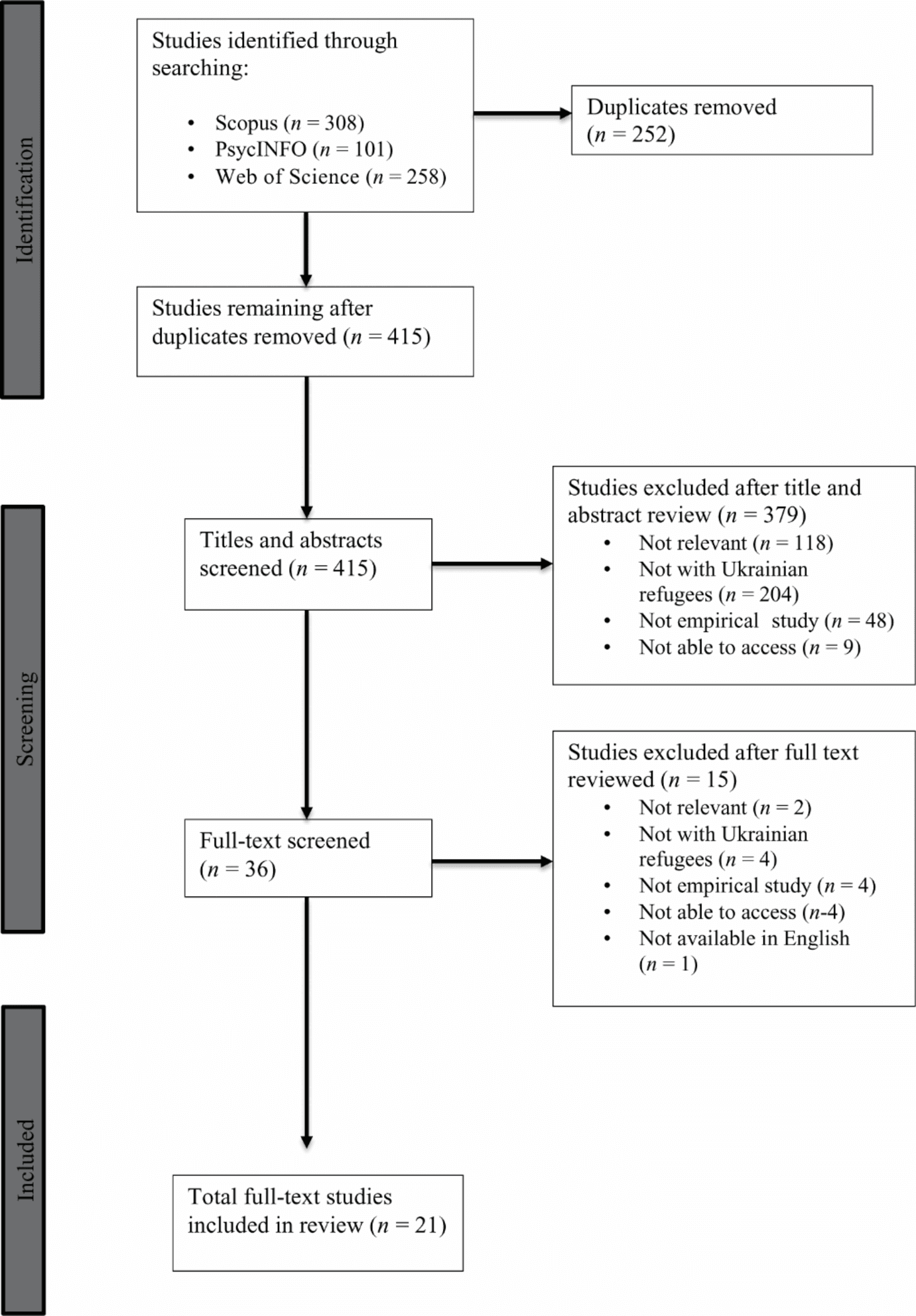
Figure 1 Study selection and exclusion flow chart.

Depression: Eleven studies reported on depression among Ukrainian refugees. Interestingly, Barlattani et al. have suggested that depressive symptoms can be overlooked among refugee populations in favor of trauma or PTSD symptoms but highlighted that symptoms of depression can manifest throughout the entire migration/refugee process. There is a high prevalence of depressive symptoms among the Ukrainian refugee population in both adults and children. Some studies report that as many as 70–85% of Ukrainian refugees experienced some level of depressive symptoms, ranging from mild to severe . Levels of depressive symptoms appear to be somewhat consistent at around these levels irrespective of where Ukrainian refugees are displaced. It is unclear whether there are any gender differences: some of the current literature has indicated that women may be more likely to experience higher depressive symptoms than men. Whereas other studies have suggested the opposite, and that men are more likely to experience higher levels of depressive symptoms. While most studies found similar rates of depressive symptoms, there appears to be some variability between reported rates, which could be due to sampling differences. In addition to sample size, the majority of samples also have a significantly higher proportion of women than men, which means that some samples may not be representative of the wider Ukrainian refugee population. More worryingly, Ukrainian refugees appear not to recognize depressive symptoms in themselves, and a large proportion of them disagree that any of their current problems are signs of mental health issues. Despite such high rates of symptoms of depression, perhaps because of a lack of self-identification, Ukrainian refugees do not often seek professional help either. The reduced help-seeking has also been suggested to be because they are unaware of what support is available where they are. Interestingly, while adult Ukrainian refugees may struggle to identify they are not coping and therefore not recognize the need for professional support, child Ukrainian refugees have been shown to value the importance of psychological support or counseling following their relocation and desire this. Overall, the rates of depressive symptoms among Ukrainian refugees are unarguably high, and there are a number of different factors that appear to be associated with these high levels.

There is currently inconsistent evidence of the impact of age: some research has shown that those in the 18–34 years age bracket experience higher levels of depressive symptoms than other age groups. However, a small number of studies have either found that age does not significantly influence rates of depressive symptoms or do not report results associated with age. While it appears that being younger potentially increases symptoms of depression among adult Ukrainian refugees, this is not the case for child and adolescent Ukrainian refugees. In fact, the direction of the impact of age appears to be inverted among children and adolescents, with older children being more likely to experience more symptoms of depression than younger children.

Socio-economic factors seem to play a significant role in the rates of depression among Ukrainian refugees. Evidence has suggested that unemployed Ukrainian refugees are likely to experience more depressive symptoms or be diagnosed with depression than refugees who have secured employment, with rates as high as 88% for those unemployed, compared to 74% for Ukrainian refugees who are employed. Simply being a refugee is a significant factor that can impact rates of depression. Some identified studies included Ukrainians still living in Ukraine, who were not classified as refugees, and compared outcomes between this population and that of Ukrainian refugees. In this instance, refugee status among Ukrainians increases the odds of depression and Ukrainian refugees are 16% more likely to have depression than other non-displaced Ukrainians still living in Ukraine. Events that happened during the war, before becoming a refugee, can also have a lasting effect on Ukrainian refugees. Having experienced the loss of a loved one due to the war and suffering from direct hostilities during the Russo-Ukrainian war significantly increased rates of depressive symptoms. Barlattani et al. highlighted that there can also often be difficulties in one’s migration journey and route to gaining refugee status, and this could impact one’s overall health, which can continue to negatively impact them even once they have settled and been granted refugee status in a safe country. One’s dissatisfaction with their overall health can also increase the odds of experiencing symptoms of depression. All of these socio-economic factors can affect Ukrainian refugees’ quality of life, which has also been shown to influence rates of depressive symptoms among Ukrainian refugees. However, it is important to remain cautious when interpreting this relationship at the current time. While quality of life has been shown to correlate with depression in Ukrainian refugees, the direction of this correlation remains unknown.

Coping and resilience appear to be significant factors associated with the high rates of depressive symptoms among Ukrainian refugees. Low resilience was found to increase rates of depressive symptoms among both adult and child Ukrainian refugees. High personal resilience and, for children, high caregiver resilience among their parents were shown to mitigate some risk for symptoms of depression and were associated with lower reported levels of depressive symptoms. Ukrainian refugees’ experiences that have previously been discussed—pre-, during, and post-displacement—can also have an impact on which coping strategies they employ once resettled. This is important as some coping strategies, such as emotional-orientated coping, have been shown to have a negative impact on mental health, specifically rates of depression.

Anxiety: Ukrainian refugees have a higher risk of anxiety than Ukrainians who were not displaced due to the war. Current rates of anxiety in this population are high, with one study reporting that over 50% of Ukrainian refugees currently experience severe levels of anxiety. The severity levels of anxiety among Ukrainian refugees have increased following the Russo-Ukrainian war. In fact, anxiety appears to be more common than other mental health problems in this population, specifically among children. While rates of anxiety have increased for all Ukrainians since the Russo-Ukrainian war began, a higher proportion of Ukrainian refugees experience anxiety than non-displaced Ukrainians, and the Ukrainian refugee population is more likely to suffer from severe or extremely severe levels of anxiety. Regarding gender differences, similar patterns to those seen with depression emerge for anxiety also. On the one hand, some studies have shown female Ukrainian refugees experience higher levels of anxiety symptoms, while on the other hand, other studies found male Ukrainian refugees had higher symptoms of anxiety. Unlike depression, there appears to be no association with age and anxiety levels. Despite there being no association with age, children and adolescents were shown to have specific worries that increased their level of symptoms of anxiety. Not surprisingly, the content of these worries centered around the war in Ukraine, and children and adolescents were most worried about their own future, the expansion of the war, and their friends’ and relatives’ safety. These worries resulted in a number of safety behaviors, such as checking the news for updates on the war in Ukraine frequently. While these safety behaviors may temporarily reduce anxiety levels in the short term, they maintain ongoing anxiety in the long term.

Similar socio-economic patterns evident for depression emerge for anxiety also. Unemployment following the Russo-Ukrainian war increases the risks of developing anxiety among Ukrainian refugees, especially if one was employed prior to the full-scale invasion. Ukrainian refugees have a higher frequency and severity of anxiety; however, having a stable visa status may in fact mitigate some of this risk of developing anxiety. Those who have secured a visa, or who do not need to worry about potentially having to leave the country they have resettled in sometime in the future, are less likely to experience clinical levels of anxiety. The experiences prior to resettling in a host country have been shown to predict Ukrainian refugees’ general predisposition to experiencing anxiety. For example, those who experienced hostilities in their place of residence and the loss of a close relative after the Russo-Ukrainian war began were more susceptible to experiencing anxiety once they had resettled in a host country. Again, this emphasizes that Ukrainian refugees’ prior experiences of migration may have a long-term negative impact on their mental health. As with depression, these socio-economic factors all affect Ukrainian refugees’ quality of life. Unsurprisingly, higher quality of life scores correlates with lower anxiety scores.

Types of coping strategies have similar impacts on anxiety as they do for depression. Problem-solving, task-orientated, and social support-orientated coping strategies reduce levels of anxiety, whereas coping strategies that are more emotion-orientated can increase levels of anxiety. Ukrainian refugees who have a higher ability to use problem- or task-orientated coping skills may be able to distract from the uncontrollable factors they are faced with due to their situation and gain a sense of control over other areas of their situation.

Trauma and PTSD

Exploration of PTSD and experiences of trauma among Ukrainian refugees appears less researched than other mental health problems within the current literature, with only seven studies reporting on PTSD and trauma. The majority of Ukrainian refugees have experienced trauma in some form. It is unclear if there is a gender difference in rates of PTSD among Ukrainian refugees, but a small number of studies (n = 2) reported no significant difference between genders. The most commonly reported specific traumatic events experienced include the experience of war, being displaced, losing a close family member, and seeing a dead body in their city/close to where they lived. While there seems to be a consensus that this population will have experienced some level of traumatic events, there seem to be significant differences in the estimates of clinical levels of PTSD among Ukrainian refugees. There is conflicting evidence within the current literature about rates of PTSD among Ukrainian refugees with some estimates ranging between 45% and 73% and some as low as 5%. This variance could be due to the range of different outcome measures used in each study. Indeed, the review conducted by Lev-Ari et al. was the only study that acknowledged they were using the Diagnostic and Statistical Manual of Mental Disorders, fifth edition (DSM-5) criteria to determine if individuals in their sample potentially had a diagnosis of PTSD. Other studies were unclear on the full criteria they used to determine levels of PTSD among their sample.

All studies investigating trauma and PTSD were conducted proximal to the traumatic events, within a year following the beginning of the Russo-Ukrainian war, and a large proportion of studies (57%) conducted their data collection within four months of when the Russo-Ukrainian war began. This may, in part, explain some of the variance in reported rates of PTSD among Ukrainian refugees. On the one hand, the timing of the research could potentially lead to an overestimation of rates of PTSD in Ukrainian refugees due to participants either being in the early stages of resettlement or still completing their journey to a host country and experiencing a high level of stress. On the other hand, the figures could be an underestimation due to the potential of Ukrainian refugees experiencing delayed onset of PTSD. So, while there is no doubt that Ukrainian refugees have experienced high levels of trauma, the actual prevalence of PTSD among this population is unclear.

There are a number of variables that influence rates of PTSD among this population. Since February 2022, parts of Ukraine have been a constant war zone, with ongoing active military operations. War refugees who flee their home country due to active military operations have been shown to have higher levels of PTSD than economic refugees who flee from countries with no ongoing military operations. A large number of Ukrainian refugees have also been forcibly displaced due to the war and ongoing military operations, which is another significant factor linked to higher levels of PTSD. This could be a result of further stressors that are a direct consequence of being forcibly displaced, such as losing their homes/homes being destroyed, having to take on extra responsibilities such as caregiving if displaced with other family members, and having additional financial burdens due to job losses. Alongside these burdens, the journeys of Ukrainian refugees can be filled with uncertainty and add to the traumatic burden, further increasing the risk of developing PTSD. In addition, many Ukrainian refugees will have had to leave close relatives and friends behind in Ukraine, which can result in feelings of guilt that they themselves are now in a safe place, but their family and friends may still be in danger.

Age appears to be another factor that influences rates of PTSD in Ukrainian refugees. Young adult and adolescent Ukrainian refugees are more likely to experience higher levels of PTSD than older generations. Curiously, child Ukrainian refugees have relatively low rates of PTSD, despite experiencing high levels of trauma. However, it has been suggested that child Ukrainian refugees may express their trauma in different ways and present with more broad mental health issues and general distress, rather than exhibiting specific PTSD symptoms. Another explanation for the low rates of PTSD in child Ukrainian refugees may be due to the delayed onset of PSTD, which has been observed in adults, but more specifically in children following traumatic events. This means that potentially, a child Ukrainian refugee could go on to develop PTSD 6 months or more, after the traumatic events. This is an important factor to note, as it could result in the impact of trauma being overlooked in this population if specific clinical cut-offs are not reached for PTSD and children are assessed early on in their refugee journey/resettlement.

Interestingly, integration appears to mitigate PTSD among Ukrainian refugees to some extent. Those who have resettled in neighboring countries, such as Poland and Hungary, of Ukraine have been found to have more positive integrative attitudes, which have been shown to have a positive relationship with PTSD. The positive relationship between PTSD and positive integrative attitudes may be influenced in part due to the similarities in language between Ukrainian and Polish people, enabling Ukrainian refugees to learn the language quickly and therefore helping them in finding jobs and housing. Indeed, gaining command of the host country’s language has been found to be a protective factor among Ukrainian refugees, with female Ukrainian refugees showing more PTSD symptoms if they do not speak their host country’s language. Prior to the full-scale Russian invasion, many Ukrainians were already living in neighboring Poland, and there are many similarities between Polish and Ukrainian customs, which suggests Ukrainian refugees may have found it easier to integrate into society and find Ukrainian communities within Poland to help them resettle.

Coping and resilience

Alongside mental health outcomes in Ukrainian refugees, four studies within the identified literature also focus on coping strategies and resilience as separate from the aforementioned mental health outcomes in this population. Coping and resilience are strongly linked with one another, with effective coping strategies shown to increase resilience in Ukrainian refugees. Adopting more adaptive coping strategies such as communication, promoting relationships with family and friends and problem-focused strategies have been shown to link with increased resilience within this population. Whereas less-effective coping strategies, such as using pain relievers and sedatives, and emotion-focused coping are linked with lower levels of resilience among Ukrainian refugees and overall worse mental health outcomes. This highlights a potential problem for the future with this population as currently, many Ukrainian refugees are employing emotion-focused coping strategies. While emotion-focused strategies have been shown to be beneficial in coping with traumatic events in the short term, they may in fact increase negative outcomes of mental health in the long term as they do not address the root causes of stress.

4. Discussion

The aims of this review are to estimate the rates of common mental health difficulties within Ukrainian refugees, characterize the nature of these difficulties, and summarize what is known about predictors of these difficulties. The estimated prevalence of mental health disorders by Ukrainian refugees is higher than the WHO prevalence estimates of mental disorders in conflict settings. Ukrainian refugees were found to have high levels of common mental health problems, such as depression and anxiety. However, PTSD rates among this population remain unclear. In terms of coping, Ukrainian refugees appear to use a variety of strategies; however, many currently employ emotion-focused coping strategies, which can benefit in the short term, however, may in fact perpetuate mental health problems in the long term. There are numerous risk factors present for depression and anxiety, and importantly, integration appears linked to these mental health problems, with successful integration mitigating other risk factors and reducing mental health problems.

A national study conducted jointly with the World Health Organization (WHO) and the Ministry of Health in 2019 in Ukraine, before the Russo-Ukrainian war found approximately 80% and 60% of the population presented with a complete absence of depression and anxiety, respectively. This review found that rates of both depression and anxiety have significantly increased since then following the beginning of the Russo-Ukrainian war, to the point where less than 5% of Ukrainian refugees now present with a complete absence of depression and/or anxiety symptoms. This highlights the significant impact the war in Ukraine has had on the mental health of Ukrainian refugees and the ongoing mental health difficulties they experience, even after resettling. Indeed, it is important to note that the war is still ongoing and has a continuing impact on refugees. As mentioned previously, adolescent Ukrainian refugees have shown increased anxiety in relation to the ongoing war, specifically around family still living in Ukraine, and the expansion of the war, potentially resulting in World War III. In addition, this review also found that adult Ukrainian refugees may experience ongoing guilt after leaving family members behind and anxiety about their safety. This raises questions on how to best support the mental health of Ukrainian refugees, given that the war is ongoing and will continue to add extraordinary levels of stress and trauma to Ukrainian refugees. Interestingly, there appears to be a discrepancy between the published prevalence of mental health problems of Ukrainian refugees and the number of these problems encountered in the field. The WHO found that only 10% of Ukrainian refugees living in Poland reported that their emotions and stress were negatively impacting their daily functioning. The reasons for this discrepancy are unclear but could relate to lower levels of mental health awareness found among Ukrainian refugees. Irrespective of the reasons for this discrepancy, there is a clear need for published research by organizations working directly with Ukrainian refugees in the field to gain a clearer picture of the prevalence of mental health problems in this population.

While this review highlighted the pre-displacement risk factors for mental health problems, it also emphasized the importance of integration and resettlement post-displacement. Ukrainian refugees who found employment in their host country were found to experience less symptoms of depression, which highlights the importance of employment opportunities for Ukrainian refugees once resettled. A large proportion of Ukrainian refugees have high levels of education and qualifications, which has aided them in securing employment quickly once they arrive in a host country. In addition, access to government-based support, including financial support, in a host country can increase mental well-being and decrease levels of overall distress among Ukrainian refugees. Within the United Kingdom, Ukrainian refugees can apply for financial support in the form of universal credit; however, this can be a difficult and long process for some as many Ukrainian refugees have lost access to important documentation they may need for applications to such schemes. Learning to speak the host country’s language has also been shown to be a protective factor among Ukrainian refugees and can potentially aid Ukrainian refugees in securing employment and housing. All of these factors influence how well Ukrainian refugees integrate and resettle into a host country, with successful integration being shown to mitigate some mental health problems. This is important given how much damage the war in Ukraine has caused, which could result in Ukrainian refugees having to stay in host countries for significantly longer than they initially planned and not being able to return home to Ukraine. In addition, another factor influencing mental health problems within Ukrainian refugee populations and related to integration is visa status. Having a stable visa status and not having to worry about returning to Ukraine in the near future were shown to be less likely to develop anxiety. This stresses the need for transparent and quick visa processes in host countries, to help manage and potentially reduce ongoing anxiety among this population.

4.1. Future research and implications for intervention and support

These findings together paint a complex picture of Ukrainian refugees’ mental health. The body of literature focusing on Ukrainian refugees is growing quickly. Currently, much of the available literature focuses on broad or multiple mental health topics; however, there appears to be emerging literature that has begun to narrow its focus to specific areas, which previously literature identified.

This review has highlighted several gaps in the current literature that will now be discussed. First, a large proportion of the current literature is quantitative, and this review found only four papers that used either purely qualitative or mixed methods. Quantitative methodology can produce outcome data that are factual and can be generalized to large populations. Given that the Russo-Ukrainian war began in 2022, it makes sense that the majority of the initial research utilized quantitative methodology, which provided a reliable overview of the mental health of Ukrainian refugees. As the body of literature has expanded since 2022, there is now a distinct lack of Ukrainian refugee voices and experiences within this. Future research utilizing qualitative methodologies is recommended to provide rich and detailed information outside of statistical numbers and to ensure the experiences of Ukrainian refugees are heard.

Second, there is a question mark over how representative samples are within the current body of literature. While it is acknowledged that a larger proportion of Ukrainian refugees are women, some samples consist of an extremely high percentage of, if not all, female participants. Only one study reported that their sample was representative of the Ukrainian refugee population within a specific host country. This raises questions about the generalizability of the current body of research outside of their sampling and highlights the need for more transparency and representative sampling within future research.

Third, research conducted in the initial aftermath of the Russo-Ukrainian war beginning is only reflective of that time point and cannot tell us about long-term mental health consequences. As described, refugee status is a significant factor contributing to various mental health difficulties, and it is possible that the impacts of this transition stage, to refugee status, have inflated mental health difficulties among this population in the first instance. This illustrates the need for longitudinal studies with this population, to provide a more in-depth understanding of Ukrainian refugees’ mental health over time and determine how best to support them when resettling. Longitudinal studies will also explore the long-term impacts of being a refugee and investigate potential intergenerational impacts with time.

As most of the current body of literature is relatively recent and focused on exploring the current state of Ukrainian refugees’ mental health, there appears to be a lack of research exploring potential interventions and how best to support this population. This raises the question of how mental health services can support Ukrainian refugees. As we have found, the mental health of this population has been severely impacted by the war in Ukraine and there is a clear need to address this. Future research developing, implementing, and evaluating the effectiveness of interventions is desperately needed to enable countries to adequately support Ukrainian refugees. Based on the results of this review, depression and anxiety are high among this population. The National Institute of Health and Care Excellence (NICE) recommends self-guided help, cognitive behavioral therapy (CBT), behavioral activation, and counseling for those displaying symptoms of depression and CBT and applied relaxation for anxiety. Further research exploring the efficacy of these interventions within the Ukrainian population may help identify which approach has the best results.

This review also demonstrated that mental health awareness and help-seeking among Ukrainian refugees are lacking and suggested this could be a result of not knowing what help is available in their host country or due to low mental health literacy. This raises questions on how to improve mental health awareness and knowledge of local services available to Ukrainian refugees. Interestingly, a recent systematic review found that social-capital-based interventions are effective in reducing various mental health difficulties in the refugee population and can provide information about local resources to refugees, which highlights a potential opportunity for more community-based psychology approaches when supporting Ukrainian refugees in gaining awareness of their mental health.

Lastly, as mentioned, the prevalence of mental health disorders in Ukrainian refugees appears to be higher than the WHO prevalence estimates of mental disorders in conflict settings. Within the parameters of this study, it is difficult to ascertain why this might be; however, some of the risk factors discussed may have a continuing influence on current estimates, for example, the continuing impact from the ongoing war, post-immigration and integration difficulties, and lower levels of mental health awareness among Ukrainian refugees. The timing of studies may also have influenced this discrepancy, with studies being rapidly produced in the early stages of the war, in order to attempt to identify and address the needs of this population. Nevertheless, further research is needed to clarify this discrepancy and determine the potential reasons for it.

4.2. Strengths and limitations

The identified studies in this review have numerous strengths and limitations. Sample sizes between studies differed drastically, with some reporting a large sample size of over 1,000 participants whereas others reported less than 100 participants, and only one study reported a power calculation as to the desired sample size. As mentioned, this level of variance in sample size raises questions about the generalizability of the research findings to the whole Ukrainian refugee population. Studies reported outcomes as suggested diagnoses, self-reported symptoms, and abnormal scores on outcome measures. The majority of studies spoke of anxiety and depression as putative diagnoses and for some it was unclear if the authors were considering depression and anxiety in their samples as established diagnoses. In this respect, the narrative analysis of this review also addresses depression and anxiety as putative diagnoses, which could have influenced the results and potentially led to an overestimation of rates, and therefore is a current limitation of this review. Future studies could additionally use these outcome measures to screen for possible diagnoses that are then confirmed according to either the DSM-5 or the International Statistical Classification of Diseases and Related Health Problems (ICD-10). It is also unclear if studies used outcome measures that had been validated for Ukrainians. Only one study explicitly reported that the batteries of outcome measures they used were validated for use with people whose first language is Ukrainian. This is problematic in that we cannot be clear that the outcome measures used in other studies were valid and that they provided accurate results. Third, all the current literature employs a cross-sectional design, which has both strengths and limitations. In terms of strengths, a cross-sectional methodology can be used when researchers want to explore multiple variables in a short amount of time, which is beneficial given the current context and the need to identify the mental health impacts of the Russo-Ukrainian war on Ukrainian refugees. However, it is beyond the scope of a cross-sectional design to explore changes over time or address causality, which highlights a need for research employing longitudinal designs in the future. Lastly, it is pertinent to note that much of the current literature focusing on adult Ukrainian refugees shows a gender bias toward female participants within their sampling. This may be explained by the larger proportion of female Ukrainian refugees, due to fighting-age males being conscripted and restrictions placed on them with regard to traveling outside of Ukraine. It is essential to keep this in mind when interpreting gender differences within the current literature due to how unbalanced the samples are. With regard to child and adolescent Ukrainian refugees, there appears to be more of an even sampling between male and female participants, which could be due to male participants being too young to be affected by martial law, and conscription duties.

It is also important to note the strengths and limitations of a narrative review methodology. In this instance, the use of a narrative review methodology has allowed the synthesis of the disparate recent literature. Given the broad nature of our research aims, the use of narrative synthesis has been advantageous in telling the overall story of Ukrainian refugees’ mental health, identifying the current state of the literature, and highlighting areas of interest that require further research. However, a narrative review methodology is not without its limitations and has received criticism for not being systematic enough. In addition, previous narrative reviews are rarely transparent in disclosing their methods and search strategies to the readers, which makes it difficult to reproduce the search for future literature. In order to address this limitation, this review employed a systematic search strategy and has been transparent in reporting this. Alongside a systematic search strategy, this review also included explicit inclusion and exclusion criteria for identified papers in a bid to reduce bias within the search. Despite these measures, it remains important to acknowledge the subjectivity of the extracted data and how this information was synthesized. It is also important to note that the inclusion of studies published in English and the exclusion of all non-English studies will inevitably lead to bias. Due to the language abilities of the authors, this was unavoidable. While the conclusions from this review provide an initial broad overview of the current literature and identify further areas of research, it is important to view them through a critical lens due to the limitations discussed above.

5. Conclusions

To conclude, the overall mental health of Ukrainian refugees has been severely impacted by the Russo-Ukrainian war and the full-scale Russian invasion. Ukrainian refugees are at an increased risk of developing numerous mental health issues, which impact their quality of life. Specifically, Ukrainian refugees have higher than expected levels of depression and high levels of anxiety. In addition, while they have experienced various traumatic events, not just related to war, but also in their journey as a refugee, levels of PTSD among Ukrainian refugees remain unclear at the current time and need further exploration. Given that the war is ongoing, Ukrainian refugees appear to be using more emotion-focused coping skills to manage resettlement and their mental health, which may be beneficial in the short term but has negative drawbacks in the long term. Concerningly, Ukrainian refugees appear to not recognize symptoms of mental health and may not actively seek professional help or support.

Open Article as PDF

Abstract

There are currently over 6.5 million Ukrainian refugees worldwide and this number is growing. Previous research has highlighted refugees’ vulnerability and increased risk of developing mental health problems, and there has been a growing body of research focusing on Ukrainian refugees specifically since the Russo-Ukrainian war began in February 2022. The aim of this review is to explore the current literature on the mental health of Ukrainian refugees. A systematic search was carried out and identified 21 relevant papers that met inclusion criteria. Common themes were generated using narrative synthesis principles across the included papers. Four themes were identified: (1) General Psychological Distress, (2) Common Mental Health Problems, (3) PTSD and Trauma, and (4) Coping and Resilience. This review sheds light on the current mental health of Ukrainian refugees and highlights a number of risk and mitigating factors in relation to specific mental health conditions. Implications for future research, interventions, and support are discussed, and the strengths and limitations are considered.

Introduction

In February 2022, Russia began a full invasion of Ukraine. This invasion was called a "special military operation" to "demilitarize and denazify Ukraine." At the same time as the military invasion, many Ukrainian government, banking, and other important websites were attacked by hackers, making them unusable. Since 2022, Ukraine has faced long-range missile attacks. These attacks have targeted not only military sites but also public and civilian areas, including tall residential buildings and hospitals in many large cities. Due to the war, civilians have suffered from attacks that do not target specific areas. There is also growing evidence that the Russian military committed war crimes, such as torture, executions, and sexual violence. As of February 2024, about 22,000 civilians have died since February 2022. Around 3 million people are displaced inside Ukraine, and another 6.5 million have left Ukraine for safety.

Many Ukrainian people have gone to nearby countries for safety and protection. This is because many civilians have died and civilian buildings have been destroyed in Ukraine. After the full invasion, the Ukrainian government declared martial law. This meant that most men between 18 and 60 years old could not leave Ukraine and might be asked to join the military. Because of this, most Ukrainian refugees are women (47%) and children (33%). It is estimated that over 6 million Ukrainian refugees have been registered in Europe, and another 500,000 have registered in countries outside of Europe. At the time of this writing, Poland and Germany have the highest number of Ukrainian refugees, with over 1 million registered in each country. The Czech Republic, Spain, and the United Kingdom have each recorded over 190,000 Ukrainian refugees, and this number continues to grow.

Research shows that war can cause long-lasting mental health problems that affect future generations. Stress related to war can affect mental health in both the short and long term for people displaced within their own country, refugees, and those seeking asylum. The number of mental health problems increases in civilians during war and continues even after the war stops. Mental health problems like post-traumatic stress disorder (PTSD), depression, anxiety, and substance use are most common in civilians who have experienced war. From a psychological point of view, the chronic traumatic stress (CTS) model helps explain why refugees have such high rates of these mental health problems. This model identifies symptoms of depression, anxiety, and PTSD as mental health results of traumatic events. The CTS model considers the cultural backgrounds of refugees, stress before and after migration, and separates challenges after migration from daily living challenges that refugees may face. The CTS model accounts for both factors before and after migration when looking at the mental health of refugees.

Refugees and asylum seekers are more likely to develop mental health problems like PTSD, depression, and anxiety. This risk comes from several factors. These include the impact of war before displacement, events during displacement, stress during resettlement, and the ongoing trauma of witnessing the conflict. War-specific traumas can increase how common mental health problems are among refugees. Refugees who saw bombings, killings, torture, and sexual violence are at a higher risk of developing depression, anxiety, and PTSD than those who did not have such experiences. This is important to remember about the current war, as many Ukrainian refugees have been exposed to such terrible events. Because of experiencing war-specific traumas, Ukrainian refugees may be at a higher risk of developing serious mental health problems like depression and PTSD.

Due to the ongoing war and the number of Ukrainian refugees in Europe, the UN Refugee Agency has recently pointed out increasing challenges and worsening conditions for those living in other countries. These include difficulties finding housing and jobs, and problems with being included when trying to access services in host countries. They note that supporting this group can be difficult, and even two years after the full invasion, some Ukrainian refugees still cannot get their important documents. To help support the mental health of Ukrainians, the International Federation of Red Cross and Red Crescent Societies (IFRC) has worked with the European Health and Digital Executive Agency (HaDEA). They provide psychological first aid to Ukrainian people, both inside Ukraine and in other countries. While this may be helpful at first, research shows that the mental health effects of war can be ongoing, long-lasting, and too severe for first aid alone. Many Ukrainian refugees have experienced war-specific traumas. Because of this, their specific mental health needs require more study to help countries and services better support their mental health. Since the war began in 2022, more research has explored the mental health of Ukrainian refugees. There is a need to gather and summarize this research. Given the short time frame, this is a new but growing area of study. No review has yet assessed the current state of the research and summarized its findings.

Methods

Terminology

This paper uses the term "Russo-Ukrainian war" because it is commonly used in scientific journals. The war has caused many Ukrainian people to be displaced into neighboring countries. This led the European Union to activate the Temporary Protection Directive. This rule allows displaced Ukrainian people to live and get work permits in EU countries until at least March 2025, without having to apply for asylum through the usual government processes. Countries outside the European Union, such as Norway, Switzerland, and the United Kingdom, have started their own similar protection programs. In the United Kingdom, the Homes for Ukraine scheme gives displaced Ukrainian people temporary refugee status and the right to stay in the United Kingdom for up to three years. For this review, "Ukrainian refugee" refers to any person who has left their home country of Ukraine because of the war/Russian invasion and is currently living in another country.

Search Strategy

This study used a systematic search method to find relevant research in three databases: Scopus, PsycINFO, and Web of Science. The search was done in February 2024. The search terms "refugee*", "war", "Ukrain*", "mental health", "wellbeing", and "PTSD" were identified from other studies. A search string was created using these keywords with Boolean operators and wildcard strategies. Search criteria were limited to titles and abstracts. The final search string was ("mental health" OR wellbeing OR PTSD) AND (Ukrain*) AND (Refugee* OR war). Published research was searched from February 2022 (when the invasion started) until the search date.

Inclusion and Exclusion Criteria

Studies were included if they focused on Ukrainian refugees and looked at their mental health outcomes. Studies were excluded if they were published before the war began (February 2022), if they focused on any other group besides Ukrainian refugees, or if they were not research papers (e.g., editorials or opinion reviews). Because of language limits, only studies written in English were included.

Screening

Studies found using the search string were downloaded to a reference management system for screening. After removing duplicates, titles and abstracts were screened based on the inclusion and exclusion criteria. Next, the full texts of the remaining studies that could be accessed were screened.

Data Extraction and Analysis

Narrative synthesis principles were used to extract data. This method allows the collection of results from all studies in the review. To find themes or common areas of mental health, the included studies were read twice. Their goals, descriptions, analysis methods, and main findings and conclusions were extracted and put into a table. This information, along with the connections between and within studies, was explored to highlight common or repeated themes. Identified themes were discussed and changed as needed during supervision. A quality screening was not considered necessary because the literature was very diverse and produced quickly during a war and mass displacement. Also, quality screenings are not usually presented in a narrative review. This decision could introduce bias into the results. However, since this is a new area of research and current studies are very diverse, using a quality screening tool here might mean fewer studies are included. This could affect the results and the overall understanding of Ukrainian refugees' mental health.

Results

The systematic search across the three databases found 667 papers. These were downloaded to a reference management system. After removing duplicates (N = 252), 415 papers remained. Their titles and abstracts were reviewed to see if they met the inclusion criteria. During this process, another 379 papers were removed. This left 36 papers that met the inclusion criteria based on their title and abstract. Another 15 were excluded after reading the full papers. This resulted in 21 papers that met the inclusion criteria for this review.

The final 21 studies had the following characteristics. All studies were published from February 2022 onward. Seventeen studies used quantitative methods, two used qualitative methods, and two used mixed methods. Both adults and children were included. Thirteen studies used an adult sample, five used only child and adolescent samples, and three included both adult and child populations. Eleven studies measured depression outcomes, ten measured anxiety outcomes, seven measured PTSD and trauma, and seven measured general distress and/or well-being. Four studies explored coping and resilience. A wide range of outcome measures were used across the 21 studies. However, the Patient Health Questionnaire (PHQ-9) and General Anxiety Disorder Questionnaire (GAD-7) were used more often than other measures.

Narrative Synthesis

The narrative synthesis highlighted specific areas of mental health and themes common in the included studies: (1) General Psychological distress, (2) Common Mental Health Problems, (3) PTSD and Trauma, and (4) Coping and Resilience. These were present for both adult and child Ukrainian refugees and will be discussed in both contexts.

General Psychological Distress

Seven studies discussed "mental well-being," "stress," "psychological distress," and "psycho-emotional disturbances." These concepts were combined to provide an overview of general psychological distress. Studies exploring these concepts used various measures, including the World Health Organization—Five Wellbeing Scale (WHO-5), the Mental Health Inventory (MHI-5), the Kessler Psychological Distress Scale (K6), the Symptom Checklist (SCL-90-R), General Health Questionnaire (GHQ-12), Refugee Health Screener (RHS-15), and Subjective Unit of Distress Scale (SUDs).

Since the war began in February 2022, there has been a widespread increase in reported stress symptoms among Ukrainians, especially Ukrainian refugees. Recent studies show that most Ukrainian refugees reported "severe" stress levels, highlighting the war's impact. Female Ukrainian refugees have been found to have worse mental health than male refugees and tend to experience higher levels of overall distress. While most research has focused on adult distress, children and young people have also shown high levels of general psychological distress. Adolescent Ukrainian refugees experienced ongoing distress and were burdened by specific worries about the war in their home country, their family and friends, and their personal future. This suggests a need for more psychological support.

There is a clear connection between psychological distress, mental well-being, and quality of life. Ukrainian refugees have shown lower mental well-being and higher levels of psychological distress than Ukrainians still living in Ukraine, including those displaced within Ukraine. This affects their quality of life. The literature identified in this review suggests this could be linked to support levels. Despite many official support programs for Ukrainian refugees in European countries, research found that Ukrainians who did not leave their country received more support than those who did. In fact, Ukrainian refugees were more likely to receive support from friends and family, while Ukrainians who remained in Ukraine were likely to receive more government-based support in addition to friends and family support. This could affect reported distress levels and quality of life. Ukrainian refugees who were not aware of government financial support and opportunities also had lower mental well-being and higher distress levels than refugees who were aware of this support. This suggests that professional support could potentially reduce distress levels and improve mental well-being. This is especially important because the ongoing distress that Ukrainian refugees experience, even after settling in a new country, and how well their basic needs are met, can affect their ability to manage emotions.

Common Mental Health Problems

Many studies explored common mental health problems like depression and anxiety. These problems appear connected and influence each other. Current evidence shows a direct link between depression and anxiety among Ukrainian refugees. This means someone experiencing anxiety is also likely to have similar levels of depression symptoms. Additionally, there seems to be a back-and-forth connection between anxiety and insomnia in Ukrainian refugees: more anxiety leads to more insomnia, and vice versa. Overall, there appear to be high levels of common mental health problems among Ukrainian refugees, which will now be discussed.

Depression: Eleven studies reported on depression among Ukrainian refugees. Interestingly, some research suggests that depressive symptoms can be overlooked in refugee populations in favor of trauma or PTSD symptoms. However, depression symptoms can appear throughout the entire migration process. There is a high rate of depressive symptoms among both adult and child Ukrainian refugees. Some studies report that as many as 70–85% of Ukrainian refugees experienced some level of depressive symptoms, from mild to severe. Levels of depressive symptoms appear to be somewhat consistent around these levels, regardless of where Ukrainian refugees are displaced. It is unclear if there are gender differences: some current research indicates that women may be more likely to experience higher depressive symptoms than men, while other studies suggest the opposite, that men are more likely to experience higher levels of depressive symptoms. While most studies found similar rates of depressive symptoms, there appears to be some variation in reported rates, which could be due to differences in how samples were chosen. In addition to sample size, most samples also have a significantly higher proportion of women than men. This means some samples may not represent the broader Ukrainian refugee population. More concerningly, Ukrainian refugees often do not recognize depressive symptoms in themselves, and many disagree that their current problems are signs of mental health issues. Despite such high rates of depression symptoms, perhaps due to a lack of self-identification, Ukrainian refugees do not often seek professional help. Reduced help-seeking has also been suggested because they are unaware of available support in their location. Interestingly, while adult Ukrainian refugees may struggle to identify that they are not coping and therefore not recognize the need for professional support, child Ukrainian refugees have shown to value the importance of psychological support or counseling after their relocation and desire this. Overall, the rates of depressive symptoms among Ukrainian refugees are undeniably high, and several factors appear to be associated with these high levels.

Evidence regarding the impact of age is currently inconsistent. Some research shows that those aged 18–34 years experience higher levels of depressive symptoms than other age groups. However, a few studies either found that age does not significantly affect rates of depressive symptoms or did not report results related to age. While it appears that being younger potentially increases symptoms of depression among adult Ukrainian refugees, this is not the case for child and adolescent Ukrainian refugees. In fact, the direction of age's impact appears reversed among children and adolescents, with older children more likely to experience more symptoms of depression than younger children.

Socio-economic factors seem to play a significant role in depression rates among Ukrainian refugees. Evidence suggests that unemployed Ukrainian refugees are more likely to experience depressive symptoms or be diagnosed with depression than refugees who have found employment. Rates can be as high as 88% for the unemployed, compared to 74% for employed Ukrainian refugees. Simply being a refugee is a significant factor that can affect depression rates. Some identified studies included Ukrainians still living in Ukraine who were not classified as refugees and compared outcomes between this group and Ukrainian refugees. In this case, refugee status among Ukrainians increases the likelihood of depression, and Ukrainian refugees are 16% more likely to have depression than other non-displaced Ukrainians still living in Ukraine. Events that occurred during the war, before becoming a refugee, can also have a lasting effect. Experiencing the loss of a loved one due to the war and suffering from direct fighting significantly increased rates of depressive symptoms. Some research highlights that difficulties in one's migration journey and the process of gaining refugee status can also impact overall health. This can continue to negatively affect individuals even after they have settled and been granted refugee status in a safe country. Dissatisfaction with one's overall health can also increase the chances of experiencing depression symptoms. All these socio-economic factors can affect Ukrainian refugees' quality of life, which has also been shown to influence depression rates among them. However, caution is needed when interpreting this relationship at this time. While quality of life has been shown to correlate with depression in Ukrainian refugees, the direction of this correlation remains unknown.

Coping and resilience appear to be important factors linked to high rates of depressive symptoms among Ukrainian refugees. Low resilience increased depressive symptoms in both adult and child Ukrainian refugees. High personal resilience, and for children, high caregiver resilience in their parents, was shown to reduce some risk for depression symptoms and was linked to lower reported levels of depressive symptoms. Ukrainian refugees' experiences—before, during, and after displacement—can also affect the coping strategies they use once resettled. This is important because some coping strategies, such as emotional-focused coping, have been shown to negatively affect mental health, specifically depression rates.

Anxiety: Ukrainian refugees have a higher risk of anxiety than Ukrainians who were not displaced by the war. Current anxiety rates in this group are high, with one study reporting that over 50% of Ukrainian refugees currently experience severe anxiety. The severity of anxiety among Ukrainian refugees has increased since the war began. In fact, anxiety appears to be more common than other mental health problems in this group, especially among children. While anxiety rates have increased for all Ukrainians since the war, a higher proportion of Ukrainian refugees experience anxiety than non-displaced Ukrainians. Ukrainian refugees are also more likely to suffer from severe or extremely severe anxiety. Regarding gender differences, patterns similar to those seen with depression emerge for anxiety. On one hand, some studies have shown female Ukrainian refugees experience higher levels of anxiety symptoms, while on the other hand, other studies found male Ukrainian refugees had higher symptoms of anxiety. Unlike depression, there appears to be no link between age and anxiety levels. Despite no link with age, children and adolescents showed specific worries that increased their anxiety symptoms. Not surprisingly, these worries focused on the war in Ukraine. Children and adolescents were most worried about their own future, the war's expansion, and the safety of their friends and relatives. These worries led to various safety behaviors, such as frequently checking news updates about the war in Ukraine. While these safety behaviors may temporarily reduce anxiety in the short term, they maintain ongoing anxiety in the long term.

Similar socio-economic patterns evident for depression also appear for anxiety. Unemployment after the war increases the risk of developing anxiety among Ukrainian refugees, especially if someone was employed before the full invasion. Ukrainian refugees experience higher frequency and severity of anxiety. However, having stable visa status may actually reduce some of this risk. Those who have secured a visa, or who do not need to worry about potentially having to leave their resettled country in the future, are less likely to experience clinical levels of anxiety. Experiences before settling in a host country have been shown to predict Ukrainian refugees' general tendency to experience anxiety. For example, those who experienced fighting in their homes and the loss of a close relative after the war began were more likely to experience anxiety once they had settled in a host country. Again, this emphasizes that Ukrainian refugees' prior migration experiences can have a long-term negative impact on their mental health. As with depression, these socio-economic factors all affect Ukrainian refugees' quality of life. Unsurprisingly, higher quality of life scores correlate with lower anxiety scores.

Types of coping strategies have similar impacts on anxiety as they do for depression. Problem-solving, task-oriented, and social support-oriented coping strategies reduce anxiety levels. In contrast, coping strategies that are more emotion-oriented can increase anxiety levels. Ukrainian refugees who are better able to use problem- or task-oriented coping skills may be able to distract themselves from the uncontrollable factors they face due to their situation. This can help them gain a sense of control over other areas of their situation.

Trauma and PTSD

Research on PTSD and trauma experiences among Ukrainian refugees appears less common than studies on other mental health problems in the current literature. Only seven studies reported on PTSD and trauma. Most Ukrainian refugees have experienced some form of trauma. It is unclear if there is a gender difference in PTSD rates among Ukrainian refugees, but a small number of studies (n = 2) reported no significant difference between genders. The most commonly reported specific traumatic events include experiencing war, being displaced, losing a close family member, and seeing a dead body in their city or nearby. While there seems to be agreement that this population has experienced some level of traumatic events, there appear to be significant differences in estimates of clinical levels of PTSD among Ukrainian refugees. There is conflicting evidence in the current literature about PTSD rates among Ukrainian refugees, with some estimates ranging between 45% and 73% and some as low as 5%. This variation could be due to the range of different outcome measures used in each study. Indeed, only one review acknowledged using the Diagnostic and Statistical Manual of Mental Disorders, fifth edition (DSM-5) criteria to determine if individuals in their sample potentially had a PTSD diagnosis. Other studies were unclear about the full criteria they used to determine PTSD levels in their sample.

All studies examining trauma and PTSD were conducted close to the traumatic events, within a year after the war began. A large proportion of studies (57%) collected data within four months of the war's start. This may partly explain some of the variation in reported PTSD rates among Ukrainian refugees. On one hand, the timing of the research could potentially lead to an overestimation of PTSD rates in Ukrainian refugees. This is because participants might be in the early stages of resettlement or still completing their journey to a host country and experiencing high stress. On the other hand, the figures could be an underestimation due to the potential for Ukrainian refugees to experience delayed onset of PTSD. So, while there is no doubt that Ukrainian refugees have experienced high levels of trauma, the actual prevalence of PTSD among this population remains unclear.

Several factors influence PTSD rates in this population. Since February 2022, parts of Ukraine have been a constant war zone with ongoing active military operations. War refugees who flee their home country due to active military operations have higher levels of PTSD than economic refugees who flee from countries without ongoing military operations. Many Ukrainian refugees have also been forcibly displaced due to the war and ongoing military operations. This is another significant factor linked to higher PTSD levels. This could be a result of further stressors directly caused by forced displacement, such as losing their homes or having homes destroyed, taking on extra responsibilities like caregiving if displaced with other family members, and facing additional financial burdens due to job losses. Along with these burdens, the journeys of Ukrainian refugees can be full of uncertainty and add to the traumatic burden, further increasing the risk of developing PTSD. Additionally, many Ukrainian refugees have had to leave close relatives and friends behind in Ukraine. This can result in feelings of guilt that they themselves are now in a safe place, but their family and friends may still be in danger.

Age appears to be another factor that influences PTSD rates in Ukrainian refugees. Young adult and adolescent Ukrainian refugees are more likely to experience higher levels of PTSD than older generations. Curiously, child Ukrainian refugees have relatively low PTSD rates, despite experiencing high levels of trauma. However, it has been suggested that child Ukrainian refugees may express their trauma differently and show more general mental health issues and distress, rather than specific PTSD symptoms. Another explanation for low PTSD rates in child Ukrainian refugees may be the delayed onset of PTSD, which has been observed in adults, but more specifically in children after traumatic events. This means that a child Ukrainian refugee could potentially develop PTSD 6 months or more after the traumatic events. This is an important factor to note, as it could lead to the impact of trauma being overlooked in this population if specific clinical cut-offs for PTSD are not reached and children are assessed early in their refugee journey or resettlement.

Interestingly, integration appears to reduce PTSD among Ukrainian refugees to some extent. Those who have settled in neighboring countries, such as Poland and Hungary, have shown more positive attitudes toward integration. These positive attitudes have been linked to PTSD. The positive relationship between PTSD and positive integration attitudes may be partly influenced by similarities in language between Ukrainian and Polish people. This allows Ukrainian refugees to learn the language quickly, helping them find jobs and housing. Indeed, learning the host country's language has been found to be a protective factor among Ukrainian refugees. Female Ukrainian refugees show more PTSD symptoms if they do not speak their host country's language. Before the full Russian invasion, many Ukrainians were already living in neighboring Poland. There are many similarities between Polish and Ukrainian customs, which suggests Ukrainian refugees may have found it easier to integrate into society and find Ukrainian communities within Poland to help them resettle.

Coping and Resilience

In addition to mental health outcomes in Ukrainian refugees, four studies within the identified literature also focused on coping strategies and resilience as distinct from the previously mentioned mental health outcomes in this population. Coping and resilience are strongly connected, with effective coping strategies shown to increase resilience in Ukrainian refugees. Adopting more adaptive coping strategies, such as communication, promoting relationships with family and friends, and problem-focused strategies, has been linked to increased resilience within this population. In contrast, less effective coping strategies, such as using pain relievers and sedatives, and emotion-focused coping, are linked to lower levels of resilience among Ukrainian refugees and overall worse mental health outcomes. This highlights a potential future problem for this population, as many Ukrainian refugees currently use emotion-focused coping strategies. While emotion-focused strategies have been shown to be beneficial in coping with traumatic events in the short term, they may actually increase negative mental health outcomes in the long term because they do not address the root causes of stress.

Discussion

This review aimed to estimate the rates of common mental health difficulties in Ukrainian refugees, describe the nature of these difficulties, and summarize what is known about their predictors. The estimated number of mental health problems among Ukrainian refugees is higher than the WHO's estimates for mental disorders in conflict areas. Ukrainian refugees were found to have high levels of common mental health problems, such as depression and anxiety. However, PTSD rates among this population remain unclear. Regarding coping, Ukrainian refugees appear to use various strategies. However, many currently use emotion-focused coping strategies, which may be helpful in the short term but could worsen mental health problems in the long term. There are many risk factors for depression and anxiety. Importantly, integration appears linked to these mental health problems, with successful integration reducing other risk factors and mental health problems.

A national study in Ukraine in 2019, before the war, found that about 80% and 60% of the population had no depression and anxiety, respectively. This review found that rates of both depression and anxiety have significantly increased since the war began. Now, less than 5% of Ukrainian refugees have no symptoms of depression and/or anxiety. This highlights the war's significant impact on the mental health of Ukrainian refugees and the ongoing mental health difficulties they experience, even after resettling. It is important to note that the war is still ongoing and continues to affect refugees. As mentioned, adolescent Ukrainian refugees have shown increased anxiety related to the ongoing war, specifically about family still in Ukraine and the war's expansion, potentially leading to World War III. Additionally, this review found that adult Ukrainian refugees may experience ongoing guilt after leaving family members behind and anxiety about their safety. This raises questions about how best to support the mental health of Ukrainian refugees, given that the war is ongoing and will continue to cause extraordinary levels of stress and trauma. Interestingly, there appears to be a difference between the reported number of mental health problems in Ukrainian refugees and the number of these problems found in practice. The WHO found that only 10% of Ukrainian refugees living in Poland reported that their emotions and stress negatively impacted their daily functioning. The reasons for this difference are unclear but could relate to lower levels of mental health awareness found among Ukrainian refugees. Regardless of the reasons for this difference, there is a clear need for published research from organizations working directly with Ukrainian refugees to get a clearer picture of mental health problems in this population.

This review highlighted risk factors for mental health problems before displacement. It also stressed the importance of integration and resettlement after displacement. Ukrainian refugees who found employment in their host country experienced fewer symptoms of depression. This shows the importance of job opportunities for Ukrainian refugees once they have settled. Many Ukrainian refugees have high levels of education and qualifications, which has helped them find jobs quickly after arriving in a host country. Additionally, access to government support, including financial aid, in a host country can improve mental well-being and decrease overall distress among Ukrainian refugees. In the United Kingdom, Ukrainian refugees can apply for financial support like universal credit. However, this can be a difficult and lengthy process for some, as many Ukrainian refugees have lost access to important documents needed for such applications. Learning the host country's language has also been shown to protect Ukrainian refugees. It can potentially help them find employment and housing. All these factors influence how well Ukrainian refugees integrate and settle into a host country, with successful integration shown to reduce some mental health problems. This is important given the extensive damage the war in Ukraine has caused, which could mean Ukrainian refugees have to stay in host countries much longer than they initially planned and cannot return home to Ukraine. Furthermore, another factor influencing mental health problems within Ukrainian refugee populations and related to integration is visa status. Having a stable visa status and not having to worry about returning to Ukraine in the near future was shown to make it less likely to develop anxiety. This emphasizes the need for clear and quick visa processes in host countries to help manage and potentially reduce ongoing anxiety among this population.

Future Research and Implications for Intervention and Support

These findings present a complex picture of Ukrainian refugees' mental health. The amount of research on Ukrainian refugees is growing rapidly. Currently, much of the available research covers broad or multiple mental health topics. However, new research is emerging that focuses on specific areas identified earlier.

This review has highlighted several gaps in the current research. First, a large part of the current research is quantitative, and this review found only four papers that used purely qualitative or mixed methods. Quantitative methods can produce factual data that can be applied to large populations. Since the war began in 2022, it makes sense that most initial research used quantitative methods, which provided a reliable overview of Ukrainian refugees' mental health. As the research has grown since 2022, there is now a clear lack of Ukrainian refugees' voices and experiences within it. Future research using qualitative methods is recommended to provide rich and detailed information beyond statistics and to ensure the experiences of Ukrainian refugees are heard.

Second, there is a question about how representative samples are within the current body of literature. Sample sizes varied greatly between studies, with some reporting over 1,000 participants while others reported fewer than 100. Only one study reported a power calculation for the desired sample size. This level of variation in sample size raises questions about how well the research findings can be applied to the entire Ukrainian refugee population. Studies reported outcomes as suggested diagnoses, self-reported symptoms, and abnormal scores on outcome measures. Most studies discussed anxiety and depression as possible diagnoses, and for some, it was unclear if the authors considered depression and anxiety in their samples as established diagnoses. In this respect, the narrative analysis of this review also treats depression and anxiety as possible diagnoses, which could have influenced the results and potentially led to an overestimation of rates. Therefore, this is a current limitation of this review. Future studies could also use these outcome measures to screen for possible diagnoses that are then confirmed according to either the DSM-5 or the International Statistical Classification of Diseases and Related Health Problems (ICD-10). It is also unclear if studies used outcome measures that had been validated for Ukrainians. Only one study explicitly reported that the set of outcome measures they used was validated for use with people whose first language is Ukrainian. This is problematic because it means we cannot be certain that the outcome measures used in other studies were valid and provided accurate results. Third, all current research uses a cross-sectional design, which has both strengths and weaknesses. In terms of strengths, a cross-sectional method can be used when researchers want to explore multiple variables quickly, which is beneficial given the current situation and the need to identify the mental health impacts of the war on Ukrainian refugees. However, a cross-sectional design cannot explore changes over time or determine cause and effect. This highlights a need for future research using longitudinal designs. Lastly, it is important to note that much of the current research focusing on adult Ukrainian refugees shows a gender bias towards female participants in their samples. This may be explained by the larger proportion of female Ukrainian refugees due to fighting-age males being conscripted and restricted from traveling outside Ukraine. It is essential to keep this in mind when interpreting gender differences within the current literature due to how unbalanced the samples are. Regarding child and adolescent Ukrainian refugees, there appears to be a more even sampling between male and female participants. This could be because male participants are too young to be affected by martial law and conscription duties.

It is also important to note the strengths and limitations of a narrative review method. In this case, using a narrative review method has allowed the collection of recent, diverse research. Given the broad nature of our research aims, using narrative synthesis has been helpful in telling the overall story of Ukrainian refugees' mental health, identifying the current state of the research, and highlighting areas that need more study. However, a narrative review method has its limitations and has been criticized for not being systematic enough. Additionally, previous narrative reviews rarely clearly state their methods and search strategies to readers, making it difficult to repeat the search for future research. To address this limitation, this review used a systematic search strategy and transparently reported it. Along with a systematic search strategy, this review also included clear criteria for including and excluding identified papers to reduce bias in the search. Despite these measures, it remains important to acknowledge the subjective nature of the extracted data and how this information was combined. It is also important to note that including studies published in English and excluding all non-English studies will inevitably lead to bias. Due to the language abilities of the authors, this was unavoidable. While the conclusions from this review provide an initial broad overview of the current research and identify further areas of research, it is important to view them critically due to the limitations discussed above.

Conclusions

In conclusion, the overall mental health of Ukrainian refugees has been severely affected by the war and the full Russian invasion. Ukrainian refugees are at a higher risk of developing many mental health issues, which impact their quality of life. Specifically, Ukrainian refugees have higher than expected levels of depression and high levels of anxiety. Additionally, while they have experienced various traumatic events, not just related to war but also in their journey as a refugee, PTSD levels among Ukrainian refugees remain unclear at this time and need further study. Given that the war is ongoing, Ukrainian refugees appear to be using more emotion-focused coping skills to manage resettlement and their mental health. These skills may be helpful in the short term but have negative long-term consequences. Worryingly, Ukrainian refugees often do not recognize symptoms of mental health problems and may not actively seek professional help or support.

Open Article as PDF

Abstract

There are currently over 6.5 million Ukrainian refugees worldwide and this number is growing. Previous research has highlighted refugees’ vulnerability and increased risk of developing mental health problems, and there has been a growing body of research focusing on Ukrainian refugees specifically since the Russo-Ukrainian war began in February 2022. The aim of this review is to explore the current literature on the mental health of Ukrainian refugees. A systematic search was carried out and identified 21 relevant papers that met inclusion criteria. Common themes were generated using narrative synthesis principles across the included papers. Four themes were identified: (1) General Psychological Distress, (2) Common Mental Health Problems, (3) PTSD and Trauma, and (4) Coping and Resilience. This review sheds light on the current mental health of Ukrainian refugees and highlights a number of risk and mitigating factors in relation to specific mental health conditions. Implications for future research, interventions, and support are discussed, and the strengths and limitations are considered.

Introduction

In February 2022, Russia began a full-scale invasion of Ukraine, calling it a “special military operation.” At the same time, many Ukrainian government, banking, and other important websites were attacked by cyber warfare, making them impossible to use. Since 2022, Ukraine has faced long-range missile strikes. These attacks have targeted not only military sites but also public and civilian areas, including tall buildings and hospitals in many large cities. Amnesty International reports that civilians have suffered from attacks that do not distinguish between military and civilian targets. There is also growing evidence that the Russian military has committed war crimes, such as torture, executions, and sexual violence. As of February 2024, about 22,000 civilians have died since February 2022. Around 3 million people are displaced within Ukraine, and another 6.5 million have left Ukraine for safety.

Many Ukrainian citizens have gone to neighboring countries for safety and protection. This is due to the large number of civilian deaths and the destruction of civilian buildings. After the invasion, the Ukrainian government declared martial law. This meant that most men aged 18 to 60 years could not leave Ukraine and might be called to join the military. Because of this, most Ukrainian refugees are women (47%) and children (33%). It is estimated that over 6 million Ukrainian refugees have registered in Europe alone, with another 500,000 registering in countries outside of Europe. Poland and Germany currently have the highest number of Ukrainian refugees, with over 1 million registered in each country. The Czech Republic, Spain, and the United Kingdom each have over 190,000 Ukrainian refugees, and this number continues to grow.

Research shows that war can have long-lasting effects on mental health, spanning generations. Stressors related to war can affect mental health in both the short and long term for people who are displaced within their own country, refugees, and those seeking asylum. The number of mental health disorders increases in civilians during war and armed conflict and continues even after the conflict ends. Mental health disorders like post-traumatic stress disorder (PTSD), depression, anxiety, and substance misuse are most common in civilians who have experienced war. From a psychological view, the chronic traumatic stress (CTS) model can help explain the high rates of these mental disorders among refugees. This model identifies symptoms of depression, anxiety, and PTSD as mental outcomes of traumatic events. The CTS model highlights the cultural backgrounds of refugees, stress before and after migration, and separates post-migration challenges from everyday living challenges that refugees may face. Importantly, the CTS model considers both factors before and after migration when looking at the mental health of refugees.

Refugees and asylum seekers are more likely to develop mental health disorders such as PTSD, depression, and anxiety. This increased risk is due to several factors, including the impact of war before displacement, events during displacement, stress experienced during resettlement, and the ongoing trauma of witnessing continued conflict. War-specific traumas can increase the number of mental health disorders among refugees. Refugees who saw bombings, killings, torture, and sexual violence are at a higher risk of developing depression, anxiety, and PTSD than those who did not have such experiences. This is important to consider for the current war, as many Ukrainian refugees have been exposed to such terrible acts. Because of experiencing war-specific traumas, Ukrainian refugees may be at a higher risk of developing serious mental health disorders like depression and PTSD.

With the ongoing war and the number of Ukrainian refugees in Europe, the UN Refugee Agency has recently pointed out new challenges and worsening conditions for those living in other countries. These include difficulties finding housing and jobs, and problems accessing services in host countries. They emphasize that supporting this population can be difficult. Even two years after the full invasion, some Ukrainian refugees still cannot access important documents. To help support the mental health of Ukrainians, the International Federation of Red Cross and Red Crescent Societies (IFRC) has worked with the European Health and Digital Executive Agency (HaDEA) to offer psychological first aid to Ukrainian citizens, both inside Ukraine and in other countries. While this may be helpful at first, research shows that the mental health effects of war and armed conflict can be ongoing, long-lasting, and too severe for first aid alone. Given that many Ukrainian refugees will have experienced war-specific traumas, as mentioned above, their specific mental health needs require more study. This will help inform countries and services on how to best support their mental health. Since the war began in 2022, there has been more research on the mental health of Ukrainian refugees. There is a need to gather and summarize this research. Because of the short time frame, this is a relatively new but growing area of study. There has not yet been a review that assesses the current state of this research and summarizes its findings.

Methods

Terminology

This paper uses the term “Russo-Ukrainian war” because it is common in scientific journals. The war has led to many displaced Ukrainian citizens entering neighboring countries. As a result, the European Union activated the Temporary Protection Directive. This rule allows displaced Ukrainian citizens to live and work in EU countries until at least March 2025, without having to apply for asylum through normal government channels. Countries outside the European Union, such as Norway, Switzerland, and the United Kingdom, have started their own similar protection programs. In the United Kingdom, the Homes for Ukraine scheme gives displaced Ukrainian citizens temporary refugee status and the right to stay in the United Kingdom for up to three years. For this review, "Ukrainian refugee" refers to any person who has left their home country of Ukraine because of the war or Russian invasion and is currently living in another country.

Search Strategy

This study used a systematic search method to find relevant literature in three databases: Scopus, PsycINFO, and Web of Science. The search took place in February 2024. The search terms "refugee*", "war", "Ukrain*", "mental health", "wellbeing", and "PTSD" were identified from other studies. A search string, using logical operators and wildcard symbols, was developed from these keywords. The search focused on titles and abstracts. The final search string was ("mental health" OR wellbeing OR PTSD) AND (Ukrain*) AND (Refugee* OR war). Published research was searched from February 2022 (when the invasion started) until the search date.

Inclusion and Exclusion Criteria

Studies were included if they focused specifically on Ukrainian refugees and explored mental health outcomes in this group. Studies were excluded if they were published before the war began (February 2022), if the group studied was not Ukrainian refugees, or if the paper was not based on research (e.g., editorial or opinion pieces). Due to language limitations, only studies written in English were included.

Screening

Studies found using the search string were downloaded to a reference management system to begin screening. After removing duplicates, titles and abstracts were screened against the inclusion and exclusion criteria. Following this, the remaining full texts of accessible studies were screened.

Data Extraction and Analysis

Narrative synthesis methods were used for data extraction. This allowed for combining results from all included studies. To find common themes or areas of mental health, included studies were read twice. Their goals, descriptions, analysis methods, and main findings and conclusions were extracted and put into a table. This information, along with how studies related to each other, was explored to highlight common themes. Identified themes were discussed and adjusted as needed during supervision. A quality screening was not used because the literature was very varied and produced quickly during a war and mass displacement. Also, quality screenings are not usually part of a narrative review. Not doing a quality screening might introduce bias into the results. However, because this is a new and varied area of study, using a quality screening tool might reduce the number of studies included. This could affect the results and the overall understanding of Ukrainian refugees' mental health.

Results

The systematic search across three databases found 667 papers. After removing 252 duplicates, 415 papers remained. Their titles and abstracts were reviewed to see if they met the inclusion criteria. During this step, another 379 papers were removed, leaving 36 papers that met the criteria based on their title and abstract. After reading the full papers, 15 more were excluded, resulting in 21 papers included in this review.

The 21 final studies were all published from February 2022 onward. Seventeen studies used quantitative methods, two used qualitative methods, and two used a mix of methods. Both adults and children were included. Thirteen studies focused on adults, five on only children and adolescents, and three included both adults and children. Eleven studies measured depression outcomes, ten measured anxiety, seven measured PTSD and trauma, and seven measured general distress or well-being. Four studies explored coping and resilience. A wide range of outcome measures were used, but the Patient Health Questionnaire (PHQ-9) and General Anxiety Disorder Questionnaire (GAD-7) were used most often.

Narrative Synthesis

The narrative synthesis identified specific mental health areas and themes common in the included studies: (1) General Psychological Distress, (2) Common Mental Health Problems, (3) PTSD and Trauma, and (4) Coping and Resilience. These were found in both adult and child Ukrainian refugees and will be discussed in both contexts.

General Psychological Distress

Seven studies discussed "mental well-being," "stress," "psychological distress," and "psycho-emotional disturbances." These concepts were combined to provide an overview of general psychological distress. Studies exploring these concepts used various measures, including the World Health Organization—Five Wellbeing Scale (WHO-5), the Mental Health Inventory (MHI-5), the Kessler Psychological Distress Scale (K6), the Symptom Checklist (SCL-90-R), General Health Questionnaire (GHQ-12), Refugee Health Screener (RHS-15), and Subjective Unit of Distress Scale (SUDs).

Since the war began in February 2022, there has been a widespread increase in reported stress among Ukrainians, especially Ukrainian refugees. Recent studies show that most Ukrainian refugees reported "severe" levels of stress, highlighting the war's impact. Female Ukrainian refugees tend to have worse mental health outcomes and higher overall distress than male refugees. While most research has focused on adult distress, children and young people also experience high levels of general psychological distress. Adolescent Ukrainian refugees experience ongoing distress and are burdened by specific worries about the war, their family and friends, and their personal future. This suggests a need for more psychological support.

There is a clear link between psychological distress, mental well-being, and quality of life. Ukrainian refugees have lower mental well-being and higher psychological distress than Ukrainians still living in Ukraine, including those displaced within the country, which affects their quality of life. The literature suggests this could be linked to levels of support: despite many official support programs for Ukrainian refugees in Europe, research found that Ukrainians who did not leave their country received more support than those who did. In fact, Ukrainian refugees were more likely to receive support from friends and family, while Ukrainians who remained in Ukraine likely received more government-based support in addition to help from friends and family. This could affect reported distress levels and quality of life. Ukrainian refugees unaware of government financial support and opportunities also had lower mental well-being and higher distress than those who were aware. This suggests that professional support could reduce distress and improve mental well-being. This is particularly important because the ongoing distress experienced by Ukrainian refugees, even after settling in a new country, and how well their basic needs are met, can affect their ability to regulate emotions.

Common Mental Health Problems

Many studies explored common mental health problems like depression and anxiety. These problems often appear connected and influence each other. Current evidence suggests a positive link between depression and anxiety among Ukrainian refugees. This means someone experiencing anxiety is also likely to have similar levels of depression symptoms. Additionally, there seems to be a back-and-forth relationship between anxiety and insomnia in Ukrainian refugees: more anxiety leads to more insomnia, and vice versa. Overall, there appear to be higher levels of common mental health problems among Ukrainian refugees, which will now be discussed.

Depression: Eleven studies reported on depression among Ukrainian refugees. Some research suggests that depressive symptoms can be overlooked in refugee groups in favor of trauma or PTSD symptoms. However, symptoms of depression can appear throughout the entire migration and refugee process. There is a high number of depressive symptoms among Ukrainian refugees, affecting both adults and children. Some studies report that 70-85% of Ukrainian refugees experience some level of depressive symptoms, from mild to severe. These levels of depressive symptoms seem to be somewhat consistent regardless of where Ukrainian refugees are displaced. It is unclear if there are gender differences: some research indicates women may experience higher depressive symptoms than men, while other studies suggest the opposite, that men are more likely to experience higher levels. While most studies found similar rates of depressive symptoms, there is some variability, which could be due to differences in how samples were chosen. In addition to sample size, most samples also have many more women than men, meaning some samples may not represent the broader Ukrainian refugee population. More concerningly, Ukrainian refugees often do not recognize depressive symptoms in themselves, and many disagree that their current problems are signs of mental health issues. Despite such high rates of depression symptoms, perhaps due to a lack of self-identification, Ukrainian refugees often do not seek professional help. The reduced help-seeking has also been linked to being unaware of available support. Interestingly, while adult Ukrainian refugees may struggle to realize they are not coping and therefore not recognize the need for professional support, child Ukrainian refugees have shown to value the importance of psychological support or counseling after relocating and desire it. Overall, the rates of depressive symptoms among Ukrainian refugees are clearly high, and several factors seem to be connected to these high levels.

Evidence regarding the impact of age is inconsistent. Some research shows that those aged 18–34 years experience higher levels of depressive symptoms than other age groups. However, a few studies found that age does not significantly affect rates of depressive symptoms or do not report age-related results. While being younger might increase depression symptoms among adult Ukrainian refugees, this is not the case for child and adolescent Ukrainian refugees. In fact, the impact of age appears reversed among children and adolescents, with older children more likely to experience more depression symptoms than younger children.

Socio-economic factors play a big role in depression rates among Ukrainian refugees. Evidence suggests that unemployed Ukrainian refugees are more likely to experience depressive symptoms or be diagnosed with depression than those who have found jobs. Rates can be as high as 88% for the unemployed, compared to 74% for employed Ukrainian refugees. Simply being a refugee significantly impacts depression rates. Some studies included Ukrainians still living in Ukraine, who were not classified as refugees, and compared their outcomes with those of Ukrainian refugees. In these cases, refugee status among Ukrainians increases the likelihood of depression, with Ukrainian refugees being 16% more likely to have depression than non-displaced Ukrainians still in Ukraine. Events that happened during the war, before becoming a refugee, can also have a lasting effect. Losing a loved one due to the war and suffering from direct fighting significantly increased rates of depressive symptoms. It has also been noted that difficulties in one's migration journey and path to gaining refugee status can affect overall health. This negative impact can continue even after settling and being granted refugee status in a safe country. Dissatisfaction with one's overall health can also increase the likelihood of experiencing depressive symptoms. All these socio-economic factors can affect Ukrainian refugees' quality of life, which has also been shown to influence depression rates among Ukrainian refugees. However, caution is needed when interpreting this relationship now. While quality of life has been shown to be connected with depression in Ukrainian refugees, the direction of this connection is still unknown.

Coping and resilience seem to be important factors linked to high rates of depressive symptoms among Ukrainian refugees. Low resilience increased rates of depressive symptoms in both adult and child Ukrainian refugees. High personal resilience, and for children, high caregiver resilience in their parents, were shown to lessen some risk for depression symptoms and were connected to lower reported levels of depressive symptoms. The experiences of Ukrainian refugees, discussed earlier (before, during, and after displacement), can also affect the coping strategies they use once resettled. This is important because some coping strategies, such as emotional coping, have been shown to negatively affect mental health, specifically depression rates.

Anxiety: Ukrainian refugees face a higher risk of anxiety than Ukrainians not displaced by the war. Current anxiety rates in this group are high, with one study reporting that over 50% of Ukrainian refugees currently experience severe anxiety. The severity of anxiety among Ukrainian refugees has increased since the war began. In fact, anxiety seems to be more common than other mental health problems in this population, especially among children. While anxiety rates have increased for all Ukrainians since the war, a larger proportion of Ukrainian refugees experience anxiety than non-displaced Ukrainians. The Ukrainian refugee population is more likely to suffer from severe or extremely severe levels of anxiety. Regarding gender differences, similar patterns to those seen with depression emerge for anxiety. On one hand, some studies show female Ukrainian refugees experience higher levels of anxiety symptoms, while on the other hand, other studies found male Ukrainian refugees had higher anxiety symptoms. Unlike depression, there appears to be no link between age and anxiety levels. Despite no age association, children and adolescents showed specific worries that increased their anxiety symptoms. Not surprisingly, these worries centered around the war in Ukraine. Children and adolescents were most worried about their own future, the war's expansion, and the safety of their friends and relatives. These worries led to various safety behaviors, such as frequently checking news updates about the war in Ukraine. While these safety behaviors may temporarily reduce anxiety levels in the short term, they maintain ongoing anxiety in the long term.

Similar socio-economic patterns found for depression also appear for anxiety. Unemployment after the war increases the risk of developing anxiety among Ukrainian refugees, especially if someone was employed before the full-scale invasion. Ukrainian refugees experience higher frequency and severity of anxiety. However, having stable visa status may reduce some of this risk of developing anxiety. Those who have secured a visa, or who do not need to worry about potentially leaving their host country in the future, are less likely to experience clinically significant levels of anxiety. Experiences before settling in a host country have been shown to predict Ukrainian refugees' general tendency to experience anxiety. For example, those who experienced hostilities in their home and the loss of a close relative after the war began were more likely to experience anxiety once they had settled in a host country. Again, this emphasizes that Ukrainian refugees' past experiences of migration may have a long-term negative impact on their mental health. As with depression, these socio-economic factors all affect Ukrainian refugees' quality of life. Unsurprisingly, higher quality of life scores are connected with lower anxiety scores.

Types of coping strategies have similar impacts on anxiety as they do for depression. Problem-solving, task-oriented, and social support-oriented coping strategies reduce anxiety levels. In contrast, coping strategies that are more emotion-oriented can increase anxiety levels. Ukrainian refugees with a greater ability to use problem- or task-oriented coping skills may be able to distract themselves from uncontrollable factors in their situation and gain a sense of control over other areas of their lives.

Trauma and PTSD

Research on PTSD and trauma experiences among Ukrainian refugees appears less common than studies on other mental health problems in the current literature. Only seven studies reported on PTSD and trauma. Most Ukrainian refugees have experienced some form of trauma. It is unclear if there is a gender difference in PTSD rates among Ukrainian refugees, but a small number of studies (n=2) reported no significant difference between genders. The most common specific traumatic events reported include experiencing war, being displaced, losing a close family member, and seeing a dead body in their city or near where they lived. While there seems to be agreement that this population has experienced some level of traumatic events, there are significant differences in estimates of clinical levels of PTSD among Ukrainian refugees. Current literature shows conflicting evidence regarding PTSD rates, with some estimates ranging between 45% and 73%, and others as low as 5%. This variation could be due to the different outcome measures used in each study. Indeed, one review was the only study that stated they used the Diagnostic and Statistical Manual of Mental Disorders, fifth edition (DSM-5) criteria to determine if individuals in their sample might have a PTSD diagnosis. Other studies were unclear about the full criteria they used to determine PTSD levels in their sample.

All studies investigating trauma and PTSD were conducted soon after the traumatic events, within a year of the war's beginning. Many studies (57%) collected their data within four months of the war starting. This might partly explain some of the differences in reported PTSD rates among Ukrainian refugees. On one hand, the timing of the research could potentially lead to an overestimation of PTSD rates because participants might be in early resettlement or still traveling to a host country, experiencing high stress. On the other hand, the figures could be an underestimation due to the potential for Ukrainian refugees to experience a delayed onset of PTSD. So, while there is no doubt that Ukrainian refugees have experienced high levels of trauma, the actual number of PTSD cases in this population is unclear.

Several factors influence PTSD rates in this population. Since February 2022, parts of Ukraine have been a constant war zone with ongoing military operations. War refugees who flee their home country due to active military operations have been shown to have higher levels of PTSD than economic refugees who flee from countries with no ongoing military operations. Many Ukrainian refugees have also been forcibly displaced due to the war and ongoing military operations. This is another significant factor linked to higher levels of PTSD. This could result from further stressors directly caused by forced displacement, such as losing or having their homes destroyed, taking on extra responsibilities like caregiving if displaced with family members, and facing additional financial burdens due to job losses. Along with these burdens, the journeys of Ukrainian refugees can be full of uncertainty and add to the traumatic burden, further increasing the risk of developing PTSD. Additionally, many Ukrainian refugees may have had to leave close relatives and friends behind in Ukraine. This can lead to feelings of guilt that they are now in a safe place, but their family and friends may still be in danger.

Age also appears to affect PTSD rates in Ukrainian refugees. Young adults and adolescent Ukrainian refugees are more likely to experience higher levels of PTSD than older generations. Curiously, child Ukrainian refugees have relatively low PTSD rates, despite experiencing high levels of trauma. However, it has been suggested that child Ukrainian refugees may show their trauma in different ways, presenting with broader mental health issues and general distress rather than specific PTSD symptoms. Another explanation for low PTSD rates in child Ukrainian refugees may be the delayed onset of PTSD. This has been observed in adults, and more specifically in children, after traumatic events. This means that a child Ukrainian refugee could potentially develop PTSD six months or more after the traumatic events. This is an important factor to note, as it could lead to the impact of trauma being overlooked in this population if specific clinical thresholds for PTSD are not met and children are assessed early in their refugee journey or resettlement.

Interestingly, integration seems to reduce PTSD among Ukrainian refugees to some extent. Those who have settled in neighboring countries, such as Poland and Hungary, have shown more positive attitudes towards integration. These attitudes have been linked to PTSD in a positive way. The positive connection between PTSD and positive integration attitudes may partly be due to language similarities between Ukrainian and Polish people. This allows Ukrainian refugees to learn the language quickly, helping them find jobs and housing. Indeed, learning the host country's language has been found to protect Ukrainian refugees. Female Ukrainian refugees show more PTSD symptoms if they do not speak their host country's language. Before the full Russian invasion, many Ukrainians already lived in neighboring Poland. There are many similarities between Polish and Ukrainian customs, which suggests Ukrainian refugees may have found it easier to integrate into society and find Ukrainian communities in Poland to help them resettle.

Coping and Resilience

In addition to mental health outcomes, four studies in the identified literature also focused on coping strategies and resilience as separate topics in this population. Coping and resilience are closely linked, with effective coping strategies shown to increase resilience in Ukrainian refugees. Adopting more helpful coping strategies such as communication, fostering relationships with family and friends, and problem-focused strategies have been linked to increased resilience within this population. In contrast, less effective coping strategies, such as using pain relievers and sedatives, and emotion-focused coping, are linked to lower levels of resilience among Ukrainian refugees and overall worse mental health outcomes. This highlights a potential future problem for this population, as many Ukrainian refugees currently use emotion-focused coping strategies. While emotion-focused strategies have been shown to be helpful in coping with traumatic events in the short term, they may actually increase negative mental health outcomes in the long term because they do not address the root causes of stress.

Discussion

This review aimed to estimate mental health difficulties in Ukrainian refugees, describe their nature, and summarize known predictors. The estimated number of mental health disorders in Ukrainian refugees is higher than the World Health Organization's (WHO) estimates for mental disorders in conflict areas. Ukrainian refugees were found to have high levels of common mental health problems, such as depression and anxiety. However, PTSD rates in this group are still unclear. Regarding coping, Ukrainian refugees appear to use various strategies, but many currently use emotion-focused coping strategies. While these may be helpful in the short term, they might make mental health problems worse in the long term. Worryingly, Ukrainian refugees often do not recognize mental health symptoms and may not actively seek professional help or support.

A national study in Ukraine in 2019, before the war, found that about 80% of the population had no depression and 60% had no anxiety. This review found that rates of both depression and anxiety have significantly increased since then. Now, less than 5% of Ukrainian refugees show a complete absence of depression and/or anxiety symptoms. This highlights the war's major impact on the mental health of Ukrainian refugees and the ongoing mental health difficulties they face, even after settling. It is important to note that the war is still ongoing and continues to cause extraordinary levels of stress and trauma for Ukrainian refugees. For example, adolescent Ukrainian refugees have shown increased anxiety related to the ongoing war, especially concerning family still in Ukraine and the potential expansion of the war. This review also found that adult Ukrainian refugees may experience ongoing guilt after leaving family members behind and anxiety about their safety. This raises questions about how best to support the mental health of Ukrainian refugees, given that the war is ongoing and will continue to add stress and trauma. Interestingly, there seems to be a difference between the reported numbers of mental health problems in Ukrainian refugees and the number of problems actually seen by organizations working directly with them. The WHO found that only 10% of Ukrainian refugees in Poland reported that their emotions and stress negatively affected their daily lives. The reasons for this difference are unclear but could be related to lower awareness of mental health among Ukrainian refugees. Regardless of the reasons, there is a clear need for published research from organizations working directly with Ukrainian refugees to get a clearer picture of mental health problems in this population.

This review highlighted factors before displacement that increase the risk of mental health problems. It also stressed the importance of integration and resettlement after displacement. Ukrainian refugees who found employment in their host country experienced fewer symptoms of depression. This shows the importance of job opportunities for Ukrainian refugees once they settle. Many Ukrainian refugees have high levels of education and qualifications, which has helped them find jobs quickly after arriving in a host country. Additionally, access to government support, including financial help, in a host country can improve mental well-being and reduce overall distress among Ukrainian refugees. In the United Kingdom, Ukrainian refugees can apply for financial support through universal credit. However, this can be a difficult and lengthy process for some, as many Ukrainian refugees have lost access to important documents needed for such applications. Learning the host country's language has also been shown to be a protective factor among Ukrainian refugees. It can potentially help them find jobs and housing. All these factors influence how well Ukrainian refugees integrate and resettle into a host country, with successful integration shown to reduce some mental health problems. This is important given the extensive damage caused by the war in Ukraine, which might mean Ukrainian refugees have to stay in host countries much longer than initially planned and cannot return home. Another factor influencing mental health problems in Ukrainian refugee populations, related to integration, is visa status. Having stable visa status and not worrying about returning to Ukraine soon made them less likely to develop anxiety. This emphasizes the need for clear and fast visa processes in host countries to help manage and potentially reduce ongoing anxiety in this population.

Future Research and Implications for Intervention and Support

These findings paint a complex picture of Ukrainian refugees' mental health. The amount of literature focusing on Ukrainian refugees is growing quickly. Currently, much of the available literature covers broad or multiple mental health topics. However, new research is starting to focus on specific areas that were previously identified.

This review has pointed out several gaps in current research. First, most of the current literature uses quantitative methods. This review found only four papers that used purely qualitative or mixed methods. Quantitative methods can produce factual data that can be applied to large groups. Since the war began in 2022, it makes sense that most initial research used quantitative methods, which provided a general overview of Ukrainian refugees' mental health. As the literature has grown since 2022, there is now a clear lack of Ukrainian refugee voices and experiences in this research. Future research using qualitative methods is recommended to provide rich and detailed information beyond statistics and to ensure the experiences of Ukrainian refugees are heard.

Second, there is a question about how well samples in current literature represent the broader population. While it is known that a larger proportion of Ukrainian refugees are women, some samples consist of a very high percentage, or even all, female participants. Only one study reported that its sample represented the Ukrainian refugee population within a specific host country. This raises questions about whether the current research findings can be applied beyond their specific samples. It also highlights the need for more transparency and representative sampling in future research.

Third, research conducted right after the war started only reflects that specific time point. It cannot tell us about long-term mental health effects. As described, refugee status significantly contributes to various mental health difficulties. It is possible that the impacts of this transition to refugee status initially inflated mental health difficulties in this group. This shows the need for long-term studies with this population to gain a deeper understanding of Ukrainian refugees' mental health over time and determine the best ways to support them during resettlement. Longitudinal studies will also explore the long-term impacts of being a refugee and investigate potential effects across generations over time.

Because most of the current literature is fairly new and focuses on the current state of Ukrainian refugees' mental health, there seems to be a lack of research on potential treatments and how best to support this population. This raises the question of how mental health services can support Ukrainian refugees. As found, the mental health of this group has been severely affected by the war, and there is a clear need to address this. Future research developing, implementing, and evaluating the effectiveness of treatments is desperately needed to help countries adequately support Ukrainian refugees. Based on this review's results, depression and anxiety are common in this population. The National Institute of Health and Care Excellence (NICE) recommends self-guided help, cognitive behavioral therapy (CBT), behavioral activation, and counseling for those with depression symptoms, and CBT and applied relaxation for anxiety. Further research exploring how well these treatments work in the Ukrainian population may help identify the most effective approach.

This review also showed that Ukrainian refugees lack mental health awareness and often do not seek help. This was suggested to be because they do not know what help is available in their host country or have low mental health literacy. This raises questions about how to improve mental health awareness and knowledge of local services available to Ukrainian refugees. Interestingly, a recent review found that interventions based on social capital are effective in reducing various mental health difficulties in refugees. These interventions can also provide information about local resources to refugees. This points to a potential opportunity for more community-based psychology approaches when helping Ukrainian refugees become aware of their mental health.

Lastly, as mentioned, the number of mental health disorders in Ukrainian refugees appears higher than the WHO's estimates for mental disorders in conflict settings. Within this study's limits, it is hard to know why this might be. However, some of the risk factors discussed may continue to influence current estimates. These include the ongoing impact of the war, difficulties after immigration and during integration, and lower mental health awareness among Ukrainian refugees. The timing of studies might also have influenced this difference, with studies being produced quickly in the early stages of the war to try to identify and address this population's needs. Nevertheless, more research is needed to clarify this difference and determine its potential reasons.

Strengths and Limitations

The studies identified in this review have several strengths and limitations. Sample sizes varied greatly between studies; some reported over 1,000 participants, while others had fewer than 100. Only one study reported a power calculation for its desired sample size. This wide range in sample size raises questions about whether the research findings can be applied to the entire Ukrainian refugee population. Studies reported outcomes as suggested diagnoses, self-reported symptoms, and unusual scores on outcome measures. Most studies discussed anxiety and depression as possible diagnoses, and for some, it was unclear if the authors considered depression and anxiety in their samples as established diagnoses. In this respect, the narrative analysis of this review also addresses depression and anxiety as possible diagnoses. This could have influenced the results and potentially led to an overestimation of rates, making it a current limitation of this review. Future studies could also use these outcome measures to screen for possible diagnoses that are then confirmed using either the DSM-5 or the International Statistical Classification of Diseases and Related Health Problems (ICD-10). It is also unclear if studies used outcome measures that had been validated for Ukrainians. Only one study explicitly reported that the measures they used were validated for people whose first language is Ukrainian. This is problematic because it is not clear whether the outcome measures used in other studies were valid and provided accurate results. Third, all current literature uses a cross-sectional design, which has both strengths and limitations. In terms of strengths, a cross-sectional method can be used when researchers want to explore multiple factors in a short amount of time. This is useful given the current situation and the need to identify the mental health impacts of the war on Ukrainian refugees. However, a cross-sectional design cannot explore changes over time or show cause and effect. This highlights the need for future research to use longitudinal designs. Lastly, it is important to note that much of the current literature focusing on adult Ukrainian refugees shows a gender bias towards female participants in their samples. This may be explained by the larger proportion of female Ukrainian refugees, due to fighting-age males being drafted and having restrictions on traveling outside Ukraine. It is essential to keep this in mind when interpreting gender differences in the current literature because of how unbalanced the samples are. For child and adolescent Ukrainian refugees, there appears to be a more even sampling between male and female participants. This could be because male participants are too young to be affected by martial law and conscription duties.

It is also important to note the strengths and limitations of using a narrative review method. In this case, using a narrative review allowed for combining the various recent studies. Given the broad nature of the research goals, narrative synthesis was helpful in telling the overall story of Ukrainian refugees' mental health, identifying the current state of the literature, and highlighting areas that need more research. However, a narrative review method has its limitations and has been criticized for not being systematic enough. Additionally, previous narrative reviews rarely clearly state their methods and search strategies to readers, making it hard to repeat the search for future literature. To address this limitation, this review used a systematic search strategy and clearly reported it. Along with a systematic search strategy, this review also included specific inclusion and exclusion criteria for identified papers to reduce bias in the search. Despite these measures, it is still important to acknowledge that the extracted data is subjective and to consider how this information was combined. It is also important to note that including studies published in English and excluding all non-English studies will naturally lead to bias. This was unavoidable due to the authors' language abilities. While the conclusions from this review provide an initial general overview of the current literature and identify areas for further research, it is important to view them critically due to the limitations discussed above.

Conclusions

In conclusion, the overall mental health of Ukrainian refugees has been severely affected by the war and the full-scale invasion. Ukrainian refugees are at a higher risk of developing many mental health issues, which impact their quality of life. Specifically, Ukrainian refugees have higher than expected levels of depression and high levels of anxiety. Additionally, while they have experienced various traumatic events, not just related to war but also during their journey as refugees, the levels of PTSD among Ukrainian refugees remain unclear at this time and need further exploration. Given that the war is ongoing, Ukrainian refugees appear to be using more emotion-focused coping skills to manage resettlement and their mental health. While these may be beneficial in the short term, they have negative long-term drawbacks. Worryingly, Ukrainian refugees often do not recognize mental health symptoms and may not actively seek professional help or support.

Open Article as PDF

Abstract

There are currently over 6.5 million Ukrainian refugees worldwide and this number is growing. Previous research has highlighted refugees’ vulnerability and increased risk of developing mental health problems, and there has been a growing body of research focusing on Ukrainian refugees specifically since the Russo-Ukrainian war began in February 2022. The aim of this review is to explore the current literature on the mental health of Ukrainian refugees. A systematic search was carried out and identified 21 relevant papers that met inclusion criteria. Common themes were generated using narrative synthesis principles across the included papers. Four themes were identified: (1) General Psychological Distress, (2) Common Mental Health Problems, (3) PTSD and Trauma, and (4) Coping and Resilience. This review sheds light on the current mental health of Ukrainian refugees and highlights a number of risk and mitigating factors in relation to specific mental health conditions. Implications for future research, interventions, and support are discussed, and the strengths and limitations are considered.

Introduction

In February 2022, Russia began a large-scale invasion of Ukraine, calling it a “special military operation.” During this time, Ukrainian government and banking websites, along with other key services, were hit by cyberattacks and stopped working. Since 2022, Ukraine has faced missile strikes that target both military sites and civilian areas, including homes and hospitals in many cities. Reports suggest that civilians have been subjected to random attacks, and there is growing evidence of war crimes, such as torture, executions, and sexual violence. By February 2024, about 22,000 civilians had been killed, roughly 3 million people were displaced within Ukraine, and another 6.5 million had left the country for safety.

Many Ukrainians have sought safety in neighboring countries due to widespread casualties and damage to public buildings. After the invasion, the Ukrainian government declared martial law, preventing most men aged 18 to 60 from leaving the country and potentially requiring them to join the military. Because of this, most Ukrainian refugees are women (47%) and children (33%). It is estimated that over 6 million Ukrainian refugees are registered in Europe, with another 500,000 in countries outside Europe. Currently, Poland and Germany each host over 1 million Ukrainian refugees. The Czech Republic, Spain, and the United Kingdom each have more than 190,000 Ukrainian refugees, and these numbers continue to grow.

Research shows that war can have long-lasting mental health effects across generations. War-related stress can impact the mental health of displaced people, refugees, and asylum seekers in both the short and long term. Mental health disorders become more common in civilians during war and conflict and often continue after the fighting stops. Post-traumatic stress disorder (PTSD), depression, anxiety, and substance use are the most common mental health issues seen in war-affected civilians. The chronic traumatic stress (CTS) model helps explain the high rates of these disorders among refugees. This model highlights symptoms of depression, anxiety, and PTSD as psychological effects of trauma and considers the refugees' cultural backgrounds, as well as stresses experienced before and after migration. The CTS model accounts for both pre- and post-migration factors when evaluating refugee mental health.

Refugees and asylum seekers are especially vulnerable to developing mental health disorders like PTSD, depression, and anxiety. This risk comes from various factors, including the impact of war before displacement, experiences during displacement, stress during resettlement, and the ongoing trauma of witnessing continued conflict. War-specific traumas can increase the number of mental health disorders among refugees. Those who have witnessed bombings, killings, torture, and sexual violence are at a higher risk of developing depression, anxiety, and PTSD compared to those who have not. This is particularly relevant to the current conflict, where many Ukrainian refugees have been exposed to such horrors. Due to these war-specific traumas, Ukrainian refugees may face a higher risk of developing serious mental health disorders, such as depression and PTSD.

With the ongoing conflict and the large number of Ukrainian refugees in Europe, the UN Refugee Agency has pointed out increasing challenges and worsening conditions for those in other countries. These challenges include difficulties finding housing and jobs, and problems accessing services in host countries. Support for this population can be difficult, and even two years after the invasion, some Ukrainian refugees still lack access to critical documents. To help with mental health, the International Federation of Red Cross and Red Crescent Societies (IFRC) is working with the European Health and Digital Executive Agency (HaDEA) to provide psychological first aid to Ukrainians both inside and outside Ukraine. While this may be helpful initially, research indicates that the mental health impacts of war can be ongoing, long-lasting, and too severe for only first aid. Since many Ukrainian refugees have experienced war-specific traumas, their particular mental health needs require more study to help countries and services provide effective support. Research on the mental health of Ukrainian refugees has increased since the war began in 2022, and there is a need to gather and summarize this information. Given the short timeframe, this is a relatively new but growing field, and a review assessing the current state of the literature and its findings has not yet been done.

This review aims to:

  • Understand how common mental health issues are among Ukrainian refugees.

  • Describe the nature of these difficulties.

  • Summarize what is known about the factors that predict these difficulties.

Methods

Terminology

This paper uses the term “Russo-Ukrainian war,” as it is commonly used in scientific journals. This conflict has caused a large number of Ukrainians to be displaced into neighboring countries, leading the European Union to activate its Temporary Protection Directive. This program allows displaced Ukrainians to live and work in EU countries until at least March 2025, without having to apply for asylum through the usual government processes. Countries outside the European Union, such as Norway, Switzerland, and the United Kingdom, have started similar protection programs. In the United Kingdom, the Homes for Ukraine scheme gives displaced Ukrainians temporary refugee status and the right to stay for up to three years. For this review, “Ukrainian refugee” refers to any person who has left Ukraine because of the war or Russian invasion and is now living in another country.

Search strategy

A systematic search was conducted in February 2024 to find relevant literature across three databases: Scopus, PsycINFO, and Web of Science. The search terms “refugee*,” “war,” “Ukrain*,” “mental health,” “wellbeing,” and “PTSD” were identified from other studies. A search string was created using these keywords, along with Boolean operators and wildcard strategies, and searches were limited to titles and abstracts. The final search string was (“mental health” OR wellbeing OR PTSD) AND (Ukrain*) AND (Refugee* OR war). Published research from February 2022 (when the invasion began) up to the search date was included.

Inclusion and exclusion criteria

Studies were included if they focused specifically on Ukrainian refugees and explored their mental health outcomes. Studies were excluded if they were published before the war began (February 2022), involved populations other than Ukrainian refugees, or were non-empirical (like editorials or opinion pieces). Due to language limitations, only studies written in English were included.

Screening

Studies found using the search string were downloaded to a reference management system for screening. After removing duplicates, titles and abstracts were screened based on the inclusion and exclusion criteria. Following this, the full texts of the remaining accessible studies were screened.

Data extraction and analysis

Narrative synthesis principles were used to extract data from all included studies. To identify common mental health themes, studies were read twice, and their objectives, descriptive details, analysis methods, and main findings were extracted and organized into a table. This information, along with relationships within and between studies, was examined to highlight common themes. Identified themes were discussed and adjusted as needed during supervision. A quality screening was not considered appropriate due to the highly varied nature of the literature, which was produced quickly during a time of war and mass displacement. Additionally, quality screenings are not typically included in narrative reviews. While this decision could potentially introduce bias, given that this is a new and diverse field of study, using a quality screening tool might reduce the number of studies included, which could affect the results and the overall understanding of Ukrainian refugees' mental health.

Results

The systematic search across three databases found 667 papers. After removing 252 duplicates, 415 papers remained. Their titles and abstracts were reviewed to see if they met the inclusion criteria. Another 379 papers were removed during this process, leaving 36 papers that met the criteria based on their title and abstract. After reading the full papers, 15 more were excluded, resulting in 21 papers included in this review. A flowchart shows the study selection process.

The characteristics of the 21 final studies are summarized in a supplementary table. All studies were published from February 2022 onward. Seventeen studies used quantitative methods, two used qualitative methods, and two used mixed methods. Both adults and children were included, with 13 studies focusing on adults, five on children and adolescents, and three on both. Eleven studies measured depression, ten measured anxiety, seven measured PTSD and trauma, and seven measured general distress or well-being. Four studies explored coping and resilience. A wide range of outcome measures were used, but the Patient Health Questionnaire (PHQ-9) and General Anxiety Disorder Questionnaire (GAD-7) were the most common.

Narrative synthesis

The narrative synthesis identified common mental health areas and themes within the included studies: (1) General Psychological Distress, (2) Common Mental Health Problems, (3) PTSD and Trauma, and (4) Coping and Resilience. These themes were present in both adult and child Ukrainian refugees and will be discussed for both groups.

General psychological distress

Seven studies discussed "mental well-being," "stress," "psychological distress," and "psycho-emotional disturbances." These concepts were combined to provide an overview of general psychological distress. Studies exploring these concepts used various measures, including the World Health Organization—Five Wellbeing Scale (WHO-5), the Mental Health Inventory (MHI-5), the Kessler Psychological Distress Scale (K6), the Symptom Checklist (SCL-90-R), General Health Questionnaire (GHQ-12), Refugee Health Screener (RHS-15), and Subjective Unit of Distress Scale (SUDs).

Since the war began in February 2022, reported stress symptoms have significantly increased among Ukrainians, especially refugees. Recent studies show that most Ukrainian refugees report "severe" levels of stress, highlighting the war's impact. Female Ukrainian refugees tend to have worse mental health outcomes and higher overall distress levels than male refugees. While most research focuses on adult distress, children and young people also experience high levels of general psychological distress. Adolescent Ukrainian refugees experience ongoing distress and worry about the war, their family and friends, and their personal future, indicating a need for more psychological support.

There is a clear link between psychological distress, mental well-being, and quality of life. Ukrainian refugees have lower mental well-being and higher psychological distress than Ukrainians still living in Ukraine, including those displaced internally. This negatively impacts their quality of life. Research in this review suggests this could be related to support levels: despite official support programs in European countries for Ukrainian refugees, studies found that Ukrainians who did not leave their country received more support than those who did. Ukrainian refugees were more likely to get support from friends and family, while those remaining in Ukraine received more government and family support, which might affect reported distress and quality of life. Ukrainian refugees who were unaware of government financial aid and opportunities also had lower mental well-being and higher distress than those who knew about such support. This suggests that professional support could potentially ease distress and improve mental well-being. This is particularly important because the ongoing distress experienced by Ukrainian refugees, even after settling in a new country, and the extent to which their basic needs are met, can affect their emotional regulation.

Common mental health problems

Many studies looked at common mental health issues like depression and anxiety, which appear to be connected and influence each other. There is evidence of a positive link between depression and anxiety in Ukrainian refugees, meaning someone with anxiety is likely to also have similar levels of depression. Additionally, anxiety and insomnia seem to have a reciprocal relationship among Ukrainian refugees, where more anxiety leads to more insomnia, and vice versa. Overall, there appear to be higher levels of common mental health problems among Ukrainian refugees.

Depression: Eleven studies reported on depression among Ukrainian refugees. Interestingly, some researchers have suggested that symptoms of depression can be overlooked in refugee populations in favor of trauma or PTSD symptoms, but depression can appear throughout the entire migration process. There is a high number of depressive symptoms among Ukrainian refugees, both adults and children. Some studies report that as many as 70–85% of Ukrainian refugees experience some level of depressive symptoms, from mild to severe. These levels of depressive symptoms seem to be somewhat consistent regardless of where Ukrainian refugees are displaced. It is unclear if there are gender differences: some research indicates women may have higher depressive symptoms than men, while other studies suggest the opposite. While most studies found similar rates of depressive symptoms, there is some variation, possibly due to differences in sampling. In addition to sample size, most samples also have a significantly higher proportion of women than men, meaning some samples may not represent the broader Ukrainian refugee population. More concerningly, Ukrainian refugees often do not recognize depressive symptoms in themselves, and many disagree that their current problems are signs of mental health issues. Despite such high rates of depression symptoms, perhaps due to a lack of self-identification, Ukrainian refugees often do not seek professional help. Reduced help-seeking has also been linked to being unaware of available support. Interestingly, while adult Ukrainian refugees may struggle to identify their struggles and the need for professional support, child Ukrainian refugees have shown to value psychological support or counseling after relocating and desire it. Overall, the rates of depressive symptoms among Ukrainian refugees are undoubtedly high, and various factors appear to be linked to these high levels.

Evidence regarding the impact of age is inconsistent: some research shows that individuals aged 18–34 experience higher levels of depressive symptoms than other age groups. However, a small number of studies either found that age does not significantly affect depressive symptom rates or did not report age-related results. While being younger might increase depression symptoms among adult Ukrainian refugees, the opposite appears true for child and adolescent Ukrainian refugees, with older children more likely to experience more symptoms of depression than younger children.

Socio-economic factors significantly influence depression rates among Ukrainian refugees. Evidence suggests that unemployed Ukrainian refugees are more likely to experience depressive symptoms or be diagnosed with depression than those with jobs, with rates as high as 88% for the unemployed compared to 74% for employed refugees. Simply being a refugee is a major factor impacting depression rates. Some studies included Ukrainians still living in Ukraine who were not refugees and compared their outcomes with those of Ukrainian refugees. In these cases, refugee status among Ukrainians increases the likelihood of depression, with Ukrainian refugees being 16% more likely to experience depression than other non-displaced Ukrainians still in Ukraine. Events during the war, before becoming a refugee, can also have lasting effects. Experiencing the loss of a loved one due to the war and suffering direct hostilities significantly increased depressive symptoms. Researchers also noted that difficulties in the migration journey and the process of gaining refugee status can affect overall health, continuing to impact individuals even after they have settled and received refugee status in a safe country. Dissatisfaction with one’s overall health can also increase the likelihood of experiencing depressive symptoms. All these socio-economic factors can affect Ukrainian refugees’ quality of life, which has also been shown to influence rates of depressive symptoms. However, caution is needed when interpreting this relationship at present. While quality of life has been found to correlate with depression in Ukrainian refugees, the direction of this correlation remains unknown.

Coping and resilience are significant factors linked to high rates of depressive symptoms among Ukrainian refugees. Low resilience was found to increase depressive symptoms in both adult and child Ukrainian refugees. High personal resilience, and for children, high caregiver resilience in their parents, was shown to reduce some risk for depressive symptoms and was linked to lower reported levels of depressive symptoms. Ukrainian refugees’ experiences—before, during, and after displacement—can also affect the coping strategies they use once resettled. This is important because some coping strategies, such as emotional coping, have been shown to negatively impact mental health, specifically depression rates.

Anxiety: Ukrainian refugees have a higher risk of anxiety than Ukrainians who were not displaced by the war. Current anxiety rates in this population are high, with one study reporting that over 50% of Ukrainian refugees currently experience severe anxiety. The severity of anxiety among Ukrainian refugees has increased since the war began. In fact, anxiety appears to be more common than other mental health problems in this population, especially among children. While anxiety rates have risen for all Ukrainians since the war, a higher proportion of Ukrainian refugees experience anxiety than non-displaced Ukrainians, and the refugee population is more likely to suffer from severe or extremely severe anxiety. Regarding gender differences, similar patterns to those seen with depression emerge for anxiety. Some studies show female Ukrainian refugees experience higher levels of anxiety symptoms, while others found male Ukrainian refugees had higher symptoms. Unlike depression, there appears to be no link between age and anxiety levels. Despite this, children and adolescents showed specific worries that increased their anxiety symptoms. Not surprisingly, these worries centered on the war in Ukraine, with children and adolescents most concerned about their own future, the war's expansion, and the safety of their friends and relatives. These worries led to various safety behaviors, such as frequently checking news updates about the war. While these safety behaviors may temporarily reduce anxiety in the short term, they maintain ongoing anxiety in the long term.

Similar socio-economic patterns observed for depression also appear for anxiety. Unemployment after the war increases the risk of developing anxiety among Ukrainian refugees, especially if they were employed before the full-scale invasion. Ukrainian refugees experience higher frequency and severity of anxiety; however, having a stable visa status may actually reduce some of this risk. Those who have secured a visa or do not have to worry about potentially leaving their host country in the future are less likely to experience clinical levels of anxiety. Experiences prior to resettling in a host country have been shown to predict Ukrainian refugees’ general tendency to experience anxiety. For example, those who experienced hostilities in their homes and the loss of a close relative after the war began were more susceptible to anxiety once they resettled. Again, this emphasizes that Ukrainian refugees’ prior migration experiences may have a long-term negative impact on their mental health. As with depression, these socio-economic factors all affect Ukrainian refugees’ quality of life. Unsurprisingly, higher quality of life scores correlate with lower anxiety scores.

Types of coping strategies have similar effects on anxiety as they do on depression. Problem-solving, task-oriented, and social support-oriented coping strategies reduce anxiety levels, while emotion-oriented coping strategies can increase anxiety levels. Ukrainian refugees with a greater ability to use problem- or task-oriented coping skills may be able to distract themselves from uncontrollable factors in their situation and gain a sense of control over other aspects of their lives.

Trauma and PTSD

Research on PTSD and trauma among Ukrainian refugees appears less extensive than for other mental health problems in the current literature, with only seven studies reporting on these issues. Most Ukrainian refugees have experienced some form of trauma. It is unclear if there are gender differences in PTSD rates among Ukrainian refugees, but a small number of studies (n=2) reported no significant difference between genders. The most commonly reported traumatic events include experiencing war, being displaced, losing a close family member, and seeing a dead body in their city or near their home. While there is a general agreement that this population has experienced some level of traumatic events, there are significant differences in estimates of clinical levels of PTSD among Ukrainian refugees. Current literature shows conflicting evidence about PTSD rates, with some estimates ranging between 45% and 73% and others as low as 5%. This variation could be due to the range of different outcome measures used in each study. Indeed, only one review explicitly stated they used the Diagnostic and Statistical Manual of Mental Disorders, fifth edition (DSM-5) criteria to determine potential PTSD diagnoses. Other studies were unclear about the full criteria used to assess PTSD levels in their samples.

All studies examining trauma and PTSD were conducted soon after the traumatic events, within a year of the war’s beginning, and a large portion (57%) collected data within four months of the war’s start. This might partly explain the variation in reported PTSD rates among Ukrainian refugees. On one hand, the timing of the research could lead to an overestimation of PTSD rates if participants were in early resettlement stages or still traveling to a host country and experiencing high stress. On the other hand, the figures could be an underestimation if Ukrainian refugees experience delayed onset of PTSD. So, while there is no doubt that Ukrainian refugees have experienced high levels of trauma, the actual prevalence of PTSD in this population remains unclear.

Several factors influence PTSD rates in this population. Since February 2022, parts of Ukraine have been constant war zones with ongoing military operations. War refugees who flee their home country due to active military operations have higher levels of PTSD than economic refugees fleeing countries without ongoing military operations. Many Ukrainian refugees have also been forcibly displaced due to the war and ongoing military operations, which is another significant factor linked to higher PTSD levels. This could result from additional stressors directly caused by forced displacement, such as losing or having their homes destroyed, taking on extra caregiving responsibilities if displaced with family, and facing financial burdens due to job losses. Besides these burdens, the journeys of Ukrainian refugees can be filled with uncertainty and add to the traumatic load, further increasing the risk of developing PTSD. Additionally, many Ukrainian refugees have had to leave close relatives and friends behind in Ukraine, which can lead to feelings of guilt that they are now in a safe place while their family and friends may still be in danger.

Age also appears to influence PTSD rates in Ukrainian refugees. Young adults and adolescents are more likely to experience higher levels of PTSD than older generations. Curiously, child Ukrainian refugees have relatively low rates of PTSD, despite experiencing high levels of trauma. However, it has been suggested that child Ukrainian refugees may express their trauma differently, presenting with broader mental health issues and general distress rather than specific PTSD symptoms. Another explanation for low PTSD rates in child Ukrainian refugees may be the delayed onset of PTSD, observed in adults but especially in children after traumatic events. This means that a child Ukrainian refugee could potentially develop PTSD six months or more after the traumatic events. This is an important factor to note, as it could lead to the impact of trauma being overlooked in this population if specific clinical cut-offs for PTSD are not met and children are assessed early in their refugee journey or resettlement.

Interestingly, integration seems to reduce PTSD among Ukrainian refugees to some extent. Those who have resettled in neighboring countries like Poland and Hungary have shown more positive attitudes toward integration, which has a positive relationship with PTSD. This positive link between PTSD and positive integrative attitudes may be partly influenced by similarities in language between Ukrainian and Polish people, allowing Ukrainian refugees to quickly learn the language and find jobs and housing. Indeed, gaining command of the host country’s language has been found to be a protective factor among Ukrainian refugees, with female Ukrainian refugees showing more PTSD symptoms if they do not speak their host country’s language. Before the full-scale Russian invasion, many Ukrainians were already living in neighboring Poland, and there are many similarities between Polish and Ukrainian customs. This suggests Ukrainian refugees may have found it easier to integrate into society and find Ukrainian communities within Poland to help them resettle.

Coping and resilience

In addition to mental health outcomes, four studies in the identified literature also focus on coping strategies and resilience as distinct from the mental health issues discussed. Coping and resilience are strongly connected, with effective coping strategies shown to increase resilience in Ukrainian refugees. Adopting more adaptive coping strategies, such as communication, fostering relationships with family and friends, and problem-focused strategies, has been linked to increased resilience within this population. In contrast, less effective coping strategies, like using pain relievers and sedatives, and emotion-focused coping, are linked to lower levels of resilience among Ukrainian refugees and generally worse mental health outcomes. This highlights a potential future problem for this population, as many Ukrainian refugees currently use emotion-focused coping strategies. While emotion-focused strategies have been shown to be beneficial for short-term coping with traumatic events, they may actually increase negative mental health outcomes in the long term because they do not address the root causes of stress.

Discussion

This review aimed to estimate the rates of common mental health difficulties among Ukrainian refugees, describe their nature, and summarize what is known about their predictors. The estimated prevalence of mental health disorders in Ukrainian refugees is higher than the World Health Organization's (WHO) estimates for conflict settings. Ukrainian refugees showed high levels of common mental health problems, such as depression and anxiety. However, PTSD rates in this population remain unclear. Regarding coping, Ukrainian refugees appear to use various strategies, but many currently use emotion-focused coping, which may be beneficial in the short term but could worsen mental health problems in the long term. There are many risk factors for depression and anxiety, and importantly, integration seems linked to these mental health problems, with successful integration reducing other risk factors and mental health issues.

A 2019 national study in Ukraine, conducted jointly by the WHO and the Ministry of Health before the war, found that about 80% of the population showed no signs of depression, and 60% showed no signs of anxiety. This review found that rates of both depression and anxiety have significantly increased since the war began, to the point where fewer than 5% of Ukrainian refugees now report no symptoms of depression or anxiety. This highlights the significant impact of the war on the mental health of Ukrainian refugees and the ongoing difficulties they face even after resettling. It is important to note that the war is still ongoing and continues to add extraordinary stress and trauma to Ukrainian refugees. As mentioned, adolescent Ukrainian refugees have shown increased anxiety related to the ongoing war, especially concerning family still in Ukraine and the potential for the war to expand, possibly leading to World War III. Additionally, this review found that adult Ukrainian refugees may experience ongoing guilt after leaving family members behind and anxiety about their safety. This raises questions about the best ways to support the mental health of Ukrainian refugees, given that the war is ongoing and will continue to create extreme levels of stress and trauma. Interestingly, there seems to be a difference between the reported prevalence of mental health problems among Ukrainian refugees in published research and the number of problems observed in the field. The WHO found that only 10% of Ukrainian refugees living in Poland reported that their emotions and stress negatively impacted their daily functioning. The reasons for this difference are unclear but could relate to lower levels of mental health awareness among Ukrainian refugees. Regardless of the reasons, there is a clear need for published research from organizations working directly with Ukrainian refugees in the field to get a clearer picture of the prevalence of mental health problems in this population.

While this review highlighted pre-displacement risk factors for mental health problems, it also stressed the importance of integration and resettlement after displacement. Ukrainian refugees who found employment in their host country experienced fewer symptoms of depression, which emphasizes the importance of job opportunities for refugees once they resettle. A large number of Ukrainian refugees have high levels of education and qualifications, which has helped them find employment quickly upon arrival in a host country. Additionally, access to government support, including financial aid, in a host country can improve mental well-being and reduce overall distress among Ukrainian refugees. In the United Kingdom, Ukrainian refugees can apply for financial support through Universal Credit; however, this can be a difficult and lengthy process for some, as many have lost access to important documents needed for such applications. Learning the host country’s language has also been shown to be a protective factor among Ukrainian refugees and can potentially help them secure employment and housing. All these factors influence how well Ukrainian refugees integrate and resettle, with successful integration shown to reduce some mental health problems. This is important given the extensive damage caused by the war in Ukraine, which could mean Ukrainian refugees need to stay in host countries much longer than initially planned and may not be able to return home. Furthermore, another factor influencing mental health problems in Ukrainian refugee populations, related to integration, is visa status. Having a stable visa status and not worrying about returning to Ukraine in the near future was associated with a lower likelihood of developing anxiety. This highlights the need for transparent and quick visa processes in host countries to help manage and potentially reduce ongoing anxiety among this population.

Future research and implications for intervention and support

These findings together present a complex view of Ukrainian refugees’ mental health. The amount of literature focusing on Ukrainian refugees is growing quickly. Currently, much of the available research covers broad or multiple mental health topics; however, new literature is starting to focus on specific areas.

This review has highlighted several gaps in the current literature. First, a large portion of the current literature is quantitative; this review found only four papers that used purely qualitative or mixed methods. Quantitative methods produce factual data that can be applied to large populations. Since the war began in 2022, it is understandable that most initial research used quantitative methods, providing a reliable overview of Ukrainian refugees' mental health. As the body of literature has expanded since 2022, there is now a clear lack of Ukrainian refugee voices and experiences within it. Future research using qualitative methods is recommended to provide rich and detailed information beyond statistics and to ensure the experiences of Ukrainian refugees are heard.

Second, there is a question about how representative samples are within the current body of literature. Sample sizes varied greatly between studies, with some reporting over 1,000 participants and others fewer than 100. Only one study reported a power calculation for the desired sample size. This variation raises concerns about whether research findings can be applied to the entire Ukrainian refugee population. Studies reported outcomes as suggested diagnoses, self-reported symptoms, and abnormal scores on outcome measures. Most studies referred to anxiety and depression as probable diagnoses, and for some, it was unclear if the authors considered depression and anxiety in their samples as established diagnoses. In this respect, the narrative analysis of this review also treats depression and anxiety as probable diagnoses, which could have influenced the results and potentially led to an overestimation of rates, and is therefore a current limitation of this review. Future studies could use these outcome measures to screen for possible diagnoses that are then confirmed according to either the DSM-5 or the International Statistical Classification of Diseases and Related Health Problems (ICD-10). It is also unclear if studies used outcome measures validated for Ukrainians. Only one study explicitly stated that their outcome measures were validated for use with people whose first language is Ukrainian. This is problematic because it is not clear whether the outcome measures used in other studies were valid and provided accurate results. Third, all current literature uses a cross-sectional design, which has both strengths and limitations. In terms of strengths, a cross-sectional method can be used when researchers want to explore multiple variables quickly, which is beneficial given the current context and the need to identify the mental health impacts of the war on Ukrainian refugees. However, a cross-sectional design cannot explore changes over time or address causality, highlighting the need for future research using longitudinal designs. Lastly, it is important to note that much of the current literature focusing on adult Ukrainian refugees shows a gender bias toward female participants. This may be explained by the larger proportion of female Ukrainian refugees, due to fighting-age males being conscripted and facing travel restrictions outside Ukraine. It is essential to keep this in mind when interpreting gender differences in the current literature due to how unbalanced the samples are. For child and adolescent Ukrainian refugees, there appears to be a more even sampling between male and female participants, possibly because male participants were too young to be affected by martial law and conscription duties.

It is also important to note the strengths and limitations of a narrative review method. In this case, using a narrative review allowed for the synthesis of disparate recent literature. Given the broad nature of the research aims, narrative synthesis has been advantageous in telling the overall story of Ukrainian refugees’ mental health, identifying the current state of the literature, and highlighting areas that need further research. However, a narrative review method has its limitations and has been criticized for not being systematic enough. Additionally, previous narrative reviews rarely clearly describe their methods and search strategies to readers, making it difficult to reproduce the search for future literature. To address this limitation, this review used a systematic search strategy and transparently reported it. Along with a systematic search strategy, this review also included clear inclusion and exclusion criteria for identified papers to reduce bias in the search. Despite these measures, it is still important to acknowledge the subjectivity of the extracted data and how this information was synthesized. It is also important to note that including studies published in English and excluding all non-English studies will inevitably lead to bias. Due to the language abilities of the authors, this was unavoidable. While the conclusions from this review provide an initial broad overview of the current literature and identify further research areas, it is important to view them critically due to the limitations discussed above.

Conclusions

In conclusion, the overall mental health of Ukrainian refugees has been severely affected by the Russo-Ukrainian war and the large-scale Russian invasion. Ukrainian refugees face an increased risk of developing numerous mental health issues, which impact their quality of life. Specifically, Ukrainian refugees have higher-than-expected levels of depression and high levels of anxiety. Although they have experienced various traumatic events, not only war-related but also during their journey as refugees, the levels of PTSD among Ukrainian refugees are currently unclear and require further study. Since the war is ongoing, Ukrainian refugees appear to be using more emotion-focused coping skills to manage resettlement and their mental health. While these may be beneficial in the short term, they have negative long-term drawbacks. Worryingly, Ukrainian refugees often do not recognize mental health symptoms and may not actively seek professional help or support.

Open Article as PDF

Abstract

There are currently over 6.5 million Ukrainian refugees worldwide and this number is growing. Previous research has highlighted refugees’ vulnerability and increased risk of developing mental health problems, and there has been a growing body of research focusing on Ukrainian refugees specifically since the Russo-Ukrainian war began in February 2022. The aim of this review is to explore the current literature on the mental health of Ukrainian refugees. A systematic search was carried out and identified 21 relevant papers that met inclusion criteria. Common themes were generated using narrative synthesis principles across the included papers. Four themes were identified: (1) General Psychological Distress, (2) Common Mental Health Problems, (3) PTSD and Trauma, and (4) Coping and Resilience. This review sheds light on the current mental health of Ukrainian refugees and highlights a number of risk and mitigating factors in relation to specific mental health conditions. Implications for future research, interventions, and support are discussed, and the strengths and limitations are considered.

Summary

In February 2022, Russia attacked Ukraine. This attack also included computer attacks on Ukraine's government and bank websites, making them stop working. Since 2022, Russia has fired missiles at Ukraine, hitting not only army targets but also homes and hospitals. Reports say that Russian soldiers may have done bad things like torture and killing. By February 2024, about 22,000 everyday people had died. About 3 million people had to move inside Ukraine, and 6.5 million left Ukraine to be safe.

Many Ukrainians went to nearby countries to find safety because so many people were hurt and buildings were destroyed. The Ukrainian government said that most men aged 18 to 60 could not leave Ukraine and might have to join the army. Because of this, most Ukrainian people who left were women (47%) and children (33%). It is thought that over 6 million Ukrainian people who left have been recorded in Europe. Another 500,000 have gone to countries outside of Europe. Right now, Poland and Germany have the most Ukrainian people who left, with over 1 million in each country. The Czech Republic, Spain, and the United Kingdom each have over 190,000 Ukrainian people who left, and this number is still growing.

Studies show that war can cause long-term mental health problems for people and their children. Stress from war can affect the mental health of people who move, those who leave their country, and those who ask for safety. This can happen right away and for a long time. It has been shown that more people have mental health problems during and after a war. Mental health problems like PTSD (Post-Traumatic Stress Disorder), sadness, worry, and drug use are most common in people who have lived through war.

People who have left their homes and are seeking safety are more likely to have mental health problems like PTSD, sadness, and worry. This is because of things like the war before they left, what happened while they were moving, stress when they settled in a new place, and the lasting pain from seeing the war continue. War can cause special kinds of pain that make mental health problems worse for those who leave. People who saw bombs, killings, torture, and bad sexual acts are more likely to have sadness, worry, and PTSD than those who did not. This is important to remember about the current war between Russia and Ukraine. Many Ukrainian people who left have seen these terrible things. Because they lived through war, Ukrainian people who left may be more likely to have serious mental health problems like sadness and PTSD.

The war between Russia and Ukraine is still happening, and many Ukrainian people are living in Europe. Because of this, the UN Refugee Agency has pointed out that these people face more problems and worse conditions in other countries. These problems include finding homes and jobs, and getting help when they need it. They say that it can be hard to help these people. Even two years after the big attack, some Ukrainian people who left still do not have important papers. To help Ukrainians with their mental health, some groups are working together to give quick mental health help to Ukrainians both inside and outside Ukraine. While this may help at first, studies show that the mental health effects of war can last a long time and be too strong for just quick help. Many Ukrainian people who left have seen terrible things because of the war. So, it is important to look closely at their special mental health needs. This will help countries and services know how to support them well. Since the war started in 2022, more studies have looked at the mental health of Ukrainian people who left. This means there is a need to bring all this information together. Because the war is new, there is not much research yet. No one has gathered and looked at all this research yet.

This review aims to:

  • Understand how many Ukrainian people who left have common mental health problems.

  • Describe what these problems are like.

  • Sum up what is known about what causes these problems.

Methods

What Words Are Used

This paper will use the term “Russo-Ukrainian war.” This is a common term in science papers. The war has caused many Ukrainians to leave their homes and go to nearby countries. Because of this, Europe started a plan to help them. This plan lets Ukrainians who left their country live and work in EU countries until at least March 2025. They do not have to ask for safety in the usual ways. Countries outside Europe, like Norway, Switzerland, and the United Kingdom, have their own plans like this. In the United Kingdom, a plan called "Homes for Ukraine" lets Ukrainians who left their country stay for up to three years. For this paper, a “Ukrainian refugee” means any person who left Ukraine because of the war and is now living in another country.

How Studies Were Found

This study used a plan to find important writings in three computer databases: Scopus, PsycINFO, and Web of Science. The search was done in February 2024. Words like “refugee,” “war,” “Ukrain,” “mental health,” “wellbeing,” and “PTSD” were used. These words were put together with special search tools. The search only looked at titles and summaries. The final search words were: (“mental health” OR wellbeing OR PTSD) AND (Ukrain*) AND (Refugee* OR war). The search looked for studies from February 2022 (when the war started) until the search date.

Rules for What to Include and Exclude

Studies were included if they focused on Ukrainian people who left their country and looked at their mental health. Studies were not included if they were published before the war started (February 2022), if they focused on other groups of people, or if they were not real studies (like opinion pieces). Only studies written in English were included because of the writer's language skills.

How Studies Were Checked

Studies found by the search were saved to a computer program. After taking out copies, 415 papers were left. Their titles and summaries were checked to see if they met the rules. Then, 379 more papers were removed. This left 36 papers that met the rules. After reading the full papers, 15 more were not included. This left 21 papers that were used for this review. A picture shows how studies were chosen and removed.

How Information Was Taken Out and Looked At

A method called "narrative synthesis" was used to take out information. This method helps bring together results from all the studies. To find common mental health topics, the chosen studies were read two times. Their goals, details, study methods, and main findings were written down in a table. This information, and how the studies related to each other, was looked at to find common ideas. These ideas were talked about and changed if needed. A check of study quality was not done because the studies were very different and made quickly during war. Also, quality checks are usually not part of a narrative review. Not doing a quality check could mean the results are not perfect. But because this is new information and the studies are very different, doing a quality check might mean fewer studies are included. This could change what we learn about the mental health of Ukrainian people who left.

Results

The search found 667 papers. After removing copies, 415 papers were left. Their titles and summaries were checked. Another 379 papers were removed. This left 36 papers. After reading the full papers, 15 more were removed. Finally, 21 papers were used for this review. A picture shows how studies were chosen.

A table shows details about the 21 studies. All studies were published from February 2022 onward. Seventeen studies used numbers and facts. Two studies used stories and feelings. Two studies used both. The studies included both grown-ups and children. Thirteen studies looked at grown-ups. Five studies looked only at children and teens. Three studies looked at both grown-ups and children. Eleven studies looked at sadness. Ten studies looked at worry. Seven studies looked at PTSD and bad experiences. Seven studies looked at general stress and well-being. Four studies looked at how people cope and are strong. Many different ways were used to measure things in the 21 studies. But two ways, the Patient Health Questionnaire (PHQ-9) and the General Anxiety Disorder Questionnaire (GAD-7), were used more often.

What the Stories Showed

The stories in the studies pointed to special mental health topics and ideas that were common. These were: (1) General Stress, (2) Common Mental Health Problems, (3) PTSD and Bad Experiences, and (4) Coping and Being Strong. These were found in both grown-up and child Ukrainian people who left.

General Stress

Seven studies talked about “mental well-being,” “stress,” “feeling upset,” and “feeling bad inside.” These ideas were put together to show general stress. Studies looking at these ideas used different ways to measure them.

Since the war started in February 2022, many Ukrainians have said they feel stressed, especially those who left their homes. Many Ukrainian people who left said they had “severe” (very bad) stress. This shows how much the war has affected them. Women who left Ukraine tend to have worse mental health than men and feel more stressed overall. Most research has looked at stress in grown-ups, but children and young people also show high levels of general stress. Teenagers who left Ukraine felt ongoing stress and worried about the war, their family, friends, and their own future. This means they need more mental health help.

There is a clear link between feeling upset, mental well-being, and how good life is. Ukrainian people who left have lower mental well-being and higher stress than Ukrainians still living in Ukraine, even those who moved within Ukraine. This affects how good their life is. Studies found that this might be because of how much help they get. Even though European countries have many official help programs for Ukrainian people who left, studies found that Ukrainians who stayed in their country got more help than those who left. In fact, Ukrainian people who left were more likely to get help from friends and family. But Ukrainians who stayed in Ukraine were more likely to get help from the government, along with friends and family. This could affect how much stress they report and how good their life feels. Ukrainian people who left and did not know about government money help and chances also had lower mental well-being and higher stress. This means that getting professional help could make stress go down and mental well-being go up. This is very important because Ukrainian people who left feel ongoing stress, even after they settle in a new country. How much their basic needs are met can affect their ability to control their feelings.

Common Mental Health Problems

Many studies looked at common mental health problems like sadness and worry. These problems seem to be linked and affect each other. There is proof that sadness and worry go hand in hand for Ukrainian people who left. This means if someone feels worried, they are also likely to feel sad in a similar way. Also, worry and trouble sleeping seem to affect each other for Ukrainian people who left. More worry leads to more trouble sleeping, and vice versa. Overall, Ukrainian people who left seem to have many common mental health problems.

Sadness: Eleven studies talked about sadness among Ukrainian people who left. One expert, Barlattani, said that sadness might be missed in people who left their country, with more focus on bad experiences or PTSD. But symptoms of sadness can show up during the whole process of moving and becoming a refugee. Many grown-ups and children among Ukrainian people who left feel sad. Some studies say that as many as 70-85% of Ukrainian people who left felt some sadness, from mild to severe. Levels of sadness seem to be about the same no matter where Ukrainian people who left settle. It is not clear if there are differences between men and women. Some studies say women might feel sadder than men. But other studies say the opposite, that men might feel sadder. While most studies found similar rates of sadness, there were some differences. This could be because of how the groups of people were chosen for the studies. Also, most groups had many more women than men. This means some groups may not show what all Ukrainian people who left are like. What is more worrying is that Ukrainian people who left often do not see that they are sad. Many do not agree that their current problems are signs of mental health issues. Even with so much sadness, perhaps because they do not see it, Ukrainian people who left often do not ask for professional help. Not seeking help has also been linked to them not knowing what help is available where they are. Interestingly, while grown-up Ukrainian people who left may not see they are having a hard time and therefore not think they need help, child Ukrainian people who left have shown they think mental health help or counseling is important after they move and want it. Overall, the rates of sadness among Ukrainian people who left are clearly high. Many different things seem to be linked to these high rates.

There is not a clear answer right now about how age affects sadness. Some studies show that people aged 18-34 feel sadder than other age groups. But a few studies either found that age does not change how much sadness people feel or did not report results about age. While it seems that being younger might make grown-up Ukrainian people who left feel sadder, this is not true for children and teenagers. For them, being older actually makes them more likely to feel sadder than younger children.

Money and living situations seem to play a big part in how much sadness Ukrainian people who left feel. Studies suggest that Ukrainian people who left and do not have jobs are more likely to feel sad or be told they have sadness. This rate can be as high as 88% for those without jobs, compared to 74% for those who have jobs. Just being a person who left their country is a big reason that can affect rates of sadness. Some studies included Ukrainians still living in Ukraine who were not called refugees. They compared these people to Ukrainian people who left. In this case, being a refugee makes Ukrainians more likely to have sadness. Ukrainian people who left are 16% more likely to have sadness than other Ukrainians who did not move. Things that happened during the war, before someone became a refugee, can also have a lasting effect. Losing a loved one because of the war and being directly attacked during the war greatly increased sadness. Experts also said that moving and trying to get refugee status can be hard. This can affect a person's overall health and keep causing problems even after they have settled in a safe country. Not being happy with one's overall health can also make someone more likely to feel sad. All these things can affect how good life is for Ukrainian people who left. This has also been shown to affect how much sadness they feel. But we should be careful when thinking about this link right now. While how good life is has been linked to sadness in Ukrainian people who left, we do not yet know which causes the other.

How people cope and are strong seem to be important things linked to high rates of sadness among Ukrainian people who left. Not being very strong was found to make sadness worse for both grown-up and child Ukrainian people who left. Being personally strong, and for children, having strong parents, helped lower the risk of sadness and was linked to less sadness being reported. The experiences of Ukrainian people who left – before, during, and after moving – can also affect how they cope once they settle. This is important because some ways of coping, like focusing on feelings, have been shown to be bad for mental health, especially sadness.

Worry: Ukrainian people who left are more likely to feel worried than Ukrainians who did not have to move because of the war. Many people in this group feel very worried, with one study saying over 50% have severe worry. The level of worry among Ukrainian people who left has gone up since the war. In fact, worry seems to be more common than other mental health problems in this group, especially among children. While worry has increased for all Ukrainians since the war began, more Ukrainian people who left feel worried than those who did not move. They are also more likely to have very serious levels of worry. For differences between men and women, similar patterns to sadness show up for worry. Some studies say women who left Ukraine feel more worried, while others found men felt more worried. Unlike sadness, age does not seem to be linked to how much worry people feel. Even without a link to age, children and teenagers had special worries that made them feel more anxious. Not surprisingly, these worries were about the war in Ukraine. Children and teenagers worried most about their own future, the war getting bigger, and their friends' and family's safety. These worries led to them doing things like checking the news often for updates on the war. While these actions might make worry go down for a short time, they keep worry going in the long run.

Similar money and living patterns seen for sadness also appear for worry. Not having a job after the war makes Ukrainian people who left more likely to feel worried, especially if they had a job before the big attack. Ukrainian people who left feel worried more often and more strongly. However, having stable papers to stay in a country might actually lower some of this risk of worry. Those who have gotten papers, or who do not have to worry about possibly leaving the country they settled in, are less likely to feel overly worried. What happened before settling in a new country has been shown to predict how likely Ukrainian people who left are to feel worried. For example, those who experienced attacks where they lived and lost a close family member after the war started were more likely to feel worried once they settled. Again, this shows that what Ukrainian people who left went through before moving can have a long-term bad effect on their mental health. As with sadness, these money and living factors all affect how good life is for Ukrainian people who left. It is not surprising that higher scores for how good life is are linked to lower scores for worry.

How people cope has similar effects on worry as it does for sadness. Ways of coping that involve solving problems, doing tasks, and getting help from others make worry go down. But coping ways that focus more on feelings can make worry go up. Ukrainian people who are better at solving problems or doing tasks might be able to take their minds off things they cannot control because of their situation. This can help them feel more in control of other parts of their life.

Bad Experiences and PTSD

Looking at PTSD and bad experiences among Ukrainian people who left seems to be less studied than other mental health problems in the current papers. Only seven studies talked about PTSD and bad experiences. Most Ukrainian people who left have had some form of bad experience. It is not clear if there is a difference between men and women in rates of PTSD among Ukrainian people who left. But a small number of studies (2) said there was no major difference between genders. The most common bad events reported included being in a war, having to move, losing a close family member, and seeing a dead body in their city or nearby. While most agree that these people have had some bad experiences, there seem to be big differences in how many Ukrainian people who left have actual PTSD. There are different findings in the current papers about rates of PTSD among Ukrainian people who left, with some saying 45% to 73% and some as low as 5%. This difference could be because of the many different ways used to measure things in each study. One review was the only one that said it used specific rules (DSM-5) to figure out if people in their study might have PTSD. Other studies were not clear about all the rules they used to find PTSD levels.

All studies about bad experiences and PTSD were done soon after the bad events, within a year of the war starting. Many studies (57%) gathered information within four months of the war starting. This might help explain some of the differences in reported rates of PTSD among Ukrainian people who left. On one hand, the timing of the research could make it seem like more people have PTSD. This is because people might be new to a place or still traveling, and feeling a lot of stress. On the other hand, the numbers could be too low because Ukrainian people who left might get PTSD later. So, while there is no doubt that Ukrainian people who left have had many bad experiences, the real number of people with PTSD in this group is not clear.

Many things affect how many people in this group have PTSD. Since February 2022, parts of Ukraine have been a war zone, with fighting still happening. People who leave their country because of active fighting have been shown to have more PTSD than people who leave rich countries with no fighting. Many Ukrainian people who left were forced to move because of the war and fighting. This is another important reason linked to higher levels of PTSD. This could be because of more stress that comes from being forced to move, like losing their homes, having to take on more duties like caring for family members, and having extra money problems because of lost jobs. Along with these burdens, the trips of Ukrainian people who left can be full of doubt and add to the stress, making them even more likely to get PTSD. Also, many Ukrainian people who left had to leave close family and friends behind in Ukraine. This can make them feel guilty that they are now safe, but their family and friends might still be in danger.

Age also seems to change how many Ukrainian people who left have PTSD. Young adults and teenagers who left Ukraine are more likely to have higher levels of PTSD than older people. Strangely, child Ukrainian people who left have fairly low rates of PTSD, even though they have had many bad experiences. But it has been suggested that child Ukrainian people who left might show their pain in different ways and have more general mental health problems and stress, instead of clear PTSD symptoms. Another reason for the low rates of PTSD in child Ukrainian people who left might be that PTSD shows up later. This has been seen in grown-ups, but more so in children after bad events. This means that a child Ukrainian person who left could get PTSD 6 months or more after the bad events. This is important to remember because the effects of bad experiences might be missed in children if specific scores for PTSD are not reached and children are checked too early in their journey or when they first settle.

Fitting into a new country seems to lower PTSD among Ukrainian people who left to some extent. Those who settled in nearby countries, like Poland and Hungary, have shown more positive feelings about fitting in. These positive feelings have been linked to PTSD in a good way. The good link between PTSD and positive feelings about fitting in might be partly because Ukrainian and Polish languages are similar. This allows Ukrainian people who left to learn the language quickly, which helps them find jobs and homes. Indeed, learning the language of the new country has been found to help Ukrainian people who left. Women who left Ukraine showed more PTSD symptoms if they did not speak the language of their new country. Before the war, many Ukrainians already lived in nearby Poland. There are also many similarities between Polish and Ukrainian customs. This suggests that Ukrainian people who left might have found it easier to fit into society and find Ukrainian groups in Poland to help them settle.

Coping and Being Strong

Along with mental health results in Ukrainian people who left, four studies also looked at how they cope and how strong they are, separate from the mental health problems mentioned before. Coping and being strong are closely connected. Good ways of coping have been shown to make Ukrainian people who left stronger. Using better ways to cope, like talking, building relationships with family and friends, and solving problems, has been linked to being stronger in this group. But less helpful ways of coping, like using pain pills and calming drugs, and focusing on feelings, are linked to being less strong among Ukrainian people who left and generally worse mental health. This points to a possible problem for the future for these people because many Ukrainian people who left are currently using coping methods that focus on feelings. While these methods have been shown to help with bad experiences for a short time, they might actually make mental health problems worse in the long run because they do not deal with the real causes of stress.

Discussion

This review aimed to guess how many Ukrainian people who left have common mental health problems, describe what these problems are like, and sum up what is known about what causes them. It was found that Ukrainian people who left have more mental health problems than what the World Health Organization (WHO) expects for people in war zones. Ukrainian people who left had many common mental health problems, like sadness and worry. But the rates of PTSD among this group are still not clear. When it comes to coping, Ukrainian people who left seem to use many different ways. However, many currently use ways that focus on feelings. These might help for a short time, but they can make mental health problems last longer. There are many reasons why people might have sadness and worry. Importantly, fitting into a new country seems linked to these mental health problems. If people fit in well, it can reduce other risks and lower mental health problems.

A study done in Ukraine in 2019, before the war, found that about 80% of people had no sadness and 60% had no worry. This review found that rates of both sadness and worry have gone up a lot since the war started. Now, less than 5% of Ukrainian people who left have no sadness or worry. This shows how much the war has hurt the mental health of Ukrainian people who left. It also shows the ongoing mental health problems they have, even after they settle in a new place. It is important to remember that the war is still happening and keeps causing stress and pain for those who left. As said before, teenage Ukrainian people who left have more worry because of the ongoing war, especially about family still in Ukraine and the war getting bigger, possibly leading to a World War III. This review also found that grown-up Ukrainian people who left may feel guilty about leaving family members behind and worried about their safety. This brings up questions about the best way to help the mental health of Ukrainian people who left, since the war is still happening and will keep adding a lot of stress and pain. Interestingly, there seems to be a difference between how many mental health problems are reported in studies and how many are seen by people helping on the ground. The WHO found that only 10% of Ukrainian people who left in Poland said their feelings and stress were making their daily life hard. The reasons for this difference are not clear, but it could be because Ukrainian people who left know less about mental health. Whatever the reasons, there is a clear need for studies by groups working directly with Ukrainian people who left. This would give a clearer idea of how many mental health problems these people have.

This review showed the things that caused mental health problems before people moved. It also showed how important it is to fit in and settle after moving. Ukrainian people who left who found jobs in their new country felt less sad. This shows how important job chances are for them once they settle. Many Ukrainian people who left have good education and skills. This has helped them find jobs quickly in new countries. Also, getting government help, including money help, in a new country can make mental well-being better and stress lower for Ukrainian people who left. In the United Kingdom, Ukrainian people who left can ask for money help. But this can be a hard and long process for some because many have lost important papers they need for these applications. Learning to speak the language of the new country has also been shown to help Ukrainian people who left. It can help them find jobs and homes. All these things affect how well Ukrainian people who left fit in and settle. If they fit in well, it can make some mental health problems better. This is important because the war in Ukraine has caused so much damage. This could mean Ukrainian people who left have to stay in new countries much longer than they first planned and cannot go home. Also, another thing that affects mental health problems in Ukrainian people who left, and is related to fitting in, is their visa status. Having stable papers to stay and not having to worry about going back to Ukraine soon made people less likely to feel worried. This means that countries should have clear and fast visa processes. This would help manage and possibly lower ongoing worry for these people.

What to Research Next and How to Help

All these findings together show a complicated picture of the mental health of Ukrainian people who left. The amount of writing about Ukrainian people who left is growing fast. Right now, most of the available writing looks at many mental health topics. But new writings are starting to focus on specific areas.

This review has shown some gaps in the current writing. First, many of the current papers use numbers and facts. This review found only four papers that used only stories and feelings, or a mix of both. Using numbers and facts can give results that are true and can be used for many people. Since the war started in 2022, it makes sense that most of the first studies used numbers and facts. This gave a good overview of the mental health of Ukrainian people who left. As more writing has come out since 2022, there is now a clear lack of voices and experiences from Ukrainian people who left themselves. More research using stories and feelings is needed. This would give rich and detailed information beyond just numbers. It would also make sure the experiences of Ukrainian people who left are heard.

Second, there is a question about how well the groups of people in the current papers truly represent all Ukrainian people who left. While it is known that more Ukrainian people who left are women, some groups in studies have a very high number of, or even all, female people. Only one study said its group truly represented the Ukrainian people who left in a specific new country. This makes us wonder if the current research can be used for all Ukrainian people who left. It also shows the need for more clear and representative groups in future research.

Third, research done right after the war started only shows what was happening at that time. It cannot tell us about mental health problems that last a long time. As described, being a refugee is a big reason for different mental health problems. It is possible that the stress of this change, to being a refugee, made mental health problems seem worse at first. This shows the need for studies that follow these people over time. This would give a deeper understanding of the mental health of Ukrainian people who left over time. It would also help figure out the best way to support them when they settle. Studies over time will also look at the long-term effects of being a refugee and see if problems pass down to children and grandchildren over time.

Because most of the current writing is new and focuses on the current mental health of Ukrainian people who left, there seems to be little research on how to help and support these people. This brings up the question of how mental health services can support Ukrainian people who left. As we have found, the mental health of these people has been deeply hurt by the war. There is a clear need to address this. Future research that creates, uses, and checks how well help programs work is badly needed. This would help countries properly support Ukrainian people who left. Based on this review, sadness and worry are high in this group. Experts recommend self-help, special talking therapies (CBT), actions to improve mood, and counseling for those with sadness symptoms. For worry, they recommend CBT and learning to relax. More research checking how well these helps work for Ukrainians may help find the best way.

This review also showed that Ukrainian people who left do not know much about mental health and often do not seek help. It suggested this could be because they do not know what help is available in their new country or because they do not understand mental health well. This raises questions about how to make Ukrainian people who left more aware of mental health and local services. Interestingly, a recent review found that help programs based on community ties are good at reducing different mental health problems in people who left their country. These programs can also give information about local help. This shows a possible chance for more community-based ways to help Ukrainian people who left learn about their mental health.

Finally, as mentioned, the number of mental health problems in Ukrainian people who left seems to be higher than what the WHO expects for people in war zones. In this study, it is hard to know why this might be. But some of the risk factors discussed may still be affecting the current numbers. For example, the ongoing war, problems after moving and settling, and Ukrainian people who left knowing less about mental health. The timing of the studies might also have played a part, with studies being done quickly early in the war to try and find out what these people needed. Still, more research is needed to make this difference clear and find out why it might be.

Good and Bad Points

The studies found in this review have many good and bad points. The number of people in studies was very different. Some had over 1,000 people, while others had less than 100. Only one study said it planned how many people it needed. As mentioned, this big difference in group sizes makes us wonder if the research findings can be used for all Ukrainian people who left. Studies reported results as possible diagnoses, symptoms people said they had, and bad scores on tests. Most studies talked about worry and sadness as possible diagnoses. For some, it was not clear if the writers thought worry and sadness in their groups were real diagnoses. In this way, the story analysis of this review also treats sadness and worry as possible diagnoses. This could have affected the results and possibly made the rates seem too high. So, this is a current weakness of this review. Future studies could also use these tests to look for possible diagnoses that are then checked against official rules. It is also not clear if studies used tests that had been proven to work for Ukrainians. Only one study clearly said that the tests they used were proven to work for people whose first language is Ukrainian. This is a problem because we cannot be sure that the tests used in other studies were correct and gave true results. Third, all the current writing uses a one-time look at things. This has both good and bad points. A good point is that this method can be used when researchers want to look at many different things quickly. This is helpful given the current situation and the need to find out how the war affects the mental health of Ukrainian people who left. However, a one-time look cannot show changes over time or what causes what. This means there is a need for studies that follow people over time in the future. Lastly, it is important to remember that much of the current writing about grown-up Ukrainian people who left shows more women in their groups than men. This might be because more Ukrainian people who left are women. This is because men of fighting age have to join the army, and they cannot travel outside Ukraine. It is important to remember this when looking at differences between men and women in the current writing because the groups are so uneven. For child and teenage Ukrainian people who left, there seem to be more equal numbers of boys and girls. This could be because boys are too young to be affected by army duty.

It is also important to note the good and bad points of a narrative review. In this case, using a narrative review has allowed us to put together all the different recent writings. Because our study aims were broad, using story analysis has been helpful in telling the overall story of the mental health of Ukrainian people who left. It also helped find what the current writings show and highlight areas that need more research. However, a narrative review is not perfect and has been criticized for not being organized enough. Also, past narrative reviews rarely show clearly how they found and chose studies. This makes it hard to do the search again for future writings. To fix this problem, this review used a clear search plan and openly reported it. Along with a clear search plan, this review also included clear rules for which papers to include and exclude. This was done to lower any unfairness in the search. Despite these steps, it is still important to remember that the information taken out is based on someone's judgment and how it was put together. It is also important to note that including only studies published in English and not including all non-English studies will surely lead to unfairness. Because of the writers' language skills, this could not be avoided. While the conclusions from this review give a first general idea of the current writings and point to more areas for research, it is important to look at them carefully because of the problems mentioned above.

Conclusion

To sum up, the mental health of Ukrainian people who left has been badly hurt by the war and the big Russian attack. Ukrainian people who left are more likely to have many mental health problems, which makes their life worse. Specifically, Ukrainian people who left have more sadness than expected and a lot of worry. Also, while they have had many bad experiences, not just from war, but also during their journey as a refugee, how many Ukrainian people who left have PTSD is not clear right now and needs more study. Since the war is still happening, Ukrainian people who left seem to be using more coping skills that focus on feelings to deal with settling in and their mental health. These skills might help for a short time, but they have bad sides in the long run. Worryingly, Ukrainian people who left do not seem to see signs of mental health problems and may not actively ask for professional help or support.

Open Article as PDF

Footnotes and Citation

Cite

Ellis, E., Hazell, C., & Mason, O. (2024). The mental health of Ukrainian refugees: a narrative review. Academia Medicine, 1. https://doi.org/10.20935/AcadMed6232

    Highlights