Substance Use, Childhood Traumatic Experience, and Posttraumatic Stress Disorder in an Urban Civilian Population
Lamya Khoury
Yilang L Tang
Bekh Bradley
Joe F Cubells
Kerry J. Ressler
SimpleOriginal

Summary

Exposure to childhood trauma is strongly linked to substance use disorders and PTSD in urban primary care patients (n=587). Greater trauma exposure predicts higher cocaine dependence and PTSD symptoms.

2010

Substance Use, Childhood Traumatic Experience, and Posttraumatic Stress Disorder in an Urban Civilian Population

Keywords African-American; minority; trauma; childhood maltreatment; psychiatry; alcohol; cocaine; marijuana

Abstract

Objective: Exposure to traumatic experiences, especially those occurring in childhood, has been linked to substance use disorders (SUDs), including abuse and dependence. SUDs are also highly comorbid with Posttraumatic Stress Disorder (PTSD) and other mood-related psychopathology. Most studies examining the relationship between PTSD and SUDs have examined veteran populations or patients in substance treatment programs. The present study further examines this relationship between childhood trauma, substance use, and PTSD in a sample of urban primary care patients. Method: There were 587 participants included in this study, all recruited from medical and OB/GYN clinic waiting rooms at Grady Memorial Hospital in Atlanta, GA. Data were collected through both screening interviews as well as follow-up interviews. Results: In this highly traumatized population, high rates of lifetime dependence on various substances were found (39% alcohol, 34.1% cocaine, 6.2% heroin/opiates, and 44.8% marijuana). The level of substance use, particularly cocaine, strongly correlated with levels of childhood physical, sexual, and emotional abuse as well as current PTSD symptoms. In particular, there was a significant additive effect of number of types of childhood trauma experienced with history of cocaine dependence in predicting current PTSD symptoms, and this effect was independent of exposure to adult trauma. Conclusions: These data show strong links between childhood traumatization and SUDs, and their joint associations with PTSD outcome. They suggest that enhanced awareness of PTSD and substance abuse comorbidity in high-risk, impoverished populations is critical to understanding the mechanisms of substance addiction as well as in improving prevention and treatment. Depression and Anxiety, 2010. © 2010 Wiley-Liss, Inc.

INTRODUCTION

Traumatic life experience, such as physical and sexual abuse as well as neglect, occurs at alarmingly high rates and is considered a major public health problem in the United States.1,2 Early trauma exposure is well known to significantly increase the risk for a number of psychiatric disorders in adulthood, although many who had childhood trauma exposure are quite resilient. The current study is focused on history of childhood traumatic experiences. Ample evidence has shown that childhood trauma compromises neural structure and function, rendering an individual susceptible to later cognitive deficits and psychiatric illnesses, including schizophrenia, major depression, bipolar disorder, Posttraumatic Stress Disorder (PTSD), and substance abuse.3–8 Particularly, the link between trauma exposure and substance abuse has been well-established. For example, in the National Survey of Adolescents, teens who had experienced physical or sexual abuse/assault were three times more likely to report past or current substance abuse than those without a history of trauma.9 In surveys of adolescents receiving treatment for substance abuse, more than 70% of patients had a history of trauma exposure.10,11

Furthermore, some studies showed that there is a “dose” or “building block” effect of stress load or trauma on the severity of psychopathology, which is not restricted to PTSD.12–14 This collection of studies suggest that a simple dose–response model may not be sufficient on its own to explain PTSD risk, but that PTSD diagnosis is likely once an individual passes a certain stress load threshold regardless of other factors. Weber et al.12 found that stress load in childhood in particular was related to both the number and severity of depressive and PTSD symptoms in patients with these disorders. Thus, trauma load during the stress-sensitive period of childhood may be especially important when considering psychiatric outcomes. The effects of different types of trauma on psychopathology have also been examined,15,16 suggesting the effect of trauma may sometimes be type-specific. For example, Powers et al.15 found that childhood emotional abuse and neglect were more predictive of adult depression than physical or sexual abuse. Gender may also play an important role in behavioral and psychiatric outcomes of different types of childhood trauma. However, the potential differential role of type of childhood maltreatment on substance abuse in a high-risk population remains unclear.

COMORBIDITY OF PTSD AND SUBSTANCE USE DISORDER

Studies have also shown that there is high comorbidity between PTSD with substance abuse disorders3,11,17–20 and other mental disorders. Breslau et al., in particular, found that exposure to traumatic experience did not increase the risk of substance problems independently of PTSD symptomology. Additionally, evidence has shown that the correlation between trauma and substance abuse is particularly strong for adolescents with PTSD. Up to 59% of young people with PTSD subsequently develop substance abuse problems.11,21–23 This seems to be an especially strong relationship in girls.24 Others found that alcohol and drug consumption was associated with greater PTSD symptoms 1 year after a disaster,25 Additionally, women who used drugs were found to have significantly higher mean scores for total PTSD symptom severity and were more likely to meet the criteria for a diagnosis of PTSD compared to nonusers.26

Early traumatic experience may increase risk of substance use disorders (SUDs) because of attempts to self-medicate or to dampen mood symptoms associated with a dysregulated biological stress response. On the other hand, early adolescent onset of substance use or abuse may further disrupt the biological stress response by increasing plasma cortisol levels, thus additionally contributing to risk for PTSD and comorbid depressive symptoms.27 Timing and relative ages of onset are also important when further characterizing this comoribidity between substance abuse and PTSD. Researchers have reported that in cocaine-dependent patients whose PTSD precedes substance abuse, the trauma is most commonly childhood abuse, whereas in those whose substance abuse precedes PTSD onset, the trauma is most commonly associated with the procurement and use of substances.28 Some suggest that the comorbidity of PTSD with substance abuse may represent a shared genetically mediated vulnerability to psychopathology after trauma exposure.24,29

Gender differences in trauma-related risk factors for alcohol and drug abuse have also been reported. One study,30 based on data from adolescent samples, suggests that traumatic event exposure increases risk for SUDs for young women, but not young men. Another study31 also suggests the existence of a gender difference in comorbidity: in men, drug use preceded the exposure to an event, while in women, the onset age for both drug use and exposure to an event were nearly identical.

The current body of literature regarding substance abuse and PTSD has mostly focused on either military or veteran populations or on treatment-seeking substance-dependent individuals. The current study seeks to extend these findings to a civilian medical population, which will include more females, and to patients who are not associated with a treatment-seeking population for substance use. Additionally, trauma exposure assessments in most of the published studies are relatively simple; questionnaires used in the current study—such as the Early Trauma Inventory (ETI) and the Traumatic Events Inventory (TEI)—can provide more extensive information on trauma history. Finally, most studies report substance use, abuse, or dependence as categorical variables, and few have dealt with the severity of SUDs or with the degree of substance exposure. The current study deals with continuous variables of substance exposure that take into account frequency, duration, and amount used during the period of heaviest use.

In the current study, we examined and extended findings showing the links between childhood trauma exposure, substance use, and PTSD. We assessed indications of a dosage effect of trauma, where higher levels of childhood traumatization might lead to both increased substance use and PTSD symptomology. We hypothesize that, like the findings of Breslau et al.19 childhood trauma will not predict substance use independently of PTSD symptoms. However, we do hypothesize that childhood trauma will contribute to increased substance use and PTSD symptoms independently of adult trauma exposure. Finally, we examined evidence of an additive relationship between childhood trauma and substance use problems in predicting the level of PTSD symptomology.

METHODS

SUBJECTS/RESEARCH SETTING

All enrolled participants gave written informed consent, and the study was approved by Emory University Institutional Review Board. All potential participants were approached by the research staff at the waiting rooms of the Grady Memorial Hospital General Medical and OB/GYN Clinics, in Atlanta, GA. Subjects in this study were from an ongoing molecular genetics project.28,32–34 The inclusion criteria were: (1) At least 18 years old, male or female; (2) Able to give informed consent and willing to participate in day of interviews. Exclusion criteria included: (1) Mental retardation (diagnosis in clinic chart); (2) Chart diagnosis of a psychotic disorder. Subjects were reimbursed for their time and effort in the study.

ASSESSMENTS

All patients who met eligibility criteria and provided consent completed a battery of clinician-administered self-report assessments, which included a demographic form and other basic data, such as subject age, self-identified race, marital status, education, income, and employment. Basic data included, but were not limited to, information related to comorbid psychiatric diagnostic status, family history for psychiatric disorders, past and current substance abuse, stress, and legal issues, etc. To address variation in literacy of participants, all questions were read aloud and answers were recorded by the interviewer. Subjects additionally completed the following interviews:

  1. The modified PTSD Symptom Scale (mPSS) is a 17-item interview used to aid in the detection and diagnosis of PTSD symptoms in the 2-week period prior to interview.28,35,36 The structure and content of the mPSS mirror the DSM-IV criteria for PTSD. The psychometric properties of the mPSS indicate that the mPSS has satisfactory internal consistency, high test–retest reliability, and good concurrent validity. The current study examined mPSS total score as well as totals for each symptom cluster.

  2. The TEI37 is a 14-item screening instrument for lifetime history of traumatic events. For each traumatic event, the TEI assesses experiencing and witnessing separately. It also assesses the confrontation of traumatic events where appropriate. In addition, the TEI also asks the number of times that each event has occurred; age at self-perceived “worst” instance for a given traumatic event; and feelings of helplessness or horror for each traumatic event. The TEI was used in this investigation to assess and control for level of adult trauma exposure.

  3. The ETI38 evaluates history of childhood physical, sexual, and emotional abuse, and it was administered during follow-up diagnostic interviewing. For each item, age of first occurrence, frequency of occurrence, as well as most common perpetrator is asked. For each type of abuse (physical, sexual, or emotional), scores for total number of types (items endorsed) and total frequency were generated, and these were multiplied to give a comprehensive continuous score for each. The number of types for each of the three abuse types was summed to give a total childhood abuse type score; four quartile groups for childhood trauma were identified based on this total type score.

  4. The Kreek–McHugh–Schluger–Kellogg scale (KMSK scale)39 quantifies self-exposure to opiates, cocaine, alcohol, tobacco, and/or marijuana use. Each section of the KMSK scale assesses the frequency, amount, and duration of use of a particular substance during the individual's period of greatest consumption (lifetime) and in the 30 days prior to testing (current), and these three values were summed to give lifetime and current total scores. Using a similar sample from the same larger study, total lifetime KMSK scores were tested against dependence diagnoses determined by the Structured Clinical Interview for DSM-IV (SCID) to establish cutoff scores for each substance.40 A receiver operating characteristics (ROC) analysis was performed to find the best cutoff score for alcohol, cocaine, opiates, and marijuana dependence. The levels of sensitivity and specificity for each possible cutoff score were determined from the ROC graph, and the cutoff scores with the highest sum total of sensitivity and specificity were found to be the best. Additionally, a χ2 analysis was used to find the best cutoff scores; presence or absence of dependence was assigned according to each possible KMSK score for each substance, and these assignments were compared to those determined by SCID interview in a two-by-two contingency table. For alcohol, cocaine, and marijuana, the cutoff scores determined to be best by both ROC analysis and χ2 analysis were the same (11, 9, and 8, respectively). The best cutoff score for opiate dependence differed depending on the method (four using sensitivity/specificity analysis and seven using χ2 analysis). The more conservative opiate dependence cutoff score of 7 was shown to have a substantially higher positive predictive potential than 4, with only a slight decrease in negative predictive potential (NPP). Thus, the cutoff scores determined by these methods for alcohol (11), cocaine (9), marijuana (8), and heroin/opiates (7) determined the dependence groups used in the current study.

  5. Beck Depressive Inventory (BDI) is a 21-item interview used to detect the presence of depressive symptoms in the 2-week period prior to testing.41 Each item is rated on the severity of that specific symptom. The current study uses the BDI total score variable in certain analyses to control for the presence of current depressive symptoms.

ANALYSIS

All analyses were performed using SPSS 17.0 software. Descriptive statistics on demographics were calculated and expressed in terms of the total number of subjects and percentages of the sample as a function of gender and a particular characteristic. Gender differences for demographic variables and measure characteristics were determined using student t-tests and χ2 analyses where appropriate. We used two-tailed Pearson's correlations to show the associations between severity of childhood trauma exposure and levels of substance exposure and PTSD symptoms. Univariate analyses were used to examine differences in PTSD symptom level between substance dependence groups, as well as between the childhood trauma quartile groups. Further univariate analyses examined trends in substance exposure across the four childhood trauma groups, with post-hoc analyses controlling for adult trauma exposure and PTSD symptomology.

RESULTS

SAMPLE CHARACTERISTICS

A total of 587 participants were included in this study, with a greater number of females (N = 359, 61.2%) than males (N = 228, 38.8%). Table 1 shows demographic information for the entire sample as well as the significant differences between males and females. The mean and standard deviations of the main outcome variables in this sample are also indicated (Table 2).
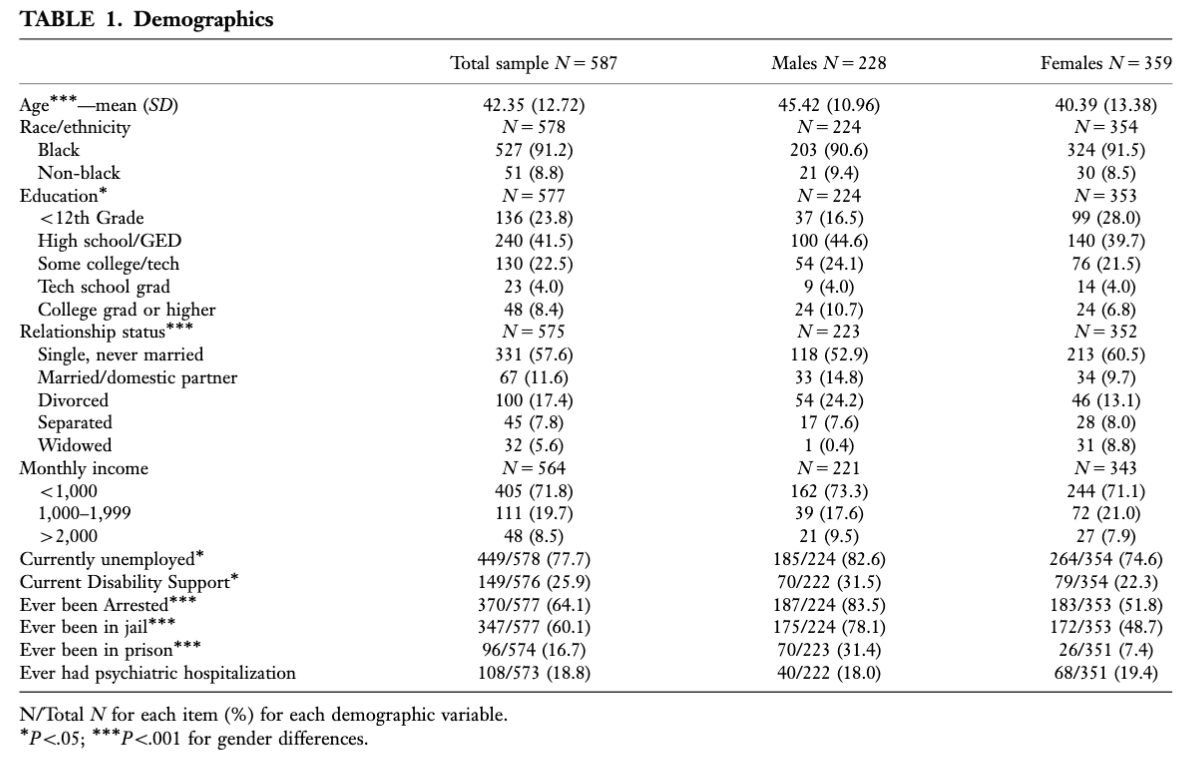
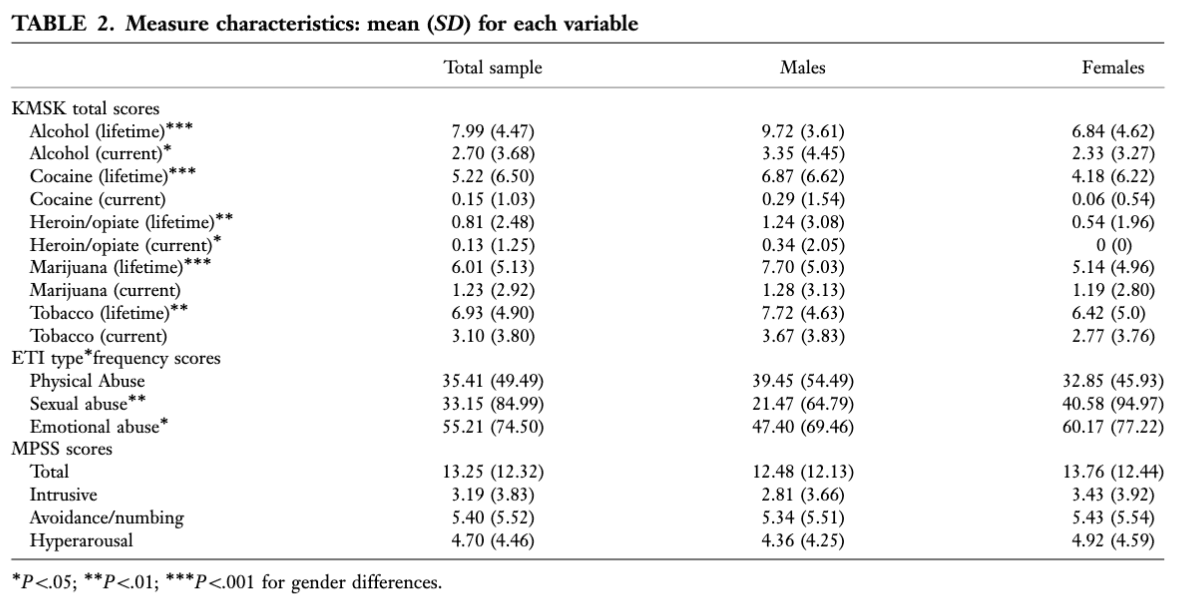
TABLE 1. DemographicsTable 2. Measure characteristics: mean (SD) for each variable

Rates of lifetime substance dependence, as determined by KMSK cutoff scores, were high in this sample. Marijuana was the most common substance of abuse with 44.8% of a subset of 373 participants who completed that section of the questionnaire falling in the dependency group. Alcohol was the next most common (39%), followed by cocaine (34.1%), and then heroin/opiates (6.2%).

CHILDHOOD TRAUMA AND SUBSTANCE USE

Table 3 demonstrates a strong association between adverse childhood experience (type×frequency score) and levels of exposure to various substances both currently and during the period of heaviest use. Gender differences in substance use correlates of the different types of childhood abuse are also observed. In women, sexual abuse was significantly linked to lifetime cocaine (P<.001) as well as marijuana exposure (P<.01). Physical abuse in men significantly correlates with current cocaine and lifetime/current heroin use (P<.01), while in women it is linked to lifetime cocaine and marijuana use (P<.01). Emotional abuse in men significantly correlates to current heroin exposure (P<.01), whereas in women it is linked to heavier lifetime cocaine use (P<.01).
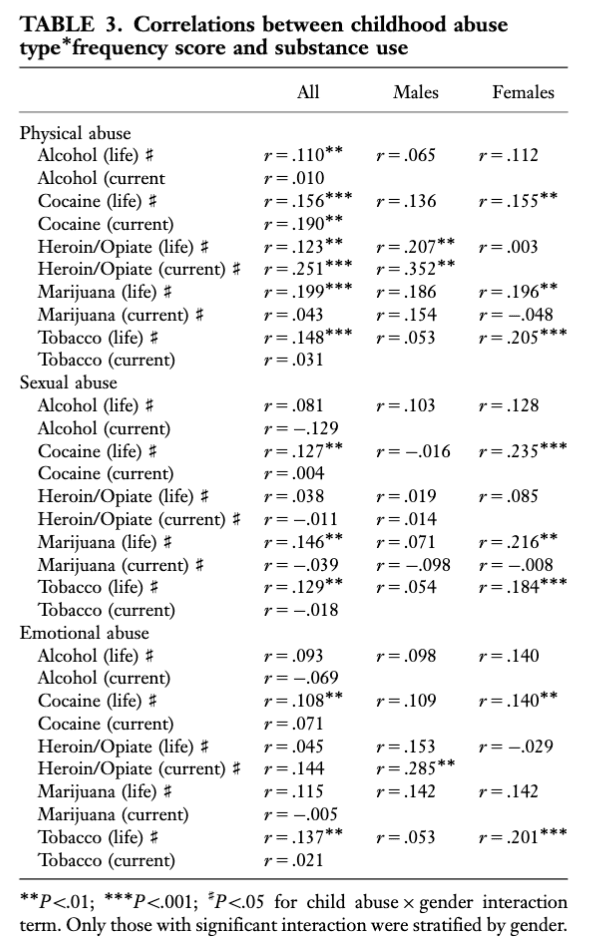
Table 3. Correlations between childhood abuse type*frequency score and substance use

Analysis of childhood trauma quartiles, which combined all three types of abuse, demonstrated increased levels of lifetime alcohol (F = 5.97, P<.001), cocaine (F = 3.90, P<.01), and marijuana (F = 9.18, P<.001) exposure with increased trauma load (Fig. .1). Significant group differences between specific quartiles are indicated. These analyses controlled for age and sex; when adult trauma exposure was introduced as a covariate, only the increases in alcohol (F = 2.92, P<.05) and marijuana use (F = 5.162, P<.01) remained statistically significant. The increase in these two substances additionally remained significant after independently controlling for current PTSD symptom level (Alcohol: F = 3.61, P<.05; Marijuana: F = 6.57, P<.001). While heroin exposure did appear to increase overall across the four quartiles as well, this trend did not reach statistical significance. However, a significant group difference in heroin exposure was observed between the second and fourth quartiles.
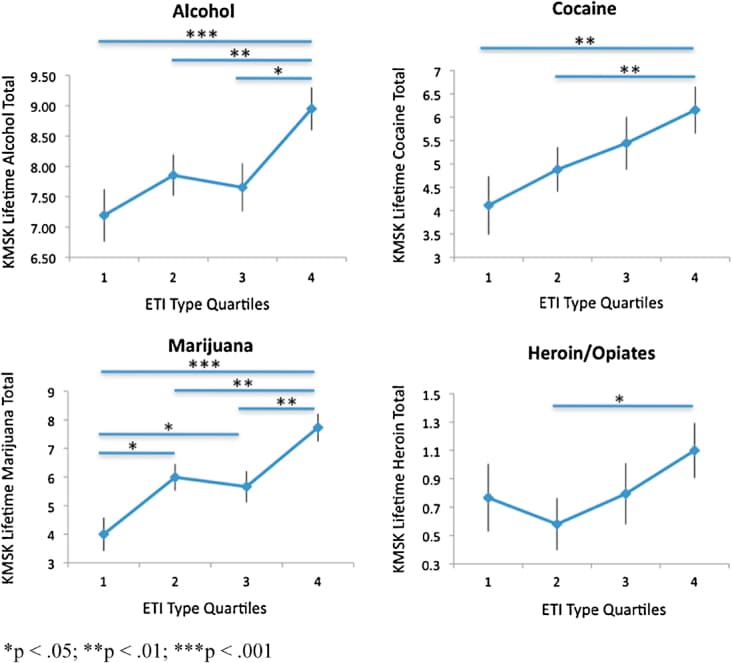
Figure 1. Substance use across childhood trauma quartiles.

PTSD AND SUBSTANCE DEPENDENCE

Differential levels of current PTSD symptomology between those with and without lifetime substance dependence are demonstrated in Figure 2. After controlling for age and sex, lifetime cocaine dependence was significantly associated with a higher PSS total score (F = 26.90, P<.001) as well as symptom level across all three clusters (Intrusive: F = 18.46, P<.001; Avoidance/Numbing: F = 20.91, P<.001; and Hyperarousal: F = 23.07, P<.001). Lifetime marijuana dependence was also associated with PSS total (F = 10.12, P<.01) and symptoms across all clusters (Intrusive: F = 4.16, P<.05; Avoidance/Numbing: F = 11.25, P<.01; and Hyperarousal: F = 7.72, P<.01). Lifetime alcohol dependence was associated with PSS total (F = 6.48, P<.05), avoidance/numbing (F = 6.92, P<.01), and hyperarousal symptoms (F = 4.46, P<.05). Lifetime heroin dependence was not significant in predicting current PTSD levels. After controlling for current level of depressive symptoms, only the marijuana dependence group differences between PSS total, intrusive, and hyperarousal scores remained significant. No other substance dependence group differences were significant after depressive symptoms were taken into account.
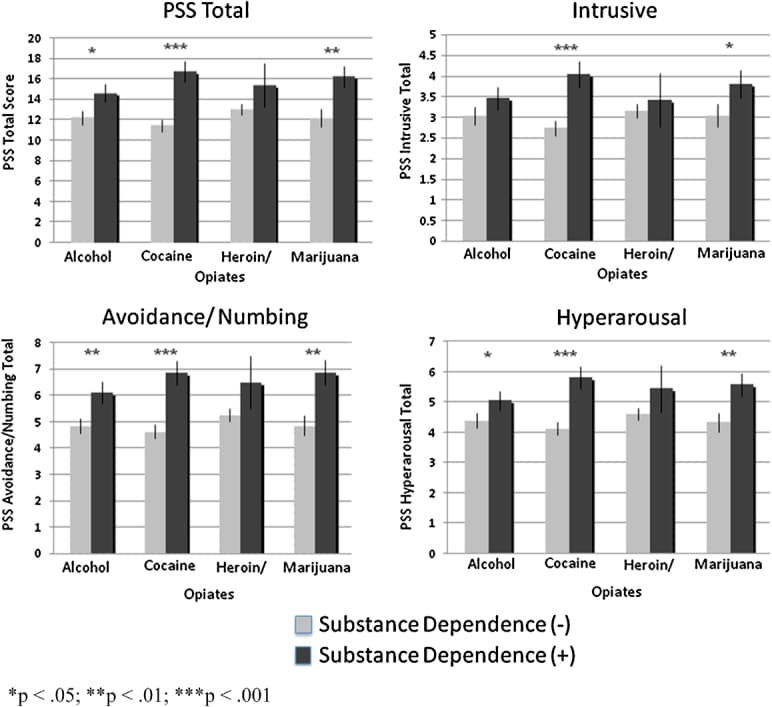
Figure 2. PTSD symptoms between substance dependence groups

CHILDHOOD TRAUMA, SUBSTANCE DEPENDENCE, AND PTSD

Using a two-tailed Pearson correlation, the total number of types of childhood trauma correlated significantly with current total PTSD symptoms in this sample (r = .399, P<.001). Childhood trauma quartile analyses demonstrate increased levels of PTSD symptomology, both in PSS total score (F = 27.92, P<.001) as well as across the symptom clusters (Intrusive: F = 18.43, P<.001; Avoidance/Numbing: F = 25.18, P<.001; Hyperarousal: F = 19.56, P<.001) with higher level of childhood trauma exposure. These relationships remained significant after controlling for age, sex, and level of adulthood trauma exposure.

Further analyses on the effect of childhood trauma load on current PTSD symptoms took into account substance dependence history. Across all four quartiles, history of cocaine dependence was associated with higher PSS scores (Fig. .3; F = 13.50, P<.001). This relationship remained significant after controlling for age, sex, and adulthood trauma exposure. However, this relationship was no longer significant after current depressive symptomology was included in the model. Closer examination of each quartile showed significant substance dependence group differences in mean PSS score at the second (F = 6.66, P<.05), third (F = 4.13, P<.05), and fourth (F = 7.43, P<.01) quartiles only.
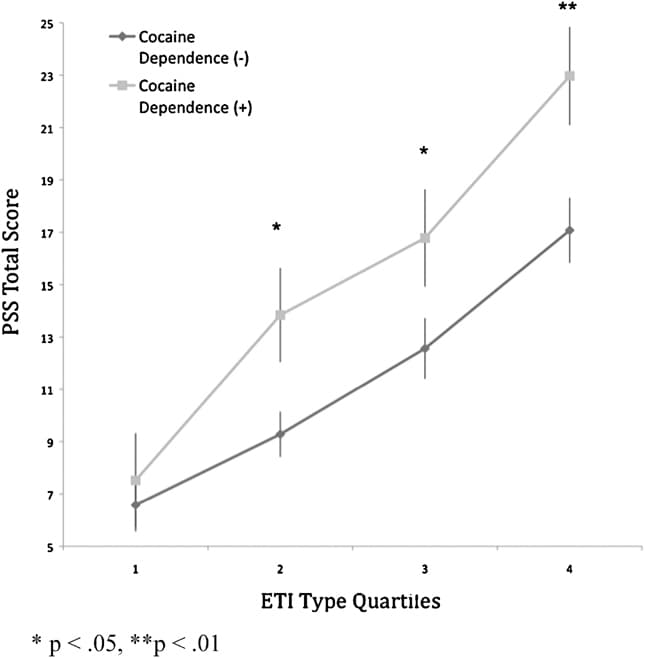
Figure 3. Current PTSD level between cocaine dependencegroups across childhood trauma quartiles

DISCUSSION

The current study confirms previous findings of a strong relationship between adverse childhood experience and subsequent substance use and poor mental health outcomes, particularly PTSD.42 In all subjects, physical abuse correlated with the use of all substances examined, while sexual abuse in childhood associated with cocaine and marijuana use only, suggesting differential effects of abuse type on substance use. The findings with regard to sexual abuse appear to be driven by significant associations in women but not men; this is consistent with the higher prominence of childhood sexual abuse in women in this sample. Additionally, emotional abuse was associated with cocaine use in the current study.

Examination of the childhood trauma quartiles shows alcohol, cocaine, and marijuana use significantly increasing across the four quartiles. This essentially indicates a progressive effect of trauma load on the severity of use of these particular substances. While heroin use did not increase significantly across the childhood trauma quartiles overall, group differences were observed between the second and fourth quartiles, indicating a trend in that direction. It is important to consider that these childhood trauma quartiles represent the number of types of childhood abuse experienced; other important factors may include severity and frequency of abuse, age of first occurrence, as well as perpetrator identity.

Although we predicted that this effect of multiple traumatization would not be independent of PTSD symptoms, alcohol and marijuana (but not cocaine) use still increased significantly across childhood trauma quartiles even after controlling for PTSD. Other researchers43 have found PTSD to be a significant mediator of the effect of childhood abuse on substance use problems later on, and we similarly found that PTSD symptoms may account for cocaine use in individuals who have experienced childhood trauma. The absence of this finding for other substances could be accounted for by the different time periods assessed; since we looked at lifetime substance exposure but current PTSD symptoms, it is possible that the use of alcohol or marijuana may have been better accounted for by PTSD symptoms occurring at the same time, or several years before the onset of substance use problems as findings by Douglas et al.44 suggest. Additionally, as hypothesized, childhood trauma contributed to increased alcohol and marijuana use independently of adult trauma exposure. However, the effect of childhood trauma load on cocaine use was not independent of adult trauma, which may be indicative of adult trauma in this population that is associated with obtaining and using this particular substance.

A progressive effect of childhood trauma load on PTSD symptomology was also observed, where childhood trauma contributes to higher total PTSD symptoms as well as higher levels of symptoms in each cluster. The effect of childhood trauma on PTSD severity was also found to be independent of adult trauma. When substance dependence was taken into account, only cocaine dependence showed a significant additive relationship with childhood trauma in predicting PTSD severity. It was also the cocaine-dependent group that scored significantly higher in PTSD scores across all clusters. However, these findings were no longer significant after controlling for current depressive symptoms, perhaps reflecting the high comorbidity between PTSD and depression as well as a strong relationship between depression and substance use problems. The strong association between cocaine dependence and PTSD symptoms may in part be due to the nature of the drug itself; as a stimulant, cocaine use may contribute to and enhance hyperarousal symptoms in particular. These findings can also be understood in the context of a high prevalence of crack cocaine use in this population. While marijuana use is also extraordinarily prevalent, and marijuana dependence did predict higher PTSD scores across all clusters, caution must be used in interpreting these results; the KMSK cutoff score determined for marijuana dependence was the first to be established for this substance, thus it needs to be validated further before we can know how useful it is.

Several limitations exist with respect to this study. As with all similar studies of adult retrospective reporting of child maltreatment histories, we cannot rule out possibilities of recall bias in these subjective reports. Furthermore, we do not currently have sufficient data with regards to the timing of the trauma, PTSD symptoms, and substance abuse histories, so that these data are correlative, but cannot imply direction of causation. We believe that these effects are generalizable to urban, traumatized civilian populations at high risk for substance abuse, but perhaps not to other populations. Especially given the extremely high percentage of African Americans in this sample (91.2%), these findings may not be generalizable to populations with different racial profiles.

In summary, we find that there are high rates of lifetime dependence on various substances in this high-risk population. Additionally, the level of substance use, particularly cocaine, strongly associated with levels of childhood physical, sexual, and emotional abuse as well as current PTSD symptoms. There was a significant additive effect of number of types of childhood trauma experienced with lifetime cocaine dependence in predicting current PTSD symptoms, and this effect was independent of levels of adult trauma. These data suggest that enhanced awareness of the comorbidity between PTSD and substance abuse is critical both in understanding mechanisms of substance addiction as well as in improving prevention and treatment.

Open Article as PDF

Abstract

Objective: Exposure to traumatic experiences, especially those occurring in childhood, has been linked to substance use disorders (SUDs), including abuse and dependence. SUDs are also highly comorbid with Posttraumatic Stress Disorder (PTSD) and other mood-related psychopathology. Most studies examining the relationship between PTSD and SUDs have examined veteran populations or patients in substance treatment programs. The present study further examines this relationship between childhood trauma, substance use, and PTSD in a sample of urban primary care patients. Method: There were 587 participants included in this study, all recruited from medical and OB/GYN clinic waiting rooms at Grady Memorial Hospital in Atlanta, GA. Data were collected through both screening interviews as well as follow-up interviews. Results: In this highly traumatized population, high rates of lifetime dependence on various substances were found (39% alcohol, 34.1% cocaine, 6.2% heroin/opiates, and 44.8% marijuana). The level of substance use, particularly cocaine, strongly correlated with levels of childhood physical, sexual, and emotional abuse as well as current PTSD symptoms. In particular, there was a significant additive effect of number of types of childhood trauma experienced with history of cocaine dependence in predicting current PTSD symptoms, and this effect was independent of exposure to adult trauma. Conclusions: These data show strong links between childhood traumatization and SUDs, and their joint associations with PTSD outcome. They suggest that enhanced awareness of PTSD and substance abuse comorbidity in high-risk, impoverished populations is critical to understanding the mechanisms of substance addiction as well as in improving prevention and treatment. Depression and Anxiety, 2010. © 2010 Wiley-Liss, Inc.

INTRODUCTION

Traumatic experiences in childhood, such as physical and sexual abuse or neglect, are common and represent a significant public health concern. Exposure to early trauma is known to increase the risk for various psychiatric disorders in adulthood, including schizophrenia, major depression, bipolar disorder, Posttraumatic Stress Disorder (PTSD), and substance use. Research indicates that childhood trauma can negatively affect brain structure and function, making individuals more vulnerable to cognitive problems and mental health conditions. A strong connection exists between trauma exposure and substance use; for instance, studies show that adolescents who have experienced abuse are much more likely to report substance use.

The severity of mental health issues may also increase with the amount of stress or trauma experienced, a concept known as a "dose effect." This suggests that passing a certain threshold of stress, particularly during childhood, can increase the likelihood of disorders like PTSD and depression. Furthermore, the type of trauma can have different effects; for example, emotional abuse and neglect in childhood may be stronger predictors of adult depression than physical or sexual abuse. Gender may also play a role in how different types of childhood trauma affect behavior and mental health.

COMORBIDITY OF PTSD AND SUBSTANCE USE DISORDER

A strong link exists between Posttraumatic Stress Disorder (PTSD) and substance use disorders (SUDs), often occurring together with other mental health conditions. Research indicates that trauma exposure may not independently increase substance problems apart from PTSD symptoms. This connection is particularly evident in adolescents with PTSD, where many subsequently develop SUDs, especially among girls. Studies also show that drug and alcohol use can worsen PTSD symptoms, and women who use drugs often experience more severe PTSD.

The risk of SUDs after early trauma may arise from attempts to "self-medicate" or manage difficult moods linked to an unbalanced biological stress response. Conversely, early substance use in adolescence could disrupt the stress response, potentially increasing the risk for PTSD and depression. The order of onset also matters: trauma occurring before substance use is often childhood abuse, while substance use preceding trauma is frequently linked to drug-seeking behaviors. Some theories suggest a shared genetic vulnerability to mental health issues following trauma. Gender differences are noted, with some studies indicating that trauma exposure increases SUD risk more for young women than for young men.

This particular study aimed to expand current knowledge by focusing on a civilian medical population, including more women and individuals not actively seeking substance use treatment. It used more detailed assessments for trauma history and analyzed substance use as continuous variables, considering the frequency, amount, and duration of use. The study investigated whether a "dosage effect" of childhood trauma leads to increased substance use and PTSD symptoms. It also explored if childhood trauma predicts substance use independently of PTSD symptoms and adult trauma, and if childhood trauma and substance use together predict PTSD symptom severity.

METHODS

Participants provided written informed consent, and the study received approval from the institutional review board. Potential participants were approached in waiting rooms of a general medical and OB/GYN clinic. Individuals aged 18 or older, able to give consent, and willing to participate in interviews were included. Those with mental retardation or a psychotic disorder diagnosis were excluded. Participants received payment for their time.

ASSESSMENTS

All eligible and consenting patients completed a series of clinician-administered self-report assessments. These included a demographic form and basic data on age, race, marital status, education, income, and employment. Additional information covered psychiatric diagnoses, family history of mental disorders, substance use, stress, and legal issues. To address varying literacy levels, all questions were read aloud, and answers were recorded by the interviewer. Specific interviews included:

  • The modified PTSD Symptom Scale (mPSS): A 17-item interview to identify PTSD symptoms over the previous two weeks, based on DSM-IV criteria.

  • The Traumatic Events Inventory (TEI): A 14-item tool to screen for lifetime traumatic events, assessing both experiencing and witnessing, as well as frequency and age of "worst" instance. This controlled for adult trauma.

  • The Early Trauma Inventory (ETI): Evaluates childhood physical, sexual, and emotional abuse, recording age of first occurrence, frequency, and perpetrator. Scores were generated for total types and total frequency.

  • The Kreek–McHugh–Schluger–Kellogg scale (KMSK scale): Quantifies lifetime and current exposure to opiates, cocaine, alcohol, tobacco, and marijuana, based on frequency, amount, and duration of heaviest use. Cutoff scores for dependence were established.

  • Beck Depressive Inventory (BDI): A 21-item interview to detect depressive symptoms over the prior two weeks. The total score controlled for current depressive symptoms in some analyses.

ANALYSIS

All data analyses were performed using SPSS 17.0 software. Descriptive statistics, including totals and percentages, were calculated for demographic information and gender differences using t-tests and χ2 analyses. Pearson's correlations examined links between childhood trauma severity, substance exposure, and PTSD symptoms. Univariate analyses explored differences in PTSD symptoms across substance dependence groups and childhood trauma quartile groups. Further univariate analyses investigated trends in substance exposure across trauma groups, with post-hoc analyses adjusting for adult trauma and PTSD symptoms.

RESULTS

The study included 587 participants, with a higher number of females (61.2%) than males (38.8%). Demographic information showed significant differences between genders. Rates of lifetime substance dependence, based on KMSK cutoff scores, were high. Marijuana dependence was the most common (44.8%), followed by alcohol (39%), cocaine (34.1%), and heroin/opiates (6.2%).

A strong relationship was found between adverse childhood experiences (measured by type and frequency) and current and lifetime exposure to various substances. Gender differences were also observed. For women, sexual abuse was significantly linked to lifetime cocaine and marijuana exposure. For men, physical abuse correlated with current cocaine and lifetime/current heroin use, while for women, it was linked to lifetime cocaine and marijuana use. Emotional abuse in men correlated with current heroin exposure, and in women, with heavier lifetime cocaine use. Analysis of childhood trauma quartiles, combining all three abuse types, showed increased lifetime alcohol, cocaine, and marijuana exposure with higher trauma load. After controlling for adult trauma exposure, only increases in alcohol and marijuana use remained statistically significant. These increases also remained significant after accounting for current PTSD symptoms.

Distinct levels of current PTSD symptoms were observed between those with and without lifetime substance dependence. Lifetime cocaine dependence was strongly associated with higher total PTSD scores and symptoms across all clusters (intrusive, avoidance/numbing, and hyperarousal). Lifetime marijuana dependence also showed associations with total PTSD and all symptom clusters. Lifetime alcohol dependence correlated with total PTSD, avoidance/numbing, and hyperarousal symptoms. However, lifetime heroin dependence did not significantly predict current PTSD levels. After controlling for current depressive symptoms, only the differences in PTSD total, intrusive, and hyperarousal scores for marijuana dependence remained significant.

The total number of childhood trauma types correlated significantly with current total PTSD symptoms. Childhood trauma quartile analyses revealed increased PTSD symptoms (total and across all clusters) with higher levels of childhood trauma exposure. These relationships remained significant even after adjusting for age, sex, and adult trauma exposure. When considering substance dependence, cocaine dependence showed a significant additive relationship with childhood trauma in predicting PTSD severity, with cocaine-dependent individuals scoring higher on PTSD. However, this relationship became insignificant after controlling for current depressive symptoms.

DISCUSSION

This study supports previous findings that adverse childhood experiences are strongly linked to later substance use and mental health problems, particularly PTSD. Physical abuse correlated with the use of all substances examined, while sexual abuse in childhood was specifically associated with cocaine and marijuana use, with these effects largely driven by findings in women. Emotional abuse was also connected to cocaine use.

The analysis of childhood trauma quartiles showed a "progressive effect," meaning that increased levels of trauma load corresponded to significantly greater use of alcohol, cocaine, and marijuana. While heroin use also showed a trend, it did not reach overall statistical significance. It is important to consider other factors beyond the number of trauma types, such as the severity, frequency, age of first occurrence, and the identity of the perpetrator.

Alcohol and marijuana use increased significantly across childhood trauma quartiles, even after accounting for PTSD symptoms. However, the increase in cocaine use was not independent of adult trauma, suggesting that adult trauma, possibly related to obtaining and using cocaine, may play a role. Childhood trauma did contribute to increased alcohol and marijuana use independently of adult trauma.

A progressive effect of childhood trauma on PTSD symptoms was also observed, with higher trauma levels predicting more severe PTSD symptoms, independent of adult trauma. When considering substance dependence, cocaine dependence showed an additive relationship with childhood trauma in predicting PTSD severity. However, this relationship became insignificant after controlling for current depressive symptoms, likely due to the strong comorbidity among PTSD, depression, and substance use. Cocaine's stimulant properties might contribute to hyperarousal symptoms, which is relevant given the high prevalence of crack cocaine use in this population. While marijuana use also predicted higher PTSD scores, the cutoff score used for marijuana dependence requires further validation.

This study has several limitations, including the potential for recall bias in adults reporting childhood maltreatment and the correlative nature of the data, which prevents conclusions about causation. The findings may be generalizable to urban, traumatized civilian populations at high risk for substance use, but might not apply to other groups, especially given the sample's high percentage of African Americans (91.2%). In conclusion, the study highlights high rates of substance dependence in this high-risk population and confirms a strong link between childhood abuse, substance use (especially cocaine), and current PTSD symptoms. The data emphasize the importance of recognizing the co-occurrence of PTSD and substance use to improve prevention and treatment strategies.

Open Article as PDF

Abstract

Objective: Exposure to traumatic experiences, especially those occurring in childhood, has been linked to substance use disorders (SUDs), including abuse and dependence. SUDs are also highly comorbid with Posttraumatic Stress Disorder (PTSD) and other mood-related psychopathology. Most studies examining the relationship between PTSD and SUDs have examined veteran populations or patients in substance treatment programs. The present study further examines this relationship between childhood trauma, substance use, and PTSD in a sample of urban primary care patients. Method: There were 587 participants included in this study, all recruited from medical and OB/GYN clinic waiting rooms at Grady Memorial Hospital in Atlanta, GA. Data were collected through both screening interviews as well as follow-up interviews. Results: In this highly traumatized population, high rates of lifetime dependence on various substances were found (39% alcohol, 34.1% cocaine, 6.2% heroin/opiates, and 44.8% marijuana). The level of substance use, particularly cocaine, strongly correlated with levels of childhood physical, sexual, and emotional abuse as well as current PTSD symptoms. In particular, there was a significant additive effect of number of types of childhood trauma experienced with history of cocaine dependence in predicting current PTSD symptoms, and this effect was independent of exposure to adult trauma. Conclusions: These data show strong links between childhood traumatization and SUDs, and their joint associations with PTSD outcome. They suggest that enhanced awareness of PTSD and substance abuse comorbidity in high-risk, impoverished populations is critical to understanding the mechanisms of substance addiction as well as in improving prevention and treatment. Depression and Anxiety, 2010. © 2010 Wiley-Liss, Inc.

INTRODUCTION

Difficult experiences in childhood, such as physical or sexual abuse and neglect, happen at very high rates and are considered a major public health issue. Exposure to trauma early in life is known to significantly increase a person's risk for various mental health conditions later in adulthood. However, many individuals who experienced childhood trauma still show great resilience. This study specifically focused on understanding the impact of traumatic experiences in childhood.

Much evidence shows that childhood trauma can negatively affect brain structure and function, making an individual more likely to experience cognitive problems and mental illnesses. These can include conditions like schizophrenia, major depression, bipolar disorder, Posttraumatic Stress Disorder (PTSD), and substance use. The connection between trauma exposure and substance use is particularly well-established. For example, a national survey of adolescents found that teenagers who had experienced physical or sexual abuse were three times more likely to report past or current substance use compared to those without a history of trauma. Among adolescents receiving treatment for substance use, over 70% had a history of trauma exposure.

Some studies also indicate that the more stress or trauma a person experiences, the more severe their mental health problems may become. This "dose effect" is not limited to PTSD. This research suggests that simply looking at a dose-response model might not fully explain PTSD risk. Instead, a PTSD diagnosis may become likely once a person's stress load reaches a certain point, regardless of other factors. One study found that childhood stress, in particular, was linked to both the number and severity of depression and PTSD symptoms in patients with these disorders. This highlights that trauma during the sensitive period of childhood might be especially important for later mental health outcomes.

The effects of different types of trauma on mental health have also been explored, suggesting that the impact of trauma can sometimes depend on its specific type. For example, some research found that childhood emotional abuse and neglect were better predictors of adult depression than physical or sexual abuse. A person's gender may also play a role in how different types of childhood trauma affect behavior and mental health. However, the specific ways in which different types of childhood mistreatment might influence substance use in a high-risk group of people are still not fully understood.

COMORBIDITY OF PTSD AND SUBSTANCE USE DISORDER

Research has consistently shown a strong co-occurrence of PTSD with substance use disorders and other mental health conditions. One study specifically noted that exposure to trauma did not increase the risk of substance problems unless PTSD symptoms were also present. Additionally, evidence suggests that the link between trauma and substance use is particularly strong for adolescents with PTSD. Up to 59% of young people with PTSD later develop substance use issues, a relationship that appears especially strong in girls. Other findings indicate that alcohol and drug use was associated with more severe PTSD symptoms one year after a disaster. Furthermore, women who used drugs were found to have significantly higher total PTSD symptom severity scores and were more likely to meet the criteria for a PTSD diagnosis compared to those who did not use drugs.

Early traumatic experiences can increase the risk of substance use disorders (SUDs) because individuals might try to "self-medicate" or lessen severe mood symptoms linked to a disrupted biological stress response. Conversely, if substance use or abuse begins early in adolescence, it can further disrupt the body's stress response by increasing stress hormone levels. This disruption may then contribute to a higher risk for PTSD and co-occurring depressive symptoms. The timing and age of onset for both substance use and PTSD are also crucial for understanding their co-occurrence. Researchers have reported that among cocaine-dependent patients, if PTSD developed before substance use, the trauma was most often childhood abuse. However, if substance use began before PTSD, the trauma was typically related to getting and using substances. Some theories suggest that the co-occurrence of PTSD and substance use might stem from a shared genetic vulnerability to mental health problems after trauma exposure.

Differences between genders in trauma-related risk factors for alcohol and drug abuse have also been reported. One study, using data from adolescent samples, suggested that traumatic event exposure increased the risk for SUDs in young women but not in young men. Another study also indicated gender differences in co-occurrence: for men, drug use often came before trauma exposure, while for women, the onset ages for both drug use and trauma exposure were very similar.

The existing research on substance use and PTSD has mainly focused on military personnel, veterans, or individuals seeking treatment for substance dependence. This study aimed to broaden these findings to include a general civilian medical population, which typically includes more women and patients not actively seeking substance use treatment. Additionally, trauma assessments in most published studies are relatively basic. The questionnaires used in this study, such as the Early Trauma Inventory (ETI) and the Traumatic Events Inventory (TEI), can provide more detailed information about a person's trauma history. Finally, most studies report substance use, abuse, or dependence using simple categories, with few exploring the severity of SUDs or the extent of substance exposure. This study used continuous measures of substance exposure, considering the frequency, duration, and amount used during the period of heaviest consumption.

In this study, researchers examined and expanded upon findings linking childhood trauma exposure, substance use, and PTSD. They looked for signs of a "dosage effect" of trauma, where higher levels of childhood trauma might lead to both increased substance use and more severe PTSD symptoms. It was hypothesized that childhood trauma would not predict substance use independently of PTSD symptoms, similar to previous findings. However, it was predicted that childhood trauma would contribute to increased substance use and PTSD symptoms regardless of adult trauma exposure. Finally, the study investigated whether there was an additive relationship between childhood trauma and substance use problems in predicting the severity of PTSD symptoms.

METHODS

SUBJECTS/RESEARCH SETTING

All participants gave written permission to join the study, and the study was approved by the Emory University Institutional Review Board. Researchers approached potential participants in the waiting rooms of Grady Memorial Hospital's General Medical and OB/GYN Clinics in Atlanta, GA. The individuals in this study were part of an ongoing genetics project. To be included, participants had to be: (1) at least 18 years old, male or female; (2) able to provide informed consent and willing to participate in interviews on the day of their visit. Participants were excluded if their clinic chart showed a diagnosis of mental retardation or a psychotic disorder. Participants received payment for their time and effort in the study.

ASSESSMENTS

All eligible patients who agreed to participate completed a series of self-report assessments administered by a clinician. These included a demographic form and other basic information such as age, self-identified race, marital status, education, income, and employment. Other basic data gathered included, but was not limited to, information about co-occurring mental health diagnoses, family history of mental disorders, past and current substance use, stress, and legal issues. To accommodate varying literacy levels among participants, all questions were read aloud by the interviewer, who then recorded the answers. Participants also completed the following interviews:

  1. The modified PTSD Symptom Scale (mPSS): This 17-item interview helps identify and diagnose PTSD symptoms experienced in the two weeks before the interview. Its structure and content align with the criteria for PTSD. The mPSS has proven to be reliable and valid. The study used the total mPSS score and scores for each symptom group.

  2. The Traumatic Events Inventory (TEI): This 14-item tool screens for a person's lifetime history of traumatic events. For each event, the TEI separately assesses whether the person experienced or witnessed it. It also evaluates confrontation of traumatic events when appropriate. Additionally, the TEI asks how many times each event occurred, the age at which the person perceived the "worst" instance of a specific traumatic event, and feelings of helplessness or horror for each event. The TEI was used to measure and account for the level of adult trauma exposure in this study.

  3. The Early Trauma Inventory (ETI): This tool evaluates a person's history of childhood physical, sexual, and emotional abuse. It was given during follow-up diagnostic interviews. For each item, it asks for the age of first occurrence, how often it happened, and the most common perpetrator. For each type of abuse (physical, sexual, or emotional), scores were generated for the total number of abuse types reported and the total frequency. These two scores were multiplied to create a comprehensive continuous score for each abuse type. The number of types for all three abuse categories was added together to create a total childhood abuse type score. Based on this total score, participants were divided into four quartile groups for childhood trauma.

  4. The Kreek–McHugh–Schluger–Kellogg scale (KMSK scale): This scale measures a person's self-reported use of opiates, cocaine, alcohol, tobacco, and/or marijuana. Each section of the KMSK scale assesses the frequency, amount, and duration of a particular substance's use during the period of greatest consumption (lifetime) and in the 30 days before testing (current). These three values were added to create lifetime and current total scores. In a similar group from the same larger study, total lifetime KMSK scores were compared to dependence diagnoses determined by a structured clinical interview to establish cutoff scores for each substance. A statistical analysis was performed to find the best cutoff score for alcohol, cocaine, opiates, and marijuana dependence. This analysis identified cutoff scores with the highest accuracy. For alcohol, cocaine, and marijuana, the best cutoff scores were 11, 9, and 8, respectively. The best cutoff score for opiate dependence varied by method, so a more conservative score of 7 was chosen due to its higher accuracy in predicting dependence. Thus, the cutoff scores of 11 for alcohol, 9 for cocaine, 8 for marijuana, and 7 for heroin/opiates defined the dependence groups used in this study.

  5. Beck Depressive Inventory (BDI): This 21-item interview identifies the presence of depressive symptoms experienced in the two weeks before testing. Each item is rated on the severity of that specific symptom. This study used the BDI total score in some analyses to account for the presence of current depressive symptoms.

ANALYSIS

All analyses were performed using SPSS 17.0 software. Basic statistics were calculated for demographic information, presented as the total number of subjects and percentages within the sample, separated by gender and specific characteristics. Differences between males and females for demographic and measurement characteristics were identified using specific statistical tests where appropriate. Pearson's correlations were used to show the relationships between the severity of childhood trauma exposure and the levels of substance exposure and PTSD symptoms. Statistical analyses were also used to examine differences in PTSD symptom levels between groups with and without substance dependence, as well as between the childhood trauma quartile groups. Further analyses looked at trends in substance exposure across the four childhood trauma groups, with additional analyses controlling for adult trauma exposure and PTSD symptoms.

RESULTS

SAMPLE CHARACTERISTICS

A total of 587 participants were included in this study, with more females (N = 359, 61.2%) than males (N = 228, 38.8%). Table 1 in the original document provides demographic information for the entire group, along with significant differences between males and females. The average values and variations for the main outcomes measured in this group are also shown in Table 2.

The rates of lifetime substance dependence, determined by the KMSK cutoff scores, were high in this group. Marijuana was the most commonly abused substance, with 44.8% of 373 participants (who completed that section of the questionnaire) falling into the dependency group. Alcohol was the next most common at 39%, followed by cocaine at 34.1%, and then heroin/opiates at 6.2%.

CHILDHOOD TRAUMA AND SUBSTANCE USE

Table 3 in the original document shows a strong link between negative childhood experiences (measured by both type and frequency) and the amount of exposure to various substances, both currently and during a person's period of heaviest use. Differences between genders were also observed in how substance use related to different types of childhood abuse. In women, sexual abuse was significantly connected to lifetime cocaine use and marijuana exposure. For men, physical abuse strongly correlated with current cocaine use and lifetime/current heroin use, while in women, it was linked to lifetime cocaine and marijuana use. Emotional abuse in men significantly correlated with current heroin exposure, whereas in women, it was linked to heavier lifetime cocaine use.

An analysis of the childhood trauma quartiles, which combined all three types of abuse, revealed that lifetime exposure to alcohol, cocaine, and marijuana increased with a higher trauma load (see Figure 1 in the original document). Significant differences between specific quartiles were noted. These analyses accounted for age and sex. When adult trauma exposure was also considered, only the increases in alcohol and marijuana use remained statistically significant. These increases for alcohol and marijuana also remained significant even after separately accounting for current PTSD symptom levels. While heroin exposure did appear to increase across the four quartiles, this trend was not statistically significant. However, a significant difference in heroin exposure was observed between the second and fourth quartiles.

PTSD AND SUBSTANCE DEPENDENCE

Figure 2 in the original document illustrates the different levels of current PTSD symptoms among individuals with and without a history of lifetime substance dependence. After accounting for age and sex, lifetime cocaine dependence was significantly associated with a higher total PTSD symptom score, as well as higher symptom levels across all three symptom categories (intrusive thoughts, avoidance/numbing, and hyperarousal). Lifetime marijuana dependence was also linked to higher total PTSD scores and symptoms across all categories. Lifetime alcohol dependence was associated with higher total PTSD scores, as well as avoidance/numbing and hyperarousal symptoms. Lifetime heroin dependence was not a significant predictor of current PTSD levels. After accounting for current levels of depressive symptoms, only the differences in PTSD total, intrusive, and hyperarousal scores for the marijuana dependence group remained significant. No other substance dependence group differences remained significant after considering depressive symptoms.

CHILDHOOD TRAUMA, SUBSTANCE DEPENDENCE, AND PTSD

Using a statistical correlation test, the total number of types of childhood trauma showed a significant link with current total PTSD symptoms in this group of participants. Analyses of childhood trauma quartiles demonstrated increased levels of PTSD symptoms, both in total score and across all symptom categories (intrusive thoughts, avoidance/numbing, and hyperarousal), as the level of childhood trauma exposure increased. These relationships remained significant even after accounting for age, sex, and the level of adulthood trauma exposure.

Further analyses on how childhood trauma load affects current PTSD symptoms also considered a person's history of substance dependence. Across all four trauma quartiles, a history of cocaine dependence was associated with higher PTSD scores (see Figure 3 in the original document). This relationship remained significant after accounting for age, sex, and adulthood trauma exposure. However, this relationship was no longer significant after current depressive symptoms were included in the statistical model. A closer look at each quartile revealed significant differences in average PTSD scores related to substance dependence only in the second, third, and fourth quartiles.

DISCUSSION

This study confirms previous findings of a strong connection between adverse childhood experiences and later substance use and mental health problems, especially PTSD. Among all participants, physical abuse was linked to the use of all substances examined, while childhood sexual abuse was associated only with cocaine and marijuana use. This suggests that different types of abuse may have distinct effects on substance use. The findings regarding sexual abuse appeared to be primarily driven by significant associations in women, consistent with the higher prevalence of childhood sexual abuse in women within this group. Additionally, emotional abuse was associated with cocaine use in this study. Examining the childhood trauma quartiles showed that alcohol, cocaine, and marijuana use significantly increased across the four quartiles, indicating a progressive effect where higher trauma loads lead to more severe use of these substances. While heroin use did not significantly increase across all childhood trauma quartiles, a trend was observed with differences between specific quartiles. It is important to note that these childhood trauma quartiles represent the number of abuse types experienced; other crucial factors, such as the severity and frequency of abuse, age of first occurrence, and the identity of the perpetrator, were not fully explored.

Although it was predicted that the effect of multiple traumas would not be independent of PTSD symptoms, alcohol and marijuana use (but not cocaine) still increased significantly across childhood trauma quartiles even after accounting for PTSD. Other researchers have found PTSD to be a significant factor mediating the effect of childhood abuse on later substance use problems, and this study similarly found that PTSD symptoms might explain cocaine use in individuals with childhood trauma. The absence of this finding for other substances could be due to the different time periods assessed; since the study looked at lifetime substance exposure but current PTSD symptoms, it is possible that alcohol or marijuana use might have been better explained by PTSD symptoms occurring at the same time, or several years before the onset of substance use problems. As hypothesized, childhood trauma contributed to increased alcohol and marijuana use independently of adult trauma exposure. However, the effect of childhood trauma load on cocaine use was not independent of adult trauma, which may indicate that adult trauma in this group is often related to obtaining and using this particular substance.

A progressive effect of childhood trauma load on PTSD symptoms was also observed, where childhood trauma contributed to higher total PTSD symptoms and higher levels across all symptom categories. The effect of childhood trauma on PTSD severity was also found to be independent of adult trauma. When substance dependence was considered, only cocaine dependence showed a significant additive relationship with childhood trauma in predicting PTSD severity. The cocaine-dependent group also scored significantly higher in PTSD scores across all categories. However, these findings were no longer significant after accounting for current depressive symptoms, which might reflect the high co-occurrence of PTSD and depression, as well as a strong link between depression and substance use problems. The strong association between cocaine dependence and PTSD symptoms may partly be due to the nature of the drug itself; as a stimulant, cocaine use can contribute to and intensify hyperarousal symptoms. These findings can also be understood in the context of a high prevalence of crack cocaine use in this population. While marijuana use is also very common, and marijuana dependence did predict higher PTSD scores across all categories, caution is needed when interpreting these results, as the cutoff score for marijuana dependence used here was the first of its kind and needs further validation.

This study has several limitations. As with all similar studies relying on adults' retrospective reports of childhood mistreatment, the possibility of recall bias in these subjective accounts cannot be ruled out. Furthermore, there was not enough data to determine the exact timing of trauma, PTSD symptoms, and substance use histories, meaning the data show correlations but cannot prove cause and effect. The findings are believed to be generalizable to urban, traumatized civilian populations at high risk for substance use, but perhaps not to other groups. Given the very high percentage of African Americans in this sample (91.2%), these findings may not apply to populations with different racial profiles.

In summary, this study found high rates of lifetime dependence on various substances within this high-risk population. Additionally, the level of substance use, especially cocaine, was strongly associated with levels of childhood physical, sexual, and emotional abuse, as well as current PTSD symptoms. There was a significant additive effect of the number of types of childhood trauma experienced combined with lifetime cocaine dependence in predicting current PTSD symptoms, and this effect was independent of adult trauma levels. These data suggest that increased awareness of the co-occurrence between PTSD and substance use is crucial for understanding the mechanisms of substance addiction and for improving prevention and treatment efforts.

Open Article as PDF

Abstract

Objective: Exposure to traumatic experiences, especially those occurring in childhood, has been linked to substance use disorders (SUDs), including abuse and dependence. SUDs are also highly comorbid with Posttraumatic Stress Disorder (PTSD) and other mood-related psychopathology. Most studies examining the relationship between PTSD and SUDs have examined veteran populations or patients in substance treatment programs. The present study further examines this relationship between childhood trauma, substance use, and PTSD in a sample of urban primary care patients. Method: There were 587 participants included in this study, all recruited from medical and OB/GYN clinic waiting rooms at Grady Memorial Hospital in Atlanta, GA. Data were collected through both screening interviews as well as follow-up interviews. Results: In this highly traumatized population, high rates of lifetime dependence on various substances were found (39% alcohol, 34.1% cocaine, 6.2% heroin/opiates, and 44.8% marijuana). The level of substance use, particularly cocaine, strongly correlated with levels of childhood physical, sexual, and emotional abuse as well as current PTSD symptoms. In particular, there was a significant additive effect of number of types of childhood trauma experienced with history of cocaine dependence in predicting current PTSD symptoms, and this effect was independent of exposure to adult trauma. Conclusions: These data show strong links between childhood traumatization and SUDs, and their joint associations with PTSD outcome. They suggest that enhanced awareness of PTSD and substance abuse comorbidity in high-risk, impoverished populations is critical to understanding the mechanisms of substance addiction as well as in improving prevention and treatment. Depression and Anxiety, 2010. © 2010 Wiley-Liss, Inc.

INTRODUCTION

Serious life experiences, such as physical and sexual abuse or neglect, happen at very high rates and are seen as a major public health problem in the United States. Experiencing trauma early in life is known to greatly increase a person's risk for several mental health disorders in adulthood. However, many who experienced childhood trauma are quite strong and resilient. This study focuses on people's past experiences with childhood trauma. Much evidence shows that childhood trauma can affect brain structure and how it works, making a person more likely to have thinking problems and mental illnesses later on. These illnesses include schizophrenia, major depression, bipolar disorder, Posttraumatic Stress Disorder (PTSD), and substance use. The strong connection between trauma and substance use is especially clear. For example, a national survey of teenagers found that those who had experienced physical or sexual abuse were three times more likely to report past or current substance use. In surveys of adolescents getting treatment for substance use, over 70% of patients had a history of trauma.

Additionally, some studies suggest that the amount or "dose" of stress or trauma can affect how severe mental health problems become, not just PTSD. This suggests that a simple dose-response model may not fully explain the risk for PTSD. Instead, a PTSD diagnosis is likely once a person reaches a certain level of stress, regardless of other factors. One study found that stress experienced during childhood was particularly linked to both the number and severity of depression and PTSD symptoms in patients with these disorders. This means the amount of trauma during the sensitive period of childhood may be especially important for later mental health outcomes. Researchers have also looked at how different types of trauma affect mental health, suggesting that the effect can sometimes depend on the type of trauma. For example, some research found that childhood emotional abuse and neglect were better at predicting adult depression than physical or sexual abuse. A person's gender may also play a key role in how different types of childhood trauma affect behavior and mental health. However, it is still unclear how specific types of childhood maltreatment might differently influence substance use in high-risk groups.

COMORBIDITY OF PTSD AND SUBSTANCE USE DISORDER

Studies also show a high rate of co-occurrence between PTSD and substance use disorders, as well as other mental health disorders. One study specifically found that experiencing trauma did not increase the risk of substance problems by itself, separate from PTSD symptoms. Additionally, evidence shows that the link between trauma and substance use is especially strong for teenagers with PTSD. Up to 59% of young people with PTSD later develop substance use problems. This relationship appears to be particularly strong in girls. Other studies found that alcohol and drug use was connected to more severe PTSD symptoms one year after a disaster. Also, women who used drugs were found to have much higher average scores for total PTSD symptom severity and were more likely to meet the criteria for a PTSD diagnosis compared to those who did not use drugs.

Early traumatic experiences may increase the risk of substance use disorders because people might try to self-medicate or lessen sad moods linked to an unbalanced biological stress response. On the other hand, starting substance use or abuse early in adolescence might further disrupt the body's stress response by raising plasma cortisol levels, which then contributes to the risk for PTSD and related depressive symptoms. The timing and age of when these problems start are also important for understanding the co-occurrence of substance use and PTSD. Researchers have reported that in patients dependent on cocaine, if PTSD came before substance use, the trauma was most often childhood abuse. However, if substance use came before PTSD, the trauma was usually related to getting and using substances. Some suggest that the co-occurrence of PTSD with substance use might mean there is a shared genetic vulnerability to mental health problems after trauma exposure.

Gender differences in trauma-related risk factors for alcohol and drug abuse have also been reported. One study, using data from adolescent groups, suggests that exposure to traumatic events increases the risk for substance use disorders in young women but not in young men. Another study also suggests a gender difference in co-occurrence: for men, drug use happened before the trauma, while for women, the age when both drug use and trauma exposure began was almost the same.

Most research on substance use and PTSD has focused mainly on military or veteran groups, or on individuals seeking treatment for substance dependence. This study aims to extend these findings to a civilian medical population, which will include more women and patients not currently seeking treatment for substance use. Additionally, trauma assessments in most published studies are relatively basic. The questionnaires used in this study, such as the Early Trauma Inventory (ETI) and the Traumatic Events Inventory (TEI), can provide more detailed information on a person's trauma history. Finally, most studies report substance use, abuse, or dependence as simple categories. Few have looked at the severity of substance use disorders or the level of substance exposure in more detail. This study uses continuous measurements of substance exposure, considering the frequency, duration, and amount used during the period of heaviest use.

In this study, links between childhood trauma exposure, substance use, and PTSD were examined and expanded upon. Researchers looked for signs of a "dosage effect" of trauma, meaning that higher levels of childhood trauma might lead to increased substance use and PTSD symptoms. It was predicted that, similar to previous findings, childhood trauma would not predict substance use independently of PTSD symptoms. However, it was also predicted that childhood trauma would contribute to increased substance use and PTSD symptoms independently of trauma experienced as an adult. Finally, the study looked for evidence of an added relationship between childhood trauma and substance use problems in predicting the level of PTSD symptoms.

METHODS

SUBJECTS/RESEARCH SETTING

All participants who enrolled gave written informed consent, and the study was approved by the Emory University Institutional Review Board. Research staff approached potential participants in the waiting rooms of Grady Memorial Hospital General Medical and OB/GYN Clinics in Atlanta, GA. The subjects in this study were part of an ongoing molecular genetics project. To be included, participants had to be at least 18 years old, male or female, and able to give informed consent and willing to participate in interviews on the day of their visit. Participants were excluded if their clinic chart showed a diagnosis of mental retardation or a psychotic disorder. Subjects received payment for their time and effort in the study.

ASSESSMENTS

All patients who met the criteria and agreed to participate completed a series of self-report assessments given by a clinician. These included a demographic form and other basic information such as age, self-identified race, marital status, education, income, and employment. Other basic data included details about other mental health diagnoses, family history of mental disorders, past and current substance use, stress, and legal issues. To help participants with different reading levels, all questions were read aloud, and the interviewer recorded the answers. Participants also completed the following interviews:

  1. The modified PTSD Symptom Scale (mPSS) is a 17-item interview used to help identify and diagnose PTSD symptoms experienced in the two weeks before the interview. The structure and content of the mPSS match the diagnostic criteria for PTSD. The mPSS has good internal consistency (meaning its parts measure the same thing), high reliability (consistent results over time), and good validity (measures what it claims to measure). This study looked at the total mPSS score as well as the scores for each group of symptoms.

  2. The Traumatic Events Inventory (TEI) is a 14-item screening tool that checks for a history of traumatic events over a person's lifetime. For each traumatic event, the TEI asks about experiencing the event and witnessing it separately. It also asks about confronting traumatic events when applicable. In addition, the TEI asks how many times each event happened, the age at which a person felt an event was their "worst" experience, and feelings of helplessness or horror for each event. The TEI was used in this study to assess and control for the level of trauma experienced as an adult.

  3. The Early Trauma Inventory (ETI) evaluates a person's history of childhood physical, sexual, and emotional abuse. It was given during follow-up diagnostic interviews. For each item, the interviewer asked about the age when it first happened, how often it happened, and who was the most common person involved. For each type of abuse (physical, sexual, or emotional), scores were generated for the total number of types (items endorsed) and the total frequency. These were multiplied to give a full continuous score for each. The number of types for all three abuse categories was added to create a total childhood abuse type score. Based on this total score, four groups of childhood trauma were identified.

  4. The Kreek–McHugh–Schluger–Kellogg (KMSK) scale measures a person's self-reported exposure to opiates, cocaine, alcohol, tobacco, and/or marijuana use. Each part of the KMSK scale assesses how often, how much, and how long a specific substance was used during a person's period of heaviest use (lifetime) and in the 30 days before testing (current). These three values were added to create lifetime and current total scores. Using a similar group from the same larger study, total lifetime KMSK scores were compared against dependence diagnoses determined by a structured clinical interview to set cutoff scores for each substance. A statistical analysis was performed to find the best cutoff score for alcohol, cocaine, opiates, and marijuana dependence. The levels of accuracy for each possible cutoff score were determined, and the cutoff scores with the highest combined accuracy were found to be the best. Another statistical analysis was also used to find the best cutoff scores. For alcohol, cocaine, and marijuana, the best cutoff scores were the same using both methods (11, 9, and 8, respectively). The best cutoff score for opiate dependence was different depending on the method (four using one analysis and seven using another). The more cautious opiate dependence cutoff score of seven showed much higher potential for correctly identifying dependence, with only a small decrease in correctly identifying non-dependence. Thus, the cutoff scores determined by these methods for alcohol (11), cocaine (9), marijuana (8), and heroin/opiates (7) defined the dependence groups used in this study.

  5. The Beck Depression Inventory (BDI) is a 21-item interview used to identify the presence of depressive symptoms in the two weeks before testing. Each item is rated on how severe that specific symptom is. This study uses the total BDI score in certain analyses to control for current depressive symptoms.

ANALYSIS

All analyses were carried out using SPSS software. Basic statistics about demographics were calculated and presented as the total number of subjects and percentages within the sample, separated by gender and specific characteristic. Differences between males and females for demographic variables and measurement characteristics were determined using statistical tests as appropriate. Pearson's correlations were used to show the connections between the severity of childhood trauma exposure and the levels of substance exposure and PTSD symptoms. Univariate analyses were used to examine differences in PTSD symptom levels between groups with and without substance dependence, as well as between the childhood trauma groups. Further univariate analyses looked at trends in substance exposure across the four childhood trauma groups, with additional analyses controlling for adult trauma exposure and PTSD symptoms.

RESULTS

SAMPLE CHARACTERISTICS

A total of 587 participants were included in this study, with more females (359, 61.2%) than males (228, 38.8%). Table 1 shows demographic information for the entire sample, as well as the significant differences between males and females. The average and spread of the main outcomes in this sample are also shown in Table 2.

Rates of lifetime substance dependence, as determined by KMSK cutoff scores, were high in this group. Marijuana was the most common substance of abuse, with 44.8% of a smaller group of 373 participants who completed that section of the questionnaire falling into the dependence group. Alcohol was the next most common (39%), followed by cocaine (34.1%), and then heroin/opiates (6.2%).

CHILDHOOD TRAUMA AND SUBSTANCE USE

Table 3 shows a strong connection between negative childhood experiences (based on type and frequency) and the level of exposure to various substances, both currently and during the period of heaviest use. Gender differences were also seen in how different types of childhood abuse related to substance use. In women, sexual abuse was significantly linked to lifetime cocaine and marijuana exposure. Physical abuse in men was strongly connected to current cocaine and lifetime/current heroin use, while in women it was linked to lifetime cocaine and marijuana use. Emotional abuse in men was significantly connected to current heroin exposure, whereas in women it was linked to heavier lifetime cocaine use.

Analysis of childhood trauma groups, which combined all three types of abuse, showed increased levels of lifetime alcohol, cocaine, and marijuana exposure with more trauma (Figure 1). Significant differences between specific groups were noted. These analyses considered age and sex. When adult trauma exposure was also considered, only the increases in alcohol and marijuana use remained statistically significant. The increase in these two substances also remained significant after separately controlling for current PTSD symptom levels. While heroin exposure also seemed to increase across the four trauma groups, this trend was not statistically significant. However, a significant group difference in heroin exposure was observed between the second and fourth trauma groups.

PTSD AND SUBSTANCE DEPENDENCE

Figure 2 shows different levels of current PTSD symptoms between those with and without a history of lifetime substance dependence. After controlling for age and sex, lifetime cocaine dependence was significantly linked to a higher total PSS score, as well as higher symptom levels across all three symptom clusters (Intrusive, Avoidance/Numbing, and Hyperarousal). Lifetime marijuana dependence was also linked to a higher total PSS score and symptoms across all clusters (Intrusive, Avoidance/Numbing, and Hyperarousal). Lifetime alcohol dependence was linked to a higher total PSS score, avoidance/numbing symptoms, and hyperarousal symptoms. Lifetime heroin dependence was not significant in predicting current PTSD levels. After controlling for current levels of depressive symptoms, only the marijuana dependence group differences for PSS total, intrusive, and hyperarousal scores remained significant. No other substance dependence group differences were significant after considering depressive symptoms.

CHILDHOOD TRAUMA, SUBSTANCE DEPENDENCE, AND PTSD

Using a statistical correlation, the total number of types of childhood trauma was significantly linked to current total PTSD symptoms in this group. Analyses of childhood trauma groups showed increased levels of PTSD symptoms, both in total PSS score and across all symptom clusters (Intrusive, Avoidance/Numbing, Hyperarousal), with higher levels of childhood trauma exposure. These relationships remained significant after controlling for age, sex, and the level of trauma experienced as an adult.

Further analyses on the effect of childhood trauma on current PTSD symptoms also considered a history of substance dependence. Across all four trauma groups, a history of cocaine dependence was linked to higher PSS scores (Figure 3). This relationship remained significant after controlling for age, sex, and adult trauma exposure. However, this relationship was no longer significant after current depressive symptoms were included in the model. A closer look at each trauma group showed significant differences in average PSS score between substance dependence groups only at the second, third, and fourth trauma groups.

DISCUSSION

This study confirms earlier findings of a strong connection between negative childhood experiences and later substance use and mental health problems, especially PTSD. For all participants, physical abuse was related to the use of all substances examined. Childhood sexual abuse was only associated with cocaine and marijuana use, suggesting different effects of abuse type on substance use. The findings related to sexual abuse appear to be mainly driven by significant links in women, but not men, which matches the higher occurrence of childhood sexual abuse in women in this group. Additionally, emotional abuse was linked to cocaine use in this study.

Looking at the childhood trauma groups, alcohol, cocaine, and marijuana use significantly increased across the four groups. This indicates that a greater amount of trauma has a progressive effect on how severely these substances are used. While heroin use did not significantly increase across all childhood trauma groups, differences between the second and fourth groups suggest a trend in that direction. It is important to remember that these childhood trauma groups represent the number of types of childhood abuse experienced; other important factors could include how severe and frequent the abuse was, the age it first happened, and the identity of the person who committed the abuse.

Although it was predicted that this effect of multiple traumas would not be separate from PTSD symptoms, alcohol and marijuana (but not cocaine) use still increased significantly across childhood trauma groups even after controlling for PTSD. Other researchers have found PTSD to be a significant factor in how childhood abuse leads to later substance use problems, and this study similarly found that PTSD symptoms might explain cocaine use in individuals who have experienced childhood trauma. The absence of this finding for other substances could be because different time periods were assessed; since lifetime substance exposure was examined but only current PTSD symptoms, it is possible that alcohol or marijuana use might have been better explained by PTSD symptoms occurring at the same time, or several years before the start of substance use problems. As predicted, childhood trauma contributed to increased alcohol and marijuana use independently of trauma experienced as an adult. However, the effect of childhood trauma on cocaine use was not separate from adult trauma, which may suggest that adult trauma in this group is linked to getting and using this specific substance.

A progressive effect of childhood trauma on PTSD symptoms was also observed, where childhood trauma leads to higher total PTSD symptoms and higher levels of symptoms in each cluster. The effect of childhood trauma on PTSD severity was also found to be independent of adult trauma. When substance dependence was considered, only cocaine dependence showed a significant added relationship with childhood trauma in predicting PTSD severity. It was also the cocaine-dependent group that had significantly higher PTSD scores across all clusters. However, these findings were no longer significant after controlling for current depressive symptoms, perhaps reflecting the high rate of co-occurring PTSD and depression, as well as a strong link between depression and substance use problems. The strong connection between cocaine dependence and PTSD symptoms may partly be due to the nature of the drug itself; as a stimulant, cocaine use may contribute to and worsen hyperarousal symptoms in particular. These findings can also be understood given the high prevalence of crack cocaine use in this group. While marijuana use is also very common, and marijuana dependence did predict higher PTSD scores across all clusters, caution is needed when interpreting these results; the cutoff score for marijuana dependence was the first of its kind, so it needs further validation to confirm its usefulness.

Several limitations exist in this study. As with all similar studies where adults report on childhood maltreatment, it is possible that people's memories might be biased. Furthermore, there is not enough data currently regarding the exact timing of trauma, PTSD symptoms, and substance use histories, so these data show connections but cannot prove cause-and-effect. It is believed that these effects apply to urban civilian groups at high risk for substance use who have experienced trauma, but perhaps not to other populations. Especially given that a very high percentage of African Americans were in this study (91.2%), these findings may not apply to groups with different racial profiles. This study shows high rates of lifetime dependence on various substances in this high-risk population. Additionally, the level of substance use, particularly cocaine, was strongly linked to levels of childhood physical, sexual, and emotional abuse, as well as current PTSD symptoms. There was a significant added effect of the number of types of childhood trauma experienced with lifetime cocaine dependence in predicting current PTSD symptoms, and this effect was independent of adult trauma levels. These data suggest that a greater understanding of the co-occurrence between PTSD and substance use is crucial for both understanding how substance addiction works and improving prevention and treatment efforts.

Open Article as PDF

Abstract

Objective: Exposure to traumatic experiences, especially those occurring in childhood, has been linked to substance use disorders (SUDs), including abuse and dependence. SUDs are also highly comorbid with Posttraumatic Stress Disorder (PTSD) and other mood-related psychopathology. Most studies examining the relationship between PTSD and SUDs have examined veteran populations or patients in substance treatment programs. The present study further examines this relationship between childhood trauma, substance use, and PTSD in a sample of urban primary care patients. Method: There were 587 participants included in this study, all recruited from medical and OB/GYN clinic waiting rooms at Grady Memorial Hospital in Atlanta, GA. Data were collected through both screening interviews as well as follow-up interviews. Results: In this highly traumatized population, high rates of lifetime dependence on various substances were found (39% alcohol, 34.1% cocaine, 6.2% heroin/opiates, and 44.8% marijuana). The level of substance use, particularly cocaine, strongly correlated with levels of childhood physical, sexual, and emotional abuse as well as current PTSD symptoms. In particular, there was a significant additive effect of number of types of childhood trauma experienced with history of cocaine dependence in predicting current PTSD symptoms, and this effect was independent of exposure to adult trauma. Conclusions: These data show strong links between childhood traumatization and SUDs, and their joint associations with PTSD outcome. They suggest that enhanced awareness of PTSD and substance abuse comorbidity in high-risk, impoverished populations is critical to understanding the mechanisms of substance addiction as well as in improving prevention and treatment. Depression and Anxiety, 2010. © 2010 Wiley-Liss, Inc.

INTRODUCTION

Difficult life experiences, such as being physically or sexually hurt or not cared for, happen very often. This is a big health problem for many adults. Having these bad experiences as a child can make a person more likely to have mental health problems later. These problems include things like sadness, anxiety, very high or low moods, strong fear after a bad event, and using drugs or alcohol too much. Even so, many people who had hard childhoods are able to cope well.

Studies have shown that childhood trauma can change the brain. These changes can make a person more likely to have problems with thinking and mental illness. The link between childhood trauma and using drugs or alcohol is very clear. For example, teens who had been hurt were three times more likely to use drugs or alcohol. In studies of teens getting help for drug and alcohol use, most had a history of trauma.

COMORBIDITY OF PTSD AND SUBSTANCE USE DISORDER

Studies also show that strong fear after a bad event (PTSD) and drug or alcohol problems often happen together. This link is especially strong for young people with PTSD. Many young people with PTSD later develop drug or alcohol problems. This seems to be especially true for girls.

Early traumatic experiences might make people more likely to use drugs or alcohol. This could be because they try to calm themselves or numb bad feelings caused by a body reaction to stress. On the other hand, starting to use drugs or alcohol too early might make the body's stress system worse, which could lead to PTSD and sadness. When these problems start is also important. For example, some studies found that if PTSD came first, the trauma was usually from childhood abuse. If drug use came first, the trauma was often related to getting or using drugs. Some researchers think that PTSD and drug problems might happen together because some people are born with a higher chance of developing mental health issues after trauma.

There can be differences between men and women in how childhood trauma leads to alcohol and drug problems. One study found that bad events increased the risk for drug problems in young women, but not young men. Another study showed that for men, drug use often started before a traumatic event, but for women, drug use and traumatic events often started around the same time.

Most past studies about drug problems and PTSD looked at people in the military or those already getting help for drug use. This study wanted to look at a wider group of everyday adults, including more women. It also used better ways to learn about a person's trauma history. Finally, most studies just said if someone had drug problems or not. This study looked at how much, how often, and how long someone used drugs.

This study looked at how childhood trauma, drug use, and PTSD are connected. It checked if more trauma in childhood led to more drug use and more PTSD symptoms. The study expected that childhood trauma would not cause drug use on its own, without also causing PTSD symptoms. However, it did expect that childhood trauma would lead to more drug use and PTSD symptoms, even if someone also had trauma as an adult. Finally, it looked at whether childhood trauma and drug problems together made PTSD symptoms worse.

SUBJECTS/RESEARCH SETTING

All people who took part gave their written permission, and the study was approved by the local university's research board. Research staff asked people in hospital waiting rooms if they wanted to join. People could join if they were at least 18 years old and agreed to be interviewed. People could not join if they had a known mental disability or a serious mental illness like psychosis. People who joined were paid for their time.

ASSESSMENTS

All participants who met the rules and agreed to join completed a set of interviews. These interviews were led by a clinician and included questions about age, race, marriage, education, income, and job. Other basic information included mental health diagnoses, family history of mental health problems, past and current drug use, stress, and legal issues. To help everyone understand, all questions were read aloud, and answers were written down by the interviewer. Participants also completed these interviews:

  1. The mPSS is a survey with 17 questions. It helps find and diagnose PTSD symptoms from the two weeks before the interview.

  2. The TEI has 14 questions. It helps find out about traumatic events a person has experienced in their life. It asks how many times an event happened and when the worst one was.

  3. The ETI asks about childhood physical, sexual, and emotional abuse. It asks when it first happened, how often, and who did it.

  4. The KMSK scale measures how much a person has used opiates, cocaine, alcohol, tobacco, and marijuana. It asks about the most a person has ever used and what they used in the last 30 days.

  5. The BDI has 21 questions. It helps find out about symptoms of sadness from the two weeks before the interview.

ANALYSIS

All study information was looked at using special computer software. Simple facts about the participants were found, like the number of men and women and their percentages. Differences between men and women were checked. The connections between how much childhood trauma a person had and their drug use and PTSD symptoms were also checked. Other checks looked at differences in PTSD symptoms between groups of people who did or did not have drug problems, and between groups with different amounts of childhood trauma.

SAMPLE CHARACTERISTICS

A total of 587 people took part in this study. More women joined (359 women) than men (228 men). The study showed that many people in this group had lifetime drug dependence. Marijuana was the most common drug, with almost half of the people having a dependence on it. Alcohol was next, then cocaine, and then heroin/opiates.

CHILDHOOD TRAUMA AND SUBSTANCE USE

The study found a strong link between difficult childhood experiences and how much people used drugs and alcohol, both currently and in the past. There were also differences between men and women. For women, sexual abuse in childhood was clearly linked to using cocaine and marijuana later. For men, physical abuse was linked to current cocaine and lifetime/current heroin use. For women, physical abuse was linked to lifetime cocaine and marijuana use. Emotional abuse in men was linked to current heroin use, while in women it was linked to more lifetime cocaine use.

When groups were made based on how many types of childhood trauma a person had, more trauma meant more use of alcohol, cocaine, and marijuana. These links remained for alcohol and marijuana even after also looking at adult trauma and current PTSD symptoms. While heroin use also seemed to go up with more trauma, this increase was not as clear.

PTSD AND SUBSTANCE DEPENDENCE

The study also looked at how PTSD symptoms differed in people who did or did not have a lifetime dependence on certain drugs. People who were dependent on cocaine, marijuana, or alcohol had more PTSD symptoms. Cocaine dependence was linked to higher PTSD symptoms in all areas (feeling afraid, avoiding things, being jumpy). Marijuana dependence and alcohol dependence were also linked to higher overall PTSD symptoms and some specific symptom areas. Heroin dependence was not clearly linked to current PTSD levels. After also looking at current sadness symptoms, only the link between marijuana dependence and some PTSD symptoms remained.

CHILDHOOD TRAUMA, SUBSTANCE DEPENDENCE, AND PTSD

The study found that more types of childhood trauma were linked to more PTSD symptoms. As the amount of childhood trauma went up, so did the total PTSD symptoms and symptoms in all areas. This link remained even after also looking at age, sex, and adult trauma.

Further checks looked at how a history of drug dependence played a part in childhood trauma's effect on PTSD symptoms. People who had cocaine dependence had higher PTSD scores across all levels of childhood trauma. This link stayed even after also looking at age, sex, and adult trauma. However, this link was no longer clear after also looking at current sadness symptoms. Closer looks at each trauma group showed that cocaine dependence was linked to higher PTSD scores in those with moderate to high levels of childhood trauma.

DISCUSSION

This study confirms that there is a strong link between difficult childhood experiences and later drug use and mental health problems, especially PTSD. For all people, physical abuse was linked to using all drugs studied. Childhood sexual abuse was linked only to cocaine and marijuana use, meaning different types of abuse might lead to different drug use. The links for sexual abuse seemed stronger in women, which matches the fact that more women in this study reported childhood sexual abuse. Emotional abuse was also linked to cocaine use.

Looking at groups based on childhood trauma, alcohol, cocaine, and marijuana use clearly went up with more types of trauma. This shows that the more trauma a person had, the more likely they were to use these drugs. While heroin use also showed a trend upward, it was not as clear. It is important to remember that these groups were based on the number of abuse types. Other things like how bad or how often the abuse happened, or who did it, could also be important.

The study predicted that the effect of multiple traumas would not be separate from PTSD symptoms. However, alcohol and marijuana use still increased with more childhood trauma, even after considering PTSD. Other researchers have found that PTSD can explain how childhood abuse leads to drug problems, and this study also found that PTSD symptoms might explain cocaine use in people with childhood trauma. The study's focus on lifetime drug use but current PTSD symptoms might explain why the link was not seen for alcohol or marijuana in the same way. Also, as expected, childhood trauma led to more alcohol and marijuana use regardless of adult trauma. But for cocaine use, the effect of childhood trauma was not separate from adult trauma. This might mean that for cocaine, adult trauma tied to getting and using the drug is also a factor in this group.

More childhood trauma was also linked to worse PTSD symptoms. This effect of childhood trauma on PTSD was also separate from adult trauma. When drug dependence was considered, only cocaine dependence, along with childhood trauma, made PTSD symptoms worse. The cocaine-dependent group had higher PTSD scores across all areas. However, these findings were no longer clear after looking at current sadness symptoms. This might be because PTSD and sadness often happen together, and sadness is also strongly linked to drug problems. The strong link between cocaine dependence and PTSD symptoms might be due to cocaine itself. As a stimulant, cocaine use might make PTSD symptoms, especially being jumpy, worse. These findings may also relate to how common crack cocaine use was in this group. While marijuana use was also very common and marijuana dependence was linked to higher PTSD scores, more studies are needed to confirm how useful the specific marijuana dependence score is.

This study has some limits. Like all studies that ask adults about childhood abuse, people might not remember everything perfectly. Also, the study could not clearly say what caused what (trauma, PTSD, or drug use) because it looked at things at one point in time. The study's findings are likely true for adults in cities who have experienced trauma and are at high risk for drug problems, but maybe not for other groups. Because most people in this study were African American (91.2%), the findings might not apply to people of different races.

In short, this study found that many people in this high-risk group had a lifetime dependence on various drugs. Also, how much drugs a person used, especially cocaine, was strongly linked to childhood physical, sexual, and emotional abuse, as well as current PTSD symptoms. More types of childhood trauma plus lifetime cocaine dependence made current PTSD symptoms worse. This was true even when adult trauma was not a factor. These findings suggest that knowing more about how PTSD and drug problems are linked is very important. This knowledge can help improve ways to prevent and treat these issues.

Open Article as PDF

Footnotes and Citation

Cite

Khoury, L., Tang, Y. L., Bradley, B., Cubells, J. F., & Ressler, K. J. (2010). Substance use, childhood traumatic experience, and Posttraumatic Stress Disorder in an urban civilian population. Depression and anxiety, 27(12), 1077–1086. https://doi.org/10.1002/da.20751

    Highlights