Neural correlates and plasticity of explicit emotion regulation following the experience of trauma
Annika C. Konrad
Andrei C. Miu
Sebastian Trautmann
Philipp Kanske
SimpleOriginal

Summary

Trauma-related emotion dysregulation, especially impaired prefrontal control during reappraisal, is linked to PTSD risk; evidence shows interventions like exposure therapy and neurofeedback promotes neural plasticity and regulation.

2025

Neural correlates and plasticity of explicit emotion regulation following the experience of trauma

Keywords Traumatic Event; Mental Health; Emotion Regulation; PTSD; Psychopathology; Neuroscientific Methods; Neural Correlates; Reappraisal; Suppression; Neural Plasticity

1 Introduction

The experience of a traumatic event is not only deeply impactful in itself but is often followed by a range of mental health symptoms. However, only a minority of trauma-exposed individuals develop a full-blown mental disorder in the aftermath of a traumatic event (e.g., Koenen et al., 2017). In order to identify individuals at risk, it seems crucial to investigate specific mechanisms for the development of psychopathology. In particular, difficulties in emotion regulation have been proposed as a transdiagnostic mechanism that plays a central role in various mental disorders, including post-traumatic stress disorder (PTSD; Ehlers and Clark, 2000; Fitzgerald et al., 2018).Emotion regulation has been defined as the conscious or unconscious process of modifying the intensity or type of emotions (Gross, 1998). Given this definition, it is not surprising that individuals who have experienced a trauma and also show difficulties in managing negative emotions appear to be more vulnerable to developing psychopathology (McLaughlin and Lambert, 2017; McLaughlin et al., 2020). While explicit regulation involves a deliberate effort to initiate and monitor the implementation process, implicit regulation describes rather an automatic process happening often without insight (Gyurak et al., 2011). Thus, explicit emotion regulation can be more easily articulated and consciously addressed, making it an important target for therapeutic interventions and a critical focus for psychotherapy research (e.g., Ehlers and Clark, 2000). In general, explicit emotion regulation encompasses many different strategies usually measured by self-report or by specific tasks in which the experimenter demands participants to apply the specific strategy in comparison to a control condition (e.g., passive viewing). Strategies, such as avoidance, suppression, and rumination have been positively, and problem solving and reappraisal negatively associated with psychopathology (Aldao et al., 2010).With regard to the experience of trauma, a number of studies using self-report measures have indeed provided evidence that explicit emotion regulation strategies, such as rumination, suppression, and reappraisal, serve as mediators between childhood adversity and general psychopathology (for meta-analysis, see Miu et al., 2022). Additionally, other meta-analyses have shown positive associations between rumination or suppression and specifically PTSD symptoms (Seligowski et al., 2015; Miethe et al., 2023), but not for reappraisal (Seligowski et al., 2015).Although the use of self-report measures is undeniably valuable to assess changes in explicit emotion regulation after trauma exposure and how it contributes to psychopathology, they cannot capture underlying processes that are common to or distinguish between different strategies. Here, the use of neuroscientific methods shows great promise to explore such common or distinct underlying mechanisms. Highlighting differences between explicit emotion regulation strategies following trauma exposure may provide a more comprehensive understanding of emotion regulation difficulties as a transdiagnostic mechanism following trauma, which in turn may inform the development of interventions. To our knowledge, three neuroscientific reviews have included studies of explicit emotion regulation in the context of trauma or PTSD. While Fitzgerald et al. (2018) and Zilverstand et al. (2017) only reviewed two studies, Norbury et al. (2023) solely focused on reappraisal, disregarding other strategies. Conversely, neural pathways involved in automatic forms of emotion processing related to trauma, including passive viewing of emotional stimuli or implicit emotion regulation, have received more attention (for meta-analysis or review, see Hayes et al., 2012; Fitzgerald et al., 2018). This highlights the lack of a comprehensive review synthesizing the current state of the literature on neural correlates of explicit emotion regulation following trauma.Therefore, we aim to first summarize studies reporting neural correlates of explicit emotion regulation strategies (in response to negative stimuli) in trauma-exposed samples. By including trauma-exposed individuals with and without PTSD, we aim to explore general effects of trauma exposure, while between-group differences may pinpoint alterations in emotion regulation as a specific correlate of PTSD symptoms. Second, we highlight research gaps, and third, we discuss current and future developments in the field of intervention research investigating the neural plasticity of emotion regulation. Being able to show neural plasticity of explicit emotion regulation offers a further level of evaluating the long-term effectiveness of these interventions and their underlying processes.

2 Neural correlates of explicit emotion regulation related to traumatic experience

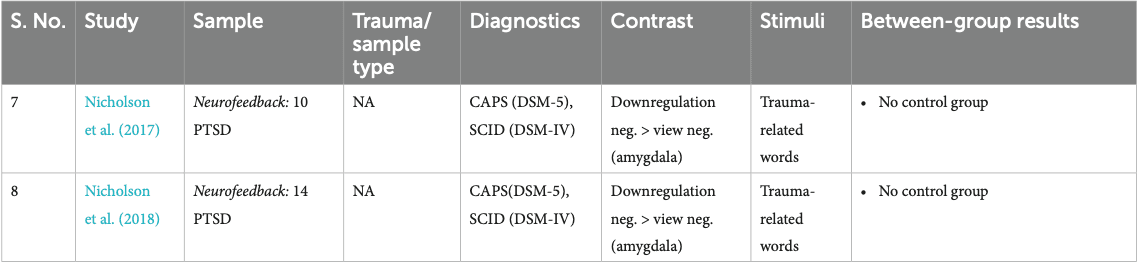
For an overview of studies assessing neural correlates of explicit emotion regulation in trauma-exposed people with and without PTSD, see Table 1.

TABLE 1 Overview of studies assessing neural correlates of explicit emotion regulation or neural plasticity.
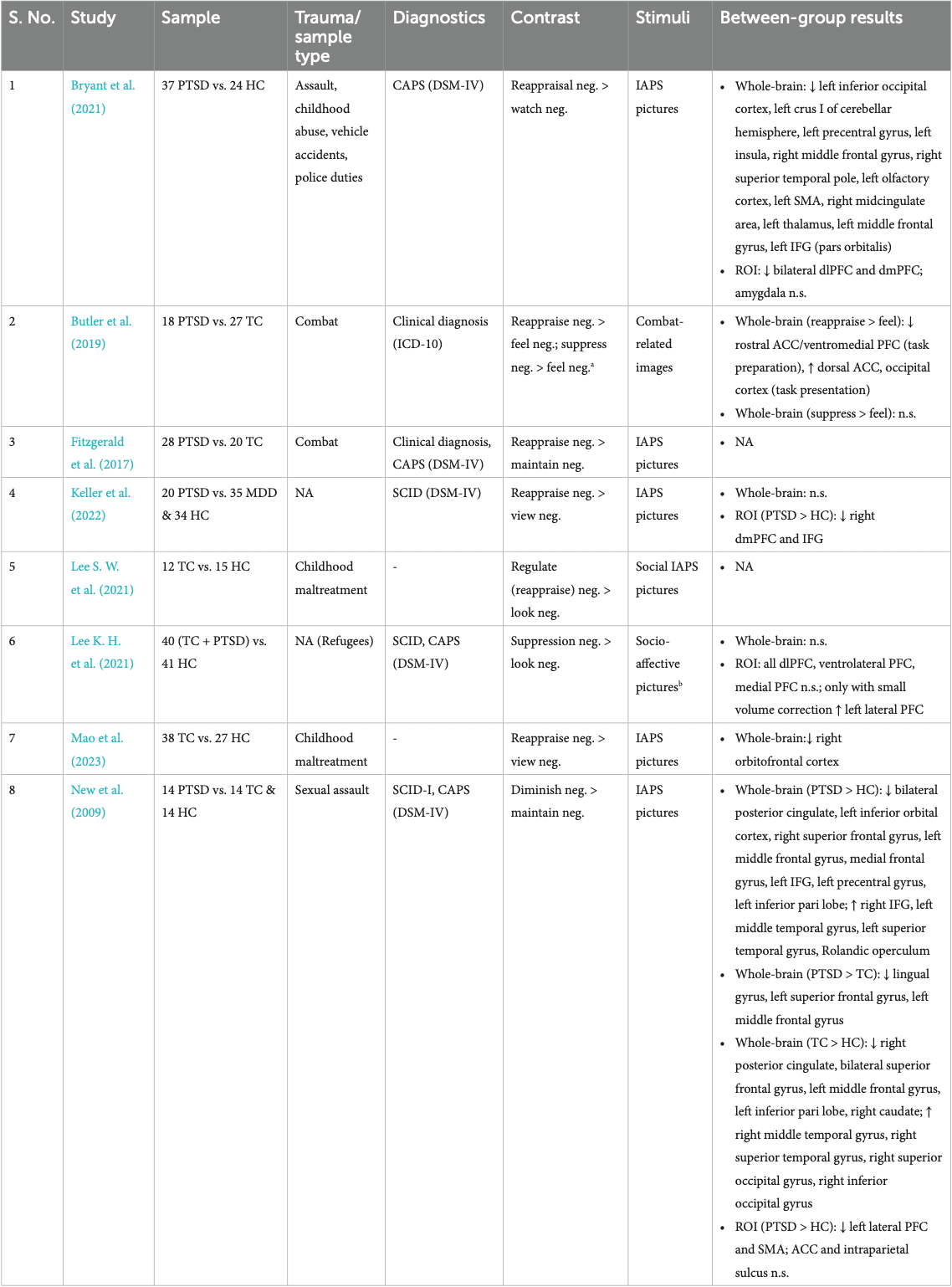
Table 1Table 1 (Continued)Table (Continued 2)

Overview of studies assessing neural correlates of explicit emotion regulation or neural plasticity.

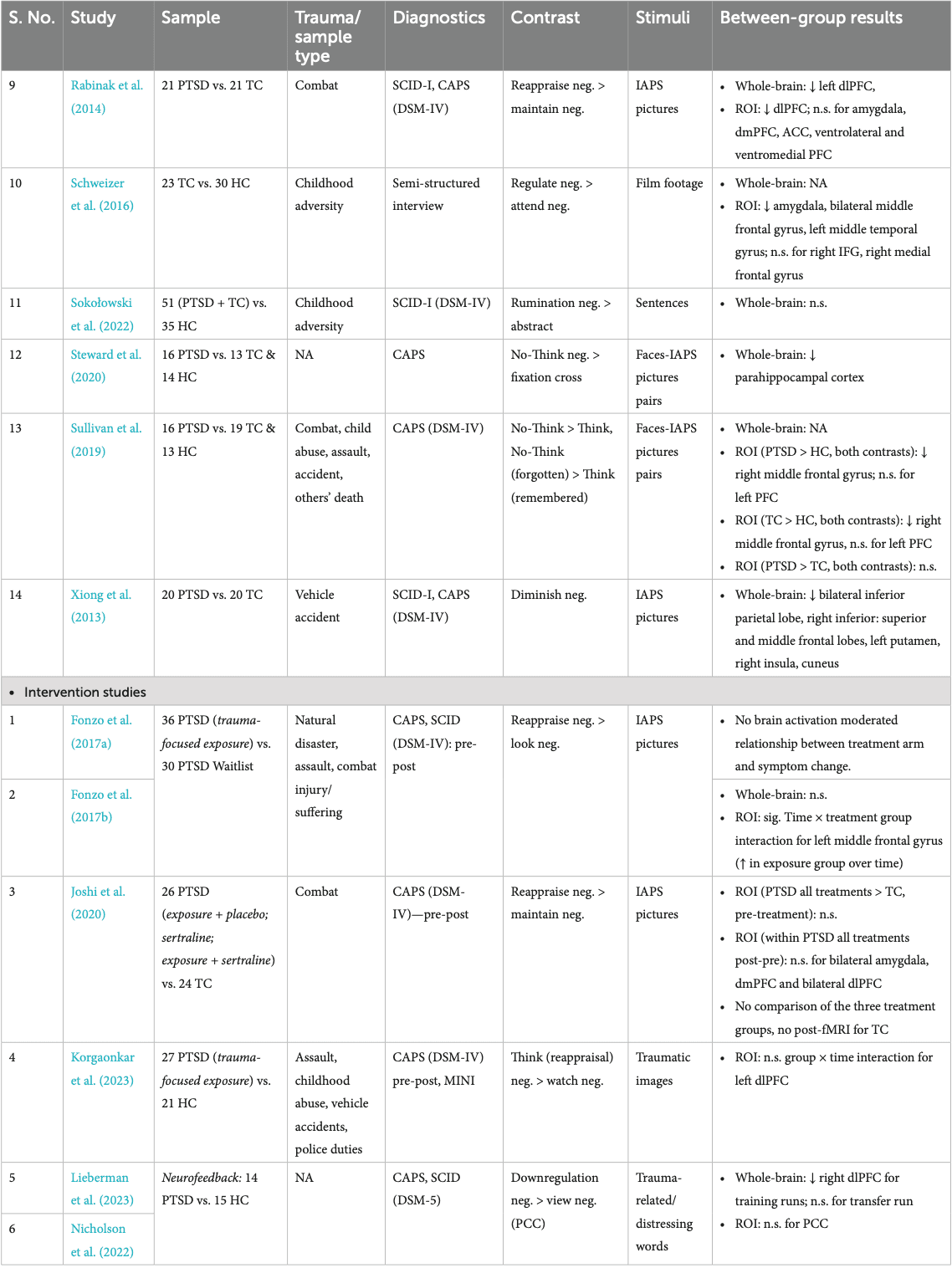
aTask preparation and image presentation phase; bKorean Social Affective Visual Stimuli. PTSD, posttraumatic stress disorder; TC, trauma-exposed controls; HC, healthy controls, MDD, Major Depressive Disorder; NA, not available/mentioned; CAPS, Clinically Administered PTSD Scale; SCID, Structured Clinical Interview; DSM, Diagnostic and Statistical Manual of Mental Disorders; MINI, Mini International Neuropsychiatric Interview; neg., negative; PCC, posterior cingulate cortex; IAPS, International Affective Picture System; ROI, regions of interest; SMA, supplementary motor area; dlPFC, dorsolateral prefrontal cortex; dmPFC, dorsomedial prefrontal cortex; IFG, inferior frontal gyrus.

2.1 Reappraisal

Reappraisal has been defined as an adaptive and antecedent-focused regulatory strategy and describes the process of changing the interpretation of an event that triggers an emotional response (Gross, 1998). In healthy participants, reappraisal engages a network of regions associated with cognitive control, (prefrontal cortex; PFC), conflict monitoring (anterior cingulate cortex; ACC), and semantic processing or perspective taking (middle temporal gyrus; Kanske et al., 2011; Buhle et al., 2014; see Figure 1).

Figure 1
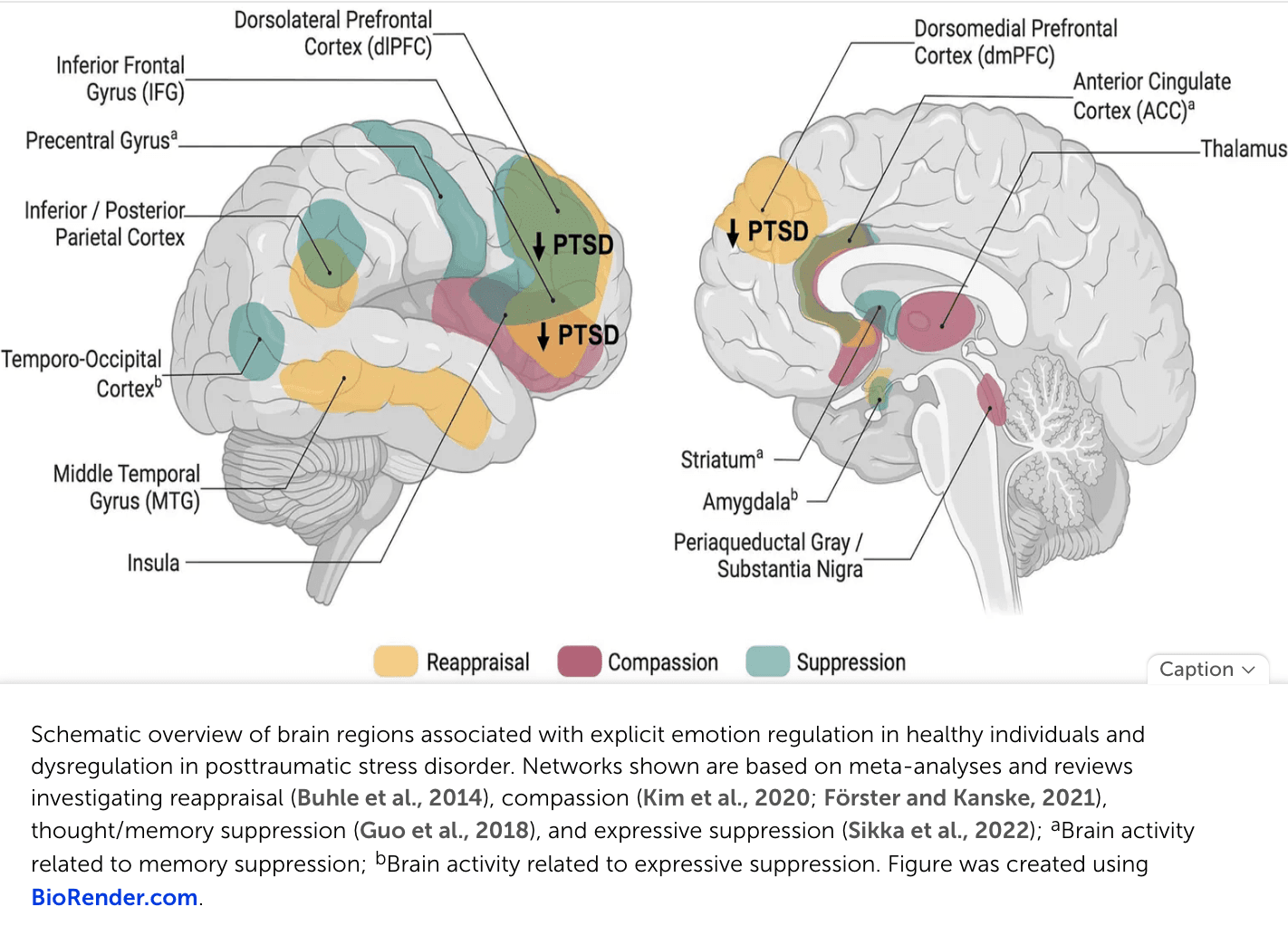
Figure 1

Few studies, even though not explicitly stating that they study reappraisal, instructed participants to “down-regulate” negative emotions (New et al., 2009; Xiong et al., 2013; Schweizer et al., 2016). As the instructions resemble reappraisal, we review these studies together with direct reappraisal instructions. Summarizing the findings in trauma-exposed individuals with PTSD, most studies reported reduced activation of prefrontal regions during reappraisal, suggesting impaired top-down regulatory control during effortful emotion regulation. Specifically, the results showed reduced reappraisal-related activation in key prefrontal areas such as the dorsolateral PFC (New et al., 2009; Rabinak et al., 2014; Bryant et al., 2021), dorsomedial PFC and inferior frontal gyrus (IFG; Bryant et al., 2021; Keller et al., 2022). However, a closer examination reveals that only three studies showed consistent reductions in prefrontal activity in both whole-brain and region-of-interest (ROI) analyses when comparing trauma-exposed individuals with PTSD to healthy controls (New et al., 2009; Bryant et al., 2021) or to trauma-exposed controls without PTSD (New et al., 2009; Rabinak et al., 2014). Other studies, also reported reduced prefrontal activity, but did not observe effects using whole-brain analysis (Keller et al., 2022), or were of lower methodological quality and reported no between-condition contrast (Xiong et al., 2013) or no between-group results (Fitzgerald et al., 2017; Lee S. W. et al., 2021). As such, the results are not specifically attributable to reappraisal or group differences.Interestingly, one study comparing trauma-exposed controls with and without PTSD distinguished between task instruction and strategy application while measuring brain activity (Butler et al., 2019). In contrast to the expected reduced activity in cognitive control and conflict monitoring regions, they reported heightened dorsal ACC activity in PTSD during strategy application. This finding diverges from other studies suggesting that some PTSD patients may exert greater effort during emotion regulation but with potentially reduced efficiency. Nevertheless, they found lower ventromedial PFC activation during the instruction phase in PTSD, aligning with theories of reduced regulatory control and highlighting the importance of differentiating between stages of emotion processing.Notably, reduced brain activity does not necessarily indicate emotion dysregulation, as success is also reflected by reduced negative affect or arousal. For reappraisal, studies showed that people with PTSD reported higher negative ratings than controls (New et al., 2009; Butler et al., 2019). Within-group analyses revealed mixed findings: some reported reduced negative responses following reappraisal (vs. maintain/feel) in PTSD (Rabinak et al., 2014), while others found no differences (Butler et al., 2019). These results complicate interpreting reduced prefrontal engagement as a marker of emotion dysregulation but overall hint a PTSD-specific deficiency in reappraisal. However, when comparing trauma-exposed individuals without PTSD to healthy controls, some studies suggest that reduced frontal activation in combination with reduced negative affect (successful downregulation) may be more indicative of efficiency. More specifically, Schweizer et al. (2016) reported that young adults with (vs. without) experiences of early adversity exhibited more successful downregulation in regions such as the amygdala, middle frontal, and temporal areas. Based on this pattern of reduced activity along with effective downregulation of negative emotions, the authors suggested that the early adversity group may have developed a more efficient neural network for emotion regulation, as they were used to manage emotional distress during childhood. In support of this hypothesis, New et al. (2009) showed that trauma-exposed individuals without PTSD exhibited reduced reappraisal-related activity in the left superior and middle frontal gyri compared to healthy controls, while showing no group differences in self-reported affect after reappraisal trials. Similarly, another study reported reduced activity in orbitofrontal regions, but did not report between-group results on reappraisal success (Mao et al., 2023). At a behavioral level, within-group analysis yielded reduced negative affect following reappraisal (vs. maintain), which is also indicative of successful regulation (Rabinak et al., 2014; Butler et al., 2019).Overall, comparing findings on people with and without PTSD indicate that the reduced prefrontal activity during reappraisal could be a specific effect related to PTSD but not to trauma exposure in general. Correspondingly, some studies also expected changes in the amygdala activation due to the failed prefrontal down-regulation after trauma exposure. However, there were no differences in amygdala activation in trauma-exposed individuals with compared to those without PTSD (Rabinak et al., 2014) or to healthy participants (Bryant et al., 2021) when using whole-brain or ROI analysis.In summary, studies assessing neural underpinnings of reappraisal related to trauma exposure hint that specifically PTSD appears to be associated with reduced prefrontal engagement, in the dorsolateral PFC. Although there is a growing body of research assessing reappraisal, small sample sizes, lack of reported whole-brain results or between-group contrasts still make it difficult to draw final conlusions considering other brain regions.

2.2 Suppression

In contrast to reappraisal, suppression targets the response directly by attempting to inhibit or prevent the full expression of the emotion but seems less effective (Gross, 1998; Gyurak et al., 2011). Similar to reappraisal, suppressing emotional expressions and memories engages prefrontal (e.g., dorsolateral, ventrolateral) and parietal regions (Guo et al., 2018; Sikka et al., 2022; see Figure 1). While expressive suppression has been specifically linked to reduced amygdala and insula activity, suggesting top-down control (Sikka et al., 2022), memory suppression involves striatal activation, indicating inhibitory pathways (Guo et al., 2018). Only few neuroimaging studies instructed participants to suppress negative emotions (Butler et al., 2019; Lee K. H. et al., 2021) or negative memories (Sullivan et al., 2019; Steward et al., 2020). Moreover, one study used instructions to suppress emotions but did not report any related results (Mao et al., 2023). Given the small set of studies, results are much more inconclusive compared to reappraisal trials.Lee K. H. et al. (2021) reported no differences in prefrontal regions using ROI or corrected whole-brain analysis. However, with small volume correction, refugees (with and without PTSD) compared to healthy controls showed stronger activation in the lateral PFC related to suppression. Hence, refugees may exert more effort to regulate negative emotions, although suppression (vs. the control condition) did not show success on reducing the intensity of negative emotions. Similarly, Butler et al. (2019) reported no differences between combat-exposed individuals with and without PTSD in brain activity at the whole-brain and behavioral level.Two studies used the Think-/No-Think paradigm, which assesses suppression of aversive memories rather than suppressing emotional responses. Using ROI analysis, Sullivan et al. (2019) found reduced activity in the middle frontal gyrus related to general and successful memory suppression for trauma-exposed people with and without PTSD compared to controls, suggesting a general effect of trauma, not specific to PTSD. In contrast, Steward et al. (2020) did not report similar findings. However, they reported that PTSD patients showed decreased parahippocampal activation during No-Think > Baseline at the whole-brain level compared to healthy controls. Because this contrast does not show brain activity unique to suppressing (vs. thinking about) a memory, it remains unclear whether the effect is suppression-specific or merely due to general attention effects.In summary, none of these studies reported robust differences between people with and without PTSD and control groups related to emotion or memory suppression. The use of different comparisons, samples (e.g., mixed group with and without PTSD vs. each group separated), and correction methods makes it difficult to aggregate these findings, calling for more research on neural correlates of suppression in trauma-exposed people with and without PTSD compared to healthy controls. Thus, it remains unclear whether potential underlying neural mechanisms of suppression, such as reduced prefrontal activation, are due to the experience of trauma in general or specific to PTSD.

2.3 Other emotion regulation strategies

Other explicit emotion regulation strategies have been far less studied, although on a behavioral level various maladaptive regulation strategies have been linked to PTSD, including, rumination, worry, or self-blame (Seligowski et al., 2015; Kaczkurkin et al., 2017). We identified one previous neuroimaging study using a rumination induction task, which showed no differences between individuals with and without adverse childhood experiences, despite differences in functional connectivity were reported (Sokołowski et al., 2022).Interestingly, one set of adaptive emotion regulation strategies has been neglected altogether in the neuroscientific research of PTSD, that is acceptance and compassion. While acceptance may be described as acknowledgement of the current states without being attached, or judgmental (Messina et al., 2021), compassion is defined as a caring feeling directed towards the suffering of others or to oneself (self-compassion; Neff, 2003; Goetz et al., 2010). When compassion is consciously evoked (e.g., through meditation) to reduce personal distress, it may be conceptualized as explicit emotion regulation (Engen and Singer, 2015). Compassion for others can be a special form of adaptive interpersonal emotion regulation, as it may be used not only to reduce personal distress in social situations, but also to maintain a connection with others (Engen and Singer, 2015). Since the induction of acceptance and compassion is usually associated with mindfulness-based interventions, studies already intersect with intervention research.We identified one study, directly assessing compassion in people with PTSD though not as an explicit regulation strategy, but as direct emotional response towards the suffering of others, reflecting the propensity of compassion. Pino et al. (2016), reported reduced activation in the left anterior insula and left IFG in participants with PTSD compared to trauma-exposed controls during the question of how much empathic concern (compassion) they were feeling in response to pictures of people. This finding supports the idea that training of compassion might be promising target of future research.

3 Neural plasticity of explicit emotion regulation following trauma

Training in adaptive explicit emotion regulation is a core component of several interventions for PTSD, utilizing strategies such as reappraisal, but also acceptance and compassion as part of third-wave cognitive-behavioral therapy (Ehlers and Clark, 2000; Hayes and Hofmann, 2017; Karatzias et al., 2023). Although some previous studies indeed examined neural predictors of treatment response (Szeszko and Yehuda, 2019; Manthey et al., 2021), studies including explicit emotion regulation tasks before and after treatment to examine neural plasticity are still scarce (see Table 1). Last, the field of real-time fMRI neurofeedback has emerged as potential treatment for PTSD to promote neural plasticity related to regulation of emotion-related brain activation.

3.1 Exposure therapy

Fonzo et al. (2017a, 2017b) investigated effects of prolonged exposure therapy on emotion regulation. Using ROI analysis they found a time-by-treatment effect indicating neural plasticity of reappraisal-related activation in the left middle frontal gyrus after prolonged exposure vs. waitlist (Fonzo et al., 2017b). In the same project, they did not find that reappraisal-related brain activity at baseline moderated the effect of treatment on symptom change (Fonzo et al., 2017a). These findings highlight that while exposure is associated with neural plasticity underpinning reappraisal, initial reappraisal-related brain activity seems not to be a marker of who will benefit most from treatment.Another project assessed reappraisal ability before and after trauma-focused exposure including one session of cognitive reframing (Bryant et al., 2021; Korgaonkar et al., 2023). Contrary to the results of Fonzo et al. (2017b), here reduced dorsolateral PFC activation during reappraisal from pre- to post-treatment was associated with reduced PTSD symptoms after treatment (Korgaonkar et al., 2023). Contrasting the hypothesis of increased prefrontal activation, this finding could be explained by increased efficiency in down-regulating aversive emotions. However, they did not find a reappraisal-related time-by-group interaction, indicating that activity changes were not uniquely driven by the treatment.In summary, these studies do show neural plasticity related to trauma-focused (exposure) therapy, but the exact mechanism remains unclear, as they observed both increased and decreased prefrontal activation. In contrast, one study combined exposure therapy with placebo or sertraline or applied medical treatment alone, but did not find significant differences between pre- and post-treatment (Joshi et al., 2020).

3.2 Mindfulness-based interventions

Mindfulness-based interventions have gained great attention for PTSD treatment (Boyd et al., 2018). Yet, we could not identify studies specifically investigating neural plasticity of compassion or acceptance in trauma-exposed people applying task-based fMRI at pre- and post-treatment. We did identify one study reporting increased resting-state connectivity of the posterior cingulate cortex the with dorsolateral PFC and dorsal ACC following mindfulness-based exposure therapy (including self-compassion exercises) in combat veterans with PTSD (King et al., 2016). Although resting-state connectivity is not the focus of our review, these findings provide initial evidence for emotion regulation-related neural plasticity in the context of mindfulness-based interventions in trauma-exposed individuals.

3.3 Neurofeedback

Within the last decade, real-time fMRI neurofeedback has shown potential in treating PTSD by promoting direct neuroplasticity. Using neurofeedback, participants are asked to regulate brain activity of a region, for instance, related to emotional experience. Changes in brain activity are visually presented to participants during training runs, followed by transfer runs without visual neurofeedback to assess learning. This form of regulation is—like explicit emotion regulation—a volitional control of the response to an emotional stimulus. When targeting the amygdala, Nicholson et al. (2017, 2018) reported that PTSD patients were able to downregulate amygdala activity in response to trauma-related words. This effect was sustained during transfer run, but did not increase between runs, indicating no learning. However, increased dorsolateral PFC activity between training runs suggested neuroplasticity, though this was not evident when comparing the first training and transfer run (Nicholson et al., 2018). The same research group showed that participants with PTSD and healthy controls were similarly able to decrease brain activity in the posterior cingulate cortex during downregulation vs. viewing of emotional words, without group differences (Nicholson et al., 2022; Lieberman et al., 2023).

4 Discussion

Overall, we reviewed neural underpinnings of explicit emotion regulation strategies following trauma and their neural plasticity. Based on the current body of literature, general conclusions on neural underpinnings across explicit emotion regulation strategies cannot be drawn. While reappraisal seems to be associated with a reduced activation in prefrontal brain regions specifically related to PTSD, there is still room for higher quality studies using larger samples sizes and comparing both trauma-exposed people with and without PTSD and healthy controls.There are general limitations of this review. First, no study had more than 40 participants per group. Given that many fMRI tasks show poor test–retest reliability (Elliott et al., 2020), much larger sample sizes are needed to provide robust estimates. Second, different comparisons lead to different results, as contrasting trauma-exposed individuals with and without PTSD is an option, but also contrasting both groups to healthy or clinical controls. Third, PTSD itself is a heterogeneous disorder including different types and time periods of trauma experience (single vs. prolonged traumatic event, childhood vs. adulthood), which makes aggregation of results more difficult.Based on this review, we identify the following challenges for future research: research could focus on strategies other than reappraisal, such as compassion, acceptance, rumination, or self-blame. Especially, the question whether there are different neural underpinnings related to different strategies would enhance our understanding of emotion dysregulation following trauma experience. For instance, in healthy participants contrasting compassion directly to reappraisal has revealed activity in the subgenual ACC, mid-insula, and ventral striatum, but not in cognitive control regions, such as the lateral PFC (Engen and Singer, 2015). These distinct neural pathways support the idea that compassion and reappraisal target different aspects of emotion regulation. While reappraisal seems to focus on the antecedent trigger decreasing negative affect, compassion generates positive affect (Engen and Singer, 2015). Notably, explicit emotion regulation is much more than the mere use of a given strategy. The investigation of emotion regulation flexibility, strategy preference, context and goal dependencies could enhance current research and contribute to our general understanding of emotion regulation. Moreover, studies should assess how specific symptoms, symptom clusters, and situational variation may relate to emotion dysregulation on a neural level.On the intervention research side, there have been promising projects assessing neural correlates of emotion regulation before and after treatment, and others demonstrating the potential of real-time fMRI neurofeedback. However, inconsistent findings related to trauma-focused exposure and lack of learning effects leave room for research. Finally, a general lack of evidence on the neural plasticity of emotion regulation through psychotherapeutic interventions and specifically through mindfulness-based trainings calls for further investigation, as the long-term training of acceptance and compassion could be a promising complement to reappraisal training.

Open Article as PDF

Introduction

Experiencing a traumatic event can significantly impact mental health. However, only a minority of individuals exposed to trauma develop a full mental disorder. Identifying people at risk requires understanding the specific processes that lead to mental health problems. Difficulties in managing emotions are believed to be a key factor in many mental disorders, including post-traumatic stress disorder (PTSD).

Emotion regulation is the process of changing the intensity or type of emotions. It is understood that individuals who have experienced trauma and struggle to manage negative emotions are more likely to develop mental health issues. There are two main types of emotion regulation: explicit and implicit. Explicit regulation involves a conscious effort to manage emotions, making it a good target for therapy and research. Strategies like avoidance, suppression, and rumination are often linked to mental health problems, while problem-solving and reappraisal are linked to better mental health.

Studies using self-reports have shown that explicit emotion regulation strategies like rumination, suppression, and reappraisal play a role in how childhood adversity leads to general mental health problems. Other research has also found a connection between rumination or suppression and PTSD symptoms.

While self-report measures are useful, they do not show the underlying brain processes involved in emotion regulation. Neuroscientific methods can help understand these processes. Examining the differences between explicit emotion regulation strategies after trauma can provide a more complete understanding of emotion regulation difficulties as a common factor in mental health problems after trauma. This understanding could help in developing better treatments. Currently, there is a lack of comprehensive reviews on the brain activity related to explicit emotion regulation after trauma.

This review aims to summarize studies on the brain activity linked to explicit emotion regulation strategies in trauma-exposed individuals, both with and without PTSD. The goal is to understand the general effects of trauma and how changes in emotion regulation might be specifically linked to PTSD symptoms. The review also highlights research gaps and discusses current and future developments in interventions that aim to change brain activity related to emotion regulation. Showing changes in brain activity after these interventions can help evaluate their long-term effectiveness.

Neural Correlates of Explicit Emotion Regulation Related to Traumatic Experience

This section provides an overview of studies that looked at brain activity related to explicit emotion regulation in people who have experienced trauma, both with and without PTSD.

Reappraisal

Reappraisal is an adaptive strategy where a person changes how they interpret an event that causes an emotional response. In healthy individuals, reappraisal involves brain regions responsible for cognitive control (prefrontal cortex), monitoring conflicts (anterior cingulate cortex), and understanding meaning or taking different perspectives (middle temporal gyrus).

Some studies, while not directly calling it "reappraisal," instructed participants to "down-regulate" negative emotions, which is similar to reappraisal. In trauma-exposed individuals with PTSD, most studies found reduced activity in the prefrontal brain regions during reappraisal. This suggests a weaker ability to control emotions during effortful regulation. Specifically, there was reduced activity in key prefrontal areas such as the dorsolateral prefrontal cortex, dorsomedial prefrontal cortex, and inferior frontal gyrus. However, only a few studies consistently showed these reductions when comparing individuals with PTSD to healthy controls or to trauma-exposed individuals without PTSD.

One study compared trauma-exposed individuals with and without PTSD, looking at brain activity during both task instruction and strategy use. Contrary to expectations, individuals with PTSD showed increased activity in the dorsal anterior cingulate cortex during strategy application. This might mean that some PTSD patients put more effort into regulating emotions but less effectively. However, they found less activity in the ventromedial prefrontal cortex during the instruction phase in PTSD, which supports the idea of reduced regulatory control.

It is important to note that reduced brain activity does not always mean poor emotion regulation, as success is also seen in reduced negative feelings. For reappraisal, studies showed that people with PTSD reported more negative feelings than controls. Within-group analyses had mixed results; some showed reduced negative responses after reappraisal in PTSD, while others found no difference. These findings make it difficult to interpret reduced prefrontal activity as a clear sign of emotion dysregulation, but generally suggest a specific weakness in reappraisal for PTSD.

When comparing trauma-exposed individuals without PTSD to healthy controls, some studies suggest that reduced frontal activity, along with reduced negative feelings, might indicate more efficient emotion regulation. Specifically, young adults with early adversity showed more successful downregulation in regions like the amygdala, middle frontal, and temporal areas. This pattern suggests that early adversity might lead to a more efficient brain network for emotion regulation, as these individuals were accustomed to managing emotional distress in childhood.

Overall, comparisons between individuals with and without PTSD suggest that reduced prefrontal activity during reappraisal may be specifically linked to PTSD, not just general trauma exposure. Despite this, there were no differences in amygdala activity in trauma-exposed individuals with or without PTSD compared to healthy participants.

In summary, studies on the brain mechanisms of reappraisal in trauma hint that PTSD is particularly associated with reduced activity in the dorsolateral prefrontal cortex. Although more research is being done on reappraisal, small study sizes and a lack of complete brain activity results or comparisons between groups make it challenging to draw firm conclusions about other brain regions.

Suppression

Suppression directly targets the emotional response by trying to stop or prevent its full expression, but it appears to be less effective than reappraisal. Like reappraisal, suppressing emotional expressions and memories involves prefrontal and parietal brain regions. Expressive suppression is linked to reduced activity in the amygdala and insula, suggesting cognitive control, while memory suppression involves activation in the striatum, indicating inhibitory pathways.

Only a few neuroimaging studies have instructed participants to suppress negative emotions or memories. Due to the small number of studies, the results are less clear than for reappraisal.

One study found no differences in prefrontal regions when using suppression instructions. However, with a specific analysis method, refugees (with and without PTSD) showed stronger activity in the lateral prefrontal cortex related to suppression compared to healthy controls. This suggests refugees might put more effort into regulating negative emotions, even if suppression did not reduce the intensity of those emotions. Another study reported no differences in brain activity or behavior between combat-exposed individuals with and without PTSD.

Two studies used a task that measures the suppression of unwanted memories. One found reduced activity in the middle frontal gyrus related to general and successful memory suppression in trauma-exposed individuals with and without PTSD compared to controls. This suggests a general effect of trauma, not specific to PTSD. The other study did not find similar results but reported that PTSD patients had decreased parahippocampal activation during a memory suppression task compared to healthy controls. However, because this comparison does not isolate brain activity unique to suppressing a memory, it is unclear if the effect is specific to suppression or simply due to general attention.

In conclusion, these studies did not show strong differences between individuals with and without PTSD and control groups related to emotion or memory suppression. The use of different comparisons, participant groups, and analysis methods makes it hard to combine these findings. More research is needed on the brain activity related to suppression in trauma-exposed individuals with and without PTSD compared to healthy controls. Therefore, it remains unclear whether potential underlying brain mechanisms of suppression, such as reduced prefrontal activation, are due to general trauma experience or specific to PTSD.

Other Emotion Regulation Strategies

Other explicit emotion regulation strategies have been studied much less, even though various unhelpful regulation strategies like rumination, worry, or self-blame have been linked to PTSD. One neuroimaging study using a rumination task found no differences in brain activity between individuals with and without adverse childhood experiences, although differences in brain connectivity were reported.

Interestingly, certain helpful emotion regulation strategies, such as acceptance and compassion, have been largely overlooked in neuroscience research on PTSD. Acceptance involves acknowledging current states without judgment, while compassion is a caring feeling toward one's own or others' suffering. When compassion is deliberately brought forth to reduce personal distress, it can be seen as explicit emotion regulation. Compassion for others can also be a unique form of helpful interpersonal emotion regulation, used to reduce personal distress in social situations and maintain connections. Since acceptance and compassion are often part of mindfulness-based interventions, studies in this area often overlap with intervention research.

One study directly assessed compassion in people with PTSD, but not as an explicit regulation strategy. It looked at the tendency to feel compassion as an emotional response to others' suffering. This study found reduced activation in the left anterior insula and left inferior frontal gyrus in participants with PTSD compared to trauma-exposed controls when considering how much empathic concern (compassion) they felt in response to pictures of people. This finding supports the idea that training compassion could be a promising area for future research.

Neural Plasticity of Explicit Emotion Regulation Following Trauma

Training in helpful explicit emotion regulation is a core part of several PTSD interventions, using strategies like reappraisal, acceptance, and compassion. While some studies have looked at what predicts treatment response in the brain, studies examining changes in brain activity related to explicit emotion regulation before and after treatment are still rare. Recently, real-time fMRI neurofeedback has emerged as a potential treatment for PTSD to promote brain changes related to emotion regulation.

Exposure Therapy

Studies have explored the effects of prolonged exposure therapy on emotion regulation. One project found changes in brain activity related to reappraisal in the left middle frontal gyrus after prolonged exposure therapy compared to a waitlist group. However, the initial brain activity related to reappraisal did not predict who would benefit most from the treatment. These findings show that exposure therapy leads to brain changes underlying reappraisal, but the initial brain activity itself does not seem to indicate treatment success.

Another project assessed reappraisal ability before and after trauma-focused exposure therapy, which included cognitive reframing. Contrary to expectations, reduced activity in the dorsolateral prefrontal cortex during reappraisal from before to after treatment was linked to fewer PTSD symptoms. This might be explained by increased efficiency in reducing unpleasant emotions. However, they did not find that these brain activity changes were uniquely driven by the treatment.

In summary, these studies demonstrate brain changes related to trauma-focused (exposure) therapy, but the exact mechanism is unclear, as both increased and decreased prefrontal activation were observed. In contrast, one study that combined exposure therapy with medication or used medication alone did not find significant pre- and post-treatment differences.

Mindfulness-Based Interventions

Mindfulness-based interventions have gained considerable attention for treating PTSD. However, no studies were found that specifically investigated brain changes related to compassion or acceptance in trauma-exposed individuals using task-based fMRI before and after treatment. One study did report increased resting-state connectivity in brain regions related to emotion regulation after mindfulness-based exposure therapy (including self-compassion exercises) in combat veterans with PTSD. Although this review does not focus on resting-state connectivity, these findings provide initial evidence for brain changes related to emotion regulation in the context of mindfulness-based interventions in trauma-exposed individuals.

Neurofeedback

In the past decade, real-time fMRI neurofeedback has shown promise in treating PTSD by directly promoting brain changes. In neurofeedback, participants are asked to control brain activity in a specific region, such as one related to emotional experience. Changes in brain activity are shown visually to participants during training sessions, followed by transfer sessions without visual feedback to assess learning. This form of regulation, like explicit emotion regulation, involves intentional control over the response to an emotional stimulus.

When targeting the amygdala, studies found that PTSD patients were able to reduce amygdala activity in response to trauma-related words. This effect continued during the transfer session but did not increase between sessions, indicating no learning. However, increased dorsolateral prefrontal cortex activity between training sessions suggested brain plasticity, although this was not evident when comparing the first training and transfer session. The same research group showed that participants with PTSD and healthy controls were similarly able to decrease brain activity in the posterior cingulate cortex during downregulation compared to viewing emotional words, with no differences between groups.

Discussion

This review examined the brain mechanisms of explicit emotion regulation strategies after trauma and their ability to change. Based on the current research, it is difficult to draw broad conclusions about the brain mechanisms across all explicit emotion regulation strategies. While reappraisal appears to be linked to reduced activity in prefrontal brain regions specifically in PTSD, there is a need for higher quality studies with larger sample sizes that compare trauma-exposed individuals with and without PTSD, as well as healthy controls.

This review has several limitations. First, no study included more than 40 participants per group. Given that many fMRI tasks show inconsistent results over time, much larger sample sizes are needed to provide reliable estimates. Second, different comparisons (e.g., trauma-exposed individuals with and without PTSD versus healthy controls or other clinical groups) yield different results. Third, PTSD itself is a complex disorder with varying types and durations of trauma exposure (e.g., single versus prolonged events, childhood versus adulthood trauma), which makes combining results challenging.

Based on this review, future research faces several challenges: Research could focus on strategies other than reappraisal, such as compassion, acceptance, rumination, or self-blame. Specifically, investigating whether different strategies involve different brain mechanisms would enhance our understanding of emotion dysregulation after trauma. For example, in healthy participants, comparing compassion directly to reappraisal has shown activity in distinct brain regions, suggesting that compassion and reappraisal target different aspects of emotion regulation. While reappraisal seems to focus on the initial cause of emotion to decrease negative feelings, compassion generates positive feelings.

Importantly, explicit emotion regulation involves more than just using a particular strategy. Exploring the flexibility of emotion regulation, preferred strategies, and how context and goals influence regulation could improve current research and our general understanding of emotion regulation. Furthermore, studies should assess how specific symptoms, symptom clusters, and situational variations might relate to emotion dysregulation at a neural level.

On the intervention research side, there have been promising projects assessing brain correlates of emotion regulation before and after treatment, and others demonstrating the potential of real-time fMRI neurofeedback. However, inconsistent findings related to trauma-focused exposure therapy and a lack of clear learning effects leave room for further research. Finally, a general lack of evidence on the brain plasticity of emotion regulation through psychotherapy, especially mindfulness-based trainings, calls for more investigation. Long-term training of acceptance and compassion could be a valuable complement to reappraisal training.

Open Article as PDF

Introduction

Experiencing a traumatic event can have a deep impact and often leads to various mental health symptoms. However, only a small number of people exposed to trauma develop a full mental disorder. To identify those at risk, it is important to study the specific ways mental health problems develop. Difficulty with emotion regulation is considered a key factor in many mental disorders, including post-traumatic stress disorder (PTSD).

Emotion regulation is the process of changing the strength or type of emotions, either consciously or unconsciously. People who have experienced trauma and struggle to manage negative emotions are more likely to develop mental health issues. Explicit regulation involves a purposeful effort to start and control the process, while implicit regulation is an automatic process that often happens without awareness. Because explicit emotion regulation can be clearly described and intentionally addressed, it is a significant focus for therapy and research.

Explicit emotion regulation includes many different strategies. Studies often measure these strategies through self-reports or by asking participants to apply a specific strategy in comparison to a control condition. Strategies like avoidance, suppression, and rumination have been linked to more mental health problems, while problem-solving and reappraisal have been linked to fewer problems.

Regarding trauma, studies using self-report measures show that explicit emotion regulation strategies like rumination, suppression, and reappraisal act as links between childhood hardship and general mental health problems. Other studies have also found connections between rumination or suppression and PTSD symptoms, but not for reappraisal.

While self-report measures are useful for understanding changes in explicit emotion regulation after trauma, they do not show the underlying processes that are common to or different among strategies. Neuroscientific methods, such as brain imaging, can help explore these underlying mechanisms. Understanding the differences between explicit emotion regulation strategies after trauma could provide a more complete picture of emotion regulation difficulties as a common factor in trauma-related mental health issues. This understanding could then help develop better treatments.

Past reviews on this topic have been limited. Some only looked at a few studies, and one focused only on reappraisal, ignoring other strategies. On the other hand, automatic forms of emotion processing related to trauma have received more attention. This highlights a need for a complete review of the current research on brain activity related to explicit emotion regulation after trauma.

Therefore, this paper aims to summarize studies that report brain activity related to explicit emotion regulation strategies (in response to negative stimuli) in people exposed to trauma. By including individuals with and without PTSD, this review explores general effects of trauma exposure. Differences between these groups may point to specific changes in emotion regulation linked to PTSD symptoms. Secondly, it highlights areas where more research is needed. Thirdly, it discusses current and future developments in intervention research that study how emotion regulation in the brain can change. Showing that explicit emotion regulation in the brain can change provides another way to evaluate the long-term effectiveness of these treatments and how they work.

Neural Correlates of Explicit Emotion Regulation Related to Traumatic Experience

This section provides an overview of studies that examine brain activity during explicit emotion regulation in individuals exposed to trauma, both with and without PTSD.

Reappraisal

Reappraisal is an adaptive strategy where a person changes the way they think about an event that causes an emotional response. In healthy individuals, reappraisal involves brain regions linked to cognitive control (the prefrontal cortex), monitoring conflicts (the anterior cingulate cortex), and understanding meaning or taking different perspectives (the middle temporal gyrus).

A few studies, while not always explicitly using the term "reappraisal," instructed participants to "down-regulate" negative emotions. These instructions are similar to reappraisal, so these studies are included in this review. Most studies with trauma-exposed individuals who have PTSD reported less activity in the prefrontal regions during reappraisal. This suggests reduced control over emotions when trying to regulate them. Specifically, reduced reappraisal-related activity was found in key prefrontal areas such as the dorsolateral prefrontal cortex (PFC), dorsomedial PFC, and inferior frontal gyrus (IFG). However, a closer look shows that only a few studies consistently found these reductions when comparing trauma-exposed individuals with PTSD to healthy controls or to trauma-exposed individuals without PTSD. Other studies reported reduced prefrontal activity, but these findings were not always consistent across different analysis methods or were from studies with lower methodological quality. Therefore, these results are not always clearly linked to reappraisal or differences between groups.

One study comparing trauma-exposed individuals with and without PTSD looked at brain activity during both the instruction phase and the strategy application phase. Instead of less activity in brain regions related to cognitive control and conflict monitoring, this study found increased activity in the dorsal anterior cingulate cortex (ACC) in people with PTSD during strategy application. This finding differs from other studies and suggests that some PTSD patients might put in more effort during emotion regulation but with less effective results. However, they did find less activity in the ventromedial PFC during the instruction phase in PTSD, which aligns with ideas of reduced regulatory control and shows the importance of distinguishing between different stages of emotion processing.

It is important to note that reduced brain activity does not always mean emotion dysregulation. Success can also be seen in less negative feelings or physical arousal. For reappraisal, studies showed that people with PTSD reported more negative ratings than controls. Within-group analyses had mixed results: some reported fewer negative responses after reappraisal in PTSD, while others found no differences. These findings make it harder to interpret reduced prefrontal activity as a sign of emotion dysregulation, but they generally suggest a specific difficulty with reappraisal in PTSD. However, when comparing trauma-exposed individuals without PTSD to healthy controls, some studies suggest that less frontal brain activity combined with fewer negative feelings (successful regulation) may indicate more efficient processing. Specifically, one study found that young adults with early adversity showed more successful down-regulation in areas like the amygdala and middle frontal and temporal regions. The authors suggested that this pattern of reduced activity and effective down-regulation of negative emotions indicates that the early adversity group might have developed a more efficient brain network for emotion regulation due to managing emotional distress in childhood. In support of this, another study showed that trauma-exposed individuals without PTSD had less reappraisal-related activity in specific frontal brain areas compared to healthy controls, with no differences in self-reported feelings after reappraisal. Similarly, another study reported less activity in orbitofrontal regions but did not show differences in reappraisal success between groups. At a behavioral level, within-group analysis showed less negative affect after reappraisal, also indicating successful regulation.

Overall, comparing findings for people with and without PTSD suggests that reduced prefrontal activity during reappraisal could be specific to PTSD, not just general trauma exposure. Some studies also expected changes in amygdala activity due to failed prefrontal down-regulation after trauma exposure. However, there were no differences in amygdala activity between trauma-exposed individuals with and without PTSD or compared to healthy participants.

In summary, studies examining the brain basis of reappraisal in relation to trauma exposure suggest that PTSD is specifically linked to reduced activity in the dorsolateral PFC. Although research on reappraisal is growing, small sample sizes, a lack of reported whole-brain results, or missing comparisons between groups still make it difficult to draw final conclusions about other brain regions.

Suppression

In contrast to reappraisal, suppression directly targets the emotional response by trying to stop or prevent the full expression of an emotion, but it appears to be less effective. Similar to reappraisal, suppressing emotional expressions and memories involves prefrontal (e.g., dorsolateral, ventrolateral) and parietal brain regions. Expressive suppression has been specifically linked to reduced activity in the amygdala and insula, suggesting top-down control, while memory suppression involves activation in the striatum, indicating inhibitory pathways.

Only a few neuroimaging studies have instructed participants to suppress negative emotions or negative memories. Additionally, one study used instructions to suppress emotions but did not report any related results. Given the small number of studies, the findings are much less clear compared to reappraisal studies.

One study reported no differences in prefrontal regions when using specific region-of-interest (ROI) or corrected whole-brain analysis. However, with a smaller correction method, refugees (with and without PTSD) showed stronger activation in the lateral PFC related to suppression compared to healthy controls. This suggests that refugees might exert more effort to regulate negative emotions, even though suppression did not successfully reduce the intensity of negative emotions. Similarly, another study reported no differences in brain activity or behavior between combat-exposed individuals with and without PTSD.

Two studies used a "Think-/No-Think" method, which assesses the suppression of unpleasant memories rather than suppressing emotional responses. Using ROI analysis, one study found less activity in the middle frontal gyrus related to general and successful memory suppression for trauma-exposed people with and without PTSD compared to controls. This suggests a general effect of trauma, not specific to PTSD. In contrast, another study did not report similar findings. However, that study did report that PTSD patients showed decreased parahippocampal activation during the "No-Think" condition compared to a baseline, at the whole-brain level, when compared to healthy controls. Because this comparison does not show brain activity unique to suppressing (versus thinking about) a memory, it is unclear if the effect is specific to suppression or simply due to general attention effects.

In summary, none of these studies reported strong differences between people with and without PTSD and control groups related to emotion or memory suppression. The use of different comparisons, participant groups (e.g., mixed groups with and without PTSD versus separate groups), and correction methods makes it difficult to combine these findings. More research is needed on the brain activity related to suppression in trauma-exposed people with and without PTSD compared to healthy controls. Therefore, it remains unclear whether potential underlying brain mechanisms of suppression, such as reduced prefrontal activation, are due to the general experience of trauma or are specific to PTSD.

Other Emotion Regulation Strategies

Other explicit emotion regulation strategies have been much less studied, even though, at a behavioral level, various unhelpful regulation strategies like rumination, worry, or self-blame have been linked to PTSD. One neuroimaging study using a rumination task found no differences in brain activity between individuals with and without adverse childhood experiences, although differences in how brain regions communicate were reported.

Interestingly, a set of helpful emotion regulation strategies—acceptance and compassion—has been largely ignored in neuroscientific research on PTSD. Acceptance can be described as acknowledging current states without judgment or attachment, while compassion is defined as a caring feeling directed towards the suffering of others or oneself (self-compassion). When compassion is intentionally evoked (e.g., through meditation) to reduce personal distress, it can be considered explicit emotion regulation. Compassion for others can be a special form of adaptive interpersonal emotion regulation, used not only to lessen personal distress in social situations but also to maintain connection with others. Since acceptance and compassion are often part of mindfulness-based interventions, studies in this area already connect with intervention research.

One study directly assessed compassion in people with PTSD, though not as an explicit regulation strategy, but as a direct emotional response to the suffering of others, reflecting a person's tendency for compassion. This study reported reduced activation in the left anterior insula and left inferior frontal gyrus in participants with PTSD compared to trauma-exposed controls. This occurred when participants were asked how much empathic concern (compassion) they felt in response to pictures of people. This finding supports the idea that compassion training could be a promising area for future research.

Neural Plasticity of Explicit Emotion Regulation Following Trauma

Training in helpful explicit emotion regulation is a key part of several PTSD treatments. These treatments use strategies like reappraisal, and also acceptance and compassion as part of newer cognitive-behavioral therapies. While some studies have looked at brain activity as a predictor of how well someone responds to treatment, studies that examine brain plasticity by using explicit emotion regulation tasks before and after treatment are still rare. Recently, real-time fMRI neurofeedback has emerged as a potential treatment for PTSD to promote changes in brain activity related to emotion regulation.

Exposure Therapy

Two studies investigated the effects of prolonged exposure therapy on emotion regulation. Using specific region-of-interest (ROI) analysis, they found that reappraisal-related activity in the left middle frontal gyrus showed changes after prolonged exposure therapy compared to a waitlist group. This indicates that the brain's ability to change (neural plasticity) occurred. In the same project, they did not find that initial reappraisal-related brain activity predicted how much symptoms would improve with treatment. These findings suggest that while exposure therapy is linked to brain changes that support reappraisal, the initial brain activity related to reappraisal does not seem to indicate who will benefit most from treatment.

Another project assessed reappraisal ability before and after trauma-focused exposure, which included one session of cognitive reframing. Contrary to the previous findings, this study found that reduced activity in the dorsolateral prefrontal cortex during reappraisal from before to after treatment was linked to fewer PTSD symptoms after treatment. This finding, which goes against the idea of increased prefrontal activation, could be explained by improved efficiency in regulating unpleasant emotions. However, they did not find an interaction between reappraisal activity and group over time, meaning the brain activity changes were not uniquely caused by the treatment.

In summary, these studies do show that trauma-focused (exposure) therapy leads to brain changes related to emotion regulation. However, the exact mechanism remains unclear, as both increased and decreased prefrontal activation were observed. In contrast, one study that combined exposure therapy with placebo or sertraline, or used medical treatment alone, did not find significant differences in brain activity from before to after treatment.

Mindfulness-Based Interventions

Mindfulness-based interventions have received significant attention for treating PTSD. However, studies specifically investigating how compassion or acceptance change in the brain in trauma-exposed people, using task-based fMRI before and after treatment, could not be identified. One study did report increased resting-state connectivity between the posterior cingulate cortex and the dorsolateral prefrontal cortex and dorsal anterior cingulate cortex after mindfulness-based exposure therapy (including self-compassion exercises) in combat veterans with PTSD. While resting-state connectivity is not the main focus of this review, these findings offer initial evidence for emotion regulation-related neural plasticity in the context of mindfulness-based interventions in trauma-exposed individuals.

Neurofeedback

Over the past ten years, real-time fMRI neurofeedback has shown promise in treating PTSD by directly promoting brain changes. With neurofeedback, participants are asked to control the activity of a specific brain region, for example, one related to emotional experience. Changes in brain activity are shown visually to participants during training sessions, followed by transfer sessions without visual feedback to assess learning. This type of regulation, like explicit emotion regulation, involves intentionally controlling the response to an emotional stimulus.

When targeting the amygdala, studies reported that PTSD patients were able to decrease amygdala activity in response to trauma-related words. This effect continued during the transfer session but did not increase between sessions, indicating no learning. However, increased dorsolateral prefrontal cortex activity between training sessions suggested neural plasticity, though this was not clear when comparing the first training and transfer session. The same research group showed that participants with PTSD and healthy controls were similarly able to decrease brain activity in the posterior cingulate cortex during down-regulation compared to viewing emotional words, with no differences between groups.

Discussion

Overall, this review examined the brain mechanisms of explicit emotion regulation strategies after trauma and how these mechanisms can change. Based on the current research, general conclusions about the brain mechanisms across all explicit emotion regulation strategies cannot be drawn. While reappraisal appears to be linked to reduced activity in prefrontal brain regions specifically related to PTSD, there is still a need for higher quality studies with larger sample sizes that compare trauma-exposed individuals both with and without PTSD, as well as healthy controls.

There are general limitations to this review. First, no study had more than 40 participants per group. Given that many fMRI tasks show inconsistent results over time, much larger sample sizes are needed to provide reliable estimates. Second, different comparisons lead to different results; for example, comparing trauma-exposed individuals with and without PTSD is one option, but also comparing both groups to healthy or other clinical controls. Third, PTSD itself is a complex disorder with various types and durations of trauma experience (e.g., a single versus prolonged traumatic event, childhood versus adulthood), which makes combining results more challenging.

Based on this review, several challenges for future research are identified. Research could focus on strategies other than reappraisal, such as compassion, acceptance, rumination, or self-blame. Specifically, understanding if different strategies involve different brain mechanisms would improve our understanding of emotion dysregulation after trauma. For example, in healthy participants, directly comparing compassion to reappraisal has shown activity in specific brain regions like the subgenual anterior cingulate cortex, mid-insula, and ventral striatum, but not in cognitive control regions like the lateral prefrontal cortex. These distinct brain pathways support the idea that compassion and reappraisal target different aspects of emotion regulation. While reappraisal seems to focus on the initial cause of an emotion, decreasing negative feelings, compassion generates positive feelings. Notably, explicit emotion regulation involves more than just using a specific strategy. Investigating flexibility in emotion regulation, strategy preference, and how context and goals influence regulation could enhance current research and contribute to our general understanding of emotion regulation. Moreover, studies should assess how specific symptoms, symptom clusters, and variations in situations might relate to emotion dysregulation at a brain level.

On the intervention research side, there have been promising projects that assess the brain activity of emotion regulation before and after treatment, and others that demonstrate the potential of real-time fMRI neurofeedback. However, inconsistent findings related to trauma-focused exposure therapy and a lack of clear learning effects leave room for further research. Finally, a general lack of evidence on how emotion regulation in the brain changes through psychotherapy, and specifically through mindfulness-based trainings, calls for further investigation. Long-term training of acceptance and compassion could be a promising addition to reappraisal training.

Open Article as PDF

Summary

Experiencing a traumatic event can lead to various mental health challenges, but only some people develop a mental disorder like post-traumatic stress disorder (PTSD). Understanding how emotions are managed after trauma is important for identifying individuals at risk. Difficulties with emotion regulation, which is the process of consciously or unconsciously changing the intensity or type of emotions, are common in many mental health conditions, including PTSD.

People who have experienced trauma and struggle with managing negative emotions are more likely to develop mental health problems. Explicit emotion regulation involves a deliberate effort to control emotions and can be targeted in therapy. Studies have shown that strategies like avoidance, suppression, and rumination are often linked to mental health issues, while problem-solving and reappraisal are not. Research using self-report measures has indicated that explicit emotion regulation strategies can play a role in how childhood adversity leads to mental health problems.

While self-reports are helpful, neuroscience methods can offer a deeper understanding of the brain processes involved in emotion regulation after trauma. This deeper understanding could help in developing better treatments. Current research has not fully explored the brain activity related to explicit emotion regulation after trauma.

Therefore, this document aims to summarize studies on the brain activity linked to explicit emotion regulation strategies in trauma-exposed individuals, both with and without PTSD. The goal is to understand the general effects of trauma and how emotion regulation changes may specifically relate to PTSD symptoms. This document also highlights gaps in research and discusses current and future developments in interventions that study the brain's ability to change in response to emotion regulation training.

Neural Correlates of Explicit Emotion Regulation Related to Traumatic Experience

This section provides an overview of studies that examine brain activity related to explicit emotion regulation in individuals exposed to trauma, with or without PTSD.

Reappraisal

Reappraisal is a strategy that involves changing how one interprets an event to lessen its emotional impact. In people without trauma, reappraisal uses brain areas associated with thinking control, monitoring conflicts, and understanding meanings.

Some studies have asked participants to "down-regulate" negative emotions, which is similar to reappraisal. For trauma-exposed individuals with PTSD, most studies reported less activity in the prefrontal brain regions during reappraisal. This suggests a reduced ability to control emotions during this process. Specifically, areas like the dorsolateral PFC, dorsomedial PFC, and inferior frontal gyrus showed less activity. However, only a few studies consistently found these reductions when comparing individuals with PTSD to healthy individuals or trauma-exposed individuals without PTSD.

One study found increased activity in a different brain region (dorsal ACC) in people with PTSD when they were actively using a strategy, which might mean they are trying harder but not more effectively. They also found less activity in another prefrontal area during the instruction phase for people with PTSD, supporting the idea of reduced control.

It is important to note that less brain activity does not always mean poor emotion control. Successful reappraisal can also be seen as reduced negative feelings. People with PTSD often report more negative feelings than others. While some studies show reduced negative responses after reappraisal in PTSD, others find no difference. These mixed results make it difficult to interpret reduced prefrontal activity solely as a sign of poor emotion control, but they generally suggest a specific weakness in reappraisal for those with PTSD.

In contrast, for trauma-exposed individuals without PTSD, reduced frontal activity coupled with less negative feelings might indicate more efficient emotion regulation. Some studies showed that these individuals had more successful emotion control and less activity in certain brain areas compared to healthy individuals, suggesting they might have developed a more efficient way to manage emotions.

Overall, comparisons suggest that reduced prefrontal activity during reappraisal might be specific to PTSD rather than to trauma exposure in general. There were no consistent differences in amygdala activity (a brain region involved in emotion) in trauma-exposed individuals with or without PTSD compared to healthy participants.

In summary, studies on reappraisal and trauma suggest that PTSD is linked to reduced activity in the prefrontal cortex, particularly the dorsolateral PFC. More research with larger groups and better comparisons is needed to draw firmer conclusions about other brain regions.

Suppression

Suppression aims to directly inhibit or prevent the full expression of an emotion but is generally considered less effective than reappraisal. Suppressing emotions involves brain regions in the prefrontal and parietal lobes. Suppressing emotional expressions has been linked to reduced activity in the amygdala and insula, indicating control over emotions. Suppressing memories involves different brain areas related to inhibition.

Only a few neuroimaging studies have looked at suppressing negative emotions or memories in trauma-exposed individuals. Results from these limited studies are less clear than those for reappraisal.

One study found no differences in prefrontal regions when comparing refugees (with and without PTSD) to healthy individuals, although with specific analysis, refugees showed more activity in the lateral PFC. This might mean they put more effort into regulating emotions, even if suppression did not reduce the intensity of negative emotions. Another study found no differences in brain activity or behavior between combat-exposed individuals with and without PTSD.

Two studies used a method called the "Think-/No-Think" paradigm to examine memory suppression. One study found reduced activity in the middle frontal gyrus in trauma-exposed individuals (with and without PTSD) compared to controls, suggesting a general effect of trauma not specific to PTSD. The other study did not find similar results but reported decreased activity in a different brain area (parahippocampal) in PTSD patients during a specific memory task. However, it is unclear if this effect was specific to suppression.

In conclusion, these studies did not find clear differences between individuals with and without PTSD or control groups regarding emotion or memory suppression. The varied study designs, participant groups, and analysis methods make it hard to combine the findings. More research is needed to understand the brain mechanisms of suppression in trauma-exposed individuals. It is still unclear whether changes in brain activity related to suppression are due to trauma generally or specifically to PTSD.

Other Emotion Regulation Strategies

Other explicit emotion regulation strategies, such as rumination, worry, or self-blame, have been less studied, even though they are linked to PTSD at a behavioral level. One study on rumination found no differences in brain activity between individuals with and without adverse childhood experiences, although connectivity between brain regions differed.

Adaptive strategies like acceptance and compassion have been largely ignored in neuroscience research on PTSD. Acceptance is recognizing current states without judgment, and compassion is feeling care for suffering in oneself or others. When compassion is intentionally used to reduce personal distress, it can be seen as explicit emotion regulation.

One study looked at compassion in people with PTSD, not as a regulation strategy but as an emotional response to others' suffering. It found reduced activity in certain brain areas (left anterior insula and left inferior frontal gyrus) in people with PTSD compared to trauma-exposed controls when they considered how much empathy they felt in response to pictures of people. This suggests that compassion training could be a promising area for future research.

Neural Plasticity of Explicit Emotion Regulation Following Trauma

Training in adaptive explicit emotion regulation is a key part of many PTSD treatments, using strategies like reappraisal, acceptance, and compassion. While some studies have looked at brain predictors of treatment response, few have examined changes in brain activity related to explicit emotion regulation before and after treatment to understand brain plasticity. Real-time fMRI neurofeedback has also emerged as a potential treatment for PTSD to promote brain changes related to emotion regulation.

Exposure Therapy

Studies have examined the effects of prolonged exposure therapy on emotion regulation. One study found changes in brain activity related to reappraisal in a specific brain region (left middle frontal gyrus) after prolonged exposure therapy compared to a waitlist group, indicating brain plasticity. However, the study did not find that initial brain activity during reappraisal predicted who would benefit most from treatment.

Another project looked at reappraisal ability before and after trauma-focused exposure therapy. Contrary to previous findings, reduced activity in the dorsolateral PFC during reappraisal from before to after treatment was linked to fewer PTSD symptoms. This might suggest increased efficiency in controlling negative emotions. However, these changes were not specifically driven by the treatment alone.

In summary, these studies show that trauma-focused (exposure) therapy is linked to brain changes related to reappraisal, but the exact mechanisms are unclear, as both increased and decreased prefrontal activity have been observed. One study that combined exposure therapy with medication or used medication alone did not find significant changes before and after treatment.

Mindfulness-Based Interventions

Mindfulness-based interventions have gained attention for PTSD treatment. However, there are no studies specifically investigating brain changes related to compassion or acceptance in trauma-exposed individuals using task-based fMRI before and after treatment. One study did report increased connectivity between certain brain regions (posterior cingulate cortex with dorsolateral PFC and dorsal ACC) after mindfulness-based exposure therapy (including self-compassion exercises) in combat veterans with PTSD. While this focused on resting-state brain activity, it provides initial evidence for brain changes related to emotion regulation in the context of mindfulness-based interventions in trauma-exposed individuals.

Neurofeedback

Real-time fMRI neurofeedback has shown promise in treating PTSD by directly promoting brain changes. In neurofeedback, participants are taught to regulate the activity of a specific brain region, with visual feedback guiding them. This is a voluntary control of the response to an emotional stimulus, similar to explicit emotion regulation.

When targeting the amygdala, studies reported that PTSD patients could reduce amygdala activity in response to trauma-related words. This effect lasted during trials without feedback but did not increase over time, suggesting no learning. However, increased activity in the dorsolateral PFC between training sessions suggested brain plasticity, though this was not clear when comparing the first training and transfer sessions. The same research group found that both PTSD patients and healthy individuals could decrease activity in the posterior cingulate cortex during emotion regulation compared to simply viewing emotional words, with no differences between the groups.

Discussion

This review examined the brain mechanisms of explicit emotion regulation strategies after trauma and their ability to change. Based on current research, general conclusions about brain activity across different explicit emotion regulation strategies cannot be made. While reappraisal seems linked to reduced activity in prefrontal brain regions, especially in PTSD, more high-quality studies with larger participant groups and comparisons between trauma-exposed individuals with and without PTSD, and healthy controls, are needed.

This review has some general limitations. First, no study had more than 40 participants per group, which is a small number for fMRI research, as many fMRI tasks can have unreliable results. Larger sample sizes are necessary for more robust findings. Second, different comparisons (e.g., individuals with and without PTSD, or both groups compared to healthy controls) can lead to different results. Third, PTSD is a complex disorder with various types and timings of trauma exposure (e.g., single vs. prolonged, childhood vs. adulthood), making it harder to combine results.

Future research could focus on strategies other than reappraisal, such as compassion, acceptance, rumination, or self-blame. Understanding whether different strategies involve different brain mechanisms would improve our knowledge of emotion dysregulation after trauma. For example, in healthy individuals, comparing compassion directly to reappraisal has shown activity in distinct brain regions, suggesting that compassion and reappraisal target different aspects of emotion regulation. Reappraisal seems to focus on reducing negative feelings by changing the initial trigger, while compassion generates positive feelings.

Explicit emotion regulation involves more than just using a strategy; it includes how flexible someone is with regulation, their preferred strategies, and how context and goals influence their choices. Investigating these aspects could enhance current research. Additionally, studies should explore how specific symptoms, symptom groups, and situational variations relate to emotion dysregulation at the brain level.

In intervention research, some promising projects have examined brain activity related to emotion regulation before and after treatment, and others have shown the potential of real-time fMRI neurofeedback. However, inconsistent findings for trauma-focused exposure therapy and a lack of clear learning effects suggest more research is needed. Finally, there is a general lack of evidence on how psychotherapeutic interventions, especially mindfulness-based trainings, change the brain's ability to regulate emotions over time. Further investigation is needed, as long-term training in acceptance and compassion could be a valuable addition to reappraisal training.

Open Article as PDF

Summary

Traumatic events can cause many mental health problems, but most people who go through trauma do not get a full mental disorder. It is important to find out why some people are more at risk. One key reason seems to be trouble with managing emotions.

Managing emotions means changing how strong or what kind of feelings a person has. People who have had trauma and have trouble with their feelings are more likely to develop mental health issues. Explicit emotion regulation means actively trying to change feelings. This can be a target for therapy. Some ways people try to handle feelings are avoiding them, pushing them down, or thinking about them too much. These can be harmful. Other ways, like solving problems or thinking differently about a situation, can be helpful.

Studies using self-reports show that managing emotions, such as thinking too much about things, pushing feelings down, or thinking differently, can link childhood problems to overall mental health issues.

However, self-reports do not show what is happening in the brain. Brain science can help us understand how these ways of managing emotions work. We want to understand what is the same or different in the brain when people try to manage emotions after trauma. This can help create better treatments.

We plan to look at studies about what happens in the brain when people manage emotions after trauma. We will include people who have experienced trauma with and without PTSD. This will help us understand what trauma does to the brain and what is specific to PTSD. We also want to find gaps in research and talk about new ways to treat these issues. Showing how the brain can change with treatment helps us know if treatments work over time.

What Happens in the Brain When People Manage Emotions After Trauma

Table 1 provides an overview of studies that look at brain activity related to managing emotions in people who have experienced trauma.

Reappraisal

Reappraisal is a helpful way to manage emotions. It means changing how a person thinks about something that causes a strong feeling. In people who are healthy, reappraisal uses parts of the brain that help with thinking, solving problems, and understanding different points of view.

Some studies asked people to "turn down" strong negative feelings, which is like reappraisal. Most studies found that people with PTSD had less activity in the front part of their brain when trying to reappraise. This suggests that it is harder for them to control their emotions. Other studies found similar results, but not always in all parts of the brain.

One study found that people with PTSD showed more activity in a certain brain area when they were actually using a strategy, but less activity in another area when they were just told what to do. This shows that different parts of the process might involve different brain activity.

Less brain activity does not always mean someone is bad at managing emotions. Sometimes, it means they are better at it. For reappraisal, some studies showed that people with PTSD reported feeling worse than others. However, other studies showed mixed results. This makes it hard to say if less brain activity means they are struggling or are more efficient.

When comparing people who have had trauma without PTSD to healthy people, some studies suggest that less activity in the front of the brain, along with feeling less negative emotion, could mean they are more efficient at managing emotions. These people might have learned to manage strong feelings better because of their past experiences.

Overall, it seems that less brain activity in the front part of the brain during reappraisal might be specific to PTSD, not just to having experienced trauma. Studies also looked at another brain area called the amygdala, but did not find differences in its activity between groups.

In short, studies on reappraisal and trauma suggest that PTSD is linked to less activity in the front part of the brain. More studies are needed with larger groups of people to be sure about other brain areas.

Suppression

Suppression means trying to stop or hide feelings. It is often not as helpful as reappraisal. Like reappraisal, suppressing feelings uses the front and side parts of the brain. Trying to hide feelings has been linked to less activity in certain brain areas, which suggests the brain is trying to control them. Hiding memories involves other brain areas that help stop unwanted thoughts.

Only a few studies have looked at suppressing negative emotions or memories. Because there are so few studies, the results are not as clear as for reappraisal.

Some studies found no differences in brain activity in the front part of the brain for people with trauma. One study found that refugees (with and without PTSD) had more activity in a certain brain area during suppression, suggesting they were trying harder to control their emotions, but it did not make them feel less negative. Another study found no differences between people with and without PTSD in brain activity or how they felt.

Two studies looked at suppressing bad memories. One found less activity in a brain area for people with and without trauma, suggesting it was a general effect of trauma. The other study had different results and did not clearly show if the brain activity was specific to suppressing memories.

In summary, these studies did not find strong differences between people with and without PTSD and control groups when it came to suppressing emotions or memories. The studies used different methods and groups of people, making it hard to compare them. More research is needed to understand if brain changes during suppression are due to trauma in general or to PTSD.

Other Ways to Manage Emotions

Other ways of managing emotions have not been studied as much in brain research. However, behaviors like thinking about things too much, worrying, or blaming oneself have been linked to PTSD. One brain study on thinking too much found no differences in brain activity between people who had experienced difficult childhoods and those who had not.

Two helpful ways of managing emotions—acceptance and compassion—have not been studied much in brain science related to PTSD. Acceptance means understanding how things are without judging them. Compassion means feeling care for oneself or others who are suffering. When compassion is used to reduce personal distress, it can be seen as an active way to manage emotions.

One study looked at compassion in people with PTSD, not as a way to manage emotions, but as a natural feeling. It found that people with PTSD had less activity in certain brain areas when they saw pictures of suffering people. This suggests that training compassion could be helpful for future research.

Brain Changes in Managing Emotions After Trauma

Learning to manage emotions is a main part of treatments for PTSD. These treatments use strategies like reappraisal, as well as acceptance and compassion. While some studies have looked at what brain activity might predict how well a treatment works, few studies have looked at how the brain actually changes before and after treatment when people are asked to manage emotions. Also, a new treatment called real-time fMRI neurofeedback helps people learn to control their own brain activity.

Exposure Therapy

Some studies looked at how exposure therapy, a common PTSD treatment, affects emotion management. One study found that parts of the brain related to reappraisal changed after therapy, suggesting the brain can adapt. However, the brain activity before treatment did not predict how well people would do in therapy. This means that while exposure therapy changes the brain's ability to reappraise, the starting brain activity does not tell us who will benefit most.

Another project looked at reappraisal before and after therapy. It found that less activity in a certain part of the brain after treatment was linked to fewer PTSD symptoms. This might mean that the brain became more efficient at controlling difficult emotions. However, these brain changes were not clearly due only to the treatment.

In summary, these studies show that therapy for trauma can lead to brain changes related to reappraisal, but the exact reasons are still unclear, as both more and less brain activity were seen. One study that combined exposure therapy with medication found no major changes before and after treatment.

Mindfulness-Based Treatments

Mindfulness treatments are becoming popular for PTSD. However, we could not find studies that specifically looked at how the brain changes in compassion or acceptance in people with trauma before and after these treatments. One study found that a certain part of the brain had stronger connections after mindfulness-based therapy that included self-compassion exercises in combat veterans with PTSD. This gives a first hint that mindfulness can lead to brain changes related to managing emotions.

Neurofeedback

In the last ten years, real-time fMRI neurofeedback has shown promise for treating PTSD by directly helping the brain change. In neurofeedback, people learn to control the activity of a specific brain area, for example, one related to emotions. They see their brain activity on a screen during training and then try to control it without the screen to see if they learned.

Studies showed that people with PTSD could reduce activity in a brain area called the amygdala when looking at trauma-related words. This effect lasted, but they did not show more learning over time. However, increased activity in another brain area suggested some brain changes. Other studies found that people with PTSD and healthy people could both reduce activity in a certain brain area during emotional tasks, with no differences between the groups.

What We Learned

Overall, we looked at how the brain manages emotions after trauma and how it can change. We cannot make strong general statements about all ways of managing emotions because there is not enough research. Reappraisal seems linked to less activity in the front part of the brain, especially in people with PTSD. More high-quality studies are needed with larger groups of people, comparing those with and without PTSD, and healthy individuals.

There are some limitations to this review. First, no study had more than 40 people per group. We need much larger groups for reliable results. Second, comparing different groups of people can lead to different results. Third, PTSD itself is complex, with different types of trauma and different times when it happened, which makes it hard to combine findings.

Based on this review, here are some things future research should focus on: Research could look at other ways to manage emotions, like compassion, acceptance, thinking too much, or self-blame. Understanding if different ways of managing emotions use different brain pathways would help us understand emotion problems after trauma. For example, in healthy people, compassion and reappraisal use different brain areas. Reappraisal focuses on changing negative feelings, while compassion creates positive feelings. Also, managing emotions is more than just using one strategy. Research should look at how flexible people are in managing emotions, which strategies they prefer, and how this changes based on the situation and goals. Studies should also look at how specific symptoms of PTSD relate to emotion problems in the brain.

In terms of treatments, there are promising projects looking at brain activity before and after therapy, and neurofeedback shows potential. However, the results for exposure therapy are not always consistent, and there is a lack of clear learning effects. Finally, there is a general lack of evidence on how the brain changes through talk therapy, especially mindfulness training. More research is needed here, as long-term training in acceptance and compassion could be a helpful addition to reappraisal training.

Open Article as PDF

Footnotes and Citation

Cite

Konrad, A. C., Miu, A. C., Trautmann, S., & Kanske, P. (2025). Neural correlates and plasticity of explicit emotion regulation following the experience of trauma. Frontiers in Behavioral Neuroscience, 19, 1523035.

    Highlights