Investigating the neurobiology of maternal Opioid Use Disorder and prenatal opioid exposure using brain organoid technology
Ila Dwivedi
Gabriel G Haddad
SimpleOriginal

Summary

Maternal OUD and prenatal opioid exposure pose major neurodevelopmental risks. This review highlights how brain organoid technology helps model, dissect, and advance understanding of OUD and POE’s effects on fetal brain development.

2024

Investigating the neurobiology of maternal Opioid Use Disorder and prenatal opioid exposure using brain organoid technology

Keywords brain organoids; brain spheroids; induced pluripotent stem cells; opioid use disorder; opioids; prenatal opioid exposure

Abstract

Over the past two decades, Opioid Use Disorder (OUD) among pregnant women has become a major global public health concern. OUD has been characterized as a problematic pattern of opioid use despite adverse physical, psychological, behavioral, and or social consequences. Due to the relapsing-remitting nature of this disorder, pregnant mothers are chronically exposed to exogenous opioids, resulting in adverse neurological and neuropsychiatric outcomes. Collateral fetal exposure to opioids also precipitates severe neurodevelopmental and neurocognitive sequelae. At present, much of what is known regarding the neurobiological consequences of OUD and prenatal opioid exposure (POE) has been derived from preclinical studies in animal models and postnatal or postmortem investigations in humans. However, species-specific differences in brain development, variations in subject age/health/background, and disparities in sample collection or storage have complicated the interpretation of findings produced by these explorations. The ethical or logistical inaccessibility of human fetal brain tissue has also limited direct examinations of prenatal drug effects. To circumvent these confounding factors, recent groups have begun employing induced pluripotent stem cell (iPSC)-derived brain organoid technology, which provides access to key aspects of cellular and molecular brain development, structure, and function in vitro. In this review, we endeavor to encapsulate the advancements in brain organoid culture that have enabled scientists to model and dissect the neural underpinnings and effects of OUD and POE. We hope not only to emphasize the utility of brain organoids for investigating these conditions, but also to highlight opportunities for further technical and conceptual progress. Although the application of brain organoids to this critical field of research is still in its nascent stages, understanding the neurobiology of OUD and POE via this modality will provide critical insights for improving maternal and fetal outcomes.

1. Introduction

As of 2023, opioids persist as the group of substances with the greatest contribution to the global burden of disease, given the significance of their physical, psychological, behavioral, social, and economic impact across wide ranging demographics (UNODC World Drug Report, 2023). Opioids are synthetic or semi-synthetic substances with substantial pharmaceutical value, due to their ability to alleviate chronic pain and promote sedation. However, their tendency to produce euphoria and high levels of positive reinforcement has also conferred these drugs with significant misuse liability, which has been a driving force behind the opioid epidemic (Strang et al., 2020).

A population that has remained especially vulnerable to the epidemic is pregnant women, with rates of prescription and illicit opioid use and misuse during pregnancy rising steadily over the past two decades (Patrick et al., 2012; Desai et al., 2014; Krans and Patrick, 2016; Krans et al., 2016b; National Academies of Sciences, Engineering, and Medicine et al., 2017; Ko et al., 2020). This unregulated consumption of opioids has led to simultaneous escalations in the prevalence of maternal Opioid Use Disorder (OUD) (Haight et al., 2018; Hirai et al., 2021), a continuum of symptoms manifesting as increased drug cravings and tolerance, physical or psychological dependence, and eventual addiction (Dydyk et al., 2024). Consequently, there has also been a parallel upswing in mothers seeking Medication-Assisted Treatment (MAT) for OUD via the clinical application of opioid-based pharmacotherapies like methadone, buprenorphine, and/or naltrexone, which competitively block euphoria induced by other opioids, prevent withdrawal symptoms, and reduce the risk of overdose or relapse (Krans et al., 2019).

Rising rates of maternal OUD and MAT have fostered interest in the neurobiological etiology and effects of the disorder, as well as the impact of opioid exposure on the developing fetal central nervous system (CNS). Concerns regarding the latter, in particular, have grown due exogenous opioids’ ability to cross the placenta and accumulate in fetal and neonatal tissues (de Castro et al., 2011; Kongstorp et al., 2019; Rosenfeld, 2022). Including these insights into prenatal opioid pharmacokinetics, much of what is currently known regarding the neurobiology of OUD and prenatal opioid exposure (POE) has been gleaned from preclinical studies in animals as well as postnatal or postmortem clinical investigations in humans. Both OUD and POE have long been associated with neurocognitive deficits (i.e., in learning, memory, and attention) and neuropsychiatric co-morbidities (i.e., anxiety, mood disorders like depression, PTSD, etc.) in animals as well as humans (Brooner et al., 1997; Conway et al., 2006; Farid et al., 2008; Ross et al., 2015; Herlinger and Lingford-Hughes, 2022; Balalian et al., 2023). Human neuroimaging studies have further linked both conditions to microstructural gray and white matter disruptions across several brain regions (Radhakrishnan et al., 2021; Herlinger and Lingford-Hughes, 2022). Furthermore, our current understanding of the neurocircuitry of opioid addiction, which spans the mesocorticolimbic system, largely stems from animals (Feltenstein and See, 2008; Strang et al., 2020), while information about OUD heritability primarily comes from human genome-wide association and eQTL studies (Levran et al., 2012; Gelernter et al., 2014; Hancock et al., 2015; Nielsen et al., 2015; Jensen, 2016; Strang et al., 2020). Alterations potentially underlying the cognitive effects of POE have also been primarily gleaned from murine models, including wide-ranging perturbations in neuronal and glial genesis, growth, morphology, maturation, proliferation, plasticity, and function (Ross et al., 2015; Hauser and Knapp, 2018).

To date, these explorations have provided substantial insight into the neurobiological causes and neurological consequences of maternal OUD and POE. However, the nature of their study subjects (human and animal alike) has complicated the interpretation of these findings. Translation of results from animal studies is challenging, given species-specific differences in behavior, neurodevelopmental trajectories, cellular diversity, opioid receptor expression patterns, and opioid pharmacokinetics/bioavailability (Semple et al., 2013; Ross et al., 2015; Marshall and Mason, 2019). Although such issues are eliminated in human subjects, the postnatal or postmortem status of these individuals introduces a new set of confounding factors. For instance, variations in postnatal subject age, individual and maternal health, concomitant exposure to multiple drugs, nutrition, and even socioeconomic background may affect study outcomes (Ross et al., 2015; Radhakrishnan et al., 2021). Experiments using postmortem samples may be additionally problematic because of discrepancies in causes of death, tissue collection methods or timing, and length of sample storage. Importantly, ethical and logistical considerations have also limited the availability of fetal tissues, posing a significant technical obstacle for examinations of POE.

Brain organoid technology has enabled researchers to circumvent the dual challenge posed by confounding experimental variables and sample inaccessibility that has plagued prior studies. Brain organoids are 3D self-aggregating cellular structures that recapitulate key aspects of the human brain’s development, structure, and function, in a region-specific or non-specific manner. These cultures are generated from embryonic (ESCs) or induced pluripotent stem cells (iPSCs) in a process that retains patient genetic backgrounds and permits genetic modification. As they develop and mature, organoids also provide unique access to the brain’s molecular and cellular heterogeneity, pattering, connectivity, and function (e.g., tissue-specific cellular lamination, synapse formation, neurotransmission, and neuronal and neural network activity). Such characteristics, in turn, facilitate the spatio-temporal observation of morphological, electrophysiological, transcriptional, proteomic, and/or metabolomic perturbations caused by disease or exogenous drug exposure during brain development (Lancaster et al., 2013; Trujillo and Muotri, 2018; Willner et al., 2021).

In recent years, brain organoids have emerged as a powerful tool for modeling and studying the etiology and progression OUD as well as the consequent effects of POE. In this review, we endeavor to synthesize the advancements in brain organoid technology that have contributed to our understanding of (a) the neurobiology of OUD and (b) the neurodevelopmental impact of prenatal exposure to opioids. We will also reference the 2D iPSC-derived neuronal cultures that have laid a technical or conceptual foundation for the establishment of more complex 3D models of OUD or POE. Through this review, we aim to emphasize the merits of organoid technology for recapitulating the neurobiology of OUD and POE as well as the necessary avenues for expansion in this crucial field of research.

2. Brain organoid and spheroid models of opioid use disorder

Despite the heightened prevalence and severity of OUD relative to other neuropsychiatric and substance use disorders, research using brain organoid cultures to model and study this condition has been surprisingly sparse (McNeill et al., 2020; Niemis et al., 2023). Nevertheless, several advances have been made in recent years with regard to recapitulating and exploring the cellular and molecular neurobiology of OUD in vitro. In this section, we endeavor to bring these methodological developments, and the insights they provide into opioid dependence, to light (Table 1).

Table 1.

In vitro models of opioid use disorder.
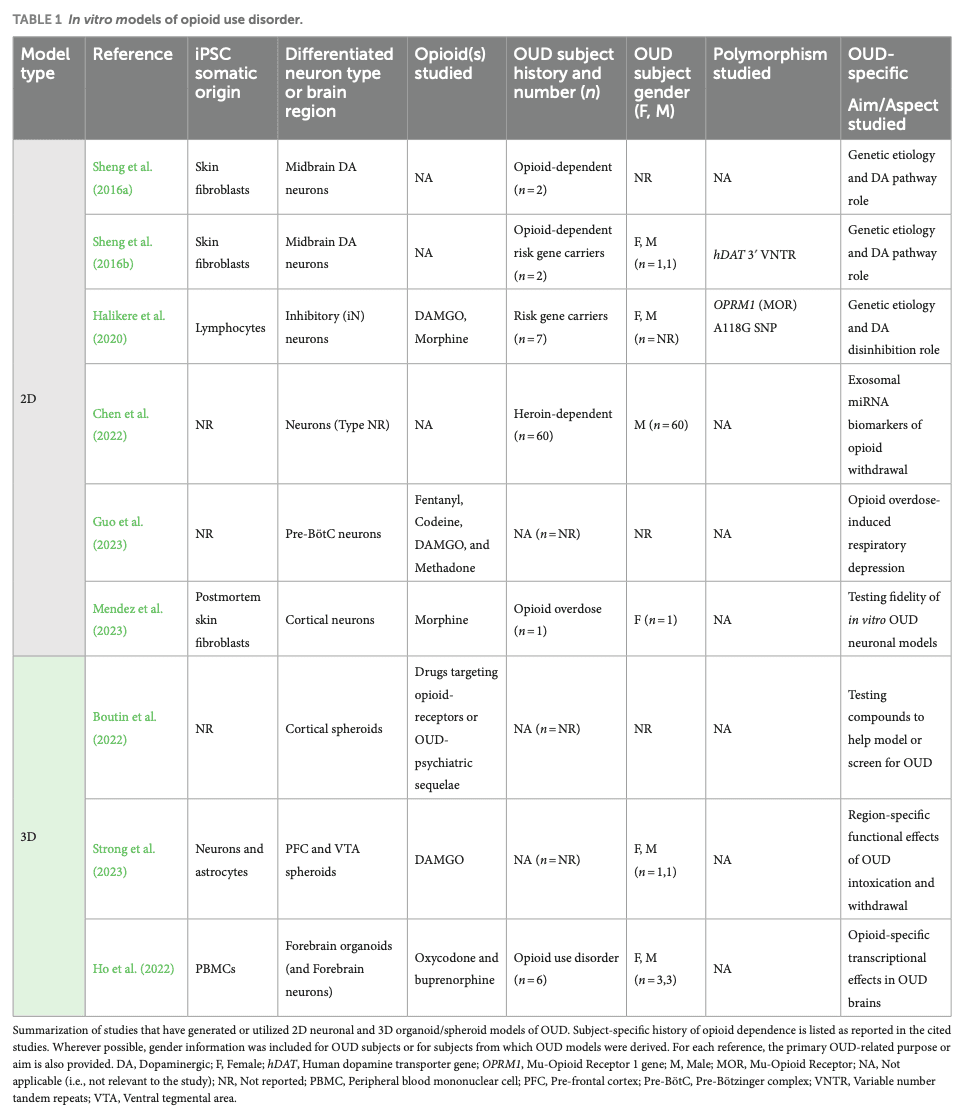
TABLE 1 In vitro models of opioid use disorder.

2.1. Foundational 2D neuronal models of opioid use disorder

Efforts to model OUD in vitro began with the generation of iPSC-derived 2D neuronal cultures from individuals either with opioid dependence or carrying genetic variants linked with increased opioid addiction risk. These studies were a response to the lack of patient- and gene-specific research into processes that bring about vulnerability to opioid dependence. The neuronal cultures themselves were patterned to represent cell types relevant to the neuropathology of OUD (Table 1).

In the first such investigation of its kind, Sheng et al. (2016a) generated iPSC-derived midbrain dopaminergic (DA) neurons from opioid-dependent subjects, motivated by the DA system’s association with reward and addiction. Expanding the use of this culture system in a parallel study, they also derived DA neurons from opioid-dependent individuals carrying variable number tandem repeat (VNTR) polymorphisms in the human dopamine transporter (hDAT) gene (Sheng et al., 2016b) associated with substance misuse (Heinz and Goldman, 2000). Relative to non-dependent controls, DA neurons from opioid-dependent subjects in both studies exhibited reduced expression of the dopamine D2 receptor (Drd2). In addition, Sheng et al. (2016b) identified that increased VNTR length corresponded to lower DAT transcript levels, implying a role for this polymorphism in the regulation of hDAT gene expression. Interestingly, both Drd2 and hDAT expression levels were rescued by treatment with valproic acid (VPA), an anti-epileptic drug implicated in relapse prevention (Romão et al., 2022). Overall, the fidelity of these results to known DA pathway disruptions in OUD (Koob and Volkow, 2016; Burns et al., 2019) and prior neuroimaging studies of OUD patients (Wang et al., 1997; Volkow et al., 2004), reinforced the utility of opioid-dependent subject derived neurons for further studies of opioid dependence and treatment. These initial experiments by Sheng et al. (2016a,b) also highlighted the genetic tractability of iPSC-derived neuronal systems for the study of OUD, opening avenues for further examinations of underlying molecular dynamics through the modification or correction of disease-causing mutations (e.g., via CRISPR).

The use of the paradigm established by Sheng et al. (2016a,b) was next expanded by Halikere et al. (2020) to understand how molecular disruptions upstream of the DA system might enhance susceptibility to OUD. Evidence that DA neurons are excited through the suppression of inhibitory neurons following μ-opioid receptor (MOR) activation, prompted the team to explore the cellular repercussions of disrupting this pathway. To this end, Halikere et al. (2020) derived inhibitory neurons (iN) from individuals carrying the addiction-risk associated A118G single nucleotide polymorphism (SNP) in MOR. In these iNs, MOR activation by the μ-opioids DAMGO or morphine resulted in heightened inhibition, which manifested as reductions in synaptic release. This suppression of iN activity, in turn, implied increases in downstream DA activation and release, as occurs during acute opioid intoxication (Koob and Volkow, 2016; Uhl et al., 2019). Together, these findings constituted novel conceptual progress in understanding the etiology of opioid dependence at a cellular level and provided further rationale for generating OUD-relevant cell types in vitro.

While Sheng et al. (2016a,b) and Halikere et al. (2020) focused on understanding the role of gene variants in the pathogenesis of OUD, recent in vitro studies have shifted to modeling phases of the opioid addiction cycle (i.e., binge, withdrawal, and anticipation) and/or outcomes like overdose. In a cross-sectional study of heroin-dependent patients undergoing drug detoxification, Chen et al. (2022) used iPSC-derived neurons to ectopically express exosomal miRNAs identified in their blood during various stages of opioid withdrawal. The circulating miRNAs served as biomarkers for OUD progression and also influenced transcriptional programs associated with neurotransmitter dynamics, neurite outgrowth, and neural growth at a cellular level (Chen et al., 2022). The following year, Guo et al. (2023), developed a model of opioid overdose by generating iPSC-derived neurons representing the preBötzinger Complex (preBötC), a brainstem structure necessary for inspiratory rhythm generation, which is suppressed by opioids. These neurons exhibited dose-dependent cessations in activity due to four μ-opioids (fentanyl, codeine, DAMGO, and methadone) and recovery upon naloxone administration (Guo et al., 2023). Although the cells in both studies were not derived from OUD patients, they helped to demonstrate the utility of 2D neuronal cultures for parsing the cellular and molecular changes associated with specific phases of the addiction cycle, as well as identifying valuable biomarkers and therapeutic targets for its sequelae.

Altogether, such rapid developments in the generation of iPSC-derived neuronal models of OUD provoked questions regarding their fidelity to in vivo signatures of the disorder. To address this, Mendez et al. (2023), engineered novel iPSC-derived cortical neurons from skin fibroblasts of individuals who had died of an opioid overdose. Following chronic treatment with morphine, these neurons remarkably showed transcriptional alterations paralleling those observed in the postmortem, ex vivo frontal cortex tissue of individuals with OUD (Mendez et al., 2023). These included developmental and synaptic genes associated with substance use disorders (Gallo et al., 2018; Seney et al., 2021), as well G-protein-coupled receptor (GPCR) pathways, of interest given that opioid receptors are GPCRs themselves. While there are caveats related to extrapolating disease signatures from postmortem samples (e.g., cellular and molecular deterioration), these findings helped configure an informed, preliminary picture of how efficacious iPSC-derived neuronal cultures can be for recapitulating key molecular features of OUD.

2.2. Advancements in brain organoid and spheroid models of OUD

Although Mendez et al. (2023) assembled a strong case for the utility of iPSC-derived neuronal cultures in modeling and studying OUD, their study also highlighted pitfalls associated with their simplicity. Due to their two-dimensional growth patterns, these neurons lack the requisite interactions between heterogenous cell types, multi-dimensional cell–cell contact and communication, and nutrient/oxygen diffusion that confer relevance to in vivo neurophysiology. This lack of tissue complexity and organization impacts cellular growth, development, and survival, which complicates interpretations of disease mechanisms (Centeno et al., 2018; Mendez et al., 2023; Mendez and Walss-Bass, 2024). It was these technical gaps in 2D neuronal culture that spurred attempts to recapitulate OUD via 3D brain organoids or spheroids (Table 1).

The inaugural steps toward this objective were taken by studies testing the efficacy of 3D neural spheroids as a high-throughput screening (HTS) platform for compounds intended to model, diagnose, or treat OUD. Despite their limited structural organization compared to organoids, spheroids (self-assembled spheres of different neural cell-types) were chosen for HTS due to their shorter incubation times and relatively higher homogeneity. Boutin et al. (2022) used cortical spheroids to test a library of neuroactive compounds targeting opioid receptors or psychoactive compounds linked with depression, anxiety, and analgesia, which are sequelae of long-term opioid misuse. Following drug exposure, activity changes in these spheroids, represented by fluctuations in calcium fluorescence, were measured using a fluorescent imaging plate reader (FLIPR). MOR agonists were found to have an inhibitory effect, reducing the count and increasing the spacing of calcium activity peaks (Boutin et al., 2022). The consistency of this response with the MOR-activation-induced suppression of cortical neuron activity and synaptic loss in animal studies, demonstrated the potential of this culture system for modeling OUD (Chang et al., 1997; Robinson and Kolb, 1999).

This prospect enabled Strong et al. (2023) to expand the utility of this methodology beyond drug screening to disease modeling. Their team generated novel iPSC-derived neural spheroids mimicking the prefrontal cortex (PFC) and ventral tegmental area (VTA), key regions involved in opioid addiction. Importantly, these spheroids reproducibly retained cell-type compositions that conferred both physiological relevance and region specificity. Considering the vital role of neuronal-glial interactions in neural communication, all spheroids were generated using 90% neurons and 10% astrocytes. Neuronal subtypes in PFC and VTA spheroids were also included in ratios that corresponded to postmortem examinations of the human brain and resulted in unique calcium activity phenotypes. Using this system, Strong et al. (2023) were able to model regional responses to both the intoxication and withdrawal phases of OUD via chronic treatment with and deprivation of the MOR agonist DAMGO. During chronic treatment, PFC-like spheroids experienced reductions in calcium activity peak counts, while treatment and withdrawal both increased peak count in VTA-like spheroids. Although the PFC deficits were rescued by naloxone, the same was not true for the VTA spheroids, indicating fundamental differences in recovery from opioid exposure between brain regions (Strong et al., 2023). This study introduced the first intentional iPSC-derived 3D model of OUD in vitro; its value reinforced by the mechanistic insights it provided into region-specific responses to chronic opioid exposure. Moreover, Strong et al. (2023) contributed technical advancements that will prove valuable for future studies of OUD in vitro. These included the successful incorporation of genetically encoded biosensors for continuous neuronal activity monitoring in spheroids, and the fusion of VTA- and PFC-like spheroids into assembloids with functional neural circuitry that can be altered by designer drugs.

Contemporary with the development of the neural spheroid model of OUD, Ho et al. (2022) generated the first 3D organoid model of this disorder. Given the PFC’s role in drug reward, withdrawal and relapse during addiction, the group generated iPSC-derived forebrain organoids from individuals with OUD. Subsequently, they used this model to examine mechanisms of differential drug action in opioid-dependent subjects at a single-cell level. Focusing specifically on oxycodone and buprenorphine, two of the most prescribed opioids in the United States, Ho et al. (2022) conducted single-nucleus RNA-sequencing (snRNA-seq) and found that both drugs alter the expression of distinct genes and molecular pathways. While buprenorphine selectively influenced transcriptional regulation in glia, oxycodone activated immune-response associated signaling (STAT1 and type 1 interferon) across several neural cell types in OUD-derived forebrain organoids (Ho et al., 2022). Not only did this research establish a brain organoid model of OUD pathophysiology, but it also established a preliminary repository of drug- and cell-type specific molecular changes associated with opioid-exposure in dependent subjects that may be used for further mechanistic probing or therapeutic development.

Although limited, the technical and conceptual progress made with regard to modeling OUD via 3D organoid and spheroid cultures has been promising. These initial studies have established a strong framework upon which further innovations and mechanistic investigations in the field of addiction research may be conducted in vitro. This is especially vital when it comes to maternal OUD, which has not yet been modeled or explored using iPSC-derived neurons, organoids, or spheroids. Prior evidence suggests that drug metabolism and pharmacokinetics are significantly altered by pregnancy and can vary considerably between individuals (Farid et al., 2008; Costantine, 2014; Feghali et al., 2015), which makes the development of patient-, tissue-, gene-, and cell type-specific in vitro models even more critical. As these methodologies continue to evolve, their application toward understanding cellular and molecular mechanisms of opioid dependence and addiction during pregnancy will be of prime importance for the improvement of maternal and fetal health, and the identification of novel clinical interventions.

3. Brain organoid models of prenatal opioid exposure

While brain organoid models of adult OUD are limited, the technology has been frequently employed in recent years to study the effects of opioids on fetal neurodevelopment. This focus has, in part, been informed by the transcriptional, epigenetic, organizational, and functional correspondence of iPSC-derived neuron and neural tissue maturity to embryonic or fetal brain development (Lancaster and Knoblich, 2014b; Camp et al., 2015; Trujillo and Muotri, 2018; Trujillo et al., 2019; Burke et al., 2020; Mendez et al., 2023). As a result, these cultures have provided unique access to key cellular and molecular features of neurodevelopment in the context of prenatal opioid exposure (POE). In this section, we detail advancements made with regards to modeling and dissecting the neurophysiological and biological effects of opioids on the fetal brain in vitro (Table 2).

Table 2.

In vitro models of prenatal opioid exposure.
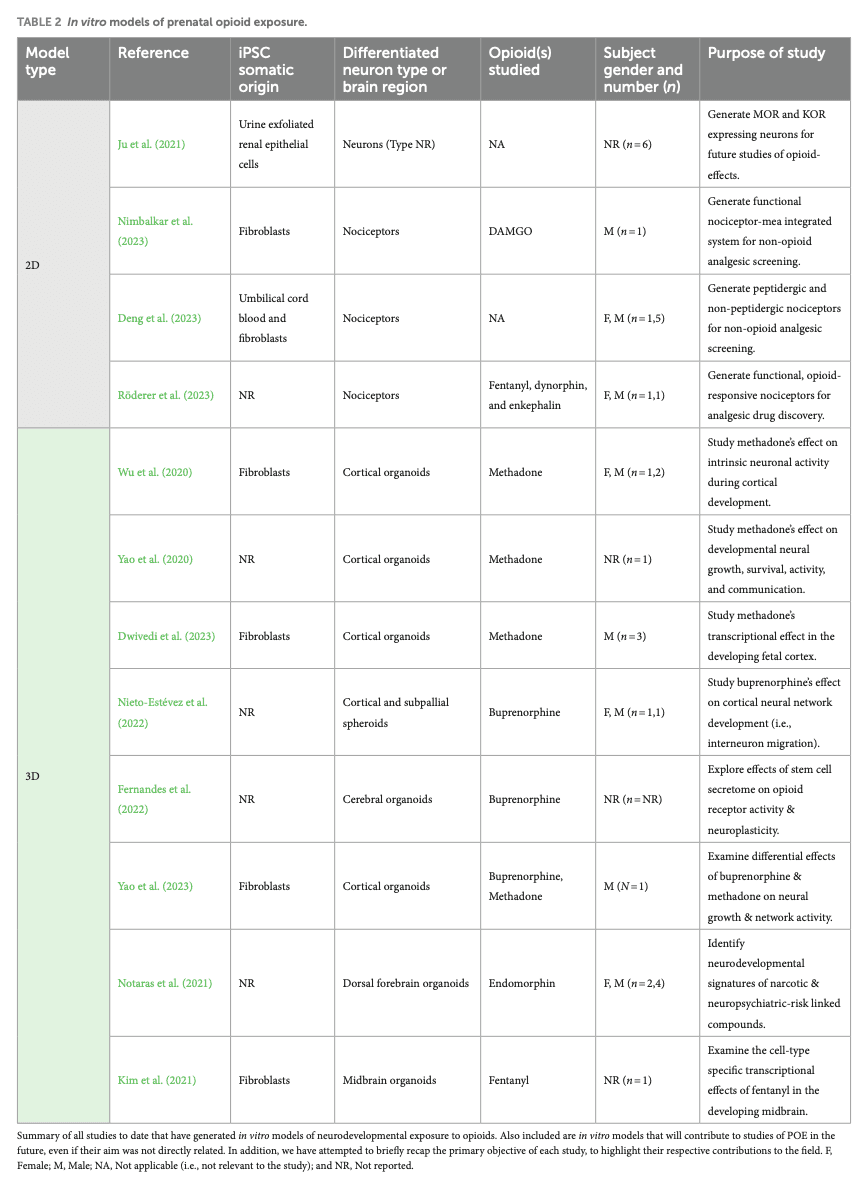
TABLE 2 In vitro models of prenatal opioid exposure.

3.1. Technical contributions of 2D neuronal models of prenatal opioid exposure

In contrast to in vitro models of OUD, iPSC-derived 2D neuronal cultures used to study the effects of opioid exposure were developed contemporaneously with organoid models of POE. Given this, they cannot strictly be considered foundational for the development of more complex 3D culture systems in this field. Additionally, the usual aim of these studies was not to model POE, but to engineer neural cell types relevant for screening therapeutics that confer neuroprotection or non-opioid based analgesia (Table 2). Therefore, we will only briefly touch upon their findings, focusing instead on the technical advancements that make these cultures pertinent to investigations of POE in vitro.

The first neuronal cultures relevant to the study of POE were developed by Ju et al. (2021), who used iPSCs to generate neurons expressing μ-(MOR) and κ-opioid receptors (KOR). Opioids bind to three major opioid receptors throughout the central and peripheral nervous systems: mu-(MOR), kappa (KOR), and delta (DOR). Early preclinical studies of nervous system opioid pharmacodynamics revealed the broad distribution these receptors throughout the CNS, and highlighted differences in receptor expression between fetal/neonatal and adult brains (Barg and Simantov, 1989; Rius et al., 1991; Wittert et al., 1996; Zhu et al., 1998). MORs and KORs are the first opioid-receptors to appear in the fetal brain, while DORs appear postnatally (Rius et al., 1991; Zhu et al., 1998). This finding highlights the possibility that opioids may have distinct effects depending on developmental stage, making the MOR and KOR expressing neurons generated by Ju et al. (2021) an exceedingly relevant model system for POE. In addition, because these neurons originate from exfoliated renal epithelial cells in urine, they afford a unique level of scalability based on the ready supply of source material that can be clinically and non-invasively obtained from maternal OUD subjects or opioid-exposed neonates (Ju et al., 2021).

One problem, however, was that the neurons generated by Ju et al. (2021) did not possess any regional or subtype identity. Consequently, recent efforts have focused on generating cell types more specific to mechanisms of opioid action in vivo. Given the broad use of opioids for pain management, Deng et al. (2023), Nimbalkar et al. (2023), and Röderer et al. (2023) worked on generating and modifying iPSC-derived sensory nociceptive neurons as an experimental platform for screening alternative analgesics. Nociception is the process of communicating electrical impulses generated by noxious stimuli. It is important to note that while fetal nociceptive pathways are thought to develop by as early as 7–10 weeks of gestation, the inception of pain sensation or perception remains a controversial topic (Thill, 2022). Therefore, conservatively, these cultures provide a unique opportunity to explore the onset and mechanisms of fetal nociceptive responsivity to opioids. Specifically, the utility of such iPSC-derived sensory nociceptors is conferred by their expression of opioid-receptors (MOR, KOR, DOR, as well as the nociception opioid peptide receptor, NOP) and activity suppression upon μ-opioid exposure (Nimbalkar et al., 2023; Röderer et al., 2023). However, the timing of opioid receptor expression and opioid responsivity varied between protocols. In Nimbalkar et al. (2023), only MOR and KOR were expressed by day 21 in culture, but not DOR. Meanwhile, all opioid receptors were expressed after 21 days of differentiation in the Röderer et al. (2023) study, although signaling through these receptors was not noted until day 70. These differences highlight the caveat of variability that may arise with the use of iPSC-derived in vitro models for the study of POE (Volpato and Webber, 2020; Beekhuis-Hoekstra et al., 2021; Brunner et al., 2023; Nath et al., 2023).

Nevertheless, the integration of iPSC-derived nociceptors with multi-electrode arrays (MEA) (Nimbalkar et al., 2023) and the generation of peptidergic and non-peptidergic sensory neurons (Deng et al., 2023) in these studies have expanded the utility of this model for studying opioid effects on electrophysiology and cellular subtypes in the fetal brain. The longitudinal investigation of iPSC-derived nociceptor maturity by Röderer et al. (2023) also supplied helpful information regarding windows of opioid-responsivity in these cultures, with fentanyl only inhibiting the activity of protein kinase A-II (required for pain sensitization) after 70 days of differentiation. Therefore, even though such 2D neuronal cultures have not yet provided insights into the neurodevelopmental effects of POE, they remain advantageous, well-studied platforms upon which future studies may be established.

3.2. Brain organoid models of prenatal exposure to methadone

With respect to the development of 3D organoid models of POE, progress has primarily centered around studying the neurodevelopmental impact of opioid-based pharmacotherapies clinically recommended for the Medication-Assisted Treatment (MAT) of maternal OUD (Substance Abuse and Mental Health Services Administration, 2016; The American College of Obstetricians and Gynecologists, 2017) (Table 2). This is due to the rising rates of pregnant women seeking treatment for OUD (Martin et al., 2015; Krans et al., 2019), motivated by the need to improve their own health and prevent neonatal opioid withdrawal (Cleveland and Bonugli, 2014; Frazer et al., 2019; Macfie et al., 2020).

Since the 1970s, MAT using methadone, a synthetic opioid analgesic and full μ-opioid receptor agonist, has been primary standard of care for opioid-addiction during pregnancy (Payte, 1991; Center for Substance Abuse Treatment, 2005; Farid et al., 2008; Krans et al., 2019). However, evidence of methadone’s ability to readily cross the placenta and accumulate in animal and human fetal tissues (Farid et al., 2008; de Castro et al., 2011; Kongstorp et al., 2019; Badhan and Gittins, 2021), in addition to its association with long-term neurocognitive deficits (Wong et al., 2014; Bier et al., 2015; Chen et al., 2015; Hauser and Knapp, 2018; Grecco et al., 2021; Levine et al., 2021; Lum et al., 2021), have led to concerns regarding its effects on fetal neural development in utero. These apprehensions have been compounded by methadone’s tendency to cause Neonatal Abstinence Syndrome (NAS), a collection of symptoms associated with withdrawal from POE, which yields CNS hyperirritability and autonomic nervous system dysfunction (Jones et al., 2010; Gaalema et al., 2012).

It was these contraindications that prompted Wu et al. (2020) and Yao et al. (2020) to generate the first iPSC-derived organoid models of POE. These studies integrate human iPSC derived-cortical organoid (hCO) cultures (Trujillo et al., 2019) with immunofluorescence, MEA, or patch-clamp electrophysiology techniques to probe how methadone alters neural growth and function in the embryonic brain. Yao et al. (2020) observed that methadone dose- and timeline-dependently alters the growth of hCOs, while also having a significant effect on neuronal and neural network function. Methadone suppressed the firing of spontaneous action potentials by hCOs attached to MEA plates, which the group hypothesized was likely due to the drug’s concurrent reduction of synaptic transmission (i.e., diminished frequency and amplitude of spontaneous excitatory post-synaptic currents) and voltage-dependent sodium currents that support the initiation of action potential burst firing (Yao et al., 2020).

While Yao et al., 2020 examined the first 3-month of hCO culture, Wu et al. (2020) extended this timeline to track the electrophysiological consequences of methadone exposure in 3–6 month-old hCOs, a period corresponding to neuronal and network activity maturation in utero (Trujillo et al., 2018, 2019). They uncovered that 12-weeks of chronic exposure to methadone suppresses the maturation of neuronal membrane properties and excitability via the impairment of voltage-dependent ion channel functions (Wu et al., 2020). Combined with Yao et al. (2020)’s results, these findings provided strong evidence that prenatal methadone exposure causes delays in the onset and progression of neural maturation in the fetal cortex. A subsequent study conducted by Dwivedi et al. (2023) contributed further proof of this effect. Bulk mRNA-sequencing of 2-month-old hCOs that had been chronically treated with methadone for 50 days yielded a robust transcriptional response, pointing toward interrelated alterations in functional components of the synapse, underlying extracellular matrix (ECM), and cilia. Methadone’s impact on molecular processes of synaptic assembly and activity during synaptogenesis in hCOs reinforced the drug’s deleterious influence on neuronal communication and, therefore, maturation of cortical functions (Dwivedi et al., 2023).

Taken together, Wu et al. (2020) and Yao et al. (2020) constituted the first proof-of-concept studies for using brain organoids to study the neurodevelopmental effects of opioids. Alongside Dwivedi et al. (2023), the findings from these investigations provided valuable insights into the structural and functional impact of methadone on fetal cortico-genesis. More specifically, they also supplied the first cellular- and molecular-evidence that methadone impacts synaptogenesis and synapse biology in the human fetal brain. The results from all three papers have helped to initiate a broad picture of how prenatal methadone exposure may give rise to long-term neurologic deficits.

3.3. Brain organoid and spheroid models of prenatal exposure to buprenorphine

Alongside methadone, buprenorphine is another widely employed opioid-based pharmacotherapy for the treatment of maternal OUD (Substance Abuse and Mental Health Services Administration, 2016; The American College of Obstetricians and Gynecologists, 2017). The use of this drug during pregnancy has become progressively more common, in part due to its inherent pharmacology (Zedler et al., 2016; Krans et al., 2016a). Unlike methadone, buprenorphine’s nature as a partial MOR and NOP receptor agonist and KOR antagonist with low intrinsic activity means that it can be administered by outpatients with lower overdose risk and fewer drug interactions (Suarez et al., 2022). Moreover, several randomized controlled trials have demonstrated that buprenorphine yields better neonatal outcomes than methadone (Fischer et al., 2006; Kakko et al., 2008; Lacroix et al., 2011; Metz et al., 2011), including fewer signs of NAS and less time or morphine required to treat the syndrome (Jones et al., 2010). Studies in both animals and humans have also shown that prenatal exposure to buprenorphine generates superior neurocognitive outcomes, birth weights, head circumferences, and risks of preterm birth than methadone (Coyle et al., 2012; Zedler et al., 2016; Kongstorp et al., 2019, 2020; Kinsella et al., 2022; Suarez et al., 2022; Gottlieb et al., 2023). Despite these advantages, however, buprenorphine readily crosses the placental barrier (Nanovskaya et al., 2002) and has been linked to adverse postnatal behavioral sequelae (Hung et al., 2013; Sundelin Wahlsten and Sarman, 2013; Tobon et al., 2019), cellular-level alterations in neurogenesis (Pettit et al., 2012; Wu et al., 2014), and deficits in myelination (Sanchez et al., 2008; Eschenroeder et al., 2012). It is these contradictory consequences associated with prenatal buprenorphine exposure that have driven recent efforts to mechanistically dissect its neurodevelopmental effects using 3D organoids.

In 2022, Nieto-Estévez et al. took the first step in this regard by exposing iPSC-derived human cortical spheroids (hCS) and subpallial spheroids (hSS) (expressing markers of developing excitatory and inhibitory interneurons, respectively) to buprenorphine. Their study aimed to dissect the effects of buprenorphine on the crucial yet precarious excitation/inhibition balance that belies cortical network activity (Nieto-Estévez et al., 2022). It was also the first investigation of its kind to use assembloids (Bagley et al., 2017; Birey et al., 2017), fusions of region-specific organoids or spheroids, in order to investigate POE in vitro. Upon fusing the hCS and hSS, Nieto-Estévez et al. (2022) observed increased inhibitory interneuron migration from subpallial to cortical spheroids as well as an increase in network activity in response to chronic buprenorphine treatment. Although this latter result seems contradictory, evidence suggests that the inhibitory neurotransmitter GABA exerts an excitatory influence during embryonic development (Leinekugel et al., 1999) that may impact synapse formation and function (Wolf et al., 1986; Caillard et al., 1999a,b). Taken together, these findings suggests that buprenorphine influences both the development, spatial organization, and activity of inhibitory neurons in the cortex.

Interestingly and in contrast to the iPSC-derived neuronal and cortical organoid models of POE cited above, the hCS or hSS generated by Nieto-Estévez et al. (2022) did not express the major opioid receptor subtypes MOR, KOR, or DOR. Buprenorphine was instead found to bind and signal through the NOP receptor, an opioid G-protein coupled receptor expressed throughout the human fetal cortex that does not respond to opioids with known misuse liability (Neal et al., 2002; Zaveri, 2016). Dysregulation of NOP signaling has been linked to psychiatric disease, depression, and memory deficits (Wang et al., 2009; Post et al., 2016; Khan et al., 2018), all of which are sequelae associated with POE. While this feature enabled the team to study buprenorphine’s effects on the fetal brain via the NOP receptor, it limits the use of this model in future studies intending to investigate the drug’s action through canonical opioid receptors.

Unlike Nieto-Estévez et al. (2022), the iPSC-derived cerebral organoids (CeO) generated by Fernandes et al. (2022) were confirmed to express MOR, DOR, and KOR within 30 days of differentiation in both neurons and glial cells. The expression of opioid receptors on glial cells in this model was unique, given discrepancies in findings regarding the presence of these receptors on astrocytes in vivo (Stiene-Martin et al., 2001; Machelska and Celik, 2020). Moreover, this was first use of a region non-specific organoid to study POE in vitro (Fernandes et al., 2022). Using this model, Fernandes et al. (2022) found that modulating opioid receptor activity using buprenorphine increased apoptosis, astrogliogenesis, glial cell maturation, and dopamine release in CeO cultures, consequences of chronic opioid exposure that have been observed in prior studies. In parallel, the team also subjected their CeOs to the bone marrow stem cell secretome (BMSCSec), which has been explored as an antinociceptive treatment alternative to opioid-based analgesia (Brini et al., 2017; Gama et al., 2018; Khatab et al., 2018). Interestingly, the BMSCSec almost exactly mirrored buprenorphine’s effects, apart from increasing dopamine release. On top of highlighting the effects of buprenorphine on glia during development, the use of CeOs and the stem cell secretome in this study also constituted a technical advancement for POE research. While CeOs provide a novel platform to investigate opioid effects in neurons and glia across developing brain regions (Lancaster and Knoblich, 2014a), the secretome introduces a new method of modulating opioid receptor activity that can be used to individuate the prenatal effects of opioids.

This aim of delineating the effects opioid-based pharmacotherapies was carried forward by Yao et al. (2023), who used iPSC-derived cortical organoids to identify how buprenorphine and methadone differentially affect cellular growth and neuronal activity in the developing cortex. In this study, buprenorphine was found to have a milder effect than methadone on neural growth and activity in hCOs. Although 5–10 times less buprenorphine is required to achieve withdrawal relief than methadone, even at equivalent concentrations buprenorphine did not suppress neural network action potential firing rates. In fact, pre-treatment of hCOs with buprenorphine consistently blocked the severe growth suppressive effects of methadone and the drug even enhanced growth at higher (10 μM) concentrations. Yao et al. (2023) proposed that these distinct effects of methadone and buprenorphine on growth and neural activity are due to their contrasting activity at κ-opioid and NMDA receptors, respectively. Buprenorphine’s antagonism of KOR activity, which has been implicated in cell proliferation, differentiation, and death, as well as its lack of NMDA receptor antagonism were proposed to be the underlying cause of its tempered influence on hCO growth and function (Yao et al., 2023). Cumulatively, these results bring to light novel mechanistic details that may help to explain buprenorphine’s long-supposed superiority when it comes to neonatal outcomes.

3.4. Additional brain organoid models of prenatal opioid exposure

As the above-cited articles demonstrate, investigations into prenatal opioid exposure have predominantly been geared toward exploring the effects of opioids used to treat OUD. However, two recent studies exemplify a potential shift in focus toward other opioids as well (Table 2). In a broad exploration of how narcotic and neuropsychiatric-risk factors influence neurodevelopment, Notaras et al. (2021) exposed iPSC-derived forebrain organoids to a panel of “enviromimetic” chemicals and analyzed downstream alterations in transcription, proteomics, and metabolomics. Exposure to opioids was modeled using the endogenous MOR agonist endomorphin, which is central to nervous system pain relief and stress response pathways (Fichna et al., 2007). Interestingly, endomorphin elicited proteomic changes associated with axon guidance, cellular stress response, and RNA regulation, paralleling the effects of cannabinoids, nicotine, and ethanol. Metabolic analyses also revealed converging effects of all treatments on L-Phenylalanine and GTP expression, pointing toward increases in systemic stress (Fernandes et al., 2010) and disruptions in energetics (Leone et al., 2010; Montenegro-Venegas et al., 2010) during corticogenesis. Altogether, this study contributed to the growing body of knowledge surrounding the influence of MOR activation on normative cortical development. Importantly, it also opened a door for future comparative and/or synchronous in vitro explorations of opioids and other neurodevelopmentally noxious factors (Notaras et al., 2021).

Nevertheless, endomorphin is not an exogenous opioid, and there are no indications that the neuropeptide’s mimetics are misused during pregnancy. This gap was remedied in a contemporaneous study by Kim et al. (2021), who conducted single-cell RNA-sequencing of iPSC-derived midbrain organoids exposed to fentanyl. Fentanyl is a potent opioid analgesic that is prescribed for the management of severe pain in preterm neonates (Hall and Shbarou, 2009) and during pregnancy, most often during labor (Shoorab et al., 2013). However, fentanyl and its derivatives retain a high degree of misuse potential. As a stark reminder of this fact, fentanyl accounted for 39% of drug overdose deaths in the United States in 2017 (Hedegaard et al., 2019). Therefore, Kim et al. (2021)’s novel examination of fentanyl’s effects on the human fetal midbrain was particularly timely. Corroborating the opioid-induced dysregulation of midbrain dopamine reward pathways (Wei et al., 2018), the group found that acute fentanyl exposure increased dopamine release in the organoids. In contrast, chronic fentanyl treatment arrested the fate determination of neural progenitor cells and altered the expression of synaptic activity and neuronal projection pathways (Kim et al., 2021). These findings were analogous to the neurodevelopmental effects of methadone and buprenorphine reported in cortical or cerebral organoids (Wu et al., 2020; Yao et al., 2020, 2023; Fernandes et al., 2022; Nieto-Estévez et al., 2022; Dwivedi et al., 2023). All the same, this study by Kim et al. (2021) unfurled a list of novel possibilities when it came to studies of POE in organoids, especially regarding the opioid-types and brain-regions modeled.

4. Conclusion and future directions

Rising rates of maternal OUD and commensurate fetal opioid exposure have made the development and application of in vitro models for both conditions increasingly imperative. Within the past decade, a great deal of progress has been made with regard to recapitulating the neurobiology of OUD and prenatal opioid exposure using 3D brain organoid technology. OUD-specific brain organoids or spheroids have provided valuable insight into the disorder’s genetic etiology, neural mechanics, and downstream neurobiological effects (Table 1). Likewise, subjecting region-specific and non-specific brain organoids to opioids has contributed to our understanding of how POE can affect neuronal growth, survival, morphology, and function in the developing brain (Table 2). As is often wont to happen, however, these advancements have also brought to light caveats associated with the use of these cultures, gaps in knowledge, and areas for improvement.

One notable vacuum pertains to the absence of brain organoids or spheroids recapitulating the neurobiology of maternal OUD. To date, iPSCs and differentiated cultures have not been derived from pregnant women with dependent upon opioids or undergoing MAT for addiction. As mentioned in Section 2.2 above, the metabolism and pharmacokinetics of opioids are significantly altered in pregnant women, which manifests in the rapid clearance of these drugs and heightened dosages required to achieve the same effects as non-pregnant individuals (Farid et al., 2008; Costantine, 2014; Feghali et al., 2015). Therefore, an in vitro model that recapitulates these differences will be crucial to mechanistically understanding the pathobiology and progression of maternal OUD in the brain.

The accuracy and utility of organoids for studying maternal OUD (as well as POE) will be contingent upon the expansion of patient representation. Mirroring a historic problem in biological research, the comprehensive inclusion of female-derived iPSCs in studies of both OUD and POE has been sparse. Of the 11 articles using 3D models mentioned in this review, only five reported the application of female iPSC-derived cultures (Wu et al., 2020; Notaras et al., 2021; Ho et al., 2022; Nieto-Estévez et al., 2022; Strong et al., 2023) (Tables 1, 2). Even so, most of their major experiments were still conducted using male-derived iPSCs with limited numbers or utilization of female subjects. In one study, the cells were derived from a sole adolescent female (<18 years-of-age) (Strong et al., 2023). These omissions are noteworthy, since gender, age, and reproductive status have been shown to influence opioid pharmacodynamics and effects in the CNS (Zubieta et al., 1999, 2002; Lopes et al., 2021). Moreover, a large part of the increase in illicit opioid misuse over the past two decades has been in women of reproductive age (Ross et al., 2015). Considerations of putative differences in fetal brain development between females and males (De Lacoste et al., 1991; Studholme et al., 2020) are also essential for contextualizing the effects of POE. Moving forward, the implementation of female iPSC-derived 3D cultures will be of vital importance for dissecting this interplay of gender and opioid effects in studies of both OUD and POE. Leveraging clinically available somatic sources like blood plasma or urine (which also reflect opioid bioavailability) from pregnant women and neonates will further serve to supplement the feasibility, accuracy, and utility of these models.

Additional augmentation of these models may be achieved by the diversification of the (a) opioids and (b) brain-regions investigated. Regarding the former, few studies have expanded beyond assessing opioid-based pharmacotherapies for OUD (i.e., methadone and buprenorphine) or using opioid-receptor agonists with no clinical relevance (i.e., DAMGO, endomorphin) (Tables 1, 2). Given the likelihood of concomitant maternal and fetal exposure to other opioids inside and outside the clinic, it is crucial to widen the scope of future studies to probe the effects of non-MAT opioids with high misuse potential, such as oxycodone, fentanyl, and hydrocodone. Although such drugs have started to be included in studies of OUD and POE (Kim et al., 2021; Boutin et al., 2022; Ho et al., 2022), further work will be necessary to synchronously, asynchronously, or independently study their impact in the context of both conditions.

With respect to the latter issue, only three articles included in this review mention using 3D cultures to recapitulate brain regions outside of the forebrain (Kim et al., 2021; Fernandes et al., 2022; Strong et al., 2023) (Tables 1, 2). In future, the increased inclusion of midbrain, hindbrain, and brainstem organoid cultures may help provide greater insight into the mechanisms underlying OUD and POE (Tieng et al., 2014; Jo et al., 2016; Qian et al., 2016; Eura et al., 2020; Nickels et al., 2020; Valiulahi et al., 2021). The value of this approach is underscored not only by the involvement of these brain regions in the opioid addiction cycle, but also by prior efforts to use iPSC-derived midbrain dopaminergic or brainstem pre-Bötzinger Complex neurons to investigate the etiology or impact of OUD (Sheng et al., 2016b; Halikere et al., 2020; Guo et al., 2023).

In addition, further application of more complex organoid cultures (i.e., multi-region organoids, assembloids, vascularized organoids, and microglia-integrated organoids) may help dissect processes of neural patterning, neuronal migration, or neuroinflammation in the context of OUD or POE (Lancaster and Knoblich, 2014a; Abud et al., 2017; Bagley et al., 2017; Birey et al., 2017; Xiang et al., 2017, 2019; Cederquist et al., 2019; Ao et al., 2021; Hong et al., 2023; Zhang et al., 2023). Optimizing existing organoid protocols may also contribute to the body of knowledge surrounding opioid effects on glia. While brain organoids have regularly been reported to contain astrocytes and oligodendrocytes, cell-type proportions have varied. Generating region-specific cultures with consistent ratios of such cell types along biologically relevant timelines, as done by Strong et al. (2023), will be crucial to further anatomizing how opioids affect gliogenesis, astrogliosis, and myelination. Furthermore, studies of opioid activity and dynamics may also be expanded to include CNS components outside of the brain. This may be done through bioengineered platforms for organoid generation, such as those recapitulating the spinal cord and blood–brain barrier (Brown et al., 2020; Cai et al., 2023).

Finally, as models of maternal OUD and POE advance, it will be important to address challenges associated with the biology of organoid technology itself. A persistent complication is the immaturity of iPSC-derived differentiated tissues, which muddles the interpretation of adult disease neuropathology. Notably, human iPSC-derived neurons and brain organoids have been observed to developmentally correspond to embryonic or fetal maturation, having undergone a process of transcriptional and epigenetic “rejuvenation” or “erasure” upon cellular reprogramming. Although restricted by the absence of biological systems like the blood brain barrier or placenta, both of which play an important role in opioid dynamics, the immaturity of these culture systems proves advantageous for antenatal studies of perturbagens like opioids. Insights from such in vitro investigations serve to compliment in vivo studies of POE. However, this same characteristic makes the in vitro recapitulation of adult OUD and the extrapolation of advanced neurological consequences difficult. Nevertheless, recent evidence that CpG sites contributing to age-related morbidity and mortality are maintained following stem cell induction has opened an avenue in service of this aim (Mendez et al., 2023). Future studies may leverage this knowledge to propel brain organoid maturation and improve the technology’s application for the analysis of maternal OUD in vitro. As it stands, organoid technology remains a constructive tool to study the neurodevelopmental pathogenesis and progression of this disorder.

Considering these outstanding challenges, the usage of iPSC-derived brain organoids and spheroids to model OUD and POE seems to be in its proverbial infancy (McNeill et al., 2020; Niemis et al., 2023). Moving forward, it will be necessary to expand research beyond just using 3D cultures as platforms for opioid screening and testing, as has been the status quo. This approach has meant that any insight into the neuropathological underpinnings or consequences of OUD and POE has often been an incidental byproduct. As many of the articles summarized in this review demonstrate, however, directly using organoids and spheroids to model OUD and POE is an indispensable technique. This focus has already helped make meaningful headway in understanding the neurobiology of these conditions and has established a solid bedrock upon which future studies may be built. As it stands, this progress is exceedingly necessary, given the severe, long-lasting impacts of maternal OUD and fetal POE at the individual and societal level. iPSC-derived organoid technology provides a unique opportunity for rapid, targeted innovation in this field, not only to understand the causes and consequences of OUD and POE, but also to explore crucial avenues for their remedy.

Open Article as PDF

Abstract

Over the past two decades, Opioid Use Disorder (OUD) among pregnant women has become a major global public health concern. OUD has been characterized as a problematic pattern of opioid use despite adverse physical, psychological, behavioral, and or social consequences. Due to the relapsing-remitting nature of this disorder, pregnant mothers are chronically exposed to exogenous opioids, resulting in adverse neurological and neuropsychiatric outcomes. Collateral fetal exposure to opioids also precipitates severe neurodevelopmental and neurocognitive sequelae. At present, much of what is known regarding the neurobiological consequences of OUD and prenatal opioid exposure (POE) has been derived from preclinical studies in animal models and postnatal or postmortem investigations in humans. However, species-specific differences in brain development, variations in subject age/health/background, and disparities in sample collection or storage have complicated the interpretation of findings produced by these explorations. The ethical or logistical inaccessibility of human fetal brain tissue has also limited direct examinations of prenatal drug effects. To circumvent these confounding factors, recent groups have begun employing induced pluripotent stem cell (iPSC)-derived brain organoid technology, which provides access to key aspects of cellular and molecular brain development, structure, and function in vitro. In this review, we endeavor to encapsulate the advancements in brain organoid culture that have enabled scientists to model and dissect the neural underpinnings and effects of OUD and POE. We hope not only to emphasize the utility of brain organoids for investigating these conditions, but also to highlight opportunities for further technical and conceptual progress. Although the application of brain organoids to this critical field of research is still in its nascent stages, understanding the neurobiology of OUD and POE via this modality will provide critical insights for improving maternal and fetal outcomes.

Introduction

Opioids are a major global health concern, causing significant physical, psychological, social, and economic problems for many people. These substances, which can be synthetic or semi-synthetic, are valuable in medicine for relieving severe pain and promoting relaxation. However, their ability to create a sense of intense pleasure has also led to widespread misuse, contributing to the opioid crisis.

Pregnant women represent a particularly vulnerable group in this crisis. Over the past 20 years, there has been a steady increase in both the use and misuse of prescription and illegal opioids during pregnancy. This uncontrolled use has led to a rise in maternal Opioid Use Disorder (OUD), a condition characterized by intense drug cravings, increased tolerance, physical or psychological dependence, and addiction. As a result, more mothers are seeking Medication-Assisted Treatment (MAT) for OUD. This treatment involves using opioid-based medications like methadone, buprenorphine, or naltrexone, which help by blocking the euphoric effects of other opioids, preventing withdrawal symptoms, and reducing the risk of overdose or relapse.

The increasing rates of maternal OUD and MAT have sparked interest in understanding the brain changes caused by the disorder and the effects of opioid exposure on a developing fetus's brain. Concerns are growing because opioids can cross the placenta and build up in fetal and newborn tissues. Much of what is known about the brain science of OUD and prenatal opioid exposure (POE) comes from animal studies, as well as from studies of humans after birth or after death. Both OUD and POE have long been linked to problems with thinking skills, such as learning, memory, and attention, and with mental health conditions like anxiety, depression, and PTSD, in both animals and humans. Brain imaging studies in humans have also connected these conditions to damage in various brain regions. The current understanding of how opioid addiction affects brain circuits largely comes from animal research, while information about how OUD is passed down through families mainly comes from human genetic studies. Changes possibly underlying the thinking problems seen with POE have primarily been identified in mouse models, including various disturbances in how brain cells are formed, grow, change, multiply, adapt, and function.

These studies have provided important insights into the brain causes and effects of maternal OUD and POE. However, the types of subjects used (both human and animal) have made it difficult to interpret these findings. Animal study results are hard to apply directly to humans because of differences between species in behavior, brain development, cell types, how opioid receptors are expressed, and how opioids are processed in the body. While these issues are avoided in human studies, examining individuals after birth or after death introduces new complicating factors. For example, differences in a person's age after birth, their health or their mother's health, exposure to multiple drugs, nutrition, and even socioeconomic background can influence study outcomes. Studies using tissues from deceased individuals can be further complicated by differences in cause of death, how or when tissues were collected, and how long samples were stored. Importantly, ethical and practical considerations have also limited the availability of fetal tissues, creating a significant technical challenge for studying POE.

Brain organoid technology offers a way around the problems of confounding experimental factors and limited sample access that have affected previous studies. Brain organoids are 3D cell structures that grow on their own, mimicking key aspects of human brain development, structure, and function, either in a specific brain region or in a general way. These cultures are created from embryonic or induced pluripotent stem cells in a process that preserves a patient's genetic background and allows for genetic modification. As they develop and mature, organoids also provide unique access to the brain's diverse molecular and cellular components, its organization, connections, and function (e.g., specific cell layering, synapse formation, neurotransmission, and brain cell and network activity). These features, in turn, make it possible to observe over time the changes in shape, electrical activity, gene expression, protein content, and/or metabolism caused by disease or drug exposure during brain development.

In recent years, brain organoids have become a powerful tool for modeling and studying the causes and progression of OUD, as well as the impact of prenatal opioid exposure. This review aims to bring together the advances in brain organoid technology that have helped to understand (a) the brain science of OUD and (b) how prenatal opioid exposure affects brain development. This discussion will also refer to simpler 2D cultures of brain cells derived from induced pluripotent stem cells, which have provided a technical or conceptual basis for creating more complex 3D models of OUD or POE. This review intends to highlight the strengths of organoid technology in replicating the brain biology of OUD and POE, and to identify important areas where this crucial research field needs to expand.

Brain Organoid and Spheroid Models of Opioid Use Disorder

Despite the higher rates and severity of OUD compared to other mental health and substance use disorders, brain organoid research to model this condition has been limited. Nevertheless, recent years have seen progress in recreating and exploring the cellular and molecular brain biology of OUD in a laboratory setting. This section aims to highlight these method developments and the insights they offer into opioid dependence.

Foundational 2D Neuronal Models of Opioid Use Disorder

Early efforts to model OUD in a lab setting began with creating 2D neuronal cultures from induced pluripotent stem cells (iPSCs) sourced from individuals with opioid dependence or from those carrying genetic variations linked to a higher risk of opioid addiction. These studies addressed the lack of patient- and gene-specific research into the processes that lead to vulnerability to opioid dependence. The neuronal cultures were designed to represent cell types important for the brain pathology of OUD.

In the first study of its kind, researchers created iPSC-derived midbrain dopamine (DA) neurons from individuals with opioid dependence, driven by the known link between the DA system, reward, and addiction. In a related study, they also derived DA neurons from opioid-dependent individuals who had specific genetic variations in the human dopamine transporter (hDAT) gene, which are associated with substance misuse. Compared to individuals without dependence, DA neurons from opioid-dependent subjects in both studies showed lower levels of the dopamine D2 receptor (Drd2). Additionally, one study found that a longer gene repeat length correlated with lower DAT gene expression, suggesting this variation plays a role in regulating hDAT gene expression. Interestingly, levels of both Drd2 and hDAT expression improved with treatment using valproic acid (VPA), a medication used to prevent seizures that has also been linked to preventing relapse. Overall, these findings supported the use of neurons derived from opioid-dependent individuals for further studies of opioid dependence and treatment, as the results matched known disruptions in the DA pathway in OUD and previous brain imaging studies of OUD patients. These initial experiments also showed that iPSC-derived neuronal systems are useful for studying OUD genetically, opening doors for further examination of underlying molecular processes through the modification or correction of disease-causing mutations.

The approach established by these early studies was then used to understand how molecular disruptions occurring before the DA system might increase susceptibility to OUD. Evidence that DA neurons become active when inhibitory neurons are suppressed after μ-opioid receptor (MOR) activation led researchers to explore the cellular effects of disrupting this pathway. To do this, inhibitory neurons (iN) were derived from individuals carrying a specific genetic variation in MOR linked to addiction risk. In these iNs, MOR activation by μ-opioids resulted in increased inhibition, shown by reduced synaptic release. This suppression of iN activity, in turn, implied increases in downstream DA activation and release, similar to what happens during acute opioid intoxication. Together, these findings represented new progress in understanding the cellular origins of opioid dependence and further justified creating OUD-relevant cell types in the lab.

While earlier studies focused on understanding the role of gene variations in OUD, recent lab studies have shifted to modeling different phases of the opioid addiction cycle (like binge use, withdrawal, and anticipation) and outcomes such as overdose. In a study of heroin-dependent patients undergoing detoxification, researchers used iPSC-derived neurons to express microRNAs found in the patients' blood during various stages of opioid withdrawal. These circulating microRNAs served as markers for OUD progression and also affected gene programs related to neurotransmitter dynamics, nerve cell growth, and overall neural growth at a cellular level. The following year, another study developed a model of opioid overdose by creating iPSC-derived neurons representing the preBötzinger Complex (preBötC), a brainstem structure essential for breathing, which is suppressed by opioids. These neurons showed activity stopping in a dose-dependent manner due to four μ-opioids and recovered upon naloxone administration. Although the cells in both studies were not from OUD patients, they helped demonstrate the usefulness of 2D neuronal cultures for understanding the cellular and molecular changes associated with specific phases of the addiction cycle, and for identifying important biomarkers and treatment targets for its consequences.

These rapid developments in creating iPSC-derived neuronal models of OUD raised questions about how well they matched actual signs of the disorder in living organisms. To address this, researchers engineered new iPSC-derived cortical neurons from skin cells of individuals who had died from an opioid overdose. After long-term treatment with morphine, these neurons remarkably showed gene expression changes similar to those observed in postmortem frontal cortex tissue from individuals with OUD. These changes included developmental and synaptic genes linked to substance use disorders, as well as G-protein-coupled receptor (GPCR) pathways, which are relevant since opioid receptors themselves are GPCRs. While there are limitations to drawing conclusions from postmortem samples (e.g., cell and molecular deterioration), these findings helped create an informed, initial picture of how effective iPSC-derived neuronal cultures can be in recreating key molecular features of OUD.

Advancements in Brain Organoid and Spheroid Models of OUD

Although earlier research made a strong case for the use of iPSC-derived neuronal cultures in modeling OUD, the study also highlighted weaknesses associated with their simplicity. Because they grow in two dimensions, these neurons lack the necessary interactions between different cell types, multi-dimensional cell-to-cell contact and communication, and nutrient/oxygen diffusion that are important for real-life brain function. This lack of tissue complexity affects cell growth, development, and survival, making it difficult to understand disease mechanisms. These technical gaps in 2D neuronal cultures led to efforts to model OUD using 3D brain organoids or spheroids.

The first steps toward this goal involved studies testing the effectiveness of 3D neural spheroids as a high-throughput screening (HTS) platform for compounds designed to model, diagnose, or treat OUD. Despite their simpler structure compared to organoids, spheroids (self-assembling spheres of different neural cell types) were chosen for HTS due to their shorter incubation times and greater consistency. Researchers used cortical spheroids to test a library of compounds targeting opioid receptors or psychoactive compounds linked to depression, anxiety, and pain relief, which are common consequences of long-term opioid misuse. After drug exposure, changes in spheroid activity, measured by fluctuations in calcium fluorescence, were recorded. Opioid receptor agonists were found to have an inhibitory effect, reducing the number of calcium activity peaks and increasing the spacing between them. The consistency of this response with how MOR activation suppresses cortical neuron activity and causes synaptic loss in animal studies demonstrated the potential of this culture system for modeling OUD.

This potential allowed researchers to expand the use of this method beyond drug screening to disease modeling. A team created new iPSC-derived neural spheroids mimicking the prefrontal cortex (PFC) and ventral tegmental area (VTA), which are key brain regions involved in opioid addiction. Importantly, these spheroids consistently maintained cell-type compositions that made them physiologically relevant and region-specific. Considering the vital role of neuronal-glial interactions in neural communication, all spheroids were generated using 90% neurons and 10% astrocytes. Neuronal subtypes in PFC and VTA spheroids were also included in ratios that matched postmortem examinations of the human brain, resulting in unique calcium activity patterns. Using this system, researchers were able to model regional responses to both the intoxication and withdrawal phases of OUD through long-term treatment with, and removal of, the MOR agonist DAMGO. During chronic treatment, PFC-like spheroids showed reduced calcium activity peaks, while both treatment and withdrawal increased peak counts in VTA-like spheroids. Although the PFC deficits were reversed by naloxone, the same was not true for the VTA spheroids, indicating fundamental differences in recovery from opioid exposure between brain regions. This study introduced the first intentional iPSC-derived 3D model of OUD in a laboratory setting; its value reinforced by the mechanistic insights it provided into region-specific responses to long-term opioid exposure. Furthermore, the researchers made technical advancements that will be valuable for future in vitro studies of OUD. These included successfully incorporating genetically encoded biosensors for continuous neuronal activity monitoring in spheroids, and fusing VTA- and PFC-like spheroids into larger structures called assembloids with functional neural circuits that can be altered by designer drugs.

At the same time as the development of the neural spheroid model of OUD, another team created the first 3D organoid model of this disorder. Given the prefrontal cortex's role in drug reward, withdrawal, and relapse during addiction, the group generated iPSC-derived forebrain organoids from individuals with OUD. Subsequently, they used this model to examine how different drugs work in opioid-dependent subjects at a single-cell level. Focusing specifically on oxycodone and buprenorphine, two of the most commonly prescribed opioids in the United States, researchers conducted single-nucleus RNA-sequencing and found that both drugs altered the expression of distinct genes and molecular pathways. While buprenorphine specifically affected gene regulation in glial cells, oxycodone activated immune-response-related signaling across several neural cell types in OUD-derived forebrain organoids. This research not only established a brain organoid model of OUD pathology, but also created an initial collection of drug- and cell-type-specific molecular changes associated with opioid exposure in dependent subjects that can be used for further mechanistic investigation or drug development.

Although limited, the technical and conceptual progress made in modeling OUD using 3D organoid and spheroid cultures has been promising. These initial studies have established a strong foundation for further innovations and mechanistic investigations in the field of addiction research conducted in vitro. This is especially crucial for maternal OUD, which has not yet been modeled or studied using iPSC-derived neurons, organoids, or spheroids. Prior evidence suggests that drug metabolism and how drugs are processed in the body are significantly altered by pregnancy and can vary considerably between individuals, making the development of patient-, tissue-, gene-, and cell type-specific in vitro models even more critical. As these methods continue to evolve, their application to understanding the cellular and molecular mechanisms of opioid dependence and addiction during pregnancy will be of primary importance for improving maternal and fetal health and identifying new clinical interventions.

Brain Organoid Models of Prenatal Opioid Exposure

While brain organoid models of adult OUD are few, this technology has been frequently used in recent years to study the effects of opioids on fetal brain development. This focus is partly due to the fact that iPSC-derived neurons and neural tissues, as they mature, show similarities in gene expression, epigenetic changes, organization, and function to embryonic or fetal brain development. As a result, these cultures have provided unique access to key cellular and molecular features of brain development in the context of prenatal opioid exposure (POE). This section details the advancements made in modeling and understanding the brain's physiological and biological responses to opioids on the fetal brain in a laboratory setting.

Technical Contributions of 2D Neuronal Models of Prenatal Opioid Exposure

Unlike in vitro models of OUD, iPSC-derived 2D neuronal cultures used to study the effects of opioid exposure were developed at the same time as organoid models of POE. Therefore, they cannot be considered strictly foundational for the development of more complex 3D culture systems in this area. Additionally, the usual goal of these studies was not to model POE, but to create neural cell types useful for screening treatments that provide brain protection or non-opioid pain relief. Thus, only a brief overview of their findings will be provided, focusing instead on the technical advancements that make these cultures relevant to POE investigations in the lab.

The first neuronal cultures relevant to studying POE were developed using iPSCs to create neurons that express μ-(MOR) and κ-opioid receptors (KOR). Opioids bind to three main opioid receptors throughout the central and peripheral nervous systems: mu-(MOR), kappa (KOR), and delta (DOR). Early animal studies of how opioids affect the nervous system showed that these receptors are widely distributed throughout the central nervous system, and that receptor expression differs between fetal/newborn and adult brains. MORs and KORs are the first opioid receptors to appear in the fetal brain, while DORs appear after birth. This finding suggests that opioids may have different effects depending on the developmental stage, making the MOR and KOR expressing neurons an extremely relevant model system for POE. Additionally, because these neurons originate from exfoliated kidney epithelial cells in urine, they offer a unique level of scalability due to the readily available source material that can be obtained from pregnant women with OUD or opioid-exposed newborns without invasive procedures.

However, one problem was that the neurons created in that study did not have any specific regional or subtype identity. Consequently, recent efforts have focused on generating cell types more specific to how opioids work in the body. Given the widespread use of opioids for pain management, other researchers focused on generating and modifying iPSC-derived sensory nociceptive neurons as an experimental platform for screening alternative pain relievers. Nociception is the process of transmitting electrical impulses generated by harmful stimuli. It is important to note that while fetal pain pathways are thought to develop as early as 7–10 weeks of gestation, the onset of pain sensation or perception remains a debated topic. Therefore, these cultures offer a unique opportunity to explore the beginning and mechanisms of how a fetus responds to opioids for pain. Specifically, the usefulness of such iPSC-derived sensory nociceptors comes from their expression of opioid receptors (MOR, KOR, DOR, as well as the nociception opioid peptide receptor, NOP) and their activity suppression upon μ-opioid exposure. However, the timing of opioid receptor expression and opioid responsiveness varied between different experimental methods. In one study, only MOR and KOR were expressed by day 21 in culture, but not DOR. Meanwhile, all opioid receptors were expressed after 21 days of differentiation in another study, although signaling through these receptors was not observed until day 70. These differences highlight the variability that can arise when using iPSC-derived in vitro models for studying POE.

Nevertheless, the integration of iPSC-derived pain-sensing neurons with multi-electrode arrays and the creation of specific types of sensory neurons in these studies have expanded the usefulness of this model for examining how opioids affect electrical activity and cell subtypes in the fetal brain. The long-term study of iPSC-derived pain-sensing neuron maturity also provided helpful information about the timeframes when these cultures respond to opioids, with fentanyl only inhibiting the activity of a protein needed for pain sensitivity after 70 days of differentiation. Therefore, even though these 2D neuronal cultures have not yet offered insights into the brain development effects of POE, they remain advantageous, well-studied platforms on which future studies can be built.

Brain Organoid Models of Prenatal Exposure to Methadone

Regarding the development of 3D organoid models of POE, progress has mainly focused on studying how opioid-based medications, clinically recommended for the Medication-Assisted Treatment (MAT) of maternal OUD, affect brain development. This is due to the rising rates of pregnant women seeking treatment for OUD, driven by the need to improve their own health and prevent neonatal opioid withdrawal.

Since the 1970s, MAT using methadone, a synthetic opioid pain reliever and full μ-opioid receptor agonist, has been the primary standard of care for opioid addiction during pregnancy. However, evidence that methadone can easily cross the placenta and accumulate in animal and human fetal tissues, in addition to its link with long-term problems in thinking skills, has raised concerns about its effects on fetal brain development in the womb. These worries are compounded by methadone's tendency to cause Neonatal Abstinence Syndrome (NAS), a collection of symptoms related to withdrawal from POE, which results in central nervous system over-irritability and autonomic nervous system dysfunction.

These contraindications led to the creation of the first iPSC-derived organoid models of POE. These studies combine human iPSC-derived cortical organoid (hCO) cultures with methods like immunofluorescence, multi-electrode arrays, or patch-clamp electrophysiology to investigate how methadone alters neural growth and function in the embryonic brain. Researchers observed that methadone changes the growth of hCOs in a way that depends on the dose and timing, and also significantly affects neuronal and neural network function. Methadone suppressed the spontaneous electrical firing of hCOs, which researchers hypothesized was likely due to the drug's simultaneous reduction of synaptic transmission (i.e., decreased frequency and amplitude of spontaneous excitatory signals) and voltage-dependent sodium currents that support the initiation of rapid electrical firing.

While one study examined the first 3 months of hCO culture, another extended this timeline to track the electrical consequences of methadone exposure in 3–6 month-old hCOs, a period corresponding to neuronal and network activity maturation in the womb. They discovered that 12 weeks of continuous methadone exposure suppresses the maturation of neuronal membrane properties and excitability by impairing the functions of voltage-dependent ion channels. Combined with previous results, these findings strongly indicated that prenatal methadone exposure causes delays in the onset and progression of neural maturation in the fetal cortex. A subsequent study provided further evidence of this effect. Gene sequencing of 2-month-old hCOs that had been continuously treated with methadone for 50 days showed a strong genetic response, pointing toward related changes in the functional components of the synapse, the underlying extracellular matrix, and cilia. Methadone's impact on the molecular processes of synapse formation and activity during brain cell connections in hCOs reinforced the drug's harmful influence on neuronal communication and, therefore, the maturation of cortical functions.

Together, these studies represented the first proof-of-concept for using brain organoids to study the effects of opioids on brain development. Along with later research, the findings from these investigations provided valuable insights into how methadone structurally and functionally impacts the development of the fetal cortex. More specifically, they also provided the first cellular and molecular evidence that methadone affects synapse formation and biology in the human fetal brain. The results from all three papers have helped to create a broad picture of how prenatal methadone exposure may lead to long-term neurological problems.

Brain Organoid and Spheroid Models of Prenatal Exposure to Buprenorphine

Alongside methadone, buprenorphine is another widely used opioid-based medication for treating maternal OUD. The use of this drug during pregnancy has become increasingly common, partly due to its unique pharmacology. Unlike methadone, buprenorphine is a partial agonist of the MOR and NOP receptors and an antagonist of the KOR, with low inherent activity, meaning it can be administered to outpatients with a lower risk of overdose and fewer drug interactions. Furthermore, several clinical trials have shown that buprenorphine leads to better outcomes for newborns than methadone, including fewer signs of Neonatal Abstinence Syndrome (NAS) and less time or morphine needed to treat the syndrome. Studies in both animals and humans have also indicated that prenatal exposure to buprenorphine results in better cognitive outcomes, birth weights, head circumferences, and lower risks of preterm birth compared to methadone. Despite these advantages, however, buprenorphine readily crosses the placental barrier and has been linked to negative behavioral problems after birth, cellular-level changes in brain cell formation, and deficiencies in myelination. These contradictory consequences associated with prenatal buprenorphine exposure have driven recent efforts to understand its developmental effects using 3D organoids.

In 2022, researchers took the first step in this area by exposing iPSC-derived human cortical spheroids (hCS) and subpallial spheroids (hSS) (which express markers of developing excitatory and inhibitory interneurons, respectively) to buprenorphine. Their study aimed to understand how buprenorphine affects the critical but delicate balance of excitation and inhibition that underlies cortical network activity. It was also the first investigation of its kind to use assembloids, which are fusions of region-specific organoids or spheroids, to study POE in a lab setting. After fusing the hCS and hSS, researchers observed increased inhibitory interneuron migration from subpallial to cortical spheroids, as well as an increase in network activity in response to long-term buprenorphine treatment. Although this latter result seems contradictory, evidence suggests that the inhibitory neurotransmitter GABA has an excitatory influence during embryonic development that may affect synapse formation and function. Taken together, these findings suggest that buprenorphine influences the development, spatial organization, and activity of inhibitory neurons in the cortex.

Interestingly, and in contrast to the iPSC-derived neuronal and cortical organoid models of POE mentioned above, the hCS or hSS created did not express the major opioid receptor subtypes MOR, KOR, or DOR. Buprenorphine was instead found to bind and signal through the NOP receptor, an opioid G-protein coupled receptor expressed throughout the human fetal cortex that does not respond to opioids with known misuse potential. Dysfunction of NOP signaling has been linked to psychiatric disorders, depression, and memory problems, all of which are consequences associated with POE. While this feature allowed the team to study buprenorphine's effects on the fetal brain via the NOP receptor, it limits the use of this model in future studies aiming to investigate the drug's action through traditional opioid receptors.

Unlike the previous study, the iPSC-derived cerebral organoids (CeO) generated by another team were confirmed to express MOR, DOR, and KOR within 30 days of differentiation in both neurons and glial cells. The expression of opioid receptors on glial cells in this model was unique, given inconsistencies in findings regarding the presence of these receptors on astrocytes in living organisms. Moreover, this was the first use of a non-region-specific organoid to study POE in a lab setting. Using this model, researchers found that modulating opioid receptor activity with buprenorphine increased programmed cell death, astrocyte formation, glial cell maturation, and dopamine release in CeO cultures. These are consequences of chronic opioid exposure that have been observed in prior studies. In parallel, the team also exposed their CeOs to the bone marrow stem cell secretome, which has been explored as an alternative pain treatment to opioid-based pain relief. Interestingly, the stem cell secretome almost exactly mimicked buprenorphine's effects, except for increasing dopamine release. In addition to highlighting buprenorphine's effects on glial cells during development, the use of CeOs and the stem cell secretome in this study also represented a technical advancement for POE research. While CeOs provide a new platform to investigate opioid effects in neurons and glia across developing brain regions, the secretome introduces a new method of modulating opioid receptor activity that can be used to distinguish the prenatal effects of opioids.

The goal of distinguishing the effects of opioid-based treatments was carried forward by another study, which used iPSC-derived cortical organoids to identify how buprenorphine and methadone differently affect cellular growth and neuronal activity in the developing cortex. In this study, buprenorphine was found to have a milder effect than methadone on neural growth and activity in human cortical organoids. Although 5–10 times less buprenorphine is needed to achieve withdrawal relief than methadone, even at equivalent concentrations buprenorphine did not suppress the firing rates of neural network electrical signals. In fact, pre-treating hCOs with buprenorphine consistently blocked the severe growth-suppressing effects of methadone, and the drug even enhanced growth at higher concentrations. Researchers proposed that these distinct effects of methadone and buprenorphine on growth and neural activity are due to their contrasting actions at κ-opioid and NMDA receptors, respectively. Buprenorphine's antagonism of KOR activity, which has been linked to cell proliferation, differentiation, and death, as well as its lack of NMDA receptor antagonism, were suggested as the underlying reasons for its milder influence on hCO growth and function. Collectively, these results reveal new mechanistic details that may help explain buprenorphine's long-presumed superiority when it comes to outcomes for newborns.

Additional Brain Organoid Models of Prenatal Opioid Exposure

As the articles mentioned above demonstrate, research into prenatal opioid exposure has primarily focused on exploring the effects of opioids used to treat Opioid Use Disorder (OUD). However, two recent studies show a potential shift toward investigating other opioids as well. In a broad study of how narcotic and neuropsychiatric risk factors influence brain development, researchers exposed iPSC-derived forebrain organoids to a panel of "enviromimetic" chemicals and analyzed the resulting changes in gene expression, protein levels, and metabolism. Opioid exposure was modeled using the naturally occurring MOR agonist endomorphin, which is central to pain relief and stress response pathways in the nervous system. Interestingly, endomorphin caused protein changes related to axon guidance, cellular stress response, and RNA regulation, similar to the effects of cannabinoids, nicotine, and ethanol. Metabolic analyses also revealed that all treatments had converging effects on L-Phenylalanine and GTP expression, pointing toward increases in systemic stress and disruptions in energy during cortical development. Overall, this study contributed to the growing knowledge about how MOR activation influences normal cortical development. Importantly, it also opened a door for future comparative and/or simultaneous laboratory explorations of opioids and other factors harmful to brain development.

Nevertheless, endomorphin is not an external opioid, and there are no indications that the neuropeptide's synthetic versions are misused during pregnancy. This gap was addressed in a simultaneous study, which conducted single-cell RNA-sequencing of iPSC-derived midbrain organoids exposed to fentanyl. Fentanyl is a powerful opioid pain reliever prescribed for severe pain management in premature newborns and during pregnancy, most often during labor. However, fentanyl and its derivatives have a high potential for misuse. As a stark reminder of this fact, fentanyl accounted for 39% of drug overdose deaths in the United States in 2017. Therefore, this new examination of fentanyl's effects on the human fetal midbrain was particularly timely. Confirming the opioid-induced disruption of midbrain dopamine reward pathways, the group found that acute fentanyl exposure increased dopamine release in the organoids. In contrast, chronic fentanyl treatment stopped the development of neural progenitor cells and altered the expression of genes related to synaptic activity and neuronal projection pathways. These findings were similar to the neurodevelopmental effects of methadone and buprenorphine reported in cortical or cerebral organoids. Still, this study by Kim et al. (2021) unveiled a list of new possibilities for studies of POE in organoids, especially regarding the types of opioids and brain regions modeled.

Conclusion and Future Directions

The increasing rates of maternal Opioid Use Disorder (OUD) and corresponding fetal opioid exposure have made it increasingly necessary to develop and apply laboratory models for both conditions. Over the past decade, significant progress has been made in recreating the brain biology of OUD and prenatal opioid exposure using 3D brain organoid technology. OUD-specific brain organoids or spheroids have provided valuable insights into the disorder's genetic origins, neural mechanisms, and downstream neurological effects. Similarly, exposing region-specific and non-specific brain organoids to opioids has advanced understanding of how prenatal opioid exposure can affect neuronal growth, survival, shape, and function in the developing brain. As often happens, however, these advancements have also revealed limitations associated with using these cultures, knowledge gaps, and areas for improvement.

One notable gap concerns the absence of brain organoids or spheroids that recreate the brain biology of maternal OUD. To date, induced pluripotent stem cells (iPSCs) and differentiated cultures have not been derived from pregnant women who are dependent on opioids or undergoing Medication-Assisted Treatment (MAT) for addiction. As mentioned previously, the metabolism and processing of opioids are significantly altered in pregnant women, leading to rapid drug clearance and higher dosages needed to achieve the same effects as in non-pregnant individuals. Therefore, a laboratory model that can replicate these differences will be crucial for mechanistically understanding the disease processes and progression of maternal OUD in the brain.

The accuracy and usefulness of organoids for studying maternal OUD (as well as prenatal opioid exposure) will depend on increasing patient representation. Reflecting a historical problem in biological research, the comprehensive inclusion of iPSCs derived from females in studies of both OUD and POE has been rare. Of the 11 articles using 3D models mentioned in this review, only five reported using female iPSC-derived cultures. Even so, most of their main experiments were still conducted using male-derived iPSCs, with limited numbers or use of female subjects. In one study, the cells were derived from a single adolescent female. These omissions are noteworthy, as gender, age, and reproductive status have been shown to influence how opioids affect the brain and body. Moreover, a large part of the increase in illicit opioid misuse over the past two decades has been among women of reproductive age. Considering potential differences in fetal brain development between females and males is also essential for understanding the effects of prenatal opioid exposure. Moving forward, the implementation of female iPSC-derived 3D cultures will be vitally important for dissecting this interplay of gender and opioid effects in studies of both OUD and POE. Utilizing clinically available bodily sources like blood plasma or urine (which also reflect opioid availability) from pregnant women and newborns will further enhance the feasibility, accuracy, and usefulness of these models.

Further enhancement of these models could be achieved by diversifying the (a) opioids and (b) brain regions investigated. Regarding the former, few studies have gone beyond evaluating opioid-based treatments for OUD (i.e., methadone and buprenorphine) or using opioid-receptor agonists with no clinical relevance. Given the likelihood of simultaneous maternal and fetal exposure to other opioids both in and outside of clinical settings, it is crucial to broaden the scope of future studies to examine the effects of non-MAT opioids with high misuse potential, such as oxycodone, fentanyl, and hydrocodone. Although such drugs have started to be included in studies of OUD and POE, further work will be necessary to study their impact in the context of both conditions, either simultaneously, at different times, or independently.

With respect to the latter issue, only three articles in this review mention using 3D cultures to recreate brain regions outside of the forebrain. In the future, increased inclusion of midbrain, hindbrain, and brainstem organoid cultures may provide greater insight into the mechanisms underlying OUD and POE. The value of this approach is highlighted not only by the involvement of these brain regions in the opioid addiction cycle, but also by previous efforts to use iPSC-derived midbrain dopaminergic or brainstem pre-Bötzinger Complex neurons to investigate the causes or impact of OUD.

Additionally, further application of more complex organoid cultures (such as multi-region organoids, assembloids, vascularized organoids, and microglia-integrated organoids) may help to understand processes like neural patterning, neuronal migration, or neuroinflammation in the context of OUD or POE. Optimizing existing organoid protocols may also contribute to the body of knowledge about how opioids affect glial cells. While brain organoids have often been reported to contain astrocytes and oligodendrocytes, the proportions of these cell types have varied. Creating region-specific cultures with consistent ratios of such cell types along biologically relevant timelines will be crucial for further understanding how opioids affect glial cell formation, astrogliosis, and myelination. Furthermore, studies of opioid activity and dynamics may also be expanded to include central nervous system components outside of the brain. This can be done through bioengineered platforms for organoid generation, such as those that replicate the spinal cord and blood-brain barrier.

Finally, as models of maternal OUD and POE advance, it will be important to address challenges related to the biology of organoid technology itself. A persistent complication is the immaturity of iPSC-derived differentiated tissues, which complicates the interpretation of adult disease neuropathology. Notably, human iPSC-derived neurons and brain organoids have been observed to correspond developmentally to embryonic or fetal maturation, having undergone a process of transcriptional and epigenetic "rejuvenation" or "erasure" upon cellular reprogramming. Although limited by the absence of biological systems like the blood-brain barrier or placenta, both of which play an important role in how opioids affect the body, the immaturity of these culture systems proves advantageous for studies of disruptive agents like opioids before birth. Insights from such laboratory investigations complement studies of prenatal opioid exposure in living organisms. However, this same characteristic makes it difficult to recreate adult OUD in the lab and to extrapolate advanced neurological consequences. Nevertheless, recent evidence that certain genetic markers contributing to age-related illness and death are maintained after stem cell induction has opened a pathway toward this goal. Future studies may use this knowledge to accelerate brain organoid maturation and improve the technology's application for analyzing maternal OUD in vitro. As it stands, organoid technology remains a constructive tool for studying the brain development, causes, and progression of this disorder.

Considering these remaining challenges, the use of iPSC-derived brain organoids and spheroids to model OUD and POE appears to be in its early stages. Moving forward, it will be necessary to expand research beyond just using 3D cultures as platforms for opioid screening and testing, which has been the norm. This approach has meant that any insight into the brain pathology or consequences of OUD and POE has often been an accidental byproduct. As many of the articles summarized in this review demonstrate, however, directly using organoids and spheroids to model OUD and POE is an essential technique. This focus has already helped make meaningful progress in understanding the brain biology of these conditions and has established a solid foundation upon which future studies can be built. As it stands, this progress is exceedingly necessary, given the severe, long-lasting impacts of maternal OUD and fetal POE at both individual and societal levels. iPSC-derived organoid technology provides a unique opportunity for rapid, targeted innovation in this field, not only to understand the causes and consequences of OUD and POE, but also to explore crucial avenues for their treatment.

Open Article as PDF

Abstract

Over the past two decades, Opioid Use Disorder (OUD) among pregnant women has become a major global public health concern. OUD has been characterized as a problematic pattern of opioid use despite adverse physical, psychological, behavioral, and or social consequences. Due to the relapsing-remitting nature of this disorder, pregnant mothers are chronically exposed to exogenous opioids, resulting in adverse neurological and neuropsychiatric outcomes. Collateral fetal exposure to opioids also precipitates severe neurodevelopmental and neurocognitive sequelae. At present, much of what is known regarding the neurobiological consequences of OUD and prenatal opioid exposure (POE) has been derived from preclinical studies in animal models and postnatal or postmortem investigations in humans. However, species-specific differences in brain development, variations in subject age/health/background, and disparities in sample collection or storage have complicated the interpretation of findings produced by these explorations. The ethical or logistical inaccessibility of human fetal brain tissue has also limited direct examinations of prenatal drug effects. To circumvent these confounding factors, recent groups have begun employing induced pluripotent stem cell (iPSC)-derived brain organoid technology, which provides access to key aspects of cellular and molecular brain development, structure, and function in vitro. In this review, we endeavor to encapsulate the advancements in brain organoid culture that have enabled scientists to model and dissect the neural underpinnings and effects of OUD and POE. We hope not only to emphasize the utility of brain organoids for investigating these conditions, but also to highlight opportunities for further technical and conceptual progress. Although the application of brain organoids to this critical field of research is still in its nascent stages, understanding the neurobiology of OUD and POE via this modality will provide critical insights for improving maternal and fetal outcomes.

Introduction

Opioids continue to be a leading cause of illness globally, creating significant physical, mental, social, and economic challenges for many people. These substances, which can be man-made or partly man-made, are valuable in medicine for relieving severe pain and causing relaxation. However, opioids also tend to produce a feeling of intense happiness and can be highly addictive, fueling a widespread opioid crisis.

Pregnant women represent a group particularly affected by this crisis. Over the past two decades, there has been a steady increase in both prescribed and illegal opioid use during pregnancy. This uncontrolled use has led to a rise in maternal Opioid Use Disorder (OUD), a condition with symptoms such as increased drug cravings, tolerance, physical or psychological dependence, and ultimately addiction. As a result, more mothers are seeking Medication-Assisted Treatment (MAT) for OUD. This treatment involves using opioid-based medications like methadone, buprenorphine, or naltrexone. These medications help by blocking the euphoric effects of other opioids, preventing withdrawal symptoms, and reducing the risk of overdose or relapse.

The growing rates of maternal OUD and MAT have sparked interest in understanding the brain changes that cause OUD and how opioid exposure affects the developing brain of a fetus. Concerns are especially high because external opioids can cross the placenta and build up in fetal and newborn tissues. Much of the current knowledge about OUD and prenatal opioid exposure (POE) comes from animal studies, as well as human studies conducted after birth or after death. Both OUD and POE have long been linked to problems with thinking skills, such as learning, memory, and attention, and also to mental health conditions like anxiety, depression, and PTSD in both animals and humans. Brain imaging studies in humans have also connected both conditions to changes in brain tissue in several brain areas. Additionally, much of what is known about the brain circuits involved in opioid addiction comes from animal research, while information on how OUD can be passed down genetically comes from human genetic studies. Changes in the brain that might explain the cognitive effects of POE have also mainly been discovered in mouse models, including various disruptions in the creation, growth, shape, development, and function of brain cells.

Until recently, these studies provided important insights into the brain-based causes and effects of maternal OUD and POE. However, the types of subjects used (both human and animal) made it difficult to interpret the findings. Animal study results are hard to apply directly to humans because of differences in behavior, brain development, cell types, how opioid receptors work, and how opioids are processed by the body in different species. While these issues are avoided in human studies, examining individuals after birth or after death introduces new complicating factors. For example, differences in a person's age after birth, individual and maternal health, exposure to multiple drugs, nutrition, and even socioeconomic background can influence study results. Experiments using post-mortem samples can also be problematic due to differences in causes of death, how and when tissues are collected, and how long samples are stored. Importantly, ethical and practical concerns have also limited the availability of fetal tissues, creating a significant obstacle for studying POE.

Brain organoid technology has allowed researchers to overcome the challenges of confounding variables and limited sample access that hindered earlier studies. Brain organoids are three-dimensional groups of cells that organize themselves and mimic key aspects of human brain development, structure, and function, either in specific brain regions or more broadly. These cultures are grown from embryonic stem cells or induced pluripotent stem cells, a process that maintains a patient's genetic makeup and allows for genetic changes. As they grow and mature, organoids also provide a unique way to study the brain's diverse cells, patterns, connections, and functions (for example, how cells layer in specific tissues, how connections between brain cells form, how brain signals are sent, and the activity of nerve cells and networks). These features allow scientists to observe changes in shape, electrical activity, gene expression, protein content, or metabolism caused by disease or drug exposure during brain development.

In recent years, brain organoids have become a powerful tool for creating models and studying the origins and progression of OUD, as well as the effects of POE on brain development. This discussion aims to bring together the advancements in brain organoid technology that have improved our understanding of the brain biology of OUD and the impact of prenatal opioid exposure on brain development. It will also refer to simpler 2D cultures of brain cells derived from stem cells that provided the technical or conceptual basis for more complex 3D models of OUD or POE. The goal is to highlight the benefits of organoid technology for understanding the brain biology of OUD and POE and to point out necessary areas for future research in this important field.

Brain Organoid and Spheroid Models of Opioid Use Disorder

Despite the higher rates and severity of OUD compared to other mental health and substance use disorders, research using brain organoid cultures to model this condition has been surprisingly limited. Nevertheless, some progress has been made recently in recreating and studying the cell and molecular biology of OUD in a laboratory setting. This section will highlight these methods and the insights they provide into opioid dependence.

Foundational 2D Neuronal Models of Opioid Use Disorder

Early attempts to model OUD in the lab started with creating 2D nerve cell cultures from individuals with opioid dependence or those who had genetic variations linked to a higher risk of opioid addiction. These studies were initiated because there was a lack of research focusing on how patient- and gene-specific processes contribute to opioid dependence. The nerve cell cultures themselves were designed to represent cell types important for understanding the brain changes in OUD.

In one of the first studies of its kind, researchers created dopamine-producing neurons from opioid-dependent individuals. This was done because the dopamine system is known to be involved in reward and addiction. In a related study, they also created dopamine neurons from opioid-dependent individuals who had specific genetic variations linked to substance misuse. In both studies, dopamine neurons from opioid-dependent subjects showed less activity of the dopamine D2 receptor compared to those from non-dependent individuals. The second study also found that a specific genetic variation led to lower levels of the dopamine transporter, suggesting this variation plays a role in how the dopamine transporter gene works. Interestingly, treating these cells with valproic acid, a medication used to prevent seizures, brought the levels of both the dopamine D2 receptor and the dopamine transporter back to normal. This drug has been linked to preventing relapse in addiction. Overall, these findings matched known disruptions in the dopamine pathway in OUD and earlier brain imaging studies of OUD patients, confirming that neurons derived from opioid-dependent individuals are useful for further studies of opioid dependence and its treatment. These initial experiments also showed that these cell systems are useful for genetic studies of OUD, opening doors for further investigations into underlying molecular processes by modifying or correcting genetic mutations that cause the disease.

The approach established in these initial studies was later expanded to understand how molecular disruptions occurring before the dopamine system might increase a person's vulnerability to OUD. Since dopamine neurons are stimulated when inhibitory neurons are suppressed by opioid activation, the researchers explored the cellular consequences of disrupting this pathway. To do this, they created inhibitory neurons from individuals who had a specific genetic variation linked to addiction risk. In these inhibitory neurons, activating the opioid receptor with certain opioids led to increased inhibition, meaning less release of signals between brain cells. This suppression of inhibitory neuron activity, in turn, suggested an increase in downstream dopamine activation and release, similar to what happens during acute opioid intoxication. Together, these findings provided new conceptual progress in understanding the origins of opioid dependence at a cellular level and further justified creating OUD-relevant cell types in the laboratory.

While earlier studies focused on understanding the role of gene variations in OUD, more recent laboratory studies have shifted to modeling different phases of the opioid addiction cycle, such as binge use, withdrawal, and anticipation, or outcomes like overdose. In a study of heroin-dependent patients undergoing detoxification, researchers used neurons derived from stem cells to express specific small RNA molecules found in the patients' blood during different stages of opioid withdrawal. These circulating RNA molecules served as indicators of OUD progression and also influenced gene activity related to brain signal transmission, nerve cell growth, and overall neural development at a cellular level. The following year, another team developed a model of opioid overdose by creating neurons from stem cells that represented a brainstem area essential for breathing, which opioids are known to suppress. These neurons showed a dose-dependent stop in activity when exposed to four different opioids and recovered when treated with naloxone. Although the cells in both studies were not from OUD patients, they helped demonstrate the usefulness of 2D neuronal cultures for understanding the cellular and molecular changes associated with specific stages of the addiction cycle, and for identifying important markers and targets for treating its consequences.

Together, these rapid developments in creating stem cell-derived neuronal models of OUD raised questions about how accurately they reflected the actual brain changes seen in the disorder. To address this, researchers created new cortical neurons from skin cells of individuals who had died from an opioid overdose. After prolonged treatment with morphine, these neurons showed gene expression changes that remarkably mirrored those found in brain tissue from individuals with OUD after death. These changes included genes related to brain development and connections between nerve cells, which are associated with substance use disorders, as well as pathways involving G-protein-coupled receptors, which are relevant because opioid receptors themselves are this type of receptor. While there are limitations to drawing conclusions from post-mortem samples (such as cell and molecular breakdown), these findings helped create an informed, preliminary picture of how effectively stem cell-derived neuronal cultures can reproduce key molecular features of OUD.

Advancements in Brain Organoid and Spheroid Models of OUD

Although earlier studies strongly supported the use of stem cell-derived neuronal cultures for modeling OUD, they also highlighted the limitations of their simplicity. Because these neurons grow in two dimensions, they lack the necessary interactions between different cell types, the multi-dimensional cell-to-cell contact and communication, and the proper diffusion of nutrients and oxygen that are important for real-life brain function. This lack of complex tissue structure and organization affects how cells grow, develop, and survive, making it harder to interpret disease mechanisms. These technical gaps in 2D neuronal cultures motivated attempts to recreate OUD using 3D brain organoids or spheroids.

The first steps toward this goal involved studies testing how well 3D neural spheroids could be used for high-throughput screening of compounds aimed at modeling, diagnosing, or treating OUD. Spheroids, which are self-organizing spheres of different types of neural cells, were chosen for this screening due to their shorter incubation times and relatively more consistent structure compared to organoids, despite having limited structural organization. One study used cortical spheroids to test a collection of brain-active compounds targeting opioid receptors or psychoactive compounds linked to depression, anxiety, and pain relief, which are common issues with long-term opioid misuse. After drug exposure, changes in the activity of these spheroids, shown by changes in calcium signals, were measured. Opioid receptor activators were found to have an inhibitory effect, reducing the number and increasing the spacing of calcium activity peaks. The consistency of this response with how opioid receptor activation suppresses cortical neuron activity and causes loss of connections between brain cells in animal studies demonstrated the potential of this culture system for modeling OUD.

This potential allowed another team to expand the use of this method beyond drug screening to disease modeling. They created new neural spheroids derived from stem cells that mimicked the prefrontal cortex and the ventral tegmental area, two key brain regions involved in opioid addiction. Importantly, these spheroids consistently maintained cell-type compositions that made them physiologically relevant and specific to their regions. Recognizing the crucial role of interactions between nerve cells and other brain cells in brain communication, all spheroids were created using 90% nerve cells and 10% helper cells (astrocytes). The specific types of nerve cells in the prefrontal cortex and ventral tegmental area spheroids were also included in proportions that matched post-mortem examinations of the human brain, resulting in unique patterns of calcium activity. Using this system, the researchers were able to model how different brain regions respond to both the intoxication and withdrawal phases of OUD through prolonged exposure to and subsequent removal of an opioid receptor activator. During prolonged treatment, prefrontal cortex-like spheroids showed fewer calcium activity peaks, while both treatment and withdrawal increased peak counts in ventral tegmental area-like spheroids. Although the deficits in the prefrontal cortex were reversed by naloxone, the same was not true for the ventral tegmental area spheroids, suggesting fundamental differences in recovery from opioid exposure between brain regions. This study introduced the first intentional 3D model of OUD created in the lab using stem cells, and its value was reinforced by the insights it provided into how specific brain regions respond to chronic opioid exposure. Furthermore, this study contributed technical advances that will be valuable for future laboratory studies of OUD. These included successfully incorporating genetically engineered sensors for continuous monitoring of nerve cell activity in spheroids, and fusing ventral tegmental area- and prefrontal cortex-like spheroids into more complex structures with functional neural circuits that can be altered by designer drugs.

Around the same time as the development of the neural spheroid model of OUD, another research team created the first 3D organoid model of this disorder. Given the prefrontal cortex's role in drug reward, withdrawal, and relapse during addiction, the group generated forebrain organoids from stem cells of individuals with OUD. They then used this model to examine how different drugs affect opioid-dependent individuals at a single-cell level. Focusing specifically on oxycodone and buprenorphine, two of the most commonly prescribed opioids in the United States, they analyzed the RNA expression in single cell nuclei and found that both drugs altered the expression of distinct genes and molecular pathways. While buprenorphine specifically influenced gene regulation in helper cells, oxycodone activated immune-response related signaling across several neural cell types in OUD-derived forebrain organoids. This research not only established a brain organoid model of OUD disease processes, but it also created an initial collection of drug- and cell-type-specific molecular changes associated with opioid exposure in dependent individuals that can be used for further study of mechanisms or development of treatments.

While limited, the technical and conceptual progress made in modeling OUD using 3D organoid and spheroid cultures has been promising. These initial studies have established a strong foundation for future innovations and detailed investigations in addiction research in the lab. This is especially important for maternal OUD, which has not yet been modeled or explored using stem cell-derived neurons, organoids, or spheroids. Previous evidence suggests that drug metabolism and how drugs are processed by the body are significantly altered during pregnancy and can vary considerably between individuals, making the development of patient-, tissue-, gene-, and cell type-specific models in the lab even more critical. As these methods continue to evolve, their application toward understanding the cell and molecular mechanisms of opioid dependence and addiction during pregnancy will be of primary importance for improving maternal and fetal health and identifying new clinical interventions.

Brain Organoid Models of Prenatal Opioid Exposure

While brain organoid models of adult OUD are limited, the technology has been frequently used in recent years to study how opioids affect fetal brain development. This focus has, in part, been influenced by how similar the gene expression, epigenetic changes, organization, and function of stem cell-derived neurons and neural tissues are to embryonic or fetal brain development. As a result, these cultures have provided unique access to key cellular and molecular aspects of brain development in the context of prenatal opioid exposure (POE). This section will detail the advancements made in modeling and understanding the brain function and biological effects of opioids on the fetal brain in the laboratory.

Technical Contributions of 2D Neuronal Models of Prenatal Opioid Exposure

Unlike in vitro models of OUD, stem cell-derived 2D neuronal cultures used to study the effects of opioid exposure were developed at the same time as organoid models of POE. Therefore, they cannot be strictly considered foundational for the development of more complex 3D culture systems in this area. Additionally, the usual goal of these studies was not to model POE, but to create neural cell types relevant for screening treatments that provide brain protection or pain relief without opioids. Thus, this discussion will only briefly touch upon their findings, focusing instead on the technical advancements that make these cultures relevant for studying POE in the lab.

The first neuronal cultures relevant to studying POE were developed using stem cells to create neurons that expressed specific opioid receptors, mu-(MOR) and kappa (KOR). Opioids bind to three main opioid receptors throughout the central and peripheral nervous systems: mu-(MOR), kappa (KOR), and delta (DOR). Early animal studies of how opioids interact with the nervous system revealed these receptors are widely distributed throughout the central nervous system, and that their expression differs between fetal/newborn and adult brains. MORs and KORs are the first opioid receptors to appear in the fetal brain, while DORs appear after birth. This finding highlights the possibility that opioids may have different effects depending on the developmental stage, making the MOR and KOR expressing neurons created a highly relevant model system for POE. Furthermore, because these neurons originate from kidney epithelial cells found in urine, they offer a unique level of scalability due to the readily available source material that can be obtained from pregnant women with OUD or opioid-exposed newborns without invasive procedures.

One challenge, however, was that the neurons created in this study did not have any specific region or subtype identity. Consequently, recent efforts have focused on generating cell types more specific to how opioids work in the body. Given the widespread use of opioids for pain management, other research teams worked on creating and modifying stem cell-derived sensory neurons that detect pain as an experimental platform for screening alternative pain relievers. The process of detecting painful stimuli is called nociception. It is important to note that while fetal pain pathways are thought to develop as early as 7–10 weeks of pregnancy, the beginning of actual pain sensation or perception remains a controversial topic. Therefore, cautiously, these cultures provide a unique opportunity to explore when and how fetal pain response to opioids begins and works. Specifically, the usefulness of such stem cell-derived pain-sensing neurons comes from their expression of opioid receptors (MOR, KOR, DOR, as well as the nociception opioid peptide receptor, NOP) and the suppression of their activity upon exposure to mu-opioids. However, the timing of opioid receptor expression and opioid responsiveness varied between different experimental protocols. In one study, only MOR and KOR were expressed by day 21 in culture, but not DOR. Meanwhile, all opioid receptors were expressed after 21 days of differentiation in another study, although signaling through these receptors was not noted until day 70. These differences highlight the issue of variability that can arise with the use of stem cell-derived laboratory models for studying POE.

Nevertheless, integrating stem cell-derived pain-sensing neurons with devices that measure electrical activity (multi-electrode arrays) and generating specific types of sensory neurons in these studies have expanded the usefulness of this model for studying opioid effects on electrical activity and cellular subtypes in the fetal brain. The long-term study of stem cell-derived pain-sensing neuron maturity also provided helpful information about the timeframes when these cultures are responsive to opioids, with fentanyl only inhibiting the activity of a protein required for pain sensitization after 70 days of differentiation. Therefore, even though such 2D neuronal cultures have not yet provided insights into the developmental effects of POE on the brain, they remain advantageous, well-studied platforms upon which future studies can be built.

Brain Organoid Models of Prenatal Exposure to Methadone

Regarding the development of 3D organoid models for POE, progress has mainly focused on studying how opioid-based medications, clinically recommended for Medication-Assisted Treatment (MAT) of maternal OUD, affect brain development. This is due to the rising number of pregnant women seeking treatment for OUD, driven by the need to improve their own health and prevent neonatal opioid withdrawal.

Since the 1970s, MAT using methadone, a synthetic opioid pain reliever and full activator of the mu-opioid receptor, has been the primary standard of care for opioid addiction during pregnancy. However, evidence shows that methadone can easily cross the placenta and accumulate in animal and human fetal tissues. This, along with its link to long-term problems with thinking and learning, has raised concerns about its effects on fetal brain development in the womb. These worries are compounded by methadone's tendency to cause Neonatal Abstinence Syndrome (NAS), a collection of withdrawal symptoms from POE, which results in brain over-irritability and problems with the involuntary nervous system.

These concerns prompted the creation of the first stem cell-derived organoid models of POE. These studies combined human stem cell-derived cortical organoid cultures with techniques like immunofluorescence, multi-electrode arrays, or patch-clamp electrophysiology to investigate how methadone alters neural growth and function in the embryonic brain. One study observed that methadone changed the growth of these cortical organoids depending on the dose and duration of exposure. It also had a significant effect on the function of nerve cells and neural networks. Methadone suppressed the spontaneous electrical firing of cortical organoids when attached to multi-electrode array plates. The researchers hypothesized this was likely due to the drug's simultaneous reduction of signal transmission between nerve cells (meaning fewer and weaker spontaneous excitatory signals) and voltage-dependent sodium currents that support the initiation of rapid electrical firing.

While one study examined the first 3 months of cortical organoid culture, another extended this timeline to track the electrical consequences of methadone exposure in 3–6-month-old cortical organoids, a period corresponding to nerve cell and network activity maturation in the womb. They discovered that 12 weeks of chronic exposure to methadone suppressed the maturation of nerve cell membrane properties and excitability by impairing the function of voltage-dependent ion channels. Combined with the earlier results, these findings provided strong evidence that prenatal methadone exposure causes delays in the start and progression of neural maturation in the fetal cortex. A subsequent study provided further proof of this effect. Analysis of the total RNA in 2-month-old cortical organoids that had been chronically treated with methadone for 50 days showed a strong change in gene expression, indicating related alterations in the functional components of the connections between nerve cells, the surrounding extracellular matrix, and cilia. Methadone's impact on the molecular processes of forming and activating connections between nerve cells during their development in cortical organoids reinforced the drug's harmful influence on neural communication and, therefore, the maturation of cortical functions.

Together, these studies represented the first proof-of-concept for using brain organoids to study the effects of opioids on brain development. Along with the later study, the findings from these investigations provided valuable insights into how methadone structurally and functionally impacts the development of the fetal cortex. More specifically, they also provided the first cellular and molecular evidence that methadone affects the formation and biology of connections between nerve cells in the human fetal brain. The results from all three papers have helped to create an initial understanding of how prenatal methadone exposure may lead to long-term neurological problems.

Brain Organoid and Spheroid Models of Prenatal Exposure to Buprenorphine

Alongside methadone, buprenorphine is another widely used opioid-based medication for treating maternal OUD. The use of this drug during pregnancy has become increasingly common, partly due to its unique properties. Unlike methadone, buprenorphine acts as a partial activator of mu-opioid and NOP receptors and an antagonist of kappa-opioid receptors, with low inherent activity. This means it can be administered to outpatients with a lower risk of overdose and fewer drug interactions. Furthermore, several randomized controlled trials have shown that buprenorphine leads to better outcomes for newborns than methadone, including fewer signs of Neonatal Abstinence Syndrome (NAS) and less time or morphine needed to treat the syndrome. Studies in both animals and humans have also shown that prenatal exposure to buprenorphine results in superior cognitive development, birth weights, head circumferences, and lower risks of preterm birth compared to methadone. Despite these advantages, buprenorphine readily crosses the placental barrier and has been linked to negative behavioral outcomes after birth, cellular changes in nerve cell development, and problems with the formation of myelin, the protective sheath around nerve fibers. These conflicting consequences associated with prenatal buprenorphine exposure have driven recent efforts to understand its effects on brain development using 3D organoids.

In 2022, researchers took the first step in this area by exposing human cortical spheroids and subpallial spheroids, which express markers of developing excitatory and inhibitory interneurons respectively, to buprenorphine. Their study aimed to understand buprenorphine's effects on the crucial yet delicate balance between excitation and inhibition that underlies cortical network activity. It was also the first study of its kind to use "assembloids," which are fusions of region-specific organoids or spheroids, to investigate POE in the lab. After fusing the cortical and subpallial spheroids, the researchers observed increased migration of inhibitory interneurons from the subpallial to the cortical spheroids, as well as an increase in network activity in response to chronic buprenorphine treatment. Although this latter result seems contradictory, evidence suggests that the inhibitory neurotransmitter GABA has an excitatory effect during embryonic development that may influence the formation and function of connections between nerve cells. Taken together, these findings suggest that buprenorphine influences both the development, spatial organization, and activity of inhibitory neurons in the cortex.

Interestingly, and in contrast to the stem cell-derived neuronal and cortical organoid models of POE mentioned earlier, the cortical or subpallial spheroids generated in this study did not express the main opioid receptor subtypes: MOR, KOR, or DOR. Buprenorphine was instead found to bind and signal through the NOP receptor, an opioid G-protein coupled receptor expressed throughout the human fetal cortex that does not respond to opioids known for misuse. Dysregulation of NOP signaling has been linked to psychiatric disorders, depression, and memory problems, all of which are consequences associated with POE. While this feature allowed the team to study buprenorphine's effects on the fetal brain through the NOP receptor, it limits the use of this model in future studies aiming to investigate the drug's action through traditional opioid receptors.

Unlike the previous study, the stem cell-derived cerebral organoids generated by another team were confirmed to express MOR, DOR, and KOR within 30 days of differentiation in both neurons and glial cells. The expression of opioid receptors on glial cells in this model was unique, given disagreements in findings regarding the presence of these receptors on astrocytes in the body. Furthermore, this was the first use of an organoid that was not specific to a particular brain region to study POE in the lab. Using this model, the researchers found that modulating opioid receptor activity with buprenorphine increased programmed cell death, the development of astrocytes, the maturation of glial cells, and dopamine release in cerebral organoid cultures. These are all consequences of chronic opioid exposure that have been observed in previous studies. In parallel, the team also exposed their cerebral organoids to a substance derived from bone marrow stem cells, which has been explored as a pain treatment alternative to opioid-based pain relief. Interestingly, this substance almost exactly mirrored buprenorphine's effects, except for increasing dopamine release. In addition to highlighting buprenorphine's effects on glial cells during development, the use of cerebral organoids and the stem cell substance in this study also represented a technical advancement for POE research. While cerebral organoids provide a new platform to investigate opioid effects in neurons and glial cells across developing brain regions, the stem cell substance introduces a new method of modulating opioid receptor activity that can be used to distinguish the prenatal effects of opioids.

This goal of distinguishing the effects of opioid-based treatments was continued in a study that used stem cell-derived cortical organoids to identify how buprenorphine and methadone differently affect cellular growth and neuronal activity in the developing cortex. In this study, buprenorphine was found to have a milder effect than methadone on neural growth and activity in cortical organoids. Although 5–10 times less buprenorphine is needed to relieve withdrawal than methadone, even at equivalent concentrations, buprenorphine did not suppress neural network electrical firing rates. In fact, pre-treating cortical organoids with buprenorphine consistently blocked the severe growth-suppressing effects of methadone, and the drug even enhanced growth at higher concentrations. The researchers proposed that these distinct effects of methadone and buprenorphine on growth and neural activity are due to their different actions at kappa-opioid and NMDA receptors, respectively. Buprenorphine's blockage of KOR activity, which has been linked to cell proliferation, differentiation, and death, as well as its lack of NMDA receptor blockage, were suggested as the underlying reasons for its more moderate influence on cortical organoid growth and function. Cumulatively, these results reveal new mechanistic details that may help explain buprenorphine's long-suspected superiority when it comes to newborn outcomes.

Additional Brain Organoid Models of Prenatal Opioid Exposure

As the articles cited above demonstrate, investigations into prenatal opioid exposure have primarily focused on exploring the effects of opioids used to treat Opioid Use Disorder (OUD). However, two recent studies show a potential shift toward focusing on other opioids as well. In a broad exploration of how narcotics and risk factors for mental health issues influence brain development, researchers exposed stem cell-derived forebrain organoids to a panel of "environmental mimetic" chemicals and analyzed changes in gene expression, protein content, and metabolism. Opioid exposure was modeled using endomorphin, a natural opioid receptor activator that is crucial for pain relief and stress response in the nervous system. Interestingly, endomorphin caused changes in proteins related to axon guidance, cellular stress response, and RNA regulation, similar to the effects of cannabinoids, nicotine, and ethanol. Metabolic analyses also revealed that all treatments had converging effects on the expression of L-Phenylalanine and GTP, suggesting increases in systemic stress and disruptions in energy production during cortical development. Overall, this study contributed to the growing knowledge about how activating the mu-opioid receptor influences normal cortical development. Importantly, it also opened the door for future comparative and/or simultaneous laboratory explorations of opioids and other factors harmful to brain development.

Nevertheless, endomorphin is not an external opioid, and there is no indication that its synthetic versions are misused during pregnancy. This gap was addressed in a simultaneous study that conducted single-cell RNA sequencing of stem cell-derived midbrain organoids exposed to fentanyl. Fentanyl is a powerful opioid pain reliever prescribed for managing severe pain in premature newborns and during pregnancy, most often during labor. However, fentanyl and its related drugs carry a high potential for misuse. As a stark reminder, fentanyl was responsible for 39% of drug overdose deaths in the United States in 2017. Therefore, this new examination of fentanyl's effects on the human fetal midbrain was particularly timely. Confirming the opioid-induced disruption of midbrain dopamine reward pathways, the group found that acute fentanyl exposure increased dopamine release in the organoids. In contrast, chronic fentanyl treatment stopped the development of neural progenitor cells and altered the expression of genes related to synaptic activity and neuronal projection pathways. These findings were similar to the brain developmental effects of methadone and buprenorphine reported in cortical or cerebral organoids. Nevertheless, this study revealed many new possibilities for studying POE in organoids, especially concerning the types of opioids and brain regions modeled.

Conclusion and Future Directions

The increasing rates of maternal Opioid Use Disorder (OUD) and corresponding fetal opioid exposure highlight the urgent need to develop and apply laboratory models for both conditions. Over the past decade, significant progress has been made in recreating the brain biology of OUD and prenatal opioid exposure using 3D brain organoid technology. Organoids or spheroids specifically designed for OUD have provided valuable insight into the genetic origins, brain mechanisms, and downstream neurological effects of the disorder. Similarly, exposing region-specific and non-specific brain organoids to opioids has advanced our understanding of how prenatal opioid exposure can affect nerve cell growth, survival, shape, and function in the developing brain. However, as is often the case, these advancements have also brought to light limitations associated with using these cultures, gaps in knowledge, and areas for improvement.

One notable gap concerns the absence of brain organoids or spheroids that recreate the brain biology of maternal OUD. To date, stem cells and differentiated cultures have not been derived from pregnant women who are opioid-dependent or undergoing Medication-Assisted Treatment for addiction. As mentioned earlier, the body's processing and breakdown of opioids are significantly altered in pregnant women, leading to rapid clearance of these drugs and requiring higher dosages to achieve the same effects as in non-pregnant individuals. Therefore, a laboratory model that mimics these differences will be crucial for mechanistically understanding the disease processes and progression of maternal OUD in the brain.

The accuracy and usefulness of organoids for studying maternal OUD (as well as prenatal opioid exposure) will depend on expanding patient representation. Mirroring a historical problem in biological research, the comprehensive inclusion of stem cells derived from female subjects in studies of both OUD and POE has been sparse. Of the 11 articles using 3D models reviewed here, only five reported using cultures derived from female stem cells. Even then, most of their major experiments were still conducted using male-derived stem cells, with limited numbers or utilization of female subjects. In one study, the cells were derived from a single adolescent female (under 18 years of age). These omissions are significant because gender, age, and reproductive status have been shown to influence how opioids affect the brain and how the body processes them. Furthermore, a large part of the increase in illegal opioid misuse over the past two decades has been among women of reproductive age. Considering potential differences in fetal brain development between females and males is also essential for understanding the effects of prenatal opioid exposure. Moving forward, the implementation of 3D cultures derived from female stem cells will be vitally important for dissecting the interplay of gender and opioid effects in studies of both OUD and POE. Leveraging clinically available somatic sources like blood plasma or urine (which also reflect opioid availability in the body) from pregnant women and newborns will further enhance the feasibility, accuracy, and utility of these models.

Further improvement of these models can be achieved by diversifying the types of opioids and brain regions investigated. Regarding opioids, few studies have gone beyond assessing opioid-based treatments for OUD (i.e., methadone and buprenorphine) or using opioid receptor activators with no clinical relevance. Given the likelihood of simultaneous maternal and fetal exposure to other opioids both inside and outside the clinic, it is crucial to broaden the scope of future studies to examine the effects of non-MAT opioids with high misuse potential, such as oxycodone, fentanyl, and hydrocodone. Although such drugs have begun to be included in studies of OUD and POE, further work will be necessary to synchronously, asynchronously, or independently study their impact in the context of both conditions.

Concerning the latter issue, only three articles included in this review mention using 3D cultures to recreate brain regions outside of the forebrain. In the future, increased inclusion of midbrain, hindbrain, and brainstem organoid cultures may provide greater insight into the mechanisms underlying OUD and POE. The value of this approach is underscored not only by the involvement of these brain regions in the opioid addiction cycle, but also by previous efforts to use stem cell-derived midbrain dopamine-producing neurons or brainstem pre-Bötzinger Complex neurons to investigate the causes or impact of OUD.

Additionally, further application of more complex organoid cultures (such as multi-region organoids, assembloids, organoids with blood vessels, and organoids integrated with microglia) may help to understand processes of neural patterning, neuronal migration, or brain inflammation in the context of OUD or POE. Optimizing existing organoid protocols may also contribute to the knowledge about opioid effects on glial cells. While brain organoids have regularly been reported to contain astrocytes and oligodendrocytes, the proportions of these cell types have varied. Creating region-specific cultures with consistent ratios of such cell types over biologically relevant timeframes will be crucial for further dissecting how opioids affect the creation of glial cells, astrocyte overgrowth, and the formation of myelin. Furthermore, studies of opioid activity and dynamics may also be expanded to include central nervous system components outside of the brain. This can be done through bioengineered platforms for organoid generation, such as those recreating the spinal cord and blood-brain barrier.

Finally, as models of maternal OUD and POE advance, it will be important to address challenges associated with the biology of organoid technology itself. A persistent complication is the immaturity of stem cell-derived differentiated tissues, which complicates the interpretation of adult disease brain changes. Notably, human stem cell-derived neurons and brain organoids have been observed to correspond developmentally to embryonic or fetal maturation, having undergone a process of transcriptional and epigenetic "rejuvenation" or "erasure" upon cellular reprogramming. Although limited by the absence of biological systems like the blood-brain barrier or placenta, both of which play an important role in opioid dynamics, the immaturity of these culture systems proves advantageous for prenatal studies of disruptive agents like opioids. Insights from such laboratory investigations complement in-body studies of POE. However, this same characteristic makes the laboratory recreation of adult OUD and the extrapolation of advanced neurological consequences difficult. Nevertheless, recent evidence that genetic markers contributing to age-related illness and death are maintained after stem cell induction has opened an avenue for this goal. Future studies may leverage this knowledge to promote brain organoid maturation and improve the technology's application for analyzing maternal OUD in the lab. As it stands, organoid technology remains a constructive tool to study the brain developmental origins and progression of this disorder.

Considering these outstanding challenges, the use of stem cell-derived brain organoids and spheroids to model OUD and POE appears to be in its early stages. Moving forward, it will be necessary to expand research beyond just using 3D cultures as platforms for opioid screening and testing, which has been the norm. This approach has meant that any insight into the brain-related causes or consequences of OUD and POE has often been an incidental byproduct. As many of the articles summarized in this review demonstrate, however, directly using organoids and spheroids to model OUD and POE is an indispensable technique. This focus has already helped make meaningful progress in understanding the brain biology of these conditions and has established a solid foundation upon which future studies can be built. As it stands, this progress is exceedingly necessary, given the severe, long-lasting impacts of maternal OUD and fetal POE at both the individual and societal level. Stem cell-derived organoid technology provides a unique opportunity for rapid, targeted innovation in this field, not only to understand the causes and consequences of OUD and POE, but also to explore crucial avenues for their treatment.

Open Article as PDF

Abstract

Over the past two decades, Opioid Use Disorder (OUD) among pregnant women has become a major global public health concern. OUD has been characterized as a problematic pattern of opioid use despite adverse physical, psychological, behavioral, and or social consequences. Due to the relapsing-remitting nature of this disorder, pregnant mothers are chronically exposed to exogenous opioids, resulting in adverse neurological and neuropsychiatric outcomes. Collateral fetal exposure to opioids also precipitates severe neurodevelopmental and neurocognitive sequelae. At present, much of what is known regarding the neurobiological consequences of OUD and prenatal opioid exposure (POE) has been derived from preclinical studies in animal models and postnatal or postmortem investigations in humans. However, species-specific differences in brain development, variations in subject age/health/background, and disparities in sample collection or storage have complicated the interpretation of findings produced by these explorations. The ethical or logistical inaccessibility of human fetal brain tissue has also limited direct examinations of prenatal drug effects. To circumvent these confounding factors, recent groups have begun employing induced pluripotent stem cell (iPSC)-derived brain organoid technology, which provides access to key aspects of cellular and molecular brain development, structure, and function in vitro. In this review, we endeavor to encapsulate the advancements in brain organoid culture that have enabled scientists to model and dissect the neural underpinnings and effects of OUD and POE. We hope not only to emphasize the utility of brain organoids for investigating these conditions, but also to highlight opportunities for further technical and conceptual progress. Although the application of brain organoids to this critical field of research is still in its nascent stages, understanding the neurobiology of OUD and POE via this modality will provide critical insights for improving maternal and fetal outcomes.

Introduction

Opioids are a major global health concern due to their widespread physical, psychological, social, and economic impacts. These substances are valued in medicine for pain relief and sedation. However, their ability to create euphoria and strong positive feelings also leads to significant misuse, fueling the opioid crisis.

Pregnant individuals are particularly susceptible to this crisis. There has been a steady increase in both prescription and illegal opioid use and misuse during pregnancy over the last two decades. This unregulated use has led to a rise in maternal Opioid Use Disorder (OUD), a condition with symptoms like increased drug cravings, tolerance, physical or psychological dependence, and addiction. As a result, more mothers are seeking Medication-Assisted Treatment (MAT) for OUD. MAT involves opioid-based medications such as methadone, buprenorphine, or naltrexone. These treatments block the euphoric effects of other opioids, prevent withdrawal, and lower the risk of overdose or relapse.

The growing rates of maternal OUD and MAT have sparked interest in understanding the brain changes caused by the disorder and how opioid exposure affects the developing fetal nervous system. This concern is particularly high because external opioids can cross the placenta and build up in fetal and newborn tissues. Much of what is known about OUD and prenatal opioid exposure (POE) comes from animal studies and human studies after birth or after death. Both OUD and POE have long been linked to problems with learning, memory, and attention, as well as mental health conditions like anxiety, depression, and PTSD in both animals and humans. Brain imaging studies in humans have also shown that both conditions are connected to damage in the gray and white matter of various brain areas. The understanding of how opioid addiction affects the brain, specifically the mesocorticolimbic system, mainly comes from animal research. Information about how OUD is passed down through families comes mostly from human genetic studies. Changes in brain cells and their connections, which may explain the cognitive effects of POE, have also been primarily discovered through mouse models.

These studies have provided significant insights into the brain-related causes and effects of maternal OUD and POE. However, the nature of the study subjects, both human and animal, has made interpreting these findings difficult. Translating results from animal studies is challenging due to differences between species in behavior, brain development, cell types, how opioid receptors function, and how opioids are processed by the body. While these issues are avoided in human studies, examining individuals after birth or after death introduces new complicating factors. For example, differences in a person's age after birth, individual and maternal health, exposure to multiple drugs, nutrition, and even socioeconomic background can affect study outcomes. Studies using postmortem samples can also be problematic due to differences in causes of death, tissue collection methods or timing, and how long samples are stored. It is also important to note that ethical and practical concerns have limited the availability of fetal tissues, creating a major obstacle for research on POE.

Brain organoid technology has allowed researchers to overcome the challenges of confounding experimental variables and limited sample access that have hindered previous studies. Brain organoids are 3D cell structures that mimic key aspects of human brain development, structure, and function, either in specific brain regions or more broadly. These cultures are grown from embryonic or induced pluripotent stem cells, a process that preserves a patient's genetic background and allows for genetic changes. As they grow and mature, organoids provide a unique way to observe the brain's diverse molecules and cells, how they form patterns, connect, and function. This includes details like tissue-specific cell layers, synapse formation, neurotransmission, and the activity of neurons and neural networks. These features, in turn, make it easier to observe over time the changes in physical structure, electrical activity, gene expression, protein levels, and/or metabolic processes caused by disease or drug exposure during brain development.

In recent years, brain organoids have become a powerful tool for modeling and studying the causes and progression of OUD, as well as the impact of opioid exposure on fetal brain development. This review aims to summarize the advancements in brain organoid technology that have helped us understand the brain changes in OUD and the effects of prenatal opioid exposure on development. It will also refer to simpler 2D cell cultures that have provided the technical or conceptual foundation for developing more complex 3D models of OUD or POE. Through this review, the goal is to highlight the benefits of organoid technology for mimicking the brain changes in OUD and POE, and to identify important areas for future research in this critical field.

Brain Organoid and Spheroid Models of Opioid Use Disorder

Despite the higher prevalence and severity of OUD compared to other mental health and substance use disorders, research using brain organoid cultures to model this condition has been surprisingly limited. However, several advancements have been made in recent years to recreate and explore the cell and molecular changes in OUD in a lab setting. This section aims to highlight these method developments and the insights they provide into opioid dependence.

Foundational 2D Neuronal Models of Opioid Use Disorder

Early efforts to model OUD in a lab began with creating 2D neuronal cultures from human stem cells (iPSCs). These cells came from individuals with opioid dependence or those with genetic variations linked to a higher risk of opioid addiction. These studies aimed to address the lack of patient- and gene-specific research into how people become vulnerable to opioid dependence. The neuronal cultures were designed to represent cell types important for OUD-related brain changes.

In the first study of its kind, researchers created iPSC-derived midbrain dopamine (DA) neurons from opioid-dependent individuals, focusing on the DA system's role in reward and addiction. In a related study, they also derived DA neurons from opioid-dependent individuals with specific genetic variations in the human dopamine transporter (hDAT) gene, which are linked to substance misuse. Compared to individuals without dependence, DA neurons from opioid-dependent subjects in both studies showed reduced levels of the dopamine D2 receptor (Drd2). Additionally, researchers found that longer gene variations in hDAT were linked to lower DAT levels, suggesting this variation plays a role in regulating hDAT gene expression. Interestingly, levels of both Drd2 and hDAT improved with treatment using valproic acid (VPA), a medication used to prevent seizures and also linked to preventing relapse. Overall, these results matched known dopamine pathway disruptions in OUD and earlier brain imaging studies of OUD patients, confirming the usefulness of neurons derived from opioid-dependent subjects for further OUD and treatment research. These initial experiments also showed that iPSC-derived neuronal systems could be used to study the genetics of OUD, opening doors for further investigation of underlying molecular processes through modifying or correcting disease-causing mutations.

The approach established by these early studies was then expanded to understand how molecular disruptions earlier in the DA system might increase susceptibility to OUD. Evidence suggested that DA neurons are activated when inhibitory neurons are suppressed after specific opioid receptor activation. This led a team to explore the cellular effects of disrupting this pathway. To do this, they created inhibitory neurons (iN) from individuals carrying a gene variation in the opioid receptor linked to addiction risk. In these iNs, activation of the opioid receptor by certain opioids led to increased inhibition, which showed up as reduced synaptic release. This suppression of iN activity, in turn, suggested an increase in downstream DA activation and release, similar to what happens during acute opioid intoxication. Together, these findings represented new conceptual progress in understanding the cellular origins of opioid dependence and provided further reason to create OUD-relevant cell types in the lab.

While previous studies focused on understanding the role of gene variations in OUD development, more recent lab studies have shifted to modeling different phases of the opioid addiction cycle (e.g., binge, withdrawal, and anticipation) and outcomes like overdose. In one study, researchers used iPSC-derived neurons to express microRNAs found in the blood of heroin-dependent patients during various stages of opioid withdrawal. These circulating microRNAs served as markers for OUD progression and also influenced gene programs related to neurotransmitter dynamics, nerve cell growth, and neural development at the cellular level. The following year, another team developed a model of opioid overdose by creating iPSC-derived neurons representing a brainstem structure essential for breathing, which opioids suppress. These neurons showed dose-dependent pauses in activity due to four different opioids and recovered when treated with an opioid blocker. Although the cells in both studies were not taken from OUD patients, they helped demonstrate the value of 2D neuronal cultures for analyzing the cellular and molecular changes associated with specific phases of the addiction cycle, and for identifying useful biomarkers and treatment targets for its consequences.

Together, these rapid developments in creating iPSC-derived neuronal models of OUD raised questions about how accurately they reflected the disorder's characteristics in living organisms. To address this, a team engineered new iPSC-derived cortical neurons from skin cells of individuals who had died from an opioid overdose. After prolonged treatment with morphine, these neurons showed gene expression changes remarkably similar to those observed in postmortem brain tissue from individuals with OUD. These changes included genes related to development and synapses, which are associated with substance use disorders, as well as signaling pathways involving G-protein-coupled receptors, which are relevant since opioid receptors themselves are a type of G-protein-coupled receptor. While there are challenges in interpreting disease signs from postmortem samples, these findings helped create an informed, initial picture of how effective iPSC-derived neuronal cultures can be at mimicking key molecular features of OUD.

Advancements in Brain Organoid and Spheroid Models of OUD

Although earlier research provided strong evidence for the usefulness of iPSC-derived neuronal cultures in modeling OUD, it also highlighted the limitations of their simplicity. Because these neurons grow in two dimensions, they lack the necessary interactions between different cell types, multidirectional cell-to-cell contact and communication, and nutrient/oxygen diffusion that are important for real-life brain function. This lack of tissue complexity and organization affects cell growth, development, and survival, making it difficult to interpret disease mechanisms. It was these technical gaps in 2D neuronal cultures that led to attempts to model OUD using 3D brain organoids or spheroids.

The first steps toward this goal involved studies testing how well 3D neural spheroids could be used for high-throughput screening (HTS) of compounds designed to model, diagnose, or treat OUD. Despite their simpler structure compared to organoids, spheroids (self-assembling clusters of different neural cell types) were chosen for HTS because they require less incubation time and are more uniform. One study used cortical spheroids to test a range of brain-active compounds targeting opioid receptors or psychoactive compounds linked to depression, anxiety, and pain relief, which are often consequences of long-term opioid misuse. After drug exposure, changes in activity within these spheroids, shown by fluctuations in calcium fluorescence, were measured. Compounds that activated opioid receptors were found to inhibit activity, reducing the number of calcium activity peaks and increasing the space between them. The consistency of this response with how opioid receptor activation suppresses cortical neuron activity and causes synaptic loss in animal studies demonstrated the potential of this culture system for modeling OUD.

This potential then allowed researchers to expand the use of this method from drug screening to disease modeling. A team created new iPSC-derived neural spheroids that mimicked the prefrontal cortex (PFC) and ventral tegmental area (VTA), two key brain regions involved in opioid addiction. Importantly, these spheroids consistently maintained cell type compositions that made them physiologically relevant and specific to their regions. Recognizing the vital role of interactions between neurons and glial cells in brain communication, all spheroids were created using 90% neurons and 10% astrocytes. Neuronal subtypes in PFC and VTA spheroids were also included in proportions that matched postmortem examinations of the human brain, resulting in distinct calcium activity patterns. Using this system, researchers were able to model regional responses to both the intoxication and withdrawal phases of OUD by chronically treating with and then removing a specific opioid receptor activator. During chronic treatment, PFC-like spheroids showed reduced numbers of calcium activity peaks, while both treatment and withdrawal increased peak counts in VTA-like spheroids. Although the PFC deficits were reversed by an opioid blocker, the same was not true for the VTA spheroids, indicating fundamental differences in recovery from opioid exposure between brain regions. This study introduced the first intentional iPSC-derived 3D model of OUD in a lab setting. Its value was reinforced by the insights it provided into how different brain regions respond to chronic opioid exposure. Furthermore, the study made technical advancements that will be valuable for future OUD research. These included successfully incorporating genetically engineered sensors for continuous monitoring of neuronal activity in spheroids, and fusing VTA- and PFC-like spheroids into structures with functional neural circuits that can be modified by designer drugs.

At the same time as the development of the neural spheroid model of OUD, another team created the first 3D organoid model of this disorder. Given the PFC's role in drug reward, withdrawal, and relapse during addiction, the group generated iPSC-derived forebrain organoids from individuals with OUD. They then used this model to examine how different drugs affect opioid-dependent individuals at a single-cell level. Focusing specifically on oxycodone and buprenorphine, two of the most commonly prescribed opioids, researchers performed single-nucleus RNA-sequencing and found that both drugs altered the expression of distinct genes and molecular pathways. While buprenorphine primarily influenced gene regulation in glial cells, oxycodone activated immune-response-related signaling across several neural cell types in OUD-derived forebrain organoids. This research not only established a brain organoid model of OUD disease mechanisms but also created a preliminary database of drug- and cell-type-specific molecular changes associated with opioid exposure in dependent subjects, which can be used for further study or therapeutic development.

Although limited, the technical and conceptual progress made in modeling OUD using 3D organoid and spheroid cultures has been promising. These initial studies have established a strong foundation for future innovations and detailed investigations in the field of addiction research in lab settings. This is especially crucial when it comes to maternal OUD, which has not yet been modeled or studied using iPSC-derived neurons, organoids, or spheroids. Previous evidence suggests that drug metabolism and how drugs are processed by the body are significantly altered during pregnancy and can vary considerably between individuals. This makes the development of patient-, tissue-, gene-, and cell type-specific lab models even more critical. As these methods continue to evolve, their application to understanding the cellular and molecular mechanisms of opioid dependence and addiction during pregnancy will be of utmost importance for improving maternal and fetal health and identifying new clinical interventions.

Brain Organoid Models of Prenatal Opioid Exposure

While brain organoid models for adult OUD are limited, this technology has been frequently used in recent years to study how opioids affect fetal brain development. This focus has been partly informed by the fact that iPSC-derived neurons and neural tissues resemble embryonic or fetal brain development in terms of gene expression, epigenetic changes, organization, and function. As a result, these cultures have provided unique access to key cellular and molecular features of brain development in the context of prenatal opioid exposure (POE). This section details advancements made in modeling and analyzing the brain and biological effects of opioids on the fetal brain in a lab setting.

Technical Contributions of 2D Neuronal Models of Prenatal Opioid Exposure

Unlike in vitro models of OUD, iPSC-derived 2D neuronal cultures used to study the effects of opioid exposure were developed at the same time as organoid models of POE. Therefore, they cannot be strictly considered foundational for the development of more complex 3D culture systems in this field. Additionally, the usual goal of these studies was not to model POE, but to engineer neural cell types relevant for screening treatments that provide neuroprotection or non-opioid pain relief. Therefore, their findings will only be briefly touched upon, focusing instead on the technical advancements that make these cultures relevant to investigations of POE in a lab setting.

The first neuronal cultures relevant to the study of POE were developed using iPSCs to create neurons that expressed specific opioid receptors. Opioids bind to three main opioid receptors throughout the central and peripheral nervous systems. Early animal studies of opioid effects on the nervous system showed that these receptors are widely distributed throughout the brain and spinal cord, and that receptor expression differs between fetal/newborn and adult brains. Specific opioid receptors are the first to appear in the fetal brain, while others appear after birth. This finding highlights the possibility that opioids may have different effects depending on the developmental stage, making the created neurons an extremely relevant model system for POE. Furthermore, because these neurons come from shed kidney cells in urine, they offer a unique level of scalability due to the readily available source material that can be obtained clinically and non-invasively from pregnant individuals with OUD or opioid-exposed newborns.

One challenge, however, was that the initial neurons lacked any regional or subtype identity. Consequently, recent efforts have focused on generating cell types more specific to how opioids act in the body. Given the widespread use of opioids for pain management, several research teams worked on generating and modifying iPSC-derived sensory pain-sensing neurons as an experimental platform for screening alternative pain relievers. Nociception is the process of transmitting electrical impulses generated by harmful stimuli. It is important to note that while fetal pain pathways are thought to develop as early as 7–10 weeks of gestation, the onset of pain sensation or perception remains a controversial topic. Therefore, these cultures conservatively provide a unique opportunity to explore when and how fetal pain responses to opioids begin. Specifically, the usefulness of such iPSC-derived sensory pain-sensing neurons comes from their expression of opioid receptors and the suppression of their activity when exposed to specific opioids. However, the timing of opioid receptor expression and opioid responsiveness varied between different protocols. In one study, only certain opioid receptors were expressed by day 21 in culture, but not others. Meanwhile, all opioid receptors were expressed after 21 days of differentiation in another study, although signaling through these receptors was not noted until day 70. These differences highlight the challenge of variability that may arise with the use of iPSC-derived lab models for the study of POE.

Nevertheless, the integration of iPSC-derived pain-sensing neurons with multi-electrode arrays and the generation of different types of sensory neurons in these studies have expanded the usefulness of this model for studying opioid effects on electrical activity and cellular subtypes in the fetal brain. The long-term investigation of iPSC-derived pain-sensing neuron maturity also provided helpful information regarding the windows of opioid responsiveness in these cultures. For example, a specific opioid only inhibited the activity of a protein important for pain sensitization after 70 days of differentiation. Therefore, even though such 2D neuronal cultures have not yet provided insights into the developmental effects of POE, they remain advantageous and well-studied platforms upon which future studies can be built.

Brain Organoid Models of Prenatal Exposure to Methadone

Regarding the development of 3D organoid models of POE, progress has primarily focused on studying how opioid-based medications, clinically recommended for Medication-Assisted Treatment (MAT) of maternal OUD, impact fetal brain development. This is due to the increasing number of pregnant individuals seeking treatment for OUD, driven by the need to improve their own health and prevent neonatal opioid withdrawal.

Since the 1970s, MAT using methadone, a synthetic opioid pain reliever and full opioid receptor activator, has been the main standard of care for opioid addiction during pregnancy. However, evidence that methadone readily crosses the placenta and builds up in animal and human fetal tissues, combined with its association with long-term problems in thinking and learning, has led to concerns about its effects on fetal brain development in the womb. These worries are amplified by methadone's tendency to cause Neonatal Abstinence Syndrome (NAS), a collection of withdrawal symptoms from POE, which results in brain hyperactivity and autonomic nervous system dysfunction.

These contradicting factors prompted the creation of the first iPSC-derived organoid models of POE. These studies combine human iPSC-derived cortical organoid cultures with imaging, multi-electrode arrays, or patch-clamp electrophysiology techniques to investigate how methadone alters neural growth and function in the embryonic brain. Researchers observed that methadone dose- and time-dependently altered the growth of cortical organoids, while also significantly affecting neuronal and neural network function. Methadone suppressed the spontaneous electrical activity of cortical organoids, which the group hypothesized was likely due to the drug's simultaneous reduction of synaptic transmission (i.e., decreased frequency and amplitude of spontaneous excitatory signals) and voltage-dependent sodium currents that support the initiation of rapid electrical firing.

While one study examined the first three months of cortical organoid culture, another extended this timeline to track the electrical effects of methadone exposure in 3–6 month-old cortical organoids, a period corresponding to the maturation of neuronal and network activity in the womb. They discovered that 12 weeks of chronic exposure to methadone suppressed the maturation of neuronal membrane properties and excitability by impairing the function of voltage-dependent ion channels. Combined with earlier results, these findings provided strong evidence that prenatal methadone exposure delays the onset and progression of neural maturation in the fetal cortex. A subsequent study provided further proof of this effect. Gene sequencing of 2-month-old cortical organoids that had been chronically treated with methadone for 50 days showed a robust transcriptional response, indicating interrelated changes in functional components of the synapse, the surrounding extracellular matrix, and cilia. Methadone's impact on the molecular processes of synapse assembly and activity during synapse formation in cortical organoids reinforced the drug's harmful influence on neuronal communication and, therefore, the maturation of cortical functions.

Taken together, these studies represent the first proof-of-concept for using brain organoids to study the effects of opioids on neurodevelopment. Along with the later study, the findings from these investigations provided valuable insights into the structural and functional impact of methadone on fetal cortical development. More specifically, they also provided the first cellular and molecular evidence that methadone affects synapse formation and biology in the human fetal brain. The results from all three papers have helped to create a broad picture of how prenatal methadone exposure may lead to long-term neurological problems.

Brain Organoid and Spheroid Models of Prenatal Exposure to Buprenorphine

Alongside methadone, buprenorphine is another widely used opioid-based medication for treating maternal OUD. The use of this drug during pregnancy has become increasingly common, partly due to its unique pharmacological properties. Unlike methadone, buprenorphine acts as a partial activator of certain opioid receptors and a blocker of others, with low inherent activity. This means it can be administered to outpatients with a lower risk of overdose and fewer drug interactions. Moreover, several randomized controlled trials have shown that buprenorphine leads to better outcomes for newborns than methadone, including fewer signs of neonatal opioid withdrawal and less time or morphine needed to treat the syndrome. Studies in both animals and humans have also shown that prenatal exposure to buprenorphine results in better cognitive outcomes, birth weights, head circumferences, and lower risks of preterm birth compared to methadone. Despite these advantages, buprenorphine readily crosses the placental barrier and has been linked to negative behavioral outcomes after birth, cellular changes in nerve cell development, and problems with myelination (the formation of the protective sheath around nerve fibers). It is these contradictory consequences associated with prenatal buprenorphine exposure that have driven recent efforts to understand its neurodevelopmental effects using 3D organoids.

In 2022, a research team took the first step in this area by exposing iPSC-derived human cortical spheroids (hCS) and subpallial spheroids (hSS) (which express markers of developing excitatory and inhibitory interneurons, respectively) to buprenorphine. Their study aimed to understand how buprenorphine affects the crucial but delicate balance of excitation and inhibition that underlies cortical network activity. It was also the first study of its kind to use assembloids, which are fusions of region-specific organoids or spheroids, to investigate prenatal opioid exposure in a lab setting. Upon fusing the hCS and hSS, researchers observed increased migration of inhibitory interneurons from the subpallial to the cortical spheroids, as well as an increase in network activity in response to chronic buprenorphine treatment. Although this latter result seems contradictory, evidence suggests that the inhibitory neurotransmitter GABA has an excitatory influence during embryonic development that may impact synapse formation and function. Taken together, these findings suggest that buprenorphine influences both the development, spatial organization, and activity of inhibitory neurons in the cortex.

Interestingly, and in contrast to the iPSC-derived neuronal and cortical organoid models of prenatal opioid exposure cited earlier, the hCS or hSS generated in this study did not express the major opioid receptor subtypes. Instead, buprenorphine was found to bind and signal through a different opioid receptor, which is expressed throughout the human fetal cortex and does not respond to opioids with known misuse potential. Dysfunction of this receptor has been linked to psychiatric disease, depression, and memory problems, all of which are consequences associated with prenatal opioid exposure. While this feature allowed the team to study buprenorphine's effects on the fetal brain through this specific receptor, it limits the use of this model in future studies aiming to investigate the drug's action through the more common opioid receptors.

Unlike the previous study, another team confirmed that the iPSC-derived cerebral organoids they generated expressed major opioid receptors within 30 days of differentiation in both neurons and glial cells. The expression of opioid receptors on glial cells in this model was unique, given inconsistencies in findings regarding the presence of these receptors on astrocytes in living organisms. Moreover, this was the first time a non-region-specific organoid was used to study prenatal opioid exposure in a lab setting. Using this model, researchers found that modulating opioid receptor activity with buprenorphine increased programmed cell death, glial cell formation, glial cell maturation, and dopamine release in cerebral organoid cultures. These are consequences of chronic opioid exposure that have been observed in previous studies. In parallel, the team also exposed their cerebral organoids to a substance derived from bone marrow stem cells, which has been explored as an alternative pain treatment to opioid-based pain relief. Interestingly, this substance almost perfectly mirrored buprenorphine's effects, except for increasing dopamine release. In addition to highlighting buprenorphine's effects on glial cells during development, the use of cerebral organoids and the stem cell substance in this study also represented a technical advancement for prenatal opioid exposure research. While cerebral organoids provide a new platform to investigate opioid effects in neurons and glial cells across developing brain regions, the stem cell substance introduces a new method of modulating opioid receptor activity that can be used to distinguish the prenatal effects of opioids.

The goal of distinguishing the effects of opioid-based pharmacotherapies was continued in a study that used iPSC-derived cortical organoids to identify how buprenorphine and methadone differently affect cellular growth and neuronal activity in the developing cortex. In this study, buprenorphine was found to have a milder effect than methadone on neural growth and activity in cortical organoids. Although 5–10 times less buprenorphine is needed to achieve withdrawal relief than methadone, even at equivalent concentrations buprenorphine did not suppress the firing rates of neural network electrical signals. In fact, pre-treatment of cortical organoids with buprenorphine consistently blocked the severe growth-suppressing effects of methadone, and the drug even enhanced growth at higher concentrations. Researchers proposed that these distinct effects of methadone and buprenorphine on growth and neural activity are due to their differing actions at specific opioid and NMDA receptors, respectively. Buprenorphine's ability to block certain opioid receptor activity, which has been linked to cell proliferation, differentiation, and death, as well as its lack of NMDA receptor antagonism, were suggested as the reasons for its milder influence on cortical organoid growth and function. Cumulatively, these results reveal new mechanistic details that may help explain buprenorphine's long-suspected superiority when it comes to outcomes for newborns.

Additional Brain Organoid Models of Prenatal Opioid Exposure

As the articles cited above show, research into prenatal opioid exposure has mainly focused on exploring the effects of opioids used to treat opioid use disorder. However, two recent studies point to a potential shift in focus toward other opioids as well. In a broad investigation of how narcotic drugs and risk factors for neuropsychiatric conditions influence brain development, researchers exposed iPSC-derived forebrain organoids to a panel of "environmental mimic" chemicals and analyzed changes in gene expression, protein levels, and metabolic processes. Opioid exposure was modeled using an endogenous opioid receptor activator, which is crucial for pain relief and stress response pathways in the nervous system. Interestingly, this activator caused changes in protein levels related to axon guidance, cellular stress response, and RNA regulation, similar to the effects of cannabinoids, nicotine, and ethanol. Metabolic analyses also revealed converging effects of all treatments on specific amino acids and energy-related molecules, pointing toward increases in systemic stress and disruptions in energy use during cortical development. Overall, this study contributed to the growing knowledge about how activating opioid receptors influences normal cortical development. Importantly, it also opened a door for future comparative and/or simultaneous lab explorations of opioids and other factors harmful to brain development.

Nevertheless, the substance used in that study is not an external opioid, and there are no indications that its synthetic versions are misused during pregnancy. This gap was addressed in a simultaneous study that performed single-cell RNA-sequencing on iPSC-derived midbrain organoids exposed to fentanyl. Fentanyl is a powerful opioid pain reliever prescribed for severe pain in premature infants and during pregnancy, most often during labor. However, fentanyl and its related compounds carry a high potential for misuse. As a stark reminder, fentanyl accounted for 39% of drug overdose deaths in the United States in 2017. Therefore, this new examination of fentanyl's effects on the human fetal midbrain was particularly timely. Confirming previous findings of opioid-induced disruption of midbrain dopamine reward pathways, the group found that acute fentanyl exposure increased dopamine release in the organoids. In contrast, chronic fentanyl treatment halted the development of neural progenitor cells and altered the expression of genes involved in synaptic activity and neuronal projection pathways. These findings were similar to the neurodevelopmental effects of methadone and buprenorphine reported in cortical or cerebral organoids. Still, this study by Kim et al. (2021) unveiled a list of new possibilities for studies of prenatal opioid exposure in organoids, especially regarding the types of opioids and brain regions modeled.

Conclusion and Future Directions

The increasing rates of maternal opioid use disorder (OUD) and corresponding fetal opioid exposure make the development and use of lab models for both conditions increasingly vital. Over the past decade, significant progress has been made in replicating the brain changes associated with OUD and prenatal opioid exposure using 3D brain organoid technology. Brain organoids or spheroids specifically designed for OUD have provided valuable insight into the disorder's genetic causes, neural mechanisms, and downstream brain-related effects. Similarly, exposing region-specific and non-specific brain organoids to opioids has advanced our understanding of how prenatal opioid exposure can affect neuronal growth, survival, structure, and function in the developing brain. However, as often happens, these advancements have also highlighted limitations associated with using these cultures, gaps in knowledge, and areas for improvement.

One notable gap is the absence of brain organoids or spheroids that specifically mimic the brain changes of maternal OUD. To date, human stem cells (iPSCs) and differentiated cultures have not been derived from pregnant individuals who are dependent on opioids or undergoing medication-assisted treatment for addiction. As mentioned earlier, the metabolism and processing of opioids are significantly altered in pregnant individuals, leading to rapid drug clearance and higher dosages needed to achieve the same effects as in non-pregnant individuals. Therefore, a lab model that replicates these differences will be crucial for mechanistically understanding the disease processes and progression of maternal OUD in the brain.

The accuracy and usefulness of organoids for studying maternal OUD (as well as prenatal opioid exposure) will depend on expanding patient representation. Similar to a historical problem in biological research, the comprehensive inclusion of iPSCs derived from female individuals in studies of both OUD and prenatal opioid exposure has been sparse. Of the 11 articles using 3D models mentioned in this review, only five reported using cultures derived from female iPSCs. Even then, most of their major experiments were still conducted using male-derived iPSCs with limited numbers or utilization of female subjects. In one study, the cells were derived from a single adolescent female (under 18 years of age). These omissions are noteworthy, since gender, age, and reproductive status have been shown to influence how opioids affect the brain and nervous system. Moreover, a large part of the increase in illegal opioid misuse over the past two decades has been among women of reproductive age. Considering potential differences in fetal brain development between females and males is also essential for understanding the effects of prenatal opioid exposure. Moving forward, the use of 3D cultures derived from female iPSCs will be of vital importance for dissecting this interplay of gender and opioid effects in studies of both OUD and prenatal opioid exposure. Leveraging clinically available somatic sources like blood plasma or urine (which also reflect opioid bioavailability) from pregnant individuals and newborns will further serve to enhance the feasibility, accuracy, and utility of these models.

Further improvement of these models can be achieved by diversifying the types of opioids and brain regions investigated. Regarding the former, few studies have gone beyond assessing opioid-based medications for OUD (e.g., methadone and buprenorphine) or using opioid receptor activators with no clinical relevance. Given the likelihood of simultaneous maternal and fetal exposure to other opioids both in and outside of clinical settings, it is crucial to broaden the scope of future studies to examine the effects of non-MAT opioids with high misuse potential, such as oxycodone, fentanyl, and hydrocodone. Although such drugs have started to be included in studies of OUD and prenatal opioid exposure, further work will be necessary to study their impact, either simultaneously, at different times, or independently, within the context of both conditions.

With respect to the latter issue, only three articles included in this review mention using 3D cultures to mimic brain regions outside of the forebrain. In the future, increased inclusion of midbrain, hindbrain, and brainstem organoid cultures may help provide greater insight into the mechanisms underlying OUD and prenatal opioid exposure. The value of this approach is highlighted not only by the involvement of these brain regions in the opioid addiction cycle, but also by previous efforts to use iPSC-derived midbrain dopaminergic or brainstem neurons to investigate the causes or impact of OUD.

Additionally, further application of more complex organoid cultures (e.g., multi-region organoids, fusions of different organoids, organoids with blood vessels, and organoids with immune cells) may help unravel processes of neural patterning, neuronal migration, or neuroinflammation in the context of OUD or prenatal opioid exposure. Optimizing existing organoid protocols may also contribute to the body of knowledge about opioid effects on glial cells (non-neuronal brain cells). While brain organoids have regularly been reported to contain astrocytes and oligodendrocytes, the proportions of these cell types have varied. Creating region-specific cultures with consistent ratios of such cell types along biologically relevant timelines will be crucial to further analyze how opioids affect glial cell development, scarring, and myelination. Furthermore, studies of opioid activity and dynamics may also be expanded to include parts of the central nervous system beyond the brain. This can be done through bioengineered platforms for organoid generation, such as those that replicate the spinal cord and blood-brain barrier.

Finally, as models of maternal OUD and prenatal opioid exposure advance, it will be important to address challenges associated with the biology of organoid technology itself. A persistent complication is the immaturity of iPSC-derived differentiated tissues, which complicates the interpretation of adult disease neuropathology. Notably, human iPSC-derived neurons and brain organoids have been observed to developmentally resemble embryonic or fetal maturation, having undergone a process of genetic and epigenetic "rejuvenation" or "erasure" upon cellular reprogramming. Although limited by the absence of biological systems like the blood-brain barrier or placenta, both of which play an important role in how opioids are processed, the immaturity of these culture systems proves advantageous for prenatal studies of disruptive agents like opioids. Insights from such lab investigations complement studies of prenatal opioid exposure in living organisms. However, this same characteristic makes it difficult to replicate adult OUD in the lab and to extrapolate advanced neurological consequences. Nevertheless, recent evidence that genetic markers linked to age-related illness and death are maintained after stem cell induction has opened an avenue for this goal. Future studies may leverage this knowledge to promote brain organoid maturation and improve the technology's application for analyzing maternal OUD in the lab. As it stands, organoid technology remains a constructive tool to study the developmental origins and progression of this disorder.

Considering these outstanding challenges, the use of iPSC-derived brain organoids and spheroids to model OUD and prenatal opioid exposure appears to be in its early stages. Moving forward, it will be necessary to expand research beyond just using 3D cultures as platforms for opioid screening and testing, which has been the norm. This approach has meant that any insight into the brain-related causes or consequences of OUD and prenatal opioid exposure has often been an accidental byproduct. However, as many of the articles summarized in this review demonstrate, directly using organoids and spheroids to model OUD and prenatal opioid exposure is an indispensable technique. This focus has already helped make meaningful progress in understanding the brain biology of these conditions and has established a solid foundation upon which future studies can be built. As it stands, this progress is extremely necessary, given the severe, long-lasting impacts of maternal OUD and fetal prenatal opioid exposure at both the individual and societal levels. iPSC-derived organoid technology provides a unique opportunity for rapid, targeted innovation in this field, not only to understand the causes and consequences of OUD and prenatal opioid exposure, but also to explore crucial avenues for their treatment.

Open Article as PDF

Abstract

Over the past two decades, Opioid Use Disorder (OUD) among pregnant women has become a major global public health concern. OUD has been characterized as a problematic pattern of opioid use despite adverse physical, psychological, behavioral, and or social consequences. Due to the relapsing-remitting nature of this disorder, pregnant mothers are chronically exposed to exogenous opioids, resulting in adverse neurological and neuropsychiatric outcomes. Collateral fetal exposure to opioids also precipitates severe neurodevelopmental and neurocognitive sequelae. At present, much of what is known regarding the neurobiological consequences of OUD and prenatal opioid exposure (POE) has been derived from preclinical studies in animal models and postnatal or postmortem investigations in humans. However, species-specific differences in brain development, variations in subject age/health/background, and disparities in sample collection or storage have complicated the interpretation of findings produced by these explorations. The ethical or logistical inaccessibility of human fetal brain tissue has also limited direct examinations of prenatal drug effects. To circumvent these confounding factors, recent groups have begun employing induced pluripotent stem cell (iPSC)-derived brain organoid technology, which provides access to key aspects of cellular and molecular brain development, structure, and function in vitro. In this review, we endeavor to encapsulate the advancements in brain organoid culture that have enabled scientists to model and dissect the neural underpinnings and effects of OUD and POE. We hope not only to emphasize the utility of brain organoids for investigating these conditions, but also to highlight opportunities for further technical and conceptual progress. Although the application of brain organoids to this critical field of research is still in its nascent stages, understanding the neurobiology of OUD and POE via this modality will provide critical insights for improving maternal and fetal outcomes.

Introduction

Opioids are still the biggest cause of health problems around the world in 2023. They have strong effects on the body, mind, behavior, and money for many different people. Opioids are made to help with pain and make people calm. But they can also make people feel very happy, which makes them easy to misuse. This has led to a big problem with opioids.

Pregnant women are especially at risk. More and more pregnant women have been using or misusing opioids in the last 20 years. This has led to more women having Opioid Use Disorder (OUD). OUD means a person craves drugs more, needs more of the drug to feel an effect, depends on the drug physically or mentally, and becomes addicted. Because of this, more mothers are getting help for OUD. This help often includes medicines like methadone or buprenorphine. These medicines stop the happy feeling from other opioids, prevent sickness from stopping opioids, and lower the chance of overdose.

Doctors and scientists want to know more about how OUD affects the brain and how opioids affect a baby's brain before birth. This is because opioids can cross from the mother to the baby and build up in the baby's body. Much of what is known about OUD and opioid exposure before birth comes from studies on animals and on humans after birth. Both OUD and opioid exposure before birth have been linked to problems with learning, memory, and attention, as well as mental health issues like anxiety and depression. Brain scans have also shown that both conditions can cause changes in important parts of the brain. Animal studies have taught scientists a lot about how opioid addiction affects brain pathways. Studies on human genes have shown how OUD can be passed down in families. Changes that might cause learning problems from opioid exposure before birth have mostly been seen in mice. These changes affect how brain cells grow, look, and work.

These studies have taught a lot about the causes and effects of OUD and opioid exposure before birth. But it has been hard to understand all the findings because of how the studies were done. Animal studies are hard to compare to humans because animals are different in how they act, how their brains grow, what kinds of cells they have, and how their bodies handle opioids. Human studies after birth avoid some of these problems, but they have their own challenges. For example, a person's age, health, other drug use, food, and even how much money they have can change the study results. Studies using samples from people who have died can also be tricky because of differences in how they died, how tissues were collected, and how long samples were stored. Also, it is hard to get baby tissues for study due to rules and ethical concerns.

New technology using "brain organoids" helps with these problems. Brain organoids are like tiny 3D brain models grown from stem cells. They grow in a way that is similar to a real human brain. They keep the person's genetic information and can be changed. As they grow, organoids let scientists see how different cells, patterns, and connections in the brain work. This helps them watch how diseases or drugs affect the brain's growth, shape, and function.

In recent years, brain organoids have become a powerful tool to study OUD and how opioids affect babies' brains before birth. This report will bring together new information about how brain organoids have helped us understand OUD and the effects of opioids on brain development before birth. It will also mention older 2D cell studies that helped lead to these 3D models. The goal is to show how useful organoid technology is for studying OUD and opioid exposure before birth, and what more needs to be done in this important area of research.

Brain Organoid Models of Opioid Use Disorder

Even though OUD is a serious problem, not many studies have used brain organoids to learn about it. But in the last few years, there have been some good steps in using these tiny brain models to study how OUD affects cells and molecules in the lab. This section will talk about these new methods and what they tell us about opioid dependence.

Older 2D Cell Models of Opioid Use Disorder

Studies of OUD in the lab started with growing flat layers of brain cells from people who were opioid dependent or who had genes linked to a higher risk of opioid addiction. These studies were needed because there wasn't much research on what makes someone likely to become opioid dependent. The cell cultures were made to be like the types of brain cells important in OUD.

In the first study of its kind, scientists made dopamine-producing brain cells from opioid-dependent people. They did this because the dopamine system is linked to feeling good and addiction. Other studies also made these cells from opioid-dependent people who had certain gene changes. In both studies, the brain cells from opioid-dependent people had less of a certain dopamine receptor. Also, more gene changes meant lower levels of a dopamine transporter, suggesting this change plays a role in how the gene works. Interestingly, a medicine used for seizures helped bring these levels back to normal. These results matched what is already known about OUD, which showed that these cells from opioid-dependent people are good for studying OUD and its treatment. These first studies also showed that it is possible to change the genes in these cells to study OUD, opening doors for more research into how genes cause the problem.

Scientists then used this method to understand how changes before the dopamine system might make someone more likely to get OUD. They knew that opioids make dopamine cells more active by stopping other brain cells that usually calm them down. So, they looked at these calming brain cells from people with a certain gene change linked to addiction. When opioids were added to these cells, they became more active in stopping other cells. This meant that the dopamine cells downstream would become more active, which is what happens when someone uses opioids. These findings were a new step in understanding how opioid dependence starts at the cell level. They also gave more reasons to grow OUD-related brain cells in the lab.

While early studies focused on gene changes in OUD, more recent lab studies have looked at different stages of opioid addiction, like heavy use, withdrawal, and craving, or even overdose. One study looked at people with heroin dependence who were going through detox. They used lab-grown brain cells to show how tiny molecules found in the blood during opioid withdrawal affect how brain cells grow and communicate. These molecules could be signs of how OUD is progressing. The next year, another study created a model of opioid overdose. They made brain cells from a part of the brain that controls breathing. These cells stopped working more and more as more opioids were added. Breathing recovered when a medicine called naloxone was given. Even though the cells in these studies did not come from people with OUD, they showed how useful 2D cell cultures are for understanding the cell and molecule changes linked to different stages of addiction. They also helped find important signs and ways to treat the problems that come with addiction.

All these fast changes in making lab models of OUD made scientists wonder how well these models matched what happens in real life. To find out, one study created new brain cells from the skin of people who had died from an opioid overdose. After treating these cells with morphine for a long time, the cells showed gene changes that were very similar to what was seen in the brains of people with OUD after they died. These changes included genes important for brain development and connections, as well as pathways linked to opioid receptors. Even though there are some challenges with using samples from people who have died, these findings gave an early idea of how well lab-grown brain cells can show important parts of OUD.

New Brain Organoid Models of OUD

Even though the studies above showed how helpful lab-grown brain cells are for OUD research, they also showed their limits. Because these cells grow flat, they don't have the complex interactions between different cell types, 3D connections, and flow of food and oxygen that are important for how the brain really works. This lack of complexity affects how cells grow and survive, which makes it hard to understand how diseases work. These technical gaps in 2D cell cultures led to efforts to study OUD using 3D brain organoids.

The first steps in this direction involved studies that tested if 3D "neural spheroids" (small balls of different brain cells) could be used to quickly test many medicines. Spheroids were chosen for this because they grow faster and are more uniform than organoids, even though they are less organized. One study used brain spheroids to test many brain-affecting chemicals that target opioid receptors or are linked to depression, anxiety, and pain relief (all problems that can come from long-term opioid misuse). After adding the drugs, changes in the spheroids' activity were measured. Opioid-like drugs slowed down the activity. This matched what animal studies had shown, proving that this cell system could be useful for modeling OUD.

This idea allowed another study to use this method not just for testing drugs, but for modeling the disease itself. Their team created new neural spheroids that copied the prefrontal cortex (PFC) and ventral tegmental area (VTA), which are key brain areas involved in opioid addiction. Importantly, these spheroids had the right mix of cell types to be like real brain regions. Because brain cells and support cells (glia) work together, all spheroids were made with mostly brain cells and some support cells. The types of brain cells in the PFC and VTA spheroids also matched what is seen in human brains, leading to different activity patterns. Using this system, they could model the brain's response to both opioid use and withdrawal by giving and then stopping an opioid-like drug. During opioid use, PFC-like spheroids showed less activity, while both use and withdrawal increased activity in VTA-like spheroids. While a medicine could fix the PFC problems, it did not work for the VTA spheroids. This showed that different brain regions recover differently from opioid exposure. This study created the first 3D model of OUD in the lab. It was valuable because it showed how different brain regions react to long-term opioid use. Also, the study made technical improvements, like adding tiny sensors to watch brain cell activity and combining different spheroids to create small brain circuits that can be changed by drugs.

At the same time as the spheroid model of OUD was being developed, another study created the first 3D organoid model of OUD. Since the PFC is important in addiction, they made forebrain organoids from people with OUD. Then, they used this model to look at how different drugs affect opioid-dependent people at the single-cell level. They focused on oxycodone and buprenorphine, two commonly prescribed opioids. They found that both drugs changed the way certain genes and pathways worked. Buprenorphine mainly affected the support cells, while oxycodone activated pathways linked to the immune system across several types of brain cells in OUD organoids. This research not only created a brain organoid model of OUD, but it also started a collection of drug- and cell-specific changes linked to opioid exposure in dependent people. This information can be used for more research and to develop treatments.

Even though there haven't been many studies using 3D organoid and spheroid cultures for OUD, the progress has been good. These first studies have built a strong base for more new research and studies into addiction in the lab. This is especially important for OUD in pregnant mothers, which has not yet been studied using these cell models. Past evidence suggests that how the body handles drugs changes a lot during pregnancy and can be different for each person. This makes it even more important to develop specific lab models that match individual patients, tissues, genes, and cell types. As these methods get better, using them to understand how opioid dependence and addiction affect cells and molecules during pregnancy will be very important for improving the health of mothers and babies, and for finding new treatments.

Brain Organoid Models of Opioid Exposure Before Birth

While there are few brain organoid models for adult OUD, this technology has been used a lot recently to study how opioids affect brain development in babies. This is partly because lab-grown brain cells and tissues are similar to how the embryonic or fetal brain develops and works. These cultures have given scientists a unique way to see important cell and molecule changes during brain development when opioids are present before birth. This section will talk about the new ways organoids have been used to study the brain and body effects of opioids on the baby's brain in the lab.

How 2D Cell Models Helped Study Opioid Exposure Before Birth

Unlike lab models for OUD, 2D cell cultures used to study the effects of opioid exposure were developed at the same time as organoid models of opioid exposure before birth. So, they aren't strictly "foundational" for the more complex 3D systems in this area. Also, these studies usually aimed to create specific brain cell types for testing new medicines that protect the brain or relieve pain without using opioids. Because of this, we will only briefly discuss their findings and instead focus on the technical advances that make these cultures useful for studying opioid exposure before birth in the lab.

The first cell cultures relevant to studying opioid exposure before birth were made by scientists who grew brain cells from stem cells. These brain cells had important opioid receptors. Opioids bind to three main opioid receptors in the nervous system: mu, kappa, and delta. Early studies showed that these receptors are spread throughout the brain and spinal cord, and that their levels are different in baby/newborn brains compared to adult brains. Mu and kappa receptors appear first in the baby's brain, while delta receptors appear after birth. This means that opioids might have different effects depending on the stage of development. So, the mu and kappa receptor-expressing cells made by scientists are a very useful model for studying opioid exposure before birth. Also, because these cells come from cells found in urine, they can be easily collected from pregnant women with OUD or babies exposed to opioids, allowing for many more studies.

One problem was that the brain cells made in this study did not represent specific brain regions or cell types. So, recent efforts have focused on making cell types that are more specific to how opioids work in the body. Since opioids are widely used for pain relief, other studies worked on making and changing lab-grown pain-sensing brain cells. These cells could be used to test other pain relief medicines. The process of sending electrical signals from painful things is called nociception. It's important to know that while babies' pain pathways seem to develop early in pregnancy, when a baby actually feels pain is still debated. So, these cell cultures offer a unique way to study how babies' pain systems react to opioids. Specifically, these lab-grown pain-sensing cells are useful because they have opioid receptors and their activity slows down when opioids are added. However, the timing of when opioid receptors appeared and when the cells reacted to opioids was different across studies. These differences show that there can be variations when using lab-grown models for studying opioid exposure before birth.

Still, combining lab-grown pain-sensing cells with special measuring tools and creating different types of pain-sensing neurons in these studies has made this model more useful for studying how opioids affect brain electricity and different cell types in the baby's brain. One study that looked at how lab-grown pain-sensing cells mature over time also gave helpful information about when these cells react to opioids. For example, one opioid only stopped pain signaling after 70 days of cell growth. So, even though these 2D cell cultures haven't yet shown how opioid exposure before birth affects brain development, they are still good, well-studied platforms for future research.

Brain Organoid Models of Methadone Exposure Before Birth

When it comes to 3D organoid models of opioid exposure before birth, most of the progress has been in studying how opioid medicines, used to treat OUD in pregnant women, affect brain development. This is because more pregnant women are seeking help for OUD, wanting to improve their own health and prevent withdrawal symptoms in their newborns.

Since the 1970s, methadone, a man-made opioid pain reliever, has been the main treatment for opioid addiction during pregnancy. However, methadone can easily cross to the baby and build up in the baby's body. It has also been linked to long-term learning and thinking problems in children. These concerns, along with the fact that methadone can cause Neonatal Abstinence Syndrome (NAS) in babies (which includes being overly fussy and having problems with their automatic body functions), have led to worries about its effects on a baby's brain development during pregnancy.

These concerns led to the creation of the first lab-grown organoid models of opioid exposure before birth. These studies used human brain organoid cultures and special tools to see how methadone changes brain growth and function in the developing brain. One study found that methadone changed the growth of these organoids depending on the amount used and the time given. It also had a big effect on how brain cells and brain networks worked. Methadone slowed down the natural firing of brain cells. The scientists thought this was because the drug also reduced the communication between brain cells and slowed down the electrical signals that start brain cell activity.

While the previous study looked at the first 3 months of organoid growth, another study looked at the effects of methadone exposure in organoids that were 3–6 months old. This time period is similar to when brain cells and networks mature in the womb. They found that 12 weeks of continuous methadone exposure stopped the brain cells from maturing normally and affected how their electrical channels worked. These findings, along with the previous study, strongly suggested that methadone exposure before birth delays when and how brain cells mature in the baby's brain. A later study added more proof of this effect. They looked at the genes in 2-month-old organoids that had been treated with methadone for 50 days. They found many gene changes that pointed to problems with brain cell connections, the support structure around them, and other cell parts. Methadone's effect on how brain cell connections are formed and work during development in the organoids showed the drug's harmful influence on brain cell communication and, therefore, the maturing of brain functions.

Together, these studies were the first to show that brain organoids can be used to study how opioids affect brain development. The findings from these studies gave valuable information about how methadone affects the growth and function of the baby's brain. More specifically, they also gave the first cell and molecule evidence that methadone affects how brain cell connections form and work in the human baby's brain. The results from all three papers have helped create a general idea of how methadone exposure before birth might lead to long-term brain problems.

Brain Organoid Models of Buprenorphine Exposure Before Birth

Buprenorphine, like methadone, is another common opioid medicine used to treat OUD in pregnant women. Using this drug during pregnancy has become more common, partly because of how it works in the body. Unlike methadone, buprenorphine has a lower risk of overdose and fewer drug interactions. Also, several studies have shown that buprenorphine leads to better outcomes for babies than methadone. This includes fewer signs of NAS and less time or medicine needed to treat the syndrome. Studies in both animals and humans have also shown that buprenorphine exposure before birth leads to better learning and thinking, birth weights, head sizes, and lower risks of early birth than methadone. However, even with these benefits, buprenorphine easily crosses from the mother to the baby and has been linked to problems with behavior after birth, changes in brain cell growth, and problems with nerve insulation. These mixed results from buprenorphine exposure before birth have led to recent efforts to understand its effects on brain development using 3D organoids.

In 2022, scientists took the first step by treating lab-grown human brain spheroids (which have markers for developing brain cells) with buprenorphine. Their study aimed to understand how buprenorphine affects the delicate balance between brain cell activity that is crucial for how the brain works. This was also the first study of its kind to use "assembloids" (fused organoids from different brain regions) to study opioid exposure before birth in the lab. When they fused these spheroids, they saw more movement of inhibitory brain cells from one spheroid to another, as well as increased network activity when treated with buprenorphine for a long time. Even though this last result seems confusing, there is evidence that a calming brain chemical can actually make brain cells more active during early development. This can affect how brain cell connections form and work. Together, these findings suggest that buprenorphine affects how inhibitory brain cells develop, are organized, and work in the brain.

Interestingly, and unlike the previous lab models of opioid exposure before birth, the spheroids made in this study did not have the main opioid receptors. Instead, buprenorphine was found to bind and signal through a different opioid receptor that is found in the human baby's brain and does not respond to opioids that are often misused. Problems with this receptor have been linked to mental illness, depression, and memory problems, which are all issues seen after opioid exposure before birth. While this allowed the team to study buprenorphine's effects on the baby's brain through this specific receptor, it limits using this model for future studies that want to look at how the drug works through the usual opioid receptors.

Unlike the previous study, another study in 2022 confirmed that their lab-grown brain organoids had the main opioid receptors within 30 days of growth in both brain cells and support cells. The presence of opioid receptors on support cells in this model was new, given that there are different findings about whether these receptors are on support cells in real brains. Also, this was the first time a general brain organoid (not specific to one region) was used to study opioid exposure before birth in the lab. Using this model, scientists found that changing opioid receptor activity with buprenorphine increased cell death, the growth of support cells, and the release of dopamine in the organoids. These are all effects of long-term opioid exposure that have been seen in earlier studies. At the same time, the team also treated their organoids with a substance from bone marrow stem cells, which has been studied as a pain relief treatment that doesn't use opioids. Interestingly, this substance had almost the same effects as buprenorphine, except it didn't increase dopamine release. Besides showing buprenorphine's effects on support cells during development, using these general brain organoids and the stem cell substance was also a technical step forward for research on opioid exposure before birth. While these organoids provide a new way to study opioid effects in brain cells and support cells across different developing brain regions, the stem cell substance offers a new way to change opioid receptor activity, which can help separate the effects of opioids before birth.

The goal of figuring out the effects of opioid medicines was continued by another study in 2023. They used lab-grown brain organoids to see how buprenorphine and methadone affect cell growth and brain cell activity differently in the developing brain. In this study, buprenorphine had a milder effect than methadone on brain growth and activity in the organoids. Even though much less buprenorphine is needed to relieve withdrawal than methadone, buprenorphine did not slow down brain network activity even at the same amounts. In fact, giving buprenorphine before methadone consistently stopped the severe growth-slowing effects of methadone, and buprenorphine even helped growth at higher amounts. The scientists suggested that these different effects of methadone and buprenorphine on growth and brain activity are due to how they act on different opioid receptors. They believed that buprenorphine's ability to block a certain opioid receptor, which is involved in cell growth and death, and its lack of effect on another receptor, were the reasons for its milder influence on organoid growth and function. All together, these results show new details that may help explain why buprenorphine has long been thought to be better for babies.

Other Brain Organoid Models of Opioid Exposure Before Birth

As the studies mentioned above show, research into opioid exposure before birth has mainly focused on how opioids used to treat OUD affect development. However, two recent studies show a possible shift to focus on other opioids as well. In a broad study of how drugs and mental health risks affect brain development, one study in 2021 treated lab-grown forebrain organoids with a group of chemicals found in the environment, including a natural opioid. They then looked at changes in genes, proteins, and metabolism. The natural opioid caused changes in proteins related to how brain connections grow, how cells handle stress, and how genes are regulated, similar to the effects of cannabis, nicotine, and alcohol. Metabolic studies also showed that all treatments affected certain chemicals, pointing to increased stress and energy problems during brain development. Overall, this study added to what is known about how this natural opioid affects normal brain development. Importantly, it also opened the door for future studies that can compare different opioids and other harmful factors in the lab.

However, the natural opioid used is not a man-made opioid, and there is no sign that similar substances are misused during pregnancy. This gap was filled by another study in 2021, which used single-cell gene sequencing on lab-grown midbrain organoids exposed to fentanyl. Fentanyl is a strong opioid pain reliever used for severe pain in premature babies and during pregnancy, often during labor. But fentanyl and similar drugs are also highly misused. Fentanyl was responsible for 39% of drug overdose deaths in the United States in 2017. So, this study on how fentanyl affects the human baby's midbrain was very timely. The group found that short-term fentanyl exposure increased dopamine release in the organoids, which supports what is known about how opioids affect dopamine reward pathways in the midbrain. In contrast, long-term fentanyl treatment stopped the development of new brain cells and changed the way genes for brain cell activity and connections worked. These findings were similar to the brain development effects of methadone and buprenorphine reported in other brain organoids. All the same, this study showed many new possibilities for studying opioid exposure before birth in organoids, especially regarding the types of opioids and brain regions being modeled.

Conclusion and What's Next

With more mothers having OUD and more babies being exposed to opioids before birth, it is very important to create and use lab models for both conditions. In the last ten years, a lot of progress has been made in understanding OUD and opioid exposure before birth using 3D brain organoid technology. Organoids specific to OUD have given important information about the disorder's genetic causes, how nerves work, and its effects on the brain. Likewise, treating brain organoids with opioids has helped us understand how opioid exposure before birth can affect how brain cells grow, survive, look, and work. But these advances have also shown some problems with using these cultures, gaps in what we know, and areas that need improvement.

One clear gap is that there are no brain organoids that copy the brain changes seen in pregnant women with OUD. So far, stem cells and lab-grown cells have not been taken from pregnant women who are opioid dependent or getting treatment for addiction. As mentioned earlier, how the body processes opioids changes a lot in pregnant women, leading to the drugs leaving the body faster and needing higher doses to have the same effect as in women who are not pregnant. So, a lab model that shows these differences will be key to understanding how maternal OUD develops and progresses in the brain.

How accurate and useful organoids are for studying maternal OUD (and opioid exposure before birth) will depend on including more different patients. Just like a past problem in science, there haven't been enough female stem cells used in studies of OUD and opioid exposure before birth. Out of 11 studies using 3D models mentioned in this review, only five reported using female cells. Even then, most of their main experiments still used male cells, with few or limited use of female subjects. In one study, the cells came from only one teenage girl. These omissions are important because gender, age, and pregnancy status have been shown to affect how opioids work in the brain. Also, a big part of the increase in illegal opioid use over the past two decades has been in women who can have children. Thinking about possible differences in brain development between girls and boys in babies is also essential for understanding the effects of opioid exposure before birth. Going forward, using 3D cultures made from female stem cells will be very important for figuring out how gender and opioids interact in studies of both OUD and opioid exposure before birth. Using easily available samples like blood or urine from pregnant women and babies exposed to opioids will also help make these models more practical, accurate, and useful.

These models could also be improved by studying more different (a) opioids and (b) brain regions. For opioids, few studies have gone beyond looking at medicines used to treat OUD (like methadone and buprenorphine) or using opioid-like drugs that are not used in clinics. Given that mothers and babies are likely exposed to other opioids both inside and outside the clinic, it is important to expand future studies to look at the effects of non-treatment opioids that are often misused, such as oxycodone, fentanyl, and hydrocodone. Even though these drugs have started to be included in studies of OUD and opioid exposure before birth, more work will be needed to study their impact on both conditions at the same time, at different times, or separately.

For brain regions, only three studies in this review mentioned using 3D cultures to copy brain regions other than the front of the brain. In the future, including more organoid cultures from the middle, back, and lower parts of the brain could help give more insight into how OUD and opioid exposure before birth work. This approach is important not only because these brain regions are involved in the opioid addiction cycle, but also because of past efforts to use stem cell-derived brain cells from these regions to study OUD's causes or effects.

Also, using more complex organoid cultures (like those with multiple regions, fused organoids, organoids with blood vessels, and organoids with immune cells called microglia) could help understand how brain cells are formed, how they move, or how the brain gets inflamed in OUD or opioid exposure before birth. Making existing organoid methods better could also add to what is known about how opioids affect support cells. While brain organoids have been shown to contain support cells, the amounts of these cells have varied. Creating specific brain region cultures with consistent amounts of these cell types over realistic timeframes will be important for understanding how opioids affect the growth of support cells and nerve insulation. Furthermore, studies of opioid activity could also include parts of the nervous system outside of the brain. This could be done using specially designed platforms for making organoids, such as those that copy the spinal cord and the blood-brain barrier.

Finally, as models of maternal OUD and opioid exposure before birth get better, it will be important to deal with problems related to the biology of organoid technology itself. A common problem is that lab-grown tissues are not fully mature, which makes it hard to understand how adult diseases affect the brain. Lab-grown brain cells and organoids have been observed to be like embryonic or fetal brains developmentally, having gone through a process of "rejuvenation" when the cells are reprogrammed. Even though these culture systems don't have biological systems like the blood-brain barrier or placenta (which are important for how opioids work), their immaturity is good for studying harmful substances like opioids before birth. What is learned from these lab studies helps real-life studies of opioid exposure before birth. However, this same feature makes it hard to copy adult OUD in the lab and to understand advanced brain problems. Still, recent evidence has shown that certain genetic markers linked to aging are kept after stem cell creation, which could help with this goal. Future studies could use this knowledge to help brain organoids mature and improve how the technology is used to study maternal OUD in the lab. As it stands, organoid technology is a useful tool for studying how OUD develops and progresses.

Considering these challenges, the use of stem cell-derived brain organoids and spheroids to model OUD and opioid exposure before birth seems to be in its early stages. Going forward, it will be necessary to do more than just use 3D cultures for testing opioids, which has been the common practice. This approach has often meant that any insight into the causes or effects of OUD and opioid exposure before birth has been an accidental discovery. However, as many of the studies in this review show, directly using organoids and spheroids to model OUD and opioid exposure before birth is an essential method. This focus has already made good progress in understanding the brain science of these conditions and has built a strong base for future studies. This progress is very much needed, given the serious, long-lasting effects of maternal OUD and opioid exposure before birth on individuals and society. Stem cell-derived organoid technology offers a unique chance for fast, targeted new ideas in this area, not only to understand the causes and effects of OUD and opioid exposure before birth, but also to explore important ways to fix them.

Open Article as PDF

Footnotes and Citation

Cite

Dwivedi, I., & Haddad, G. G. (2024). Investigating the neurobiology of maternal Opioid Use Disorder and prenatal opioid exposure using brain organoid technology. Frontiers in Cellular Neuroscience, 18, 1403326. https://doi.org/10.3389/fncel.2024.1403326

    Highlights