Drive, instinct, reflex-Applications to treatment of anxiety, depressive and addictive disorders
Brian Johnson
David Brand
Edward Zimmerman
Michael Kirsch
SimpleOriginal

Summary

This neuropsychoanalytic paper updates Freud’s drive and instinct theory with modern brain science, showing how SEEKING, drives, instincts, and unpleasure shape anxiety, depression, and addiction—and how this guides better treatment.

2022

Drive, instinct, reflex-Applications to treatment of anxiety, depressive and addictive disorders

Keywords SEEKING (enthusiasm) system; addiction; anxiety disorders; depressive disorder; drive (instinct); instinct; neuropsychoanalysis; pleasure (principle)

Abstract

The neuropsychoanalytic approach solves important aspects of how to use our understanding of the brain to treat patients. We describe the neurobiology underlying motivation for healthy behaviors and psychopathology. We have updated Freud's original concepts of drive and instinct using neuropsychoanalysis in a way that conserves his insights while adding information that is of use in clinical treatment. Drive (Trieb) is a pressure to act on an internal stimulus. It has a motivational energic source, an aim, an object, and is terminated by the satisfaction of a surge of serotonin. An instinct (Instinkt) is an inherited pattern of behavior that varies little from species to species. Drives are created by internal/ventral brain factors. Instincts require input from the outside that arrive through dorsal brain structures. In our model unpleasure is the experience of unsatisfied drives while pleasure if fueled by a propitious human environment. Motivational concepts can be used guide clinical work. Sometimes what had previously described psychoanalytically as, "Internal conflict," can be characterized neurobiologically as conflicts between different motivational systems. These motivational systems inform treatment of anxiety and depression, addiction in general and specific problems of opioid use disorder. Our description of motivation in addictive illness shows that the term, "reward system," is incorrect, eliminating a source of stigmatizing addiction by suggesting that it is hedonistic. Understanding that motivational systems that have both psychological and brain correlates can be a basis for treating various disorders. Over many papers the authors have described the biology of drives, instincts, unpleasure and pleasure. We will start with a summary of our work, then show its clinical application.

The problem of drive and instinct

There has been a confusion in psychoanalysis about the use of the terms drive and instinct since its inception. This lack of clarity may not have to do with Freud. Solms (2018a) explained, “Trieb—a pressure that is relatively indeterminate both as regards the behavior it induces and as regards the satisfying object—differs quite clearly from theories of instinct…an inherited behavior pattern peculiar to an animal species, varying little from one member of the species to another and unfolding in accordance with a temporal scheme which is generally resistant to change and apparently geared to a purpose.”

Compton (1983) review of “instinctual drives” included these four categories of theorists.

  1. Those who follow Freud’s formulation of the death instinct.

  2. Those who consider that aggression and sexuality may be viewed in a parallel way.

  3. Those who reject the concept of aggression as an instinctual drive, seeing aggression as a result of frustration a non-specific tension reduction.

  4. Those who would prefer to dispense with drive models.

The pleasure-unpleasure principle has also been seen as an aspect of drive theory. Brenner (2008) suggested that the drive for pleasure could replace the concept of drive as an explanation for motivation. Don’t we all just want what is most pleasant in life?

The pleasure principle is not just “wanting what is pleasant” but is closely related to what Freud referred to as, “The constancy principle,” which states that the psyche evolves as an “organ” programmed to maintain a relatively constant low level of psychic tension. As a corollary, the pleasure principle states that in almost every case, lowering the level of tension in the psyche is experienced as pleasurable while elevating the level of tension is uncomfortable (Solms, 2019). These concepts of the constancy and pleasure principles underly drive theory since it is specifically internal sources of psychic tension (the tension created by unfulfilled needs) which activates us to seek ways to moderate that tension.

Our solution about how to understand motivation follows the dual aspect monism approach of neuropsychoanalysis (Solms, 2019). We are all born with innate needs. Development involves learning, imperfectly, how to get our needs met. As the “science of subjectivity,” or study of consciousness, we should be able to identify a confluence of what we observe in the clinical setting of close observations of humans correlated with our understanding of neuroscience. This might be described as using neuroscience as the basic science of psychoanalysis (Johnson and Mosri, 2016). This approach elides the hermeneutic problem of each psychoanalyst’s opinions about what they see as the only source of information, by leavening each observation, when possible, with a brain-based correlate.

The five sources of motivation

The basis of the hierarchy below is not only human observations but importantly, based on Panksepp’s foundational work that animals have developed motivational systems that we share. He traced the pathways for his seven basic Command Systems labeled: SEEKING, RAGE, FEAR, PANIC, LUST, CARE, and PLAY, and gave evidence that these affective/emotional systems are developed evolutionarily and are shared in all mammals (Panksepp and Biven, 2012). Since each Command System uses characteristic brain areas1 it should be possible in principle to verify the action of Panksepp’s systems experimentally.

Revisions of Panksepp’s model involve Johnson’s work on cathexis (Johnson, 2008) and on drive reduction (Johnson, 2013), Kirsch’s work on the effect of hormones and serotonin on drive (Kirsch and Mertens, 2018; Kirsch, 2019) and more recent work on addiction (Ringwood et al., 2021). We will explain the motivational systems including what a drive is and how it is different from an instinct. The motivational systems are a neuropsychoanalytic model to be used for patient care. They are listed from #1, SEEKING to #5, pleasure, from the most to least powerful force.

SEEKING

SEEKING starts at the ventral tegmental area, runs along the basal forebrain through the lateral hypothalamus, and has its first synapse at the nucleus accumbens. From there branches run through the basal ganglia that produce motor activity. It is the “goad without a goal,” as Panksepp termed it. It can be described as appetitive investigation of the environment. Us humans always want to find out what is around us.

SEEKING runs on dopamine. No matter what goes on with other neurotransmitters, dopamine always modulates the activity of SEEKING. When you are asleep you pursue what you want in dreams, Freud’s, “Every dream starts with a wish.” SEEKING is the most powerful of the neural systems and is also of key importance for the other Command Systems.

SEEKING can be taken over by addictive drugs. By various mechanisms (Johnson, 2009; Ringwood et al., 2021) addicted persons are mainly surveying their environment for drugs, urgently wanted, thereby outcompeting other motivators. Evidence for the power of addictive drugs in SEEKING is the prevalence of death from drug addiction; nearly 1/4 American deaths and a substantial cause of death all over the world (Johnson, 2018).

The SEEKING Command System is of key importance because Panksepp noted that SEEKING is “the ‘granddaddy’ of all the emotional systems” (Panksepp and Biven, 2012, p. 86). Thus, SEEKING is able to modulate all of the other Command Systems, probably by stimulating orexinergic neurons of the lateral hypothalamus (Kirsch, 2019).

Drives

The lateral hypothalamus is perfectly positioned anatomically to tune the “goad without a goal” to a specific purpose. A hormone from the periphery lodges in the lateral hypothalamus directing SEEKING (Kirsch and Mertens, 2018; Kirsch, 2019). This is our unique definition of a drive. The drive terminates with a huge upsurge in serotonin (Kirsch and Mertens, 2018; Kirsch, 2019). Occupation of the receptor 5-HT2C on tonically bfiring neurons leads to an inhibition of dopamine release (Kirsch and Buchholz, 2020). With the drive terminated, often another takes its place (Table 1—Drive, hormone).

Table 1. Somatic sources of drive motivation (Johnson, 2008; Kirsch and Mertens, 2018; Kirsch and Buchholz, 2020).
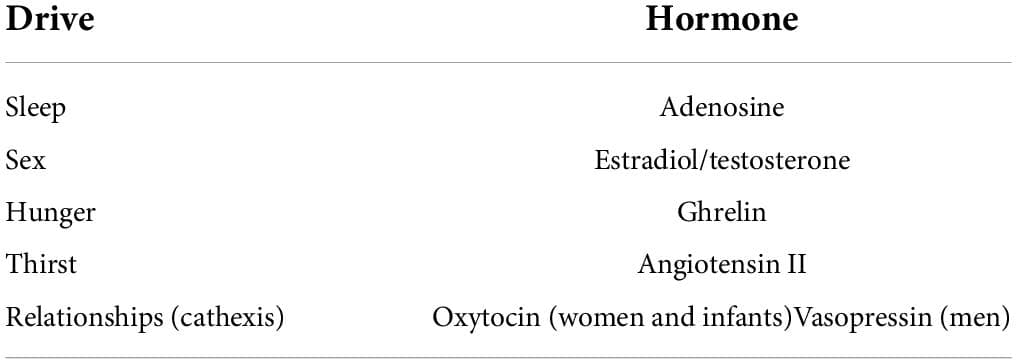
Table 1. Somatic sources of drive motivation (Johnson, 2008; Kirsch and Mertens, 2018; Kirsch and Buchholz, 2020).

The executing hormone of the sexual drive, i.e., estradiol/testosterone, modulates the activity of two of Panksepp’s affective systems (i.e., LUST and CARE) directly by addressing key brain areas of these affective systems and indirectly by addressing the SEEKING Command System (Kirsch, 2019). According to Panksepp, the activity of LUST and CARE depends additionally on oxytocin networking (Panksepp and Biven, 2012) (chapter 7 and chapter 8), i.e., on the executing hormone of attachment drives (Table 1). Since the activity of LUST and CARE is strongly under the control of executing drive hormones, these systems are separated from the other four Command Systems. The other four will be described as instinct later.

Panksepp and Biven (2012, p. 297) described LUST and CARE as having a lateral hypothalamic origin. Oxytocin is produced profusely during parturition to mark the child as an important object. Cathexis requires simultaneous engagement of dopamine, oxytocin and endogenous morphine (Johnson, 2008). Orgasm is an especially potent creator of cathexis because oxytocin and endogenous morphine synergistically reinforce each other (Johnson, 2008). Table 2 shows the relationship of drive, instinct and reflex. Table 3 shows their differences.

Table 2. Interrelationship of reflex, drive and instinct.
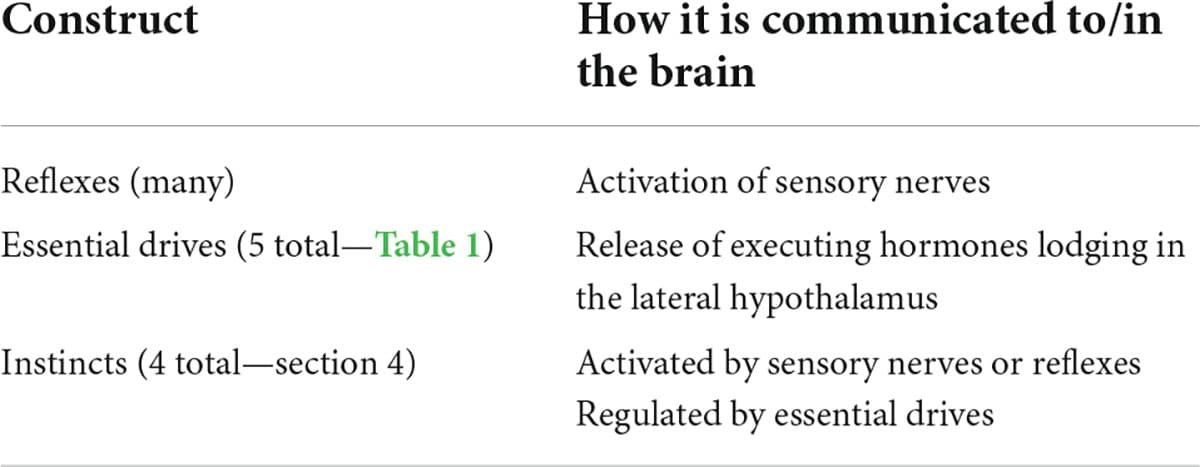
Table 2. Interrelationship of reflex, drive and instinct.

Table 3. Principal differences between drives, reflexes and instincts.
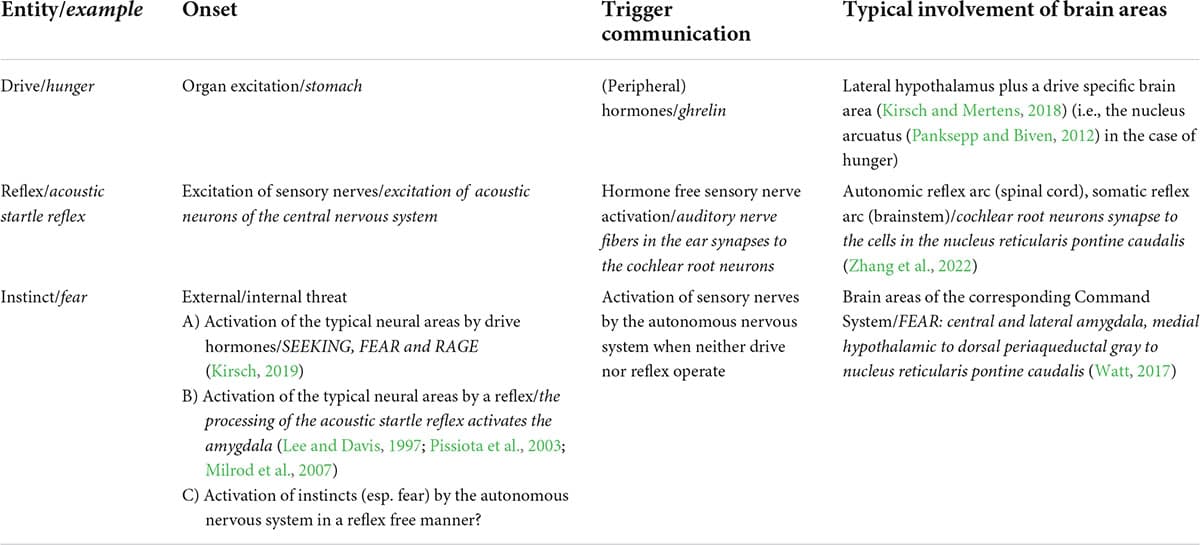
Table 3. Principal differences between drives, reflexes and instincts.

How drives switch on and off

Switching of drives is apparent in human experience. For example, serotonin is zero during stage 4 and REM sleep (Saper et al., 2010). One wakes up with a surge of serotonin (Kirsch and Mertens, 2018), “Wow, what a wonderful day!” (Neurotransmitter regulation of sleep is complex. This simplification follows the cited references that serotonin terminates drive).

But then you notice the attractive partner next to you. Testosterone or more likely estradiol, produced directly in women as well as a metabolic product of testosterone for men, has lodged in your lateral hypothalamus. You may start with touch, activating the PLAY instinctual system. Things get more serious as LUST engages.

After your orgasm has produces a surge of serotonin, you think, “That was great, but what’s for breakfast?” because ghrelin from your stomach has lodged in your lateral hypothalamus. Angiotensin turns on thirst. Coffee hydrates, turning off angiotensin II, and turns off adenosine, making you even more awake.

At night the switching may be reversed. Orgasm switches off sex and the sleep drive is now apparent. The high level of adenosine needs to be turned back into cyclic AMP during sleep to fuel tomorrow’s activities.

What about relationships? If you are walking in a crowded city, it is annoying when strangers brush by you. The psychoanalytic term “cathexis” requires that oxytocin in the lateral hypothalamus marks someone as important to you. This phenomenon is intensified by orgasm with a person (Johnson, 2008). Now you really want to see that person again! The drive for sex and the drive for relatedness conflate making it complicated to start having sex with someone who is not right for you. We will see the conflict below described when we consider pleasure.

The oscillation of serotonin up and down that makes life exciting can be ruined by two common problems. The first is the use of addictive drugs. They take over the SEEKING system. Now the goal of your goad is obtaining drugs. Complicating this is that addictive drugs turn on serotonin (Ringwood et al., 2021). You lose the wonderful oscillation. You are a flat, unrelated person chasing drugs that make you miserable.

The other way to ruin the drive system is to prescribe serotoninergic antidepressants, SSRI and SNRI drugs. Not only do these drugs impair sexual functioning for most users, Clayton et al. (2006) they create a flat existence that patients struggle to describe. They will say things like, “My depression is better but I feel like I am observing my life through a pane of glass.” We speculate that these drugs create a high floor of serotonin tone, reducing the magnitude of fluctuation involved in drive function.

Drives turn on and off. The experience of having no drive turned on because one is well-slept, well fed and watered, satisfied sexually and has lots of close relationships allows SEEKING to be the preeminent experience. This pleasant state cannot go on long. Before one knows it the need for food, water, sex, closeness or sleep recurs.

Unpleasure

This is Freud’s term. “Sensations of a pleasurable nature have not anything inherently impelling about them, whereas unpleasurable ones have it in the highest degree. The latter impel toward change, toward discharge, and that is why we interpret unpleasure as implying a heightening and pleasure a lowering of energetic cathexis…Let us call what becomes conscious as pleasure and unpleasure a quantitative and qualitative ‘something’…This ‘something’ behaves like a repressed impulse. It can exert driving force without the ego noticing the compulsion. Not until there is resistance to the compulsion, a hold-up in the discharge-reaction, does the ‘something’ at once become conscious as unpleasure” (Freud, 1966). Freud seemed to have recognized that unpleasure is not simply the opposite of pleasure. It is really something quite different and much more powerful. We reflect that in our understanding of its neurobiological source, the experience of urgently wanting to satisfy something that SEEKING is demanding.

If one would like to sleep but have to stay up with a sick child, if one wakes up next to an attractive partner but she/he doesn’t want to make love, if you would like to eat but you have to stay at work, and of course, if your brain is calling out for an addictive drug—it causes a feeling of misery. You hope your child goes to sleep so you can go to sleep, or that you can seduce your partner, or that you have good things in your refrigerator for after work, or that you can get to the cash machine, then find your drug dealer. Unpleasure can be lowered by pursuing your goal in a dream.

Unpleasure is more powerful as a driver of drug use than as a driver of ordinary drive goals. One will stay awake or not eat in order to consume cocaine (Johnson, 2009). Lying and using go together because the unpleasure of not having drugs is more important than relationships; one gives up close relationships for drugs. Addicted persons lie to their children and rob their grandmothers.

Unless one has powerful allies, drugs are lethal. The SEEKING system is the source of one’s will (Johnson, 2013). The innovation of Alcoholics Anonymous (step 3), “Made a decision to turn our will and our lives over to the care of God as we understood him,” is the way to get around this neurobiological reality. Addiction is the only disease where not asking for help is a central aspect of the illness. Although not conscious, the conflict includes that asking for help is linked for the actively addicted person with abstinence. One way to describe this is the AA aphorism, “It is hard to stop drinking when you are drinking.” Actively addicted persons know that asking for help and drinking are in conflict. Consciously focusing on relatedness by seeing a therapist, being honest, and perhaps also using 12 step allies, balances the unpleasure of tolerating abstinence despite drugs being urgently wanted against the (weaker—see below) pleasure of being with people.

Instincts

How do we differentiate instincts from drives? As described by Panksepp (1998) and Panksepp and Biven (2012) instincts are shared by all mammalian animals. These are four of Panksepp’s seven systems; PANIC, FEAR, RAGE, PLAY. We are using one of Solms’ most important concepts (Solms, 2013). The ventral brain is turned inward to find out what the body needs; food, water, sleep, sex, companionship. The dorsal brain is turned outward to understand the environment, including the state of the peripheral body such as pain. When the SEEKING system is switched on to one of these Command Systems the instinct dominates thinking and behavior.

Information collected by dorsal brain areas such as the insula are required to turn on instinctual behaviors. Instincts originate with outside stimuli that tune SEEKING to behaviors that are required for survival. They are switched on by environmental factors. PANIC, FEAR and RAGE are turned on indirectly via orexin release during SEEKING activities (Kirsch, 2019).

The PANIC system turns on separation distress. PANIC is interpersonal. We routinely say to patients with panic attacks that they are about being alone, even if there are people all around. The people in one’s family need to be warm and loving for PANIC to be turned off. Cold, uncaring relationships trigger PANIC (Panksepp, 1998; Panksepp and Biven, 2012). The PANIC system is anatomically directly on top of SEEKING (Coenen et al., 2012) as if it is there to shut off SEEKING to produce “neurovegetative” symptoms of depression. One can’t sleep, eat, one does not want sex. One can’t even pay attention when SEEKING is down-regulated by PANIC.

FEAR is tissue-protective (Panksepp and Biven, 2012). FEAR can be caused by persons who are menacing but also by non-human dangers such as a predatory animal, or by walking to the edge of a cliff. FEAR is not necessarily interpersonal. It has to do with danger in the environment. FEAR is turned off when tissue damage has been avoided.

RAGE is turned on by unpleasant impingement (Panksepp and Biven, 2012, p.149). RAGE is also turned on when anticipated rewards are denied by another (Panksepp and Biven, 2012, p. 149). We hypothesize that RAGE is turned off by termination of the offending person’s behavior; either an apology or a retreat. We would suggest that unpleasant as it is, the RAGE circuit helps cultivate good relationships. Well-related people get angry easily and immediately deal with the source of impingement.

PLAY is turned on by having a potential play partner in the vicinity. Touch mediated by thalamic areas is an important basis of PLAY (Panksepp and Biven, 2012). Young animals, whether rat or human, want to wrestle. There seems to be a limit to how much one wants to play. It is terminated by satisfaction.

Drives are internal and instincts have to do with interactions in the environment.2 One can eat or sleep by oneself, or use drugs alone.

The term, “Partying,” is part of the denial system of drug addiction, as if drug use is a social activity. There is nothing interpersonal about addiction as a neurobiological entity. If someone dies at the crack house sometimes the body is put out in the hallway and drug use continues. Nothing playful about that! Cocaine has taken the Command System SEEKING, rendering drives less relevant to life (Ringwood et al., 2021). The behavior is purely internally driven. PANIC, RAGE, FEAR and PLAY are turned off.

Pleasure

Oddly, pleasure is the weakest determinant of human activities. If one inhales a cigarette, one will urgently want to do it again soon. Typically for an addictive illness, the unpleasure of needing the next cigarette is a potent driver of behavior. But if you eat dinner at a great restaurant, you have no urge to go back for breakfast. Human companionship is the main component of pleasure (Panksepp et al., 1980). How much more pleasant to have dinner with a friend than alone!

The weakness of pleasure results in complaints about function that bring patients to treatment. “I keep dating the same woman/man all the time. I fall in love and then am miserable.” Cathexis is built on previous relationships. If one’s parents were unpleasant, one will be attracted to unpleasant people, then complain about how unpleasant it is to be with them. We all assume that we want what we like, but wanting has to do with SEEKING (Wright and Panksepp, 2011). Pleasure is not a brain pathway but rather a distributed state that has much to do with endogenous opioids (Berridge and Kringelbach, 2015).

Opioid maintenance makes human interactions aversive. Autism featuring gaze avoidance, reluctance to speak and repetitive behaviors that ward off human interactions may be due to high levels of endogenous opioid make human interactions aversive (Anugu et al., 2021). Opioid maintenance therapy makes people behave as if they are autistic. Is it worth taking exogenous opioid maintenance to lower the risk of death from using illicit opioids? Practice right now is to make this decision for all patients in the affirmative rather than allow patients to choose.

We have represented opioid tone in the central nervous system with a quadratic equation:

Pleasure (x) = 4 − (x−3)

x = opioid tone, limit x = 0 < x < 6

This Equation models our clinical observations as follows:
  • Healthy persons use friendly contact to increase opioid tone and solitude to reduce opioid tone, keeping it between 2 and 4 (numbers refer to the x-axis of Figure 1).

Figure 1. Neurobiological systems engineering model of the relationship of pain, pleasure and opioid tone.
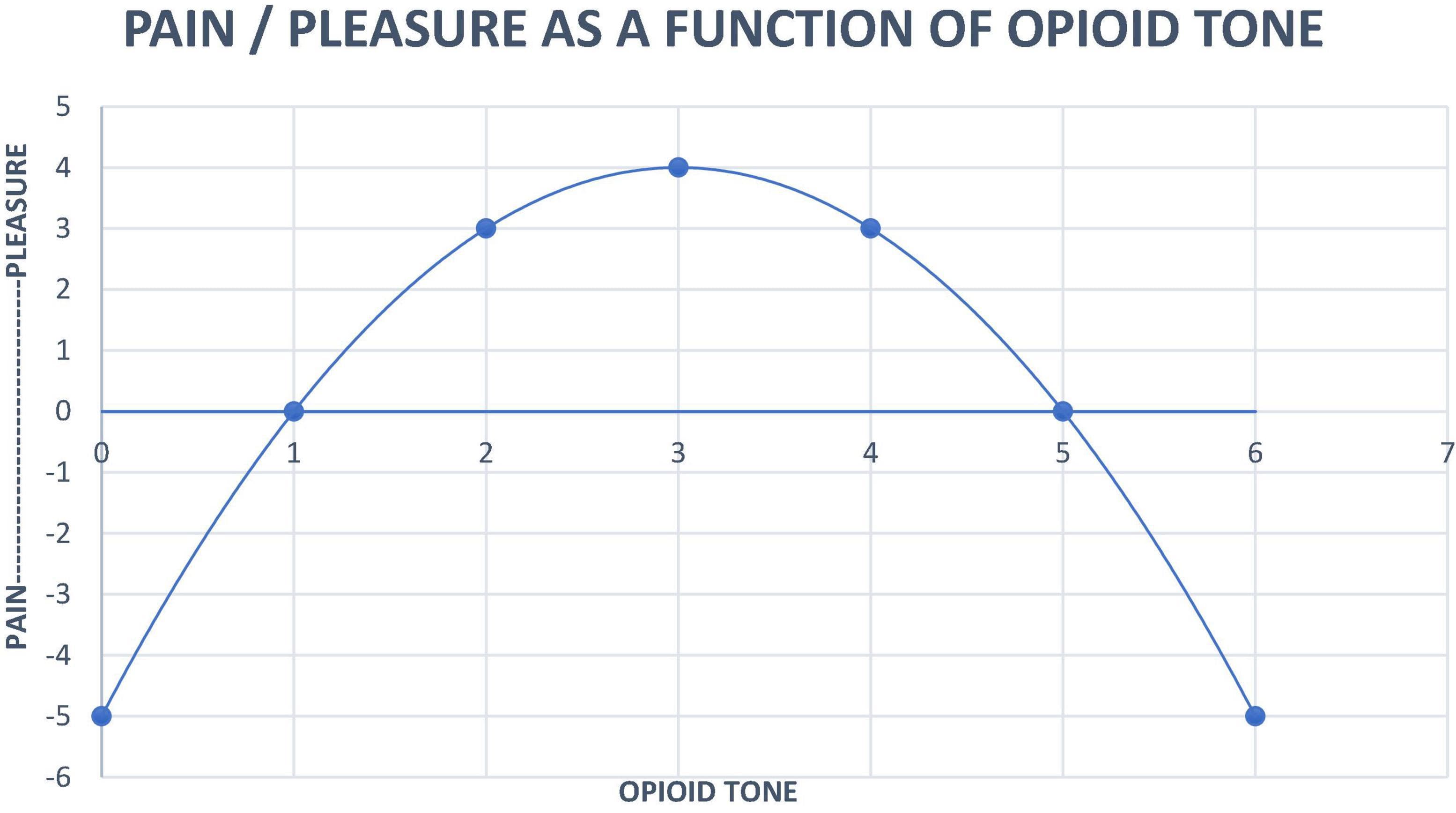
Figure 1. Neurobiological systems engineering model of the relationship of pain, pleasure and opioid tone.
  • When healthy persons feel the distress of loneliness they seek comfort through the proximity of others to increase opioid tone. It feels good.

  • Prolonged intense contact causes discomfort. Healthy humans seek solitude to reduce opioid tone to a pleasant level.

  • Healthy persons can engage and disengage flexibly.

  • Psychopathology such as PTSD, ADHD or borderline personality organization force unrelatedness that results in opioid tone below 1 (x-axis). Such isolated individuals are prone to opioid addiction (Johnson and Faraone, 2013). Opioids might be characterized as, “A person in a pill.”

  • Opioid detoxification results in opioid tone below 1, militating toward relapse to opioid use. This state can be ameliorated with low dose naltrexone (Jackson et al., 2021).

  • Fibromyalgia symptoms are consistent with an autoimmune disease that strikes mu opioid receptors, also setting opioid tone below 1 (Jackson et al., 2021).

  • Autism symptoms such as gaze avoidance, lack of language and social interaction suggest opioid tone past 5 where augmentation of opioid tone is painful. High dose naltrexone can be used to move tone back toward the midline zone (2– 4 on the x-axis) (Anugu et al., 2021).

  • Opioid maintenance also moves opioid tone past 5, resulting in avoidance of human interactions. Using this idea to create a contingency management “reward” of lowering psychotherapy frequency (emotional contact) for negative urine drug screens during buprenorphine maintenance of pregnant women resulted in a high quit rate for addictive drugs and no clinically significant neonatal abstinence syndrome (Tabi et al., 2020).

Complications and nuances

Dreams are not simply guarding sleep. Every drive is connected with the FEAR system (Kirsch, 2019; Kirsch and Buchholz, 2020). PTSD dreams may start with a wish, but may also start with a fear that is marked by SEEKING. If a person has been nearly killed, the danger may be encountered by dreams, waking the person in fear as if to deal with the threat. If the human environment lacks contact, PANIC may be encountered in dreaming—being alone. RAGE competes with the drive for sleep, rendering sleep impossible. In contrast, PLAY and SEEKING share overlapping pathways, allowing play partners to appear in the dream, protecting sleep.

Fantasies may inadequately produce pleasure and drive reduction. The concept that drive reduction requires sequential engagement of SEEKING, then consummatory pleasure (Johnson, 2013), explains why real sex partners provide more than fantasy partners experienced as part of masturbation. Fantasies may be conscious, allowing planning, or unconscious, provoking defenses that determine behaviors that can’t be modified until enacted with a therapist who can help the patient put the unconscious fantasy into manipulable words.

Behaviors are action plans that are procedural not explicit (Solms, 2018b). The process of interpretation (Kernberg, 2016) involves putting implicit behaviors into words via clarification, confrontation, defense and transference interpretation. The procedural behaviors are not extinguished, but rather compete against conscious overriding of previously inchoate urges. Neurotic and addictive behaviors can be modified by the combination of interpersonal support and more conscious behavior.

The hormones of the Freudian drives have the capability to turn on FEAR whereas the mother-infant tie (and presumably also the ones of the other attachment drives) have the capability to turn off FEAR. Thus, drives can act as regulators of FEAR.

Reflex

An instinct can also be activated by a reflex. When we accidently put our hand on a hot stove, FEAR is activated during the withdrawal of our hand. The next time we see the stove, FEAR is turned on.

Applications to psychiatric practice

There are profound implications of these behavioral motivators. These will be listed by headings.

The psychoanalytic concept of conflict

While these systems are not the only source of conflict, this system of understanding motivation clarifies some conceptualizations/interpretations of conflicts. For example, McWilliams (McWilliams, 2004; Watt and Panksepp, 2009) described a woman with a brutal father who consciously sought to not recreate the unpleasantness of her relationship with her father by choosing a pacifist husband. Unfortunately, it became apparent to the patient that pacifism was an attempt in her husband to undo his sadism. The paternal cathexis (drive), a more powerful a motivator of behavior than pleasure, had determined her choice. Dr. McWilliams goal as the psychoanalyst was to help her patient be conscious of this more powerful motivator that had rendered her choice unpleasant.

More broadly, while we all assume we want what we like, conflicts in motivational systems are built into the brain. Cathexis is the tuning of the SEEKING system to the kinds of persons one grew up with. If they were pleasant and loving, there is likely to be a weak cathexis for these qualities in adult relationships. If they were aversive, abusive, abandoning and/or neglectful there is likely to be a strong cathexis, built on early relationships with closeness augmented by FEAR, PANIC, and RAGE, for this kind of adult relationship. Patients like Dr. McWilliams’ arrive for treatment complaining that their relationships are unpleasant despite their best efforts.

The type of relationship that is unpleasant may be recreated with the therapist. This phenomenon drove Freud in “Beyond the pleasure principle” to posit a death instinct. But what lies beyond the pleasure principle, as a more potent motivator of relational behavior, is drive/cathexis (Johnson, 2008).

What Freud meant by the death instinct was a sort of surrender to oblivion—a retreat from the world, from SEEKING anything at all, to stop trying. The state that opioid addicted persons are trying to achieve is just this sort of oblivion. They cannot find satisfaction in their engagement with the world and want to flee from it into a cocoon barely living state. For Freud, what was beyond the pleasure principle was the abandonment of the pursuit of the kinds of things that our “life” drives push us toward in the world of others. The opioid coma that addicted persons seek comes close to that.

One vs. two person psychoanalytic theory

We can see that this is a false dichotomy. The human infant is born with innate needs; drives. The storm of oxytocin at birth creates in both individuals a strong cathexis, the mother-infant bond (Kirsch and Buchholz, 2020). Eventually the infant builds up an oxytocin—dependent cathexis with all other main caregivers.

Development is the process of exploring and imperfectly solving how to meet our needs (Tabi et al., 2020). Humans are social animals. We SEEK engagement. Our interpersonal experience is shaped by drive and instinct, unpleasure and pleasure. Entering into an intense therapeutic relationship with any patient creates a two—person field of previous cathected relationships for both parties; the transference and the countertransference. How to negotiate one’s countertransference while interpreting the transference with the humble and helpless attitude that one is only partly conscious about the interaction is essential to good technique.

Treating “anxiety and depression”

As weak a motivator pleasure is, opioid tone at the top of the inverse U function makes one calm and happy. If one has been able to construct a human environment full of well-intentioned people, one might never need to see a psychotherapist. If one is bad at relationships it is difficult to regulate opioid tone. One slides down the left side of the inverse U. “Anxiety” is a signal from the PANIC system that human contact is needed. Patients with panic attacks can have their difficulties with relatedness addressed with psychoanalytic therapy (Modell et al., 1997).

Think of McWilliams’ patient. She is married but feels alone. Anxiety is the signal that something is wrong but the signal is difficult to decode. Perhaps she will set up a relationship with Dr. McWilliams that is also distant. Dr. McWilliams will become aware of this by examining a countertransference that is unique to this patient.

If the distance is marked and enduring, depression ensues (Johnson, 1992). This sets up a classic problem, the question of medications. Some practitioners pride themselves on symptom reduction and provide benzodiazepines. This just builds in a chemical distance without solving the problems. Some practitioners have been taught that SSRIs are the first line medications for anxiety and depression. This builds in another kind of distance by raising baseline serotonin tone and reducing the fluctuations in serotonin that make life intensely pleasant. For Dr. McWilliams’ patient it might create a secondary problem that not only is she turned off sexually by her husband’s sadism, she is also turned off chemically by a SSRI medication that reduces sexual interest, lubrication and orgasm (Johnson, 1992).

Feelings mean something. The effect size for antidepressants is about 0.3 and for psychoanalytic therapy starts at 0.8 and moves upward in different studies (Tabi et al., 2020). Why psychotherapy is not widely recommended to treat anxiety and depression becomes a reasonable question. The goal of examining the transference relationship to minimize interpersonal distance in general, if realized sufficiently, restores opioid tone to the top of the inverse U. The patient leaves therapy feeling better.

Treatment of addiction

In 1789 tobacco and alcohol were legal addictive drugs in the United States. Marijuana is being added to the list. Other addictive drugs afflict a much smaller percentage in the population. Drug use is characteristically adopted during teenage years to shut off PANIC, RAGE, and FEAR (Ringwood et al., 2021).

The imbrication of drugs into the SEEKING system creates a permanent change in function. Actively addicted patients complain that they urgently want the drug even while suffering unpleasant consequences from use. There is nothing nice about having an addiction.

Seeing the conflict between urgent drug SEEKING to ward off unpleasure, and the pleasure of being warmly related, gives the psychotherapist purchase to use clarification and confrontation about drug use to bring to consciousness this conflict. The model that drug addiction takes over SEEKING to render it insensitive to the drive to be related helps understand why the illness that routinely results in not wanting treatment; exactly because the addicted person has given up relatedness for drugs. When the therapist successfully engages with a newly sober patient the hostility of drug use may enter the transference relationship along with elements of childhood trauma (Panksepp, 1981; Johnson, 2010).

Opioid Use Disorder is subject to the inverse U function shown in Figure 1. Opioid maintenance makes patients untreatable by psychotherapy because endogenous opioid tone is the driver of relatedness (Carroll and Weiss, 2017). Emotional closeness hurts when opioid tone is high! This is reflected in the broader psychotherapy literature that interventions that require a therapeutic alliance have no impact during buprenorphine maintenance (Johnson et al., 2014).

The inverse U function explains the vulnerability of persons with personality disorders to opioid use disorder. Their difficulty with relationships creates enduring low opioid tone that can be corrected with a “person in a pill.” Opioids feel like people. Opponent process ensues making the distance/depression worse. Every dose of opioid feels good even as the tone created by the impact of exogenous opioids decreases the efficiency of the corresponding receptor system thereby enhancing drivers of misery; anxiety, depression and pain. This phenomenon probably results in the problem of “isolation” as a core aspect of opioid addiction.

Our formulation about addiction calls into question the term, “reward system,” that is ubiquitous in neuroscience articles. Behavioral psychology specifically disregarded anything about the brain (Panksepp, 1998, p. 12). The term “reward” was used as anything that caused animals to enact a specific behavior more frequently, unconnected with any conceptual thinking about the brain.

Our hierarchy of motivators suggests that by taking over SEEKING, and producing frequent experiences of awful unpleasure because drugs are not immediately available, pleasure is negated by drug addiction. Using the term “reward” for the effects of addictive drug use creates stigma, as if use of drugs was hedonistic rather than a desperate attempt to avoid enduring PANIC, FEAR, and RAGE caused by a disadvantageous human environment. Drugs shut off feelings. Craving/SEEKING drugs creates unpleasure and the misery of constantly high serotonin tone, making a bad situation worse.

SEEKING that is not corrupted by addictive drug use is a pleasant expectancy that good things may happen (Panksepp and Biven, 2012). Learning takes place in the context of both positive and negative events (Panksepp and Biven, 2012, p. 105–106). We learn how to increase good outcomes and minimize bad outcomes.

Conclusion

“Science is not really about ‘right,’, ‘wrong,’ ‘true,’ or ‘false.’ Theories should be evaluated as more or less ‘useful within a certain context” (Davies, 2021). Our approach is the product of reverberation between clinical observation and brain science. Having these dual aspects of information allows for a more robust grounding of both theory and treatment (Govrin, 2006).

We have updated Freud’s original concepts of drive and instinct in a way that conserves his original insights. Drive is a pressure to act on an internal stimulus. It has a motivational energic source, an aim, an object, and is terminated by the satisfaction of a surge of serotonin. Drive reduction requires SEEKING/exploration followed by satisfaction/consummatory outcomes. An instinct is an inherited pattern of behavior that varies little from species to species. Drives are created by internal/ventral brain areas and instincts require input from the outside that come in from dorsal structures. Instincts can be turned on by drives but drives cannot be turned on by instincts. For example, the drive for sex can turn on FEAR. Hunger can turn on RAGE. But the PLAY, FEAR, RAGE and PANIC systems do not turn on any drives because they are unable to induce the release of hormones such as estradiol/testosterone or ghrelin.

In terms of Compton’s four camps of psychoanalytic theorizing on drive and instinct:

  1. From current insights, the death instinct (Freud, 1920) is rendered untenable. What lies beyond pleasure are the four more powerful motivational factors; SEEKING, drive, unpleasure and instinct.

  2. Aggression and sexuality are not exactly parallel phenomena. Aggression might best be viewed as SEEKING. We SEEK sex because estradiol/testosterone has tuned SEEKING to sexuality. Other drives can be aggressively sought. The wolf chases the rabbit because of ghrelin/SEEKING.

  3. Aggression as a result of frustration, a non-specific tension, is covered by our use of (and Freud’s use of) the term unpleasure. Tension reduction is a property of termination of drive by a surge of serotonin. RAGE is an instinct that has to do with impingement from without. The unpleasure of unmet drives and RAGE are two different sources of frustration.

  4. We are we all born in an interpersonal matrix. Development has to do with learning how to have our needs met (Solms, 2018c) within that matrix. Humans are social animals. There is no conflict between drive and unique experiences, including in the psychotherapy dyad. Relational psychoanalysis can coexist with drive theory.

Reflexes are noted to be a separate phenomenon. We all have reflexes to defecate when the colon is full at birth. Around age 2 this reflex can be modified by learning in an interpersonal network of caregivers.

At the same time as resolving a problem in psychoanalytic theory this way of conceptualizing drive and instinct helps create new aspects of psychiatric treatment. Specific disorders: anxiety disorders, depressive disorders, addictions in general, and opioid addiction in particular are all amenable to improved care because of the update of psychoanalytic theory.

The hierarchy of motivational systems: SEEKING, drive, unpleasure, instinct, and pleasure, move psychoanalysis into the scientific mainstream. They have an impact on mental health treatment in general. We have solved one aspect of the problem of how to work neurobiology into general psychiatric practice.

Open Article as PDF

Abstract

The neuropsychoanalytic approach solves important aspects of how to use our understanding of the brain to treat patients. We describe the neurobiology underlying motivation for healthy behaviors and psychopathology. We have updated Freud's original concepts of drive and instinct using neuropsychoanalysis in a way that conserves his insights while adding information that is of use in clinical treatment. Drive (Trieb) is a pressure to act on an internal stimulus. It has a motivational energic source, an aim, an object, and is terminated by the satisfaction of a surge of serotonin. An instinct (Instinkt) is an inherited pattern of behavior that varies little from species to species. Drives are created by internal/ventral brain factors. Instincts require input from the outside that arrive through dorsal brain structures. In our model unpleasure is the experience of unsatisfied drives while pleasure if fueled by a propitious human environment. Motivational concepts can be used guide clinical work. Sometimes what had previously described psychoanalytically as, "Internal conflict," can be characterized neurobiologically as conflicts between different motivational systems. These motivational systems inform treatment of anxiety and depression, addiction in general and specific problems of opioid use disorder. Our description of motivation in addictive illness shows that the term, "reward system," is incorrect, eliminating a source of stigmatizing addiction by suggesting that it is hedonistic. Understanding that motivational systems that have both psychological and brain correlates can be a basis for treating various disorders. Over many papers the authors have described the biology of drives, instincts, unpleasure and pleasure. We will start with a summary of our work, then show its clinical application.

The Problem of Drive and Instinct

A persistent lack of clarity has existed in psychoanalysis regarding the terms "drive" and "instinct." A drive, known as "Trieb" in original formulations, is understood as an internal pressure that is flexible in how it manifests and what it seeks. In contrast, an instinct refers to an inherited behavior pattern, largely fixed across a species and resistant to change.

Discussions on "instinctual drives" typically fall into four categories: those supporting the concept of a death instinct, those viewing aggression and sexuality as parallel phenomena, those rejecting aggression as an instinctual drive (seeing it as a result of frustration), and those advocating for the removal of drive models entirely.

The pleasure-unpleasure principle is also central to drive theory. The pursuit of pleasure has been suggested as a primary motivator. This principle is closely linked to the "constancy principle," which posits that the psyche strives to maintain a low, constant level of internal tension. Lowering this tension is experienced as pleasurable, while increasing it is uncomfortable. These principles underpin drive theory, as internal tension from unmet needs activates the pursuit of moderation.

A neuropsychoanalytic approach offers a framework for understanding motivation, based on the idea that humans are born with innate needs and learn to meet them over time. This approach integrates clinical observations of human behavior with neuroscience, viewing neuroscience as the foundational science for psychoanalysis.

The Five Sources of Motivation

Motivation systems are built upon observations of human behavior and, importantly, on the foundational work of animal motivational systems shared across mammals. Seven basic emotional command systems have been identified: SEEKING, RAGE, FEAR, PANIC, LUST, CARE, and PLAY. These affective systems are evolutionarily developed and operate through specific brain regions.

Revisions to this model incorporate insights on attachment (cathexis), drive reduction, the influence of hormones and serotonin on drives, and the neurobiology of addiction. These motivational systems form a neuropsychoanalytic model for patient care, listed from the most powerful to the least: SEEKING, drive, unpleasure, instinct, and pleasure.

SEEKING

SEEKING is a fundamental neural system originating in the ventral tegmental area and extending through the basal forebrain and lateral hypothalamus, synapsing at the nucleus accumbens, and engaging the basal ganglia for motor activity. It represents an appetitive investigation of the environment, often described as a "goad without a goal."

This system operates primarily on dopamine, which modulates its activity regardless of other neurotransmitters. SEEKING is considered the most powerful neural system, influencing all other emotional command systems. It remains active during sleep, driving desires expressed in dreams.

SEEKING is highly susceptible to addictive drugs, which can hijack the system. Addicted individuals prioritize drug seeking above other motivators, a phenomenon evidenced by the significant mortality rates associated with drug addiction. This system's importance lies in its ability to modulate all other emotional command systems.

Drives

A drive is specifically defined by the lateral hypothalamus's role in directing the SEEKING system toward a particular purpose. This occurs when a hormone from the body lodges in the lateral hypothalamus. The termination of a drive is marked by a significant surge in serotonin.

Hormones, such as estradiol/testosterone, directly modulate the LUST and CARE systems and indirectly influence SEEKING. These systems (LUST and CARE) are also dependent on oxytocin, the hormone associated with attachment. Cathexis, the process of forming emotional bonds, requires the simultaneous engagement of dopamine, oxytocin, and endogenous morphine. Orgasm, by synergistically boosting oxytocin and endogenous morphine, intensely fosters cathexis.

How Drives Switch On and Off

The dynamic switching of drives is a common human experience. Serotonin levels are low during deep sleep and surge upon waking, creating a sense of well-being. Subsequently, hormonal signals can activate other drives, such as sexual desire, influencing behavior. After satisfaction, the drive diminishes, allowing other needs like hunger or thirst to emerge.

Oxytocin plays a crucial role in forming relationships, as it marks individuals as important, particularly intensified by intimate experiences. This intertwining of sexual and relational drives can complicate choices.

Addictive drugs disrupt this natural oscillation by taking over the SEEKING system and artificially elevating serotonin, leading to a "flat" and unrelated existence. Similarly, serotonergic antidepressants (SSRIs and SNRIs) can also impair drive function, including sexual functioning, by maintaining a high baseline serotonin tone, thus reducing the natural fluctuations essential for vibrant experience.

The experience of having no immediate drives, such as being well-fed, rested, and connected, allows SEEKING to be a pleasant, general exploration. However, this state is temporary, as needs for food, water, sex, closeness, or sleep inevitably recur.

Unpleasure

"Unpleasure," as described, is not merely the absence of pleasure but a potent, impelling force. It is the conscious experience of urgently needing to satisfy a demand from the SEEKING system, often indicating a heightened state of psychic tension. This drive compels individuals toward change and discharge.

Experiences of unpleasure include needing sleep but caring for a child, desiring intimacy but being rejected, or wanting to eat but having work obligations. Drug craving is a particularly powerful form of unpleasure.

Unpleasure, especially in addiction, can be a stronger driver of behavior than ordinary goals. The intense unpleasure of drug withdrawal can lead individuals to prioritize drug access over basic needs and relationships. Overcoming this neurobiological reality in addiction often requires external support, as seeking help conflicts with the active pursuit of the drug.

Instincts

Instincts are differentiated from drives by their shared nature across all mammals and their origin in external stimuli, which the dorsal brain processes to tune SEEKING toward survival behaviors. The four instinctual systems are PANIC, FEAR, RAGE, and PLAY.

  • PANIC: This system activates separation distress and is interpersonal, often triggered by cold or uncaring relationships. When active, it can down-regulate SEEKING, leading to symptoms like those seen in depression.

  • FEAR: This instinct is tissue-protective, activated by environmental dangers like menacing individuals or physical threats. It is alleviated when tissue damage is avoided.

  • RAGE: Triggered by unpleasant impingement or denied anticipated rewards, RAGE is hypothesized to terminate when the offending behavior ceases. It can contribute to cultivating healthy relationships by prompting immediate responses to boundary violations.

  • PLAY: Activated by the presence of a potential play partner, PLAY involves physical interaction and is terminated by satisfaction.

Drives are internally generated, while instincts involve interaction with the environment. Addiction, in particular, can distort these distinctions, as the internal drive for drugs overrides social instincts, leading to isolated and self-destructive behaviors.

Pleasure

Pleasure is notably the weakest motivator of human activities. While addictive substances create an urgent craving driven by unpleasure, satisfying experiences like a good meal do not generate immediate, intense re-craving. Human companionship is identified as a primary source of pleasure.

Relationships often involve a phenomenon called cathexis, where individuals are drawn to partners resembling those from early experiences, even if those relationships were unpleasant. "Wanting" is rooted in the SEEKING system, whereas "liking" or pleasure is more distributed and strongly linked to endogenous opioids.

Opioid maintenance therapy can lead to aversive human interactions, mirroring symptoms seen in autism such as gaze avoidance and reduced social interaction. The concept of opioid tone suggests a balance; healthy individuals regulate this tone through social contact and solitude, keeping it within a pleasant range. Imbalances in opioid tone can contribute to vulnerability to opioid addiction or symptoms resembling autism or fibromyalgia.

Complications and Nuances

Dreams are not solely guardians of sleep; they also engage the FEAR, PANIC, and RAGE systems in response to past trauma or current relational deficits, potentially waking individuals. However, PLAY and SEEKING pathways can overlap in dreams, allowing for pleasant interactions that protect sleep.

Fantasies offer inadequate substitutes for real experiences in producing pleasure and drive reduction, as true satisfaction requires engagement of both SEEKING and consummatory outcomes. Behaviors, often procedural and unconscious, can be modified through therapy by bringing implicit urges into conscious awareness and competing them with new, conscious choices. Drives also regulate FEAR, with some (like sex or hunger) capable of activating FEAR, while attachment ties can turn it off. Reflexes, such as early bodily functions, can also activate instincts and be modified by learning within social contexts.

Applications to Psychiatric Practice

These motivational systems have profound implications for psychiatric practice.

The Psychoanalytic Concept of Conflict

Motivational systems clarify psychological conflicts. For instance, individuals may unconsciously select partners who recreate unpleasant early relationship dynamics due to powerful drive-based attachments (cathexis) that override the conscious pursuit of pleasure. This dynamic, which Freud explored as a "death instinct," is better understood as the more potent influence of drive/cathexis when relational behavior is concerned. What appears as a surrender to oblivion in addiction is a flight from the world into a cocoon state, driven by the intense pursuit of an altered state.

One vs. Two Person Psychoanalytic Theory

The distinction between one-person and two-person psychoanalytic theories is a false dichotomy. Humans are born with innate drives and a social nature. Development involves learning to meet needs within interpersonal relationships, beginning with the mother-infant bond. Therapeutic relationships, therefore, are always a dynamic "two-person field," involving the interplay of transference and countertransference, which requires conscious negotiation.

Treating "Anxiety and Depression"

"Anxiety" can be understood as a signal from the PANIC system indicating a need for human contact, often stemming from difficulties in relatedness. Prolonged emotional distance can lead to depression. Medications like benzodiazepines and SSRIs may alleviate symptoms but can also create chemical distance, hindering the natural fluctuations of serotonin vital for a rich emotional life. Psychotherapy, by addressing interpersonal distance and restoring healthy opioid tone, often proves more effective in treating anxiety and depression.

Treatment of Addiction

Addiction, particularly when it co-opts the SEEKING system, fundamentally alters brain function. Actively addicted individuals experience intense "unpleasure" from drug craving, leading them to prioritize drugs over all else, including relationships. Therapy aims to bring this conflict between urgent drug seeking and the pleasure of warm relationships into conscious awareness. The resistance to treatment in addiction is often rooted in the illness itself, as it compels individuals to abandon relatedness for drugs.

Opioid use disorder highlights the inverse relationship between opioid tone and relatedness. Opioid maintenance can make psychotherapy challenging because high endogenous opioid tone makes emotional closeness uncomfortable. The term "reward system" in neuroscience can be misleading, as drug use is often driven by a desperate attempt to escape intense unpleasure (PANIC, FEAR, RAGE), rather than hedonistic pleasure. Addiction negates true pleasure by corrupting the SEEKING system and creating a constant state of high serotonin tone, making a difficult situation even worse.

Conclusion

This neuropsychoanalytic approach offers a useful framework, integrating clinical observations with brain science. It refines Freud's original concepts: a drive is an internal pressure with a specific aim and object, terminated by satisfaction; an instinct is an inherited behavioral pattern, triggered by external stimuli. Drives originate internally, while instincts respond to the environment. Drives can activate instincts (e.g., sex activating FEAR), but instincts cannot activate drives.

Revisiting earlier psychoanalytic theories:

  • The death instinct is re-evaluated; more powerful motivators like SEEKING, drive, unpleasure, and instinct lie beyond pleasure.

  • Aggression and sexuality are not precisely parallel; aggression can be viewed as an aspect of SEEKING, and sex is SEEKING tuned by hormones.

  • Aggression resulting from frustration (unpleasure) is distinct from RAGE, an instinctual response to external impingement.

  • Drive theory and relational psychoanalysis are compatible, recognizing humans are social and learn to meet needs within relationships.

Reflexes are distinct, though modifiable by learning. This updated understanding of drive and instinct improves the conceptualization and treatment of psychiatric disorders, including anxiety, depression, and addiction, by integrating neurobiology into general psychiatric practice. The hierarchy of motivational systems (SEEKING, drive, unpleasure, instinct, and pleasure) contributes to the scientific foundation of psychoanalysis and mental health treatment.

Open Article as PDF

Abstract

The neuropsychoanalytic approach solves important aspects of how to use our understanding of the brain to treat patients. We describe the neurobiology underlying motivation for healthy behaviors and psychopathology. We have updated Freud's original concepts of drive and instinct using neuropsychoanalysis in a way that conserves his insights while adding information that is of use in clinical treatment. Drive (Trieb) is a pressure to act on an internal stimulus. It has a motivational energic source, an aim, an object, and is terminated by the satisfaction of a surge of serotonin. An instinct (Instinkt) is an inherited pattern of behavior that varies little from species to species. Drives are created by internal/ventral brain factors. Instincts require input from the outside that arrive through dorsal brain structures. In our model unpleasure is the experience of unsatisfied drives while pleasure if fueled by a propitious human environment. Motivational concepts can be used guide clinical work. Sometimes what had previously described psychoanalytically as, "Internal conflict," can be characterized neurobiologically as conflicts between different motivational systems. These motivational systems inform treatment of anxiety and depression, addiction in general and specific problems of opioid use disorder. Our description of motivation in addictive illness shows that the term, "reward system," is incorrect, eliminating a source of stigmatizing addiction by suggesting that it is hedonistic. Understanding that motivational systems that have both psychological and brain correlates can be a basis for treating various disorders. Over many papers the authors have described the biology of drives, instincts, unpleasure and pleasure. We will start with a summary of our work, then show its clinical application.

The Problem of Drive and Instinct

Since the beginning of psychoanalysis, there has been confusion about the terms "drive" and "instinct." This might not be due to Freud himself. Experts explain that a "drive" is a general internal pressure that can lead to various behaviors and isn't tied to a specific object. In contrast, an "instinct" is an inherited behavior pattern specific to an animal species. Instincts are consistent among members of a species, unfold over time, resist change, and seem to have a clear purpose.

Researchers have reviewed different ways of understanding "instinctual drives," including four main groups of thinkers:

  1. Those who follow Freud’s idea of a "death instinct."

  2. Those who see aggression and sexuality as similar in how they function.

  3. Those who do not believe aggression is an instinctual drive, viewing it instead as a result of frustration or a general reduction of tension.

  4. Those who prefer to avoid using drive models altogether.

The idea of the "pleasure-unpleasure principle" is also part of drive theory. Some suggest that the pursuit of pleasure could explain motivation, asking if people simply want what is most pleasant in life.

However, the pleasure principle is more complex than just "wanting what is pleasant." It is closely linked to Freud's "constancy principle," which states that the mind develops to keep mental tension at a relatively low and steady level. As a result, the pleasure principle suggests that lowering mental tension is almost always experienced as pleasurable, while increasing tension is uncomfortable. These ideas about constancy and pleasure are fundamental to drive theory, as internal sources of mental tension—like the tension from unmet needs—are what activate individuals to find ways to reduce that tension.

A modern approach to understanding motivation comes from neuropsychoanalysis. This perspective views the mind and brain as two aspects of the same reality. Individuals are born with certain basic needs. Development involves learning, often imperfectly, how to satisfy these needs. By studying consciousness, it should be possible to connect observations from clinical practice with insights from neuroscience. This means using neuroscience as a core science for psychoanalysis, moving beyond individual opinions by linking observations to brain-based understanding whenever possible.

The Five Sources of Motivation

The following hierarchy of motivation is based not only on human observations but also on important research showing that animals have developed motivational systems that humans share. This work identified seven basic "Command Systems" in the brain: SEEKING, RAGE, FEAR, PANIC, LUST, CARE, and PLAY. These emotional systems are believed to have evolved and are present in all mammals. Since each Command System involves specific brain areas, it should be possible to test their actions experimentally.

Later research has refined this model, including studies on how emotional energy is invested in objects or ideas (cathexis), how drives are reduced, the effects of hormones and serotonin on drives, and recent work on addiction. These motivational systems are part of a neuropsychoanalytic model used in patient care. They are listed from the most powerful to the least powerful: SEEKING, drive, unpleasure, instinct, and pleasure.

SEEKING

SEEKING involves a specific brain pathway starting in the ventral tegmental area, running through the basal forebrain and lateral hypothalamus, and connecting with the nucleus accumbens. From there, pathways extend through the basal ganglia, which produce movement. It is described as a "goad without a goal," representing an investigative urge to explore the environment. People are always driven to find out what is around them.

The SEEKING system runs on dopamine. Regardless of other brain chemicals, dopamine always influences SEEKING activity. Even during sleep, individuals pursue what they desire in dreams, aligning with Freud’s idea that "Every dream starts with a wish." SEEKING is the most powerful neural system and is crucial for the other Command Systems.

SEEKING can be hijacked by addictive drugs. Through various mechanisms, addicted individuals primarily scan their environment for drugs, an urgent desire that overrides other motivations. The power of addictive drugs on SEEKING is evident in the high number of deaths from drug addiction, which accounts for a significant portion of fatalities in some countries and globally.

The SEEKING Command System is highly important because it is considered the "granddaddy" of all emotional systems. This means SEEKING can influence all other Command Systems, likely by stimulating specific neurons in the lateral hypothalamus.

Drives

The lateral hypothalamus is ideally positioned to direct the general "goad without a goal" of SEEKING toward a specific purpose. Hormones from the body's periphery travel to and activate the lateral hypothalamus, guiding SEEKING. This is a specific definition of a drive. A drive ends with a large increase in serotonin. Once a drive is fulfilled, another often takes its place.

Hormones involved in sexual drive, such as estradiol and testosterone, directly affect the LUST and CARE emotional systems by targeting key brain areas. They also indirectly influence the SEEKING system. The activity of LUST and CARE also depends on oxytocin, which is a hormone involved in attachment drives. Because LUST and CARE are strongly controlled by these specific drive hormones, they are distinct from the other four Command Systems. The remaining four will be described later as instincts.

LUST and CARE are understood to originate in the lateral hypothalamus. Oxytocin is produced in large amounts during childbirth, making the child an important object. The process of forming strong emotional bonds (cathexis) requires the simultaneous involvement of dopamine, oxytocin, and natural opioids. Orgasm is particularly effective at creating cathexis because oxytocin and natural opioids work together to strengthen the bond.

How Drives Switch On and Off

The switching of drives is a common human experience. For example, serotonin levels drop to zero during deep sleep and REM sleep. Upon waking, there is a surge of serotonin, leading to a feeling of "Wow, what a wonderful day!" (though sleep regulation is complex, this simplification follows the idea that serotonin ends drives).

Then, one might notice an attractive partner nearby. Testosterone, or more likely estradiol (produced in women and as a byproduct of testosterone in men), has activated the lateral hypothalamus. This might start with touch, engaging the PLAY instinct. As LUST intensifies, the interaction becomes more serious.

After orgasm causes a surge of serotonin, the focus might shift to hunger, with ghrelin from the stomach activating the lateral hypothalamus, prompting thoughts like, "That was great, but what's for breakfast?" Angiotensin then triggers thirst. Coffee provides hydration, turning off angiotensin II, and also turns off adenosine, making one feel more awake.

At night, the process might reverse. Orgasm ends the sexual drive, and the need for sleep becomes apparent. High levels of adenosine need to be converted back into cyclic AMP during sleep to provide energy for the next day's activities.

Relationships also involve this dynamic. Walking in a crowded city and being brushed by strangers can be annoying. The psychoanalytic concept of "cathexis" means that oxytocin in the lateral hypothalamus makes someone feel important to an individual. This feeling is intensified by orgasm with that person, making one truly want to see them again. The drive for sex and the drive for connection can merge, making it complicated to begin sexual relationships with individuals who are not a good fit. This creates a conflict that will be discussed further when considering pleasure.

This exciting oscillation of serotonin levels can be disrupted by two common issues. First, addictive drugs take over the SEEKING system. The goal of one's urge then becomes obtaining drugs. Complicating this is the fact that addictive drugs also increase serotonin levels. This eliminates the natural ups and downs, leading to a dull, detached existence focused solely on drugs, which ultimately causes misery.

Another way to disrupt the drive system is through serotonergic antidepressant medications like SSRIs and SNRIs. These drugs not only impair sexual function for most users, but they also create a "flat" emotional state that patients find hard to describe, often saying they feel like they are "observing life through a pane of glass." It is thought that these drugs create a consistently high baseline of serotonin, reducing the powerful fluctuations involved in healthy drive function.

Drives turn on and off. When one is well-rested, fed, hydrated, sexually satisfied, and has strong relationships, SEEKING can be the primary experience, leading to a pleasant state. However, this state does not last long, as the needs for food, water, sex, closeness, or sleep soon reappear.

Unpleasure

Freud used the term "unpleasure." He believed that pleasurable sensations do not inherently compel action, while unpleasurable ones do so strongly. Unpleasurable feelings drive individuals toward change and release. This suggests that unpleasure means an increase in mental energy, and pleasure means a decrease. This "something" that becomes conscious as pleasure and unpleasure acts like a hidden impulse. It can exert a driving force without conscious awareness. Only when this compulsion is resisted or its discharge is blocked does it become conscious as unpleasure. Freud seemed to recognize that unpleasure is not just the opposite of pleasure; it is different and far more powerful. This understanding reflects its neurobiological source: the urgent feeling of needing to satisfy what SEEKING demands.

Feeling miserable can arise from various situations: needing to sleep but having to care for a sick child, waking up next to an attractive partner who does not want intimacy, wanting to eat but needing to stay at work, or desperately craving an addictive drug. People might hope their child falls asleep, or that they can persuade their partner, or that they have food at home, or that they can quickly get to their drug dealer. Unpleasure can be lessened by pursuing these goals in dreams.

Unpleasure is a stronger motivator for drug use than for ordinary drive goals. Individuals might stay awake or not eat to consume cocaine. Lying and drug use often go hand-in-hand because the unpleasure of not having drugs is more important than relationships; individuals give up close connections for drugs, leading to behaviors like lying to children or stealing from family members.

Without strong support, drugs can be deadly. The SEEKING system is the source of a person's will. The innovation of Alcoholics Anonymous (AA) is found in its third step: "Made a decision to turn our will and our lives over to the care of God as we understood him." This approach helps overcome the neurobiological reality of addiction. Addiction is unique because not asking for help is a central part of the illness. Though not consciously recognized, the conflict involves associating asking for help with stopping drug use. As an AA saying puts it, "It is hard to stop drinking when you are drinking." Actively addicted individuals understand that seeking help and using drugs are in conflict. Consciously focusing on relationships by seeing a therapist, being honest, and possibly using 12-step support helps balance the unpleasure of tolerating abstinence (despite urgent drug cravings) against the weaker pleasure of being with others.

Instincts

Instincts are different from drives. Instincts are shared by all mammalian animals, including four of the seven Command Systems: PANIC, FEAR, RAGE, and PLAY. A key concept is that the lower part of the brain (ventral brain) focuses inward to determine what the body needs, such as food, water, sleep, sex, and companionship. The upper part of the brain (dorsal brain) looks outward to understand the environment, including external bodily states like pain. When the SEEKING system is activated by one of these Command Systems, the instinct dominates thoughts and behavior.

Information gathered by dorsal brain areas, such as the insula, is needed to trigger instinctual behaviors. Instincts are initiated by external stimuli that direct SEEKING toward behaviors necessary for survival. They are activated by environmental factors. PANIC, FEAR, and RAGE are indirectly switched on through the release of orexin during SEEKING activities.

The PANIC system activates distress related to separation. PANIC is interpersonal; patients with panic attacks are often told their attacks are about feeling alone, even when surrounded by people. Warm and loving family relationships help turn off PANIC. Cold, uncaring relationships can trigger PANIC. The PANIC system is located directly above SEEKING in the brain, and it seems positioned to shut down SEEKING, leading to "neurovegetative" symptoms of depression, such as difficulty sleeping, loss of appetite, lack of sexual interest, and an inability to pay attention when SEEKING is reduced by PANIC.

FEAR protects bodily tissues. FEAR can be caused by threatening people, non-human dangers like a predatory animal, or by being near the edge of a cliff. FEAR is not necessarily interpersonal; it relates to danger in the environment. FEAR is turned off once tissue damage has been avoided.

RAGE is activated by unpleasant intrusions or when anticipated rewards are denied by another person. It is thought that RAGE is turned off when the offending behavior stops, either through an apology or a retreat. Despite being unpleasant, the RAGE circuit can help foster good relationships. People in healthy relationships tend to get angry easily and promptly address the source of conflict.

PLAY is activated by the presence of a potential play partner. Touch, mediated by areas in the thalamus, is an important basis for PLAY. Young animals, whether rats or humans, have a natural urge to wrestle. There seems to be a limit to how much one wants to play, and it ends when satisfaction is achieved.

Drives originate internally, while instincts involve interactions with the environment. Individuals can eat, sleep, or use drugs alone.

The term "partying" is often part of the denial in drug addiction, making drug use seem like a social activity. However, addiction, as a neurobiological condition, is not interpersonal. In some cases, if someone dies in a crack house, the body may be moved to a hallway, and drug use continues, highlighting the non-social nature of severe addiction. There is nothing playful about such a scenario. Cocaine can take over the SEEKING Command System, making other drives less relevant to life. The behavior becomes purely internally driven, and PANIC, RAGE, FEAR, and PLAY are suppressed.

Pleasure

Strangely, pleasure is the weakest motivator of human activities. While inhaling a cigarette creates an urgent desire for another soon—typical of an addictive illness where the unpleasure of needing the next cigarette strongly drives behavior—eating a delicious dinner at a restaurant does not create an urge to return for breakfast. Human companionship is the main source of pleasure. Having dinner with a friend is much more pleasant than eating alone.

The weakness of pleasure often leads to functional complaints that bring people to therapy. For example, "I keep dating the same type of person; I fall in love and then I'm miserable." Emotional bonds (cathexis) are built on previous relationships. If one's parents were unpleasant, one might be attracted to unpleasant people, then complain about the unhappiness of these relationships. Most people assume they want what they like, but "wanting" is connected to SEEKING. Pleasure, however, is not a specific brain pathway but a widespread state that is greatly influenced by natural opioids in the body.

Opioid use can make human interactions feel unpleasant. Conditions like autism, characterized by avoiding eye contact, reluctance to speak, and repetitive behaviors that prevent social interaction, might be linked to high levels of natural opioids making social contact aversive. Opioid maintenance therapy can cause people to behave as if they are autistic. This raises questions about whether taking external opioids to reduce the risk of death from illicit opioid use is always the best choice, especially when current practice often favors this decision for all patients without allowing individual choice.

The level of opioids in the central nervous system can be understood using a model. This model suggests that healthy individuals use friendly contact to increase opioid levels and seek solitude to reduce them, keeping them within a balanced range. When healthy people feel lonely, they seek comfort through others to raise opioid levels, which feels good. However, prolonged intense contact can cause discomfort, leading healthy individuals to seek solitude to lower opioid levels to a pleasant point. Healthy individuals can engage and disengage flexibly. Psychological conditions like PTSD, ADHD, or borderline personality disorder can lead to isolation, resulting in very low opioid levels, making these individuals prone to opioid addiction, as opioids can feel like "a person in a pill." Opioid detoxification also leads to very low opioid levels, increasing the risk of relapse, though this state can be improved with low-dose naltrexone. Symptoms of fibromyalgia are consistent with an autoimmune disease affecting opioid receptors, also resulting in low opioid levels. Autistic symptoms, such as avoiding eye contact and social interaction, suggest that increasing opioid levels further could be painful, in which case high-dose naltrexone might help bring levels back to a balanced range. Opioid maintenance also pushes opioid levels too high, causing individuals to avoid human interaction. Using this idea, a program that reduced psychotherapy frequency (emotional contact) as a "reward" for negative drug screens in pregnant women undergoing buprenorphine maintenance led to high rates of quitting addictive drugs and minimal withdrawal symptoms in newborns.

Complications and Nuances

Dreams are not merely protectors of sleep. Every drive is linked to the FEAR system. Dreams related to PTSD may begin with a wish but can also start with a fear that is highlighted by SEEKING. If an individual has faced a near-death experience, the danger might reappear in dreams, waking them in fear as if to confront the threat. A lack of human connection can lead to dreams of PANIC, such as being alone. RAGE can conflict with the drive for sleep, making rest impossible. In contrast, PLAY and SEEKING share pathways, allowing play partners to appear in dreams, which helps protect sleep.

Fantasies might not fully provide pleasure or reduce drives. The idea that drive reduction requires a sequence of SEEKING/exploration followed by satisfaction/fulfillment explains why real sexual partners offer more than fantasy partners experienced during masturbation. Fantasies can be conscious, allowing for planning, or unconscious, triggering defense mechanisms that shape behaviors which can only be changed with the help of a therapist who can put the unconscious fantasy into understandable words.

Behaviors are action plans that are often automatic rather than consciously chosen. The process of interpretation in therapy involves translating these automatic behaviors into words through clarification, confrontation, and understanding defenses and how past relationships affect current ones. These automatic behaviors are not erased but instead compete with conscious efforts to override previously vague urges. Neurotic and addictive behaviors can be modified through a combination of interpersonal support and more conscious decision-making.

The hormones associated with what Freud called "drives" have the ability to activate FEAR, while the bond between mother and infant (and presumably other attachment drives) can turn off FEAR. Thus, drives can act as regulators of FEAR. An instinct can also be triggered by a reflex. For example, if someone accidentally touches a hot stove, FEAR is activated as the hand is withdrawn. The next time the stove is seen, FEAR is activated again.

Applications to Psychiatric Practice

These behavioral motivators have profound implications for psychiatric practice.

The Psychoanalytic Concept of Conflict

While these systems are not the only source of conflict, this understanding of motivation clarifies certain concepts and interpretations of conflicts. For instance, a woman with a brutal father might consciously choose a pacifist husband to avoid recreating the unpleasantness of her childhood. However, it might become clear that her husband's pacifism is an attempt to mask his own aggressive tendencies. The strong emotional bond (paternal cathexis), which is a more powerful motivator than pleasure, would have influenced her choice. A therapist's goal would be to help the patient become aware of this powerful motivator that made her choice unpleasant.

More broadly, while people generally assume they want what they like, conflicts in motivational systems are ingrained in the brain. Cathexis involves the SEEKING system adapting to the types of people one grew up with. If childhood relationships were pleasant and loving, there might be a weaker emotional bond for these qualities in adult relationships. If early relationships were aversive, abusive, abandoning, or neglectful, there is likely to be a strong cathexis—built on early closeness augmented by FEAR, PANIC, and RAGE—for similar adult relationships. Patients often seek treatment complaining that their relationships are unpleasant despite their best efforts.

The unpleasant relationship dynamic can sometimes be re-enacted with the therapist. This phenomenon led Freud to propose a "death instinct." However, what lies beyond the pleasure principle, as a more potent motivator of relational behavior, is the drive/cathexis.

What Freud meant by the death instinct was a kind of surrender to oblivion—a retreat from the world, a cessation of all seeking, an end to trying. The state that opioid-addicted individuals often seek is precisely this kind of oblivion. They cannot find satisfaction in engaging with the world and wish to escape into a barely living, cocoon-like state. For Freud, going "beyond the pleasure principle" meant abandoning the pursuit of things that "life" drives push us toward in the world of others. The opioid-induced coma that addicted individuals pursue comes close to this idea.

One vs. Two Person Psychoanalytic Theory

The distinction between one-person and two-person psychoanalytic theory is a false one. A human infant is born with innate needs, or drives. The surge of oxytocin at birth creates a strong emotional bond (cathexis) in both the mother and infant. Over time, the infant develops oxytocin-dependent bonds with all other primary caregivers.

Development is the process of exploring and imperfectly learning how to meet one's needs. Humans are social animals who SEEK engagement. Interpersonal experiences are shaped by drives and instincts, unpleasure and pleasure. Entering an intense therapeutic relationship creates a dynamic field involving both individuals' past emotional bonds: the patient's transfer of past feelings to the therapist (transference) and the therapist's reactions to the patient (countertransference). Skillfully navigating countertransference while interpreting transference, with the understanding that one is only partly conscious of the interaction, is vital for effective therapy.

Treating "Anxiety and Depression"

Although pleasure is a weak motivator, a balanced level of natural opioids in the brain makes one feel calm and happy. If an individual has been able to create a social environment full of well-meaning people, they might never need psychotherapy. However, if one struggles with relationships, regulating natural opioid levels becomes difficult, leading to a decline. "Anxiety" is a signal from the PANIC system indicating a need for human contact. Psychoanalytic therapy can help patients with panic attacks address their difficulties with relationships.

Consider the patient described earlier who had a brutal father. She is married but feels alone. Anxiety signals that something is wrong, but the signal is hard to interpret. She might even establish a distant relationship with her therapist. The therapist would become aware of this by examining their unique reactions (countertransference) to this patient.

If this distance is significant and ongoing, depression can follow. This raises the classic question of medication. Some practitioners focus on reducing symptoms and prescribe benzodiazepines, which can create a chemical distance without solving underlying relational problems. Others are taught that SSRIs are the first-line medications for anxiety and depression. These also create a different kind of distance by raising baseline serotonin levels, which reduces the emotional fluctuations that make life intensely pleasant. For the patient with the brutal father, this could create a secondary problem: not only is she sexually turned off by her husband's behaviors, but she is also chemically turned off by an SSRI that reduces sexual interest, lubrication, and orgasm.

Feelings have meaning. The effectiveness of antidepressants is modest, while psychoanalytic therapy shows significantly higher effectiveness in various studies. This raises a reasonable question about why psychotherapy is not more widely recommended for anxiety and depression. The goal of examining the therapeutic relationship to minimize interpersonal distance, if successfully achieved, restores natural opioid levels to a balanced state. As a result, the patient leaves therapy feeling better.

Treatment of Addiction

In 1789, tobacco and alcohol were legal addictive drugs in the United States, and marijuana is now being added to this list. Other addictive drugs affect a much smaller percentage of the population. Drug use is typically adopted during teenage years to shut off PANIC, RAGE, and FEAR.

The intertwining of drugs with the SEEKING system creates a permanent change in brain function. Actively addicted patients report urgently wanting the drug even while suffering unpleasant consequences from its use. Addiction is not a pleasant experience.

Recognizing the conflict between the urgent SEEKING of drugs to avoid unpleasure and the pleasure of warm relationships gives the psychotherapist a way to use clarification and confrontation about drug use to bring this conflict to consciousness. The model that drug addiction takes over SEEKING, making it insensitive to the drive for connection, helps explain why the illness typically leads to a reluctance to seek treatment; it is precisely because the addicted person has given up relationships for drugs. When a therapist successfully engages with a newly sober patient, the hostility associated with drug use, along with elements of childhood trauma, may appear in the therapeutic relationship.

Opioid Use Disorder is affected by the inverse U-shaped relationship with opioid levels in the brain. Opioid maintenance can make patients untreatable by psychotherapy because endogenous opioid levels drive connection. Emotional closeness feels painful when opioid levels are too high. This is reflected in broader psychotherapy research showing that interventions requiring a therapeutic alliance have no impact during buprenorphine maintenance.

The inverse U-shaped model explains why individuals with personality disorders are vulnerable to opioid use disorder. Their difficulties with relationships lead to persistently low opioid levels, which can be temporarily corrected by a "person in a pill." Opioids can feel like people. However, an opposing process occurs, making the sense of distance and depression worse. Each dose of opioid feels good, even as the high levels of external opioids reduce the efficiency of the corresponding receptor system, thereby intensifying feelings of misery like anxiety, depression, and pain. This phenomenon likely contributes to "isolation" being a core aspect of opioid addiction.

This understanding of addiction challenges the common term "reward system" frequently used in neuroscience articles. Behavioral psychology, in its early stages, largely ignored brain processes. The term "reward" was used to describe anything that made animals repeat a specific behavior more often, without much conceptual thought about the brain.

The hierarchy of motivators suggests that by taking over SEEKING and creating frequent, awful experiences of unpleasure when drugs are unavailable, drug addiction cancels out pleasure. Using the term "reward" for the effects of addictive drug use can create stigma, implying that drug use is hedonistic rather than a desperate attempt to avoid persistent PANIC, FEAR, and RAGE caused by a difficult environment. Drugs suppress feelings. However, craving drugs through SEEKING creates unpleasure and the misery of constantly high serotonin levels, making an already bad situation worse.

SEEKING that is not corrupted by addictive drug use leads to a pleasant expectation that good things might happen. Learning occurs in the context of both positive and negative events, teaching individuals how to increase good outcomes and minimize bad ones.

Conclusion

Science is not truly about "right" or "wrong," "true" or "false." Theories should be judged by how "useful" they are in a specific context. This approach is the result of continuous interaction between clinical observations and brain science. Having these two aspects of information provides a stronger foundation for both theory and treatment.

Freud's original ideas of drive and instinct have been updated in a way that preserves his initial insights. A drive is a pressure to act on an internal stimulus. It has a motivating energy source, a goal, an object, and ends with satisfaction marked by a surge of serotonin. Drive reduction requires SEEKING/exploration followed by satisfaction/fulfillment. An instinct is an inherited pattern of behavior that shows little variation across species. Drives originate from internal/ventral brain areas, while instincts require external input from dorsal brain structures. Instincts can be triggered by drives, but drives cannot be triggered by instincts. For example, the drive for sex can activate FEAR, and hunger can activate RAGE. However, the PLAY, FEAR, RAGE, and PANIC systems do not activate any drives because they cannot induce the release of hormones like estradiol/testosterone or ghrelin.

Considering the four groups of psychoanalytic theorists on drive and instinct:

  1. Current insights suggest that the "death instinct" is not supportable. What lies beyond pleasure are the four more powerful motivational factors: SEEKING, drive, unpleasure, and instinct.

  2. Aggression and sexuality are not entirely parallel. Aggression might be best understood as an aspect of SEEKING. People SEEK sex because hormones like estradiol/testosterone have directed SEEKING towards sexuality. Other drives can also be aggressively pursued. For example, a wolf chases a rabbit due to hunger (ghrelin/SEEKING).

  3. Aggression resulting from frustration, a general tension, is encompassed by the term "unpleasure." Tension reduction is a characteristic of a drive ending with a surge of serotonin. RAGE is an instinct related to external intrusions. The unpleasure of unmet drives and RAGE are two distinct sources of frustration.

  4. All individuals are born into an interpersonal world. Development involves learning how to meet needs within this social context. Humans are social animals who SEEK engagement. There is no conflict between drive theory and unique experiences, including those within the therapeutic relationship. Relational psychoanalysis can coexist with drive theory.

Reflexes are a distinct phenomenon. For instance, infants are born with a reflex to defecate when the colon is full. Around age two, this reflex can be modified through learning within the social network of caregivers.

While resolving a problem in psychoanalytic theory, this way of understanding drive and instinct also contributes new aspects to psychiatric treatment. Specific disorders, including anxiety disorders, depressive disorders, and addictions in general (and opioid addiction in particular), can all benefit from improved care due to this updated psychoanalytic theory.

The hierarchy of motivational systems—SEEKING, drive, unpleasure, instinct, and pleasure—helps integrate psychoanalysis into mainstream science. These concepts have a broad impact on mental health treatment, solving one aspect of the challenge of incorporating neurobiology into general psychiatric practice.

Open Article as PDF

Abstract

The neuropsychoanalytic approach solves important aspects of how to use our understanding of the brain to treat patients. We describe the neurobiology underlying motivation for healthy behaviors and psychopathology. We have updated Freud's original concepts of drive and instinct using neuropsychoanalysis in a way that conserves his insights while adding information that is of use in clinical treatment. Drive (Trieb) is a pressure to act on an internal stimulus. It has a motivational energic source, an aim, an object, and is terminated by the satisfaction of a surge of serotonin. An instinct (Instinkt) is an inherited pattern of behavior that varies little from species to species. Drives are created by internal/ventral brain factors. Instincts require input from the outside that arrive through dorsal brain structures. In our model unpleasure is the experience of unsatisfied drives while pleasure if fueled by a propitious human environment. Motivational concepts can be used guide clinical work. Sometimes what had previously described psychoanalytically as, "Internal conflict," can be characterized neurobiologically as conflicts between different motivational systems. These motivational systems inform treatment of anxiety and depression, addiction in general and specific problems of opioid use disorder. Our description of motivation in addictive illness shows that the term, "reward system," is incorrect, eliminating a source of stigmatizing addiction by suggesting that it is hedonistic. Understanding that motivational systems that have both psychological and brain correlates can be a basis for treating various disorders. Over many papers the authors have described the biology of drives, instincts, unpleasure and pleasure. We will start with a summary of our work, then show its clinical application.

The Problem of Drive and Instinct

There has often been confusion in the field of psychoanalysis about the terms "drive" and "instinct." A drive is described as a strong internal pressure that can lead to many different behaviors and seek various satisfying things. This is different from an instinct, which is an inherited behavior pattern specific to an animal species. Instincts change little from one member of a species to another and follow a set timeline, generally resisting change and aimed at a specific purpose.

The concept of "instinctual drives" has been viewed in several ways. Some experts follow the idea of a "death instinct." Others see aggression and sexuality in a similar light. A third group rejects the idea of aggression as an instinctual drive, viewing it instead as a result of frustration or a general reduction of tension. Finally, some experts prefer to move away from drive models entirely.

The "pleasure-unpleasure principle" is also part of drive theory. Some have suggested that the desire for pleasure could explain motivation. However, the pleasure principle is more than just wanting what is pleasant. It is connected to what is called "the constancy principle," which states that the mind tries to keep a steady, low level of mental tension. The pleasure principle then suggests that lowering this mental tension feels good, while raising it feels uncomfortable. These ideas are central to drive theory because it is internal mental tension, caused by unmet needs, that pushes individuals to find ways to reduce it.

Understanding motivation can follow a "dual aspect monism" approach, which combines two viewpoints. People are born with basic needs. Growing up involves learning, often imperfectly, how to meet these needs. By studying consciousness, or the "science of subjectivity," it should be possible to connect what is observed in therapy with an understanding of neuroscience. This means using brain science as a basic foundation for psychoanalysis. This approach helps reduce reliance on individual opinions about what is observed by linking observations, when possible, to brain activity.

The Five Sources of Motivation

The basis for understanding motivation comes not only from observing people but also from key research showing that animals have developed motivational systems that humans share. Researchers have traced the brain pathways for seven basic emotional systems: SEEKING, RAGE, FEAR, PANIC, LUST, CARE, and PLAY. These emotional systems are believed to have developed through evolution and are shared by all mammals. Since each system uses specific brain areas, it should be possible to study their actions experimentally.

Revisions to this model have included work on how people invest emotional energy (cathexis), how drives are reduced, and the effects of hormones and serotonin on drives. More recent work has looked at addiction. The motivational systems are a neuropsychoanalytic model designed to help with patient care. They are listed from the most powerful force, SEEKING, to the least powerful, pleasure.

SEEKING

SEEKING involves specific brain areas, beginning in the ventral tegmental area and running through the lateral hypothalamus to the nucleus accumbens. From there, pathways extend to areas that control movement. It is sometimes called "the goad without a goal," meaning it is a strong urge to explore without a specific target. People naturally want to find out what is around them.

SEEKING relies on dopamine. Dopamine always controls SEEKING activity, no matter what other brain chemicals are doing. Even during sleep, people pursue desires in dreams. SEEKING is the most powerful brain system and is essential for all other emotional systems.

SEEKING can be taken over by addictive drugs. Through various processes, addicted individuals primarily search their surroundings for drugs, which they urgently want. This urge overrides other motivators. The high number of deaths from drug addiction worldwide shows how powerful addictive drugs are in controlling SEEKING. SEEKING is considered the "granddaddy" of all emotional systems. It can influence all other emotional systems, likely by stimulating certain neurons in the lateral hypothalamus.

Drives

The lateral hypothalamus is perfectly located to direct the "goad without a goal" (SEEKING) toward a specific aim. A hormone from the body enters the lateral hypothalamus, guiding SEEKING. This is the unique definition of a drive. A drive ends with a large increase in serotonin. When the drive is satisfied, often another one takes its place.

Table 1 lists somatic sources of drive motivation. Table 1. Somatic sources of drive motivation

Drive

Executing Hormone

Hunger

Ghrelin

Thirst

Angiotensin II

Sex

Estradiol/Testosterone

Sleep

Adenosine

Relatedness

Oxytocin

The hormones involved in the sexual drive, such as estradiol and testosterone, directly affect two emotional systems, LUST and CARE, by targeting key brain areas. They also indirectly influence the SEEKING system. The activity of LUST and CARE also depends on oxytocin, which is the hormone for attachment drives. Because LUST and CARE are strongly controlled by these drive hormones, they are considered separate from the other four emotional systems, which are described later as instincts.

LUST and CARE are believed to originate in the lateral hypothalamus. Oxytocin is produced during childbirth to mark the child as important. Forming strong emotional bonds (cathexis) requires the simultaneous involvement of dopamine, oxytocin, and natural opioids in the body. Orgasm is particularly effective at creating these bonds because oxytocin and natural opioids work together to strengthen them. Table 2 shows how drives, instincts, and reflexes are connected, and Table 3 highlights their main differences.

Table 2. Interrelationship of reflex, drive and instinct

Reflex

Drive

Instinct

Simple

Medium

Complex

Withdrawal

Hunger

Panic

Startle

Thirst

Fear

Suckling

Sex

Rage

Grasp

Sleep

Play

Blink

Relatedness

Care (Lust)

Table 3. Principal differences between drives, reflexes and instincts

Aspect

Drives

Reflexes

Instincts

Origin

Internal (needs)

Internal/External (simple stimuli)

External (environmental cues)

Motivation

Persistent, seeking discharge

Automatic, involuntary

Complex, species-specific patterns

Brain Areas

Ventral brain

Brainstem, spinal cord

Dorsal brain

Goal

Satisfaction of internal need

Immediate reaction

Survival, interaction with environment

Flexibility

Some flexibility in object

Rigid, fixed response

Somewhat flexible, learned components

Consciousness

Can be conscious

Often unconscious

Can be conscious

How Drives Switch On and Off

Drives constantly switch on and off in daily life. For example, serotonin levels are very low during certain stages of sleep. Upon waking, there is a surge of serotonin, which can lead to a feeling of "what a wonderful day!"

Then, if an attractive partner is nearby, hormones like testosterone or estradiol might activate the sex drive by acting on the lateral hypothalamus. This could start with playful touching, engaging the PLAY system, and become more serious as LUST takes over.

After orgasm, a surge of serotonin ends the sex drive, and other drives emerge. For instance, ghrelin from the stomach might activate hunger, leading to thoughts about breakfast. Angiotensin can trigger thirst. Coffee not only hydrates, turning off thirst, but also blocks adenosine, making a person feel more awake. At night, this switching can reverse, with the sleep drive becoming apparent after other drives are satisfied. High levels of adenosine need to be converted back during sleep to power activities the next day.

Relationships complicate drives. Cathexis, a psychoanalytic term, involves oxytocin in the lateral hypothalamus marking someone as important. This bond is strengthened by orgasm with a person, creating a desire to see that person again. The drives for sex and for close relationships can merge, making it difficult to start a sexual relationship with someone who is not a good fit.

The natural ups and downs of serotonin, which make life exciting, can be disrupted. Addictive drugs take over the SEEKING system, making the main goal obtaining drugs. Also, addictive drugs can artificially raise serotonin levels, causing a loss of the natural emotional fluctuations. This can lead to a flat, distant feeling, as the person is solely focused on drugs that ultimately cause misery. Similarly, some antidepressant medications, like SSRIs and SNRIs, can also create a constant, high level of serotonin. While they may help with depression, they can reduce sexual function and create a feeling of observing life "through a pane of glass," preventing the intense emotional highs and lows associated with drive function.

When all drives are satisfied—a person is well-rested, fed, hydrated, sexually content, and has strong relationships—SEEKING can become a purely pleasant experience of anticipation. However, this state does not last long, as needs for food, water, sex, closeness, or sleep soon return.

Unpleasure

"Unpleasure" is a term that refers to an intensely unpleasant feeling, much stronger than simply the opposite of pleasure. It acts as a powerful motivator, pushing for change and release of tension. This "unpleasure" can be a powerful force even without a person being fully aware of its compulsion. Only when there is resistance to this urge, or a delay in releasing the tension, does the feeling become consciously recognized as unpleasure. This shows that unpleasure is not just the absence of pleasure, but a distinct and much more powerful force, linked to the urgent need to satisfy what SEEKING demands.

Experiencing unpleasure can involve wanting to sleep but staying awake for a sick child, desiring intimacy but being rejected by a partner, needing to eat but having to work, or, for an addicted person, craving a drug. These situations cause misery and drive efforts to achieve the desired goal, whether it is for the child to sleep, to persuade a partner, to have food after work, or to get drugs. Even in dreams, people may pursue goals to lower unpleasure.

Unpleasure is an even stronger force in driving drug use than it is for ordinary desires. People might stay awake or forgo food to use cocaine. Lying and drug use often go hand-in-hand because the unpleasure of not having drugs becomes more important than relationships; close connections are sacrificed for drugs. Addicted individuals may lie to their children and steal from family members.

Without strong support, drugs can be deadly. The SEEKING system provides a person's "will" or determination. Programs like Alcoholics Anonymous, by encouraging individuals to turn their will over to a higher power, offer a way to navigate this biological reality. Addiction is unique in that not asking for help is a key part of the illness. Though not always conscious, asking for help often conflicts with continued drug use. This is captured by the saying, "It is hard to stop drinking when you are drinking." Actively addicted individuals know that seeking help and using drugs are at odds. Focusing on relationships by seeing a therapist, being honest, and using support groups can help balance the unpleasure of dealing with drug abstinence against the less powerful pleasure of being with people.

Instincts

Instincts are different from drives. They are shared by all mammals and include PANIC, FEAR, RAGE, and PLAY. The brain's ventral (inner) areas are focused on internal bodily needs like food, water, sleep, sex, and companionship. The dorsal (outer) brain areas are focused on understanding the environment, including physical sensations like pain. When the SEEKING system is directed toward one of these emotional systems, the instinct strongly influences thoughts and behavior.

Information gathered by dorsal brain areas is needed to activate instinctual behaviors. Instincts start with outside stimuli that direct SEEKING toward actions necessary for survival. They are triggered by environmental factors, and PANIC, FEAR, and RAGE are activated indirectly through a brain chemical released during SEEKING activities.

The PANIC system triggers distress from separation or being alone. PANIC is about interpersonal relationships. Individuals experiencing panic attacks often struggle with feelings of isolation, even when others are present. Warm, loving relationships help turn off PANIC, while cold, uncaring relationships trigger it. The PANIC system is located near SEEKING in the brain, suggesting it can suppress SEEKING, leading to depressive symptoms like difficulty sleeping, eating, or having sexual desire, and an inability to focus.

FEAR protects the body from harm. It can be caused by menacing individuals or non-human dangers, such as a predatory animal or a cliff edge. FEAR is not always about other people; it concerns danger in the environment. FEAR goes away when physical harm has been avoided.

RAGE is activated by unpleasant interference or when expected rewards are denied by another person. RAGE is believed to turn off when the offending behavior stops, perhaps through an apology or a retreat. While unpleasant, the RAGE circuit may help maintain good relationships. People in healthy relationships tend to get angry easily and deal with problems right away.

PLAY is activated when a potential play partner is nearby. Touch, processed in certain brain areas, is an important part of PLAY. Young animals, whether rats or humans, enjoy wrestling. There seems to be a limit to how much a person wants to play, and it ends with satisfaction.

Drives are internal, while instincts involve interactions with the environment. A person can eat, sleep, or use drugs alone. The term "partying" is often used in addiction to make drug use sound social, but addiction itself, from a biological standpoint, is not interpersonal. In some extreme cases, drug use continues even if someone dies nearby, showing a complete lack of playfulness or connection. Cocaine, for example, takes over the SEEKING system, making other drives less important and turning off PANIC, RAGE, FEAR, and PLAY.

Pleasure

Strangely, pleasure is the weakest motivator of human actions. If a person smokes a cigarette, there is an urgent desire for another soon, as the discomfort of needing the next cigarette strongly drives behavior. However, after a great dinner at a restaurant, there is no immediate urge to return for breakfast. Human companionship is the main source of pleasure. Dining with a friend is far more enjoyable than dining alone.

The limited power of pleasure can lead to problems that bring people to therapy. For example, a person might repeatedly date the same type of unpleasant partner, falling in love and then feeling miserable. Emotional bonds (cathexis) are built on past relationships. If a person's parents were difficult, they might be drawn to similar unpleasant people in adulthood, then complain about the relationships. People assume they want what they like, but "wanting" is related to SEEKING, while pleasure is more about "liking." Pleasure is not a single brain pathway but a widespread state that involves natural opioids in the brain.

Opioid maintenance therapy can make human interactions feel unpleasant. Symptoms such as avoiding eye contact, reluctance to speak, and repetitive behaviors that push away social interaction, similar to some symptoms of autism, may be due to high levels of natural opioids making social contact aversive. The question of whether the benefits of opioid maintenance therapy outweigh the social avoidance it can cause is a complex one, with current practice generally favoring it to reduce the risk of death from illicit opioid use.

Research shows that there is an optimal level of natural opioids in the central nervous system.

  • Healthy people use friendly contact to increase their natural opioid levels and solitude to reduce them, keeping these levels in a comfortable middle range.

  • When healthy people feel lonely, they seek comfort from others to increase their opioid levels, which feels good.

  • However, too much intense contact can cause discomfort, leading healthy individuals to seek solitude to bring their opioid levels back to a pleasant range.

  • Healthy individuals can easily connect with others and then withdraw as needed.

  • Mental health conditions like PTSD, ADHD, or borderline personality disorder can lead to isolation, resulting in very low opioid levels. Such individuals are more prone to opioid addiction, as opioids can feel like "a person in a pill," providing comfort.

  • Opioid withdrawal also results in very low opioid levels, increasing the risk of relapse. Low-dose medications can help in this state.

  • Symptoms of fibromyalgia are consistent with an autoimmune disease that affects opioid receptors, also leading to very low opioid levels.

  • Symptoms of autism, such as avoiding eye contact and social interaction, suggest that high opioid levels may make social contact painful. Certain medications can help bring these levels back to a comfortable range.

  • Opioid maintenance therapy also raises opioid levels, leading to avoidance of human interaction. Using this understanding, a program that offered pregnant women on buprenorphine maintenance less frequent psychotherapy (less emotional contact) for clean drug tests resulted in a high success rate for quitting addictive drugs and minimal withdrawal symptoms in their newborns.

Complications and Nuances

Dreams are not just for guarding sleep; every drive is connected to the FEAR system. Dreams related to post-traumatic stress disorder (PTSD) might begin with a desire but can also start with a fear, marked by SEEKING, waking the person to deal with the threat. If a person lacks human contact, PANIC might appear in dreams, showing feelings of being alone. RAGE can interfere with the drive for sleep, making it impossible. In contrast, PLAY and SEEKING share pathways, allowing play partners to appear in dreams, which helps protect sleep.

Fantasies might not fully provide pleasure or reduce drives. The idea that drive reduction needs a sequence of SEEKING (exploration) followed by consuming the goal (satisfaction) explains why real sexual partners offer more than fantasy partners during masturbation. Fantasies can be conscious, allowing for planning, or unconscious, triggering behaviors that cannot be changed until discussed with a therapist.

Behaviors are often automatic action plans rather than conscious ones. Therapy involves making these unspoken behaviors conscious through clarification, confrontation, and understanding how past experiences affect current relationships. These automatic behaviors are not erased, but conscious effort can override previously unclear urges. With interpersonal support and increased awareness, neurotic and addictive behaviors can be changed. The hormones linked to Freudian drives can activate FEAR, while the mother-infant bond and other attachment drives can turn off FEAR. This means drives can help regulate FEAR.

Reflex

An instinct can also be triggered by a reflex. For example, when a hand accidentally touches a hot stove, FEAR is activated as the hand is pulled away. The next time the stove is seen, FEAR is triggered.

Applications to Psychiatric Practice

These behavioral motivators have important implications for psychiatric practice.

The Psychoanalytic Concept of Conflict

While these systems are not the only source of conflict, this way of understanding motivation clarifies some ideas about conflicts. For instance, a patient with a brutal father might consciously choose a pacifist husband to avoid recreating the unpleasantness of her childhood. However, it might become clear that the husband's pacifism hides his own aggression. The patient's emotional bond (cathexis) to her father's qualities, a stronger motivator than pleasure, influenced her choice, making the relationship unpleasant. The therapist's goal would be to help the patient become aware of this powerful, unconscious motivator.

More broadly, people assume they want what they like, but conflicts in motivational systems are natural. Cathexis shapes the SEEKING system to be drawn to the types of people a person grew up with. If early relationships were pleasant, there might be a weaker attraction to these qualities in adult relationships. But if they were difficult, abusive, or neglectful, a strong cathexis, built on early closeness combined with FEAR, PANIC, and RAGE, might create an attraction to similar adult relationships. Patients often seek therapy because their relationships are unpleasant despite their best efforts.

This unpleasant relationship pattern can be recreated with the therapist. This phenomenon led Freud to propose a "death instinct." However, what lies beyond the pleasure principle as a more powerful motivator of relational behavior is drive or cathexis. What Freud meant by the death instinct was a kind of surrender to oblivion—a retreat from the world and from seeking anything at all, a desire to stop trying. This state of oblivion is similar to what opioid-addicted individuals seek. They cannot find satisfaction in the world and want to escape into a barely living state. For Freud, going "beyond the pleasure principle" meant abandoning the pursuit of things that our "life" drives push us toward in relationships. The opioid coma sought by addicted people comes close to this idea.

One vs. Two-Person Psychoanalytic Theory

This is a false separation. Human infants are born with innate needs and drives. The surge of oxytocin at birth creates a strong emotional bond between mother and infant. Eventually, the infant builds similar oxytocin-dependent bonds with all other main caregivers.

Development is the process of exploring and, often imperfectly, learning how to meet needs. Humans are social animals; they naturally SEEK engagement. Interpersonal experiences are shaped by drives, instincts, unpleasure, and pleasure. Entering an intense therapeutic relationship creates a shared space influenced by the past relationships of both the patient and the therapist. Navigating the therapist's own reactions (countertransference) while interpreting the patient's past relationship patterns (transference), with the understanding that only parts of the interaction are conscious, is essential for good therapy.

Treating "Anxiety and Depression"

While pleasure is a weak motivator, an optimal level of natural opioids in the brain makes a person feel calm and happy. If a person has supportive relationships, they might never need psychotherapy. However, if someone struggles with relationships, it is hard to regulate these opioid levels. This can lead to feelings of anxiety, which is a signal from the PANIC system that human contact is needed. Therapy can help patients with panic attacks address their difficulties with relationships.

Consider the patient who chose a husband similar to her brutal father. She is married but feels alone. Her anxiety is a signal that something is wrong, but the signal is hard to understand. She might recreate a distant relationship with her therapist. The therapist would recognize this by examining their own feelings and reactions that are unique to this patient.

If emotional distance is significant and ongoing, depression can follow. This raises the classic question of medication. Some practitioners may pride themselves on reducing symptoms and prescribe benzodiazepines, but this simply creates emotional distance chemically without solving the underlying problems. Others are taught that SSRIs are the first-line medications for anxiety and depression. These also create a different kind of distance by raising baseline serotonin levels, reducing the emotional fluctuations that make life intensely pleasant. For the patient, this might add a secondary problem: not only is she sexually turned off by her husband's behavior, but she is also chemically turned off by an SSRI that reduces sexual interest and function.

Feelings are meaningful. The effectiveness of antidepressants is modest, while psychoanalytic therapy shows significantly higher effectiveness in various studies. It becomes reasonable to ask why psychotherapy is not more widely recommended for anxiety and depression. The goal of examining the therapeutic relationship to minimize emotional distance, if achieved, restores the optimal natural opioid levels, leading the patient to feel better after therapy.

Treatment of Addiction

In 1789, tobacco and alcohol were legal addictive drugs in the United States, and marijuana is now being added to this list. Other addictive drugs affect a smaller percentage of the population. Drug use is often adopted during teenage years to suppress PANIC, RAGE, and FEAR.

The way drugs become deeply embedded in the SEEKING system creates a permanent change in brain function. Actively addicted patients report urgently wanting the drug even when suffering unpleasant consequences from its use. Addiction is not a pleasant experience.

Recognizing the conflict between the urgent drug seeking (to ward off unpleasure) and the pleasure of being warmly connected provides therapists with a way to help. Through clarification and confrontation about drug use, therapists can bring this conflict to consciousness. The model that drug addiction takes over SEEKING, making it insensitive to the drive for connection, helps explain why addiction typically leads to resistance to treatment; the addicted person has given up relationships for drugs. When a therapist successfully connects with a newly sober patient, the hostility from drug use, along with elements of childhood trauma, may appear in the therapeutic relationship.

Opioid Use Disorder is affected by the optimal opioid level described earlier. Opioid maintenance can make psychotherapy difficult because natural opioid levels drive connection, and too much emotional closeness can feel painful when opioid levels are high. This is reflected in research showing that interventions requiring a strong therapeutic relationship have little effect during buprenorphine maintenance.

The concept of optimal opioid levels also explains why people with personality disorders are vulnerable to opioid use disorder. Their difficulties with relationships often lead to consistently low opioid levels, which can be temporarily fixed by opioids—a "person in a pill." Opioids feel like social connection. However, this creates a cycle where opioids initially feel good but decrease the efficiency of the body's natural opioid system, increasing feelings of misery, anxiety, depression, and pain. This likely leads to the intense isolation often seen in opioid addiction.

This understanding of addiction questions the common term "reward system" in neuroscience. Behavioral psychology, which originally used the term "reward," did not focus on the brain, using "reward" for anything that increased a specific behavior. This hierarchy of motivators suggests that addiction, by taking over SEEKING and creating frequent experiences of awful unpleasure when drugs are unavailable, cancels out pleasure. Using "reward" for the effects of addictive drugs can create stigma, as if drug use is about seeking pleasure rather than a desperate attempt to avoid persistent PANIC, FEAR, and RAGE caused by difficult life circumstances. Drugs shut off feelings, but craving drugs creates unpleasure and the misery of constantly high serotonin levels, making a bad situation worse.

When SEEKING is not corrupted by addictive drugs, it is a pleasant anticipation that good things might happen. Learning occurs in the context of both positive and negative experiences, helping people learn how to increase good outcomes and minimize bad ones.

Conclusion

Science is not truly about "right" or "wrong," but about theories that are more or less "useful within a certain context." This approach combines clinical observations with brain science. Having these two sources of information provides a stronger foundation for both theory and treatment.

Freud's original ideas of drive and instinct have been updated while preserving his key insights. A drive is an internal pressure to act on an internal need. It has an energetic source of motivation, a goal, an object, and ends with satisfaction marked by a surge of serotonin. Reducing a drive requires exploring (SEEKING) followed by achieving the goal (consummatory outcomes). An instinct is an inherited pattern of behavior that changes little across a species. Drives come from internal brain areas, while instincts require input from the outside environment through external brain structures. Instincts can be triggered by drives, but drives cannot be triggered by instincts. For instance, the drive for sex can activate FEAR, or hunger can activate RAGE. However, the PLAY, FEAR, RAGE, and PANIC systems cannot trigger drives because they do not cause the release of hormones like estradiol, testosterone, or ghrelin.

Regarding earlier psychoanalytic ideas on drive and instinct:

  1. From current insights, the idea of a "death instinct" is not supported. What lies beyond pleasure as stronger motivators are SEEKING, drives, unpleasure, and instincts.

  2. Aggression and sexuality are not exactly the same. Aggression might be best understood as SEEKING. People seek sex because hormones have directed SEEKING toward sexual activity. Other drives can also be aggressively pursued.

  3. Aggression resulting from frustration and general tension is covered by the term "unpleasure." The reduction of tension is what happens when a drive is satisfied by a surge of serotonin. RAGE is an instinct that comes from external interference. The unpleasant feeling of unmet drives and the instinct of RAGE are two different sources of frustration.

  4. Everyone is born into a social world. Development involves learning how to meet needs within that world. Humans are social animals. There is no conflict between drive theory and unique individual experiences, including in therapy. Relational psychoanalysis, which focuses on relationships, can exist alongside drive theory.

Reflexes are a separate phenomenon. For example, infants have a reflex to defecate when their colon is full, but this reflex can be modified by learning in social interactions with caregivers around age two.

At the same time as resolving a problem in psychoanalytic theory, this way of thinking about drive and instinct helps create new aspects of psychiatric treatment. Specific disorders like anxiety, depression, and addictions, especially opioid addiction, can all benefit from improved care because of this updated psychoanalytic theory.

The hierarchy of motivational systems—SEEKING, drive, unpleasure, instinct, and pleasure—moves psychoanalysis into the scientific mainstream. These ideas impact mental health treatment generally. This approach has helped solve one part of the challenge of integrating brain science into general psychiatric practice.

Open Article as PDF

Abstract

The neuropsychoanalytic approach solves important aspects of how to use our understanding of the brain to treat patients. We describe the neurobiology underlying motivation for healthy behaviors and psychopathology. We have updated Freud's original concepts of drive and instinct using neuropsychoanalysis in a way that conserves his insights while adding information that is of use in clinical treatment. Drive (Trieb) is a pressure to act on an internal stimulus. It has a motivational energic source, an aim, an object, and is terminated by the satisfaction of a surge of serotonin. An instinct (Instinkt) is an inherited pattern of behavior that varies little from species to species. Drives are created by internal/ventral brain factors. Instincts require input from the outside that arrive through dorsal brain structures. In our model unpleasure is the experience of unsatisfied drives while pleasure if fueled by a propitious human environment. Motivational concepts can be used guide clinical work. Sometimes what had previously described psychoanalytically as, "Internal conflict," can be characterized neurobiologically as conflicts between different motivational systems. These motivational systems inform treatment of anxiety and depression, addiction in general and specific problems of opioid use disorder. Our description of motivation in addictive illness shows that the term, "reward system," is incorrect, eliminating a source of stigmatizing addiction by suggesting that it is hedonistic. Understanding that motivational systems that have both psychological and brain correlates can be a basis for treating various disorders. Over many papers the authors have described the biology of drives, instincts, unpleasure and pleasure. We will start with a summary of our work, then show its clinical application.

The problem of drive and instinct

For a long time, experts in a field called psychoanalysis have mixed up the words "drive" and "instinct." A drive is a strong inner push that can lead to different actions and search for different things. An instinct is a set behavior pattern that animals of the same kind all do, in the same way, over time.

Experts have different ideas about drives. Some agree with earlier ideas about a "death instinct." Others think aggression and sex are similar. Some believe anger comes from being upset, not from a basic drive. Still others want to stop using the idea of drives completely.

The idea of seeking pleasure and avoiding pain is also linked to drives. Some have thought that simply wanting pleasure could explain why people do things.

But "wanting what is pleasant" is more complex. It connects to the "constancy principle," which says the mind tries to keep a steady, low level of tension. The pleasure principle means that feeling less tension is pleasant, and feeling more tension is not. Drives come from inside tension when needs are not met, making people act to lower that tension.

A new way to understand motivation looks at both human thoughts and feelings, and how the brain works. This means connecting what is seen in people with what is known about the brain. This helps avoid relying only on what one expert thinks, by checking observations with brain science.

The five sources of motivation

Scientists have studied how animals are motivated, and it shows that humans share these same basic systems. There are seven main systems, which include SEEKING, anger (RAGE), fear (FEAR), great worry (PANIC), sexual desire (LUST), caring (CARE), and playing (PLAY). These feeling-based systems grew over time and are found in all mammals. Each system uses certain parts of the brain, so it should be possible to test how they work.

Experts have made changes to this model by adding new research on what drives people and how these drives end. This new brain-based model helps with patient care. The systems that make people act are listed below, from the strongest to the weakest: SEEKING, drives, feeling bad, instincts, and pleasure.

SEEKING

The SEEKING system starts in a brain area called the ventral tegmental area. It then goes through other brain parts, including the lateral hypothalamus, and connects to the nucleus accumbens. From there, it causes movement. This system is like a "push without a clear goal," meaning it makes a person want to explore and find things. People always want to know what is around them.

SEEKING uses a brain chemical called dopamine. This chemical always affects how SEEKING works. Even when asleep, people look for what they want in dreams. This system is the strongest of the brain systems that cause emotions and is very important for all other systems.

Addictive drugs can take over the SEEKING system. People who are addicted mostly look for drugs, wanting them very badly. This urge for drugs becomes stronger than other things they might want. Drugs are so powerful that they lead to many deaths around the world.

The SEEKING system is very important because it is like the "leader" of all the other emotional systems. This means SEEKING can change how all the other systems work, likely by starting activity in a specific part of the brain called the lateral hypothalamus.

Drives

The lateral hypothalamus in the brain helps SEEKING focus on specific goals. A hormone from the body tells this brain area what to seek. This is how a "drive" is defined. When a drive is satisfied, a rush of serotonin ends the drive. Then, another drive often begins.

Hormones for sex, like estradiol and testosterone, directly affect the systems for LUST and CARE. They also impact the SEEKING system. Oxytocin, a chemical for feeling close, is also key for LUST and CARE. Because these systems depend so much on hormones, they are different from other emotional systems, which are called instincts.

LUST and CARE start in the lateral hypothalamus. Oxytocin helps make a child feel important to a parent. Feeling a strong connection to someone (called "cathexis") needs dopamine, oxytocin, and natural pain-relievers. Orgasm especially boosts this strong connection.

Drives naturally turn on and off. For instance, when waking up, serotonin levels rise, making a person feel good. Then, hormones might make a person notice an attractive partner, leading to activity in the PLAY and LUST systems. After sexual satisfaction, serotonin rises again. Soon, other drives like hunger or thirst take over.

These natural ups and downs can be disrupted. Addictive drugs take over the SEEKING system, making drug-seeking the main goal and disrupting the normal flow of feelings. Some medicines for sadness and worry can also cause a dull feeling, making sexual activity harder and reducing the natural changes needed for drives to work well.

Unpleasure

Freud used the term "unpleasure." This is not just the opposite of pleasure; it is a powerful feeling that makes a person want a change or release. Feeling bad pushes people to act, even if they are not fully aware of why. It becomes very clear when something stops them from getting what they want. It is like an urgent wanting to satisfy what the SEEKING system demands.

For example, if a person wants to sleep but has to stay awake with a sick child, or wants to eat but must stay at work, or needs a drug when addicted—these all cause deep unhappiness. The person hopes the child will sleep, or they can get food later, or find their drug. Even in dreams, a person might try to reach their goal to lessen this bad feeling.

Unpleasure is even stronger when it comes to drugs. A person might stay awake or not eat to use cocaine. Lying and drug use often go together because the bad feeling of not having drugs is more important than relationships. People give up close relationships for drugs, even lying to their children or stealing from family.

Without strong support, drugs can be deadly. The SEEKING system is where a person's will comes from. Programs like Alcoholics Anonymous (AA) offer a way to get past this, by asking for help from a higher power. Addiction is a disease where not asking for help is a main part of the illness. Asking for help and stopping drug use often feel like a conflict to someone who is addicted. Focusing on relationships by seeing a therapist, being honest, and getting support from groups like AA, helps balance the bad feeling of stopping drugs with the weaker pleasure of being with others.

Instincts

How are instincts different from drives? Instincts are basic behaviors shared by all mammals, like PANIC (great worry), FEAR, RAGE (anger), and PLAY. Unlike drives, which come from inside the body's needs, instincts are mainly started by things in the outside world. When the SEEKING system is active, these instincts guide thoughts and actions needed for survival.

The PANIC system causes distress when a person feels alone or separated from others. It can shut down SEEKING and lead to signs of sadness if relationships are cold. FEAR protects the body from harm and is triggered by dangers in the environment, whether from menacing people or physical threats.

RAGE starts when something unpleasant happens or when someone stops a person from getting what they want. It is thought that RAGE helps clear up problems in relationships. PLAY is turned on by having a play partner nearby and involves touch. Both RAGE and PLAY stop when satisfaction is reached.

Drives focus on internal needs like hunger or sleep, which a person can satisfy alone. Instincts, however, are about interactions with the environment and others.

The idea of "partying" does not describe drug addiction well, as addiction is not a social act. Addictive drugs take over the SEEKING system, making drug-seeking the only focus. This can turn off the PANIC, RAGE, FEAR, and PLAY systems, showing how strong the internal pull of addiction is, separate from outside social interactions.

Pleasure

Surprisingly, pleasure is the weakest reason for human actions. If someone smokes a cigarette, they will soon urgently want another. The bad feeling of needing the next cigarette is a strong reason for action in addiction. But if a person eats a wonderful dinner, they do not feel an urgent need to go back for breakfast. Being with other people is the main part of pleasure. It is much nicer to have dinner with a friend than alone.

The weakness of pleasure leads to people seeking help. For example, someone might keep choosing partners who make them unhappy. This is because strong connections (cathexis) are built on past relationships. If a person's parents were unkind, they might be drawn to unkind people as adults, then feel unhappy about it. People assume they want what they like, but wanting is linked to SEEKING. Pleasure is not one brain pathway, but a spread-out feeling that involves natural pain-relievers in the body.

Medicines that boost natural pain-relievers can make human contact feel bad. Some behaviors seen in autism, like avoiding eye contact and not wanting to talk, might be due to high levels of these natural pain-relievers, which make social interactions unpleasant. Taking these medicines can make people act like they have autism. This raises questions about whether these treatments, which lower the risk of death from illegal drug use, are always the best choice when they also make social contact difficult.

Experts use a model to show how feeling good or bad connects to levels of natural pain-relievers in the brain. When these levels are balanced, people feel calm and happy and seek friendly contact. If levels are too low, people feel lonely and anxious. If levels are too high, social contact feels bad.

Complications and nuances

Dreams do more than just protect sleep. Every drive is linked to the FEAR system. For people with PTSD, dreams might start with a wish but can quickly turn to fear, waking them up to deal with a perceived threat. If a person feels alone, PANIC might appear in dreams. RAGE can make sleep impossible. In contrast, PLAY and SEEKING share pathways, so play partners can show up in dreams, helping a person sleep.

Fantasies may not fully provide pleasure or reduce drives. True satisfaction requires both seeking something and then actually getting it. This is why real sexual partners bring more satisfaction than fantasies used during self-stimulation. Fantasies can be clear in the mind, helping with plans, or they can be hidden, leading to actions that a person cannot change without help.

Actions are like plans that are followed without thinking, rather than being openly known. In therapy, this means putting these hidden actions into words. This does not erase the old behaviors, but it helps a person make conscious choices that go against old urges. With support and more awareness, old habits and addictions can be changed.

Hormones linked to basic drives can turn on FEAR. But the strong bond between a mother and child, and other close relationships, can turn off FEAR. So, these drives can help control FEAR.

A quick reflex can also start an instinct. For example, if a hand touches a hot stove, FEAR is activated when the hand pulls away. The next time the stove is seen, FEAR turns on again.

Applications to psychiatric practice

The psychoanalytic concept of conflict

These ideas about motivation help explain conflicts. For example, a woman whose father was cruel tried not to repeat that by choosing a peaceful husband. But she later realized his peaceful nature might hide a cruel side. Her strong connection to her father (drive), which was more powerful than wanting pleasure, had guided her choice. The therapist's goal was to help her see this stronger reason that made her choice unhappy.

People often think they want what they like, but the brain is set up with conflicts in its motivation systems. Strong connections (cathexis) make a person drawn to the types of people they grew up with. If early relationships were pleasant, there might be a weak pull for those qualities later. But if they were bad, there might be a very strong pull, mixed with FEAR, PANIC, and RAGE, for similar bad relationships as an adult. People seek therapy because their relationships are unhappy despite their best efforts.

The same kind of unhappy relationship might happen with the therapist. This led Freud to suggest a "death instinct." But what is more powerful than pleasure in guiding relationships is this idea of drive and strong connections.

Freud’s idea of a "death instinct" meant giving up on life, wanting to stop trying. People addicted to opioids often try to reach this state of not caring, to escape the world into a state of barely living. For Freud, going "beyond pleasure" meant giving up on the things that life drives push people towards with others. The deep sleep from opioids that addicted people seek is very much like this.

One vs. two person psychoanalytic theory

The idea that therapy is either about one person or two people is not quite right. Babies are born with natural needs, or drives. A rush of oxytocin at birth creates a strong bond between mother and baby. Over time, the baby forms strong bonds with all main caregivers.

Growing up means learning, imperfectly, how to meet these needs. People are social creatures who seek to connect. Experiences with others are shaped by drives, instincts, bad feelings, and good feelings. When a therapist and patient begin a close therapy relationship, it brings up all the patient's past relationships and the therapist's own feelings. It is important for the therapist to manage their own feelings while trying to understand the patient's past relationships, knowing they only partly understand the situation.

Treating “anxiety and depression”

While pleasure is not the strongest motivator, the right level of natural pain-relievers in the brain makes a person calm and happy. If a person has a good social life with caring people, they might never need therapy. If a person struggles with relationships, it is hard to keep these natural pain-reliever levels balanced. This can lead to feeling worried and lonely.

"Anxiety" is a signal from the PANIC system that human contact is needed. Therapy can help people who have panic attacks deal with their relationship problems. Consider McWilliams' patient, who felt alone even though she was married. Her anxiety was a signal that something was wrong, but it was hard for her to understand. She might even have a distant relationship with her therapist. The therapist would notice this by looking at their own feelings during therapy.

If distance from others lasts for a long time, sadness (depression) can follow. This brings up the question of medicines. Some helpers might give drugs like benzodiazepines, but these simply create a chemical distance without solving the main problems. Others might suggest SSRI drugs for worry and sadness. These also create a different kind of distance by raising the basic level of serotonin, which reduces the emotional highs and lows that make life interesting. For McWilliams’ patient, this could cause a new problem: not only was she unhappy with her husband, but the medicine could also lower her sexual interest.

Feelings are important. Therapy is often more effective than antidepressant drugs. This raises the question of why therapy is not more widely suggested for worry and sadness. By exploring relationship patterns in therapy, the goal is to reduce distance between people. If this works, the brain's natural pain-relievers return to a healthy level, making the patient feel better.

Treatment of addiction

In the past, tobacco and alcohol were legal addictive drugs, and now marijuana is joining them. Other addictive drugs affect fewer people. Drug use often starts in teenage years as a way to shut off feelings of great worry (PANIC), anger (RAGE), and fear (FEAR).

When drugs become part of the SEEKING system, it changes how the brain works forever. People who are actively addicted say they desperately want the drug, even when it causes bad results. Addiction is never pleasant. The conflict between wanting drugs to stop bad feelings and the pleasure of good relationships gives therapists a way to help. By talking about drug use, the therapist can help the person understand this conflict.

The idea that addiction takes over SEEKING, making a person not care about relationships, helps explain why people with this illness often do not want help. When a therapist successfully works with a person who has recently stopped using drugs, past anger and childhood hurts might come up in the therapy.

Opioid addiction is affected by the levels of natural pain-relievers in the brain. Taking medicines for opioid addiction can make people not want therapy because high levels of these pain-relievers make emotional closeness hurt. This also explains why people with certain personality problems, who often have low levels of natural pain-relievers due to relationship difficulties, might turn to opioids, finding a "person in a pill." However, this can make loneliness and sadness worse over time, as the body becomes less able to use its own pain-relievers.

The term "reward system" for drug effects can be misleading and unfair. It suggests drug use is only about pleasure, rather than a desperate attempt to avoid constant PANIC, FEAR, and RAGE caused by a difficult life. Drugs shut off feelings, but craving them creates bad feelings and a dull sense of satisfaction. When SEEKING is not corrupted by drugs, it creates a pleasant expectation that good things will happen, and people learn how to get more good outcomes and avoid bad ones.

Conclusion

Science is not just about being "right" or "wrong," but about what is "useful." This new way of thinking comes from looking closely at people in therapy and at how the brain works. Having both types of information helps build a stronger understanding of theories and treatments.

This approach updates Freud's early ideas about drives and instincts, keeping his main insights. A drive is an inner push to act because of a need from inside the body. It has a power source, a goal, something it wants, and it ends when serotonin rises. A drive needs exploration and then satisfaction. An instinct is a basic behavior pattern that animals of the same kind mostly share. Drives come from inside the brain, while instincts need things from the outside world to turn them on. Drives can turn on instincts (like sex drive turning on FEAR), but instincts cannot turn on drives.

Thinking about motivation this way helps answer old questions in psychoanalysis. The idea of a "death instinct" is no longer supported; instead, stronger reasons for action are SEEKING, drives, feeling bad (unpleasure), and instincts. Aggression and sex are not exactly the same; people seek sex because hormones make them want it. Other drives can also be sought aggressively. Aggression from feeling upset is like "unpleasure." RAGE is an instinct that comes from outside problems. Therapy that focuses on relationships can exist with the idea of drives.

Quick reflexes are separate. For example, babies naturally empty their bowels, but as they grow, they learn to control this with help from caregivers.

This new way of seeing things has deep meaning for mental health care. It helps improve how worry, sadness, and addiction are treated. By putting these motivational systems—SEEKING, drives, unpleasure, instinct, and pleasure—in order of power, it brings psychoanalysis into the world of science. It helps link brain science to everyday mental health practice.

Open Article as PDF

Footnotes and Citation

Cite

Johnson, B., Brand, D., Zimmerman, E., & Kirsch, M. (2022). Drive, instinct, reflex-Applications to treatment of anxiety, depressive and addictive disorders. Frontiers in Psychology, 13, 870415. https://doi.org/10.3389/fpsyg.2022.870415

    Highlights