Civilian PTSD Symptoms and Risk for Involvement in the Criminal Justice System
Sachiko Donley
Leah Habib
Tanja Jovanovic
Asante Kamkwalala
Mark Evces
SimpleOriginal

Summary

Civilian PTSD and trauma exposure were strongly associated with increased risk of incarceration and violent criminal charges in a low-income urban sample (n=4,113), even after adjusting for sociodemographic factors and substance use.

2012

Civilian PTSD Symptoms and Risk for Involvement in the Criminal Justice System

Keywords post-traumatic stress disorder; criminal justice; recidivism; trauma; violence exposure

Abstract

Posttraumatic stress disorder (PTSD) has received considerable attention with regard to the ongoing wars in Iraq and Afghanistan. In studies of veterans, behavioral sequelae of PTSD can include hostile and violent behavior. Rates of PTSD found in impoverished, high-risk urban populations within U.S. inner cities are as high as in returning veterans. The objective of this study was to determine whether civilian PTSD is associated with increased risk of incarceration and charges related to violence in a low-income, urban population. Participants (n = 4,113) recruited from Grady Memorial Hospital in Atlanta, Georgia, completed self-report measures assessing history of trauma, PTSD symptoms, and incarceration. Both trauma exposure and civilian PTSD remained strongly associated with increased risk of involvement in the criminal justice system and charges of a violent offense, even after adjustment for sex, age, race, education, employment, income, and substance abuse in a regression model. Trauma and PTSD have important implications for public safety and recidivism.

Posttraumatic stress disorder (PTSD) has recently received attention with regard to soldiers returning from Iraq and Afghanistan. This anxiety disorder can result from experiencing or witnessing a traumatic event that elicits fear, horror, or helplessness. PTSD is characterized by three symptom clusters: re-experiencing the traumatic event, avoiding reminders of the event, and persistent hyperarousal. Since the inception of the diagnosis in Diagnostic and Statistical Manual of Mental Disorders, Third Edition (DSM-III), PTSD has most commonly been understood as a potential consequence of war.

Less public awareness has focused on civilian PTSD, which results from trauma exposure that is not combat related. Much of the research on civilian PTSD has focused on the sequelae of a single, disastrous event, such as the Oklahoma City bombing, September 11th attacks, and Hurricane Katrina. More recently, however, researchers have found alarmingly high rates of trauma and civilian PTSD in populations of inner-city youths and adults whose lives are rooted in continuously stressful and violent contexts.

An epidemiological study of residents of Detroit, Michigan, offers an example of the high prevalence of PTSD among inner-city residents. When compared with those in other areas, inner-city residents were found to be exposed more frequently to all types of trauma assessed in the study, including assaultive violence, other injury or shock, trauma to others, and unexpected death. Among inner-city residents, 54.2 percent experienced assaultive violence, compared with 33.5 percent of residents from other areas. Inner-city residents in Detroit were nearly twice as likely to be at risk of PTSD than were those living in the suburbs. Similar studies of participants from other U.S. inner cities show high rates of trauma exposure and a strong prevalence of PTSD. Researchers interviewing patients at Howard University Hospital in the District of Columbia found that 65 percent (n = 617) of the sample experienced at least one event that was sufficiently traumatic to initiate the onset of PTSD symptoms. Of the traumatized sample (n =279), 51 percent met diagnostic criteria for lifetime PTSD.

From 1977 to 2005, the number of inmates in the United States has increased 400 percent, and both race and income levels are strongly associated with risk of involvement with the criminal justice system. Such mass incarceration may pose a threat to public health. For example, incarceration is associated with increased risk for negative health outcomes, including higher rates of infectious diseases such as hepatitis, tuberculosis, and HIV. Other negative health outcomes (e.g., hypertension) are more common among individuals with a history of incarceration, even after adjustment for other risk factors.

Research on veterans has found behavioral sequelae of PTSD to include aggressive, hostile, and violent behavior. Incarcerated veterans with PTSD have more serious legal problems than do incarcerated veterans without the disorder, offering convincing yet inadequate evidence of a relation between PTSD and involvement in the criminal justice system. Although violent crime rates in inner cities are significantly higher than those in rural and suburban areas, researchers have yet to investigate whether civilian PTSD is associated with higher levels of illegal behavior, particularly violent behavior in inner-city, adult populations, which have the highest rates of incarceration. We examined whether trauma exposure and civilian PTSD are associated with a history of violent charges and incarceration among inner-city residents of Atlanta, Georgia. This study has two main hypotheses: highly traumatized participants will report more substantial incarceration records than will participants with less trauma exposure and participants with a PTSD diagnosis will report greater instances of incarceration than will those who have no diagnosis of PTSD, even after accounting for trauma exposure.

Methods

Recruitment and Procedures

The participants (n = 4,113) were recruited from the waiting rooms of primary care (nonpsychiatric) medical clinics at Grady Memorial Hospital in Atlanta, Georgia, from 2005 to 2011. Recruitment consisted of a cross-sectional, randomized approach in a sample of convenience obtained from those seated in public hospital waiting areas. An interview that included self-report measures on demographic characteristics, trauma exposure during childhood and adulthood, current PTSD symptoms, and history of incarceration was completed. Each participant was compensated $15 for taking part in the interview. We also performed more in-depth interviews of a subset of 531 participants who returned to complete an additional measure that assessed lifetime PTSD. These subjects were compensated $60 for participating in this secondary interview. Because the literacy of the participants varied, all self-report measures were obtained by verbal interviews.

Written, informed consent was obtained for all participants. Exclusion criteria included mental retardation, active psychosis, and age less than 18 years. All procedures in this study were approved by the Institutional Review Board of Emory University.

Measures

An assessment of demographic characteristics included questions on the participant’s sex, self-identified race, education, employment, household income, alcohol and drug abuse history, and history of PTSD treatment. Information on legal history was obtained through a self-report measure that assessed the presence and frequency of arrests, jail sentences, and imprisonments. In addition, participants reported any encounters with the criminal justice system that were due to a charge involving violence. Childhood trauma was assessed using the Childhood Trauma Questionnaire (CTQ), a self-report inventory assessing childhood physical, sexual, and emotional abuse. The internal consistency, stability over time, and criterion validity of the original 70-item and the current brief versions have been established. Adult trauma was assessed using the Traumatic Events Inventory (TEI), a 14-item measure investigating trauma exposure in childhood and adulthood. In addition to screening items for physical and sexual abuse as well as being involved in or witnessing a life-threatening accident, the questionnaire also includes trauma exposures relevant to an inner-city population, including having a close friend or family member who has been murdered, being attacked with a knife or gun, or being attacked by another person with the intent to kill. The TEI accounts for both the frequency of exposures and the age at which the traumatic events first occurred. For the purposes of this study, adulthood trauma included incidents occurring at age of 18 or older. The PTSD diagnosis was determined with the Modified PTSD Symptoms Scale (PSS). A psychometrically valid, 18-item measure, the PSS assesses the frequency of PTSD symptoms during the two weeks before rating and distinguishes between intrusive, avoidance, and hyperarousal symptoms. We based the categorical diagnosis of PTSD on DSM-IV criteria A through E responses to the PSS questionnaire (A, presence of trauma; B, presence of at least one re-experiencing symptom; C, presence of at least three avoidance/numbing symptoms; D, presence of at least two hyperarousal symptoms; and E, present for at least one month). We used the Clinician Administered PTSD Scale (CAPS) to compare current with lifetime PTSD diagnoses. An interviewer-administered measure, the CAPS has established psychometric properties and assesses both current and lifetime PTSD.

Statistical Analyses

Demographic data, including sex, race, education, employment, income, and substance abuse history were analyzed across PTSD status with chi-square analyses; categorical variables from the legal history form (ever been arrested, jailed, imprisoned) were also included in a chi-square analysis with PTSD status. Continuous measures of PTSD symptoms, according to the total and subcluster PSS scores and trauma history scores (CTQ, TEI), were assessed with univariate analyses of covariance (ANCOVA), with legal history variables as between-groups factors and demographics and substance abuse as covariates. Finally, a logistic regression was performed to determine if trauma exposure and PTSD symptoms contributed independently to incarceration, after accounting for the demographic and substance abuse variables. All analyses were performed with SPSS16 for Windows.

Results

The Sample

The majority (n = 3,811; 93.1%) of the participants self-identified as African American (Table 1). Nearly a quarter (n = 979; 23.9%) of the subjects had not earned a high school diploma, and less than one-tenth (n = 331; 8.1%) had obtained a college degree. The majority (n = 2,825; 69.1%) of the participants were unemployed during the time of the interview. More than half (n = 2,511; 63.3%) had household monthly incomes of less than $1,000. More than a quarter (n = 1,126; 27.7%) had substance abuse problems before the interview.
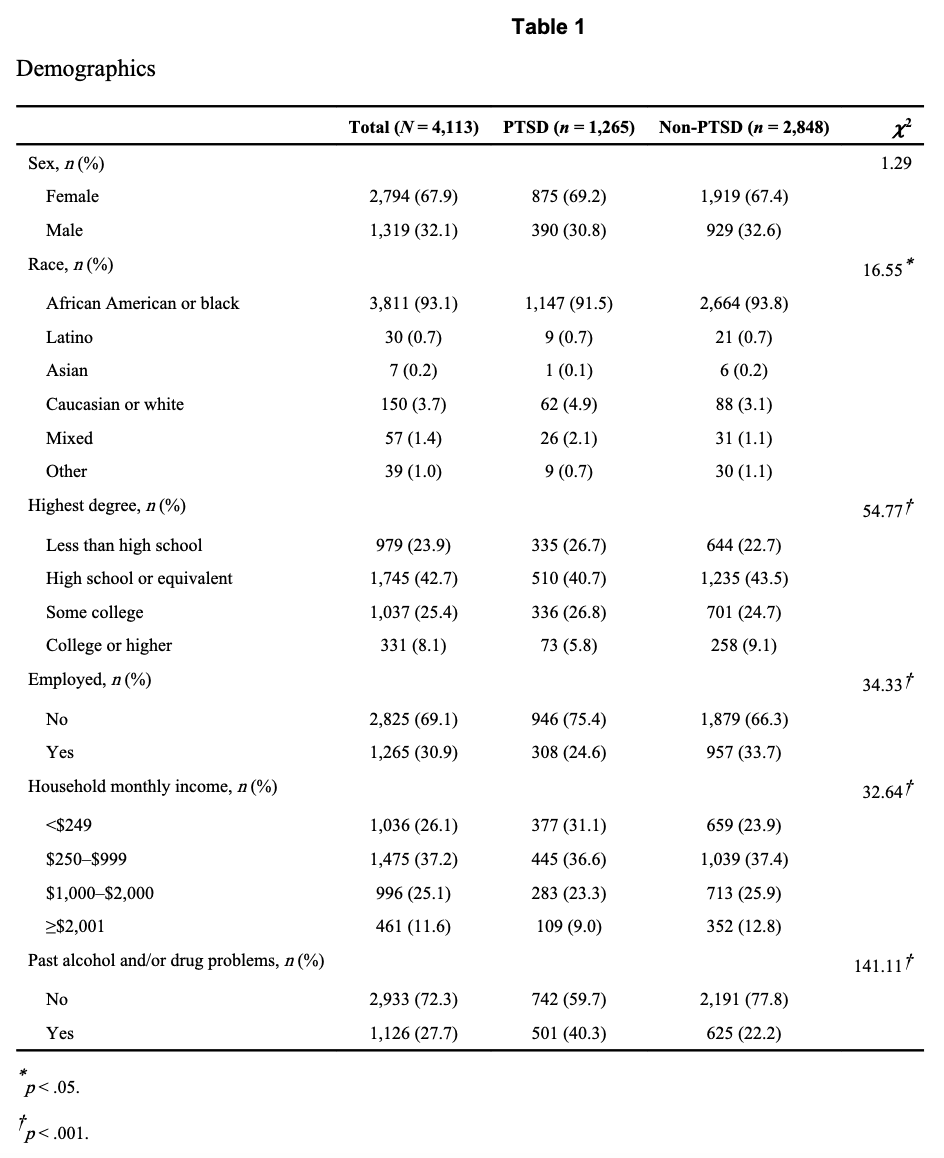
Table 1. Demographics

The results are expressed as the mean ±SE. Thirty percent (n = 1,265) of the participants met the diagnostic criteria for current PTSD at the time of the interview, based on the PSS. Within this PTSD-positive group, only 13 percent (n = 161) reported having been treated for PTSD. The subjects with PTSD were found to have significantly higher levels of childhood trauma (CTQ, 49.49 ± 0.57) when compared with the subjects who did not have PTSD (CTQ, 37.02 (0.26; F(1,4068) = 516.7; p < .001). In addition, the PTSD subjects had experienced significantly more types of adult trauma (TEI, 5.71 ± 0.08) than the non-PTSD subjects had (TEI, 3.37 ± 0.05; F(1,4003) = 624.5; p < .001). The participants in the PTSD group were significantly more likely to be unemployed (χ2 =34.33; p <.001) and to have a history of alcohol and drug problems (χ2 = 141.11; p < .001). Of the participants who completed the CAPS interview (n = 531), those who endorsed current PTSD symptoms on the PSS were also more likely to meet diagnostic criteria for lifetime PTSD on the CAPS (χ2 = 44.3; p < 10e-5).

Overall, legal difficulties were common in this sample. More than half the participants had experienced an arrest (n = 2,170; 55.4%) and jail time (n = 2,024; 52.0%), 12.9 percent (n = 500) had served time in prison, and 20.1 percent (n = 778) had been arrested or incarcerated for a charge involving violence (Table 2).
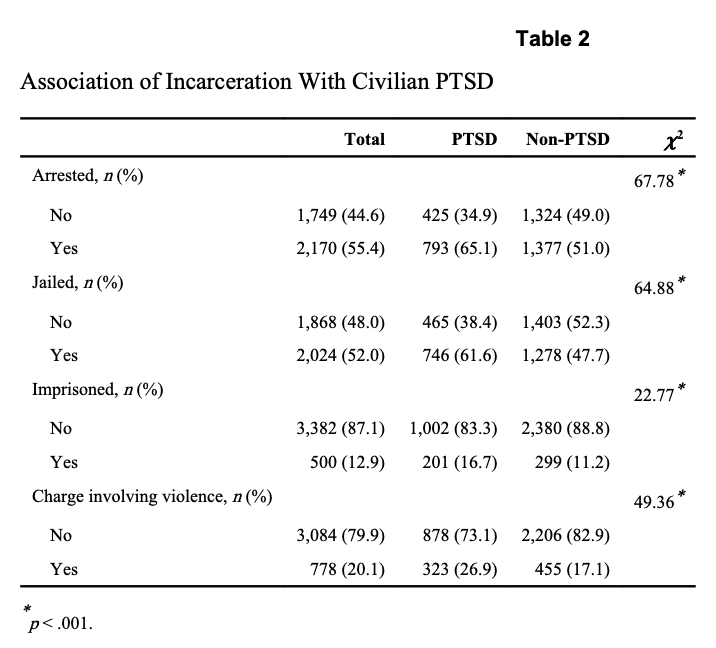
Table 2. Association of Incarceration With Civilian PTSD

PTSD Is Associated With Incarceration History

The participants with PTSD were significantly more likely to have encountered the criminal justice system in more than one way (Table 2). Specifically, when compared with the participants without PTSD, those with PTSD were significantly more likely to have been arrested (χ2 =67.8; p <.001), to have served time in jail (χ2 = 64.9; p < .001) or prison (χ2 = 22.8; p < .001), and to have been charged with a violent offense (χ2 =49.4; p <.001). Arrest, incarceration, and violent offense charges were particularly common among the males with PTSD. Of those, 88 percent (n = 330) had been arrested, 87 percent (n = 326) jailed, 36.3 percent (n = 131) imprisoned, and 37.1 percent (n = 138) charged with a violent offense.

When an ANOVA was performed with the frequency of offenses as the dependent variable, the results were similar. The participants with PTSD experienced more arrests (4.64 ± 0.26) than did those without PTSD (3.37 ± 0.20; F(1,2657) = 14.39; p < .001). Those with PTSD experienced more jail sentences (4.45 ± 0.28) than did those without PTSD (3.02 ± 0.15; F(1,2554) = 24.3; p < .001). Finally, the subjects with a diagnosis of PTSD experienced, on average, a greater number of prison sentences (0.86 ± 0.08) than did the subjects who did not have the diagnosis (0.54 ± 0.05; F(1,1496) = 13.4; p < .001).

When PTSD symptom clusters were examined separately, the participants who had a history of any type of illegal activity experienced significantly higher intrusive, avoidance, and hyperarousal symptoms than did those who did not have such a history (Table 3). More specifically, the participants who were charged with a violent offense had more symptoms in all three PTSD clusters than did those who were never charged with a violent offense.
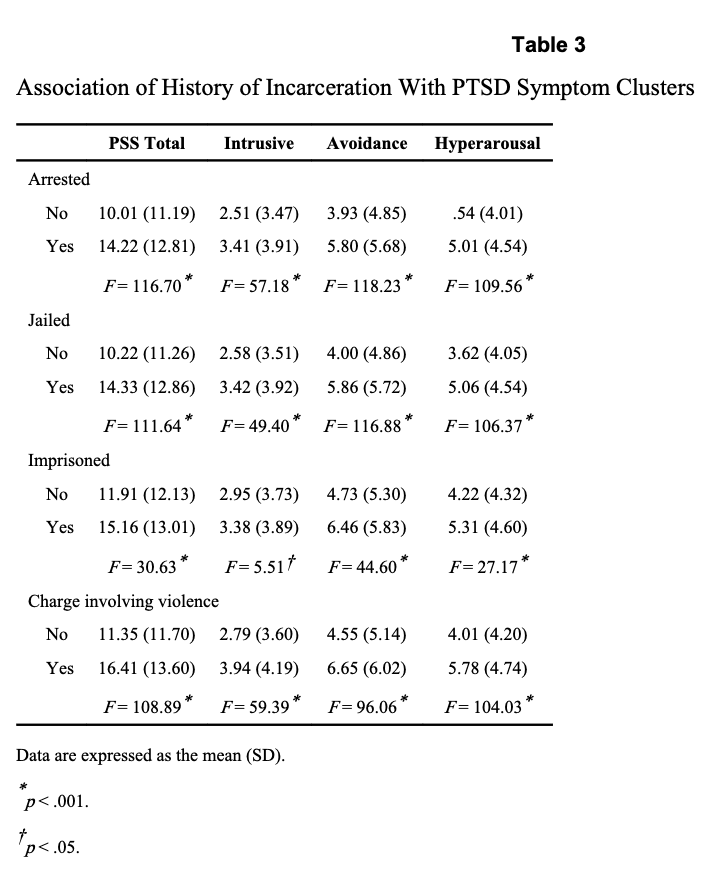
Table 3. Association of History of Incarceration With PTSD Symptom Clusters

Trauma Is Associated With Incarceration History

Arrest, incarceration, and violent charges were highly associated with a history of childhood trauma (Table 4). An ANOVA showed that the participants who experienced arrest, served time in jail or prison, or had charges of violent offenses had significantly higher levels of childhood trauma than those who did not.
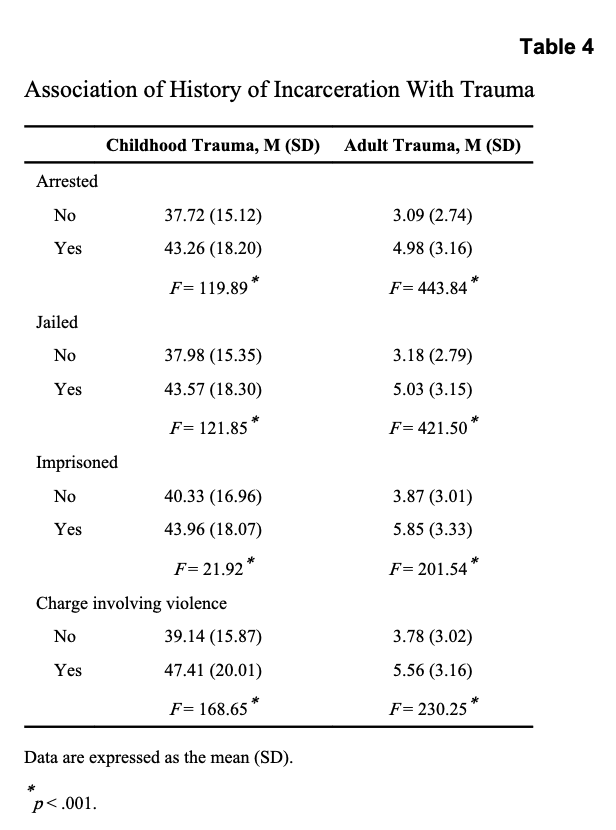
Table 4. Association of History of Incarceration With Trauma

History of incarceration and history of violent charges were also associated with adult trauma (Table 4), in that the participants with all types of charges, arrests, and incarceration had significantly higher levels of adult trauma relative to the comparison group.

Trauma and PTSD Both Contribute to Charges Involving Violence

To examine whether PTSD remained significantly associated with legal history, even after adjustment for potentially confounding variables, we performed a hierarchical stepwise regression entering demographic information in the first step, trauma history in the second, and PTSD symptoms in the third (Table 5). We performed a regression analysis for the incarceration history variable associated with violence (ôHave you ever had an arrest, jail, or prison charge involving violenceö) entered as a dependent variable. Charges involving violence were significantly associated with both trauma history (F2nd step(2,3617) = 44.5; p < .0001) and PTSD symptoms (F3rd step(1,3617) = 15.0; p < .001), independently. Table 5 shows the regression model for charges involving violence. The overall model was significant (F(10,3616) = 40.4; p < .0001), accounting for 10.1 percent of the variance.
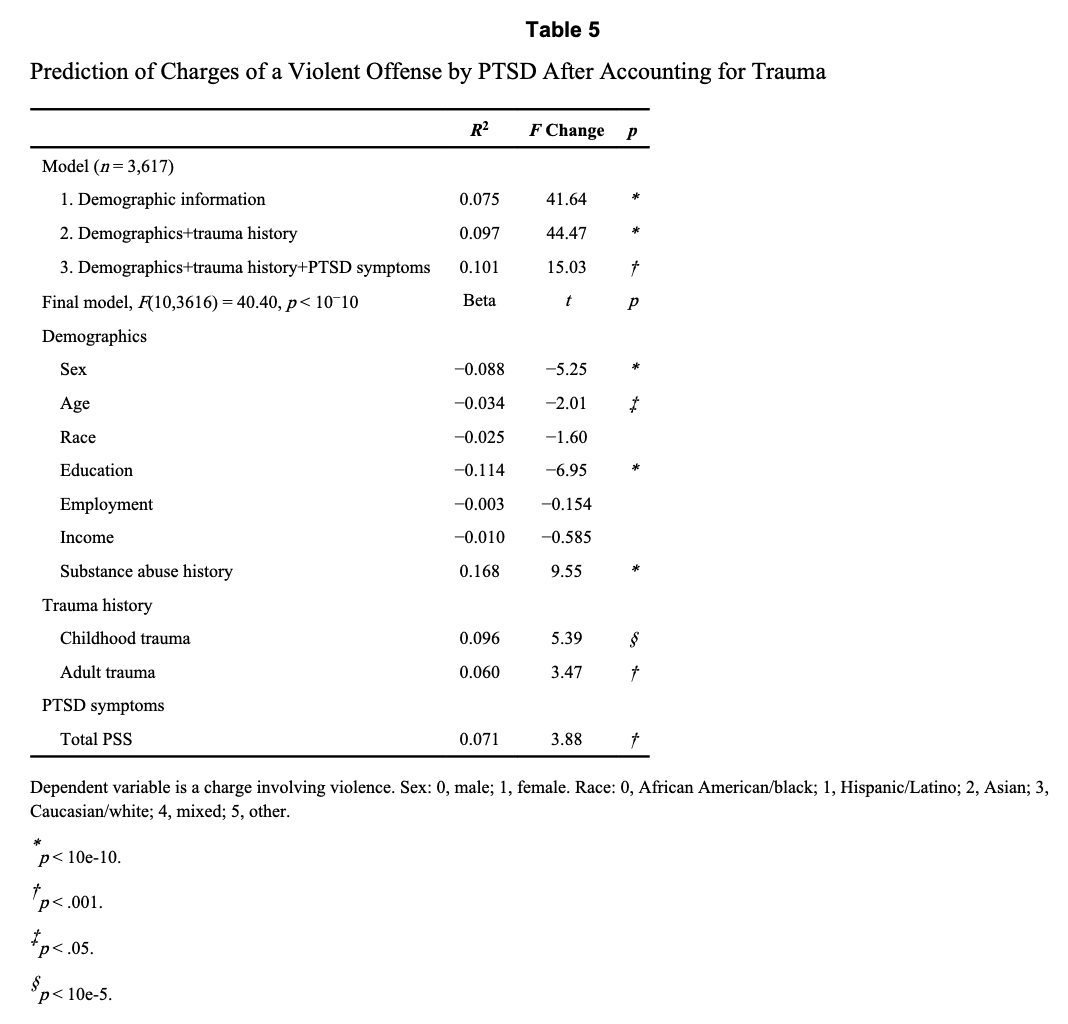
Table 5. Prediction of Charges of a Violent Offense by PTSD After Accounting for Trauma

Discussion

As established in previous studies of this population, rates of trauma and PTSD in this sample were notably high. Of an inner-city sample (n = 4,113) of Grady Memorial Hospital patients in Atlanta, 30.8 percent (n =1,265) met current diagnostic criteria for PTSD. As seen previously, PTSD was vastly under-recognized and undertreated in inner-city communities, with only 13 percent (n =161) of these 1,265 subjects reporting prior treatment for PTSD. The sample as a whole experienced a considerable amount of legal difficulties. However, when incarceration histories were compared between the PTSD and non-PTSD groups, the subjects with PTSD were more likely to have been arrested, jailed, imprisoned, and charged with a violent crime. In addition, a strong association was found between trauma exposure and incarceration histories. A stepwise hierarchical regression showed that trauma histories were significant in predicting arrest, jail, and imprisonment. However, PTSD symptoms were strongly associated with violent charges, even after adjustment for sex, age, race, education, employment, income, substance abuse, and trauma history. Both hypotheses of the study were supported: the participants with more extensive trauma histories and those with a diagnosis of PTSD reported more substantial incarceration records than did those with less extensive trauma histories who did not have the diagnosis. The results of this work support findings from previous studies illustrating the relationship between PTSD and violent behavior. This study adds to previous findings by identifying this association in an inner-city, civilian sample and providing evidence that the behavioral sequelae of civilian PTSD are related to exposure to the criminal justice system.

The current study has several noteworthy strengths, limitations, and implications. First, it is well documented that mental health symptoms are more prevalent in incarcerated populations than in community populations. Most frequently, researchers replicate these findings in institutionalized samples. The current study provides evidence that the relation between incarceration and mental health symptomatology is not limited to samples that are institutionalized at the time of assessment. Nonpsychiatric, community populations with a history of involvement with the criminal justice system may also be at risk for psychiatric symptoms. However, because the current assessment of legal history, trauma history, and PTSD symptomatology did not provide a timeline of events, a cause-and-effect relationship between post-trauma symptomatology and involvement with the criminal justice system could not be established. Because of the prevalence of lifetime PTSD among subjects with active PTSD symptoms and the high level of childhood trauma in the sample, it is possible that for some participants, the behavioral sequelae of post-trauma symptomatology contributed to the likelihood of later involvement in the criminal justice system. Conversely, it may be that exposure to the criminal justice system contributed to some participants’ post-trauma symptomatic behavior. It is also possible that PTSD symptoms developed either from committing the violent offense or during the participant’s incarceration.

Although definitive conclusions cannot be made from the current evidence, the study’s findings warrant further empirical investigation of models that explain the relation between post-trauma symptoms and involvement with the criminal justice system in community populations. Finally, among African American, inner-city populations, arrests and prosecutions are far more common than in other populations, and wrongful arrests and prosecutions are more likely to occur. It is probable that the incarceration histories of some participants do not reflect purely illegal and violent behavior, especially considering that a charge of violence does not invariably result in conviction for the offense. Future studies should consider the use of official legal records in combination with self-reports of criminal justice system contact. Nonetheless, the current study’s use of self-reports of criminal justice system contact is warranted, considering the accuracy of retrospectively reporting salient and unique experiences.

It has been well established that women are more likely to develop PTSD symptoms. In contrast, men with comorbid mental health conditions have higher rates of incarceration. Although we concluded that both trauma and PTSD are associated with violent charges even after adjustment for the individual’s sex, further examination of the intersection of sex, trauma, and risk for incarceration is warranted. Similarly, certain psychiatric conditions have been associated with increased risk of incarceration, including bipolar disorder, substance use disorders, schizophrenia, and other psychotic illnesses. It is possible that the risk of incarceration for some of the participants was related to other psychiatric comorbidities.

Commendably, PTSD is of concern to the United States Department of Veterans Affairs, and efforts are being made to increase awareness of the disorder among veterans and the general population. Concern for the mental health of veterans has been accompanied by funding for services; the President’s proposed budget via the Office of Management and Budget for the 2013 fiscal year includes $662 million dedicated to veterans’ traumatic brain injuries and psychological health. The disparity in interest and services for veterans and civilians should be attended to, as neglect of civilian PTSD as a public health concern may be compromising public safety. This study has shown that trauma and civilian PTSD are highly prevalent among inner-city residents and are strongly associated with incarceration histories and frequency of violent charges. Addressing trauma and PTSD has important implications for public safety and recidivism.

Open Article as PDF

Abstract

Posttraumatic stress disorder (PTSD) has received considerable attention with regard to the ongoing wars in Iraq and Afghanistan. In studies of veterans, behavioral sequelae of PTSD can include hostile and violent behavior. Rates of PTSD found in impoverished, high-risk urban populations within U.S. inner cities are as high as in returning veterans. The objective of this study was to determine whether civilian PTSD is associated with increased risk of incarceration and charges related to violence in a low-income, urban population. Participants (n = 4,113) recruited from Grady Memorial Hospital in Atlanta, Georgia, completed self-report measures assessing history of trauma, PTSD symptoms, and incarceration. Both trauma exposure and civilian PTSD remained strongly associated with increased risk of involvement in the criminal justice system and charges of a violent offense, even after adjustment for sex, age, race, education, employment, income, and substance abuse in a regression model. Trauma and PTSD have important implications for public safety and recidivism.

Posttraumatic Stress Disorder and Criminal Justice Involvement

Posttraumatic stress disorder (PTSD) has been a significant focus of attention, particularly concerning soldiers returning from combat zones. This anxiety disorder can develop after experiencing or witnessing a traumatic event that causes fear, horror, or helplessness. PTSD is defined by three main symptom groups: reliving the traumatic event, avoiding things that remind one of the event, and ongoing feelings of being on edge or hyperaware. Since its formal recognition, PTSD has often been understood as a potential outcome of war.

Less public awareness has centered on civilian PTSD, which results from traumatic experiences unrelated to combat. Much of the research on civilian PTSD has looked at the effects of single, large-scale events, such as major bombings, terrorist attacks, or natural disasters. However, more recent studies have found surprisingly high rates of trauma and civilian PTSD among inner-city youth and adults whose lives involve continuous stress and violence.

A study of residents in Detroit, Michigan, provides an example of the widespread presence of PTSD in inner-city communities. Compared with people in other areas, inner-city residents reported more frequent exposure to all types of trauma assessed in the study, including violent assaults, other injuries or shocks, trauma to others, and unexpected deaths. Among inner-city residents, over half had experienced violent assault, compared with a smaller percentage of residents from other areas. Inner-city residents in Detroit were nearly twice as likely to be at risk for PTSD than those living in suburban areas. Similar studies in other U.S. inner cities also show high rates of trauma exposure and PTSD. Researchers interviewing patients at a hospital in Washington, D.C., found that a large majority of the sample had experienced at least one event traumatic enough to cause PTSD symptoms. Of those traumatized, a significant portion met the criteria for lifetime PTSD.

From the late 1970s to the mid-2000s, the number of inmates in the United States increased substantially. Both race and income levels are strongly connected to the likelihood of involvement with the criminal justice system. This widespread incarceration may pose risks to public health. For instance, being incarcerated is linked to a greater chance of negative health outcomes, including higher rates of infectious diseases such as hepatitis, tuberculosis, and HIV. Other negative health issues, like high blood pressure, are more common among individuals with a history of incarceration, even after accounting for other risk factors.

Research on veterans has shown that behavioral symptoms of PTSD can include aggressive, hostile, and violent actions. Veterans with PTSD who are incarcerated tend to have more serious legal problems than incarcerated veterans without the disorder. This suggests a connection between PTSD and involvement in the criminal justice system, though more evidence is needed. While violent crime rates in inner cities are much higher than in rural and suburban areas, researchers have not yet explored whether civilian PTSD is associated with higher levels of illegal behavior, particularly violent behavior, in inner-city adult populations, which have the highest rates of incarceration. This study aimed to examine whether trauma exposure and civilian PTSD are linked to a history of violent charges and incarceration among inner-city residents of Atlanta, Georgia. The research proposed two main hypotheses: individuals with higher trauma exposure would report more extensive incarceration records, and those with a PTSD diagnosis would report greater instances of incarceration, even when accounting for trauma exposure.

Methods

Participants for the study included over 4,000 individuals recruited from the waiting rooms of primary care medical clinics at Grady Memorial Hospital in Atlanta, Georgia, between 2005 and 2011. This involved a randomized selection from those in public hospital waiting areas. Interviews gathered self-reported information on personal characteristics, trauma exposure during childhood and adulthood, current PTSD symptoms, and past incarceration. Each participant received payment for the interview. A smaller group of participants returned for more detailed interviews assessing lifetime PTSD, receiving additional payment. To accommodate varying literacy levels, all information was collected through verbal interviews. All participants provided written, informed consent, and the study procedures were approved by the Institutional Review Board of Emory University. Individuals with intellectual disabilities, active psychosis, or those under 18 years old were not included.

Various measures were used to gather data. Demographic information included questions about sex, self-identified race, education, employment, household income, history of alcohol and drug abuse, and past PTSD treatment. Legal history was assessed through self-reports on the presence and frequency of arrests, jail sentences, and imprisonments, including any encounters with the criminal justice system involving violence charges. Childhood trauma was measured using the Childhood Trauma Questionnaire (CTQ), which is a self-report tool for childhood physical, sexual, and emotional abuse. Adult trauma was assessed using the Traumatic Events Inventory (TEI), a measure that explores trauma exposure in childhood and adulthood. This questionnaire includes items related to physical and sexual abuse, involvement in or witnessing life-threatening accidents, and trauma relevant to inner-city populations, such as having a close friend or family member murdered, or being attacked with a weapon or with intent to kill. The TEI considers both the frequency of exposures and the age at which traumatic events first occurred, defining adult trauma as incidents from age 18 or older. A PTSD diagnosis was determined using the Modified PTSD Symptoms Scale (PSS), an 18-item measure assessing symptom frequency over the two weeks prior to rating. It distinguishes between intrusive, avoidance, and hyperarousal symptoms, basing categorical PTSD diagnoses on specific criteria. The Clinician Administered PTSD Scale (CAPS) was also used in a subset of participants to compare current and lifetime PTSD diagnoses.

Statistical analyses were conducted using SPSS software. Demographic data and categorical legal history variables were analyzed against PTSD status using chi-square analyses. Continuous measures of PTSD symptoms and trauma history scores were assessed with analyses of covariance, considering legal history variables as factors and demographics and substance use as controlling variables. Finally, a logistic regression was performed to determine if trauma exposure and PTSD symptoms independently contributed to incarceration after accounting for demographic and substance use variables.

Results

The study sample primarily consisted of African American participants, making up over 93% of the total. Nearly a quarter of the subjects had not completed high school, and less than one-tenth had a college degree. The majority of participants were unemployed at the time of the interview, and more than half reported monthly household incomes of less than $1,000. Over a quarter of the participants had a history of substance use problems before the interview.

Overall, 30% of participants met the diagnostic criteria for current PTSD based on the PSS at the time of the interview. Within this group, only 13% reported having received treatment for PTSD. Participants with PTSD showed significantly higher levels of childhood trauma and experienced significantly more types of adult trauma compared to those without PTSD. The PTSD group was also significantly more likely to be unemployed and to have a history of alcohol and drug problems. Among participants who completed the CAPS interview, those with current PTSD symptoms on the PSS were also more likely to meet diagnostic criteria for lifetime PTSD on the CAPS.

Legal difficulties were common across the sample. More than half the participants had experienced an arrest and jail time, over 12% had served time in prison, and over 20% had been arrested or incarcerated for a charge involving violence.

Participants with PTSD were significantly more likely to have encountered the criminal justice system in multiple ways. Compared with participants without PTSD, those with PTSD were significantly more likely to have been arrested, to have served time in jail or prison, and to have been charged with a violent offense. Arrest, incarceration, and violent offense charges were especially common among males with PTSD, with a high percentage experiencing these outcomes.

When analyzing the frequency of offenses, participants with PTSD reported more arrests, more jail sentences, and more prison sentences on average than those without PTSD. Furthermore, when PTSD symptom clusters were examined separately, participants with a history of any illegal activity showed significantly higher intrusive, avoidance, and hyperarousal symptoms than those without such a history. Specifically, participants charged with a violent offense had more symptoms across all three PTSD clusters compared to those never charged with a violent offense.

A history of childhood trauma was highly associated with arrest, incarceration, and violent charges. Participants who had experienced arrest, served time in jail or prison, or faced charges of violent offenses showed significantly higher levels of childhood trauma. Similarly, a history of incarceration and violent charges was also linked to adult trauma, with participants having all types of charges, arrests, and incarceration reporting significantly higher levels of adult trauma compared to the control group.

To determine if PTSD remained significantly associated with legal history even after accounting for other variables, a statistical regression analysis was performed. Charges involving violence were significantly and independently associated with both trauma history and PTSD symptoms. The overall model explained 10.1% of the variance in charges involving violence.

Discussion

As found in earlier studies of this population, rates of trauma and PTSD in this sample were remarkably high. Of the inner-city participants from Grady Memorial Hospital in Atlanta, nearly one-third met the current criteria for PTSD. Consistent with prior observations, PTSD was largely under-recognized and undertreated in inner-city communities, with only a small fraction of these individuals reporting previous treatment for PTSD. The sample as a whole experienced a considerable number of legal difficulties. However, when comparing incarceration histories between groups, individuals with PTSD were more likely to have been arrested, jailed, imprisoned, and charged with a violent crime. Furthermore, a strong link was found between trauma exposure and incarceration histories. Statistical analysis showed that trauma histories were significant in predicting arrest, jail, and imprisonment. Crucially, PTSD symptoms were strongly associated with violent charges, even after adjusting for factors like sex, age, race, education, employment, income, substance use, and trauma history. Both initial hypotheses of the study were supported: participants with more extensive trauma histories and those with a PTSD diagnosis reported more significant incarceration records than those with less trauma exposure who did not have the diagnosis. These findings support previous research illustrating the relationship between PTSD and violent behavior, specifically extending this association to an inner-city civilian population and showing that the behavioral outcomes of civilian PTSD are related to involvement with the criminal justice system.

The current study has several notable strengths and limitations. It is known that mental health symptoms are more common in incarcerated populations. This study, however, shows that the connection between incarceration and mental health symptoms is not limited to individuals already in institutions. Community populations with a history of criminal justice involvement may also be at risk for psychiatric symptoms. A limitation is that the study did not establish a timeline of events, so a direct cause-and-effect relationship between post-trauma symptoms and criminal justice involvement could not be definitively determined. It is possible that for some participants, PTSD symptoms contributed to later criminal justice involvement, or conversely, that exposure to the criminal justice system contributed to PTSD symptoms. PTSD might also develop from committing a violent offense or during incarceration.

Although definitive conclusions about causality cannot be made from the current evidence, the study's findings indicate the need for further research into how post-trauma symptoms and criminal justice involvement are related in community populations. In African American, inner-city communities, arrests and prosecutions are more frequent, and wrongful arrests and prosecutions are more likely. Therefore, the self-reported incarceration histories of some participants might not solely reflect illegal or violent behavior, especially since a charge of violence does not always result in a conviction. Future studies should consider using official legal records alongside self-reports of contact with the criminal justice system. Nevertheless, using self-reports for salient and unique experiences in this study is considered appropriate.

It has been established that women are generally more likely to develop PTSD symptoms, while men with co-occurring mental health conditions have higher rates of incarceration. Although the study concluded that both trauma and PTSD are associated with violent charges even after adjusting for sex, further examination of how sex, trauma, and incarceration risk intersect is warranted. Similarly, certain psychiatric conditions, such as bipolar disorder, substance use disorders, schizophrenia, and other psychotic illnesses, have been linked to an increased risk of incarceration. It is possible that other co-occurring psychiatric conditions contributed to the risk of incarceration for some participants in this study.

PTSD is a recognized concern for veterans, with efforts being made to increase awareness and provide services. This includes significant funding allocated for veterans' traumatic brain injuries and psychological health. There is a notable difference in the attention and services provided for veterans compared to civilians. Neglecting civilian PTSD as a public health issue may compromise public safety. This study has demonstrated that trauma and civilian PTSD are highly common among inner-city residents and are strongly associated with histories of incarceration and the frequency of violent charges. Addressing trauma and PTSD has important implications for public safety and reducing repeat offenses.

Open Article as PDF

Abstract

Posttraumatic stress disorder (PTSD) has received considerable attention with regard to the ongoing wars in Iraq and Afghanistan. In studies of veterans, behavioral sequelae of PTSD can include hostile and violent behavior. Rates of PTSD found in impoverished, high-risk urban populations within U.S. inner cities are as high as in returning veterans. The objective of this study was to determine whether civilian PTSD is associated with increased risk of incarceration and charges related to violence in a low-income, urban population. Participants (n = 4,113) recruited from Grady Memorial Hospital in Atlanta, Georgia, completed self-report measures assessing history of trauma, PTSD symptoms, and incarceration. Both trauma exposure and civilian PTSD remained strongly associated with increased risk of involvement in the criminal justice system and charges of a violent offense, even after adjustment for sex, age, race, education, employment, income, and substance abuse in a regression model. Trauma and PTSD have important implications for public safety and recidivism.

Posttraumatic Stress Disorder and Incarceration

Posttraumatic stress disorder (PTSD) has garnered attention, especially concerning military personnel returning from conflict zones. This anxiety disorder can develop after experiencing or witnessing a traumatic event that causes intense fear, horror, or a sense of helplessness. PTSD is defined by three main groups of symptoms: reliving the traumatic event, avoiding anything that reminds one of the event, and persistent hyperarousal, which means being constantly on guard or easily startled. Since its recognition as a diagnosis, PTSD has frequently been linked to the experiences of war.

Less public understanding has focused on civilian PTSD, which stems from trauma exposure not related to combat. Much of the research on civilian PTSD has looked at the aftermath of single, catastrophic events, such as the Oklahoma City bombing, the September 11th attacks, and Hurricane Katrina. However, more recent studies have revealed alarmingly high rates of trauma and civilian PTSD among inner-city youth and adults whose lives are characterized by ongoing stress and violence.

A study of residents in Detroit, Michigan, illustrates the high prevalence of PTSD among those living in inner cities. Compared to residents in other areas, inner-city residents were exposed more often to all types of trauma assessed in the study, including violent assaults, other injuries or shocks, trauma experienced by others, and unexpected deaths. For example, 54.2 percent of inner-city residents experienced violent assault, compared with 33.5 percent of residents from other areas. Inner-city residents in Detroit were almost twice as likely to be at risk for PTSD as those living in suburbs. Similar studies of participants from other U.S. inner cities show high rates of trauma exposure and a significant presence of PTSD. For instance, researchers interviewing patients at Howard University Hospital in Washington, D.C., found that 65 percent of the sample experienced at least one traumatic event capable of causing PTSD symptoms. Of those who had experienced trauma, 51 percent met the diagnostic criteria for lifetime PTSD.

From 1977 to 2005, the number of incarcerated individuals in the United States increased significantly. Both race and income levels are strongly connected to the likelihood of involvement with the criminal justice system. Such widespread incarceration may pose a threat to public health. For example, incarceration is linked to an increased risk for negative health outcomes, including higher rates of infectious diseases like hepatitis, tuberculosis, and HIV. Other negative health issues, such as high blood pressure, are more common among individuals with a history of incarceration, even after accounting for other risk factors.

Research on veterans has shown that behavioral consequences of PTSD can include aggressive, hostile, and violent actions. Incarcerated veterans with PTSD tend to have more serious legal problems than incarcerated veterans without the disorder. This provides evidence, though not complete, of a connection between PTSD and involvement in the criminal justice system. While violent crime rates in inner cities are much higher than in rural and suburban areas, researchers have not yet fully explored whether civilian PTSD is linked to increased illegal behavior, particularly violent behavior, in adult inner-city populations, which have the highest rates of incarceration. This study aimed to examine whether trauma exposure and civilian PTSD are associated with a history of violent charges and incarceration among inner-city residents of Atlanta, Georgia. The study had two main hypotheses: participants who experienced more trauma would report more extensive incarceration records than those with less trauma exposure, and participants with a PTSD diagnosis would report more instances of incarceration than those without a PTSD diagnosis, even after considering trauma exposure.

Methods

Recruitment and Procedures

The study included 4,113 participants recruited from the waiting rooms of general medical clinics at Grady Memorial Hospital in Atlanta, Georgia, between 2005 and 2011. The recruitment involved a randomized, cross-sectional approach, using a convenient sample of individuals in public hospital waiting areas. Each participant completed an interview that included self-report measures on demographic details, trauma exposure during childhood and adulthood, current PTSD symptoms, and incarceration history. Participants received $15 for their involvement. A subset of 531 participants returned for more detailed interviews to complete an additional measure assessing lifetime PTSD, receiving $60 for this secondary interview. Because participants' literacy levels varied, all self-report measures were administered verbally. Written informed consent was obtained from all participants. Individuals with intellectual disabilities, active psychosis, or those under 18 years of age were excluded. All study procedures were approved by the Institutional Review Board of Emory University.

Measures

Information on demographic characteristics included questions about the participant's sex, self-identified race, education, employment, household income, history of alcohol and drug abuse, and prior PTSD treatment. Legal history data came from a self-report measure assessing the presence and frequency of arrests, jail sentences, and imprisonments. Participants also reported any encounters with the criminal justice system due to a charge involving violence. Childhood trauma was assessed using the Childhood Trauma Questionnaire (CTQ), a self-report tool for physical, sexual, and emotional abuse during childhood. The reliability and accuracy of both the original and brief versions of this questionnaire have been confirmed. Adult trauma was assessed using the Traumatic Events Inventory (TEI), a 14-item measure that explores trauma exposure in childhood and adulthood. In addition to screening for physical and sexual abuse and involvement in or witnessing life-threatening accidents, the questionnaire includes trauma exposures relevant to an inner-city population, such as having a close friend or family member murdered, being attacked with a knife or gun, or being attacked with intent to kill. The TEI considers both the frequency of exposures and the age at which traumatic events first occurred. For this study, adulthood trauma included incidents occurring at age 18 or older. A PTSD diagnosis was determined using the Modified PTSD Symptoms Scale (PSS), an 18-item measure found to be reliable and accurate, which assesses the frequency of PTSD symptoms over the two weeks prior to the rating and differentiates between intrusive, avoidance, and hyperarousal symptoms. The categorical diagnosis of PTSD was based on responses to the PSS questionnaire that met specific diagnostic criteria (presence of trauma, at least one re-experiencing symptom, at least three avoidance/numbing symptoms, at least two hyperarousal symptoms, and symptoms lasting at least one month). The Clinician Administered PTSD Scale (CAPS) was used to compare current and lifetime PTSD diagnoses. The CAPS is an interviewer-administered measure with established reliability and accuracy that assesses both current and lifetime PTSD.

Statistical Analyses

Demographic data, including sex, race, education, employment, income, and history of substance use, were analyzed in relation to PTSD status using chi-square analyses. Categorical variables from the legal history form (ever been arrested, jailed, imprisoned) were also included in a chi-square analysis with PTSD status. Continuous measures of PTSD symptoms, such as total and sub-cluster PSS scores, and trauma history scores (CTQ, TEI), were evaluated using univariate analyses of covariance (ANCOVA). In these analyses, legal history variables were treated as factors separating groups, and demographics and substance use were included as variables to control for their effects. Finally, a logistic regression analysis was performed to determine if trauma exposure and PTSD symptoms independently predicted incarceration, after accounting for demographic and substance use variables. All analyses were conducted using statistical software.

Results

The Sample

The majority of participants, 93.1%, identified as African American. Nearly a quarter of the subjects, 23.9%, had not completed a high school diploma, and less than one-tenth, 8.1%, had obtained a college degree. Most participants, 69.1%, were unemployed at the time of the interview. More than half, 63.3%, had household monthly incomes under $1,000. Over a quarter, 27.7%, reported substance use problems prior to the interview.

The results are presented as averages with standard errors. Thirty percent of the participants met the diagnostic criteria for current PTSD at the time of the interview, based on the PSS. Within this group of individuals with PTSD, only 13 percent reported having received treatment for PTSD. Participants with PTSD had significantly higher levels of childhood trauma compared to those without PTSD. Additionally, individuals with PTSD had experienced significantly more types of adult trauma than those without PTSD. The PTSD group was significantly more likely to be unemployed and to have a history of alcohol and drug problems. Among participants who completed the CAPS interview, those who reported current PTSD symptoms on the PSS were also more likely to meet diagnostic criteria for lifetime PTSD on the CAPS.

Overall, legal difficulties were common in this sample. More than half the participants had experienced an arrest (55.4%) and jail time (52.0%), 12.9 percent had served time in prison, and 20.1 percent had been arrested or incarcerated for a charge involving violence.

PTSD Is Associated With Incarceration History

Participants with PTSD were significantly more likely to have encountered the criminal justice system in multiple ways. Specifically, compared to participants without PTSD, those with PTSD were significantly more likely to have been arrested, to have served time in jail or prison, and to have been charged with a violent offense. Arrest, incarceration, and violent offense charges were particularly common among males with PTSD. For this group, 88 percent had been arrested, 87 percent jailed, 36.3 percent imprisoned, and 37.1 percent charged with a violent offense.

When a statistical analysis was performed using the frequency of offenses as the outcome, similar results emerged. Participants with PTSD experienced more arrests than did those without PTSD. Those with PTSD also experienced more jail sentences than did those without PTSD. Finally, individuals with a PTSD diagnosis, on average, experienced a greater number of prison sentences than did individuals without the diagnosis.

When PTSD symptom clusters were examined separately, participants who had a history of any type of illegal activity experienced significantly higher intrusive, avoidance, and hyperarousal symptoms than did those who did not have such a history. More specifically, participants who were charged with a violent offense had more symptoms across all three PTSD clusters than did those who were never charged with a violent offense.

Trauma Is Associated With Incarceration History

Arrest, incarceration, and violent charges were strongly linked to a history of childhood trauma. A statistical analysis showed that participants who experienced arrest, served time in jail or prison, or faced charges for violent offenses had significantly higher levels of childhood trauma compared to those who did not.

A history of incarceration and violent charges was also associated with adult trauma, meaning participants with all types of charges, arrests, and incarceration had significantly higher levels of adult trauma relative to the comparison group.

Trauma and PTSD Both Contribute to Charges Involving Violence

To investigate whether PTSD remained significantly associated with legal history even after adjusting for other potentially confusing variables, a hierarchical stepwise regression was performed. Demographic information was entered first, followed by trauma history in the second step, and PTSD symptoms in the third. A regression analysis was conducted for the variable "Have you ever had an arrest, jail, or prison charge involving violence," entered as the outcome variable. Charges involving violence were significantly associated with both trauma history and PTSD symptoms, independently. The overall model was statistically significant, accounting for 10.1 percent of the variation.

Discussion

As established in previous studies of this population, rates of trauma and PTSD in this sample were notably high. In an inner-city sample of Grady Memorial Hospital patients in Atlanta, 30.8 percent met current diagnostic criteria for PTSD. As observed previously, PTSD was largely unrecognized and undertreated in inner-city communities, with only 13 percent of these subjects reporting prior treatment for PTSD. The sample as a whole experienced considerable legal difficulties. However, when incarceration histories were compared between the PTSD and non-PTSD groups, subjects with PTSD were more likely to have been arrested, jailed, imprisoned, and charged with a violent crime. Additionally, a strong association was found between trauma exposure and incarceration histories. A stepwise hierarchical regression showed that trauma histories were significant in predicting arrest, jail, and imprisonment. However, PTSD symptoms were strongly associated with violent charges, even after adjusting for sex, age, race, education, employment, income, substance use, and trauma history. Both hypotheses of the study were supported: participants with more extensive trauma histories and those with a diagnosis of PTSD reported more substantial incarceration records than did those with less extensive trauma histories who did not have the diagnosis. The results of this work support findings from previous studies illustrating the relationship between PTSD and violent behavior. This study adds to previous findings by identifying this association in an inner-city, civilian sample and providing evidence that the behavioral consequences of civilian PTSD are related to exposure to the criminal justice system.

The current study has several important strengths, limitations, and implications. First, it is well documented that mental health symptoms are more prevalent in incarcerated populations than in general community populations. Most often, researchers confirm these findings in samples within institutions. The current study provides evidence that the link between incarceration and mental health symptoms is not limited to samples that are institutionalized at the time of assessment. Non-psychiatric community populations with a history of involvement with the criminal justice system may also be at risk for psychiatric symptoms. However, because the current assessment of legal history, trauma history, and PTSD symptoms did not provide a timeline of events, a direct cause-and-effect relationship between post-trauma symptoms and involvement with the criminal justice system could not be established. Given the prevalence of lifetime PTSD among subjects with active PTSD symptoms and the high level of childhood trauma in the sample, it is possible that for some participants, the behavioral consequences of post-trauma symptoms contributed to the likelihood of later involvement in the criminal justice system. Conversely, it may be that exposure to the criminal justice system contributed to some participants’ post-trauma symptomatic behavior. It is also possible that PTSD symptoms developed either from committing a violent offense or during the participant’s incarceration.

Although definitive conclusions cannot be drawn from the current evidence, the study’s findings warrant further scientific investigation of models that explain the relationship between post-trauma symptoms and involvement with the criminal justice system in community populations. Finally, among African American, inner-city populations, arrests and prosecutions are far more common than in other populations, and wrongful arrests and prosecutions are more likely to occur. It is probable that the incarceration histories of some participants do not reflect purely illegal and violent behavior, especially considering that a charge of violence does not always result in conviction for the offense. Future studies should consider using official legal records in combination with self-reports of criminal justice system contact. Nonetheless, the current study’s use of self-reports of criminal justice system contact is justified, given the accuracy of remembering important and unique experiences.

It has been well established that women are more likely to develop PTSD symptoms. In contrast, men with co-occurring mental health conditions have higher rates of incarceration. While it was concluded that both trauma and PTSD are associated with violent charges even after adjusting for an individual’s sex, further examination of the intersection of sex, trauma, and risk for incarceration is warranted. Similarly, certain psychiatric conditions have been associated with an increased risk of incarceration, including bipolar disorder, substance use disorders, schizophrenia, and other psychotic illnesses. It is possible that the risk of incarceration for some participants was related to other co-occurring psychiatric conditions.

Commendably, PTSD is a concern for the United States Department of Veterans Affairs, and efforts are being made to increase awareness of the disorder among veterans and the general population. Concern for the mental health of veterans has been accompanied by funding for services; the President’s proposed budget includes significant funding dedicated to veterans’ traumatic brain injuries and psychological health. The disparity in interest and services for veterans and civilians should be addressed, as neglect of civilian PTSD as a public health concern may compromise public safety. This study has shown that trauma and civilian PTSD are highly prevalent among inner-city residents and are strongly associated with incarceration histories and frequency of violent charges. Addressing trauma and PTSD has important implications for public safety and the likelihood of re-offending.

Open Article as PDF

Abstract

Posttraumatic stress disorder (PTSD) has received considerable attention with regard to the ongoing wars in Iraq and Afghanistan. In studies of veterans, behavioral sequelae of PTSD can include hostile and violent behavior. Rates of PTSD found in impoverished, high-risk urban populations within U.S. inner cities are as high as in returning veterans. The objective of this study was to determine whether civilian PTSD is associated with increased risk of incarceration and charges related to violence in a low-income, urban population. Participants (n = 4,113) recruited from Grady Memorial Hospital in Atlanta, Georgia, completed self-report measures assessing history of trauma, PTSD symptoms, and incarceration. Both trauma exposure and civilian PTSD remained strongly associated with increased risk of involvement in the criminal justice system and charges of a violent offense, even after adjustment for sex, age, race, education, employment, income, and substance abuse in a regression model. Trauma and PTSD have important implications for public safety and recidivism.

Introduction

Post-Traumatic Stress Disorder (PTSD) has recently gained attention, especially regarding soldiers returning from conflicts. This anxiety disorder can develop after experiencing or witnessing a shocking or scary event that causes strong fear. PTSD involves three main types of symptoms: re-living the traumatic event, avoiding things that remind a person of the event, and being constantly on edge or easily startled. Since it was first identified, PTSD has most often been understood as something that can happen after war.

Less public attention has been given to civilian PTSD, which results from trauma not related to combat. Much of the research on civilian PTSD has focused on the effects of a single, major event, such as the Oklahoma City bombing, the September 11th attacks, or Hurricane Katrina. However, more recent studies have found worryingly high rates of trauma and civilian PTSD among inner-city youth and adults. These individuals often live lives marked by ongoing stress and violence.

A study of residents in Detroit, Michigan, showed how common PTSD is among inner-city residents. This study found that inner-city residents were exposed to all types of trauma more often than people in other areas. This included violent attacks, other injuries, seeing trauma happen to others, and unexpected deaths. For example, 54.2 percent of inner-city residents experienced violent attacks, compared to 33.5 percent of residents from other areas. Inner-city residents in Detroit were almost twice as likely to be at risk for PTSD as those living in suburbs. Similar studies in other U.S. inner cities also show high rates of trauma and PTSD. Researchers at Howard University Hospital in Washington D.C. found that 65 percent of their patients had experienced at least one event traumatic enough to cause PTSD symptoms. Of those traumatized patients, 51 percent met the criteria for having PTSD at some point in their lives.

Between 1977 and 2005, the number of people in U.S. prisons increased by 400 percent. A person's race and income strongly affect their chances of being involved with the criminal justice system. This widespread imprisonment can be a threat to public health. For instance, being incarcerated is linked to higher risks for negative health problems, including more infectious diseases like hepatitis, tuberculosis, and HIV. Other health issues, such as high blood pressure, are also more common among people who have been incarcerated, even when other risk factors are considered.

Research on veterans has shown that PTSD can lead to aggressive, hostile, and violent behavior. Veterans with PTSD who are incarcerated tend to have more serious legal problems than incarcerated veterans without the disorder. This suggests a link between PTSD and involvement in the criminal justice system, though more evidence is needed. While violent crime rates are much higher in inner cities than in rural and suburban areas, researchers have not yet explored whether civilian PTSD is connected to more illegal behavior, especially violent behavior, in inner-city adults who have the highest rates of incarceration. This study examined if trauma exposure and civilian PTSD are linked to a history of violent charges and incarceration among inner-city residents in Atlanta, Georgia. The study had two main predictions: people who experienced more trauma would have more substantial incarceration records, and people diagnosed with PTSD would have more instances of incarceration, even after accounting for their trauma exposure.

Methods

Recruitment and Procedures

The study included 4,113 participants recruited from the waiting rooms of general medical clinics at Grady Memorial Hospital in Atlanta, Georgia, between 2005 and 2011. This involved a randomized selection of people found in public hospital waiting areas. Participants completed an interview where they reported information about their background, trauma experienced in childhood and adulthood, current PTSD symptoms, and any history of incarceration. Each participant received $15 for the interview. A smaller group of 531 participants returned for a more detailed interview to assess lifetime PTSD and were compensated $60. Because participants had different reading levels, all information was collected through spoken interviews.

All participants gave written permission to join the study. People were excluded if they had an intellectual disability, active severe mental illness, or were under 18 years old. All study procedures were approved by the ethics committee at Emory University.

Measures

Information about participants' backgrounds included questions about their sex, self-identified race, education, employment, household income, history of alcohol and drug abuse, and past treatment for PTSD. Legal history was gathered through self-reports about the presence and frequency of arrests, jail sentences, and prison terms. Participants also reported any contact with the criminal justice system that involved a violent charge. Childhood trauma was assessed using the Childhood Trauma Questionnaire (CTQ), which asks about physical, sexual, and emotional abuse during childhood. This questionnaire has been shown to be reliable and accurate. Adult trauma was assessed using the Traumatic Events Inventory (TEI), a 14-item tool that covers trauma exposure in both childhood and adulthood. Besides questions about physical and sexual abuse and life-threatening accidents, this questionnaire also included trauma relevant to inner-city populations, such as having a close friend or family member murdered, being attacked with a knife or gun, or being attacked with intent to kill. The TEI considers both how often traumatic events occurred and the age at which they first happened. For this study, adult trauma included incidents occurring at age 18 or older. A PTSD diagnosis was determined using the Modified PTSD Symptoms Scale (PSS). This is a reliable 18-item measure that assesses how often PTSD symptoms occurred in the two weeks before the assessment, separating symptoms into intrusive, avoidance, and hyperarousal categories. The diagnosis of PTSD was based on specific criteria from the DSM-IV using responses to the PSS. The Clinician Administered PTSD Scale (CAPS) was used to compare current PTSD diagnoses with lifetime diagnoses; CAPS is also a reliable measure for assessing both current and lifetime PTSD.

Statistical Analyses

Demographic data, including sex, race, education, employment, income, and history of substance use, were compared across groups with and without PTSD using statistical tests. Legal history categories (like ever being arrested, jailed, or imprisoned) were also compared with PTSD status. Continuous measures of PTSD symptoms and trauma history were analyzed using statistical comparisons, considering legal history variables, background factors, and substance use as influencing factors. Finally, a statistical method was used to determine if trauma exposure and PTSD symptoms independently contributed to incarceration, after accounting for demographic and substance use factors. All analyses were performed using specialized statistical software.

Results

The Sample

Most participants (93.1%) identified as African American. Nearly a quarter (23.9%) had not completed high school, and less than one-tenth (8.1%) had a college degree. Most participants (69.1%) were unemployed during the interview. More than half (63.3%) had monthly household incomes less than $1,000. Over a quarter (27.7%) had substance use problems before the interview.

The results showed that 30 percent of the participants met the criteria for current PTSD at the time of the interview. Among this group with PTSD, only 13 percent reported having received treatment for PTSD. Participants with PTSD had significantly higher levels of childhood trauma and had experienced more types of adult trauma compared to those without PTSD. The PTSD group was also significantly more likely to be unemployed and to have a history of alcohol and drug problems. Among participants who completed the detailed lifetime PTSD interview, those who reported current PTSD symptoms were also more likely to meet the criteria for lifetime PTSD.

Overall, legal problems were common in this group. More than half the participants had been arrested (55.4%) and spent time in jail (52.0%), while 12.9 percent had served time in prison. About 20.1 percent had been arrested or incarcerated for a violent charge.

PTSD Is Associated With Incarceration History

Participants with PTSD were significantly more likely to have had multiple encounters with the criminal justice system. Compared to those without PTSD, participants with PTSD were more likely to have been arrested, to have served time in jail or prison, and to have been charged with a violent offense. Arrests, incarceration, and violent charges were especially common among males with PTSD. Among them, 88 percent had been arrested, 87 percent jailed, 36.3 percent imprisoned, and 37.1 percent charged with a violent offense.

Further analysis showed similar results regarding the number of offenses. Participants with PTSD had more arrests, more jail sentences, and more prison sentences on average than those without PTSD.

When different types of PTSD symptoms were examined separately, participants with a history of any illegal activity had significantly higher levels of intrusive, avoidance, and hyperarousal symptoms compared to those without such a history. Specifically, those charged with a violent offense showed more symptoms in all three PTSD categories than those never charged with a violent offense.

Trauma Is Associated With Incarceration History

Arrests, incarceration, and violent charges were highly linked to a history of childhood trauma. Statistical analysis showed that participants who had experienced arrest, jail time, prison time, or violent charges had significantly higher levels of childhood trauma than those who had not.

A history of incarceration and violent charges was also linked to adult trauma. Participants with all types of charges, arrests, and incarceration had significantly higher levels of adult trauma compared to the group without these legal histories.

Trauma and PTSD Both Contribute to Charges Involving Violence

To see if PTSD remained significantly linked to legal history even after adjusting for other influencing factors, a step-by-step statistical analysis was performed. Demographic information was entered first, then trauma history, and finally PTSD symptoms, with violent charges as the outcome. Charges involving violence were significantly linked to both trauma history and PTSD symptoms, independently. The overall statistical model was significant, explaining 10.1 percent of the differences in violent charges.

Discussion

As previous studies have shown in this population, rates of trauma and PTSD in this sample were very high. Out of 4,113 inner-city patients at Grady Memorial Hospital in Atlanta, 30.8 percent met the current diagnostic criteria for PTSD. As observed before, PTSD was largely unrecognized and untreated in these inner-city communities, with only 13 percent of these patients reporting prior treatment for PTSD. The group as a whole experienced a considerable number of legal problems. However, when comparing legal histories between those with and without PTSD, participants with PTSD were more likely to have been arrested, jailed, imprisoned, and charged with a violent crime. Additionally, a strong link was found between trauma exposure and histories of incarceration. A statistical analysis showed that trauma histories were important in predicting arrest, jail, and imprisonment. However, PTSD symptoms were strongly linked to violent charges, even after adjusting for factors like sex, age, race, education, employment, income, substance use, and trauma history. Both of the study's predictions were supported: participants with more extensive trauma histories and those with a PTSD diagnosis reported more substantial incarceration records than those with less trauma who did not have the diagnosis. These findings support earlier studies showing a relationship between PTSD and violent behavior. This study adds to previous findings by identifying this link in an inner-city civilian population and showing that the behavioral effects of civilian PTSD are related to involvement with the criminal justice system.

The current study has several important strengths, limitations, and implications. First, it is well known that mental health symptoms are more common in incarcerated populations than in general communities. Most often, researchers confirm these findings in samples of people who are already in institutions. This study provides evidence that the link between incarceration and mental health symptoms is not limited to institutionalized groups. Non-psychiatric community populations with a history of criminal justice involvement may also be at risk for mental health symptoms. However, because this study did not track events over time, it could not establish a direct cause-and-effect relationship between trauma symptoms and involvement with the criminal justice system. Given the prevalence of lifetime PTSD among people with active PTSD symptoms and the high level of childhood trauma in the sample, it is possible that for some participants, the behavioral effects of trauma symptoms contributed to their later involvement in the criminal justice system. Conversely, it is possible that exposure to the criminal justice system contributed to some participants' trauma symptoms. It is also possible that PTSD symptoms developed either from committing a violent offense or during the participant's incarceration.

Although clear conclusions cannot be drawn from the current evidence, the study's findings warrant more research into how trauma symptoms and involvement with the criminal justice system are linked in community populations. Finally, among African American, inner-city populations, arrests and prosecutions are much more common than in other groups, and wrongful arrests and prosecutions are more likely to occur. It is probable that some participants' incarceration histories do not purely reflect illegal and violent behavior, especially since a violent charge does not always lead to a conviction. Future studies should consider using official legal records along with self-reports of criminal justice contact. Nonetheless, using self-reports of criminal justice system contact in this study is reasonable, given how accurately people tend to remember significant and unique experiences.

It has been well established that women are more likely to develop PTSD symptoms. In contrast, men with other mental health conditions have higher rates of incarceration. Although the study found that both trauma and PTSD are linked to violent charges even after adjusting for a person's sex, further examination of how sex, trauma, and incarceration risk intersect is needed. Similarly, certain mental health conditions, such as bipolar disorder, substance use disorders, schizophrenia, and other psychotic illnesses, have been linked to an increased risk of incarceration. It is possible that the risk of incarceration for some participants was related to these other mental health problems.

Notably, PTSD is a concern for the U.S. Department of Veterans Affairs, and efforts are being made to raise awareness of the disorder among veterans and the general public. Concern for veterans' mental health has led to funding for services; for example, the President's proposed budget for 2013 included $662 million for veterans' traumatic brain injuries and psychological health. The difference in interest and services for veterans compared to civilians should be addressed, as neglecting civilian PTSD as a public health issue may be compromising public safety. This study has shown that trauma and civilian PTSD are very common among inner-city residents and are strongly linked to histories of incarceration and the frequency of violent charges. Addressing trauma and PTSD has important implications for public safety and reducing repeat offenses.

Open Article as PDF

Abstract

Posttraumatic stress disorder (PTSD) has received considerable attention with regard to the ongoing wars in Iraq and Afghanistan. In studies of veterans, behavioral sequelae of PTSD can include hostile and violent behavior. Rates of PTSD found in impoverished, high-risk urban populations within U.S. inner cities are as high as in returning veterans. The objective of this study was to determine whether civilian PTSD is associated with increased risk of incarceration and charges related to violence in a low-income, urban population. Participants (n = 4,113) recruited from Grady Memorial Hospital in Atlanta, Georgia, completed self-report measures assessing history of trauma, PTSD symptoms, and incarceration. Both trauma exposure and civilian PTSD remained strongly associated with increased risk of involvement in the criminal justice system and charges of a violent offense, even after adjustment for sex, age, race, education, employment, income, and substance abuse in a regression model. Trauma and PTSD have important implications for public safety and recidivism.

Understanding PTSD and Its Link to Legal Issues

Post-Traumatic Stress Disorder, known as PTSD, has gotten more attention recently, especially for soldiers returning from war. This strong stress reaction can happen after someone goes through or sees a very upsetting event that causes great fear, shock, or a feeling of being unable to help. People with PTSD often have three main types of problems: reliving the upsetting event, staying away from things that remind them of it, and always feeling on edge. When PTSD was first identified, people mostly thought of it as something that happens after war.

People often know less about PTSD in civilians, which is when upsetting events happen outside of war. Much research on civilian PTSD has looked at what happens after a single terrible event, like a bombing or a hurricane. But more recent studies have found very high numbers of upsetting events and civilian PTSD in young people and adults who live in cities, where life can be stressful and violent all the time.

One study of people in Detroit, Michigan, showed how common PTSD is in city residents. Compared to people in other areas, city residents faced upsetting events more often. These events included being attacked, other injuries or shocks, upsetting things happening to others, and unexpected deaths. Among city residents, more than half had been attacked, compared to about a third of people in other areas. City residents in Detroit were almost twice as likely to be at risk for PTSD than those living outside the city. Other studies in different U.S. cities show similar high rates of upsetting events and PTSD. A study at a hospital in Washington, D.C., found that 65% of the people interviewed had been through at least one event upsetting enough to cause PTSD symptoms. Of those who had been through such events, about half met the requirements for having PTSD at some point in their lives.

From 1977 to 2005, the number of people in jail or prison in the United States went up by 400%. A person's race and income level are strongly connected to their chances of being involved with the legal system. So many people being locked up can be bad for public health. For example, being in jail or prison can lead to a higher chance of getting sick with diseases like hepatitis, tuberculosis, and HIV. Other health problems, like high blood pressure, are also more common in people who have been locked up, even when other reasons for these problems are considered.

Research on soldiers has found that PTSD can lead to acting angry, unfriendly, and violent. Soldiers with PTSD who are in jail or prison have more serious legal problems than those without PTSD. This shows a strong link, but not complete proof, between PTSD and being involved with the legal system. Even though violent crime is much higher in cities than in country areas, researchers had not yet looked into whether civilian PTSD is linked to more illegal or violent actions in city adults, who are most likely to be in jail or prison. This study looked at whether being through upsetting events and having civilian PTSD is connected to a history of violent charges and being in jail or prison among city residents in Atlanta, Georgia. The study had two main ideas: that people who have been through more upsetting events will have spent more time in jail or prison, and that people with a PTSD diagnosis will have spent more time in jail or prison than those without PTSD, even when the number of upsetting events is taken into account.

Methods

Getting People for the Study and How It Was Done

The study included 4,113 people. They were chosen from the waiting rooms of regular doctors' offices at Grady Memorial Hospital in Atlanta, Georgia, between 2005 and 2011. The study interviewed people found in public hospital waiting areas. During the interview, people answered questions about themselves, upsetting events in their childhood and adult lives, current PTSD symptoms, and if they had ever been in jail or prison. Each person was paid $15 for the interview. A smaller group of 531 people came back for another, more in-depth interview to check if they had ever had PTSD in their lives. These people were paid $60 for the second interview. Because some people could not read well, all questions were asked out loud during the interviews.

All people gave written permission to be in the study. People were not included if they had a learning disability, had severe mental health problems, or were younger than 18. All parts of this study were approved by the review board at Emory University.

What Was Measured

Questions about personal information included a person's sex, race, education, job, household income, history of alcohol and drug problems, and if they had ever been treated for PTSD. Information about legal history was gathered by asking people if they had ever been arrested, jailed, or imprisoned, and how often. They also reported any times they had been in trouble with the law because of a violent act. Upsetting events in childhood were checked using a survey called the Childhood Trauma Questionnaire (CTQ), which asks about physical, sexual, and emotional abuse in childhood. This survey has been shown to be accurate. Upsetting events in adulthood were checked using the Traumatic Events Inventory (TEI), which has 14 questions about upsetting events in childhood and adulthood. This survey also asks about upsetting events common in city areas, like having a friend or family member murdered, being attacked with a knife or gun, or being attacked by someone trying to kill them. The TEI considers how often these events happened and how old the person was when they first happened. For this study, adult upsetting events were those that happened at age 18 or older. A PTSD diagnosis was made using the Modified PTSD Symptoms Scale (PSS). This 18-question survey accurately measures how often PTSD symptoms happened in the two weeks before the survey. It looks at symptoms like reliving the event, avoiding things that remind one of it, and feeling on edge. The study used these answers to decide if someone had PTSD based on standard medical guidelines. Another tool called the Clinician Administered PTSD Scale (CAPS) was used to compare current PTSD to PTSD someone had at any time in their life. The CAPS is an interview that has been shown to be accurate and checks for PTSD symptoms both now and in the past.

How Information Was Looked At

Information about people, like their sex, race, education, job, income, and history of drug and alcohol problems, was checked against whether they had PTSD using special math tests. Legal history (ever arrested, jailed, imprisoned) was also checked this way. The total scores for PTSD symptoms and upsetting event history were checked with other math tests, looking at legal history, personal details, and drug/alcohol problems. Finally, another math test was used to see if upsetting events and PTSD symptoms, by themselves, played a role in someone being jailed or imprisoned, even after considering personal details and drug/alcohol problems. All these tests were done using a computer program.

Results

The Group Studied

Most of the people in the study (93.1%) said they were African American. Nearly a quarter (23.9%) had not finished high school, and less than one-tenth (8.1%) had a college degree. Most (69.1%) did not have a job when interviewed. More than half (63.3%) had a household income of less than $1,000 per month. More than a quarter (27.7%) had problems with alcohol or drugs before the interview.

The study found that 30% of the people met the requirements for having PTSD at the time of the interview. In this group with PTSD, only 13% said they had ever been treated for it. People with PTSD had many more upsetting childhood events and more types of upsetting adult events than those without PTSD. People with PTSD were also more likely to be without a job and to have a history of alcohol and drug problems. Of the people who had the CAPS interview, those who had current PTSD symptoms were also more likely to have had PTSD at some point in their lives.

Overall, legal problems were common in this group. More than half had been arrested (55.4%) and spent time in jail (52.0%). About 13% had served time in prison, and about 20% had been arrested or jailed for a violent act.

PTSD Is Connected to a History of Being Locked Up

People with PTSD were much more likely to have been in trouble with the legal system in several ways. Compared to those without PTSD, people with PTSD were much more likely to have been arrested, to have spent time in jail or prison, and to have been charged with a violent crime. Arrests, being locked up, and violent charges were especially common among men with PTSD. Of these men, 88% had been arrested, 87% jailed, 36.3% imprisoned, and 37.1% charged with a violent crime.

When the study looked at how often these problems happened, the results were similar. People with PTSD had been arrested more times, spent more time in jail, and more time in prison than those without PTSD.

When different types of PTSD symptoms were looked at separately, people who had been involved in any illegal activity had much stronger symptoms of reliving the event, avoiding things, and feeling on edge than those who had not. Specifically, people charged with a violent crime had more symptoms in all three PTSD areas than those never charged with violence.

Upsetting Events Are Connected to a History of Being Locked Up

Arrests, being locked up, and violent charges were strongly linked to having a history of upsetting childhood events. The study showed that people who had been arrested, spent time in jail or prison, or had violent charges had been through many more upsetting childhood events than those who had not.

A history of being locked up and violent charges was also linked to upsetting adult events. People with all types of charges, arrests, and being locked up had been through many more upsetting adult events compared to others.

Both Upsetting Events and PTSD Play a Role in Violent Charges

To see if PTSD was still strongly linked to legal history even after other things were considered, researchers looked at the information in steps. They first looked at personal details, then the history of upsetting events, and then PTSD symptoms. They found that charges involving violence were strongly linked to both a history of upsetting events and PTSD symptoms, each on its own. This means both played a role.

Discussion

As earlier studies of this group showed, the number of upsetting events and PTSD rates in this study were very high. Out of 4,113 city residents from Grady Memorial Hospital in Atlanta, 30.8% met the requirements for having PTSD at the time of the study. As seen before, PTSD was often not recognized or treated enough in city areas. Only 13% of those with PTSD in this study had reported getting treatment for it before. The group as a whole had many legal problems. However, when comparing people with and without PTSD, those with PTSD were more likely to have been arrested, jailed, imprisoned, and charged with a violent crime. A strong link was also found between having been through upsetting events and a history of being locked up. The study showed that a history of upsetting events was important in predicting arrests, jail time, and prison time. But PTSD symptoms were strongly connected to violent charges, even after considering a person's sex, age, race, education, job, income, alcohol/drug problems, and history of upsetting events. Both main ideas of the study were supported: people who had been through more upsetting events and those with a PTSD diagnosis reported having spent more time in jail or prison than those who had fewer upsetting events and no PTSD diagnosis. These results support past findings that show a link between PTSD and violent behavior. This study adds to previous findings by showing this link in city civilians and proving that the ways people act because of civilian PTSD are connected to being involved with the legal system.

This study has important strengths, limits, and meanings. First, it is well known that mental health problems are more common in people who are locked up than in the general public. This study shows that the link between being locked up and mental health problems is not just for people who are in jail or prison when they are studied. People in the community who have been involved with the legal system may also be at risk for mental health problems. However, because this study did not record the exact order of events (legal history, upsetting events, and PTSD symptoms), it could not say if one caused the other. Because many people with current PTSD symptoms had also had PTSD at some point in their lives and many had gone through upsetting childhood events, it is possible that for some, their actions due to PTSD led to their later involvement with the legal system. On the other hand, it might be that being in the legal system caused some people to develop PTSD symptoms. It is also possible that PTSD symptoms started either from doing a violent act or while someone was in jail or prison.

While this study cannot give final answers, its findings mean that more research is needed to understand how PTSD symptoms and being involved with the legal system are connected in people living in the community. Also, in African American city populations, arrests and legal actions are much more common than in other groups, and unfair arrests and legal actions are more likely to happen. It is possible that some people's records of being locked up do not just reflect illegal and violent behavior, especially since a violent charge does not always mean someone is found guilty. Future studies should use official legal records along with people's own reports of contact with the legal system. Still, using people's own reports in this study is fine, as people tend to remember important and unique experiences accurately.

It is well known that women are more likely to develop PTSD symptoms. In contrast, men with mental health problems are more likely to be locked up. Even though this study found that both upsetting events and PTSD are linked to violent charges, even after considering a person's sex, more study is needed on how sex, upsetting events, and the risk of being locked up are connected. Also, certain mental health problems, like bipolar disorder, drug/alcohol problems, and schizophrenia, have been linked to a higher risk of being locked up. It is possible that the risk of being locked up for some people in this study was also connected to other mental health problems.

It is good that PTSD is a concern for the U.S. Department of Veterans Affairs, and efforts are being made to teach soldiers and the public more about it. This care for the mental health of soldiers has come with money for help; the government's proposed budget for 2013 included $662 million for soldiers' brain injuries and mental health. The difference in care and interest for soldiers and civilians should be addressed. Not paying attention to civilian PTSD as a public health issue may make public safety worse. This study has shown that upsetting events and civilian PTSD are very common among city residents and are strongly linked to being locked up and how often violent charges happen. Dealing with upsetting events and PTSD is very important for public safety and for keeping people from going back to jail or prison.

Open Article as PDF

Footnotes and Citation

Cite

Donley, S., Habib, L., Jovanovic, T., Kamkwalala, A., Evces, M., Egan, G., Bradley, B., & Ressler, K. J. (2012). Civilian PTSD symptoms and risk for involvement in the criminal justice system. The journal of the American Academy of Psychiatry and the Law, 40(4), 522–529.

    Highlights