An Integrated Neuroscience Perspective on Formulation and Treatment Planning for Posttraumatic Stress Disorder: An Educational Review
David A Ross
Melissa R Arbuckle
Michael J Travis
Jennifer B Dwyer
Gerrit I van Schalkwyk
SimpleOriginal

Summary

PTSD can be understood through a neuroscience framework involving fear conditioning, circuit dysregulation, memory reconsolidation, and genetic & epigenetic influences. This helps explain symptom development & treatment response.

2017

An Integrated Neuroscience Perspective on Formulation and Treatment Planning for Posttraumatic Stress Disorder: An Educational Review

Keywords PTSD; Trauma; Fear Conditioning; Neurobiology; Epigenetics; Memory Reconsolidation; Dysregulated Circuits; Genetics; Psychotherapy; Stress Response

Abstract

Importance: Posttraumatic stress disorder (PTSD) is a common psychiatric illness, increasingly in the public spotlight in the United States due its prevalence in the soldiers returning from combat in Iraq and Afghanistan. This educational review presents a contemporary approach for how to incorporate a modern neuroscience perspective into an integrative case formulation. The article is organized around key neuroscience "themes" most relevant for PTSD. Within each theme, the article highlights how seemingly diverse biological, psychological, and social perspectives all intersect with our current understanding of neuroscience.

Observations: Any contemporary neuroscience formulation of PTSD should include an understanding of fear conditioning, dysregulated circuits, memory reconsolidation, epigenetics, and genetic factors. Fear conditioning and other elements of basic learning theory offer a framework for understanding how traumatic events can lead to a range of behaviors associated with PTSD. A circuit dysregulation framework focuses more broadly on aberrant network connectivity, including between the prefrontal cortex and limbic structures. In the process of memory reconsolidation, it is now clear that every time a memory is reactivated it becomes momentarily labile-with implications for the genesis, maintenance, and treatment of PTSD. Epigenetic changes secondary to various experiences, especially early in life, can have long-term effects, including on the regulation of the hypothalamic-pituitary-adrenal axis, thereby affecting an individual's ability to regulate the stress response. Genetic factors are surprisingly relevant: PTSD has been shown to be highly heritable despite being definitionally linked to specific experiences. The relevance of each of these themes to current clinical practice and its potential to transform future care are discussed.

Conclusions and relevance: Together, these perspectives contribute to an integrative, neuroscience-informed approach to case formulation and treatment planning. This may help to bridge the gap between the traditionally distinct viewpoints of clinicians and researchers.

In the Clinical Challenge in this issue of JAMA Psychiatry, we describe the case of a soldier who experienced multiple life-threatening events during a military deployment and then struggled with a number of problems on his return home.

Although the details of the case are contemporary, the overall arc of the narrative is hardly new. Through much of history there are accounts of similar individuals who, following exposure to a life-threatening event, have struggled to readjust to “normal” life. These accounts include descriptions in The Odyssey of soldiers returning from the Trojan war and of a survivor of the Great Fire of London in the 1600s. At different times in history, various names have been used to describe the broad phenomenon of difficulty recovering from combat experiences, including nostalgia or soldier's heart (Civil War), shell shock (World War I), battle exhaustion (World War II), and post-Vietnam syndrome. Although some core features are similar across these entities, each has distinct aspects reflecting the unique time and culture.

In 1980, in part because of political factors, the DSM-III introduced the diagnosis of posttraumatic stress disorder (PTSD). These criteria were held constant until publication of the DSM-5 in 2013 (although experts continue to debate this nosology, including vis-à-vis what constitutes a traumatic experience and the role of complex neuroscience domains in diagnosis).

Phenomenologically, most individuals who are exposed to traumatic events experience transient aftereffects that resolve within the first month (eg, numbness or hyperemotionality, nightmares, anxiety, and hypervigilance). In a minority of individuals (approximately 10%-20%, depending on the type of trauma), these symptoms may persist and cause lasting and potentially debilitating dysfunction.

With PTSD—perhaps more than with other psychiatric illnesses—it is critical to recognize the context of each individual's personal history: prior experiences (including trauma or resilience), belief systems, culture, social supports, and myriad other exacerbating and protective factors. As psychiatrists, we aspire to treat people rather than diseases—doing so requires a broad approach that incorporates diverse clinical perspectives. Within this complexity, a range of biological factors play crucial roles. To this end, we review a set of core neuroscience themes relevant to PTSD.

Theme 1: Fear Conditioning

Any conversation about the neurobiology of PTSD needs to begin with what happens in the brain following a traumatic event. How does the brain, from the lowest vertebrates to humans, reflexively respond to a life-threatening event to ensure survival? We study this process through a behavior called fear (or threat) conditioning, a form of classical conditioning in which an innate response to an unconditioned stimulus (eg, a shock or other unexpected painful stimulus) becomes associated with another previously neutral (conditioned) stimulus. From an evolutionary perspective, this form of learning is highly adaptive: it is very beneficial to know—and thereby avoid—contextual cues that may predict dangerous outcomes.

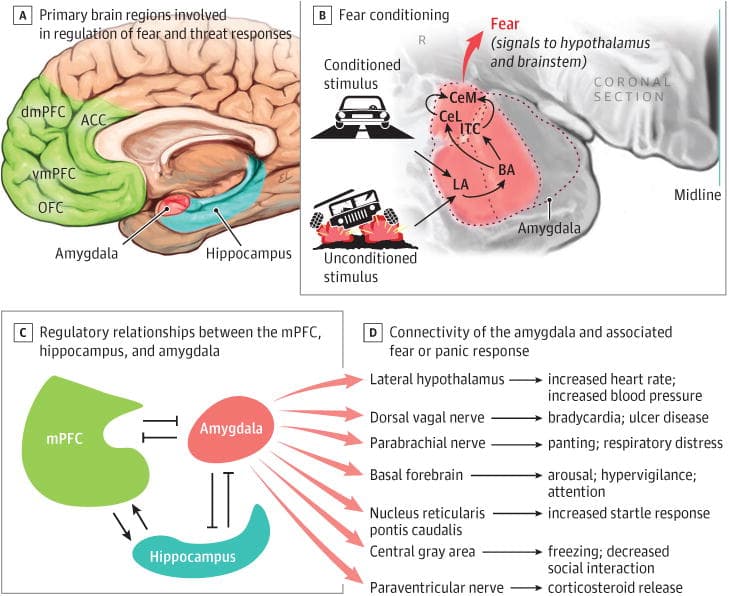
When an individual experiences a traumatic event (eg, as happened to the soldier described in the Clinical Challenge1), the physiologic response to the trauma can become paired with previously neutral environmental cues. Long after the precipitating traumatic event, environmental cues will continue to serve as triggers for a similar physiologic response. This process corresponds to the DSM-5 symptom of intense or prolonged distress after exposure to traumatic reminders (Table). The patient may be consciously aware of these triggers, such as walking on a city street or being in the desert. Importantly, there may also be subtle contextual cues that induce symptoms of fear and anxiety without conscious awareness of the trigger (eg, fleeting peripheral movement, an unexpected object at the side of the road, or even the aroused emotional response of asexual partner). The physiologic responses of increased startle, hypervigilance, increased heart rate and respiration, dry mouth, and emotional reactivity and defensive behavior may all be triggered by these experiences, with the most extreme experiences activating a flashback in which the patient has temporary difficulty separating past traumatic experiences from the present. Figure 1 shows a diagram of the basic neural circuits that are relevant to fear conditioning.

Table. DSM-5 Symptoms and Related Neuroscience Constructs.

DSM-5 Symptoms

Related Constructs Informed by Neuroscience

Intrusive recollection: intense or prolonged distress after exposure to traumatic reminders

Classical fear conditioning or the pairing of an innate response (startle, increased heart rate and respiration, dry mouth, and emotional reactivity) to an unconditioned stimulus (eg, a shock or other unexpected painful stimulus) with another previously neutral (conditioned) stimulus

Avoidance symptoms

Operant conditioning or negative reinforcement when a behavior that leads to the avoidance or removal of an aversive stimulus is increased in frequency

Increased arousal

Abnormalities in regulation of the sympathetic nervous system and the hypothalamic-pituitary-adrenal stress response (perhaps through epigenetic changes)

Figure 1. Schematic Diagram of Neural Circuitry Involved in Fear Conditioning and Posttraumatic Stress Disorder.

On multiple levels, it is not surprising that individuals exposed to trauma would avoid situations that remind them of these events. This process reflects a form of operant conditioning (Box) known as negative reinforcement, that is, when a behavior that leads to the avoidance or removal of an aversive stimulus is increased in frequency. This process correlates with the DSM-5 category C avoidance symptoms of PTSD. For example, a patient exposed to an ambush while traveling in a military convoy abroad may subsequently avoid driving on major roads at home so as to prevent the physiologic and affective response that occurs with trauma reminders. As described in the accompanying Clinical Challenge, because speaking about traumatic experiences may be a potent trigger of negative affect, the patient may also avoid therapy. This avoidance is a significant barrier to treatment and may underlie recent concerns about certain forms of therapy being less effective in the real world.

Box. PTSD Terms and Definitions.

Classical Conditioning

Classical conditioning is a process wherein an innate response to a specific stimulus (eg, salivating at the sight of food) becomes paired to a neutral stimulus (such as a bell ringing) by repeated presentation of the two stimuli, in the case of appetitive classical conditioning. One prototypical example of aversive conditioning is fear (or threat) conditioning, in which an aversive event (unconditioned stimulus) triggers autonomic arousal and intense fear (the unconditioned response) and contextual cues in the environment (eg, sights, sounds, and smells) become conditionally associated with the trauma. The conditional cues will then trigger the experience of autonomic arousal and intense fear as in the original situation (the conditioned response) as shown in Figure 1.

Operant Conditioning

Operant conditioning, by contrast, is a process by which behaviors are increased or decreased in frequency based on the presence of rewards or noxious stimuli. Reinforcement means that a behavior is increased in frequency based on either the presence of reward (positive reinforcement, as seen in cocaine-seeking behavior) or the removal/avoidance of a noxious stimulus (negative reinforcement, as seen in avoidance of unpleasant situations/circumstances). Punishment means that a behavior is decreased in frequency based on either the addition of a noxious stimulus (positive punishment, such as spanking a child) or the removal of a rewarding stimulus (negative punishment, such as taking away a child's toys).

Extinction

The term extinction was originally coined in a behavioral context: repeated exposure to a conditioned stimulus led to the disappearance of the fear response behavior. Recent work, however, has shown that the conditioned association and response can be brought back (reinstated) by re-exposure to the fear-inducing cue. Thus, it appears that behavioral extinction paradigms are actually teaching individuals to overlearn a safety association on top of the existing fear conditioning. This contrasts with the discussion of reconsolidation that occurs later in this article (a process which may genuinely alter or disrupt the memory of an event). A visual schematic of these opponent processes is shown in Figure 2.

Fear conditioning and the avoidance of conditioned contextual cues are adaptive in a dangerous environment—they support survival. However, the same behaviors become maladaptive when one is returned to a safe environment, where rational, nonreactive, and socially “appropriate” responses are preferred over defensive reflexes. In this regard, ongoing PTSD in the aftermath of trauma exposure may be thought of as a failure to unlearn adaptive thoughts and behaviors on the return to a safe place.

The best evidence-based treatments for PTSD are forms of psychotherapy that are designed to reverse the lasting impact of fear conditioning (eg, prolonged exposure therapy and cognitive processing therapy). To do so, patients are encouraged to engage and process traumatic memories in the absence of the feared out-come. Early on in treatment, patients may experience increased anxiety as they engage with these difficult memories. However, over time, exposure to the conditioned stimulus in a safe environment without the expected adverse outcome can lead to habituation (weakening of the intensity of response to a stimulus over time) and extinction (the conditioned stimulus is no longer associated with the aversive unconditioned stimulus) (Box). A visual schematic of these opponent processes is shown in Figure 2. Helping patients understand this process—critically, including the role of negative reinforcement and avoidance in perpetuating symptoms, and that these are robust neurobiological phenomena—may improve patients' motivation, decrease their self-doubt about recovery, and improve their ability to engage in therapy.
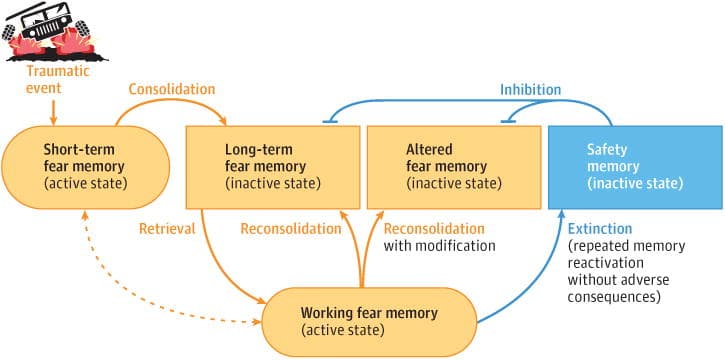
Figure 2. Process of Memory Reconsolidation.

Future Directions

One promising line of inquiry is the use of plasticity-enhancing agents, such as d-cycloserine, apartial agonist of the N-methyl-d-aspartate receptor, to augment the effects of psychotherapy. By increasing the brain's capacity for learning, these medications may allow patients to complete an exposure-based therapy more rapidly, as shown in studies of acrophobia. Although d-cycloserine it self has limitations, enhanced plasticity may be a shared mechanism of action by which other medications benefit patients with PTSD: for example, a known downstream effect of selective serotonin reuptake inhibitors is to increase brain-derived neurotrophic factor and thereby enhance plasticity.

A different approach to treatment may be to interfere with the initial process of fear conditioning. The strength of an initial memory will depend on many factors (eg, it maybe increased in the context of elevated norepinephrine levels, as seen in trauma). There is also a temporal window during which the consolidation of this initial memory occurs. Thus, in some circumstances, it may be possible to disrupt or diminish the strength of the initial encoding. This principle underlies both medication trials (eg, with propranolol and opiates) to potentially prevent the onset of PTSD and, similarly, forms the rationale for early cognitive-behavioral interventions.

Theme 2: Dysregulated Circuits

Some of the earliest research findings with PTSD suggested abnormalities in regulation of the sympathetic nervous system and the hypothalamic-pituitary-adrenal (HPA) axis. This hypothesis led to clinical trials with adrenergic blockers (eg, clonidine and prazosin) that ultimately were not shown to be effective, although recent research has found prazosin to be effective for treating trauma-related nightmares, in part through its α-1 antagonist properties in normalizing sleep. The most common HPA dysregulation finding included enhanced cortisol suppression following low-dose dexamethasone treatment. These data suggested enhanced sensitivity to glucocorticoid activation. More recent work has also suggested that the stress response system may be hyperreactive to triggers, both in the magnitude of response and in the time it takes to return to baseline. Figure 3 illustrates aspects of the above-described commonly observed aspects of HPA dysregulation seen in individuals with PTSD.
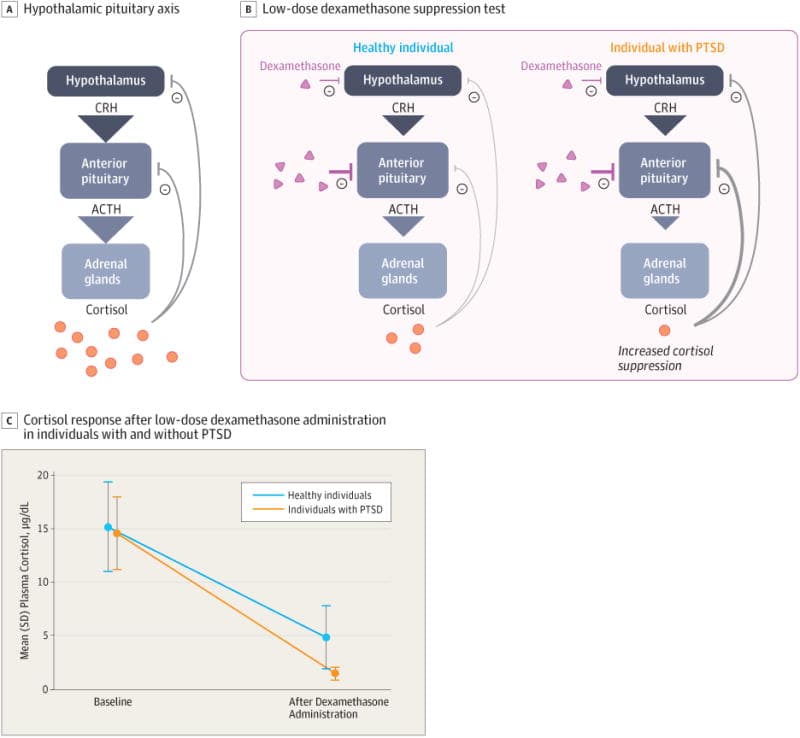
Figure 3. Regulation of the Hypothalamic-Pituitary-Adrenal (HPA) Axis in Posttraumatic Stress Disorder (PTSD).

Connecting this work back to the basic circuit diagrammed in Figure 1, a core aspect of normal functioning is the reciprocal inhibition between the medial prefrontal cortex (mPFC) and the amygdala: during stress, limbic activation inhibits PFC functioning; conversely, PFC activity is able to inhibit the amygdala and, resultantly, decrease the stress response. Individuals with PTSD may have a regulatory imbalance in which amygdala activation is exaggerated while the function of the PFC is diminished. Much work on the output of amygdala activation has led to a greater understanding of many of the downstream neural pathways that mediate the enhanced startle response, hyperarousal, increased heart rate, and other core aspects of response to fear and threats.

From this perspective, a wide range of treatments for PTSD may share a central therapeutic mechanism of restoring balance between PFC and amygdala function. Selective serotonin reuptake inhibitors may exert their benefit by decreasing hyperreactivity in the amygdala. In addition, different forms of psychotherapy may help individuals restore top-down (PFC) control to regulate arousal and anxiety. A helpful line of inquiry comes from research into the phenomenon of resilience. This area of work aims to identify factors that protect individuals from developing PTSD. Resilient individuals have been shown to have better regulation of their stress response, mediated by a number of possible pathways, including neuropeptide Y. It has also been shown that early exposure to manageable stress may confer resilience toward future trauma—a process known as stress inoculation.

Future Directions

As described above, many current treatments align well with a circuit-based model of PTSD including, most notably, forms of psychotherapy that may help to restore balance between PFC and limbic structures.

In recent years, considerable research in psychiatry has explored the role of a wide range of interventional approaches to help regulate circuits. These interventions include electroconvulsive therapy, deep brain stimulation, vagal nerve stimulation, and, more recently, repetitive transcranial magnetic stimulation and transcranial direct current stimulation. To date, research findings with interventional approaches for PTSD have been limited. However, one might hope that these methods may eventually prove to be able to restore balance to dysregulated circuits by altering function in specific regions.

Theme 3: Memory Reconsolidation

Autobiographical memories are formed when stimuli that represent an experience are encoded in working and short-term memory and then consolidated into long-term memory. At one time, it was thought that such memories were indelible and reflected the initial information that was encoded. Recent research, including examining the accuracy of “flashbulb memories” for major events (eg, the assassination of President Kennedy or the 9/11 terrorist attacks), has suggested a different story.

The concept of memory reconsolidation is that every time a memory is recalled it is momentarily made labile and then needs to be reconsolidated. During this process, the memory may be updated or changed based on new experience. From this perspective, any particular memory may be thought of as being only as old as the last time it was recalled (Figure 2).

This process has clear implications in PTSD. For better or for worse, each time a traumatic experience is recalled, the patient's memory may be updated. Returning to our Clinical Challenge patient: left to his own, one imagines that each time he recalls the trauma there is a high potential that the reconsolidation process may reinforce prior beliefs and interpretations (likely including cognitive distortions around guilt, responsibility, and self-blame);in contrast, in the context of therapy one might view this as an opportunity for a combination of fear extinction, as outlined above, along with updating the memory to incorporate new data and perspectives into a more adaptive overall representation.

Future Directions

There is considerable interest in developing treatments that may capitalize on this process. Some behavioral therapies have been explicitly designed to leverage the reconsolidation process. Other studies have sought to combine therapy with pharmacologic agents that may help to block the reconsolidation of traumatic memories (eg, propranolol or xenon gas, the latter of which is thought to inhibit the N-methyl-d-aspartate receptor). A recent study also demonstrated the possibility of using the globally amnestic properties of electroconvulsive therapy to disrupt the reconsolidation of memories.

Theme 4: Epigenetic Considerations

Epigenetics refers to mechanisms (eg, DNA methylation or histone acetylation) by which environmental exposures may influence the functional expression of genes. A large amount of literature has demonstrated that early childhood neglect or trauma can epigenetically program the stress system, leading to aberrant regulation of the HPA axis and maladaptive, prolonged responses to stressors en-countered later in life. This effect appears to occur by the inhibition of the expression of hippocampal glucocorticoid receptors(GRs) via DNA methylation along the GR gene promoter.

As illustrated in Figure 4, GRs in the hippocampus are central to effective regulation of the HPA s axis. Under ideal conditions, the body is able to mount a cortisol stress response that quickly shuts off once the danger has passed. This response occurs through negative feedback at the level of the GR (with increased density of receptors correlating with improved regulation). Studies of rodents and humans suggest that GR expression is significantly reduced by childhood abuse or neglect and that this difference persists into adulthood. These individuals then have inefficient negative HPA feed-back and a prolonged stress response, similar to that in patients with PTSD.
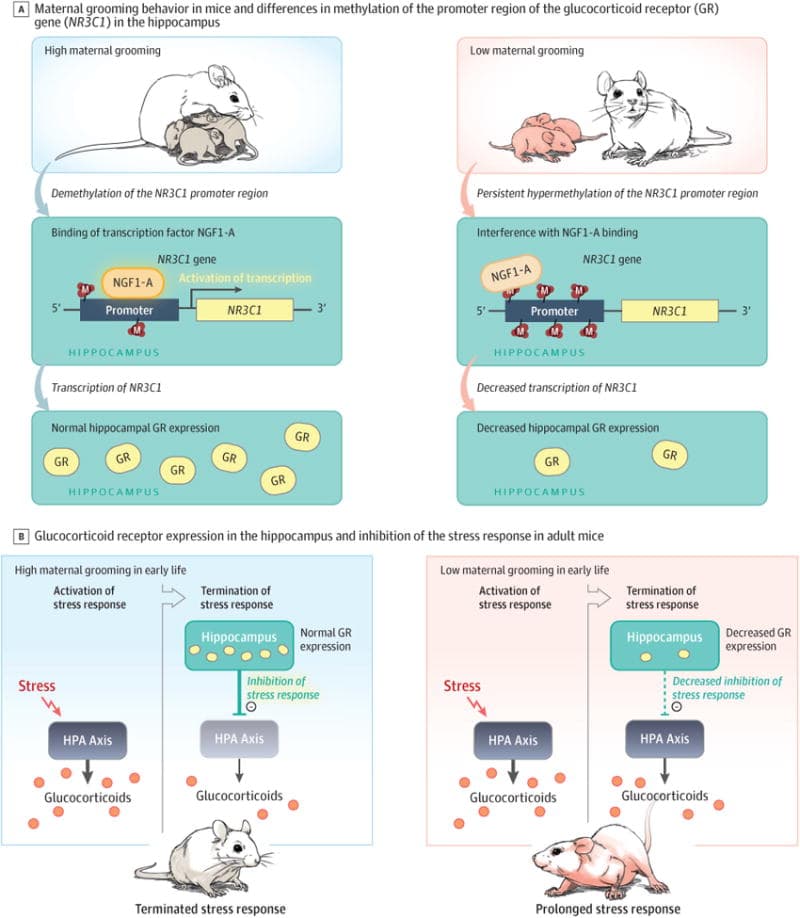
Figure 4. Early Life Experience and Epigenetic Modulation of the Stress Response in Mice.

From this perspective, for the veteran we have been discussing, it is clinically important to recognize that his history of childhood trauma is itself a risk factor for developing PTSD and other psychiatric illnesses (including depression and substance use disorders), perhaps in part through a dysregulated stress response system. Of interest, this same process of dysregulated stress response may also be associated with a range of other health problems, including heart disease and stroke, thus giving cause for increased vigilance in routine health monitoring.

Recent work has also provided evidence that epigenetic mechanisms may be able to act across generations, possibly being transmitted through gametes. Thus, environmental exposures experienced by an individual may even affect gene expression in offspring, with potentially broad influences including susceptibility to trauma. In this regard, clinicians should be thoughtful in obtaining a family history and also in considering supports and resources that may be appropriate for patients' children and other family members.

Future Directions

Several researchers are exploring the potential value of an epigenetic perspective for the diagnosis and treatment of PTSD. Major areas of inquiry include whether epigenetic data could be used to identify populations at risk for developing PTSD, to help diagnose PTSD, and as biomarkers to predict who will respond to specific types of treatment. Early positive findings for each of these ideas have been shown in studies that examined military service members before and after deployment. Of particular interest, some patterns of methylation that are associated with PTSD were shown to be reversed during the course of psychotherapy, thus suggesting that, although epigenetic changes are enduring, they are not immutable.

There is also interest in developing pharmacotherapies that could help modify epigenetic changes. The best-explored line of inquiry has examined histone deacetylase inhibitors. In animal models, these medications have been shown to augment fear extinction through multiple complex pathways, including brain-derived neurotrophic factor and N-methyl-d-aspartate receptor signaling. To date, these ideas have not translated into clinical populations, although sodium valproate seems to have some action as a histone deacetylase inhibitor, possibly accounting for some of its efficacy in a broad range of psychiatric disorders.

Of course, the ideal intervention from an epigenetic perspective would be to implement interventions that either prevent early trauma and/or minimize its long-term impact. Improved public health measures would be invaluable.

Theme 5: Genetic Considerations

As alluded to above, a central research question is why, in the face of trauma, only some individuals develop PTSD. Despite the disease being definitionally linked to an external event, research studies (eTable in the Supplement) have consistently shown that PTSD is highly heritable (approximately 40%-50%). Here, we would continue to emphasize that there are many nonbiological factors that may also confer risk or resilience. As far as identifying specific risk genes, findings to date have been mixed, likely reflecting methodological challenges, including the difficulty of achieving adequate sample sizes in which cases can be compared with trauma-exposed controls. The most promising findings have involved genes influencing molecules that are associated with neural plasticity (eg, brain-derived neurotrophic factor), neural inhibition (γ-aminobutyric baacid), and stress response (glucocorticoids). A large, recent genome-wide association study reflecting more than 13 000 trauma exposed soldiers found no genome-wide significant loci in their main analysis. The investigators found the association of a single nucleotide polymorphism at genome wide significance in the ANKRD55 gene (known to be involved in inflammatory and autoimmune disorders) only in African American participants. The authors of that study noted that their sample size may not have been adequately powered to detect other significant findings. The eTable in the Supplement highlights key findings pertaining to the recent genome-wide association study of unbiased genetic approaches to understanding PTSD.

As discussed above, and as with all patients, it is important to take a careful family history. Given the frequent role of guilt and self-blame as a core aspect of PTSD (now acknowledged in the DSM-5 criterion of “persistent, distorted cognitions about the cause or con-sequences of the traumatic event(s) that lead the individual to blame himself/herself or others”), discussing biological predisposing factors may be a valuable tool in the process of therapeutic communication.

Future Directions

A major obstacle in psychiatric practice today is that clinical diagnoses are based on behaviorally defined criteria that may encompass heterogeneous populations at a neurobiological level. The Research Domain Criteria project was created with the goal of understanding psychiatric illness based on relevant neurobiological domains. This parallels broader efforts—most notably in oncology—to move toward precision medicine.

From this perspective, understanding relevant genetic contributions serves 2 purposes. First, identifying genes implicated in PTSD may help researchers better understand underlying molecular mechanisms, which could inform the development of future treatments. Second, it is possible that patterns in gene expression may allow us to identify subgroups that are either at risk for PTSD or are more likely to respond to a specific treatment.

Caveats and Additional Perspectives

Throughout this article, we have discussed PTSD in a relatively generic manner, as if it were a single diagnostic entity. Of course, in psychiatry every case is unique, as is especially true with trauma. Factors that may affect both the incidence and severity of PTSD include type of trauma (eg, natural disasters vs assault vs motor vehicle accidents vs combat related), severity of the trauma (in conjunction with an individual's pre-existing resilience/vulnerability), the cultural context of the event, and the individual's perception and interpretation of the event. This last idea is especially relevant for cognitive models of PTSD (consider, as an example, the literature on “moral injury”) and is also reflected in the considerable controversy regarding the update made to DSM-5 criteria.

In addition, although we have generally discussed PTSD as a discrete condition, it is highly comorbid with other psychiatric illnesses, including depression and substance use disorders. Each of these possible diagnoses would carry its own implications for formulation and treatment planning.

Another important caveat with respect to neuroscience is that much of our understanding comes from animal models. Although useful in many ways, these models are also intrinsically limited. This point may be especially relevant to our discussion of fear conditioning, wherein the protocols used to induce fear conditioning in animals may differ greatly from the types of experiences that cause PTSD in our patients.

Finally, although we have selected 5 key themes to discuss, there are obviously other relevant domains. One especially important area relates to sleep, in which there is extensive literature on rapid eye movement disturbances that occur following trauma. Although findings have been variable, it is plausible that sleep disruption plays a central role in the development and/or persistence of PTSD symptoms.

Conclusions

Modern neuroscience is leading to dramatic shifts in how we understand psychiatric illness. Amid this revolution, PTSD is one of the disorders (along with substance use disorders) for which we have the most compelling evidence relating to the underlying neurobiology. In this article, we have highlighted 5 compelling neuroscience themes relevant to PTSD: the role of fear conditioning and associated processes (including extinction and negative reinforcement); a circuit-based perspective, with a central emphasis on the reciprocal inhibitory connections between the mPFC and the amygdala; the new concept of memory reconsolidation, suggesting that any time a memory is reactivated it becomes briefly labile and thereby amenable to strengthening or weakening; the role of epigenetics, including extensive data on how early traumatic experiences may lead to long-term dysregulation in the HPA axis; and the role of genetic factors in this highly heritable disease, opening doors for new research approaches and, perhaps, someday leading to a precision medicine–based approach.

Open Article as PDF

Abstract

Importance: Posttraumatic stress disorder (PTSD) is a common psychiatric illness, increasingly in the public spotlight in the United States due its prevalence in the soldiers returning from combat in Iraq and Afghanistan. This educational review presents a contemporary approach for how to incorporate a modern neuroscience perspective into an integrative case formulation. The article is organized around key neuroscience "themes" most relevant for PTSD. Within each theme, the article highlights how seemingly diverse biological, psychological, and social perspectives all intersect with our current understanding of neuroscience.

Observations: Any contemporary neuroscience formulation of PTSD should include an understanding of fear conditioning, dysregulated circuits, memory reconsolidation, epigenetics, and genetic factors. Fear conditioning and other elements of basic learning theory offer a framework for understanding how traumatic events can lead to a range of behaviors associated with PTSD. A circuit dysregulation framework focuses more broadly on aberrant network connectivity, including between the prefrontal cortex and limbic structures. In the process of memory reconsolidation, it is now clear that every time a memory is reactivated it becomes momentarily labile-with implications for the genesis, maintenance, and treatment of PTSD. Epigenetic changes secondary to various experiences, especially early in life, can have long-term effects, including on the regulation of the hypothalamic-pituitary-adrenal axis, thereby affecting an individual's ability to regulate the stress response. Genetic factors are surprisingly relevant: PTSD has been shown to be highly heritable despite being definitionally linked to specific experiences. The relevance of each of these themes to current clinical practice and its potential to transform future care are discussed.

Conclusions and relevance: Together, these perspectives contribute to an integrative, neuroscience-informed approach to case formulation and treatment planning. This may help to bridge the gap between the traditionally distinct viewpoints of clinicians and researchers.

Understanding Posttraumatic Stress Disorder

This discussion begins with a soldier who experienced multiple life-threatening events during a military deployment. After returning home, the soldier encountered a range of difficulties.

While the specifics of this case are recent, the underlying struggles are not new. Throughout history, individuals exposed to life-threatening events have faced challenges in readapting to civilian life. Historical accounts describe soldiers returning from the Trojan War and survivors of events like the Great Fire of London. Over time, different terms have been used to describe difficulties recovering from combat, such as 'nostalgia,' 'soldier's heart,' 'shell shock,' 'battle exhaustion,' and 'post-Vietnam syndrome.' Although these conditions share common elements, each reflects the unique time and cultural context in which it appeared.

In 1980, partly due to political considerations, the diagnosis of posttraumatic stress disorder (PTSD) was introduced in the DSM-III. These diagnostic criteria remained largely unchanged until the DSM-5 was published in 2013.

Most individuals exposed to traumatic events experience temporary effects that disappear within a month, such as numbness, heightened emotions, nightmares, anxiety, and being overly watchful. However, for a smaller group of individuals, typically 10% to 20% depending on the trauma type, these symptoms can continue, leading to long-term and significantly disabling problems.

In treating PTSD, understanding an individual's personal history is crucial. This includes past experiences, belief systems, culture, social support, and other factors that can worsen or protect against the condition. A comprehensive approach, considering various clinical perspectives, is essential. Within this complex picture, several biological factors also play vital roles. This discussion explores key neuroscience themes related to PTSD.

Theme 1: Fear Conditioning

Understanding the brain's response to a traumatic event is central to the neurobiology of PTSD. The brain, across species, instinctively reacts to life-threatening situations for survival. This process is studied through fear conditioning, a type of learning where an automatic reaction to a harmful event becomes linked with a previously neutral cue. From an evolutionary viewpoint, this learning is highly adaptive, as it helps individuals recognize and avoid situations that predict danger.

When a traumatic event occurs, the body's physical reaction to it can become linked with previously neutral environmental cues. Even long after the trauma, these cues can trigger similar physical responses. This aligns with a DSM-5 symptom: intense distress when exposed to traumatic reminders. Individuals might be aware of triggers like specific places, but subtle cues, such as sudden movement or an unexpected object, can also induce fear and anxiety without conscious recognition. Physical responses like an exaggerated startle, heightened alertness, increased heart rate and breathing, dry mouth, and defensive behaviors can be triggered. In extreme cases, a flashback may occur, where past traumatic experiences are temporarily difficult to distinguish from the present.

It is understandable that individuals exposed to trauma avoid situations that serve as reminders. This is a form of learning called negative reinforcement, where a behavior that removes or helps avoid an unpleasant stimulus becomes more frequent. This corresponds to the avoidance symptoms seen in PTSD. For instance, a person who experienced an ambush while in a military convoy might avoid driving on major roads at home to prevent the physical and emotional reactions linked to trauma reminders. Avoiding discussions about traumatic experiences, which can be upsetting, might also lead to avoidance of therapy, posing a significant challenge to treatment.

While fear conditioning and avoiding associated cues are helpful for survival in dangerous environments, these behaviors become problematic upon returning to a safe setting. In a safe environment, rational and socially appropriate responses are more desirable than defensive reflexes. Therefore, persistent PTSD after trauma exposure can be seen as a difficulty in 'unlearning' adaptive survival behaviors once safety is re-established.

Effective treatments for PTSD, such as prolonged exposure therapy and cognitive processing therapy, aim to reverse the effects of fear conditioning. These therapies involve individuals confronting traumatic memories in a safe environment without the feared outcome. Initially, this may cause increased anxiety, but with repeated exposure, responses to the conditioned stimulus weaken (habituation) and the association with the harmful outcome diminishes (extinction). Understanding that negative reinforcement and avoidance perpetuate symptoms, and that these are strong brain processes, can boost motivation and engagement in therapy. Future research explores using agents like d-cycloserine to enhance the brain's learning capacity, potentially speeding up therapy. Another approach involves interfering with the initial fear conditioning process itself, possibly disrupting the strength of traumatic memory formation early on, which is being investigated with certain medications and early interventions.

Theme 2: Dysregulated Circuits

Early research on PTSD identified problems in the regulation of the sympathetic nervous system and the hypothalamic-pituitary-adrenal (HPA) axis, which manages the body's stress response. While initial drug trials for these issues were not broadly effective, some recent studies show prazosin helps with trauma-related nightmares by normalizing sleep. Common findings include increased sensitivity to stress hormones, suggesting the stress response system in individuals with PTSD might overreact to triggers and take longer to return to normal.

Normally, there is a balanced relationship between the medial prefrontal cortex (mPFC) and the amygdala in the brain. During stress, the limbic system (including the amygdala) can reduce mPFC function, while the mPFC can calm the amygdala, thereby lowering the stress response. In PTSD, this balance may be disrupted, with heightened amygdala activity and reduced mPFC function. Research into amygdala activity has clarified the brain pathways involved in heightened startle, over-alertness, increased heart rate, and other fear and threat responses.

Many PTSD treatments likely work by restoring the balance between mPFC and amygdala function. Medications like selective serotonin reuptake inhibitors may reduce amygdala overactivity, while various psychotherapies can help individuals regain mPFC control over arousal and anxiety. Research into resilience investigates protective factors against PTSD; resilient individuals often show better stress response regulation. Additionally, early exposure to manageable stress, known as stress inoculation, may build resilience. Future research also explores interventional approaches like repetitive transcranial magnetic stimulation, though their effectiveness for PTSD is still being investigated with the hope that these methods could help rebalance dysregulated brain circuits.

Theme 3: Memory Reconsolidation

Autobiographical memories are formed when experiences are first encoded into short-term memory and then solidified into long-term memory. Previously, it was believed these memories were permanent and unchanging. However, recent studies, including examinations of "flashbulb memories" for major public events, suggest that memories are not always indelible and can change over time.

Memory reconsolidation is the idea that each time a memory is recalled, it temporarily becomes unstable and must be re-stabilized. During this process, the memory can be updated or altered based on new experiences. This implies that a memory's current form is influenced by its most recent retrieval.

This process has significant implications for PTSD. Each time a traumatic memory is recalled, it can be updated. Without intervention, this might reinforce negative beliefs and self-blame. However, in therapy, recalling memories offers an opportunity for fear extinction and for updating the memory with new information and perspectives, leading to a more adaptive understanding. Treatments are being developed to utilize memory reconsolidation, including specific behavioral therapies and combining therapy with medications like propranolol or xenon gas, which might block the re-stabilization of traumatic memories. Electroconvulsive therapy has also been explored for its potential to disrupt memory reconsolidation.

Theme 4: Epigenetic Considerations

Epigenetics describes how environmental factors, such as DNA methylation or histone acetylation, can alter gene expression without changing the DNA sequence itself. Extensive research shows that early childhood neglect or trauma can epigenetically "program" the stress system. This leads to abnormal regulation of the HPA axis and prolonged, unhealthy responses to stress later in life. This effect often involves reduced expression of glucocorticoid receptors (GRs) in the hippocampus, due to changes in DNA methylation near the GR gene.

Glucocorticoid receptors (GRs) in the hippocampus are crucial for effectively regulating the HPA axis. Ideally, the body produces a cortisol stress response that quickly deactivates once danger passes, a process controlled by negative feedback at the GR level. Studies in animals and humans indicate that childhood abuse or neglect can significantly reduce GR expression, a difference that lasts into adulthood. This results in inefficient HPA feedback and a prolonged stress response, resembling what is seen in individuals with PTSD.

From this viewpoint, a history of childhood trauma is a significant risk factor for developing PTSD and other mental health conditions like depression and substance use disorders, possibly due to a disrupted stress response system. This dysregulated stress response may also be linked to other health issues, such as heart disease and stroke, underscoring the need for careful health monitoring.

Emerging evidence suggests that epigenetic changes can be passed down across generations, potentially influencing offspring's susceptibility to trauma. Clinicians should therefore consider family history and relevant support for family members. Researchers are exploring how epigenetics could help identify individuals at risk for PTSD, diagnose the condition, and predict treatment response. Some studies on military personnel have shown that certain methylation patterns linked to PTSD can be reversed through psychotherapy, indicating that epigenetic changes, though lasting, are not permanent. There is also interest in developing medications, such as histone deacetylase inhibitors, to modify epigenetic changes, which have shown promise in animal models for enhancing fear extinction. Ultimately, preventing early trauma and minimizing its long-term impact through public health initiatives remains the most effective epigenetic intervention.

Theme 5: Genetic Considerations

A key research question is why some individuals develop PTSD after trauma while others do not. Despite its link to external events, studies consistently show PTSD is significantly heritable, with genetic factors accounting for about 40%-50% of the risk. However, many non-biological factors also contribute to risk or resilience. Identifying specific risk genes has been challenging, often due to difficulties in recruiting large enough study groups. Promising findings have emerged regarding genes affecting neural plasticity, neural inhibition, and stress response. A large study of over 13,000 trauma-exposed soldiers found no genome-wide significant genetic locations in their primary analysis, though a specific gene (ANKRD55) was associated with PTSD in African American participants, a finding that might be limited by sample size.

As with all medical assessments, a thorough family history is important for individuals with PTSD. Since guilt and self-blame are often central to PTSD, discussing biological predisposing factors can be a valuable part of therapeutic communication, helping individuals understand that their reactions may have biological underpinnings, not solely personal failing.

A significant challenge in current psychiatric practice is that diagnoses, based on behavioral criteria, often group together individuals who may differ at a neurobiological level. Projects like the Research Domain Criteria aim to understand mental illnesses through neurobiological domains, mirroring efforts in fields like oncology to advance precision medicine. Understanding genetic contributions serves two purposes: identifying genes linked to PTSD can help researchers uncover molecular mechanisms, guiding future treatment development. Additionally, gene expression patterns might allow for identifying subgroups at risk for PTSD or those more likely to respond to particular treatments.

Caveats and Additional Perspectives

This discussion has approached PTSD generally, as if it were a single condition. However, in psychiatry, each case is unique, especially with trauma. Factors influencing the occurrence and severity of PTSD include the type of trauma (e.g., natural disaster, assault, accident, or combat), its severity in relation to an individual's resilience, the cultural context, and the person's interpretation of the event. This last point is particularly relevant for cognitive models of PTSD and contributes to ongoing discussions about its diagnostic criteria.

Furthermore, while PTSD is often discussed as a distinct condition, it frequently co-occurs with other mental health illnesses, such as depression and substance use disorders. Each co-occurring diagnosis requires specific considerations for understanding the condition and planning treatment.

It is also important to note that much of neuroscience understanding comes from animal models. While valuable, these models have inherent limitations. This is particularly relevant for fear conditioning, as the methods used to induce fear in animals may significantly differ from the traumatic experiences that lead to PTSD in humans.

Lastly, while five key themes have been highlighted, other important areas exist. Sleep is one such area, with extensive research on rapid eye movement (REM) disturbances after trauma. Although findings vary, it is plausible that sleep disruption plays a central role in the development or continuation of PTSD symptoms.

Conclusions

Modern neuroscience is transforming the understanding of psychiatric illnesses. PTSD, alongside substance use disorders, stands out for having compelling evidence regarding its neurobiological underpinnings. This discussion has highlighted five key neuroscience themes relevant to PTSD: fear conditioning and related processes like extinction and negative reinforcement; a circuit-based perspective emphasizing the balanced connections between the medial prefrontal cortex and the amygdala; the concept of memory reconsolidation, where memories can be updated upon retrieval; the role of epigenetics, showing how early trauma can cause long-term stress system dysregulation; and the influence of genetic factors in this highly heritable condition, paving the way for new research and potentially precision medicine approaches.

Open Article as PDF

Abstract

Importance: Posttraumatic stress disorder (PTSD) is a common psychiatric illness, increasingly in the public spotlight in the United States due its prevalence in the soldiers returning from combat in Iraq and Afghanistan. This educational review presents a contemporary approach for how to incorporate a modern neuroscience perspective into an integrative case formulation. The article is organized around key neuroscience "themes" most relevant for PTSD. Within each theme, the article highlights how seemingly diverse biological, psychological, and social perspectives all intersect with our current understanding of neuroscience.

Observations: Any contemporary neuroscience formulation of PTSD should include an understanding of fear conditioning, dysregulated circuits, memory reconsolidation, epigenetics, and genetic factors. Fear conditioning and other elements of basic learning theory offer a framework for understanding how traumatic events can lead to a range of behaviors associated with PTSD. A circuit dysregulation framework focuses more broadly on aberrant network connectivity, including between the prefrontal cortex and limbic structures. In the process of memory reconsolidation, it is now clear that every time a memory is reactivated it becomes momentarily labile-with implications for the genesis, maintenance, and treatment of PTSD. Epigenetic changes secondary to various experiences, especially early in life, can have long-term effects, including on the regulation of the hypothalamic-pituitary-adrenal axis, thereby affecting an individual's ability to regulate the stress response. Genetic factors are surprisingly relevant: PTSD has been shown to be highly heritable despite being definitionally linked to specific experiences. The relevance of each of these themes to current clinical practice and its potential to transform future care are discussed.

Conclusions and relevance: Together, these perspectives contribute to an integrative, neuroscience-informed approach to case formulation and treatment planning. This may help to bridge the gap between the traditionally distinct viewpoints of clinicians and researchers.

Understanding Posttraumatic Stress Disorder (PTSD)

This discussion describes the case of a soldier who faced multiple life-threatening situations during military deployment and then struggled significantly after returning home. Although the specifics of this case are current, the underlying story is quite old. Throughout history, there have been many accounts of people who, after experiencing a life-threatening event, found it hard to adjust back to everyday life. These historical accounts include stories of soldiers returning from the Trojan War described in The Odyssey, and a survivor of the Great Fire of London in the 1600s. Different names have been used throughout history to describe the challenges of recovering from combat, such as nostalgia or soldier's heart during the Civil War, shell shock in World War I, battle exhaustion in World War II, and post-Vietnam syndrome. While some core features remain similar across these terms, each also reflects the unique time and culture in which it appeared.

In 1980, partly due to political reasons, the diagnosis of Posttraumatic Stress Disorder (PTSD) was introduced in the DSM-III, a diagnostic manual for mental disorders. These diagnostic criteria remained largely the same until the DSM-5 was published in 2013. Experts continue to discuss various aspects of this diagnosis, including what counts as a traumatic experience and how complex brain science plays a role.

Most individuals who experience traumatic events have temporary aftereffects that usually disappear within the first month. These can include feeling numb or overly emotional, having nightmares, feeling anxious, and being hypervigilant. However, in a smaller group of individuals—about 10% to 20%, depending on the type of trauma—these symptoms may last and cause long-term, potentially disabling problems. With PTSD, it is especially important to consider each person's unique history. This includes past experiences, personal beliefs, cultural background, social support, and many other factors that can either worsen or protect against the condition. Healthcare professionals aim to treat individuals, not just diseases, which requires a broad approach that considers diverse clinical perspectives. Within this complexity, various biological factors play crucial roles. This discussion will review several core themes from neuroscience that are relevant to PTSD.

Theme 1: Fear Conditioning

Any discussion about the brain's biology in PTSD begins with understanding what happens in the brain after a traumatic event. The brain, from the simplest animals to humans, responds instinctively to a life-threatening event to ensure survival. Researchers study this process through a behavior called fear or threat conditioning. This is a type of learning where an automatic response to a natural threat, like a shock, becomes linked with another stimulus that was previously neutral. From an evolutionary standpoint, this type of learning is very useful because it helps individuals recognize and avoid cues that might signal danger.

When a person experiences a traumatic event, like the soldier mentioned earlier, the body's physical response to the trauma can become paired with environmental cues that were once neutral. Long after the original traumatic event, these environmental cues can continue to trigger a similar physical response. This process aligns with the DSM-5 symptom of experiencing intense or prolonged distress when exposed to reminders of the trauma. A person might be consciously aware of these triggers, such as walking on a city street or being in a desert. Importantly, there can also be subtle cues that cause fear and anxiety without the person being consciously aware of the trigger. Examples include a brief movement in their peripheral vision, an unexpected object at the side of the road, or even a partner's heightened emotional response. Physical responses like an increased startle reflex, hypervigilance, faster heart rate and breathing, dry mouth, and emotional reactivity, as well as defensive behaviors, can all be triggered by these experiences. In extreme cases, a flashback may occur, where the person temporarily struggles to tell the difference between past traumatic experiences and the present moment.

It is understandable that individuals exposed to trauma would avoid situations that remind them of those events. This avoidance reflects a type of learning known as negative reinforcement. In this process, a behavior that leads to avoiding or removing an unpleasant stimulus increases in frequency. This concept corresponds to the DSM-5 avoidance symptoms of PTSD. For example, a person who experienced an ambush while traveling in a military convoy might later avoid driving on major roads at home to prevent the physical and emotional distress that occurs with trauma reminders. Similarly, because talking about traumatic experiences can be a powerful trigger for negative emotions, a person might also avoid therapy. This avoidance creates a significant barrier to treatment and may explain concerns about certain therapies being less effective in real-world settings.

Fear conditioning and avoiding related cues are helpful in a dangerous environment, as they support survival. However, these same behaviors become unhelpful when a person returns to a safe environment, where calm, thoughtful, and socially appropriate responses are preferred over defensive reflexes. In this sense, ongoing PTSD after trauma exposure can be seen as a failure to unlearn these adaptive thoughts and behaviors once in a safe place.

The most effective, evidence-based treatments for PTSD are forms of psychotherapy designed to reverse the lasting effects of fear conditioning. Examples include prolonged exposure therapy and cognitive processing therapy. In these therapies, patients are encouraged to engage with and process traumatic memories in a safe environment, without the feared outcome occurring. Early in treatment, patients may experience increased anxiety as they confront these difficult memories. However, over time, exposure to the conditioned stimulus in a safe setting, without the expected negative outcome, can lead to habituation (a gradual reduction in the intensity of the response) and extinction (the conditioned stimulus no longer triggers the aversive response). Helping patients understand this process—especially the role of negative reinforcement and avoidance in maintaining symptoms, and recognizing these are strong biological phenomena—can improve their motivation, reduce self-doubt about recovery, and enhance their ability to participate in therapy.

Future Directions

One promising area of research involves using agents that enhance brain plasticity, such as d-cycloserine, to boost the effects of psychotherapy. By increasing the brain's capacity for learning, these medications might allow patients to complete exposure-based therapy more quickly, as has been observed in studies of fear of heights. Although d-cycloserine itself has limitations, enhanced plasticity may be a common way other medications help patients with PTSD. For instance, selective serotonin reuptake inhibitors (SSRIs) are known to increase brain-derived neurotrophic factor, thereby improving plasticity.

Another treatment approach could involve interfering with the initial process of fear conditioning. The strength of an initial memory depends on many factors; for example, it can be stronger when norepinephrine levels are high, as seen during trauma. There is also a time window during which this initial memory is consolidated. Therefore, in some situations, it might be possible to disrupt or reduce the strength of the initial memory formation. This principle underlies both medication trials, such as those with propranolol and opiates, to potentially prevent PTSD, and also provides the basis for early cognitive-behavioral interventions.

Theme 2: Dysregulated Circuits

Some of the earliest research findings in PTSD suggested abnormalities in how the sympathetic nervous system and the hypothalamic-pituitary-adrenal (HPA) axis are regulated. This led to clinical trials with medications like adrenergic blockers (e.g., clonidine and prazosin), which ultimately did not prove to be broadly effective. However, recent research has found prazosin to be effective for treating trauma-related nightmares, partly by normalizing sleep through its effects on specific receptors. The most common finding related to HPA axis dysregulation was enhanced cortisol suppression after low-dose dexamethasone treatment. These data suggested an increased sensitivity to glucocorticoid activation. More recent work has also indicated that the stress response system in individuals with PTSD may be hyperreactive to triggers, both in the intensity of the response and the time it takes to return to normal.

Connecting this work back to brain circuits, a core aspect of normal functioning is the mutual inhibition between the medial prefrontal cortex (mPFC) and the amygdala. During stress, activity in the limbic system (including the amygdala) inhibits the prefrontal cortex; conversely, activity in the prefrontal cortex can inhibit the amygdala and, as a result, decrease the stress response. Individuals with PTSD may have an imbalance in this regulation, where amygdala activation is exaggerated, while the function of the prefrontal cortex is diminished. Extensive research on the output of amygdala activation has greatly improved the understanding of the many downstream neural pathways that mediate an enhanced startle response, hyperarousal, increased heart rate, and other core aspects of responding to fear and threats.

From this perspective, a wide range of PTSD treatments may share a central therapeutic mechanism: restoring balance between prefrontal cortex and amygdala function. Selective serotonin reuptake inhibitors may provide benefit by reducing hyperreactivity in the amygdala. Additionally, different forms of psychotherapy can help individuals regain top-down control from the prefrontal cortex to regulate arousal and anxiety. A helpful area of inquiry comes from research into resilience. This work aims to identify factors that protect individuals from developing PTSD. Resilient individuals have shown better regulation of their stress response, mediated by various pathways, including neuropeptide Y. It has also been observed that early exposure to manageable stress can build resilience against future trauma, a process known as stress inoculation.

Future Directions

As discussed, many current treatments align well with a circuit-based model of PTSD, most notably psychotherapies that can help restore balance between the prefrontal cortex and limbic structures. In recent years, considerable psychiatric research has explored various interventional approaches to help regulate brain circuits. These interventions include electroconvulsive therapy, deep brain stimulation, vagal nerve stimulation, and more recently, repetitive transcranial magnetic stimulation and transcranial direct current stimulation. To date, research findings with these interventional approaches for PTSD have been limited. However, there is hope that these methods may eventually prove capable of restoring balance to dysregulated circuits by altering function in specific brain regions.

Theme 3: Memory Reconsolidation

Autobiographical memories form when experiences are initially stored in working and short-term memory, and then consolidated into long-term memory. At one time, it was believed that such memories were permanent and perfectly reflected the original information. Recent research, including studies on the accuracy of "flashbulb memories" for major events like the assassination of President Kennedy or the 9/11 terrorist attacks, has suggested a different picture.

The concept of memory reconsolidation proposes that every time a memory is recalled, it temporarily becomes unstable and then needs to be re-stored. During this process, the memory may be updated or changed based on new experiences. From this perspective, any particular memory can be thought of as being only as old as the last time it was recalled.

This process has clear implications for PTSD. For better or worse, each time a traumatic experience is recalled, the memory may be updated. For a patient experiencing trauma reminders, if left alone, each time the trauma is recalled, there is a high chance that the reconsolidation process could reinforce previous beliefs and interpretations. These often include distorted thoughts about guilt, responsibility, and self-blame. In contrast, in the context of therapy, recalling a memory can be seen as an opportunity for a combination of fear extinction, as described earlier, along with updating the memory to incorporate new information and perspectives into a more adaptive overall representation.

Future Directions

There is significant interest in developing treatments that can harness this process. Some behavioral therapies have been explicitly designed to use the reconsolidation process. Other studies have aimed to combine therapy with medications that might help block the reconsolidation of traumatic memories, such as propranolol or xenon gas, which is thought to inhibit certain brain receptors. A recent study also demonstrated the possibility of using the widespread memory-loss properties of electroconvulsive therapy to disrupt the reconsolidation of memories.

Theme 4: Epigenetic Considerations

Epigenetics refers to mechanisms, such as DNA methylation or histone acetylation, by which environmental exposures can influence how genes function and are expressed. A large body of research has shown that early childhood neglect or trauma can epigenetically program the stress system. This leads to abnormal regulation of the HPA axis and maladaptive, prolonged responses to stressors encountered later in life. This effect appears to occur by inhibiting the expression of glucocorticoid receptors (GRs) in the hippocampus through changes in the GR gene promoter.

Hippocampal GRs are essential for effective regulation of the HPA axis. Under ideal conditions, the body can mount a cortisol stress response that quickly shuts off once danger has passed. This occurs through a negative feedback loop involving GRs, with a higher density of receptors correlating with improved regulation. Studies in animals and humans suggest that GR expression is significantly reduced by childhood abuse or neglect, and this difference persists into adulthood. These individuals then have inefficient negative HPA feedback and a prolonged stress response, similar to what is seen in patients with PTSD.

From this perspective, it is clinically important to recognize that a history of childhood trauma is itself a risk factor for developing PTSD and other mental health conditions, including depression and substance use disorders, possibly in part due to a dysregulated stress response system. Interestingly, this same process of a dysregulated stress response may also be linked to a range of other health problems, such as heart disease and stroke, thus warranting increased vigilance in routine health monitoring.

Recent work has also provided evidence that epigenetic mechanisms may act across generations, possibly being passed down through reproductive cells. Thus, environmental exposures experienced by an individual may even affect gene expression in their offspring, with potentially broad influences, including susceptibility to trauma. In this regard, healthcare providers should carefully inquire about family history and consider appropriate support and resources for patients' children and other family members.

Future Directions

Several researchers are exploring the potential value of an epigenetic perspective for the diagnosis and treatment of PTSD. Key areas of inquiry include whether epigenetic data could be used to identify populations at risk for developing PTSD, to help diagnose PTSD, and as biomarkers to predict who will respond to specific types of treatment. Early positive findings for each of these ideas have been shown in studies that examined military service members before and after deployment. Of particular interest, some patterns of methylation associated with PTSD were shown to be reversed during the course of psychotherapy, suggesting that although epigenetic changes are enduring, they are not fixed.

There is also interest in developing medications that could help modify epigenetic changes. The most explored area of inquiry has examined histone deacetylase inhibitors. In animal models, these medications have been shown to enhance fear extinction through multiple complex pathways, including brain-derived neurotrophic factor and N-methyl-d-aspartate receptor signaling. To date, these ideas have not translated into clinical populations, although sodium valproate appears to have some action as a histone deacetylase inhibitor, possibly accounting for some of its effectiveness in a broad range of psychiatric disorders. Of course, the ideal intervention from an epigenetic perspective would be to implement measures that either prevent early trauma or minimize its long-term impact. Improved public health efforts would be invaluable.

Theme 5: Genetic Considerations

As mentioned earlier, a central research question is why, when exposed to trauma, only some individuals develop PTSD. Despite the condition being defined by its link to an external event, research studies have consistently shown that PTSD is highly heritable, meaning genetics play a significant role (approximately 40%-50%). It is important to continue to emphasize that many non-biological factors can also contribute to risk or resilience. As for identifying specific risk genes, findings to date have been mixed. This likely reflects methodological challenges, including the difficulty of gathering large enough sample sizes where cases can be compared with trauma-exposed individuals who do not develop PTSD. The most promising findings have involved genes that influence molecules associated with brain plasticity, neural inhibition, and the stress response. A large, recent genome-wide association study involving over 13,000 trauma-exposed soldiers found no genome-wide significant genetic locations in its main analysis. The investigators found an association of a single genetic variation at genome-wide significance in the ANKRD55 gene (known to be involved in inflammatory and autoimmune disorders) only in African American participants. The authors of that study noted that their sample size may not have been large enough to detect other significant findings.

As discussed, and as with all patients, it is important to take a careful family history. Given the frequent role of guilt and self-blame as a core aspect of PTSD (now recognized in the DSM-5 criterion of "persistent, distorted thoughts about the cause or consequences of the traumatic event(s) that lead the individual to blame himself/herself or others"), discussing biological predispositions can be a valuable tool in therapeutic communication.

Future Directions

A major obstacle in psychiatric practice today is that clinical diagnoses are based on behaviorally defined criteria that may include diverse populations at a neurobiological level. The Research Domain Criteria project was created with the goal of understanding psychiatric illness based on relevant neurobiological domains. This parallels broader efforts, most notably in cancer treatment, to move towards precision medicine.

From this perspective, understanding relevant genetic contributions serves two purposes. First, identifying genes involved in PTSD can help researchers better understand the underlying molecular mechanisms, which could inform the development of future treatments. Second, it is possible that patterns in gene expression may allow for the identification of subgroups who are either at risk for PTSD or are more likely to respond to a specific treatment.

Caveats and Additional Perspectives

Throughout this article, PTSD has been discussed in a relatively general way, as if it were a single diagnostic entity. Of course, in psychiatry, every case is unique, which is especially true with trauma. Factors that can affect both the occurrence and severity of PTSD include the type of trauma (e.g., natural disasters versus assault versus motor vehicle accidents versus combat-related), the severity of the trauma in conjunction with an individual's pre-existing resilience or vulnerability, the cultural context of the event, and the individual's perception and interpretation of the event. This last idea is particularly relevant for cognitive models of PTSD (consider, for example, the literature on "moral injury") and is also reflected in the considerable debate surrounding the updates made to DSM-5 criteria.

Additionally, while PTSD has generally been discussed as a distinct condition, it often co-occurs with other psychiatric illnesses, including depression and substance use disorders. Each of these possible co-occurring diagnoses would have its own implications for understanding the case and planning treatment.

Another important caution regarding neuroscience is that much understanding comes from animal models. While useful in many ways, these models also have inherent limitations. This point may be especially relevant to the discussion of fear conditioning, where the methods used to induce fear conditioning in animals can differ greatly from the types of experiences that cause PTSD in humans.

Finally, while five key themes were selected for discussion, other relevant areas exist. One particularly important area relates to sleep, where there is extensive research on rapid eye movement sleep disturbances that occur after trauma. Although findings have varied, it is plausible that sleep disruption plays a central role in the development or persistence of PTSD symptoms.

Conclusions

Modern neuroscience is leading to significant changes in how psychiatric illness is understood. Amidst this revolution, PTSD is one of the disorders (along with substance use disorders) for which there is some of the most compelling evidence related to its underlying neurobiology. This article highlighted five compelling neuroscience themes relevant to PTSD: the role of fear conditioning and related processes (including extinction and negative reinforcement); a circuit-based perspective, with a central emphasis on the mutual inhibitory connections between the medial prefrontal cortex and the amygdala; the newer concept of memory reconsolidation, suggesting that each time a memory is reactivated, it briefly becomes unstable and can therefore be strengthened or weakened; the role of epigenetics, including extensive data on how early traumatic experiences can lead to long-term dysregulation in the HPA axis; and the role of genetic factors in this highly heritable condition, opening doors for new research approaches and potentially leading to a precision medicine-based approach in the future.

Open Article as PDF

Abstract

Importance: Posttraumatic stress disorder (PTSD) is a common psychiatric illness, increasingly in the public spotlight in the United States due its prevalence in the soldiers returning from combat in Iraq and Afghanistan. This educational review presents a contemporary approach for how to incorporate a modern neuroscience perspective into an integrative case formulation. The article is organized around key neuroscience "themes" most relevant for PTSD. Within each theme, the article highlights how seemingly diverse biological, psychological, and social perspectives all intersect with our current understanding of neuroscience.

Observations: Any contemporary neuroscience formulation of PTSD should include an understanding of fear conditioning, dysregulated circuits, memory reconsolidation, epigenetics, and genetic factors. Fear conditioning and other elements of basic learning theory offer a framework for understanding how traumatic events can lead to a range of behaviors associated with PTSD. A circuit dysregulation framework focuses more broadly on aberrant network connectivity, including between the prefrontal cortex and limbic structures. In the process of memory reconsolidation, it is now clear that every time a memory is reactivated it becomes momentarily labile-with implications for the genesis, maintenance, and treatment of PTSD. Epigenetic changes secondary to various experiences, especially early in life, can have long-term effects, including on the regulation of the hypothalamic-pituitary-adrenal axis, thereby affecting an individual's ability to regulate the stress response. Genetic factors are surprisingly relevant: PTSD has been shown to be highly heritable despite being definitionally linked to specific experiences. The relevance of each of these themes to current clinical practice and its potential to transform future care are discussed.

Conclusions and relevance: Together, these perspectives contribute to an integrative, neuroscience-informed approach to case formulation and treatment planning. This may help to bridge the gap between the traditionally distinct viewpoints of clinicians and researchers.

Understanding PTSD Through Brain Science

Individuals who experience life-threatening events, like soldiers in combat, often struggle to adjust to daily life afterward. This challenge is not new; history is full of accounts of people finding it difficult to recover from extreme experiences. For centuries, different terms have described these struggles, such as "soldier's heart" after the Civil War or "shell shock" after World War I.

In 1980, the diagnosis of post-traumatic stress disorder (PTSD) was officially recognized. While most people recover from trauma within a month, about 10% to 20% experience lasting symptoms that can cause significant problems. When treating PTSD, it is crucial to consider each person's unique background, including past experiences, beliefs, culture, and support systems. Understanding the brain's role is also key to treating the condition effectively.

Theme 1: Fear Conditioning

Understanding how the brain responds to PTSD often starts with what happens after a traumatic event. All animal brains, including human brains, have an automatic response to danger to ensure survival. This process is studied through fear conditioning. It's a type of learning where a natural reaction to something harmful, like pain, becomes linked to something that was previously harmless. This kind of learning is very useful for survival because it helps individuals recognize and avoid potential dangers.

When a person experiences trauma, their body's physical response can become linked with neutral cues in the environment. Long after the traumatic event, these cues can still trigger a similar physical response. This explains why people with PTSD often feel intense distress from trauma reminders, as noted in diagnostic criteria. Sometimes, people are aware of these triggers, like a certain street. Other times, subtle cues, such as a quick movement or an unexpected object, can cause fear without conscious awareness. These experiences can lead to a heightened startle response, being overly alert, a faster heart rate, and strong emotional reactions. In severe cases, a flashback might occur, making it hard to tell the past trauma from the present moment.

It is natural for individuals exposed to trauma to avoid situations that remind them of those events. This behavior is a form of learning called negative reinforcement. It means a behavior increases because it helps avoid or remove an unpleasant situation. This relates to the avoidance symptoms seen in PTSD. For example, a person ambushed during a military convoy might later avoid major roads at home to prevent the distress caused by trauma reminders. Avoiding discussions about traumatic experiences, which can be very upsetting, can also make therapy difficult.

While fear conditioning and avoidance are helpful for survival in dangerous places, these behaviors become unhelpful when a person is in a safe environment. In safety, calm and rational responses are better than defensive reflexes. So, ongoing PTSD can be seen as a failure to unlearn these survival behaviors once a person is back in a secure setting.

The most effective treatments for PTSD are types of talk therapy designed to reverse the lasting effects of fear conditioning. In these therapies, people are encouraged to face and process traumatic memories in a safe environment, without the feared outcome actually happening. This might increase anxiety at first. However, over time, exposure to the feared situation in a safe place, without the expected bad result, can lead to habituation (the response weakens) and extinction (the trigger is no longer linked to the negative experience). Helping patients understand this process, especially how avoidance perpetuates symptoms, can boost their motivation and help them engage in therapy.

Future Directions

Future research is exploring how medications that improve the brain's ability to learn and adapt might make therapy work faster. This suggests that enhancing the brain's "plasticity" (its ability to change) could be a way different medicines help with PTSD.

Another approach focuses on interfering with how a traumatic memory is first formed. The strength of a new memory and how it becomes permanent depend on many factors. There is a specific time during which a new memory becomes solid. Researchers are exploring if it's possible to weaken or disrupt this initial memory storage, potentially preventing PTSD from developing.

Theme 2: Dysregulated Circuits

Early research on PTSD suggested problems with how the body's stress response systems work. This led to studies on medications that block certain brain chemicals, though many were not effective. However, one medication, prazosin, has been found to help with trauma-related nightmares by normalizing sleep. A common finding is that the body's stress hormone, cortisol, might be regulated differently in people with PTSD. Recent work also suggests that the stress response system may overreact to triggers and take longer to return to normal.

In a healthy brain, there is a balance between the prefrontal cortex (PFC), which controls reasoning, and the amygdala, which processes emotions like fear. During stress, the amygdala can become overactive and reduce the PFC's function. Conversely, the PFC can calm the amygdala and lessen the stress response. Individuals with PTSD may have an imbalance where the amygdala is overly active, and the PFC's function is reduced. This imbalance helps explain many physical and emotional symptoms of PTSD, such as an exaggerated startle response and increased heart rate.

From this perspective, many PTSD treatments might work by restoring the balance between the PFC and amygdala. Medications like selective serotonin reuptake inhibitors (SSRIs) may help by reducing the amygdala's overactivity. Different types of talk therapy can also help individuals regain control over their arousal and anxiety through their PFC. Research into resilience—factors that protect people from developing PTSD—shows that resilient individuals better manage their stress response. It also suggests that early exposure to manageable stress might build resilience against future trauma, a process known as stress inoculation.

Future Directions

Many current treatments for PTSD fit well with the idea of restoring balance in brain circuits. This is especially true for psychotherapies that help bring the PFC and amygdala back into harmony.

In recent years, research has explored various medical procedures to help regulate brain circuits. These include treatments like electroconvulsive therapy and newer approaches such as repetitive transcranial magnetic stimulation. So far, research on these methods for PTSD has been limited. However, there is hope that these techniques could eventually help restore balance to dysregulated circuits by changing how specific brain regions function.

Theme 3: Memory Reconsolidation

Memories of personal experiences are formed when information is stored in short-term memory and then moved into long-term memory. It was once thought that these memories were permanent and unchangeable. However, more recent research, including studies on how accurately people recall major public events, suggests a different idea.

The concept of memory reconsolidation means that every time a memory is recalled, it temporarily becomes unstable. Then, it needs to be "reconsolidated," or stored again. During this process, the memory can be updated or changed based on new experiences. From this viewpoint, a memory is only as "old" as the last time it was recalled.

This process has clear implications for PTSD. Whether for better or worse, each time a traumatic experience is remembered, the memory can be updated. For someone struggling with trauma, recalling the event on their own might reinforce existing negative beliefs or distortions, like guilt or self-blame. In contrast, during therapy, recalling the memory can be an opportunity for fear extinction (as discussed earlier) and for updating the memory with new information and perspectives, leading to a more adaptive understanding.

Future Directions

There is significant interest in developing treatments that use this memory reconsolidation process. Some behavioral therapies are specifically designed to leverage reconsolidation. Other studies combine therapy with medications that might help block the reconsolidation of traumatic memories. A recent study even showed that electroconvulsive therapy could disrupt memory reconsolidation, suggesting its potential to interfere with traumatic memories.

Theme 4: Epigenetic Considerations

Epigenetics refers to ways that environmental experiences can influence how genes work, without changing the genes themselves. A lot of research shows that neglect or trauma in early childhood can "program" the stress system. This leads to problems with how the body's main stress response system (called the HPA axis) is regulated, causing prolonged and unhelpful responses to stress later in life. This seems to happen by reducing the expression of certain receptors in the brain, which are important for regulating stress.

These receptors, located in a brain region called the hippocampus, are central to managing the HPA axis effectively. Ideally, the body produces a stress hormone called cortisol, and this response quickly shuts off once danger has passed. This happens through a negative feedback loop involving these receptors. Studies in animals and humans suggest that the number of these receptors is significantly reduced by childhood abuse or neglect, and this difference lasts into adulthood. These individuals then have an inefficient stress response and a prolonged reaction to stress, similar to what is seen in patients with PTSD.

For individuals like the veteran discussed, it is important to recognize that a history of childhood trauma is a risk factor for developing PTSD and other mental health conditions, like depression. This might partly be due to a dysregulated stress response system. This same dysregulated stress response can also be linked to other health problems, such as heart disease and stroke, highlighting the need for careful health monitoring.

Recent research also suggests that epigenetic changes might be passed down through generations. This means that environmental experiences of one person could affect gene expression in their children, potentially influencing their susceptibility to trauma. Because of this, healthcare providers should ask about family history and consider resources for patients' children and other family members.

Future Directions

Researchers are exploring the value of epigenetics for diagnosing and treating PTSD. Key questions include whether epigenetic data can identify people at risk for PTSD, help diagnose it, and predict who will respond to certain treatments. Early positive findings have been seen in studies of military service members before and after deployment. Importantly, some epigenetic patterns linked to PTSD were shown to reverse during psychotherapy, suggesting that these changes, though lasting, are not permanent.

There is also interest in developing medications that could modify epigenetic changes. One promising area involves drugs that have been shown in animal models to improve the ability to unlearn fear. While these ideas have not yet fully translated to human clinical populations, some existing medications may have similar epigenetic effects.

Ultimately, the best approach from an epigenetic perspective would be to implement interventions that prevent early trauma or minimize its long-term impact. Improved public health measures would be incredibly valuable.

Theme 5: Genetic Considerations

A key research question is why, when faced with trauma, only some individuals develop PTSD. Despite PTSD being linked to an external event, studies consistently show that it is highly inheritable (about 40% to 50% of the risk comes from genes). It is important to remember that many non-biological factors also contribute to risk or resilience. Finding specific genes linked to PTSD has been challenging, partly because it's hard to get enough research participants to compare those with trauma exposure to those who develop PTSD. The most promising findings involve genes that influence brain plasticity (the ability to change), neural inhibition (how brain signals are controlled), and the stress response. A large recent study of over 13,000 trauma-exposed soldiers found no clear genetic markers across the whole genome, except for one gene found only in African American participants. The study noted that their sample size might not have been large enough to find other significant results.

As mentioned earlier, it is important for healthcare providers to take a careful family history. Given that guilt and self-blame are often central to PTSD, discussing biological risk factors can be a valuable part of therapeutic communication, helping patients understand that some predispositions are beyond their control.

Future Directions

A major challenge in mental healthcare today is that diagnoses are based on observable behaviors, which may group together individuals with different underlying brain biology. Projects like the Research Domain Criteria aim to understand mental illness based on relevant brain and biological factors. This is similar to broader efforts in medicine, like in cancer treatment, to move towards personalized medicine.

From this perspective, understanding genetic contributions serves two purposes. First, identifying genes involved in PTSD can help researchers understand the basic molecular processes, which could guide the development of future treatments. Second, patterns in gene expression might allow researchers to identify subgroups of people who are either at higher risk for PTSD or are more likely to respond to a specific treatment.

Caveats and Additional Perspectives

Throughout this article, PTSD has been discussed generally, as if it were a single condition. However, in mental health, every case is unique, especially with trauma. Factors that can affect whether someone develops PTSD and how severe it is include the type of trauma (e.g., natural disaster vs. assault vs. combat), the severity of the trauma, the cultural context of the event, and how the individual understands and interprets what happened. This last point is especially important for understanding how thoughts influence PTSD, for example, in concepts like "moral injury."

Additionally, while PTSD has been discussed as a separate condition, it often occurs with other mental health illnesses, such as depression and substance use disorders. Each of these co-occurring diagnoses would influence how the condition is understood and treated.

Another important point about brain science research is that much of our understanding comes from animal studies. While useful, these models have limitations. This is particularly relevant for fear conditioning, as the methods used to create fear in animals might be very different from the experiences that cause PTSD in humans.

Finally, while five key themes were chosen for discussion, other important areas exist. One significant area is sleep, as there is much research on how sleep disturbances occur after trauma. It is possible that disrupted sleep plays a central role in whether PTSD symptoms develop or continue.

Conclusions

Modern brain science is dramatically changing how mental illnesses are understood. Among these changes, PTSD is one of the disorders (along with substance use disorders) for which there is strong evidence about its underlying biology. This article has highlighted five important brain science themes related to PTSD:

  • Fear conditioning: How the brain learns to link danger with neutral cues, and how therapy helps reverse this.

  • Dysregulated circuits: The idea that the brain's stress response system, particularly the balance between areas like the prefrontal cortex and amygdala, can become imbalanced.

  • Memory reconsolidation: The new concept that memories can be updated each time they are recalled, offering a chance for change during therapy.

  • Epigenetics: How early traumatic experiences can lead to long-term changes in how genes function, affecting the body's stress response.

  • Genetics: The role of inherited factors in PTSD, which could open doors for new research and potentially a more personalized approach to treatment.

Open Article as PDF

Abstract

Importance: Posttraumatic stress disorder (PTSD) is a common psychiatric illness, increasingly in the public spotlight in the United States due its prevalence in the soldiers returning from combat in Iraq and Afghanistan. This educational review presents a contemporary approach for how to incorporate a modern neuroscience perspective into an integrative case formulation. The article is organized around key neuroscience "themes" most relevant for PTSD. Within each theme, the article highlights how seemingly diverse biological, psychological, and social perspectives all intersect with our current understanding of neuroscience.

Observations: Any contemporary neuroscience formulation of PTSD should include an understanding of fear conditioning, dysregulated circuits, memory reconsolidation, epigenetics, and genetic factors. Fear conditioning and other elements of basic learning theory offer a framework for understanding how traumatic events can lead to a range of behaviors associated with PTSD. A circuit dysregulation framework focuses more broadly on aberrant network connectivity, including between the prefrontal cortex and limbic structures. In the process of memory reconsolidation, it is now clear that every time a memory is reactivated it becomes momentarily labile-with implications for the genesis, maintenance, and treatment of PTSD. Epigenetic changes secondary to various experiences, especially early in life, can have long-term effects, including on the regulation of the hypothalamic-pituitary-adrenal axis, thereby affecting an individual's ability to regulate the stress response. Genetic factors are surprisingly relevant: PTSD has been shown to be highly heritable despite being definitionally linked to specific experiences. The relevance of each of these themes to current clinical practice and its potential to transform future care are discussed.

Conclusions and relevance: Together, these perspectives contribute to an integrative, neuroscience-informed approach to case formulation and treatment planning. This may help to bridge the gap between the traditionally distinct viewpoints of clinicians and researchers.

Understanding Post-Traumatic Stress Disorder

People who go through very dangerous or upsetting events, like soldiers in war, often struggle when they return to everyday life. This problem has been known for a long time. In the past, it had different names such as "soldier's heart" or "shell shock." Today, this condition is called Post-Traumatic Stress Disorder, or PTSD.

Most people who experience a scary event will feel bad for a short time. They might have bad dreams or feel worried. But for a smaller number of people, these feelings do not go away. They can last a long time and make it hard to live a normal life. Understanding a person's life story, their beliefs, and their community support is very important when helping them with PTSD.

How Fear Learning Affects the Brain

The brain has a way of learning what is safe and what is dangerous. This is called "fear conditioning." When a person goes through a scary event, their brain can start to link everyday things with that danger. For example, a loud noise or a certain smell might become linked to the scary memory. Later, even if there is no real danger, these things can make a person feel afraid or on edge, like they are reliving the moment.

People with PTSD often try to avoid places or situations that remind them of the trauma. This is because these reminders can trigger strong, uncomfortable feelings. While avoiding these things might feel helpful at first, it can actually make it harder to get better.

Treatments for PTSD, like certain types of talk therapy, help the brain unlearn these fear connections. During therapy, a person slowly and safely faces the things they fear. This helps the brain realize that these things are not actually dangerous anymore. Over time, the fear response gets weaker. Doctors are also looking into new medicines that could help the brain learn faster or stop bad memories from forming.

Imbalance in Brain Circuits

In people with PTSD, the brain's system for handling stress does not work as it should. It might react too strongly to stress or take too long to calm down afterward. The brain has parts that help us think clearly and parts that handle fear. In PTSD, the fear part of the brain can be too active, while the thinking part struggles to keep it under control. This imbalance can lead to feelings of being jumpy, overly alert, or having a racing heart.

Many treatments for PTSD aim to bring balance back to these brain parts. Some medicines can help calm down the fear center. Talk therapies can also help a person use their thinking brain to better control their worries and fears. Learning how to manage stress better can also help protect people from developing PTSD in the first place. Future research is exploring if tools like brain stimulation might also help correct these imbalances.

Changing Memories

Many people think that memories are set in stone, but new research shows this is not always true. Every time a memory is thought about or remembered, it can actually be changed a little. It is like the brain updates the memory with new information.

For someone with PTSD, recalling a traumatic event can make the bad parts of that memory stronger. However, therapy can use this process to help. During therapy, when a person talks about their trauma, the memory can be updated to include new, safer thoughts and perspectives. This can help make the memory less painful. Scientists are also looking at medicines that might help block the brain from making traumatic memories stronger.

Family History and Life Experiences

"Epigenetics" is about how life experiences can change the way our genes work, even if the genes themselves do not change. For example, bad experiences in childhood, like neglect, can change how a person's body handles stress later in life. These changes can make someone more likely to get PTSD or other mental health problems.

Sometimes, these changes can even be passed down from parents to children. This means that a person's family history and past experiences can play a role in their risk for PTSD. Knowing this information helps doctors understand a person's health better. There is hope that therapy might even be able to reverse some of these changes.

Genetic Connections

Not everyone who goes through a trauma develops PTSD. This is because some people are more likely to develop PTSD due to their genes. It can be like a family trait. This does not mean genes are the only reason, as other life factors are also very important.

Understanding the role of genes can help doctors learn more about PTSD and create better treatments. It can also help people who have PTSD understand that part of their struggle may be due to biology, which can reduce feelings of guilt or self-blame. Scientists are working to find specific genes that might be involved. This could lead to more personalized treatments in the future.

Other Important Things to Know

PTSD is not the same for everyone. Different types of trauma, how bad the trauma was, a person's culture, and how they think about the event can all change how PTSD shows up. It is also common for people with PTSD to have other problems, like feeling sad or having issues with alcohol or drugs.

Much of what we know about the brain and PTSD comes from studying animals. While this research is helpful, animal studies are not exactly like human experiences. Also, there are other important parts of PTSD that were not covered here, such as how sleep problems can affect symptoms.

Conclusion

Modern science is greatly improving our understanding of mental health problems. For PTSD, we have strong evidence about how the brain and body are involved. Key ideas include how the brain learns fear, how different brain parts get out of balance, how memories can change, how early life events can affect genes, and how genetics can play a role in who gets PTSD. All of these insights are helping us find better ways to help people recover.

Open Article as PDF

Footnotes and Citation

Cite

Ross, D. A., Arbuckle, M. R., Travis, M. J., Dwyer, J. B., van Schalkwyk, G. I., & Ressler, K. J. (2017). An Integrated Neuroscience Perspective on Formulation and Treatment Planning for Posttraumatic Stress Disorder: An Educational Review. JAMA psychiatry, 74(4), 407–415. https://doi.org/10.1001/jamapsychiatry.2016.3325

    Highlights